
The Adaptogen Market Grows Up: What Maturity Looks Like in 2026
By VERDEUM Research Team · September 16, 2026
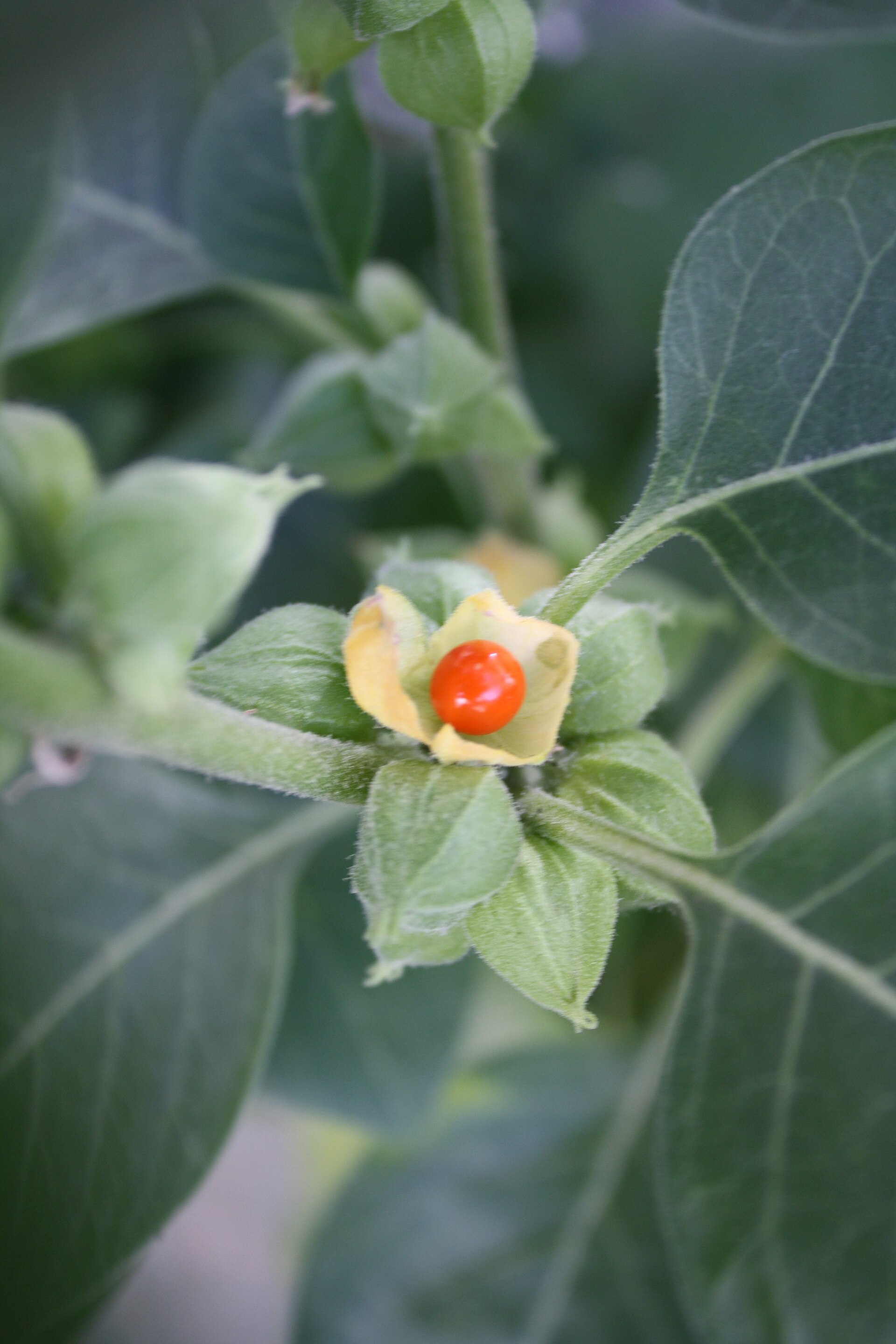
From Buzzword to Category
A few years ago, adaptogen was a marketing sticker slapped on anything vaguely herbal. In 2026 the category is settling into something more durable, driven by buyers who now ask harder questions.
Signs of Maturity
**Standardization is expected.** Serious buyers want to see withanolide percentages for ashwagandha or rosavin and salidroside figures for rhodiola, not just a plant name on the label.
**Substantiation is scrutinized.** The gap between what a study shows and what a label claims is narrowing as regulators and retailers push back on overreach.
**Species honesty matters.** The difference between true rhodiola and cheaper substitutes, or between root-only and root-and-leaf ashwagandha, is now a point of competition rather than a hidden shortcut.
What Is Driving the Shift
Three pressures are converging: better-informed consumers, tighter retail compliance requirements, and a practitioner channel that demands real data. Brands that treated adaptogens as a quick trend are finding the easy money gone.
What It Means for Sourcing
Maturity rewards traceable supply chains. When a buyer can verify species, origin, and active-compound content, they can defend a premium. That is precisely the direction the whole botanical market is heading.
The Takeaway
The adaptogen story of 2026 is not a bigger bubble; it is a more credible category. For quality-focused brands, that is good news.