Elderberry: The Complete Guide to Nature’s Immune Ally
By VERDEUM Research Team · September 16, 2026
A Hedgerow Remedy That Earned Its Reputation
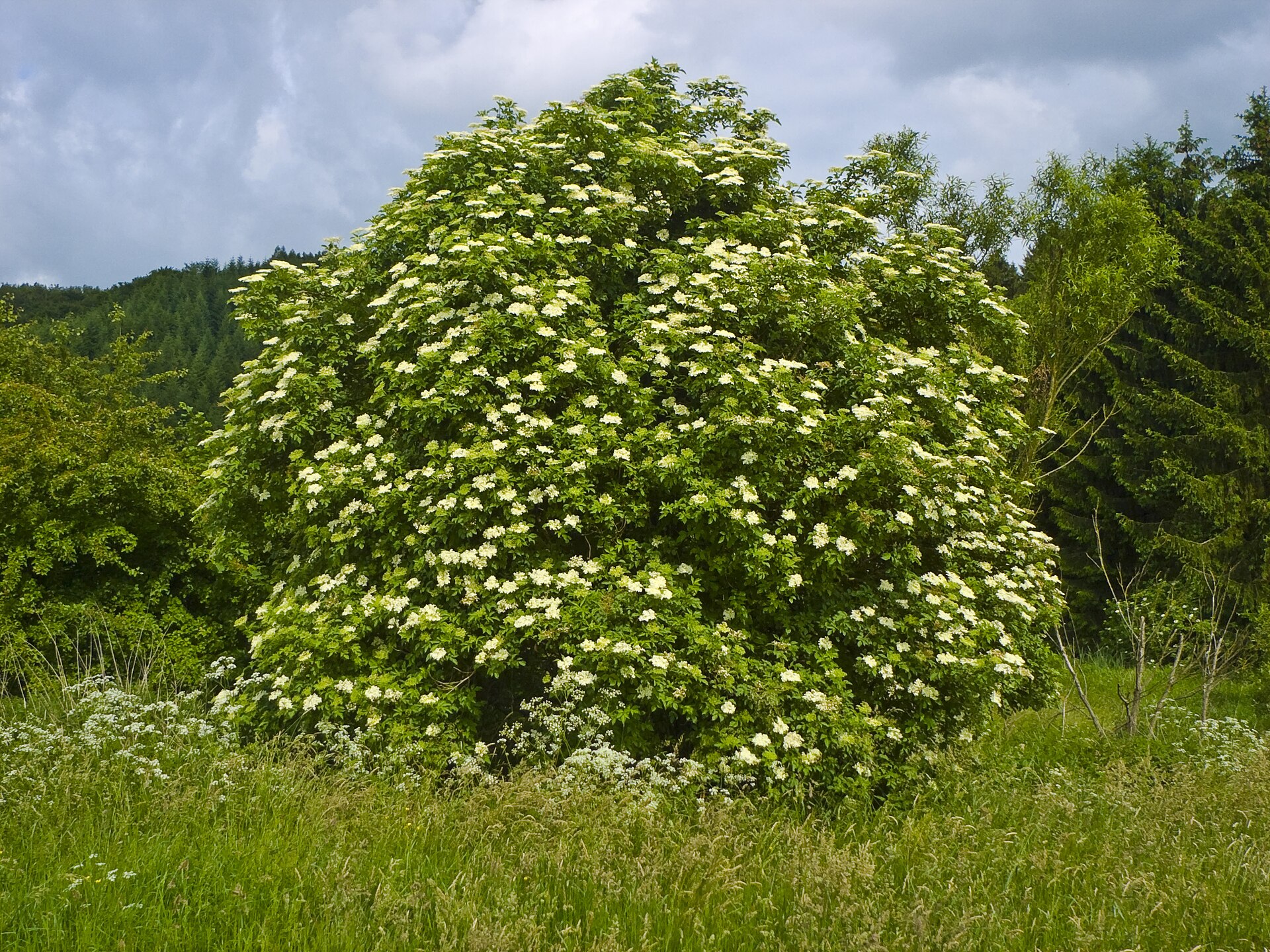
Black elderberry (Sambucus nigra) has been a European household medicine for centuries, brewed into syrups and cordials at the first sign of a winter chill. Unlike many folk remedies, elderberry has since attracted genuine clinical attention.
What the Research Suggests
Elderberry is rich in anthocyanins, the deep-purple flavonoids behind its colour and much of its activity. Small randomized trials have explored standardized extracts for respiratory infections:
- **Symptom duration:** Some studies reported shorter and less severe cold and flu symptoms when a standardized syrup was started early.
- **Antioxidant load:** The anthocyanin content contributes meaningful antioxidant capacity.
- **Immune signalling:** Laboratory work points to effects on inflammatory cytokines, though human data remain limited.
The honest summary: promising, early, and worth respecting without overstating. Elderberry is a supportive botanical, not a cure.
The One Safety Rule That Matters Most
Raw or unripe elderberries, along with the leaves, bark, and stems, contain cyanogenic glycosides that can cause nausea, vomiting, and diarrhoea. Cooking neutralizes them. Only ever use properly cooked berries or a professionally prepared extract, and always strain out stems.
How To Use It
- **Syrup:** The classic form; taken by the teaspoon at the onset of symptoms.
- **Standardized extract capsules:** Convenient and dose-consistent.
- **Lozenges:** Useful for on-the-go early intervention.
Who Should Be Cautious
People on immunosuppressant therapy should consult a clinician, since elderberry may stimulate immune activity. Pregnant and breastfeeding women should seek professional guidance, and it is not a substitute for vaccination or medical care in serious illness.
*This article is for educational purposes and is not medical advice.*