
The Functional-Mushroom Boom: Inside the Next Botanical Frontier
By VERDEUM Research Team · August 20, 2026
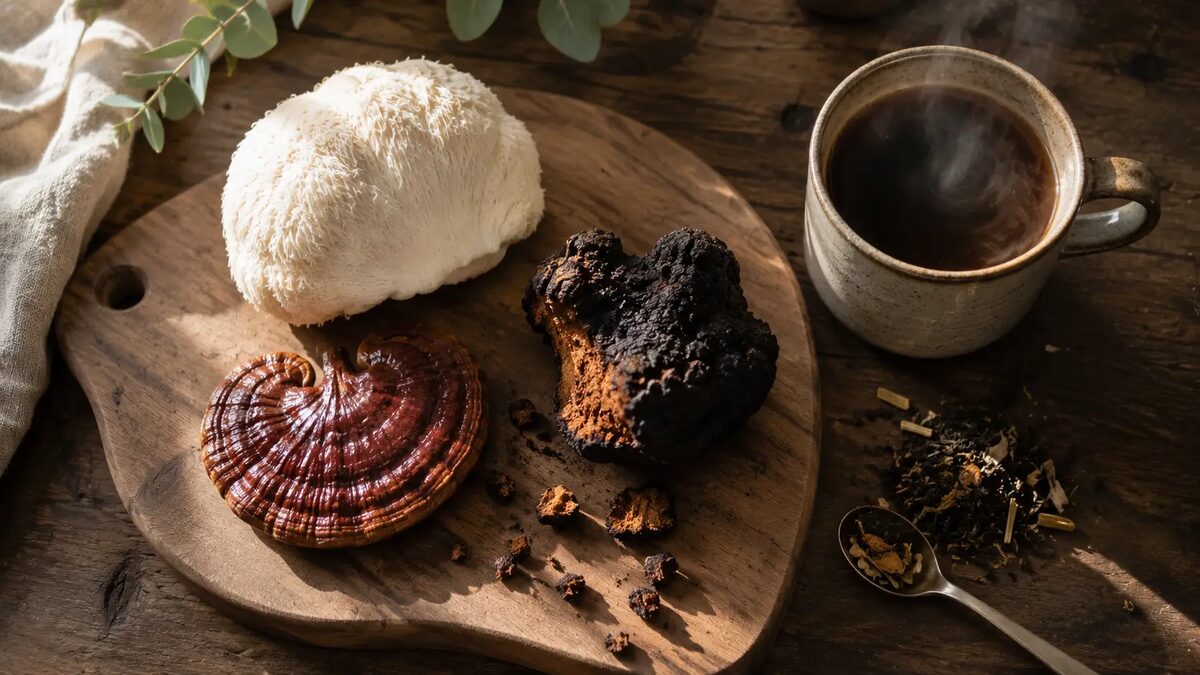
From Fringe to Mainstream
Functional mushrooms have moved from health-food shelves into mainstream cafes, supplement aisles, and beverage lines. Lion’s mane, reishi, cordyceps, chaga, and turkey tail now anchor one of the fastest-growing segments in the botanical market.
What Is Driving Growth
- **The adaptogen halo:** Consumers already primed on ashwagandha and rhodiola are extending the same "resilience" logic to mushrooms.
- **Functional beverages:** Mushroom coffees, cacaos, and sparkling drinks have made the category approachable and habitual.
- **Cognitive positioning:** Lion’s mane in particular rides strong consumer interest in focus and long-term brain health.
The Quality Reckoning
The category’s central problem is not demand — it is what is actually in the jar. Two issues dominate:
1. **Mycelium-on-grain vs. fruiting body:** Much cheaper product is mycelium grown on grain and sold as mushroom powder, often diluting the active beta-glucans with leftover starch. 2. **Unverified potency:** "Polysaccharides" on a label can include starch. Beta-glucan-specific testing is the only meaningful potency measure.
What Serious Buyers Now Demand
- Beta-glucan quantification, not just polysaccharide totals.
- Clear labelling of fruiting body versus mycelium.
- Dual-extraction for species where triterpenes matter, such as reishi and chaga.
- Batch-level testing for heavy metals, since some mushrooms accumulate them.
The Outlook
The brands that win the next phase will compete on verified potency and transparent sourcing rather than marketing. Expect third-party beta-glucan certificates to become a standard purchase requirement — the same trajectory traceability took in the wider botanical trade.
*Market commentary for educational purposes.*