Heavy Metals in Botanicals: What Testing Really Tells You
By VERDEUM Research Team · September 16, 2026
Why Plants Carry Metals
Botanicals absorb whatever is in their soil and water, which means heavy metals can accumulate through no fault of the processor. Certain herbs and certain growing regions carry higher risk, making testing a non-negotiable part of responsible sourcing.
The Big Four
Regulators and quality programmes focus on four elements:
- **Lead:** The most common concern, linked to contaminated soils and industrial areas.
- **Arsenic:** Both organic and the more toxic inorganic forms; rice-adjacent and some root crops warrant attention.
- **Cadmium:** Accumulated by leafy plants and some seeds.
- **Mercury:** Less common in plants but tested as part of a complete panel.
How Limits Work
Limits are set to keep total daily exposure below health-based thresholds, so the acceptable amount in a product depends partly on how much a person consumes. This is why serving size and recommended dose matter to a compliance calculation, not just the raw concentration.
What Good Practice Looks Like
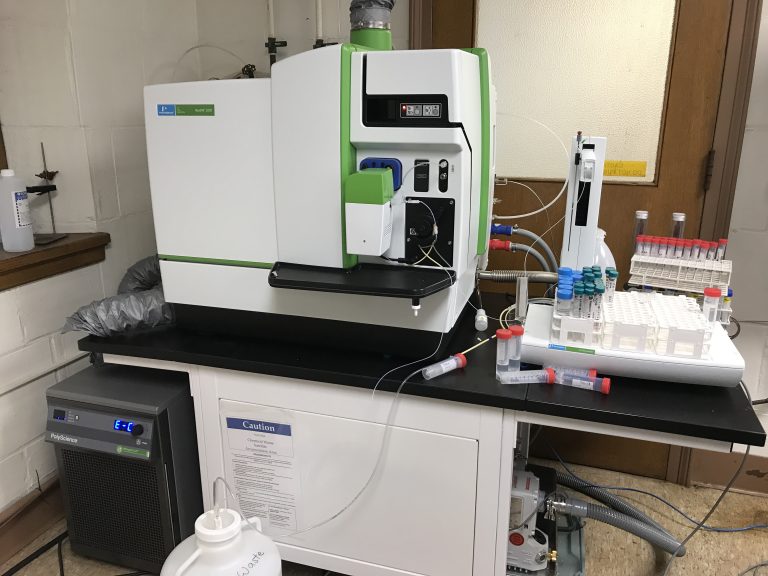
1. Test every lot against a written specification. 2. Use validated laboratory methods such as ICP-MS for accurate low-level detection. 3. Pay extra attention to known accumulators and higher-risk origins. 4. Keep the records; regulators increasingly audit them.
The Takeaway
Heavy metals testing is not a formality. It is the core of proving a botanical is safe, and it belongs in every brand’s quality system from the very first batch.
*This overview is educational and is not legal or regulatory advice.*