Milk Thistle: The Liver Herb, Examined
By VERDEUM Research Team · September 16, 2026
A Weed With a Long Clinical Record
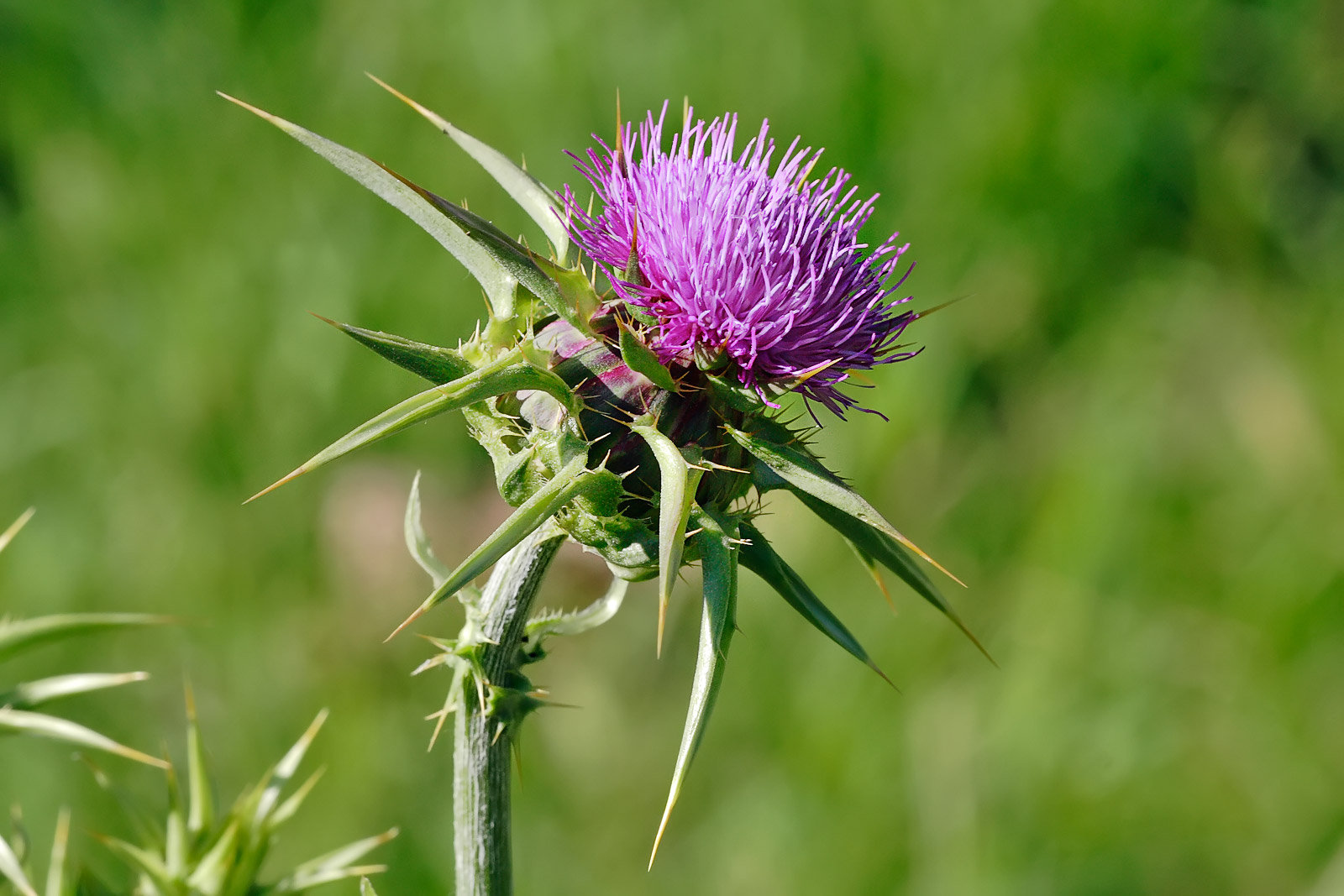
Milk thistle (Silybum marianum) is a spiny Mediterranean plant whose seeds yield silymarin, a complex of flavonolignans led by silybin. It has been used for liver and gallbladder complaints since antiquity and is now among the most researched hepatic botanicals.
What Silymarin Does
Silymarin is studied primarily as an antioxidant and membrane stabilizer for liver cells:
- **Antioxidant defence:** It supports the cell’s own glutathione system and scavenges free radicals.
- **Membrane protection:** Laboratory work suggests it helps stabilize hepatocyte membranes against certain toxins.
- **Clinical interest:** Trials have explored it in liver conditions with mixed but generally favourable safety findings; results on hard outcomes remain variable.
The balanced view: a well-tolerated supportive antioxidant with encouraging but not conclusive clinical evidence.
Choosing a Quality Extract
Silymarin is poorly water-soluble, so preparation matters:
1. **Standardization:** Look for extracts standardized to 70 to 80 percent silymarin. 2. **Bioavailability:** Phospholipid-bound (phytosome) forms improve absorption considerably. 3. **Seed sourcing:** The seeds, not the leaves, carry the active compounds.
How To Use It
- **Capsules:** Standardized extract is the practical mainstay.
- **Tea:** Pleasant but delivers little silymarin because of poor solubility.
Safety Notes
Milk thistle is well tolerated; mild digestive upset is the most common complaint. People allergic to the daisy family should be cautious, and anyone with a liver condition should use it alongside, not instead of, medical care.
*This article is for educational purposes and is not medical advice.*