
Rhodiola: The Arctic Adaptogen for Fatigue and Focus
By VERDEUM Research Team · August 20, 2026
Born in Harsh Places
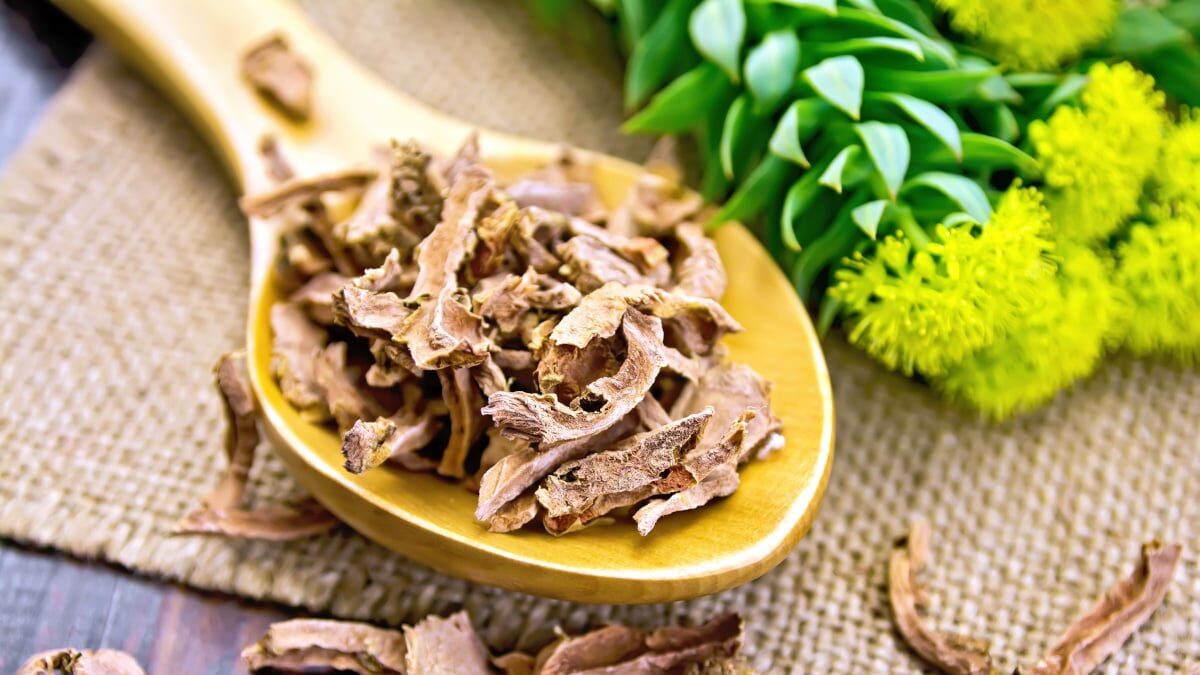
Rhodiola rosea grows in the cold, high-altitude regions of the Arctic and mountainous Europe and Asia. Traditionally used by Scandinavian and Russian populations to combat fatigue and endure harsh conditions, it has become one of the best-known adaptogens in the West.
What Makes It Work
Rhodiola is standardised to two marker compound groups:
- **Rosavins** — typically standardised at around 3%.
- **Salidroside** — typically around 1%.
The traditional benchmark is a 3:1 rosavin-to-salidroside ratio, matching the profile of wild R. rosea.
What the Research Explores
- **Mental fatigue:** The strongest area of evidence; rhodiola has been studied in students, physicians on night shifts, and other groups under cognitive strain.
- **Stress and burnout:** Studied for symptoms of prolonged stress and low energy.
- **Physical performance:** Mixed results, with some evidence for reduced perceived exertion.
How to Use It
- **Dose:** Studies commonly use 200-600 mg of standardised extract daily.
- **Timing:** Take in the morning or early afternoon — rhodiola can be activating and may disturb sleep if taken late.
- **Cycling:** Many practitioners suggest using it in blocks rather than indefinitely.
Quality Markers
Rhodiola is frequently adulterated because wild supply is limited. Look for verified R. rosea species (not other Rhodiola species), a stated rosavin/salidroside percentage, and third-party testing.
Safety Notes
Generally well tolerated. It can be over-stimulating for some people, especially at higher doses. Use caution with bipolar disorder, and consult a practitioner if on antidepressants or blood-pressure medication.
*This article is for educational purposes and is not medical advice.*