
Turmeric: The Golden Root and the Science of Curcumin
By VERDEUM Research Team · August 20, 2026
From Curry Pot to Clinic
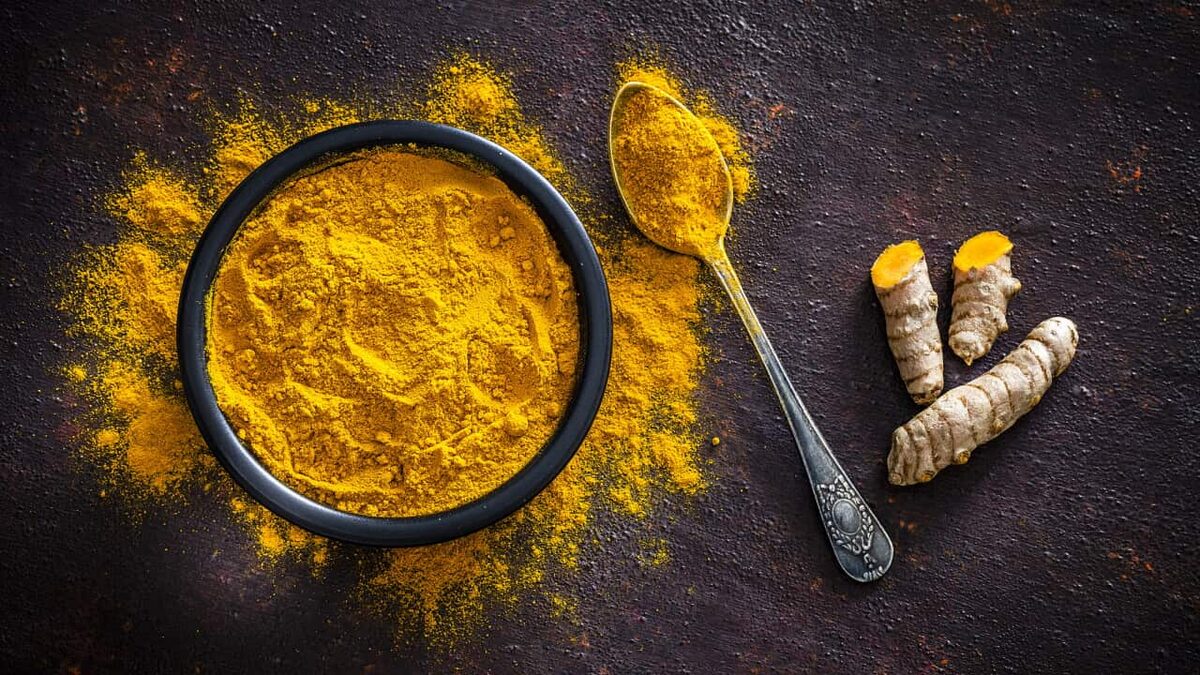
Few botanicals bridge food and medicine as gracefully as turmeric (Curcuma longa). A staple of South and Southeast Asian cooking for millennia and a pillar of Ayurvedic and Siddha medicine, its bright orange rhizome has become one of the most studied natural products in the world.
What Curcumin Actually Does
Turmeric's headline compounds are the curcuminoids, led by curcumin. Research has focused on their influence on inflammatory signalling pathways rather than a single dramatic effect:
- **Inflammatory modulation:** Curcumin interacts with signalling molecules involved in the body's inflammatory response, which is why most trials study joint comfort and recovery.
- **Antioxidant activity:** It supports the body's own antioxidant defences rather than simply acting as a standalone antioxidant.
- **Joint comfort:** Standardised extracts have been studied for everyday joint stiffness and post-exercise soreness.
The Absorption Problem
Plain curcumin is poorly absorbed and rapidly cleared, so the form matters more than the milligrams on the label:
- **Black pepper (piperine):** The classic pairing; piperine slows curcumin breakdown and can raise blood levels substantially.
- **Phospholipid and micellar formulations:** Modern delivery systems designed to improve uptake, often standardised and clinically tested.
- **With fat:** Curcumin is fat-soluble, so taking it with a meal containing oil improves absorption.
How to Use It
- **Culinary:** A daily pinch in cooking is gentle and traditional — pair with black pepper and a little oil.
- **Golden milk:** Turmeric simmered in milk with pepper and a healthy fat is the classic home preparation.
- **Standardised extract:** Follow the product's dosing; look for a defined curcuminoid percentage and a named absorption technology.
Safety Notes
Culinary amounts are very safe. Concentrated extracts should be used with caution alongside blood-thinning medication, gallstones, or before surgery. Rare reports of liver irritation have been linked to certain high-dose enhanced-absorption products, so choose third-party-tested brands and stick to label doses.
*This article is for educational purposes and is not medical advice.*