Ease tension and restore balance
Calm & Nervous System
Nervines and calming botanicals traditionally used to soothe stress, support restful sleep, and steady the nervous system.
60 herbs in this collection
 Featured
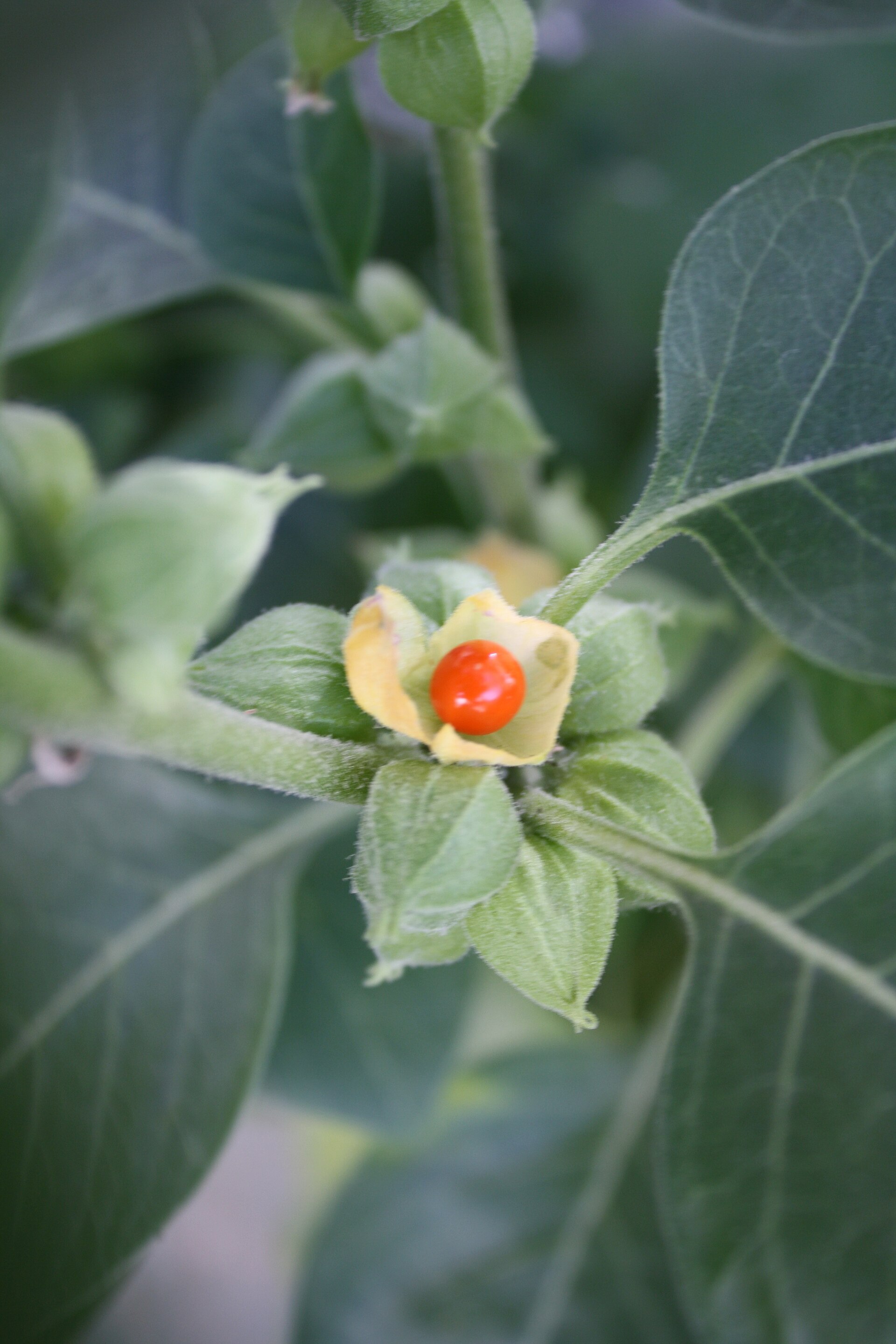
Ashwagandha
Withania somnifera
A cornerstone adaptogen of Ayurvedic medicine, prized for over 3,000 years for restoring vitality, calming the nervous system, and building resilience to stress.
 Featured
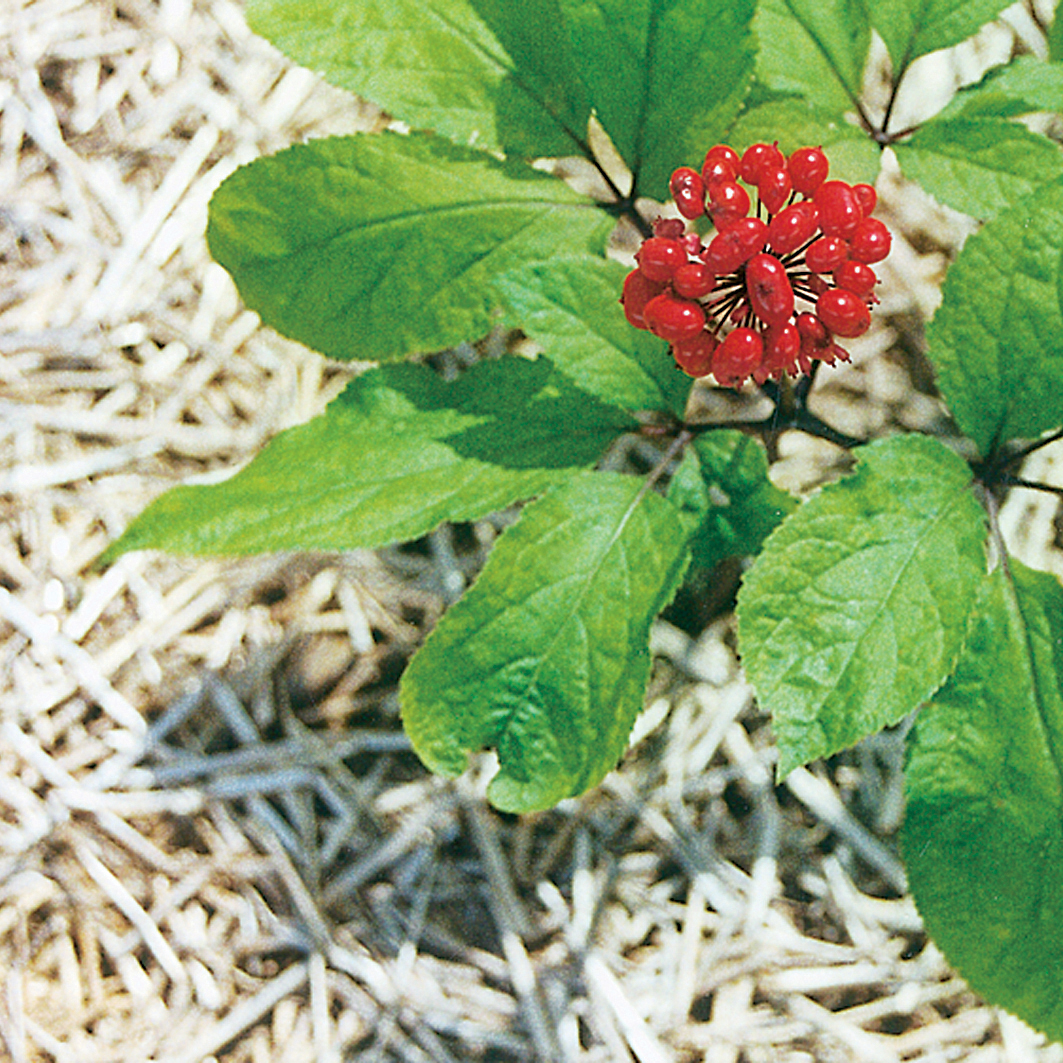
Asian Ginseng
Panax ginseng
The emperor of tonics in Chinese medicine — a 2,000-year legacy of restoring qi, sharpening the mind, and extending vitality.
 Featured
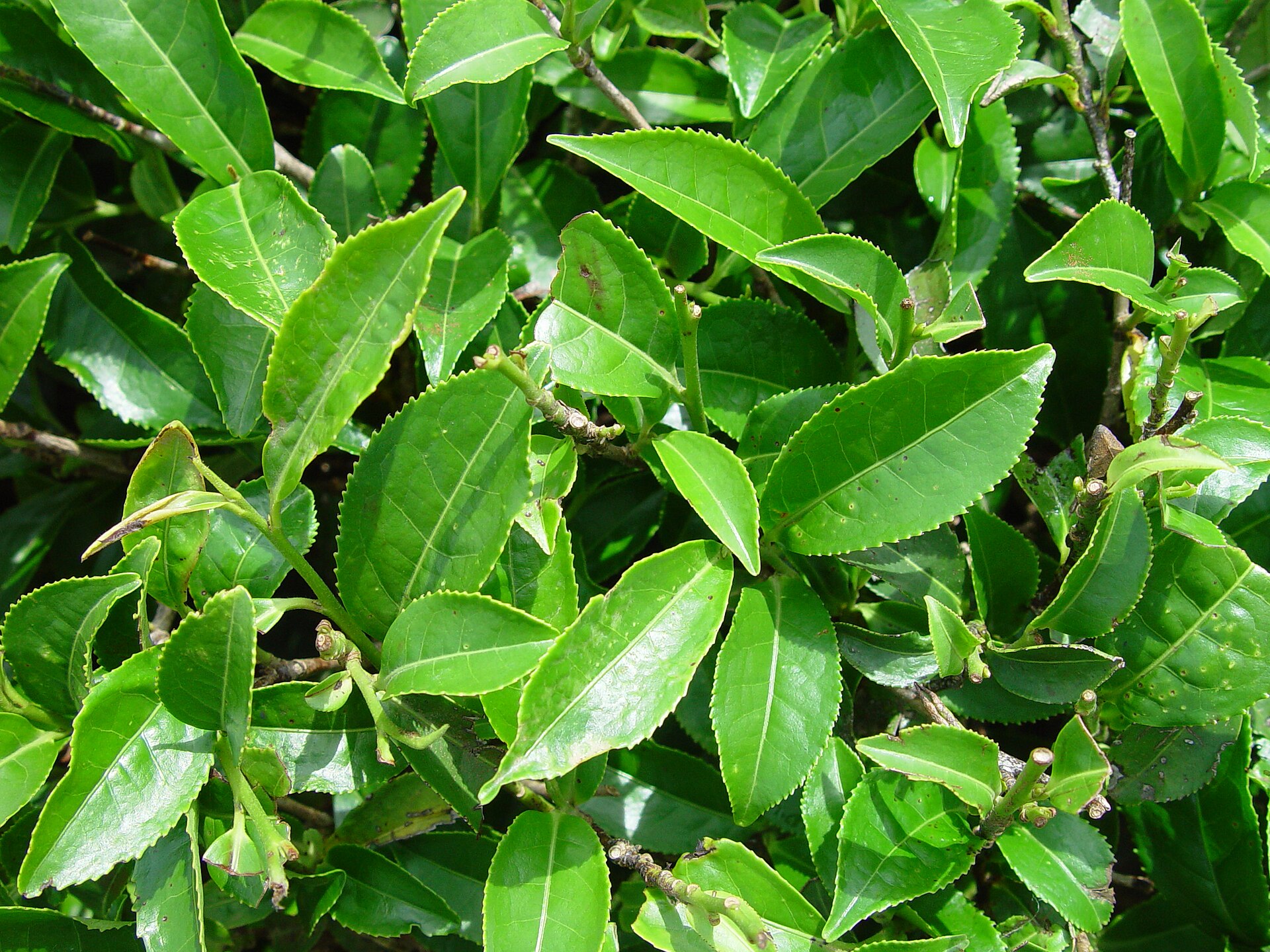
Green Tea
Camellia sinensis
Green tea is one of the most studied botanicals in the world, prized for its catechin antioxidants — especially EGCG — that support cardiovascular health, metabolism, and healthy aging.
 Featured
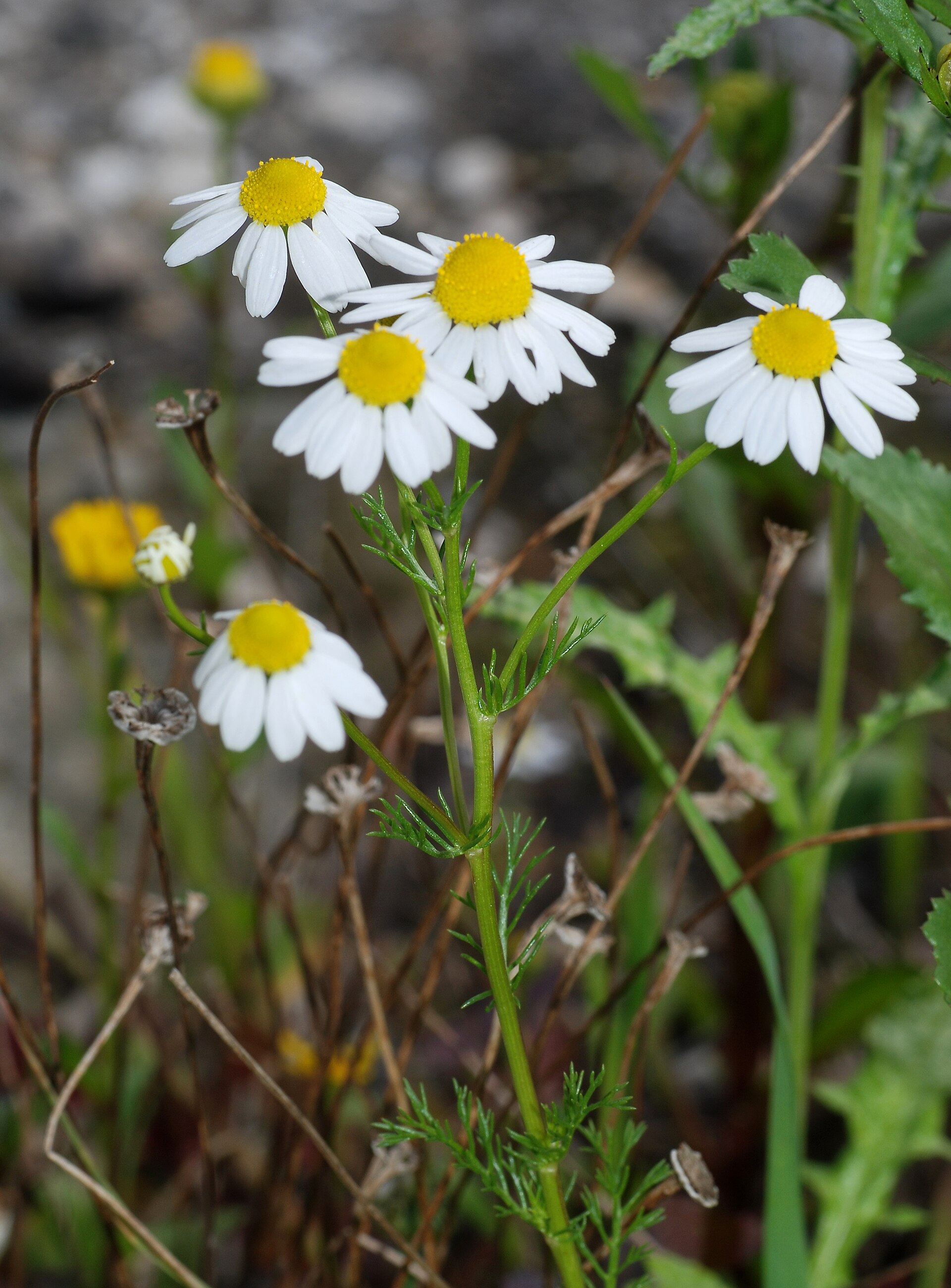
Chamomile
Matricaria chamomilla
Europe’s gentle everything-herb — a calming nervine, digestive soother, and anti-inflammatory trusted for children and adults alike.
 Featured
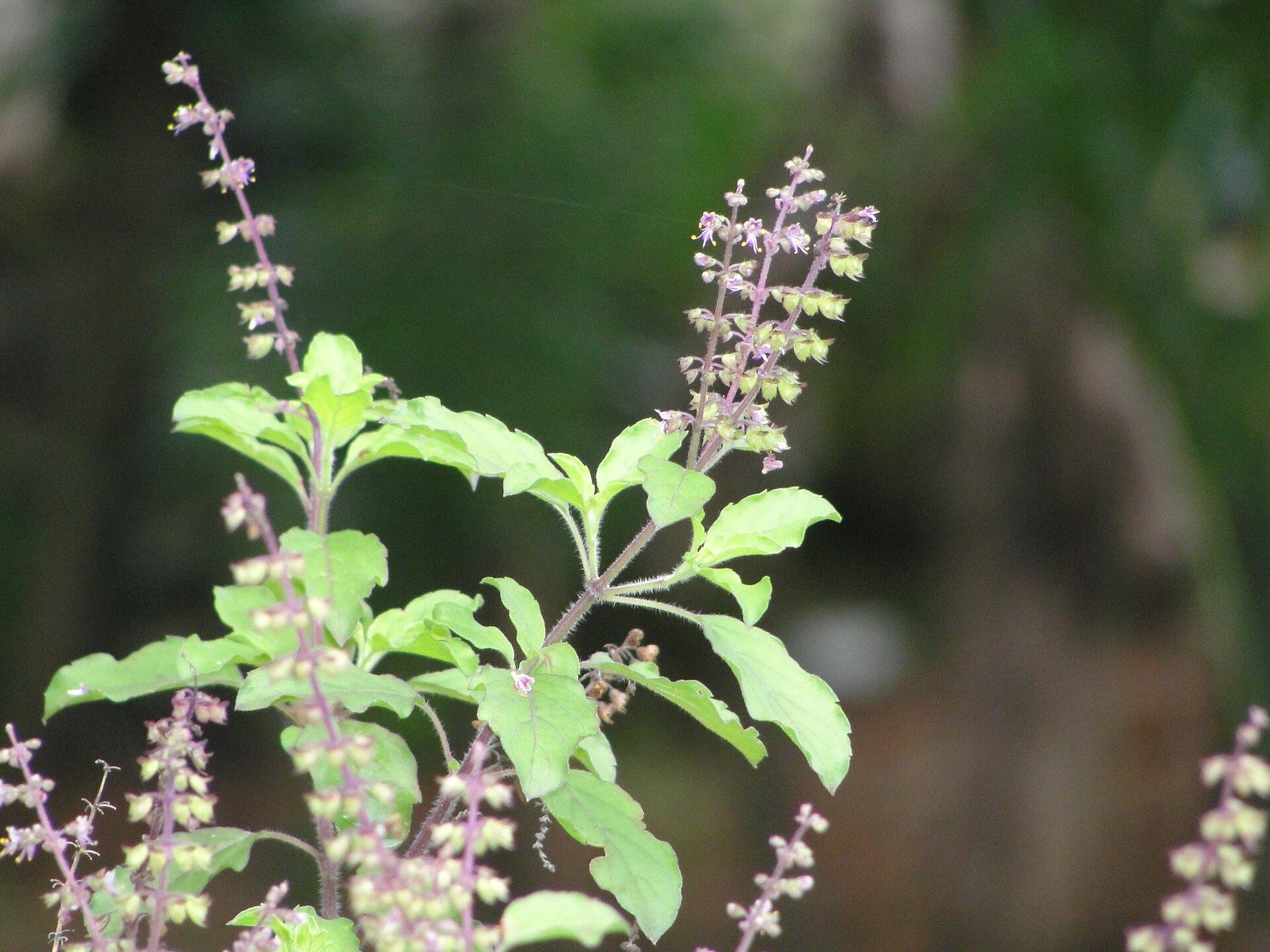
Holy Basil
Ocimum tenuiflorum
India’s “Queen of Herbs” — a sacred adaptogen revered in Ayurveda for stress, respiratory health, blood sugar, and spiritual clarity.
 Featured
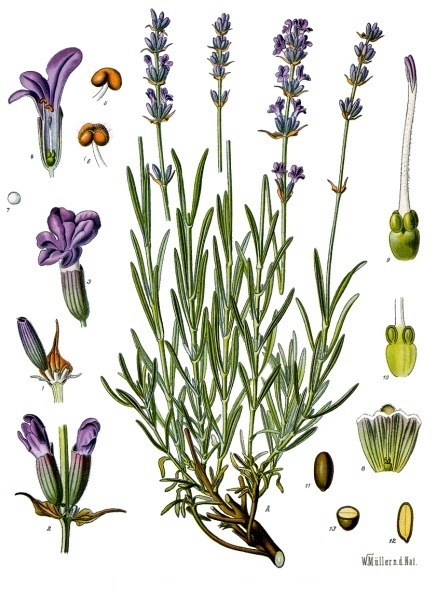
Lavender
Lavandula angustifolia
The queen of aromatic calm — clinically validated for anxiety, sleep, and skin healing, and the most beloved essential oil in the world.
 Featured
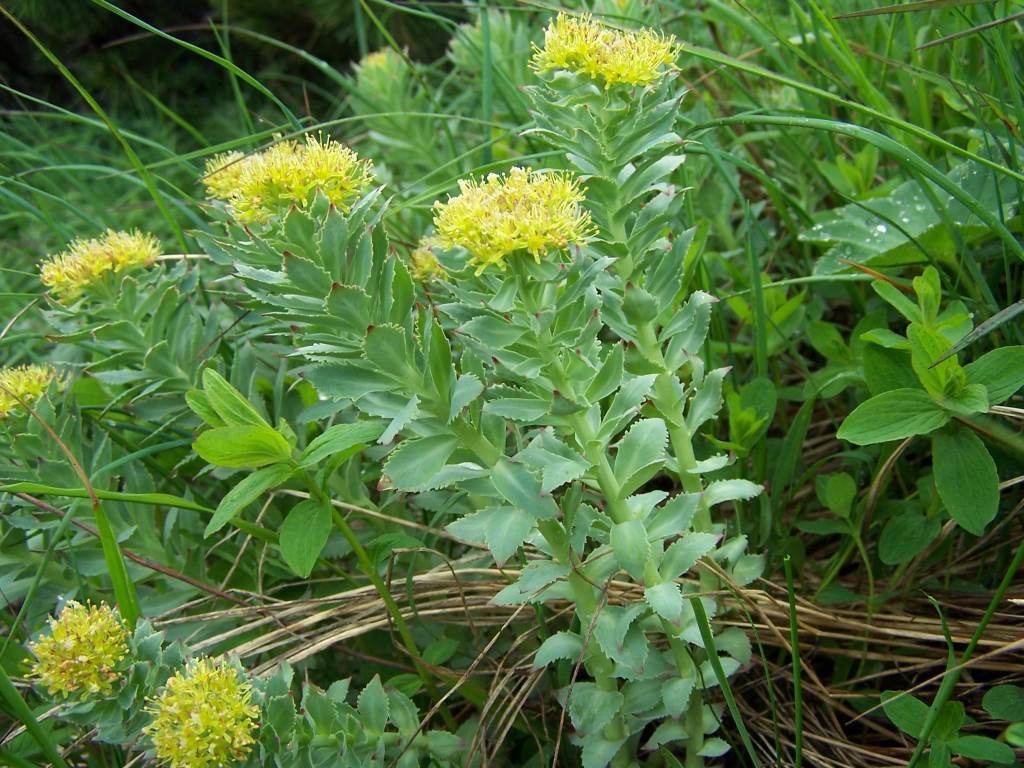
Rhodiola Rosea
Rhodiola rosea
The arctic adaptogen — Viking-era stamina root studied by Soviet scientists for fatigue, stress resilience, and mental performance.
 Featured
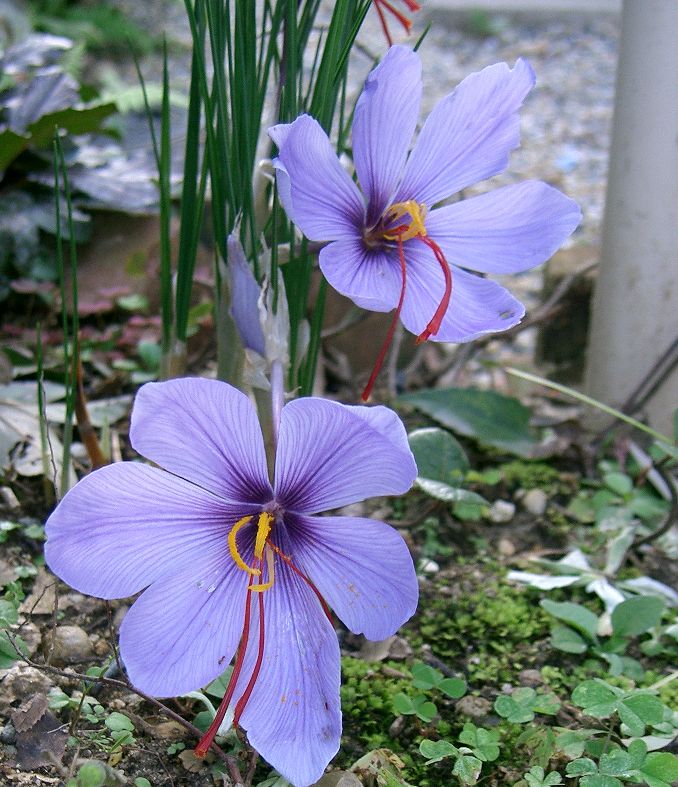
Saffron
Crocus sativus
Saffron — the world’s most precious spice — is now one of the best-evidenced botanicals for mood, with clinical trials showing antidepressant effects comparable to standard medications for mild-to-moderate depression.
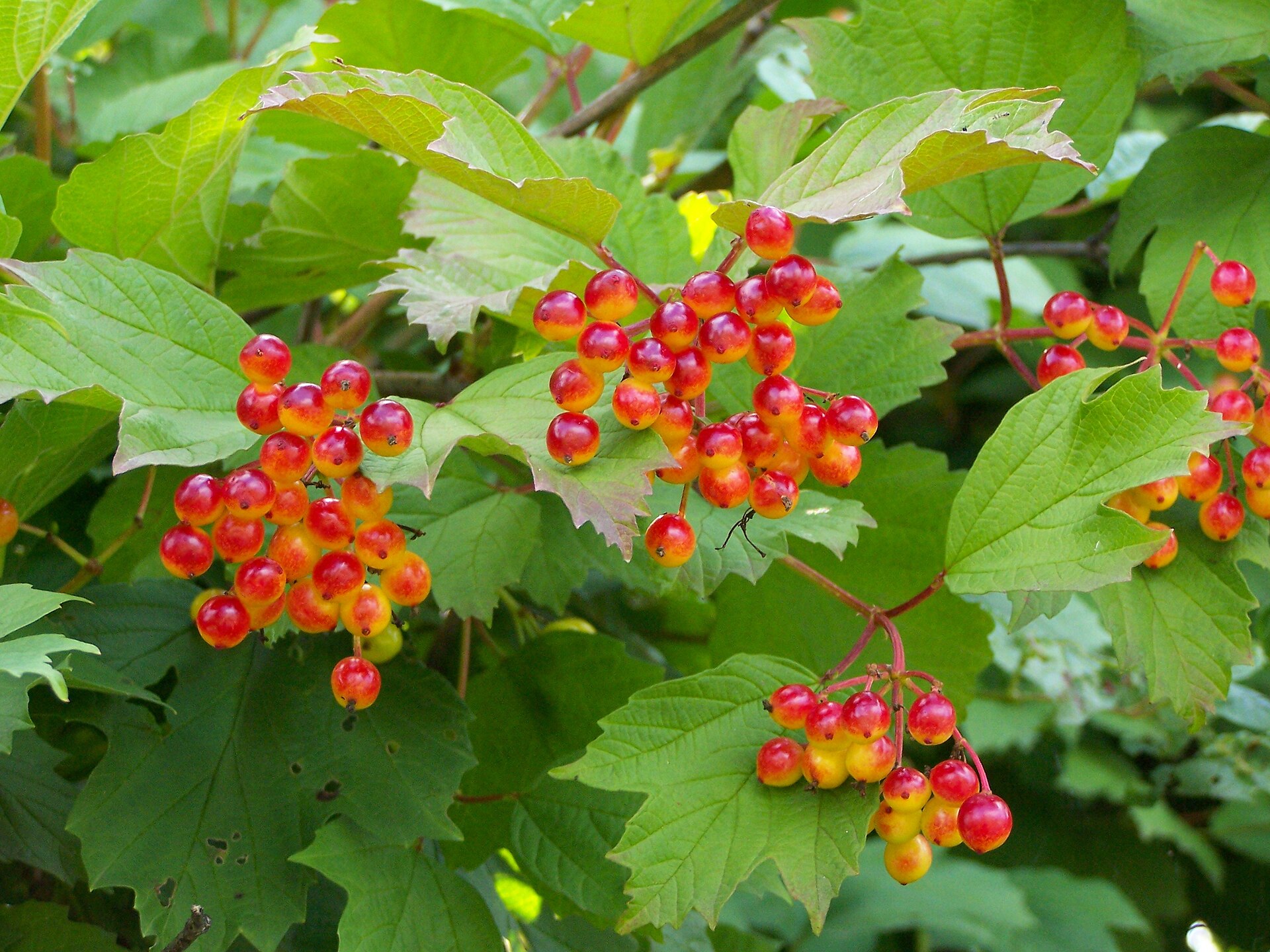
Cramp Bark
Viburnum opulus
The premier Western antispasmodic for smooth muscle — the herb of choice for period cramps, and safe enough for regular use.
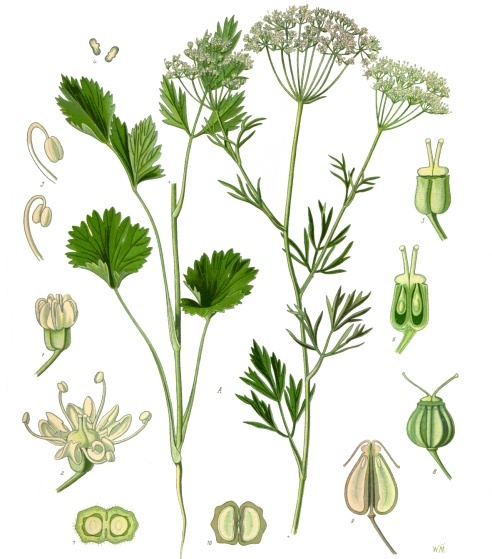
Anise
Pimpinella anisum
One of the oldest spice-medicines in the world, used since Egyptian times as a powerful carminative, expectorant and galactagogue — the original flavour behind ouzo, absinthe, sambuca and pastis.
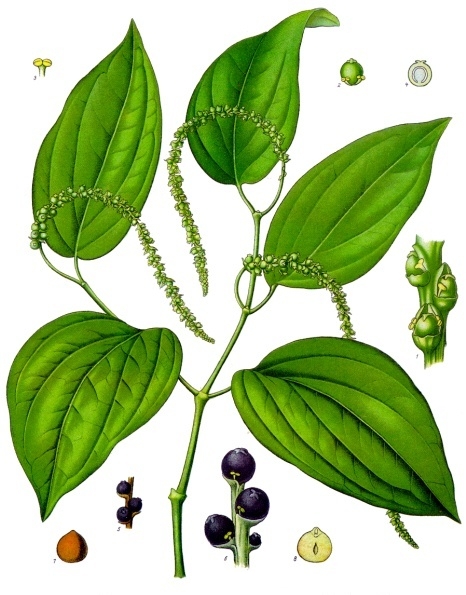
Black Pepper
Piper nigrum
The "King of Spices" — far more than a seasoning, black pepper's piperine is a powerful bioenhancer that increases the absorption of curcumin by 2,000% and numerous drugs and nutrients. A cornerstone of Ayurvedic Trikatu.
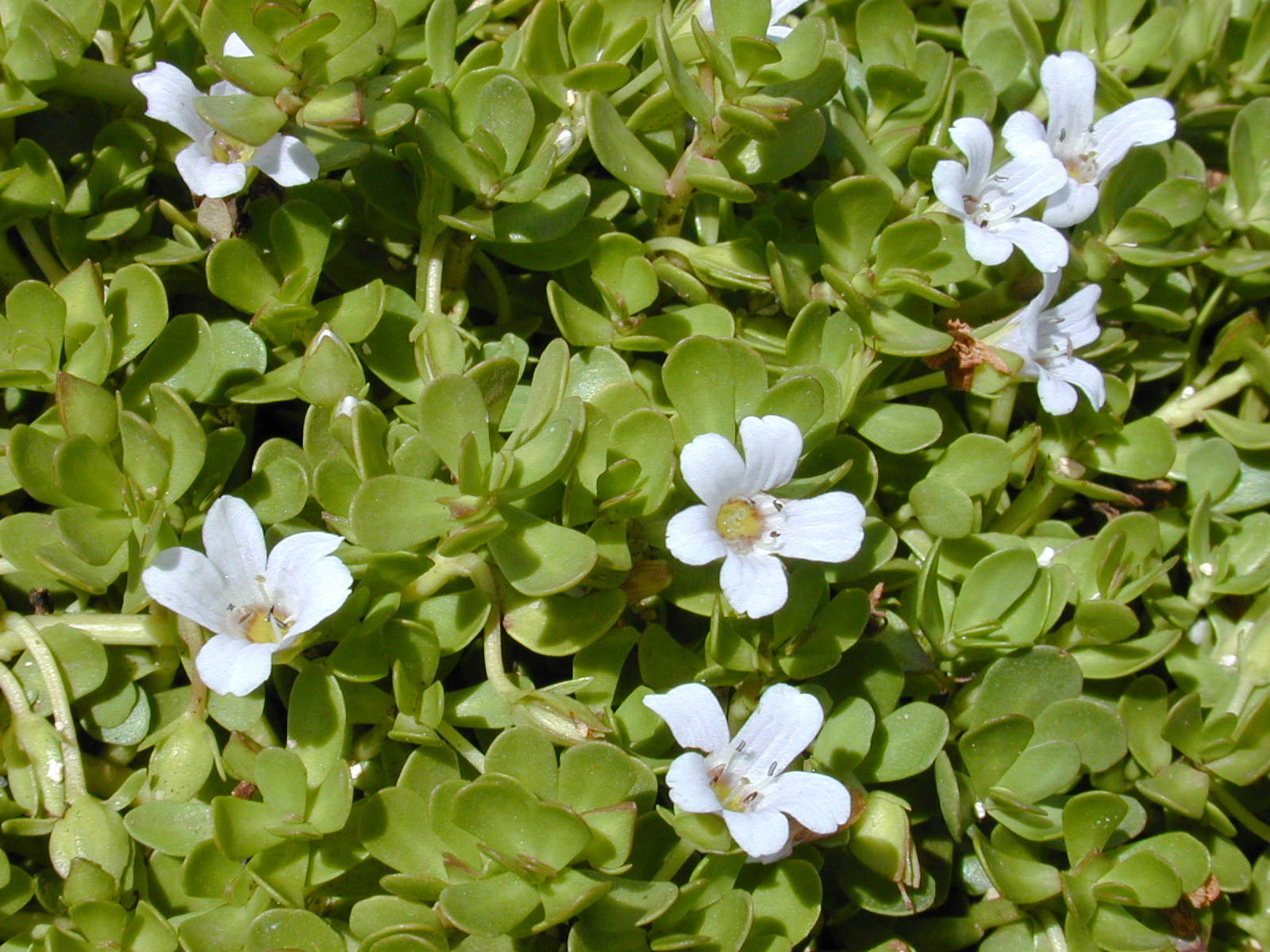
Brahmi (Bacopa)
Bacopa monnieri
Ayurveda's premier brain and memory herb — one of only a handful of traditional nootropics with genuine double-blind, placebo-controlled clinical trial evidence for improving memory, learning and cognitive processing.
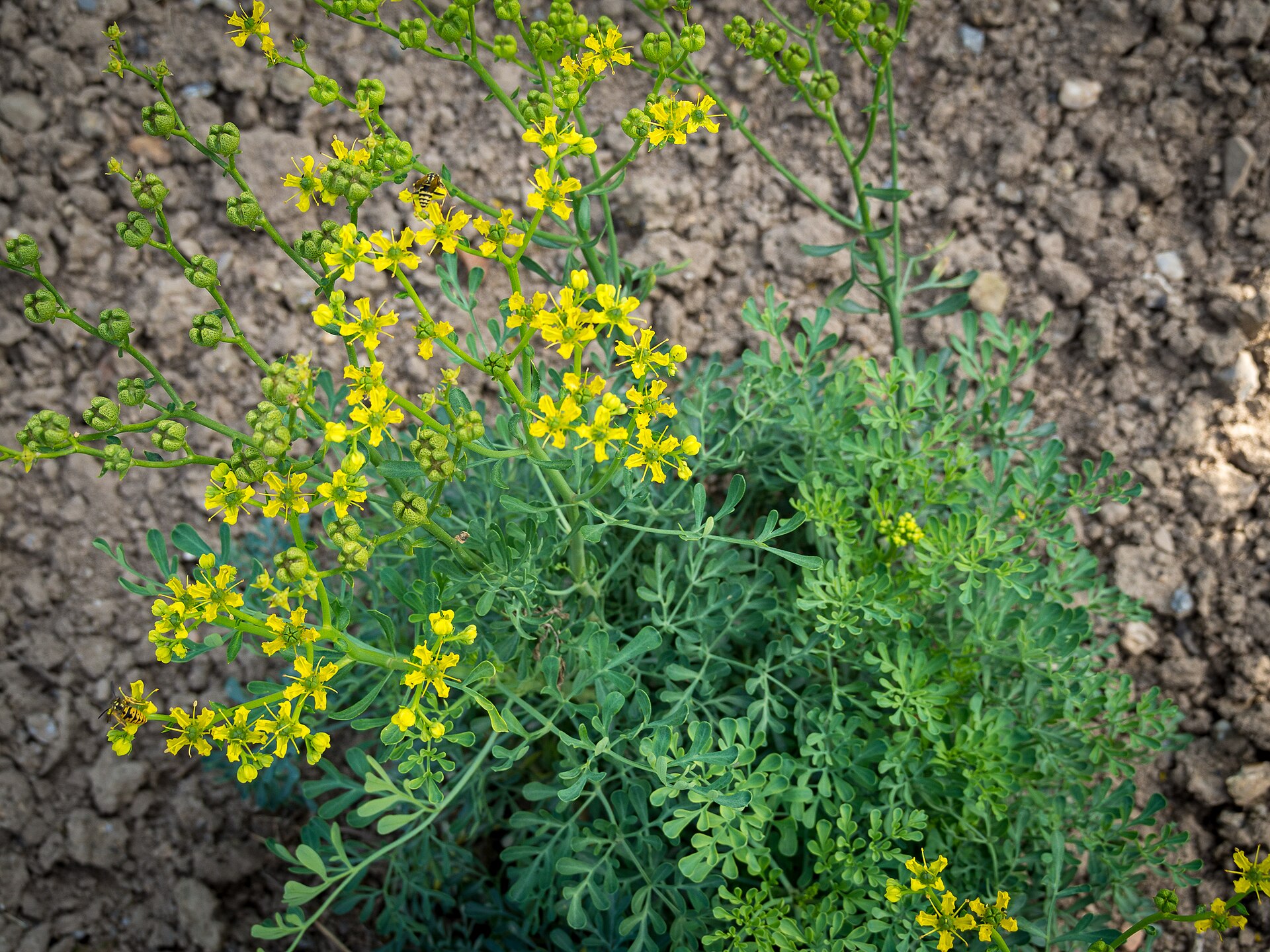
Rue
Ruta graveolens
An ancient Mediterranean bitter and antispasmodic wrapped in folklore — genuinely useful, genuinely toxic, and strictly practitioner territory.
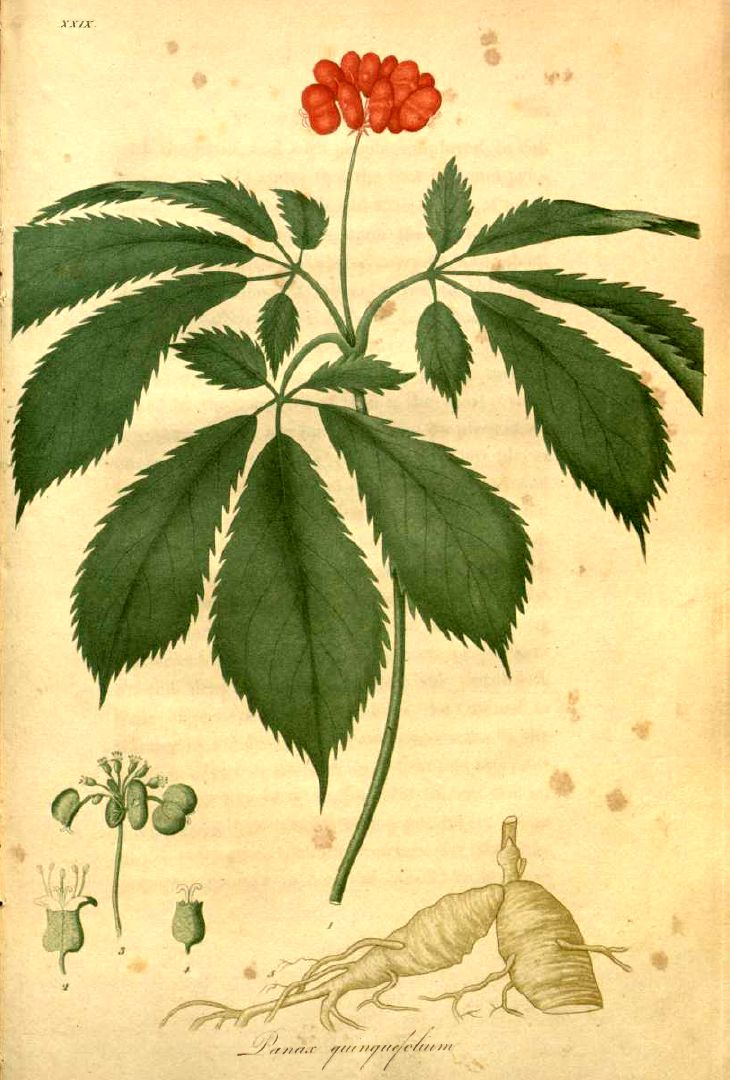
American Ginseng
Panax quinquefolius
The cooler, yin-nourishing cousin of Asian ginseng — an Appalachian forest treasure prized in China and studied for immunity and blood sugar.
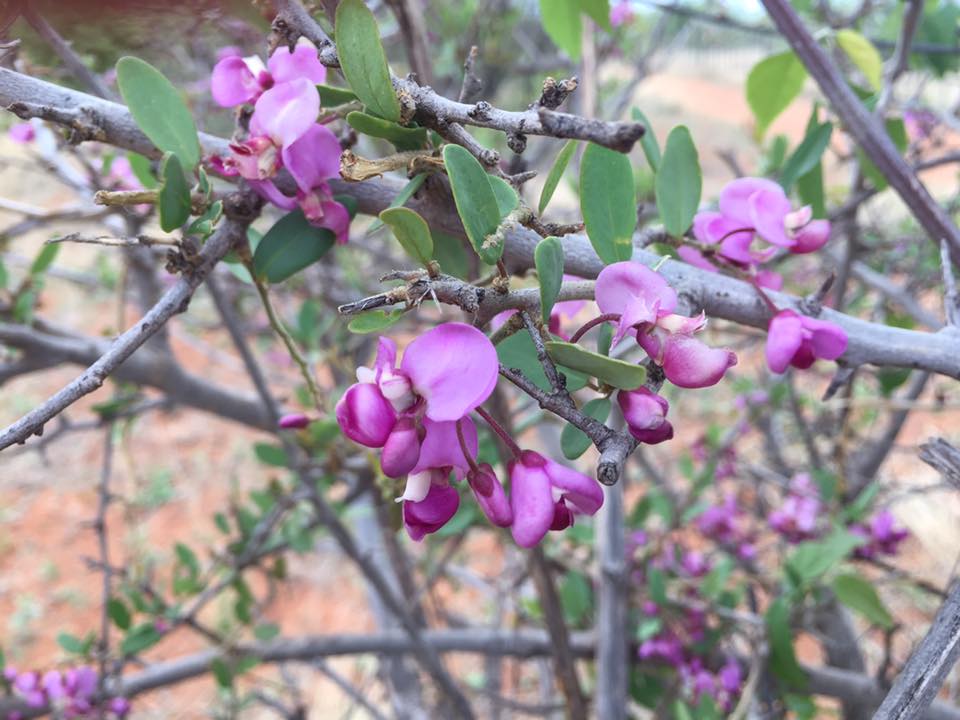
Violet Tree
Securidaca longepedunculata
A small, violet-flowered savanna tree whose root is one of the most versatile — and most dangerous — medicines in West African pharmacopoeia, used for snakebite, cough, epilepsy, and sexually transmitted infections.
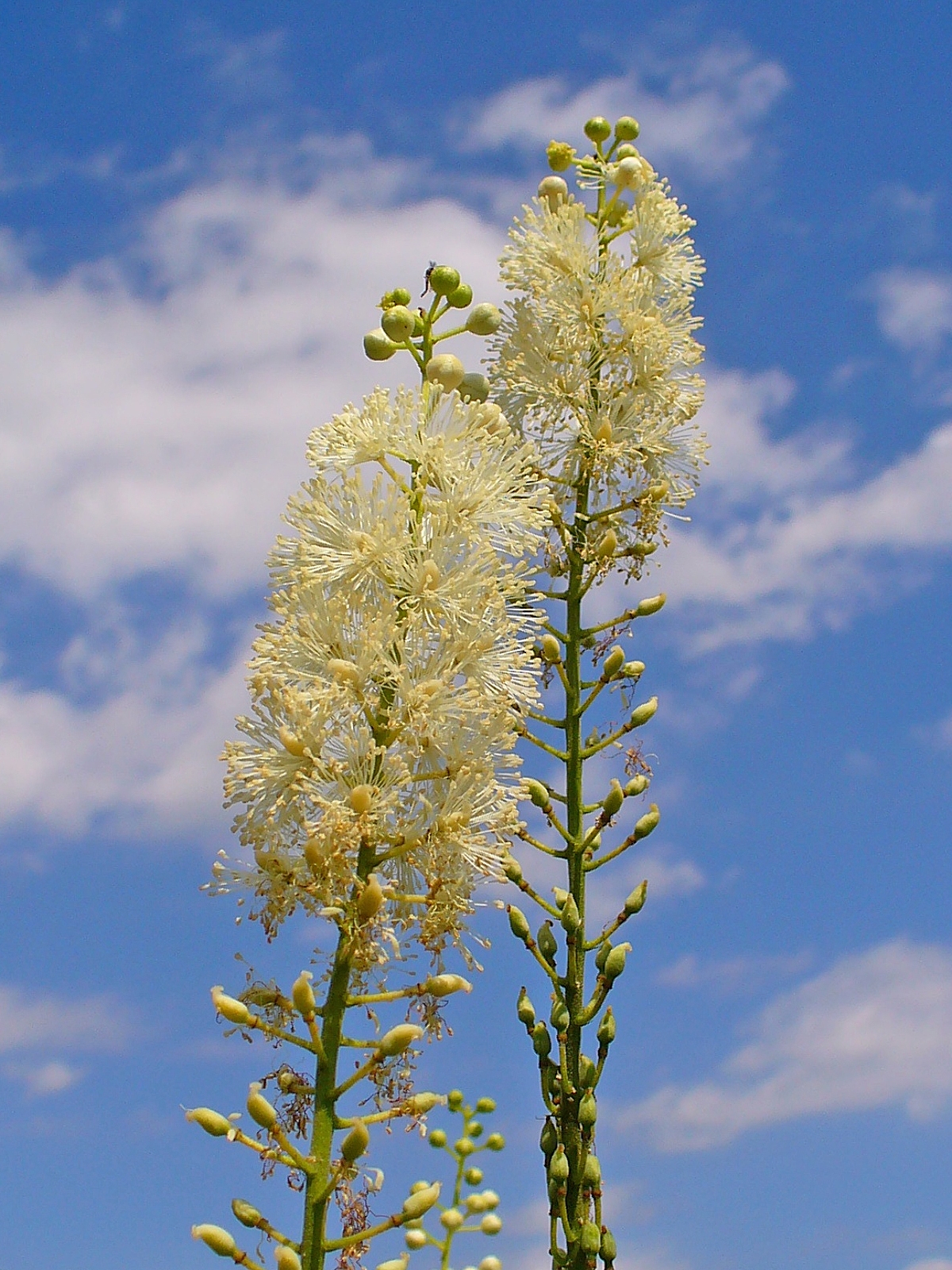
Black Cohosh
Actaea racemosa
The leading botanical for menopause — an Eastern woodland root long used by Indigenous nations for women’s health and rheumatism.
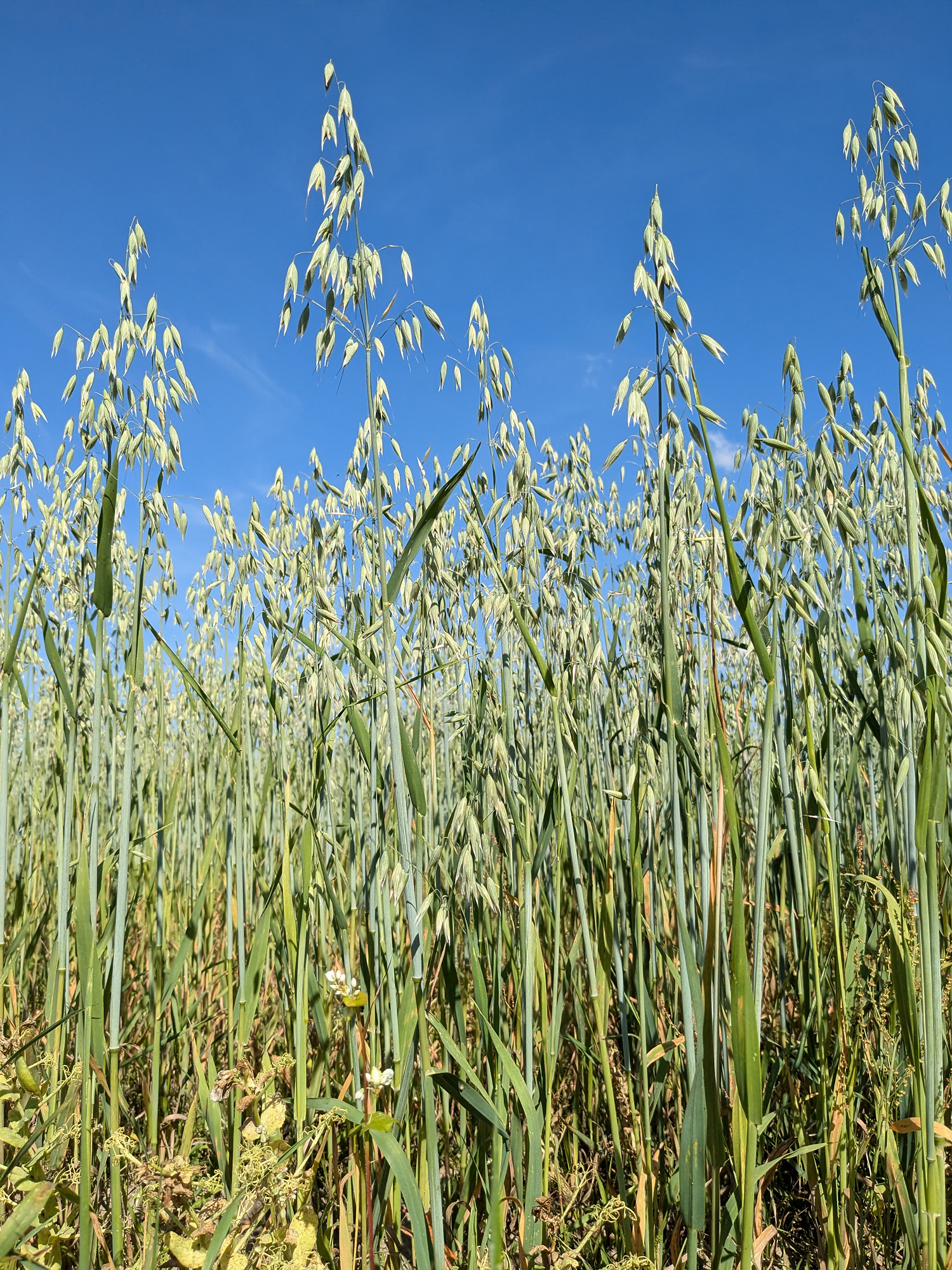
Oat Straw & Milky Oats
Avena sativa
The gentlest and most restorative nervine in Western herbalism — a mineral-rich trophorestorative for burnout, exhaustion and frayed nerves.
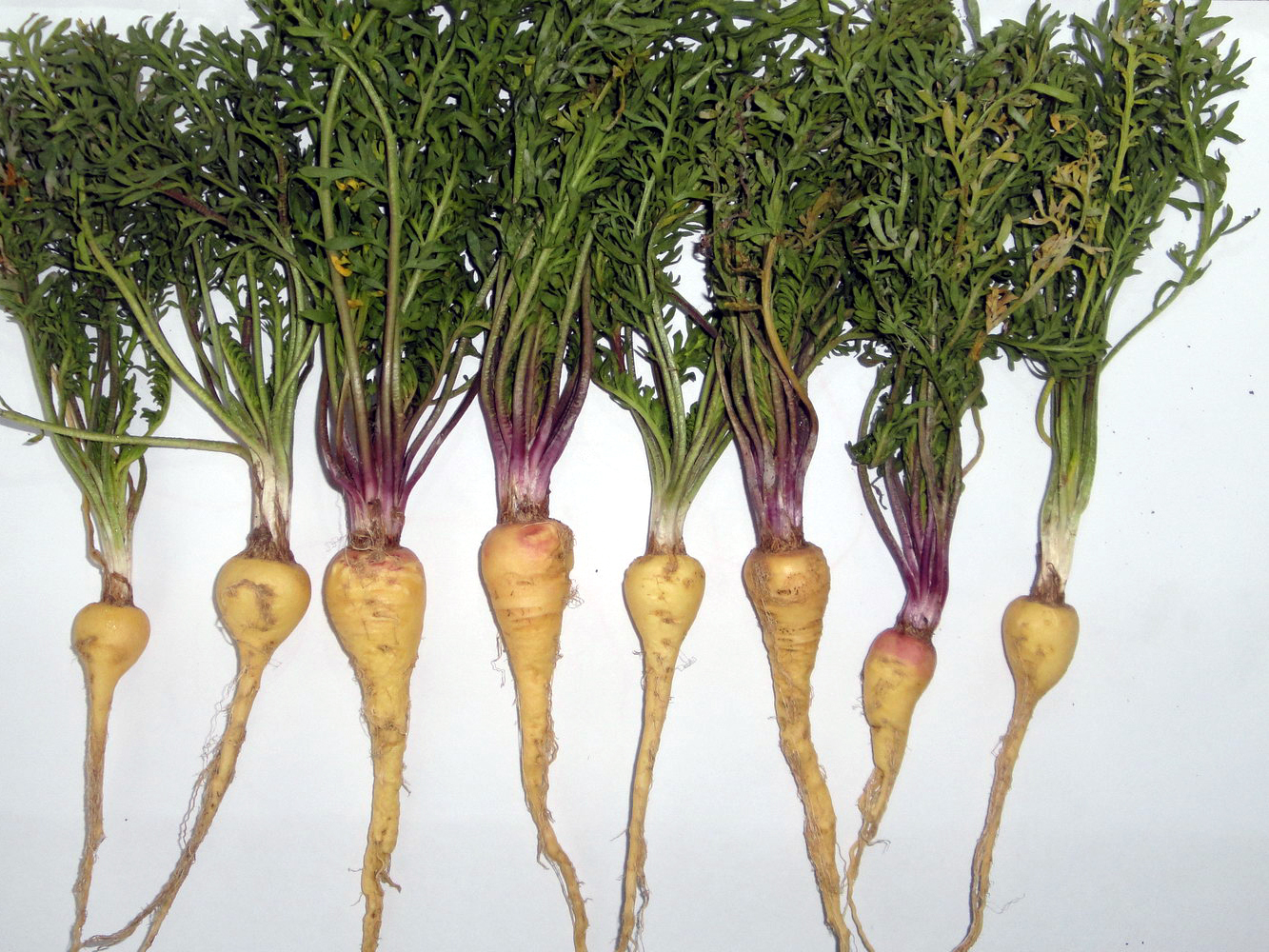
Maca
Lepidium meyenii
The high-Andean energy root — grown at 4,000+ meters and used for millennia for stamina, fertility, and hormonal vitality.
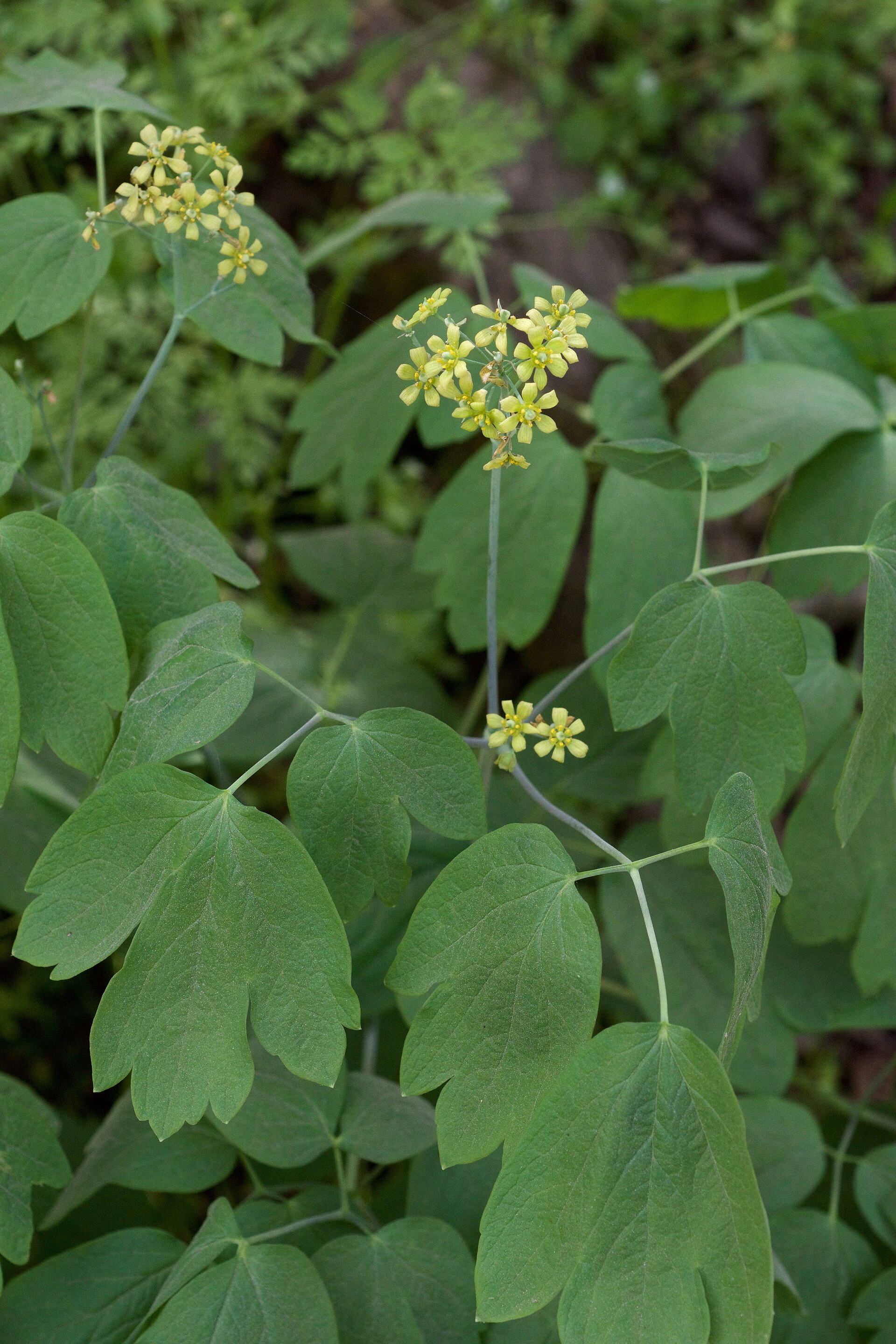
Blue Cohosh
Caulophyllum thalictroides
A powerful North American uterine stimulant from Algonquian and Cherokee medicine — clinically potent, genuinely dangerous, and strictly practitioner-only.
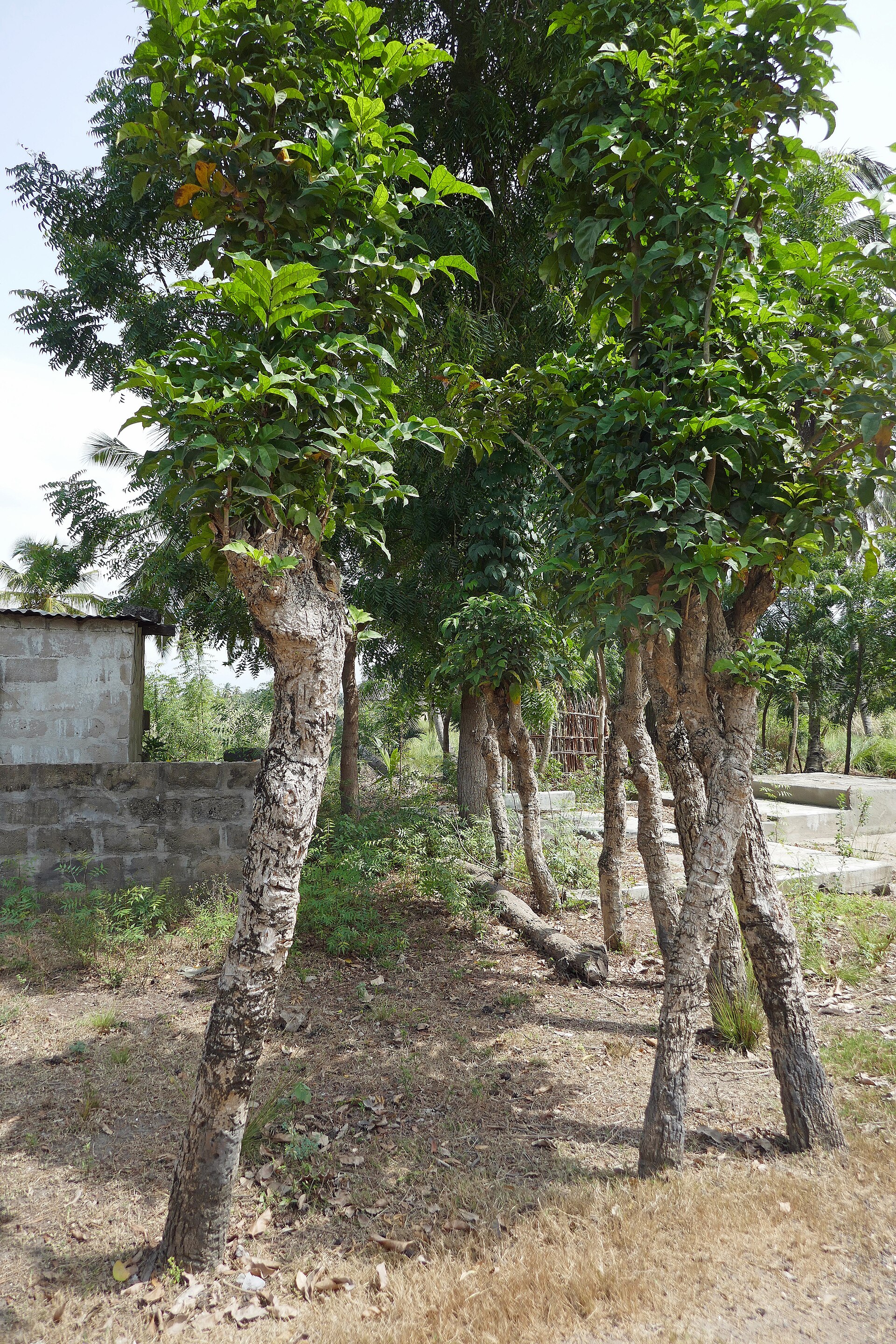
Boundary Tree
Newbouldia laevis
A culturally powerful West African tree planted to mark boundaries and symbolise fertility. Its leaves, bark, and root are among the most commonly prescribed remedies for malaria, convulsions, infections, and female reproductive health.
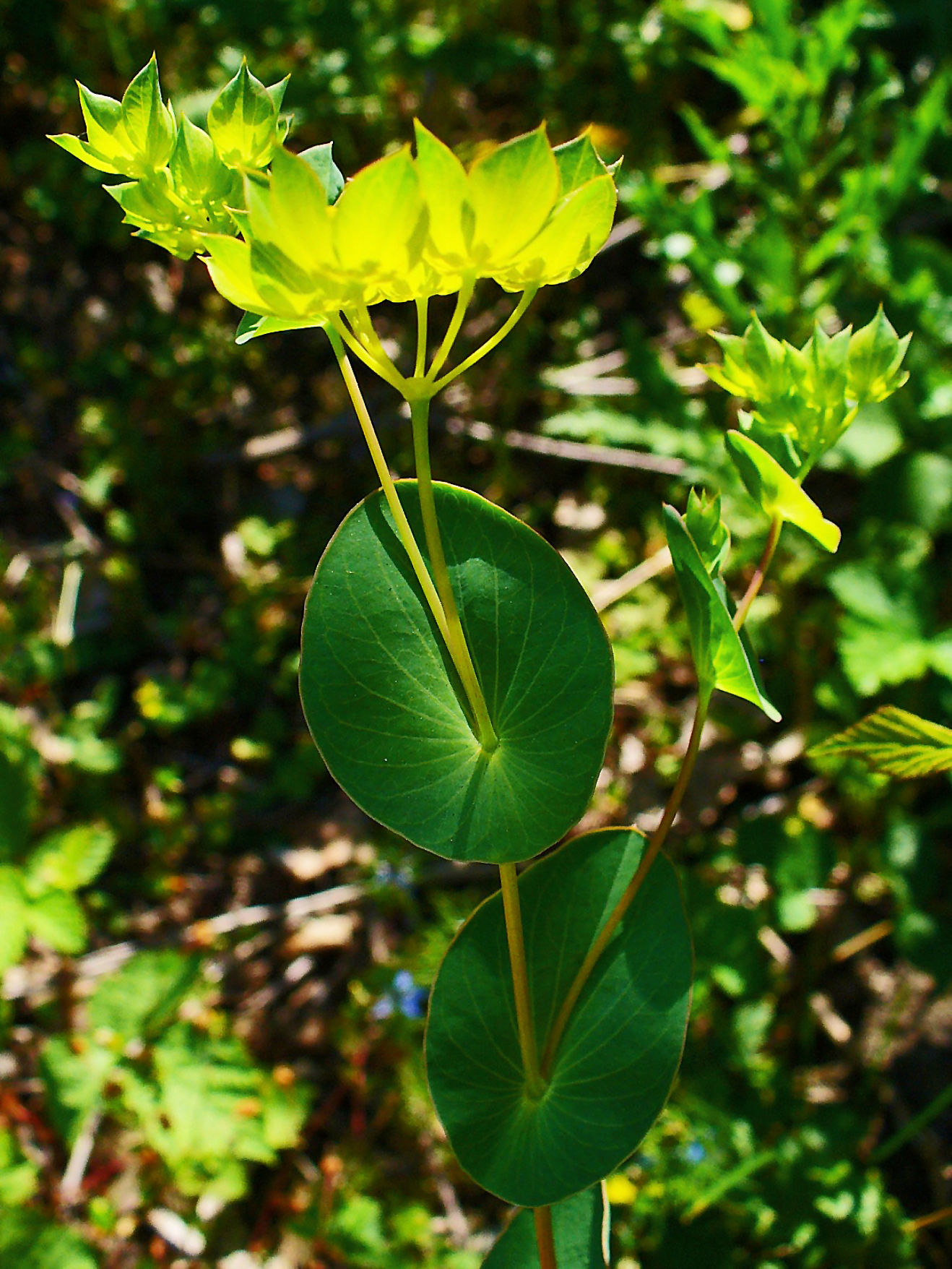
Bupleurum
Bupleurum chinense
The quintessential Liver Qi herb of TCM — the lead ingredient in Xiao Chai Hu Tang (Minor Bupleurum Decoction), one of the most famous and researched classical formulas in East Asian medicine.
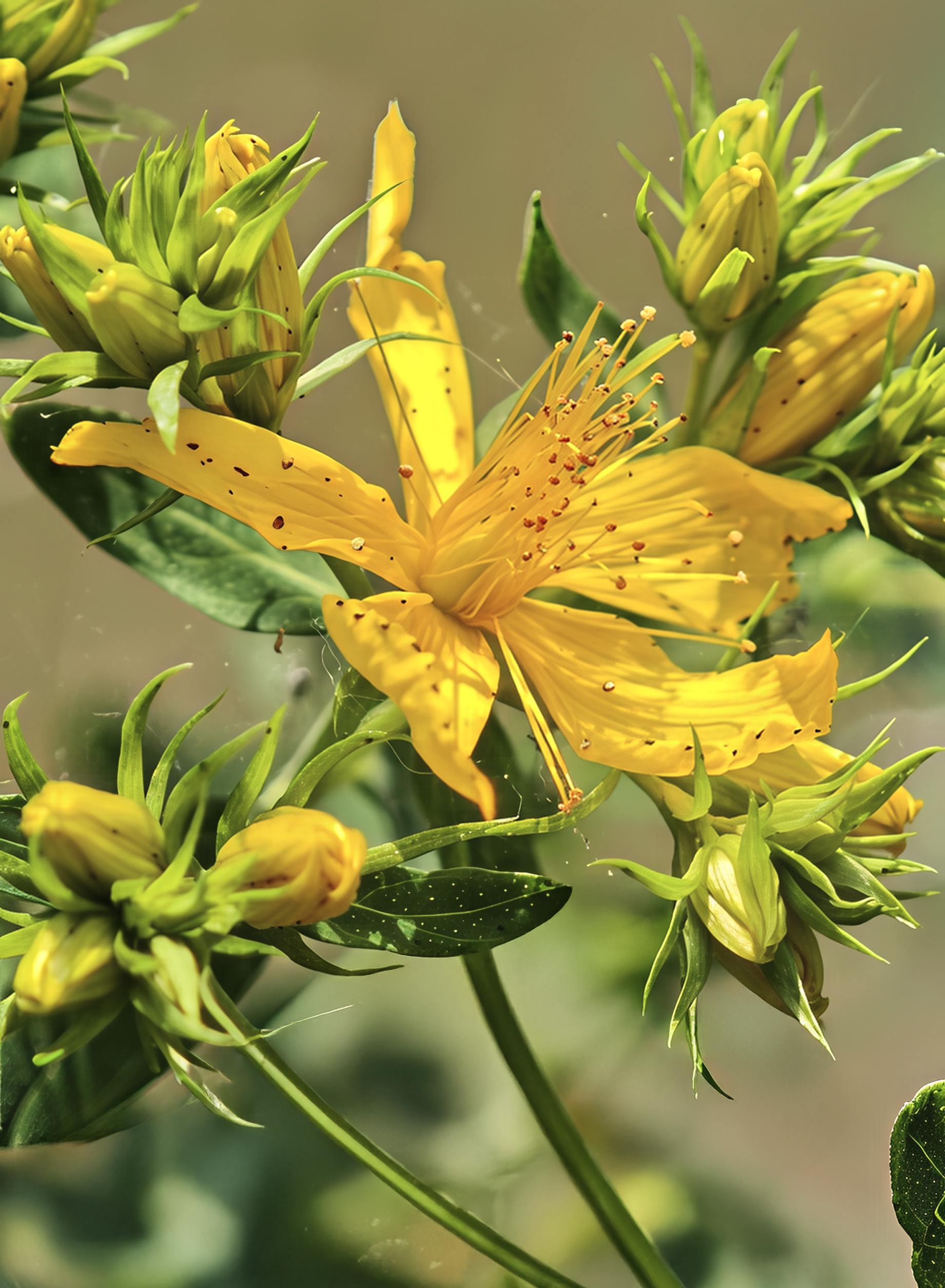
St. John's Wort
Hypericum perforatum
The sunshine herb of European tradition — backed by dozens of trials for mild-to-moderate depression, but the most interaction-prone botanical known.
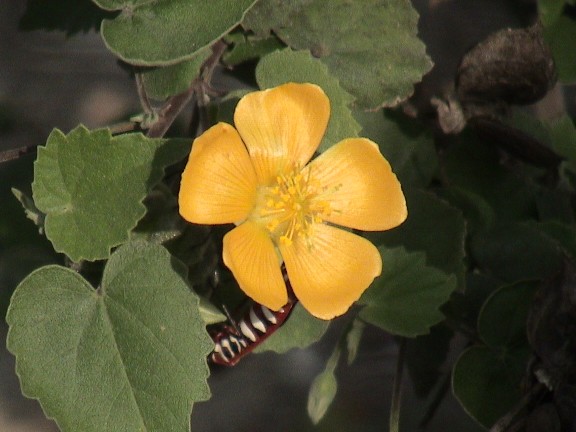
Atibala
Abutilon indicum
Atibala, an Ayurvedic mallow used as a soothing tonic for the nerves, urinary tract and joints.
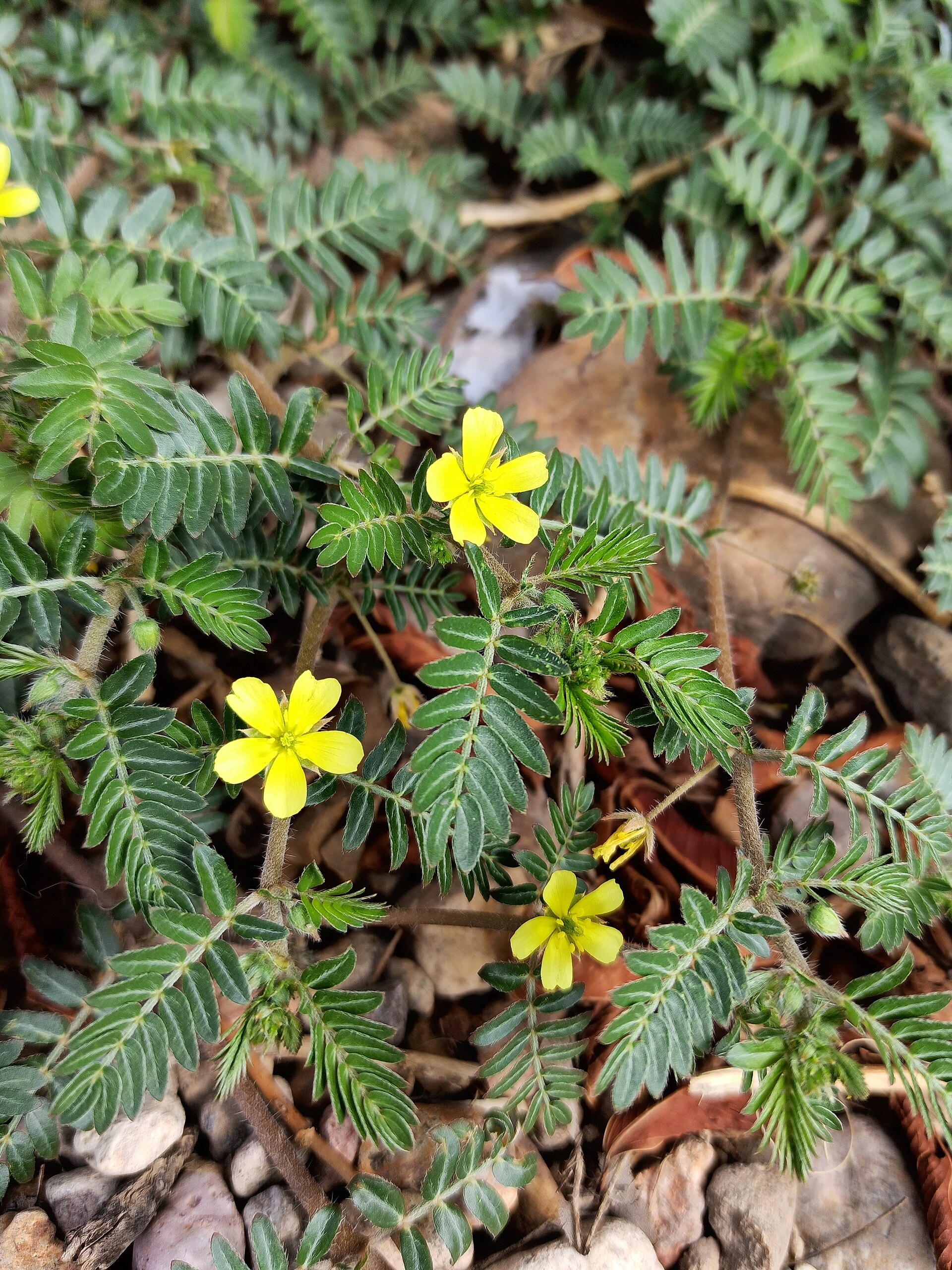
Bai Ji Li / Gokshura
Tribulus terrestris
Bai Ji Li / Gokshura, a spiny fruit used across Chinese and Ayurvedic medicine for the liver, eyes, urinary tract and vitality.
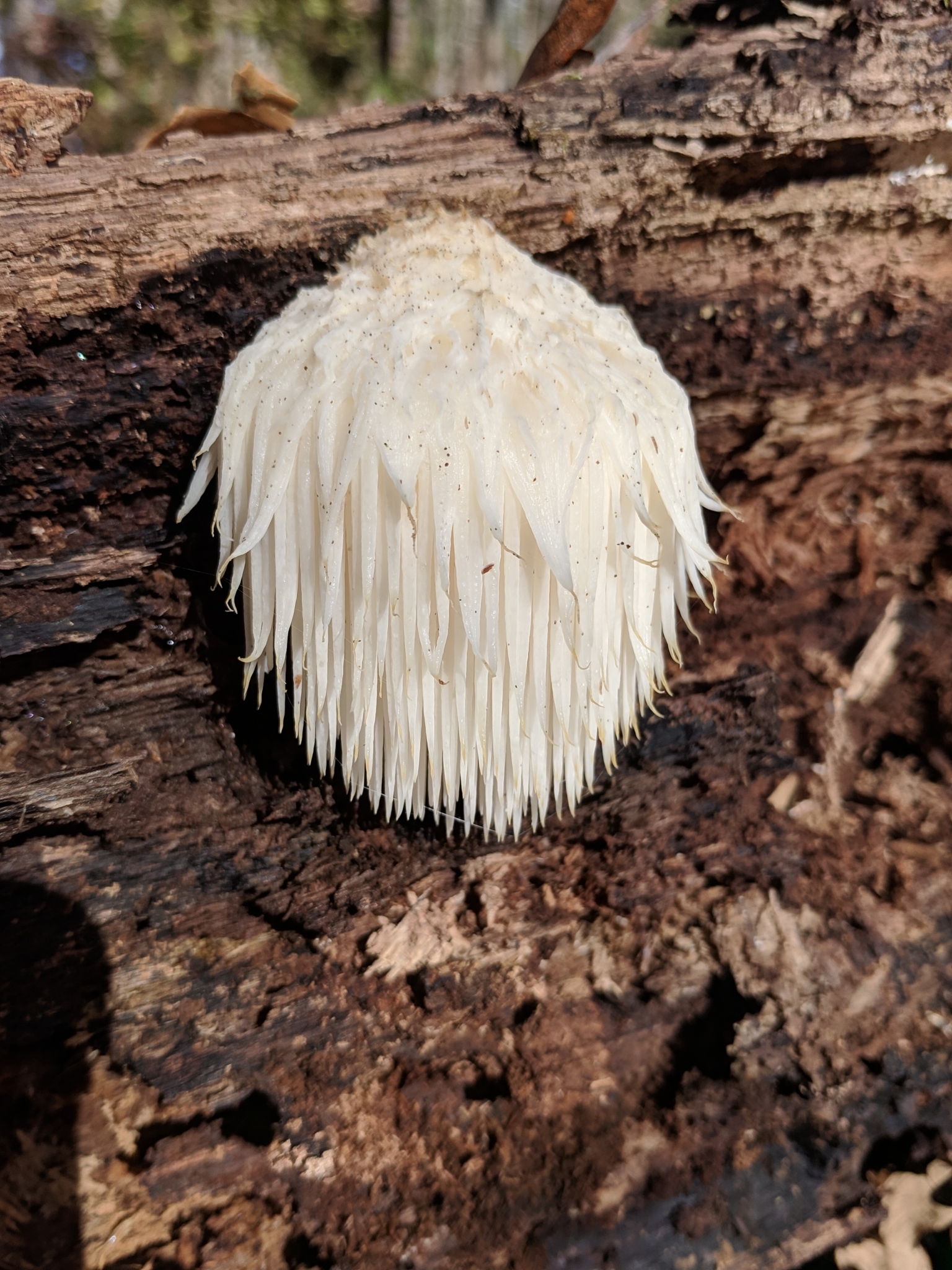
Lions mane
Hericium erinaceus
Lions mane, a cascading white mushroom used for the nerves, memory and the gut.
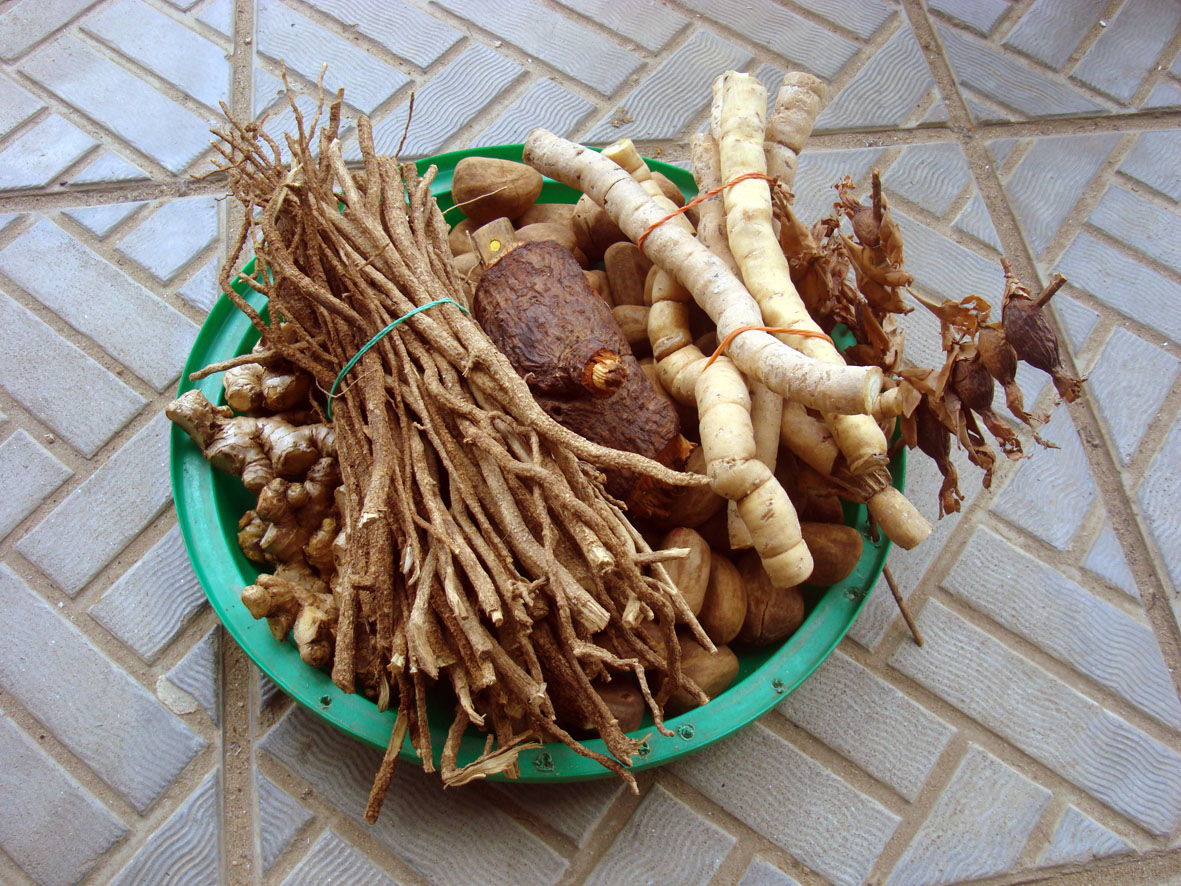
Yohimbe
Pausinystalia johimbe
A West-Central African forest tree whose bark yields yohimbine — a powerful stimulant aphrodisiac used for erectile dysfunction, but with significant cardiovascular risks.
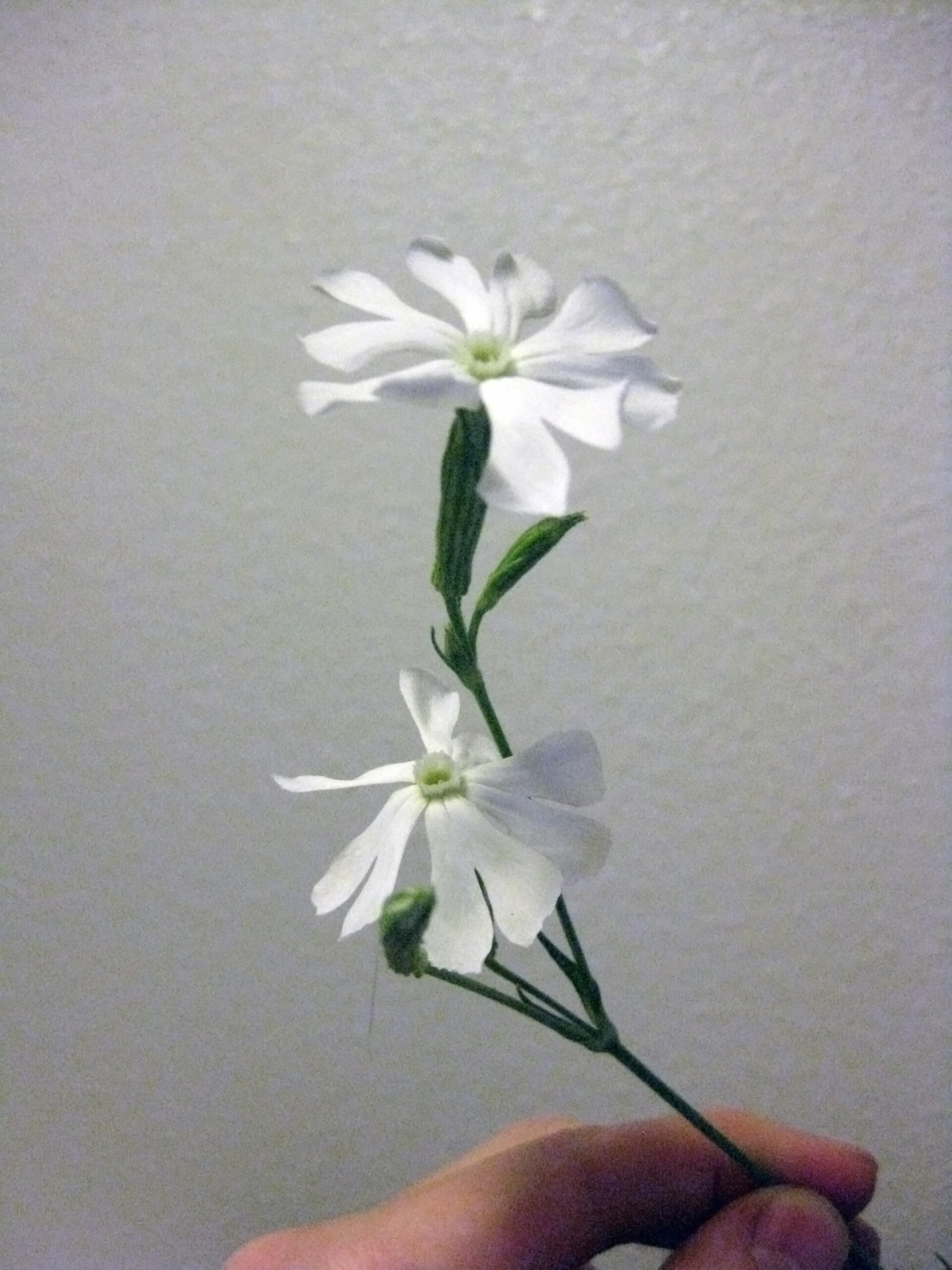
African Dream Root
Silene capensis
A sacred Xhosa root of South Africa used by diviners to induce vivid, prophetic dreams. Taken as a frothed root drink in initiation and ancestral communication rituals.
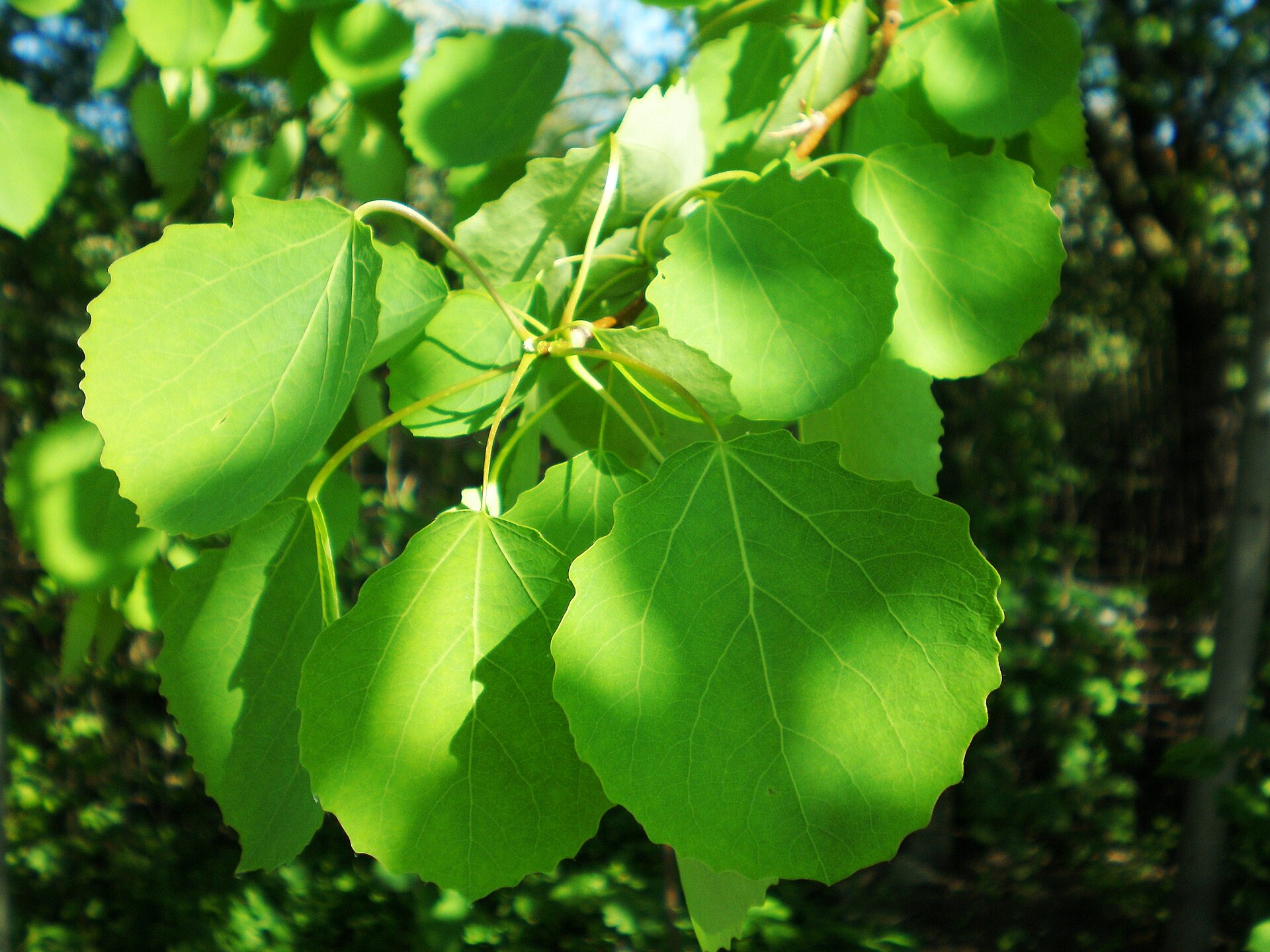
Aspen
Populus tremula
Trembling poplar whose salicin-rich bark was used like willow for fevers, pain and rheumatism.
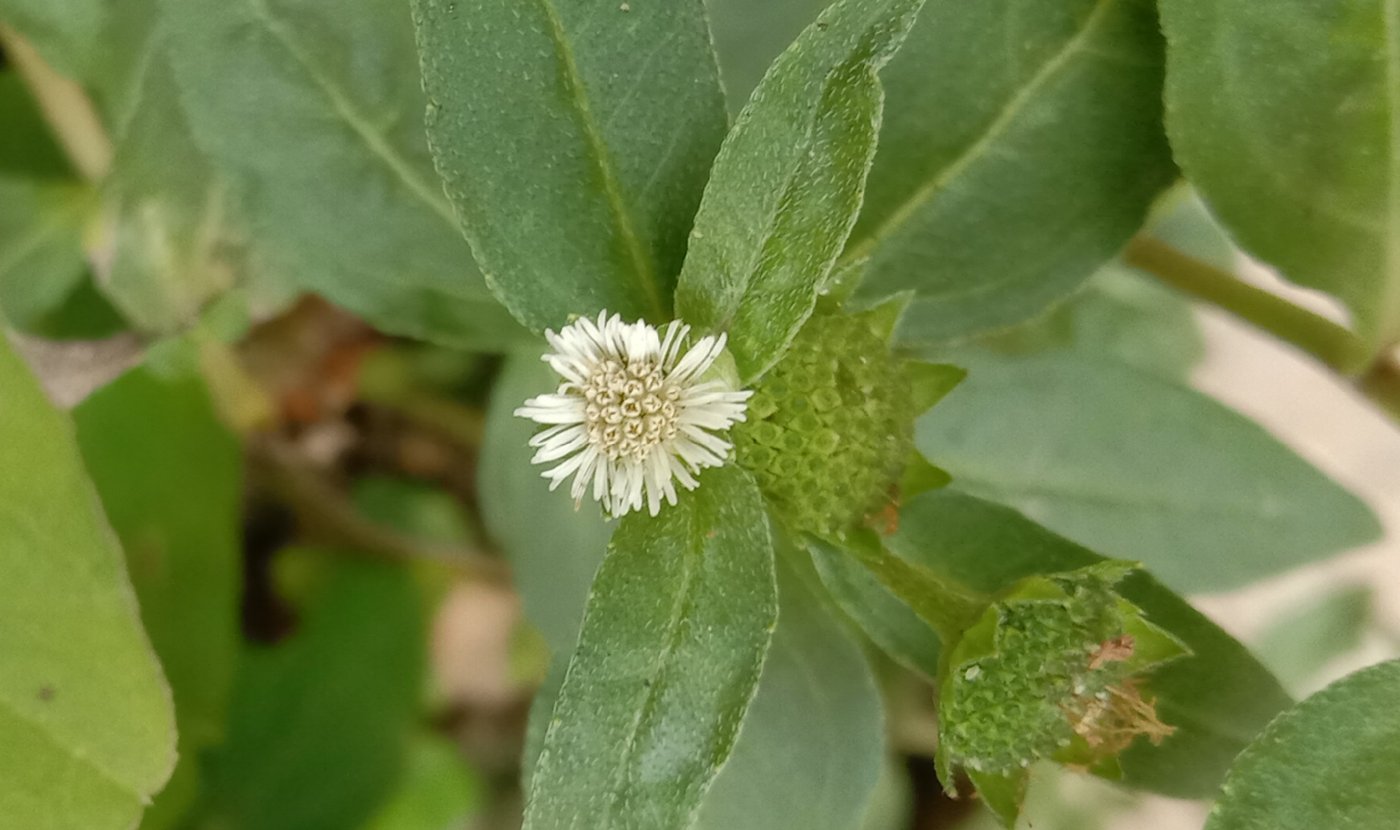
Bhringraj
Eclipta prostrata
The king of Ayurvedic hair herbs, also a liver tonic.
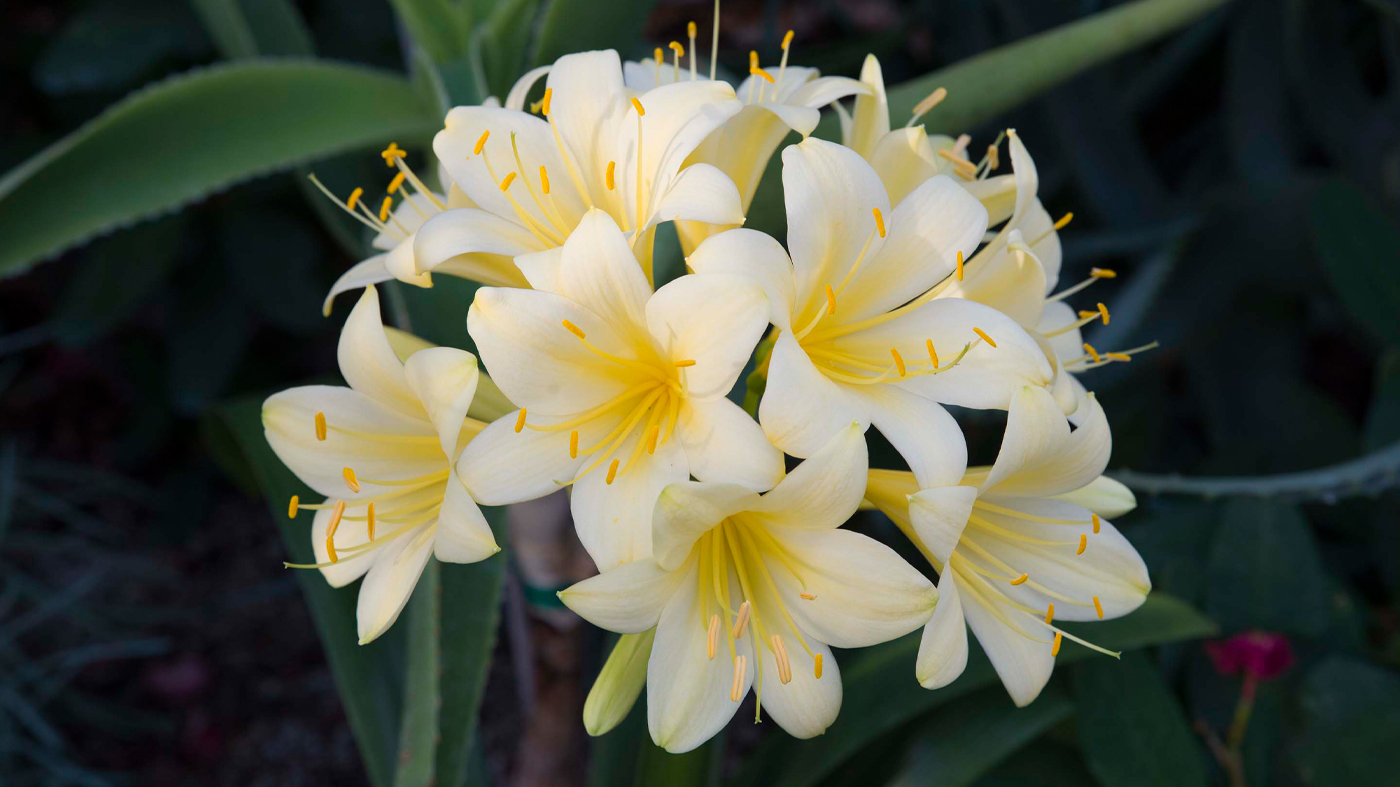
Bush Lily (Clivia)
Clivia miniata
A well-known South African ornamental whose rhizome is used in tiny traditional doses in pregnancy and for pain, but which contains toxic lycorine-type alkaloids.
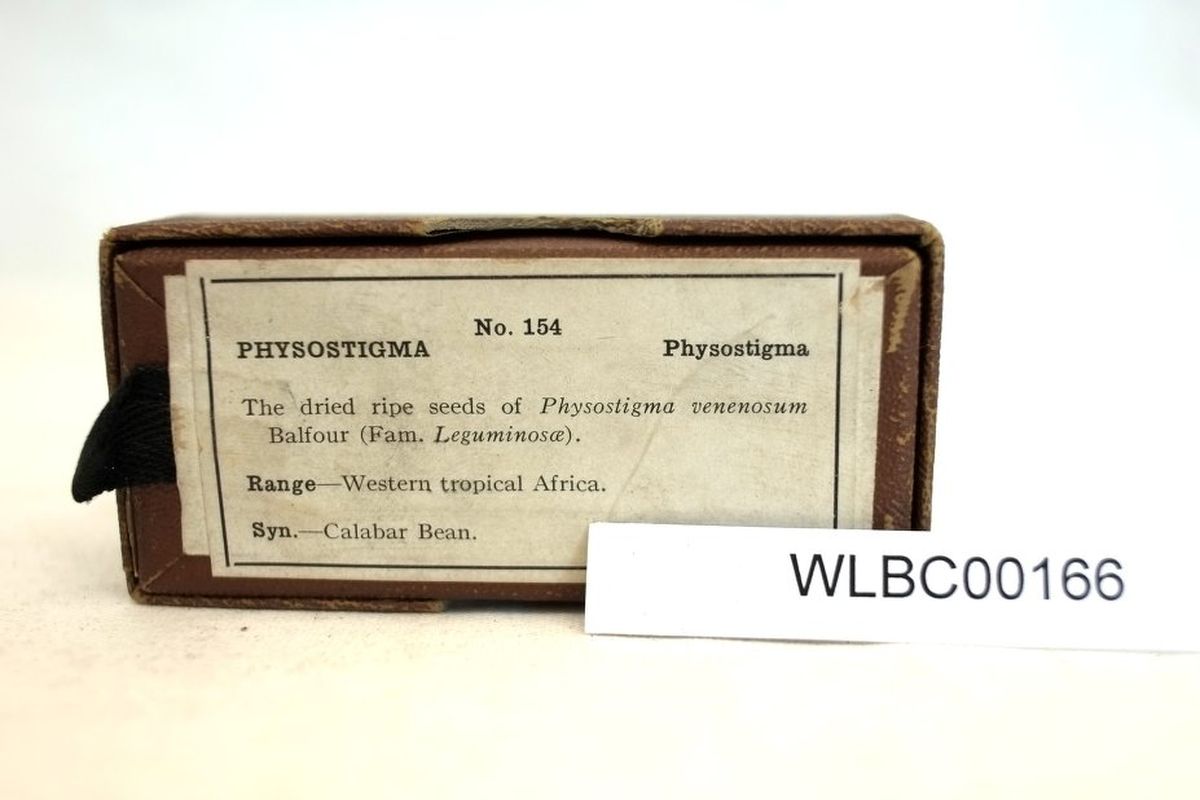
Calabar Bean (Ordeal Bean)
Physostigma venenosum
A highly poisonous West African climbing legume whose seeds contain physostigmine; historically used in trial-by-ordeal and now important only in the history of pharmacology.
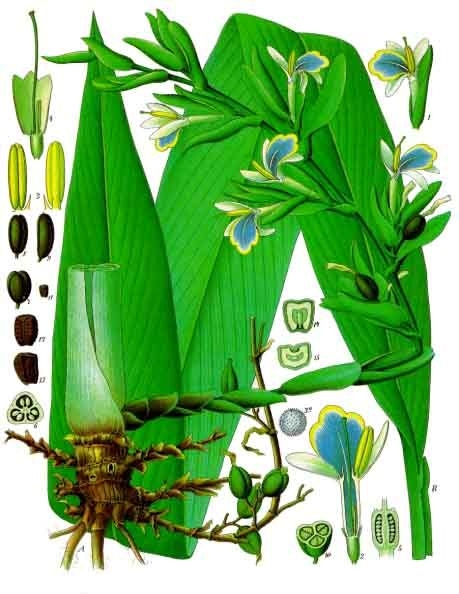
Cardamom
Elettaria cardamomum
The "Queen of Spices" and the world's third most expensive spice — a fragrant Ayurvedic digestive, respiratory and cardiac herb that uniquely balances all three doshas.
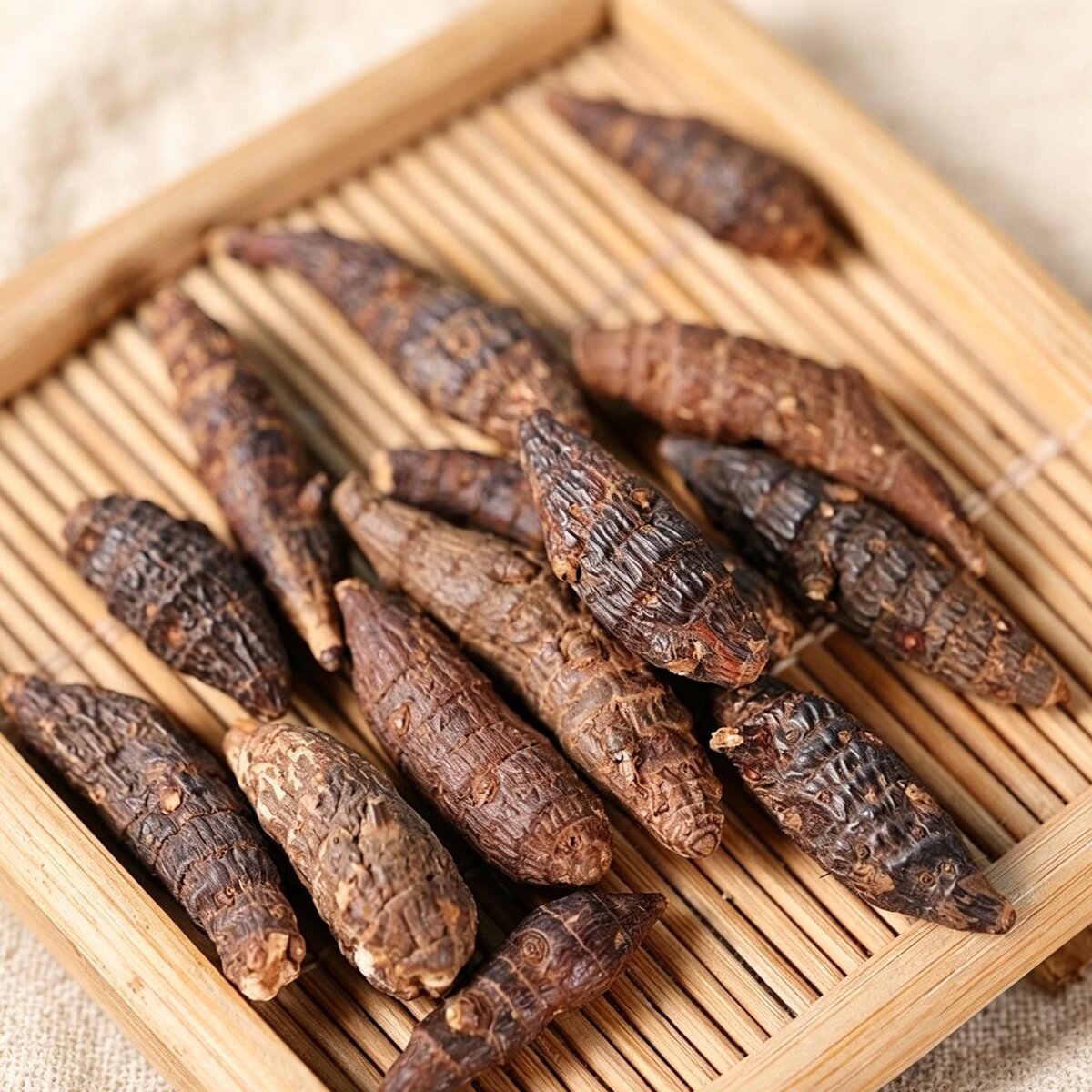
Cyperus (Xiang Fu)
Cyperus rotundus
Cyperus is called the 'commander of qi within blood' in TCM. It is the primary herb for soothing liver qi stagnation and is considered the most important herb for menstrual pain caused by emotional stress.
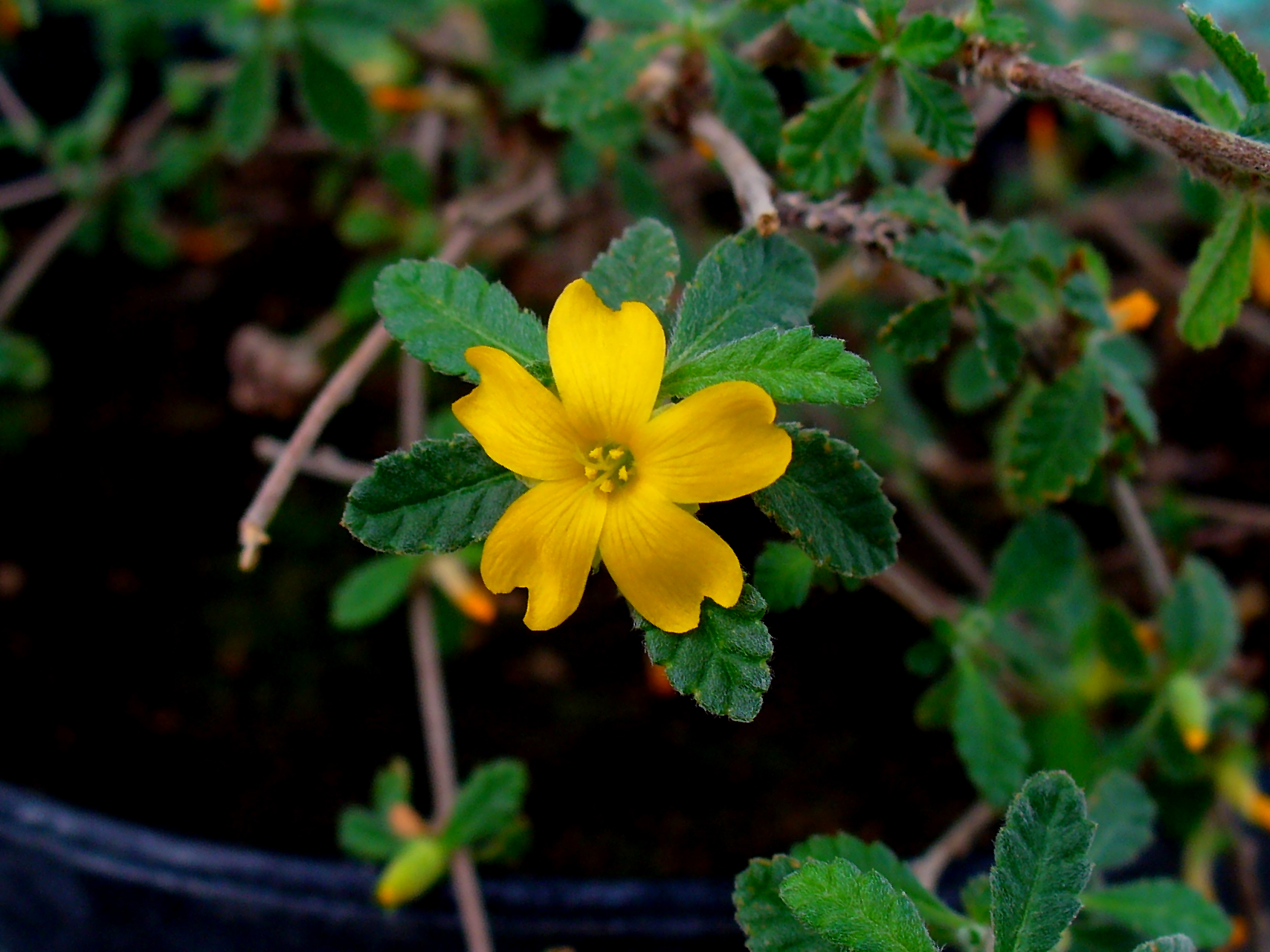
Damiana
Turnera diffusa
A fragrant Central American and Caribbean shrub with a centuries-old reputation as an aphrodisiac, nerve tonic and mood lifter. Still one of the best-selling botanical libido herbs.
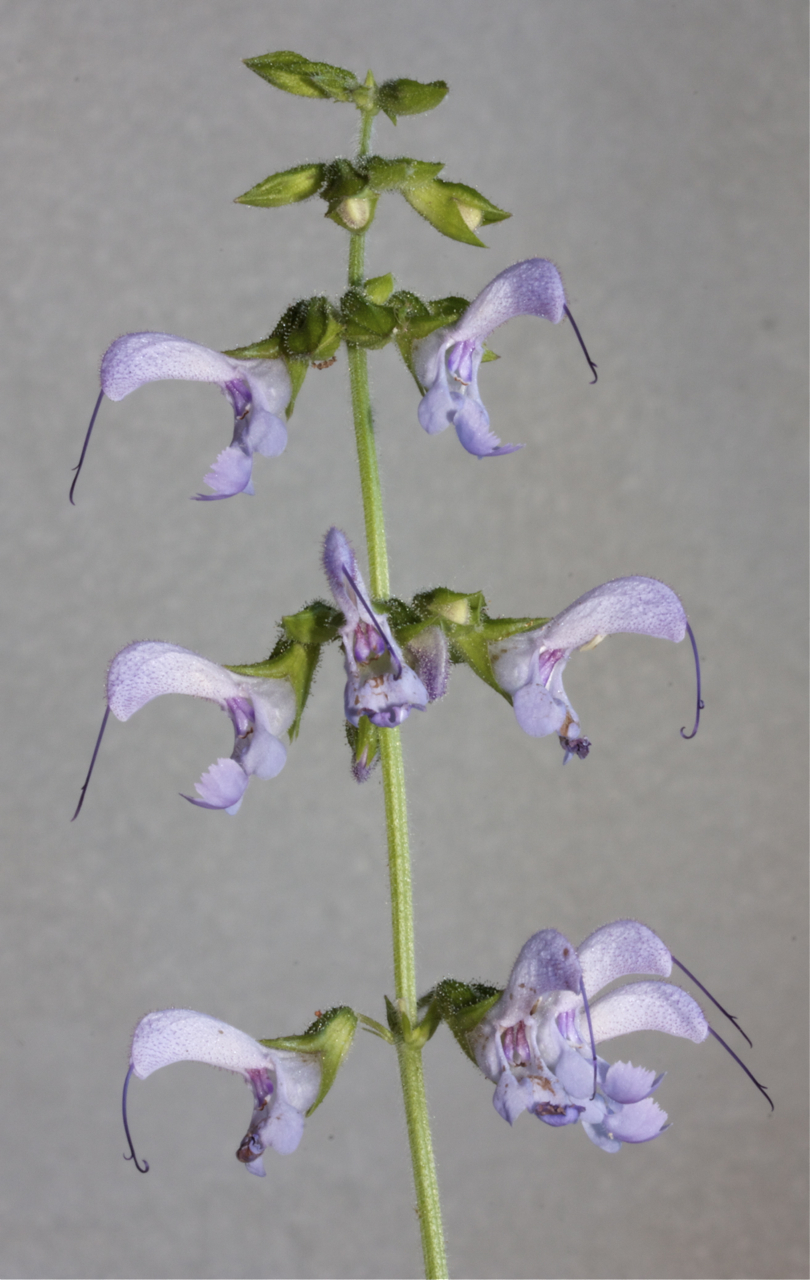
Danshen
Salvia miltiorrhiza
The most important cardiovascular herb in TCM — a red-rooted sage used for millennia to "move Blood, resolve stasis" and now backed by extensive modern research for heart disease, stroke prevention and vascular health.
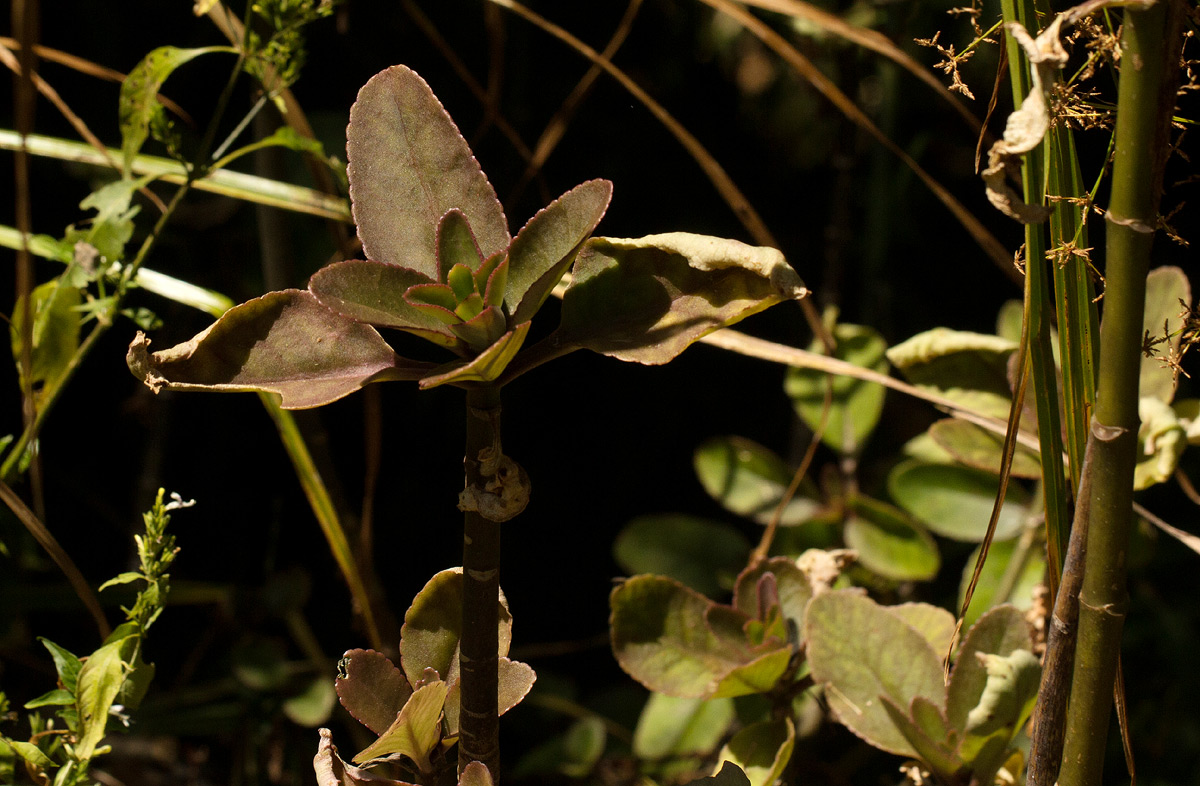
Dog’s Liver (Kalanchoe)
Kalanchoe crenata
A succulent African herb whose warmed, juicy leaves are a classic folk remedy for earache, headaches, inflammation and wounds — but taken internally the genus can affect the heart.
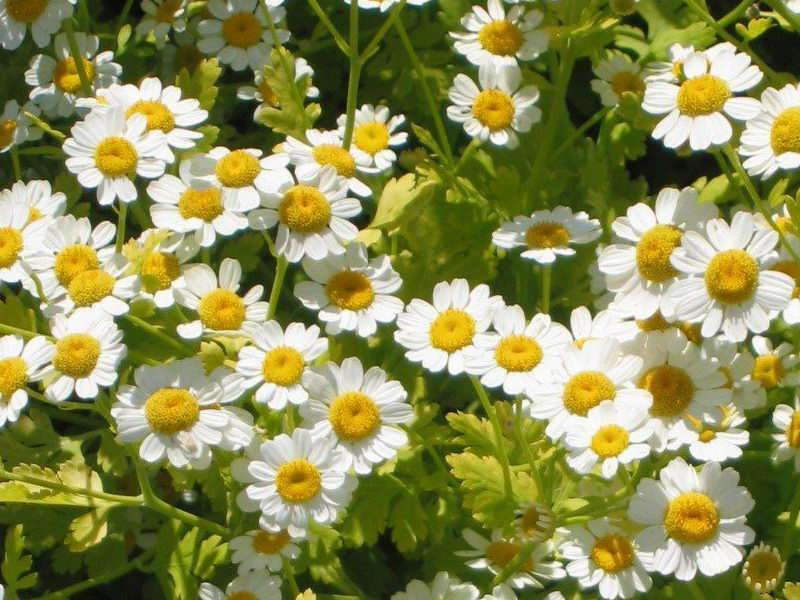
Feverfew
Tanacetum parthenium
The migraine leaf — a bitter European daisy chewed daily for centuries to keep headaches at bay.
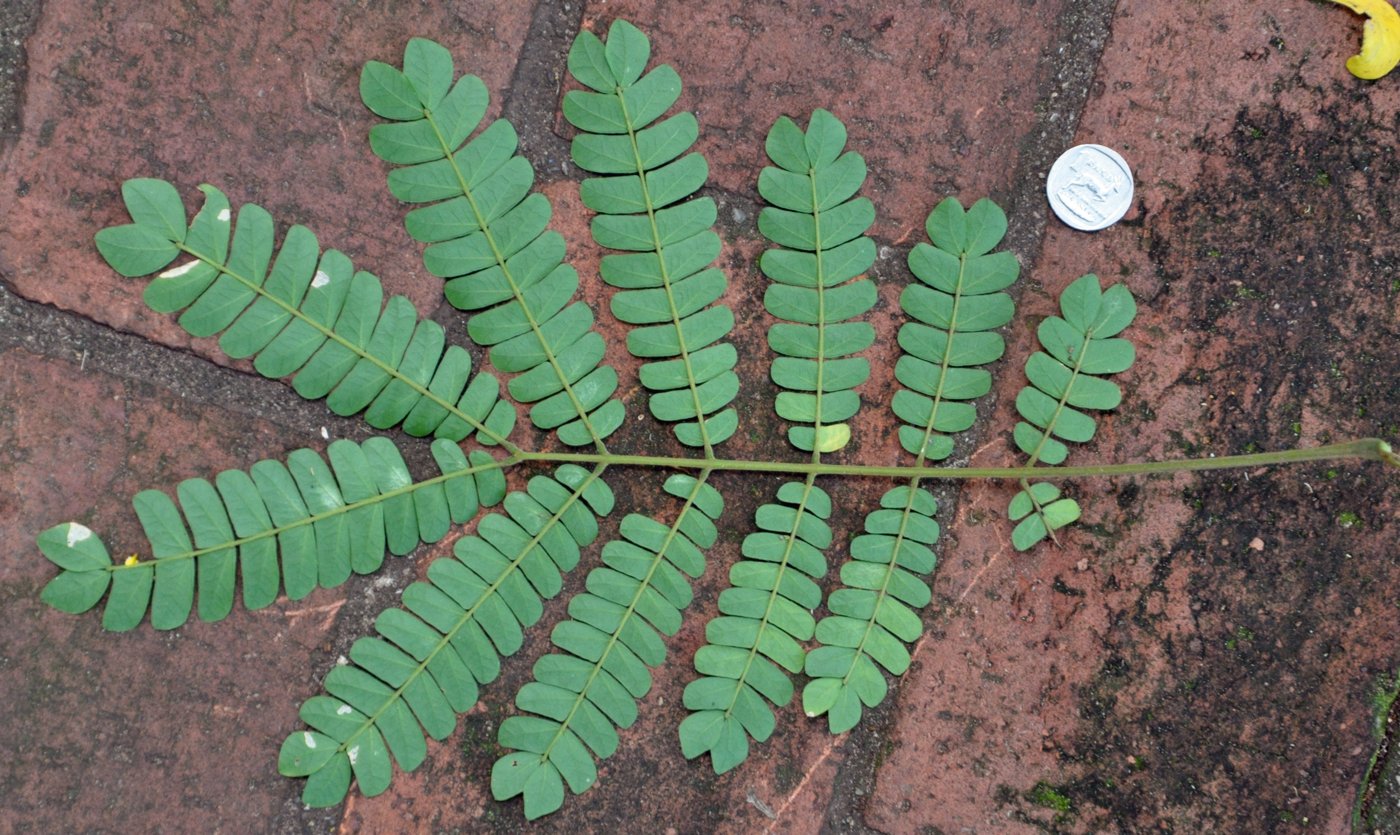
Flat-Crown Albizia
Albizia adianthifolia
A flat-topped African tree whose saponin-rich bark and roots are used for coughs, skin and nervous complaints, but which is an irritant and toxic in excess.
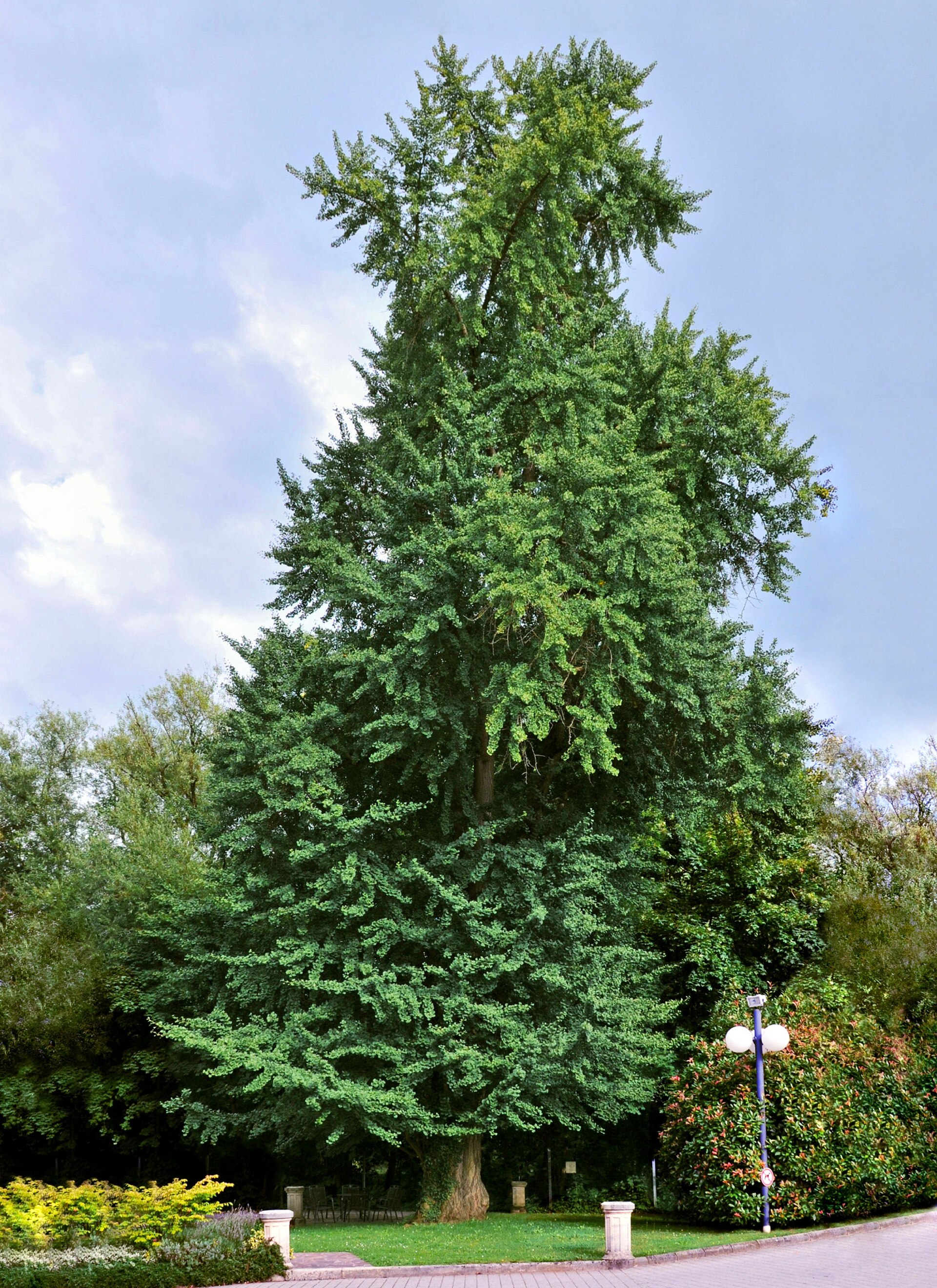
Ginkgo Biloba
Ginkgo biloba
A living fossil over 200 million years old — the premier circulatory and cognitive herb of modern phytotherapy.
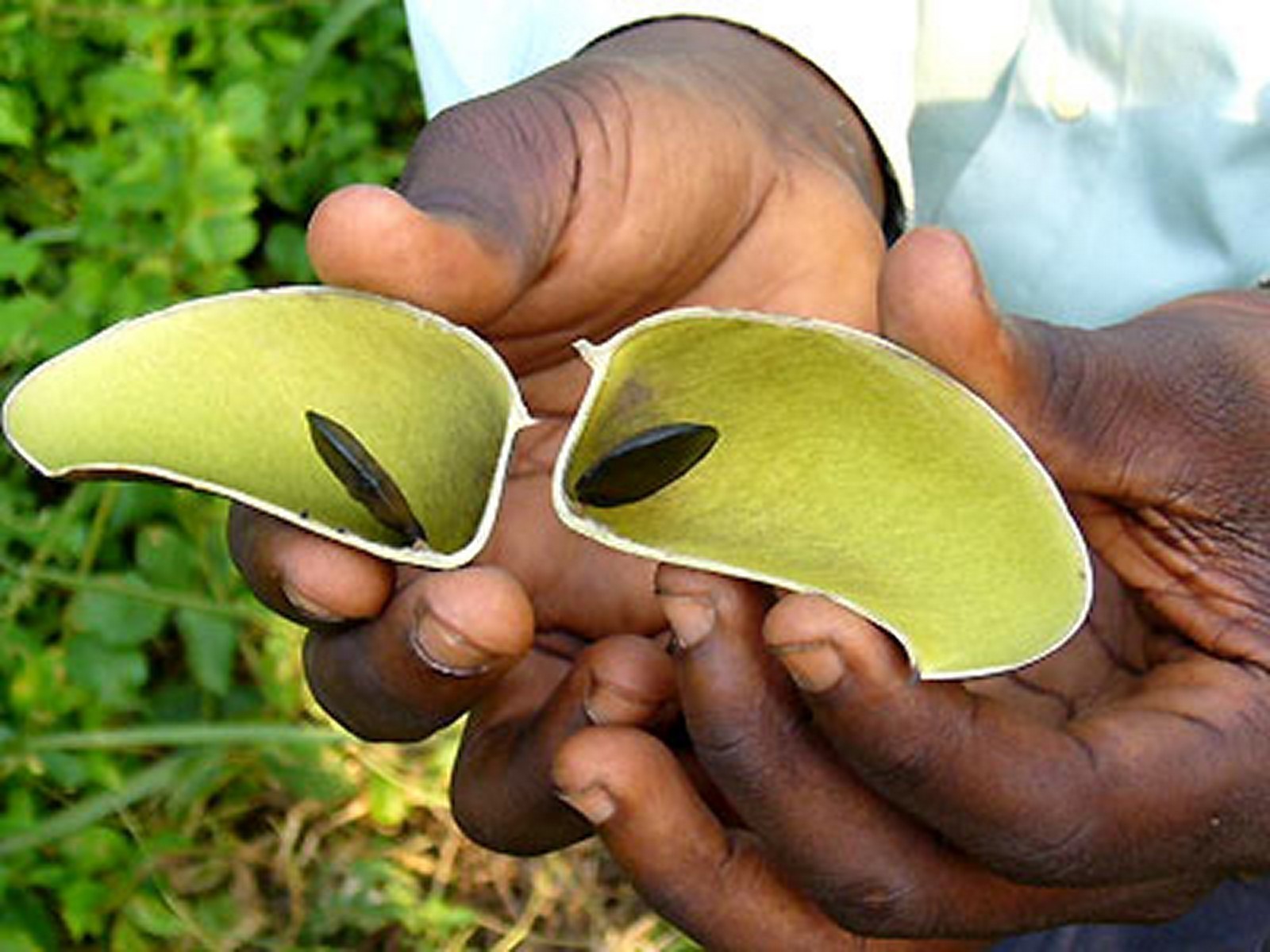
Griffonia (5-HTP Bean)
Griffonia simplicifolia
A West African climbing shrub whose seeds are the world’s main natural source of 5-HTP, used to support mood, sleep and appetite.
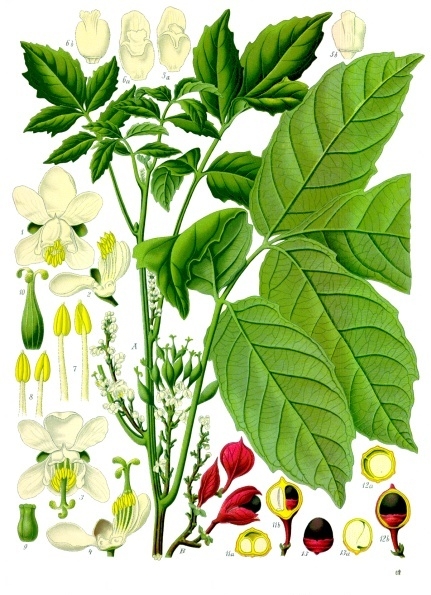
Guaraná
Paullinia cupana
The Amazonian "eye fruit" — a climbing vine whose caffeine-rich seeds have been used by the Sateré-Mawé people for centuries as a stimulant, now the world's most concentrated natural source of caffeine.
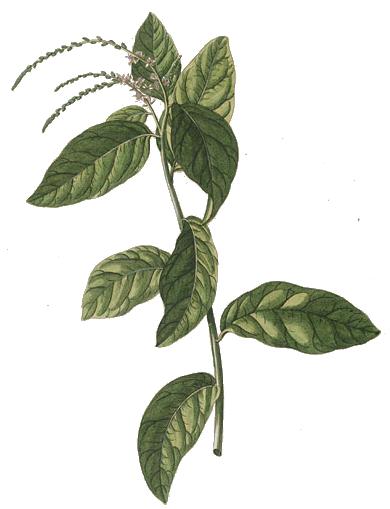
Guinea Hen Weed
Petiveria alliacea
One of Jamaica's most famous and most researched bush medicines — a garlic-scented herb used for immune support, arthritis, pain, and studied extensively for anti-cancer activity.
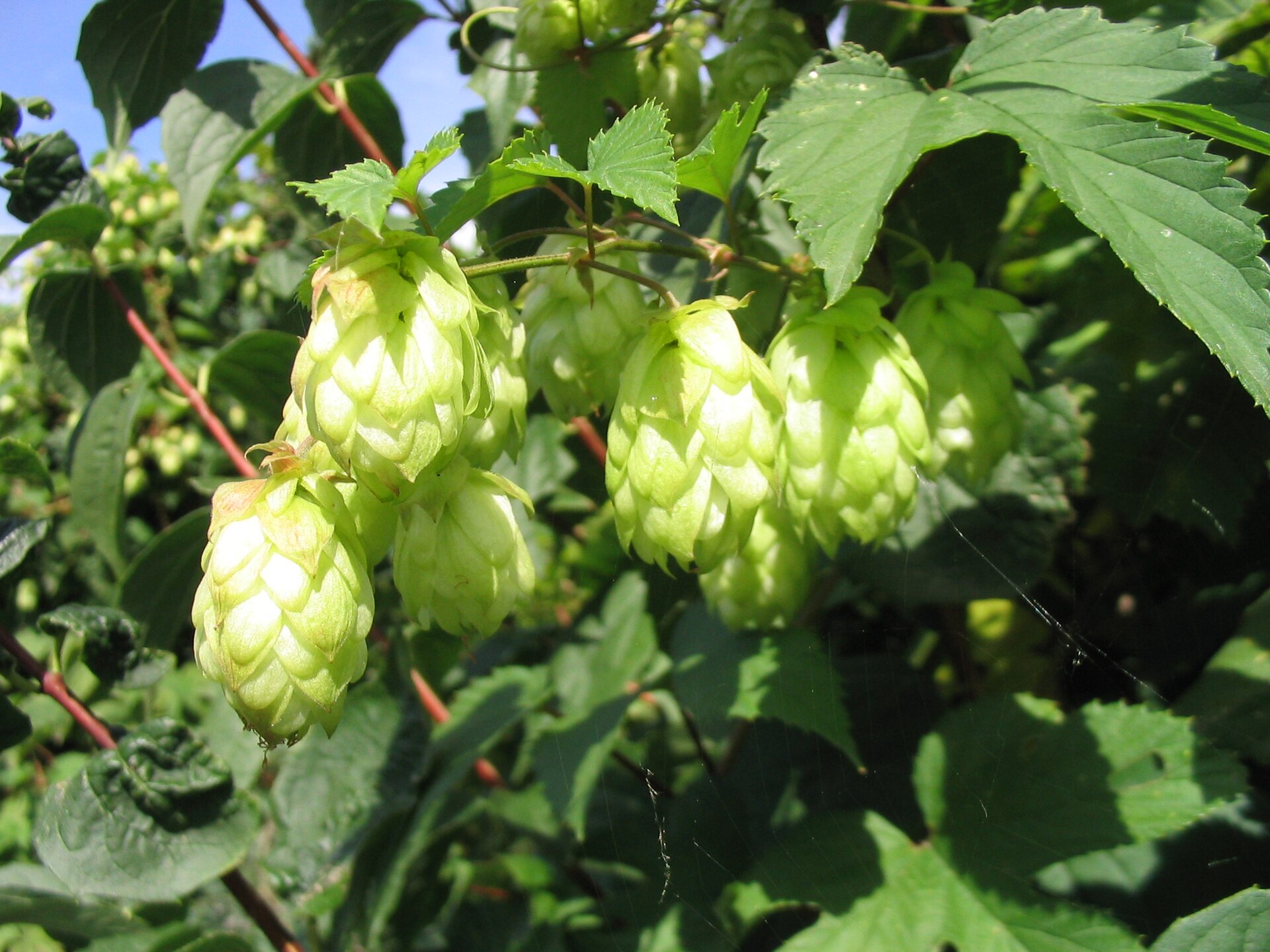
Hops
Humulus lupulus
Far more than a beer ingredient — hops strobiles are a potent sedative and phytooestrogenic herb used clinically for insomnia, anxiety and menopausal symptoms, with one of the strongest evidence bases for sleep support among European medicinal plants.
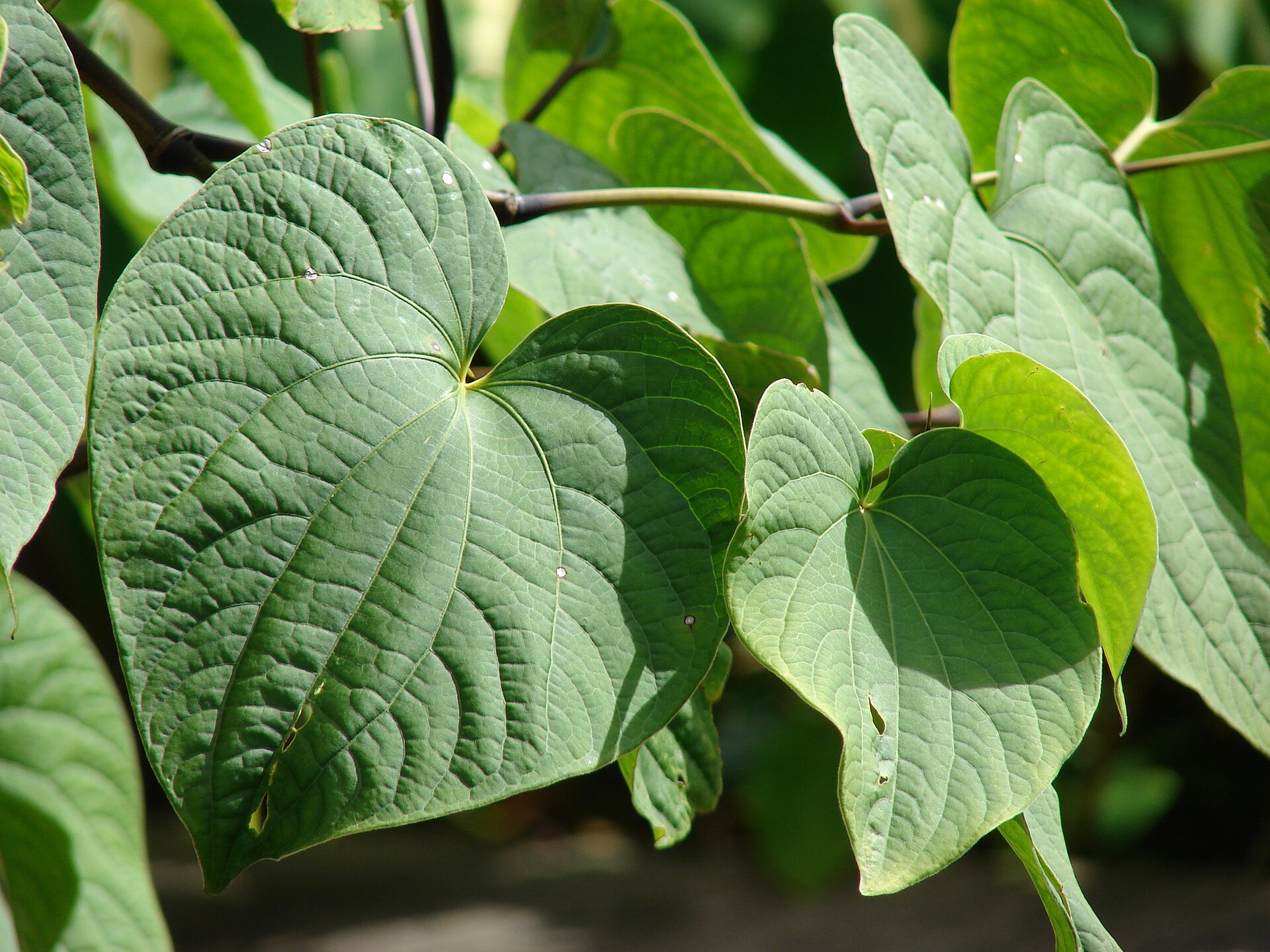
Kava
Piper methysticum
Kava is the ceremonial root of the South Pacific, used for centuries to promote deep relaxation and social ease. Its kavalactones offer clinically studied support for anxiety without cognitive dulling.
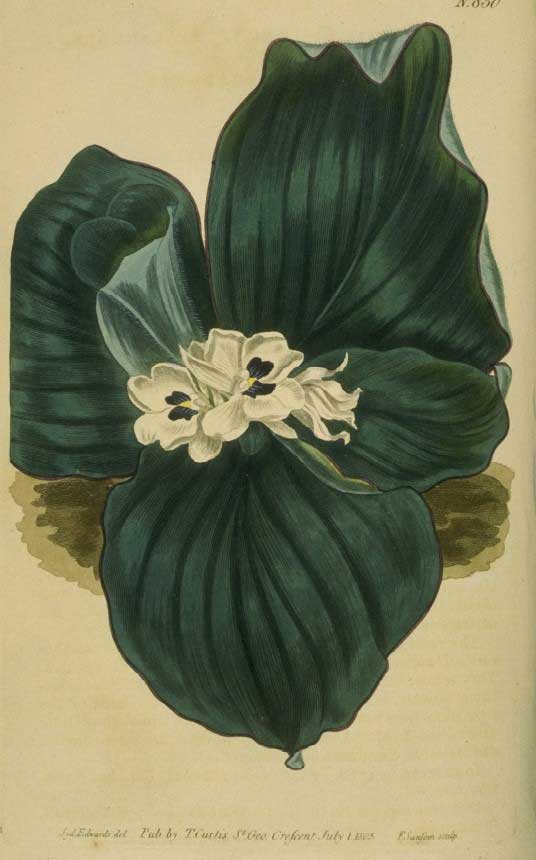
Kencur
Kaempferia galanga
A small but potent aromatic ginger prized in Javanese Jamu tradition as a cough remedy, voice tonic and energy booster — the star ingredient of the famous Jamu Beras Kencur drink given to children and singers across Indonesia.
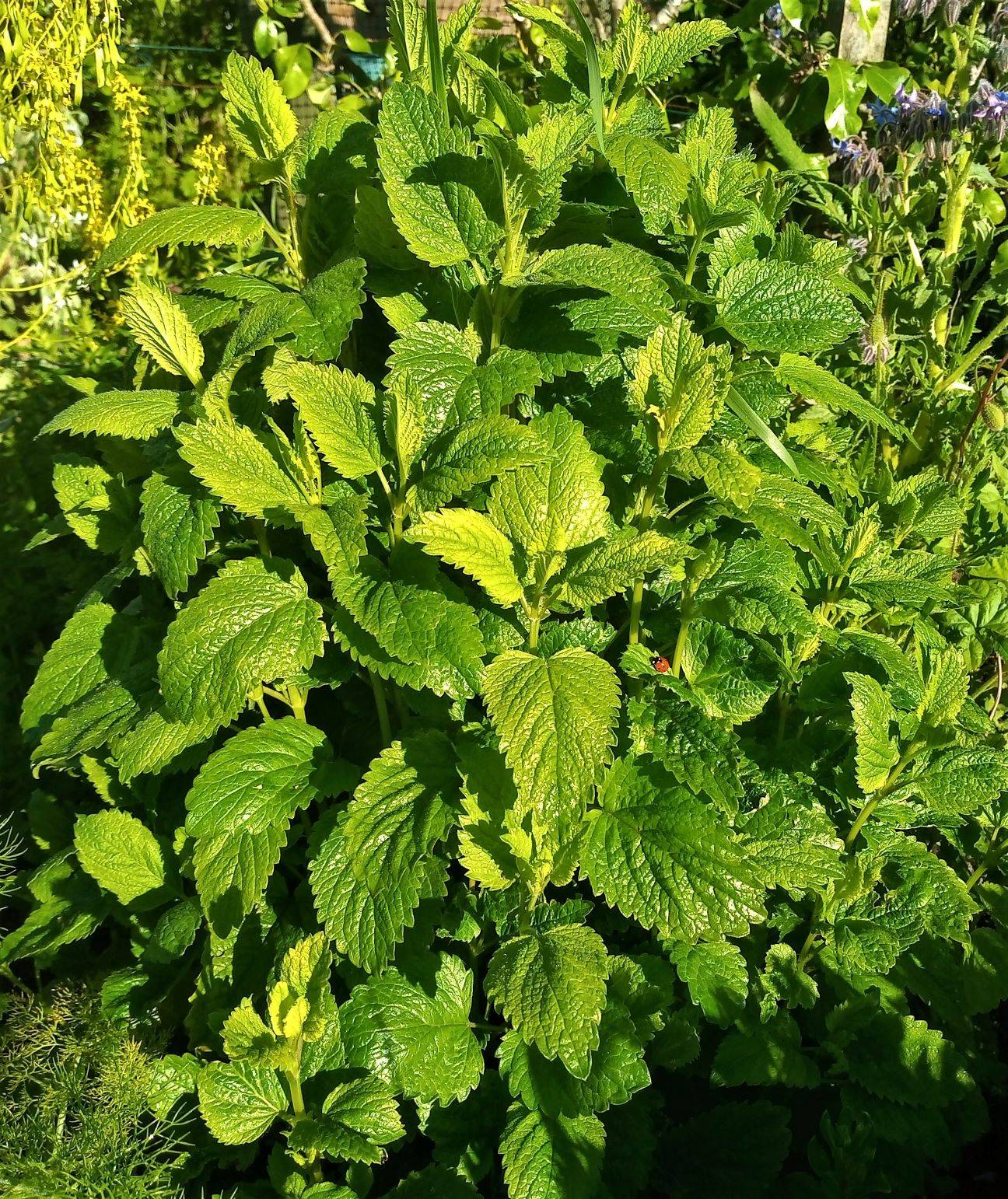
Lemon Balm
Melissa officinalis
Lemon balm is a gentle, lemon-scented mint used since ancient Greece to lift the spirits, calm the nerves, ease digestion, and — topically — fight cold sores.
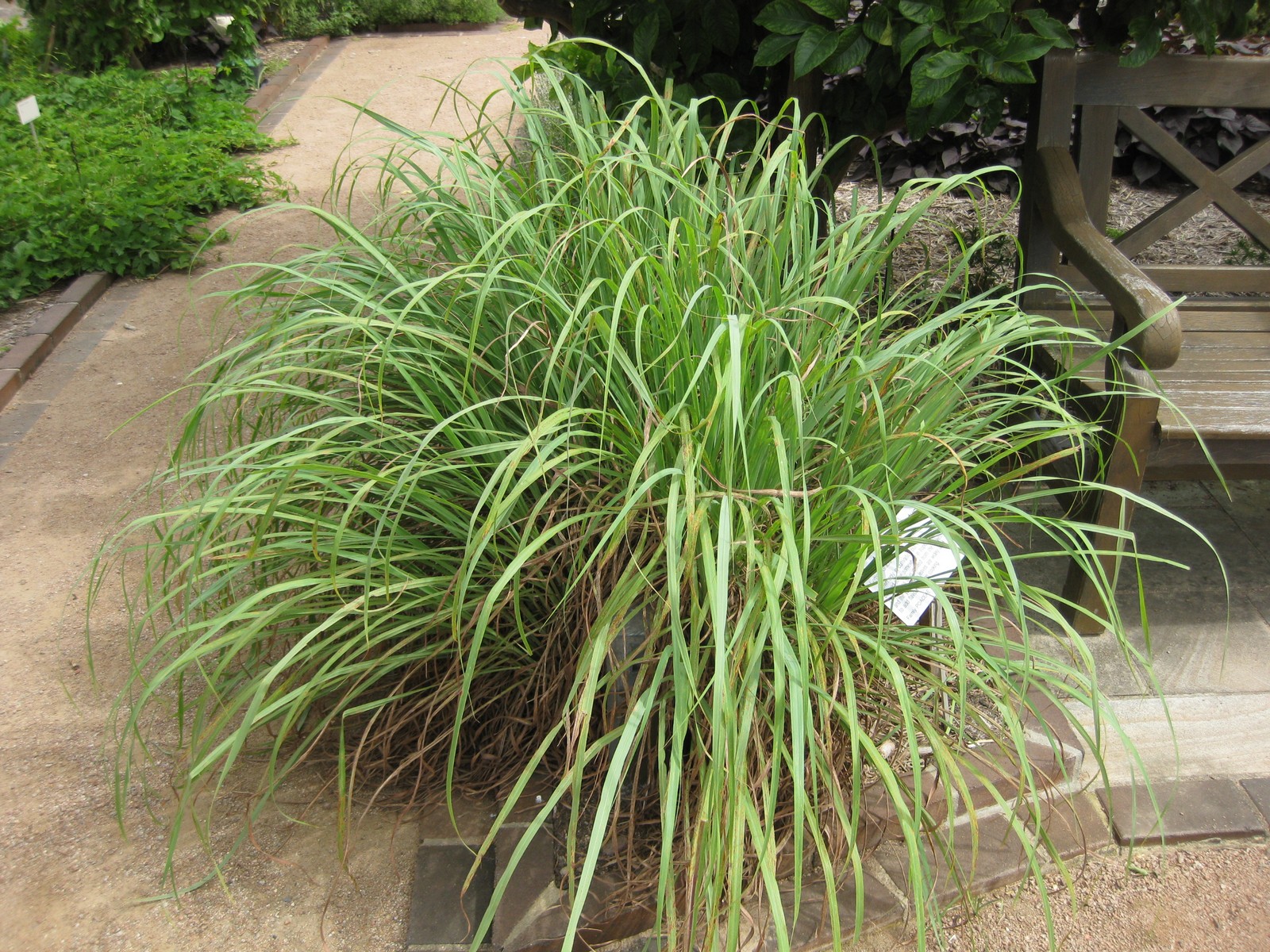
Lemongrass
Cymbopogon citratus
A fragrant tropical grass whose leaves are a universal fever remedy across West Africa and the Caribbean — brewed as tea for malaria, colds, and digestive spasms, and distilled for its citral-rich essential oil.
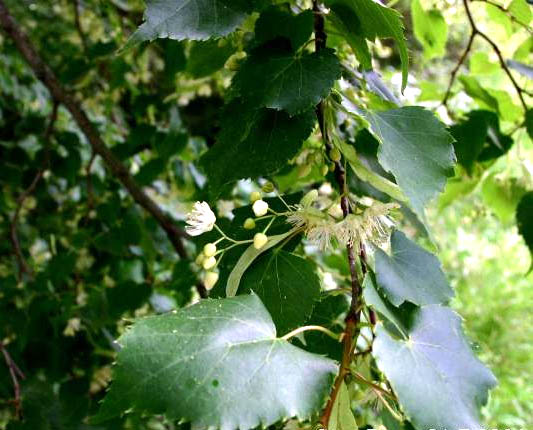
Linden
Tilia cordata
The beloved lime tree of European town squares — whose fragrant flowers make one of the most popular and gentle herbal teas in the world, prized for calming anxiety, lowering fevers and soothing colds.
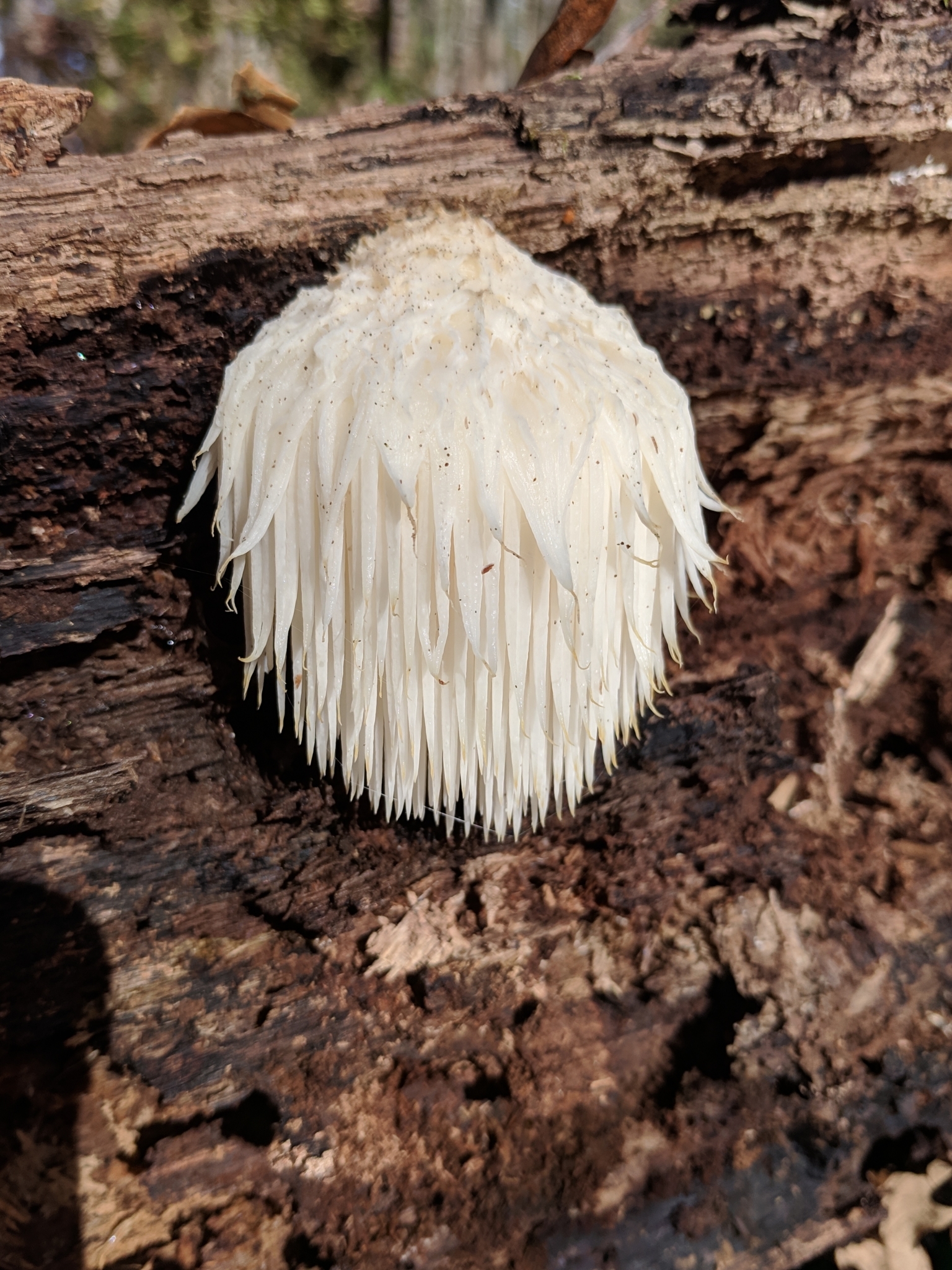
Lion's Mane
Hericium erinaceus
A spectacular cascading white mushroom that is the only known natural source of nerve growth factor stimulators — making it one of the most exciting nootropic and neuroprotective organisms in modern research.
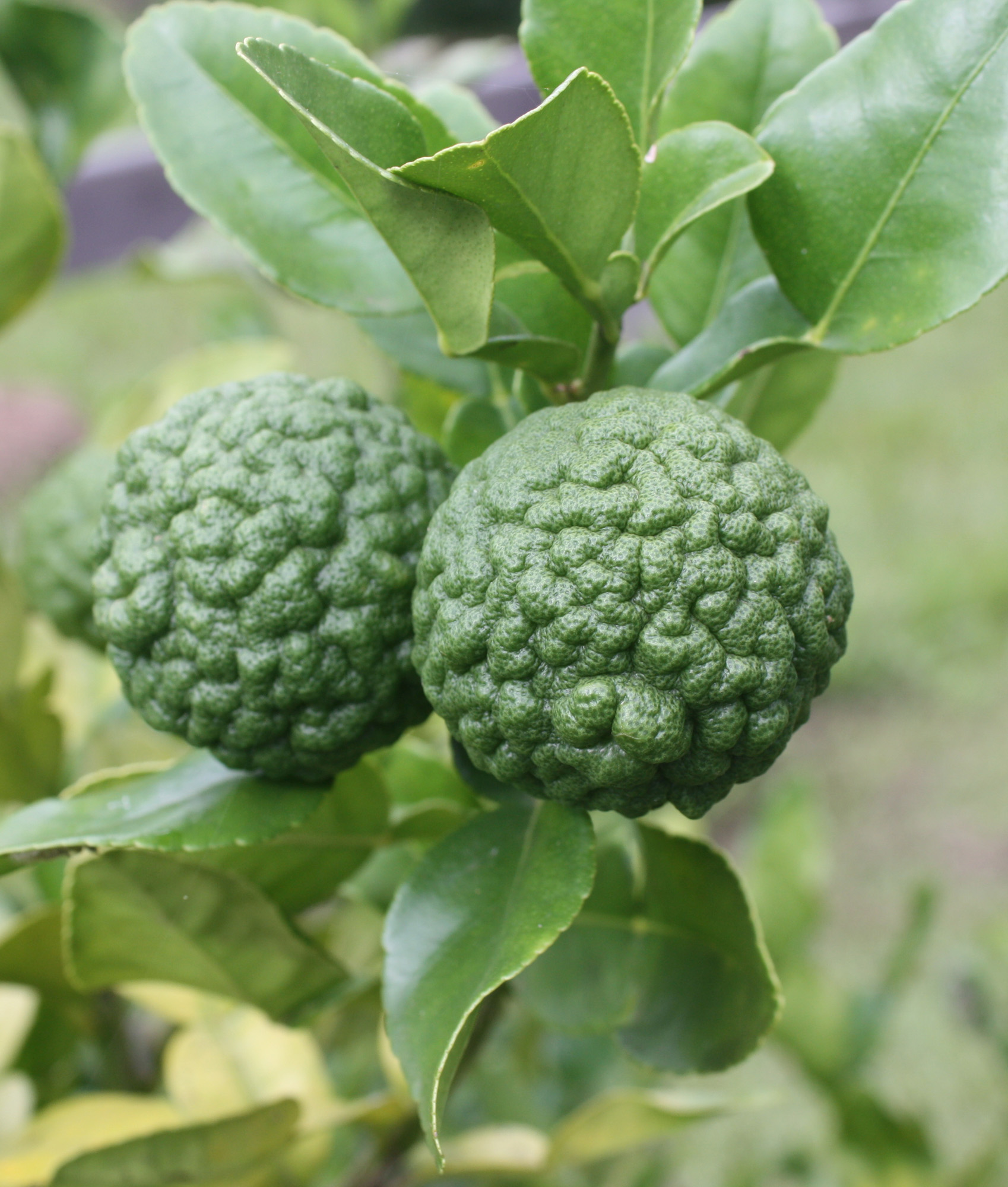
Makrut Lime
Citrus hystrix
A Southeast Asian citrus tree with uniquely double-lobed leaves and bumpy fruit — essential in Thai and Indonesian cuisine and traditional medicine for its powerful antimicrobial, anxiolytic and digestive properties.
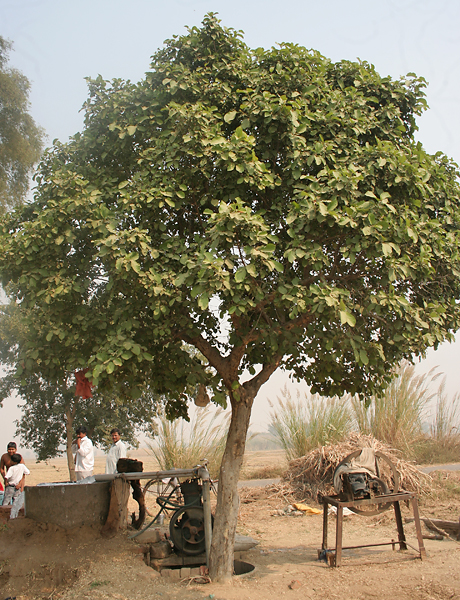
Mitragyna
Mitragyna inermis
A riverine tree of the West African savanna whose bark and leaves are used as an antimalarial, analgesic, and anti-inflammatory — a close relative of kratom (M. speciosa) but with a distinct, less controversial alkaloid profile.
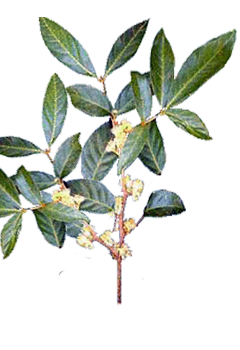
Monkey Cola
Cola pachycarpa
A West African understorey tree bearing distinctive red fruits eaten fresh and used in traditional medicine for coughs, diarrhoea, and as a stimulant. Related to true kola nut but with different chemistry.
Muira Puama
Ptychopetalum olacoides
The "potency wood" of the Amazon — a traditional aphrodisiac and nerve tonic of the Tupi and other indigenous peoples, now one of the most popular natural sexual health supplements in Brazil and Europe.
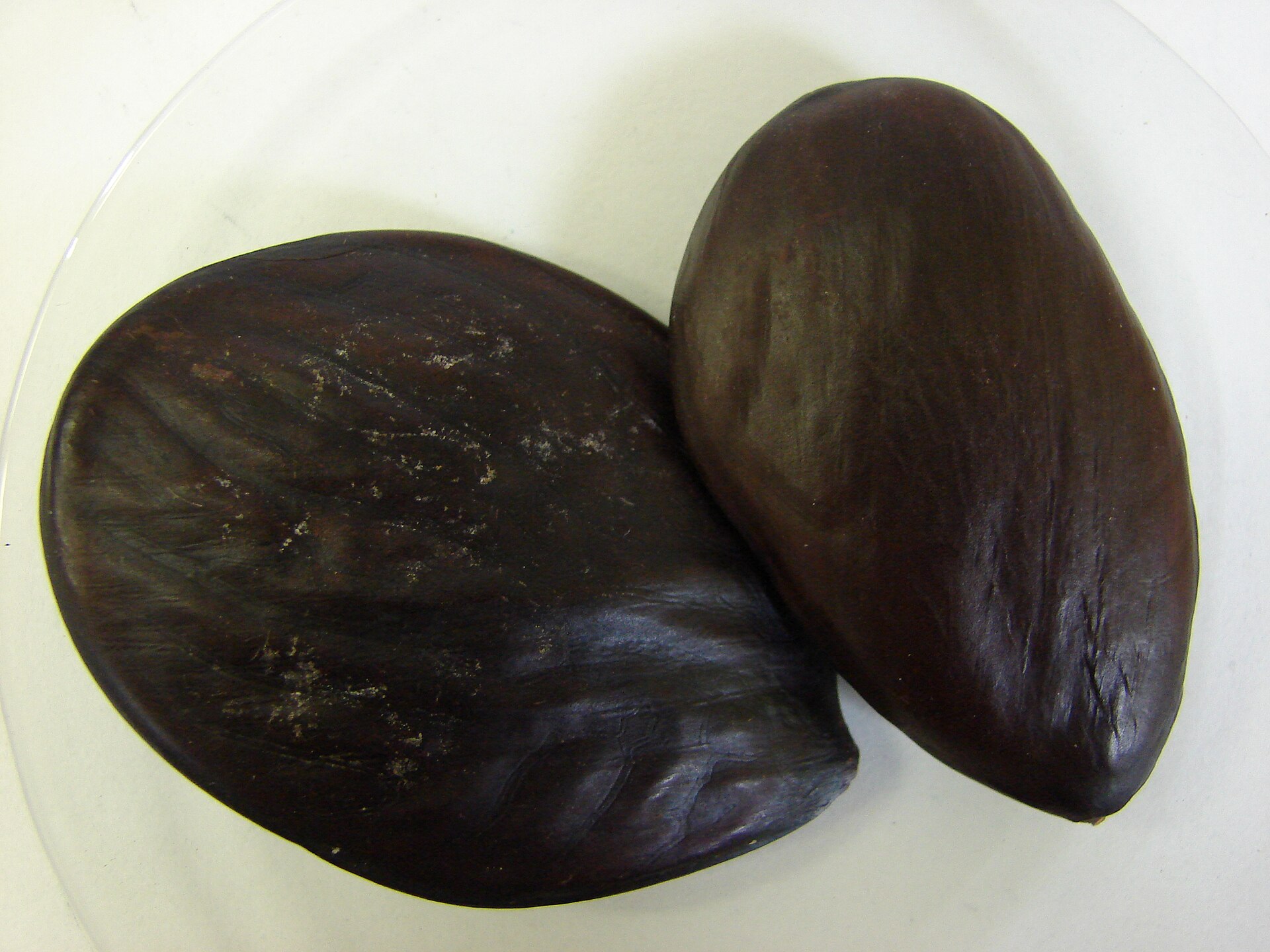
Oil Bean Tree
Pentaclethra macrophylla
A towering rainforest legume whose fermented seeds (ugba/ukpaka) are a beloved West African condiment. The bark, seeds, and seed oil have antimicrobial, anti-inflammatory, and wound-healing properties.
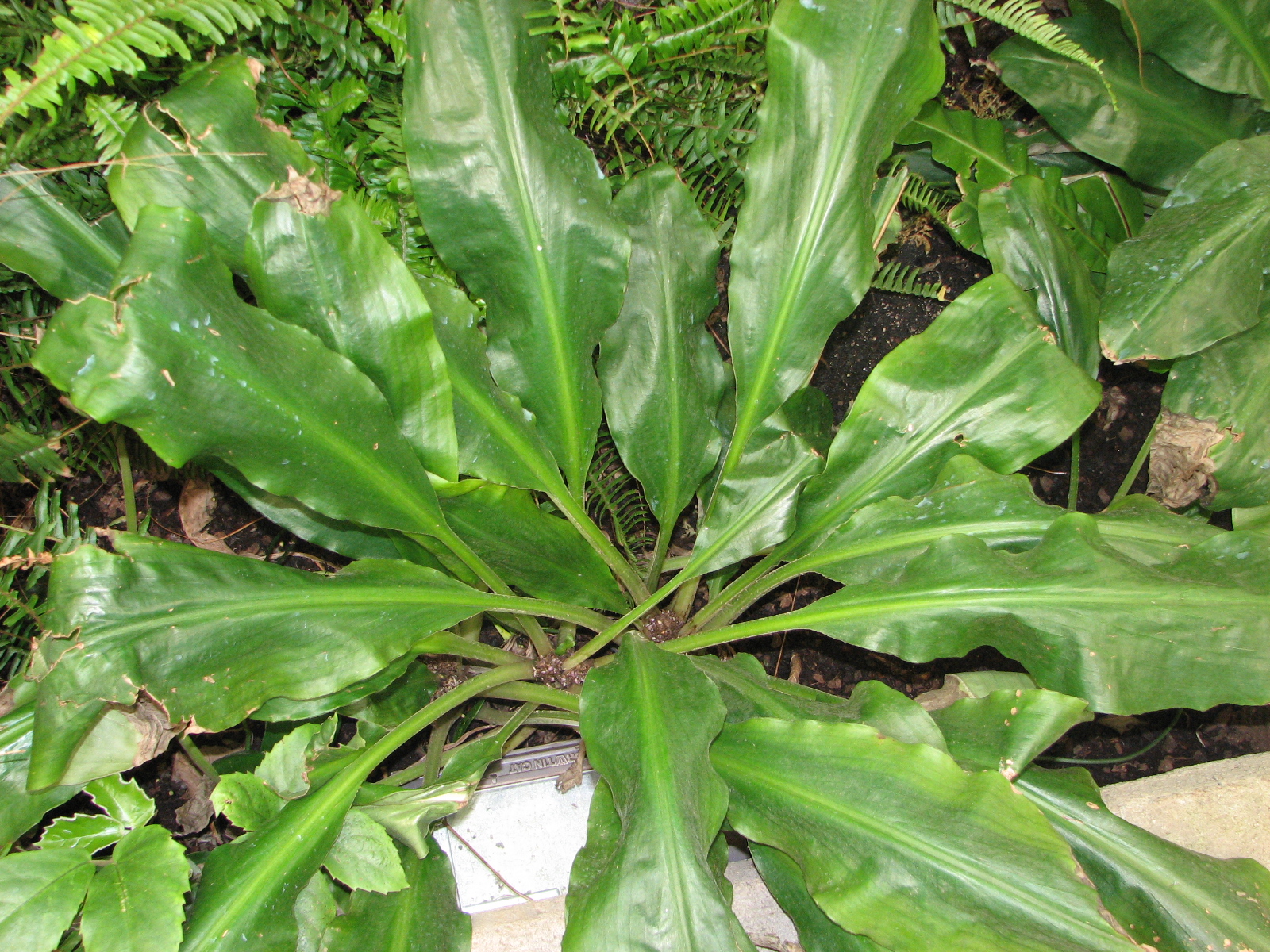
Palisota
Palisota hirsuta
A shade-loving West African forest herb with distinctive hairy leaves and bright red berry clusters. The root and leaf treat stomach complaints, convulsions, and infertility in traditional medicine.
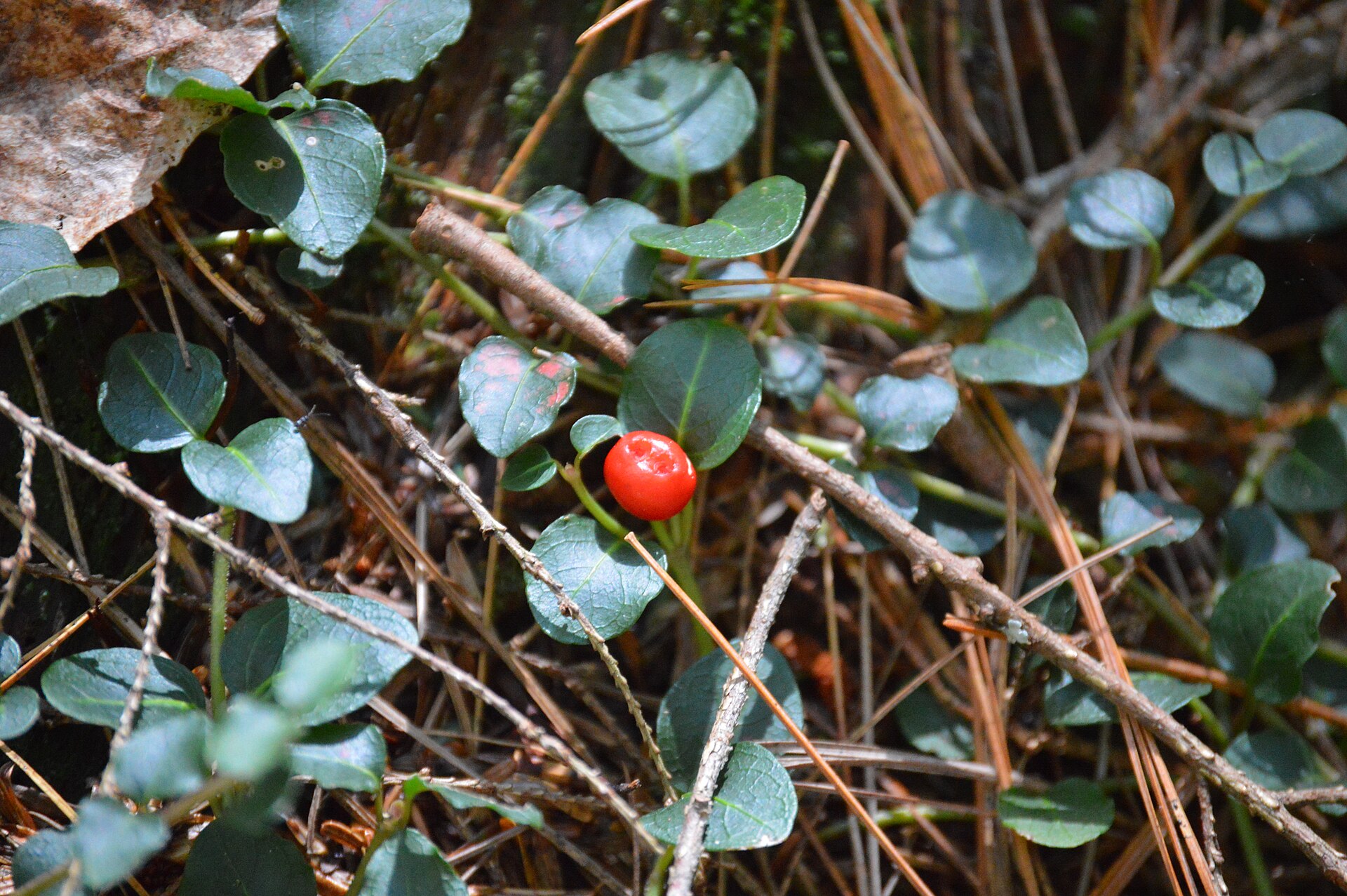
Partridge Berry
Mitchella repens
A trailing woodland vine used by Native American women as a partus preparator — a late-pregnancy uterine tonic to ease labour.
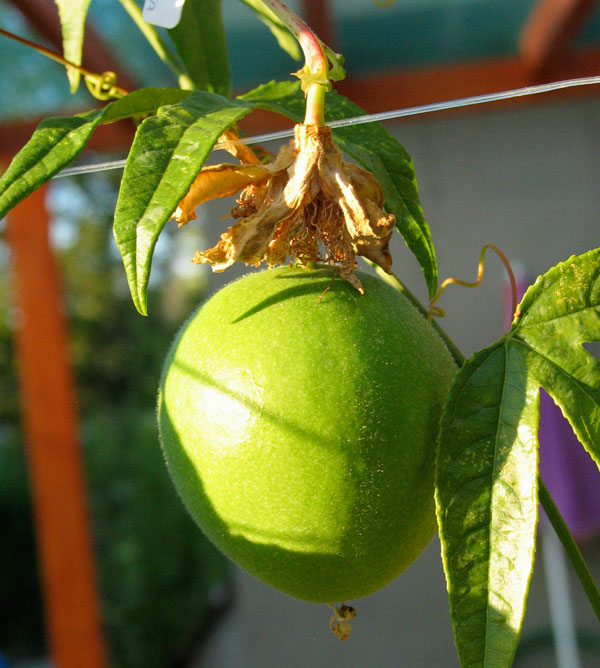
Passionflower
Passiflora incarnata
The vine of tranquility — an American native adopted worldwide for anxiety, insomnia, and the racing mind that won’t switch off.
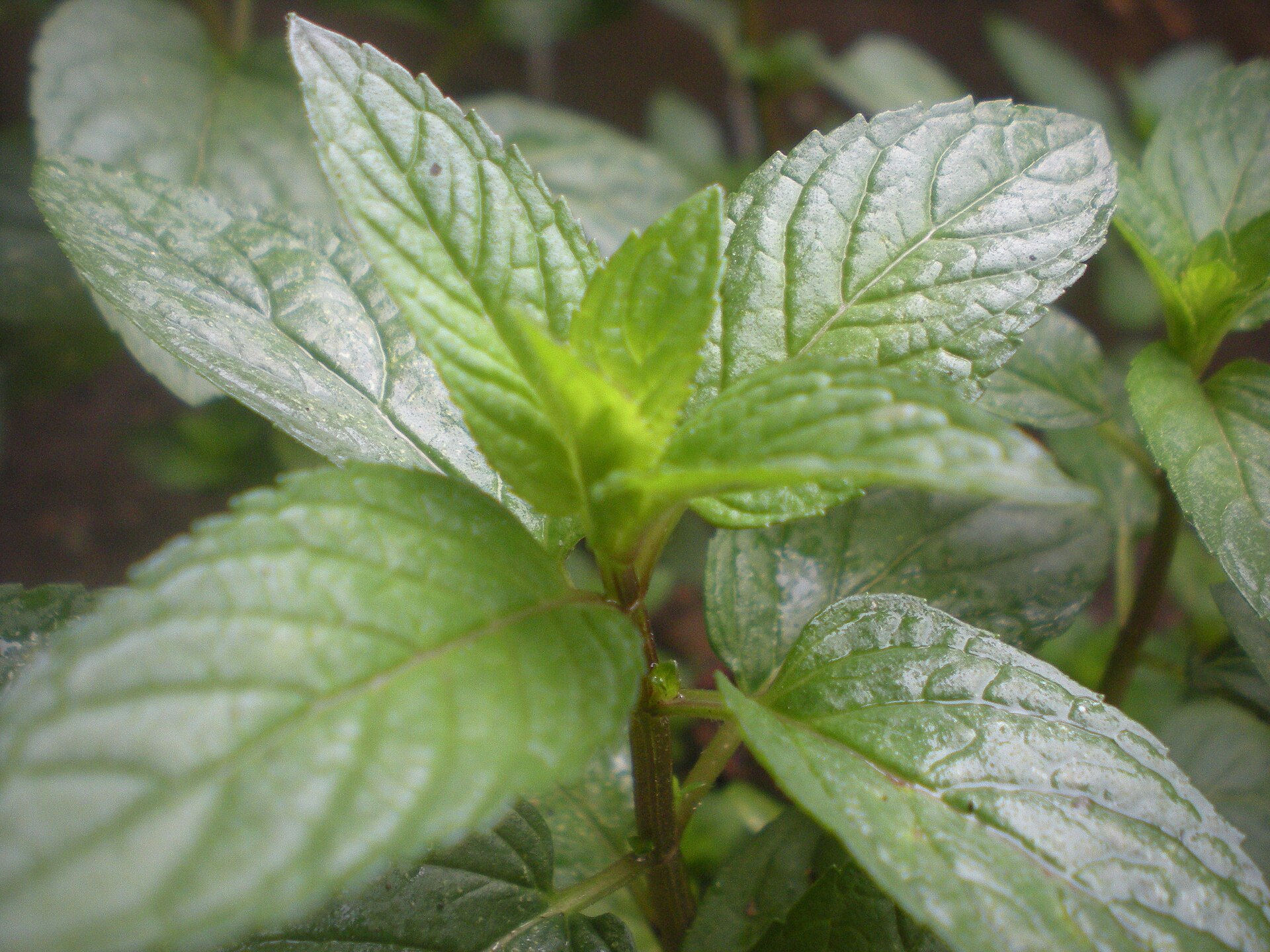
Peppermint
Mentha × piperita
The world’s favorite digestive herb — enteric-coated peppermint oil is a first-line evidence-based therapy for irritable bowel syndrome.
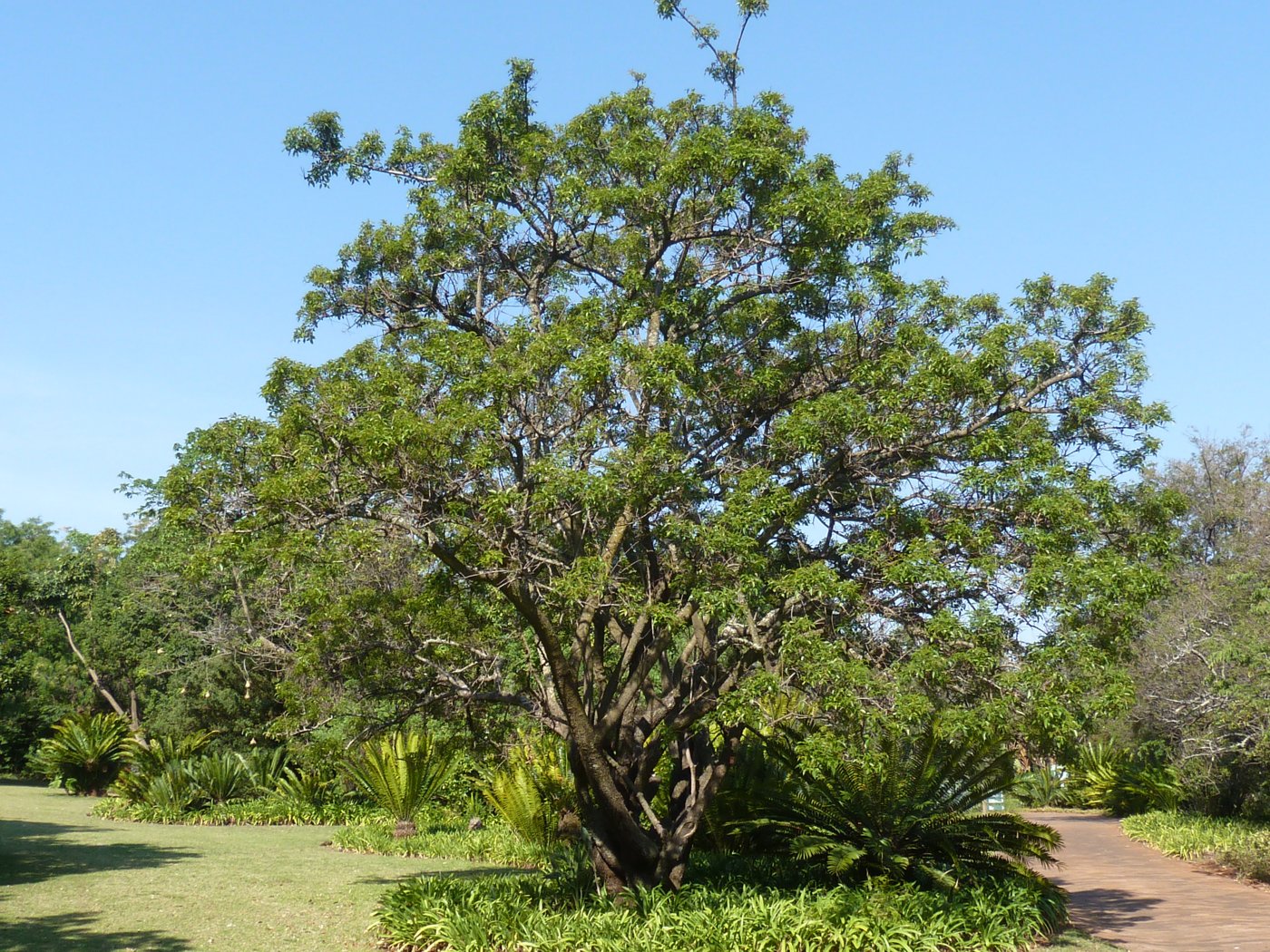
Red Currant (Bushman’s Tea Relative)
Searsia chirindensis
A southern African tree of the mango and cashew family whose bark and roots are used for heart palpitations, mental unrest, rheumatism and stomach complaints.
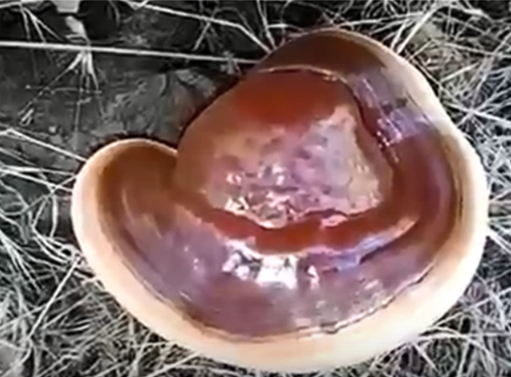
Reishi
Ganoderma lucidum
The "Mushroom of Immortality" — revered in East Asian medicine for over two millennia as a calming, immune-modulating spiritual tonic. One of the most researched medicinal mushrooms in the world.
Looking for something else?
Browse the full library