Soothe, settle, and support the gut
Digestive Health
Herbs traditionally used to ease indigestion, bloating, and irregularity, and to support a healthy, comfortable digestive system.
60 herbs in this collection
 Featured
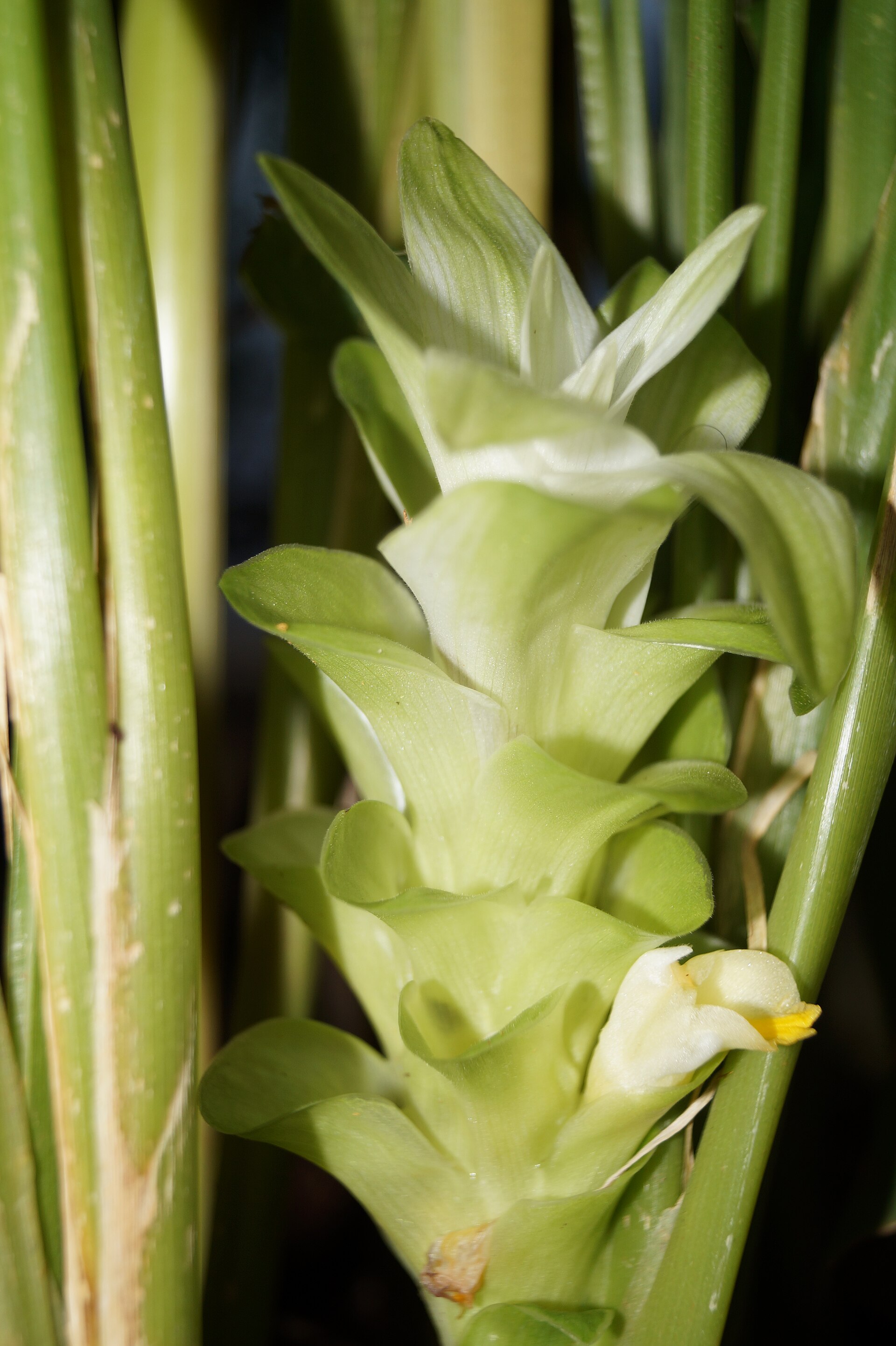
Turmeric
Curcuma longa
The golden rhizome of Ayurveda and TCM — one of the most researched botanicals on earth for inflammation, joint health, and liver support.
 Featured
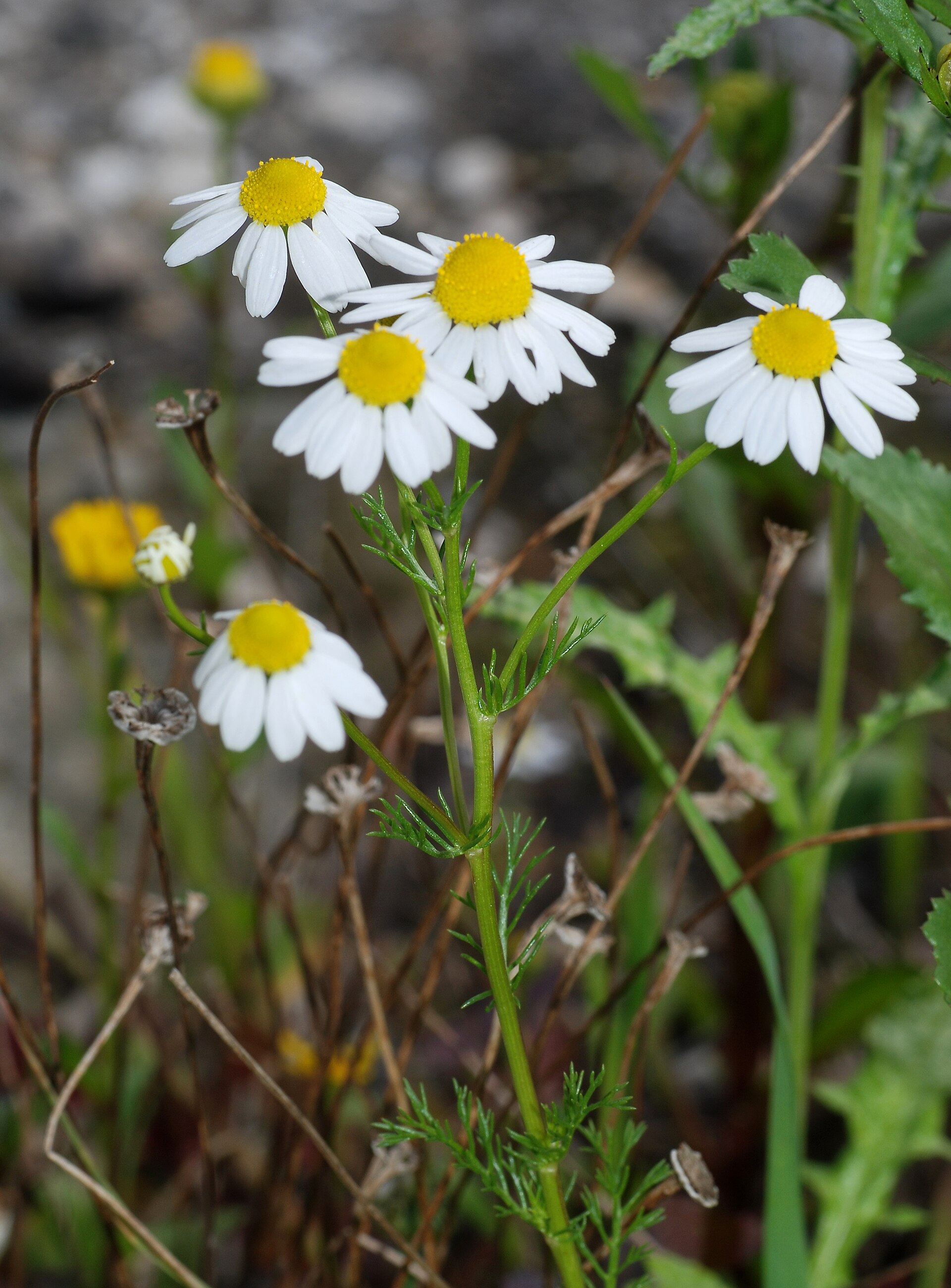
Chamomile
Matricaria chamomilla
Europe’s gentle everything-herb — a calming nervine, digestive soother, and anti-inflammatory trusted for children and adults alike.
 Featured
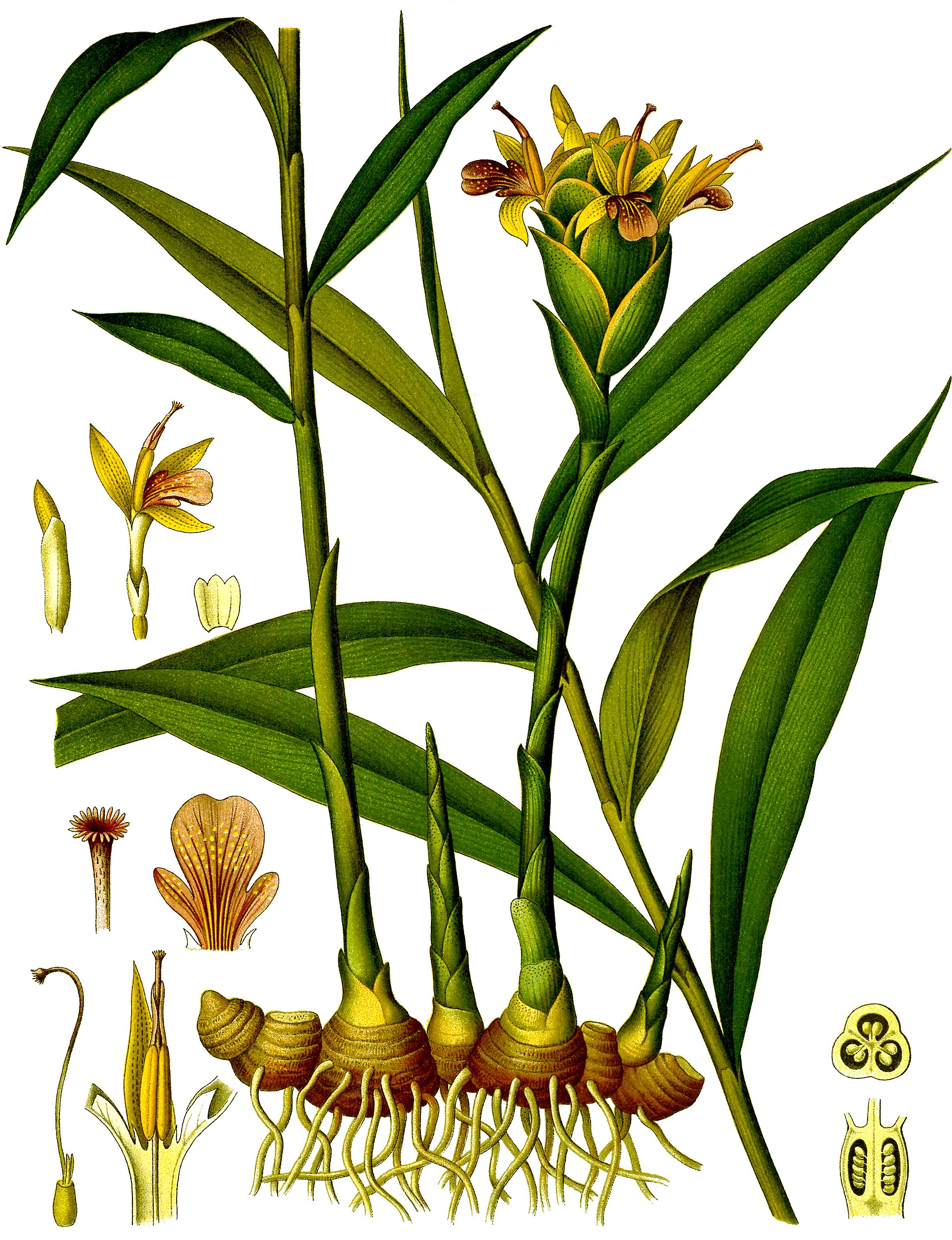
Ginger
Zingiber officinale
The universal warming digestive — used across every major healing tradition for nausea, digestion, circulation, and inflammation.
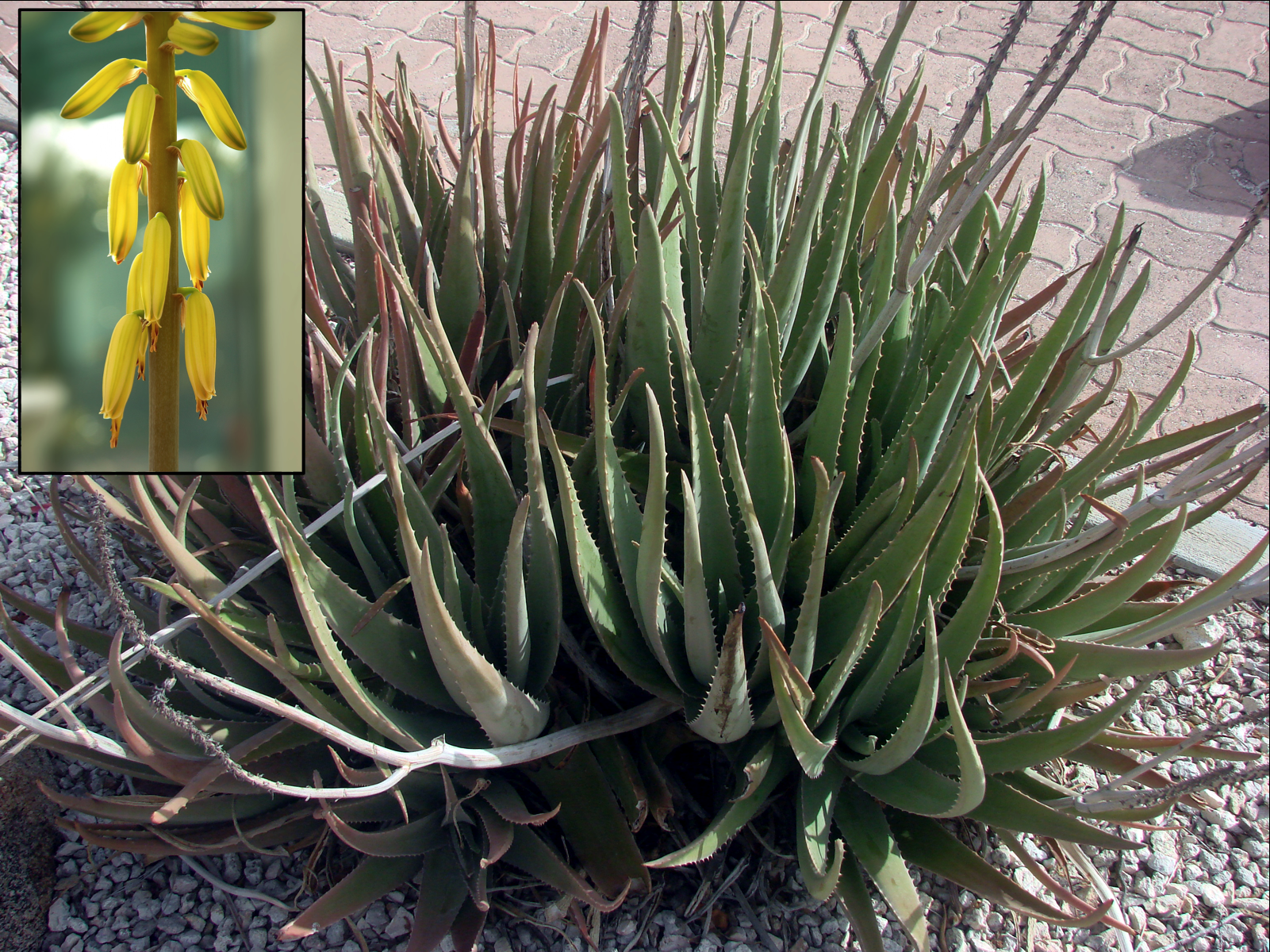
Aloe Vera
Aloe barbadensis
The first-aid succulent — cooling gel for burns and skin repair, used from ancient Egypt to every modern windowsill.
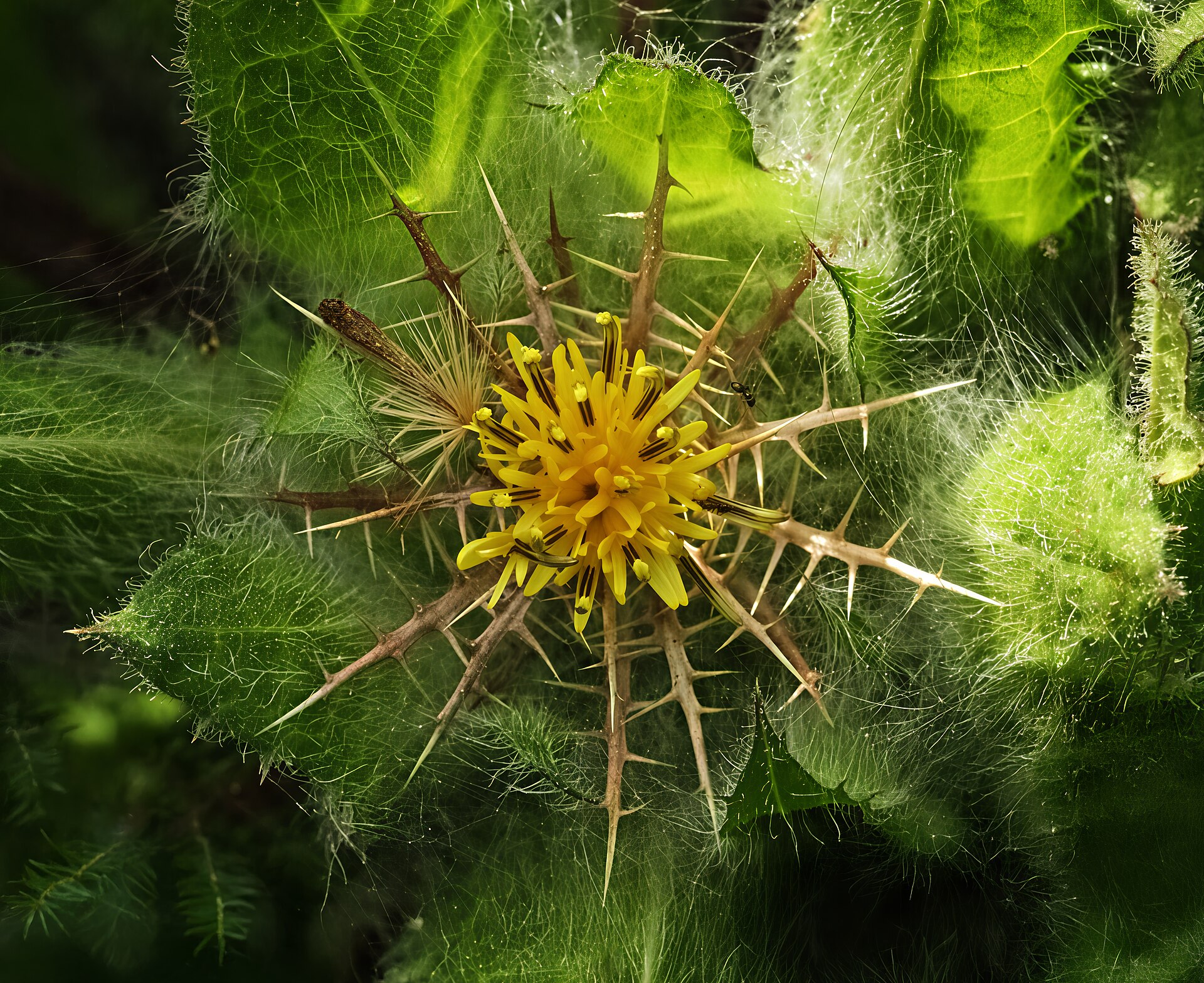
Blessed Thistle
Cnicus benedictus
A intensely bitter monastic herb used since the Middle Ages to wake up weak digestion, stimulate appetite and support breast-milk supply.
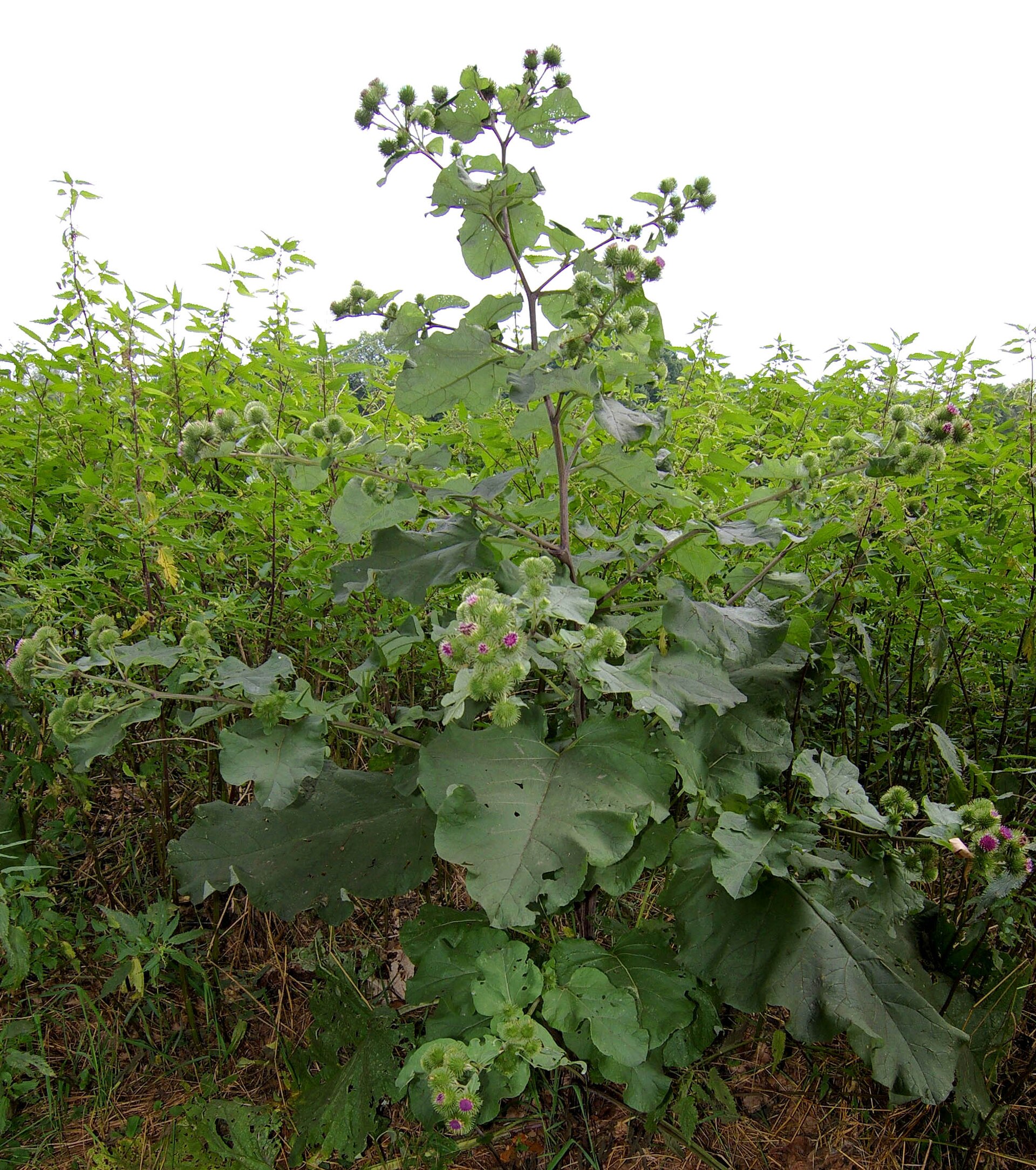
Burdock Root
Arctium lappa
The definitive Western alterative — a nutritive, inulin-rich root that works slowly and deeply on skin, lymph and liver.
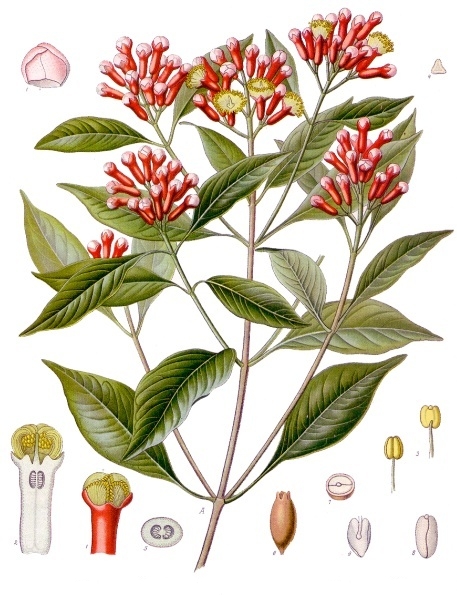
Cloves
Syzygium aromaticum
The dried flower bud that launched the spice trade — a warming carminative and the most established natural dental anaesthetic in the world.
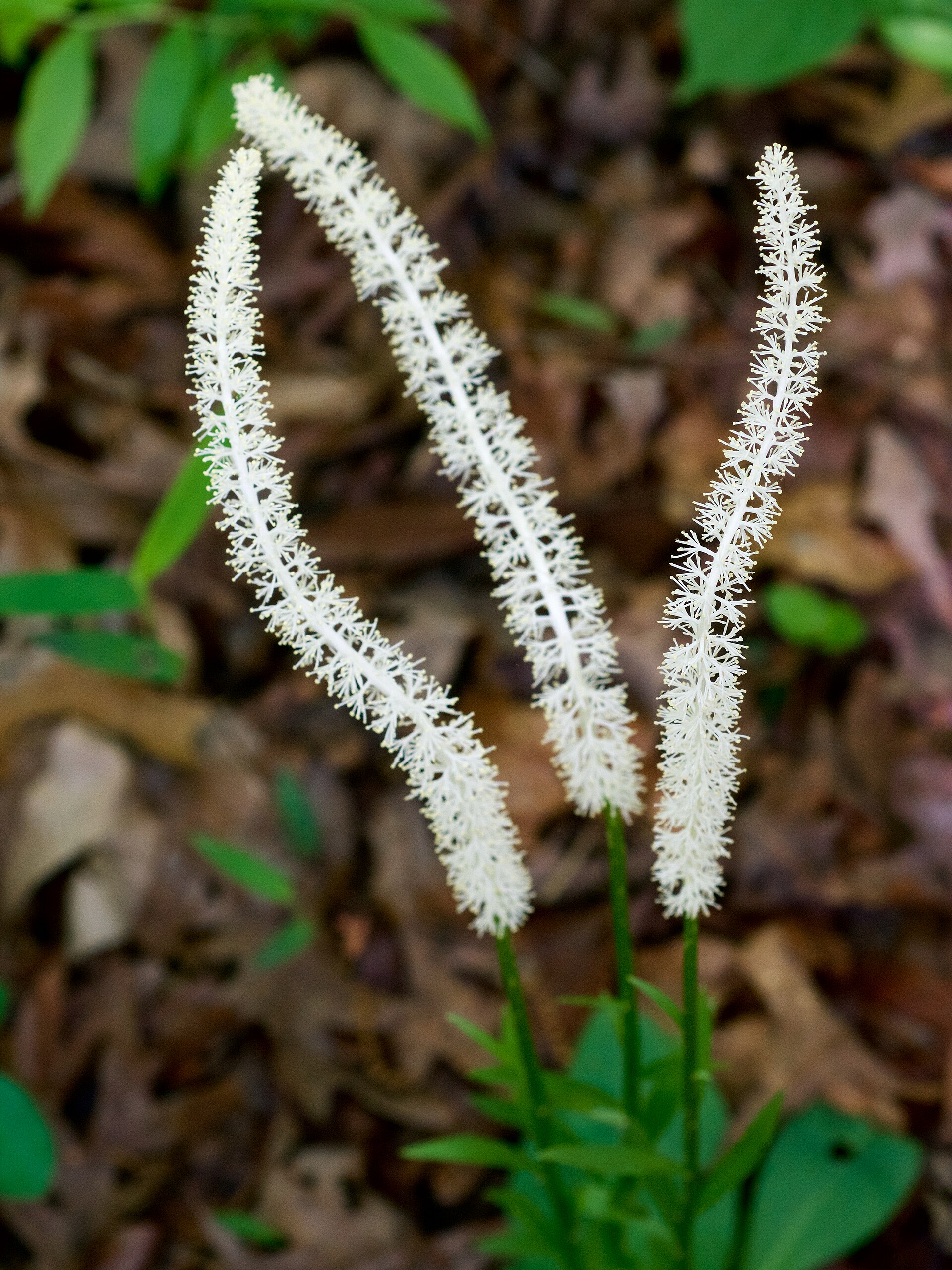
False Unicorn
Chamaelirium luteum
A revered North American ovarian and uterine tonic — and one of the most seriously endangered medicinal plants in the wild.
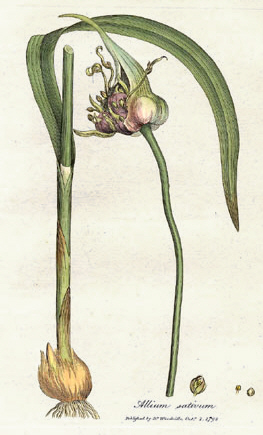
Garlic
Allium sativum
The world’s oldest documented medicine — cardiovascular protector, antimicrobial, and immune ally in every cuisine on earth.
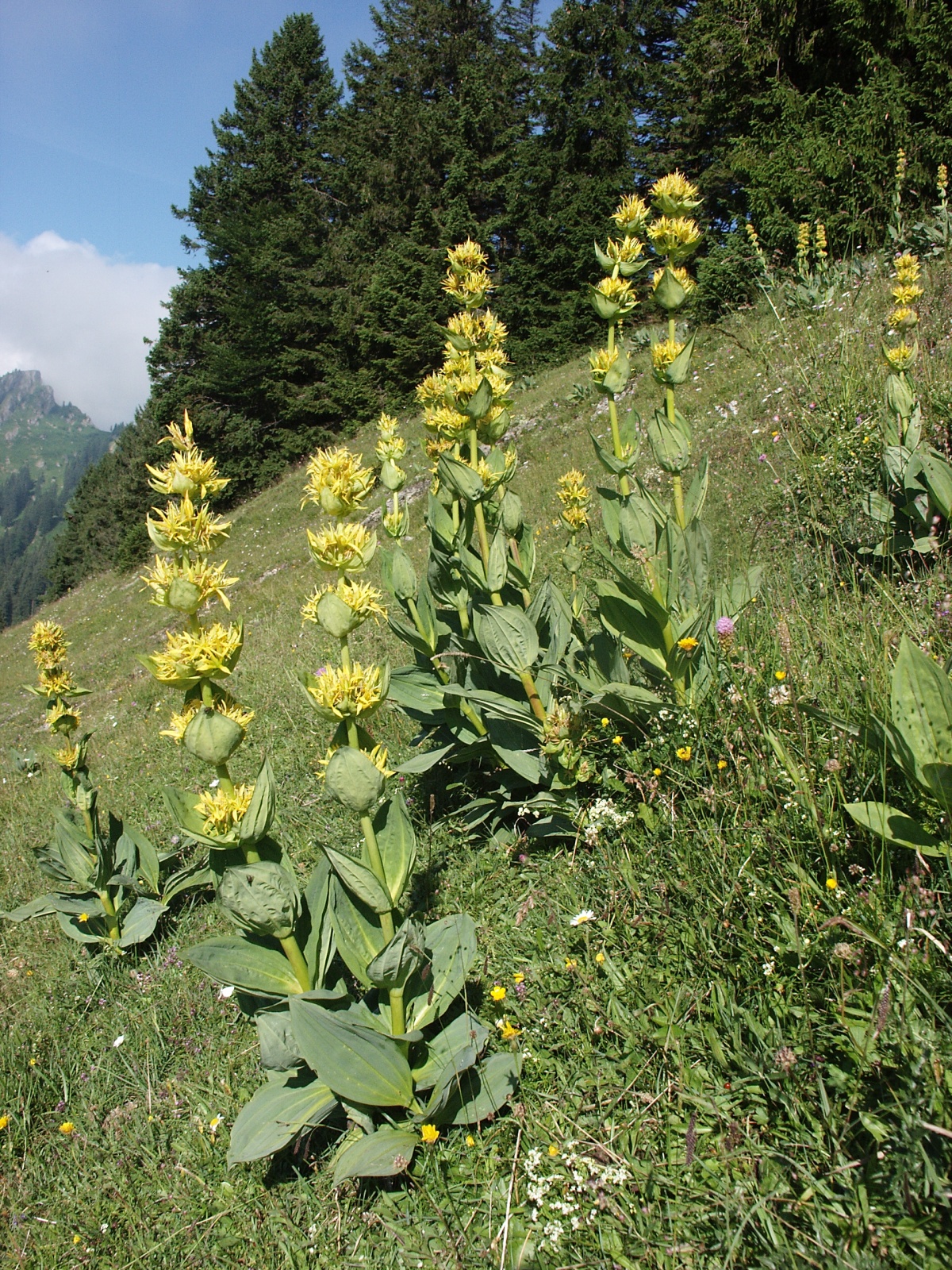
Gentian
Gentiana lutea
The bitterest herb in European medicine — the reference standard for digestive bitters and the backbone of every classic apertif.
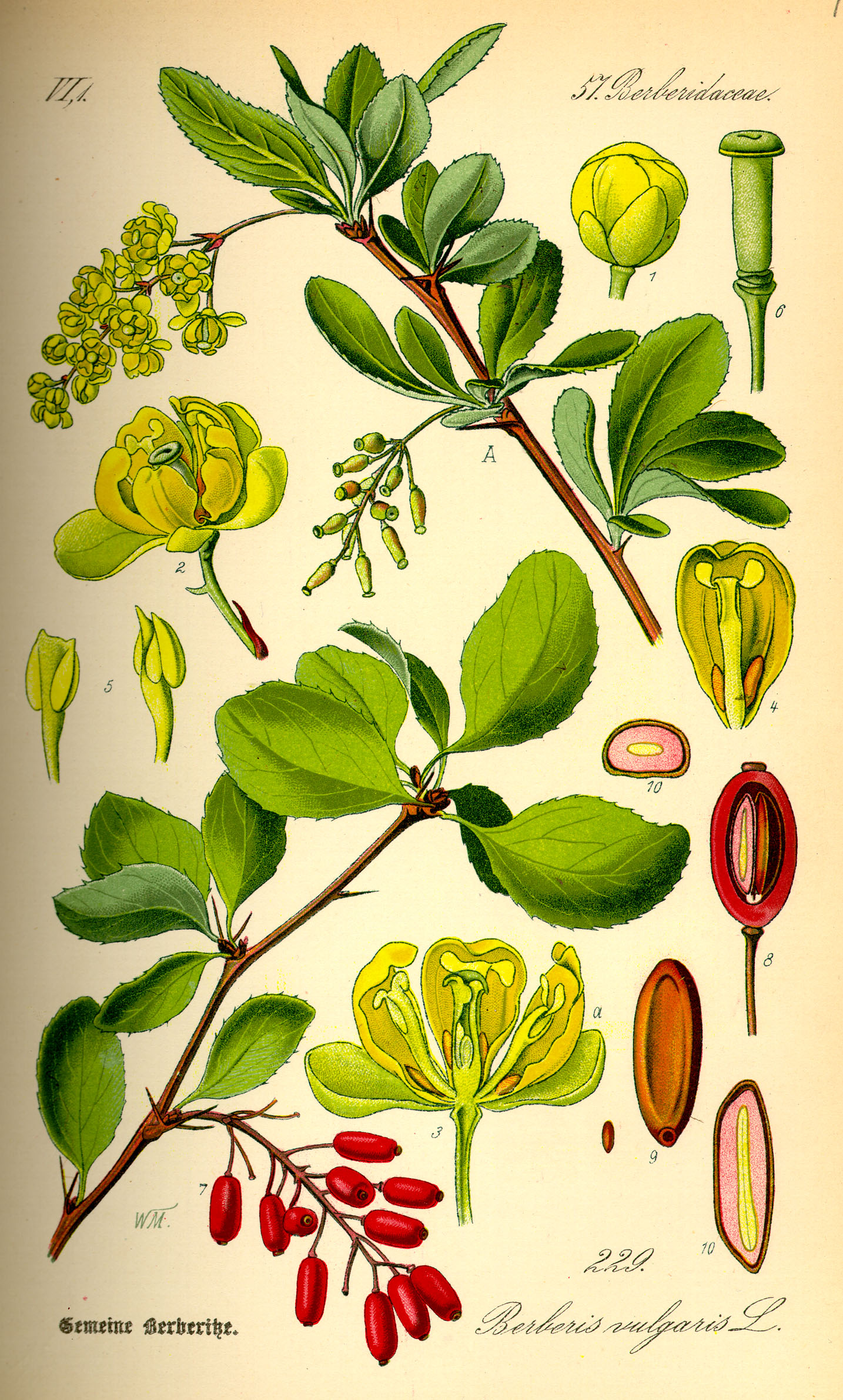
Barberry
Berberis vulgaris
A berberine-rich root bark used across Europe, Persia and India as a bitter liver stimulant, antimicrobial and blood-sugar regulator.
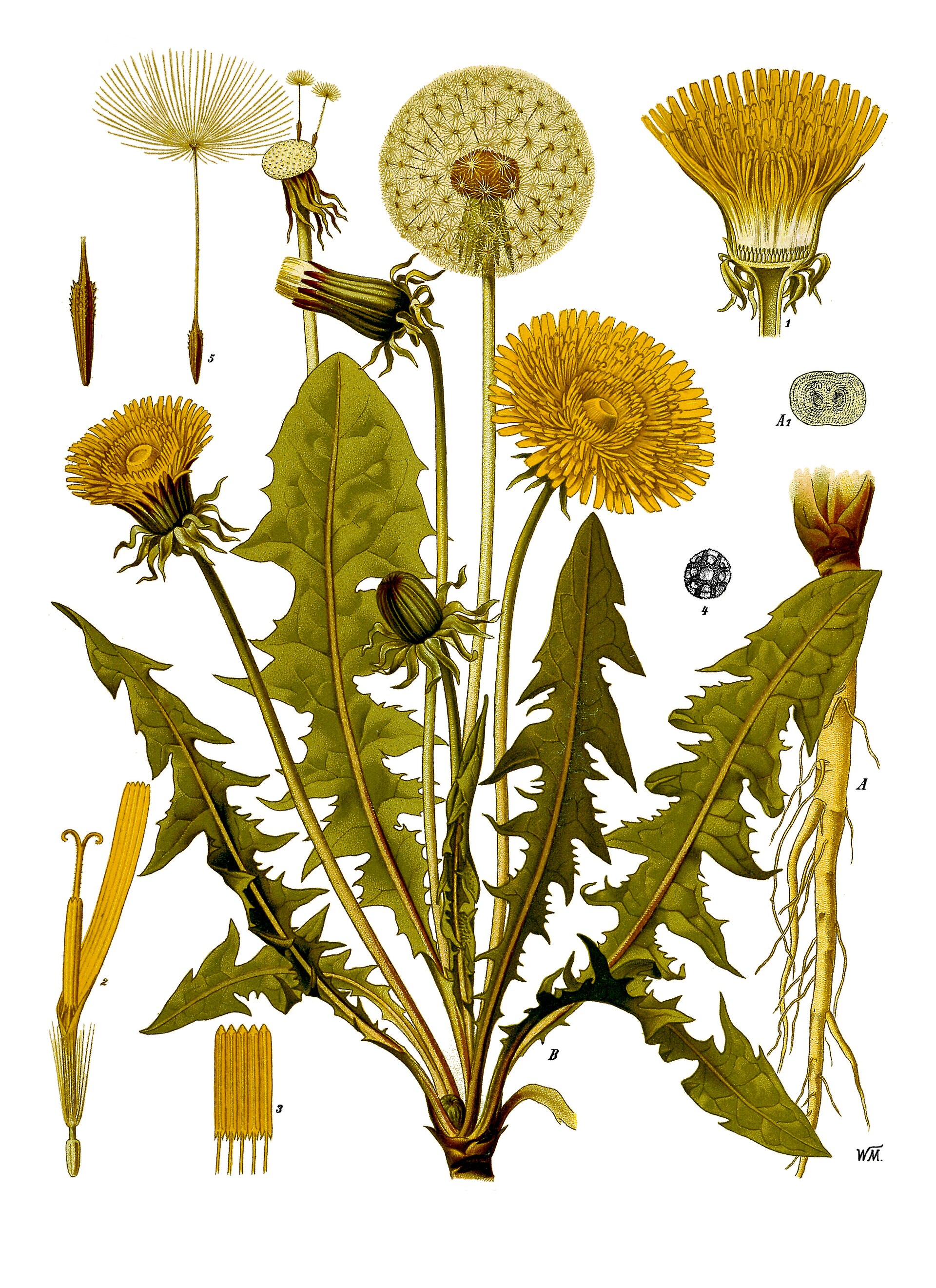
Dandelion
Taraxacum officinale
The garden “weed” that is a complete medicine — bitter leaves for water balance, roasted root for liver and digestion.
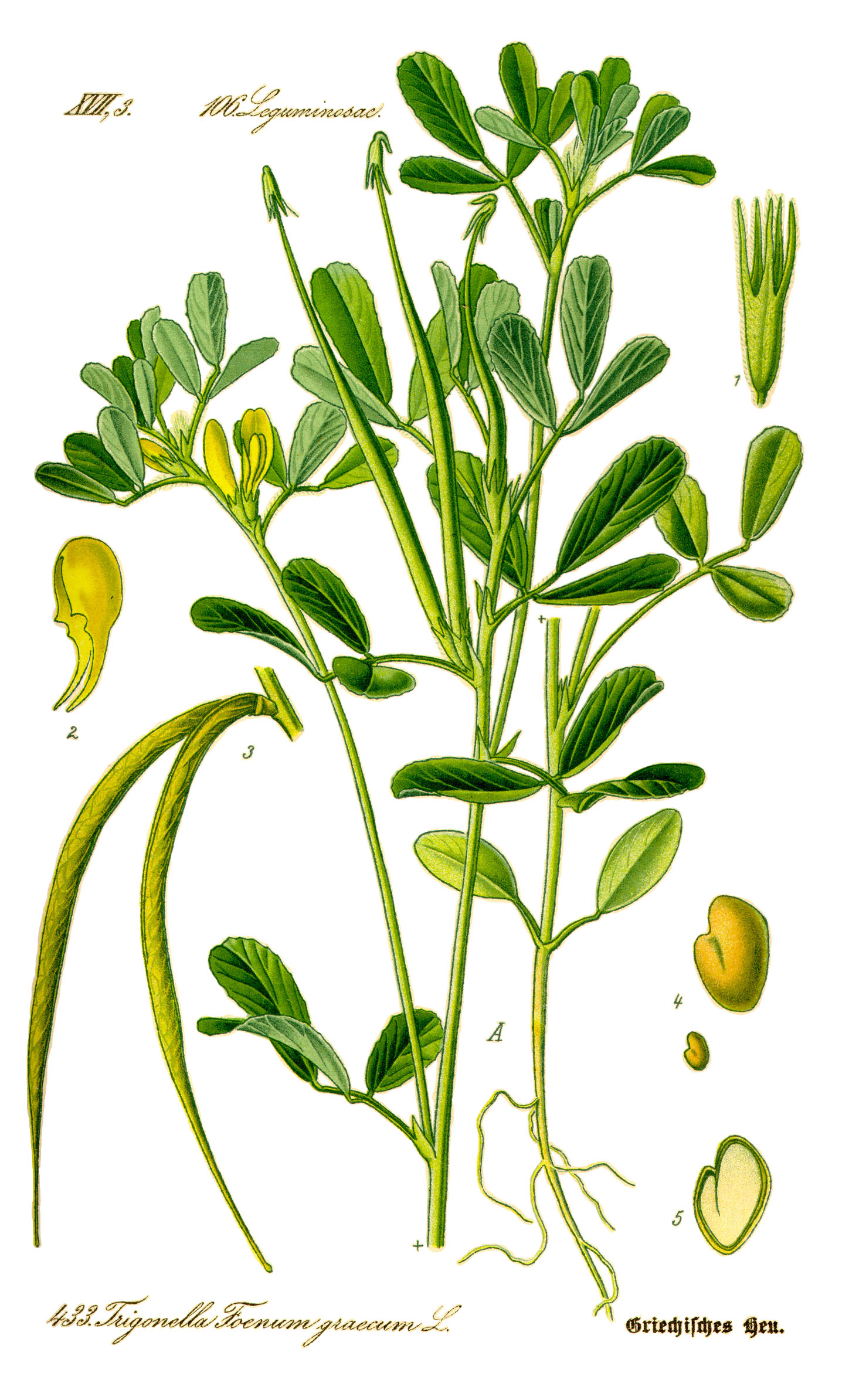
Fenugreek
Trigonella foenum-graecum
A maple-scented seed used from Egypt to India for blood sugar control, breast-milk supply and digestive soothing — one of the best-evidenced traditional seeds.
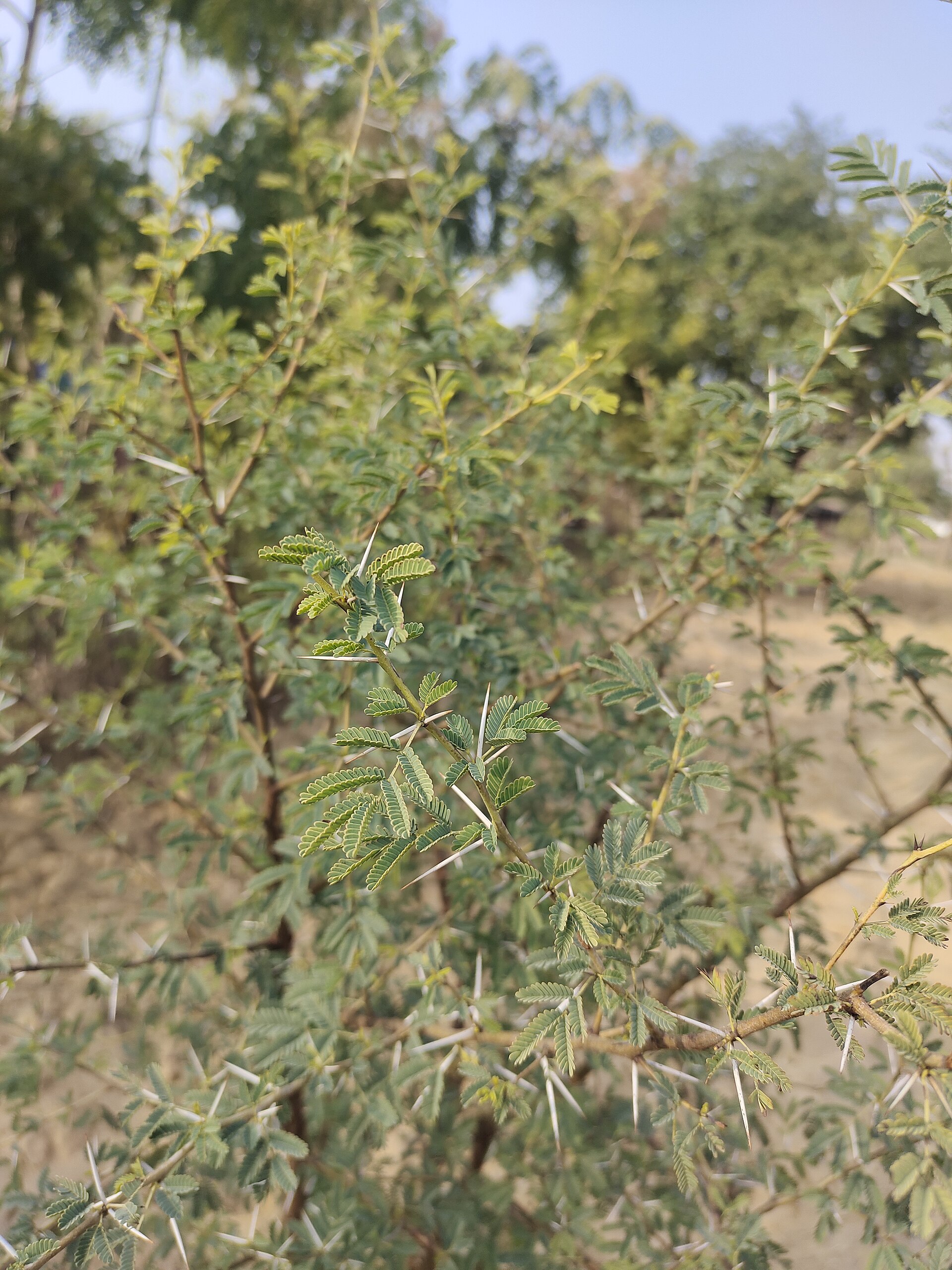
Gum Arabic Tree
Acacia nilotica
A thorny, multi-stemmed tree yielding astringent bark and tannin-rich pods used across West African and Ayurvedic traditions for oral health, wound care, and gastrointestinal complaints.
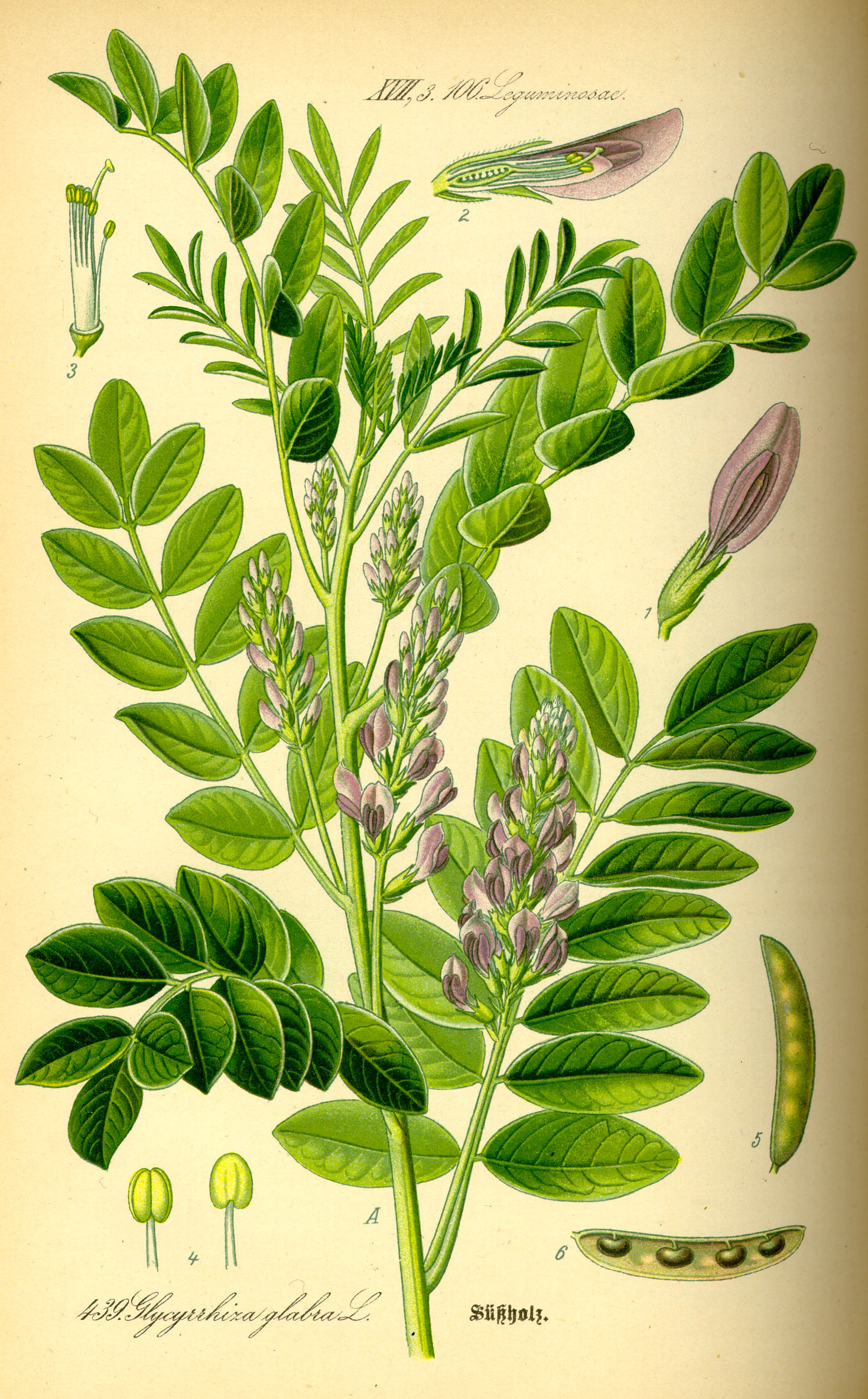
Licorice Root
Glycyrrhiza glabra
The great harmonizer — the most-used herb in Chinese medicine and a demulcent powerhouse for throat, gut, and adrenal support.
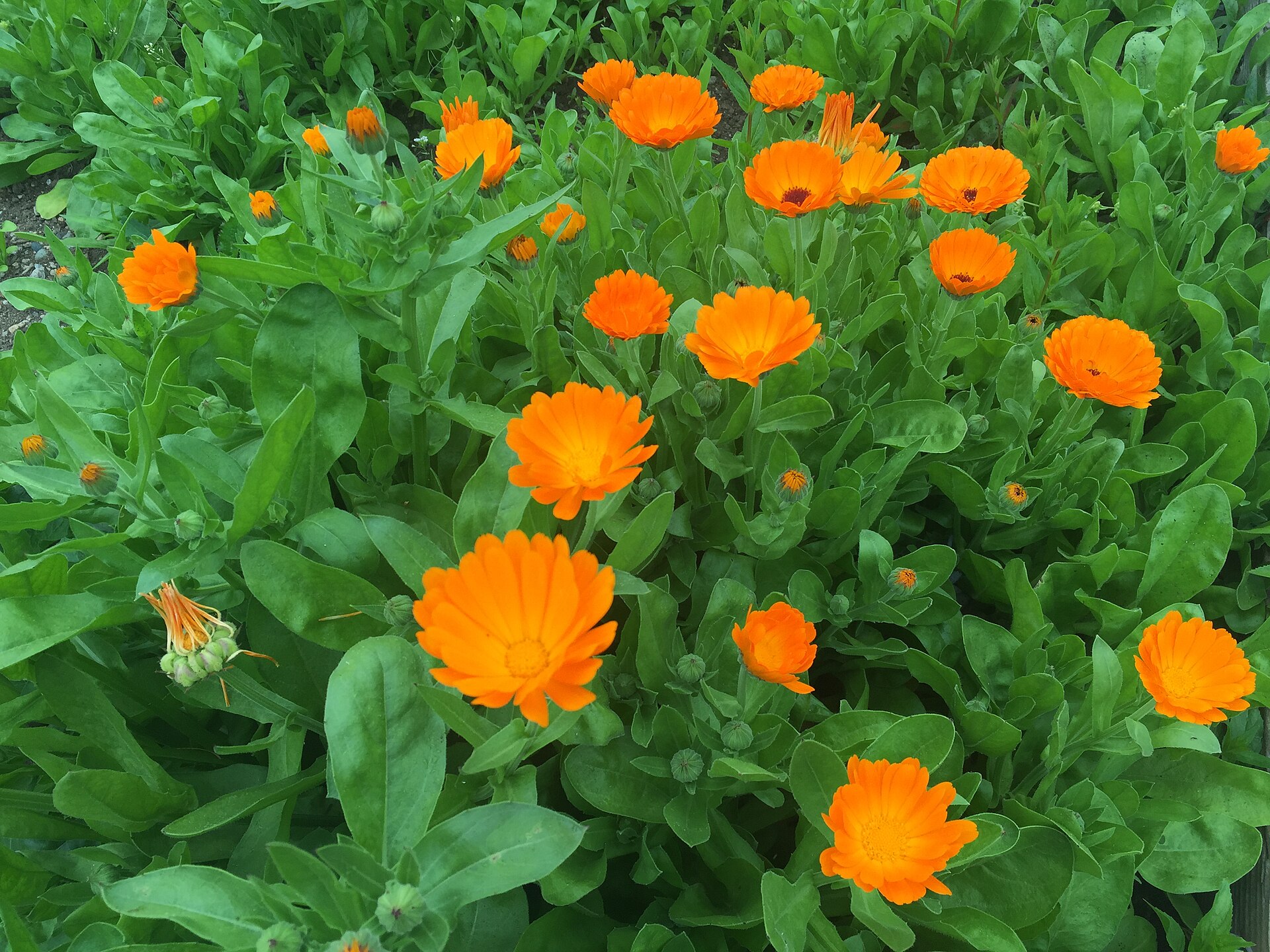
Calendula
Calendula officinalis
The wound-healer’s golden flower — Europe’s premier vulnerary for cuts, burns, rashes, and inflamed skin and mucosa.
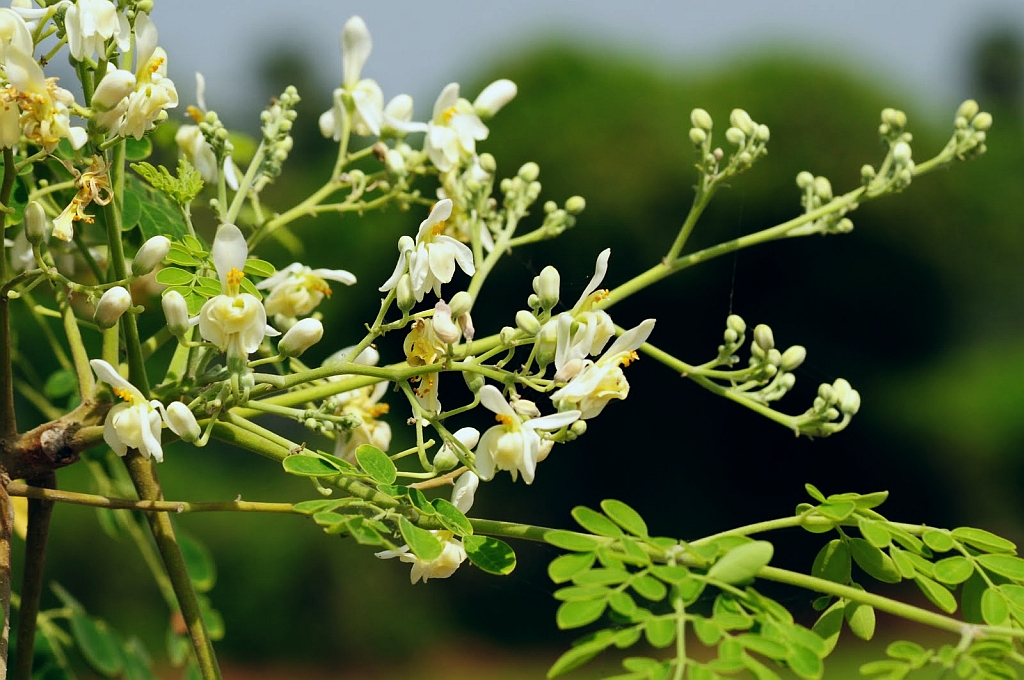
Moringa
Moringa oleifera
The miracle tree of the tropics — leaves so nutrient-dense they anchor malnutrition programs, with rising science on blood sugar and inflammation.
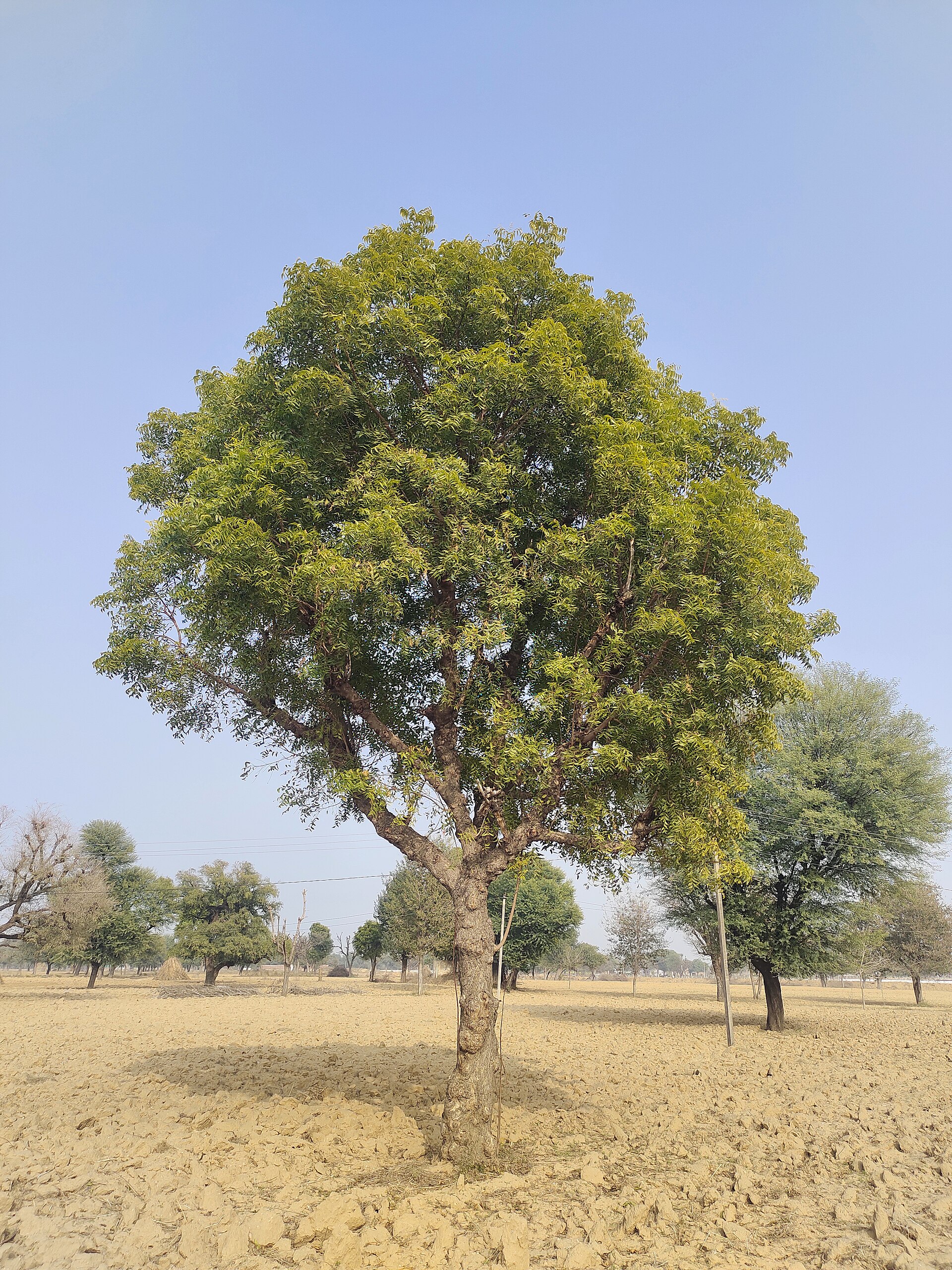
Neem
Azadirachta indica
India’s village pharmacy — the bitter tree of Ayurveda used for skin disease, oral care, blood purification, and natural pest control.
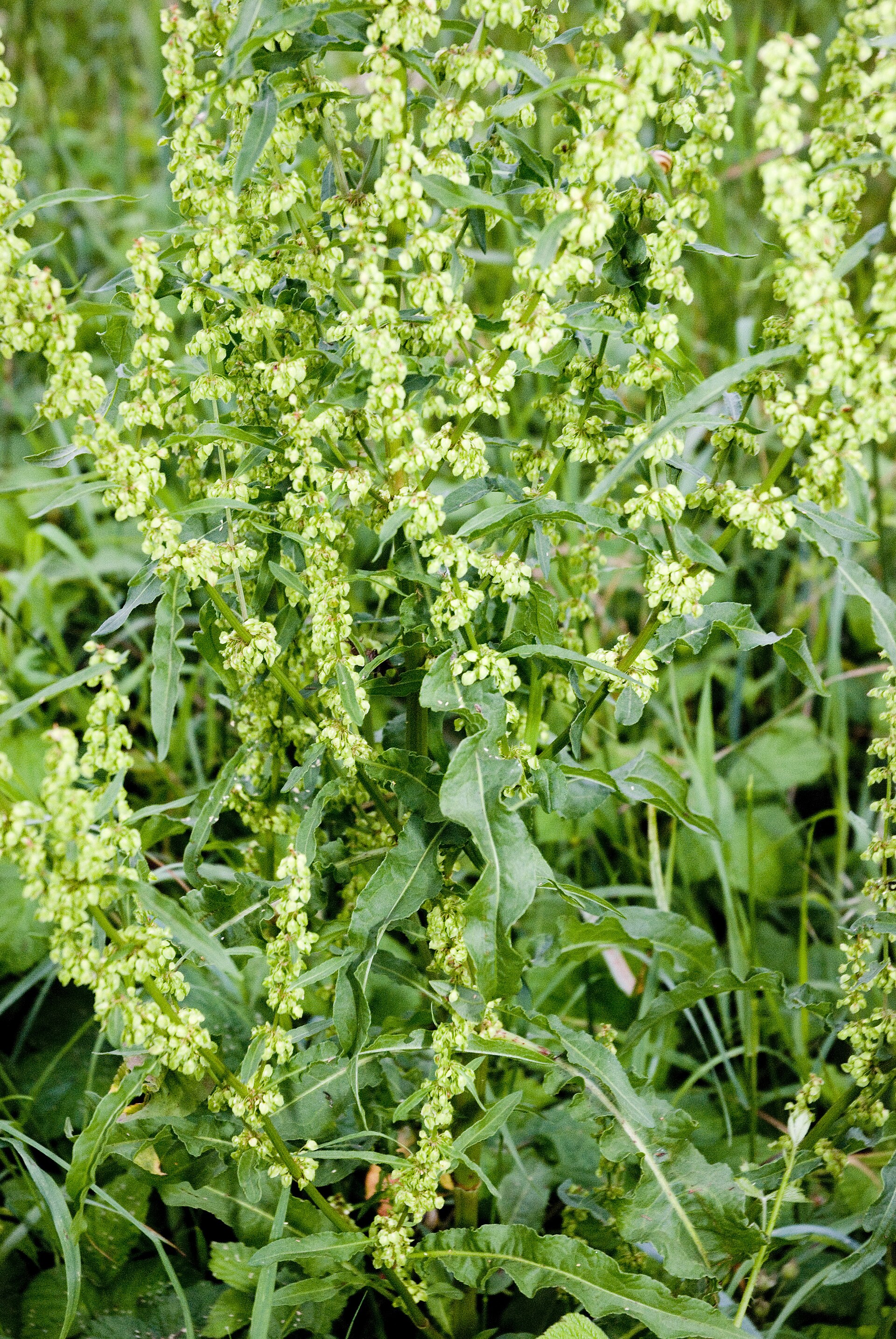
Yellow Dock
Rumex crispus
A gentle alterative and iron-mobilising bitter — the classic pairing for sluggish bowels, chronic skin conditions and low iron.
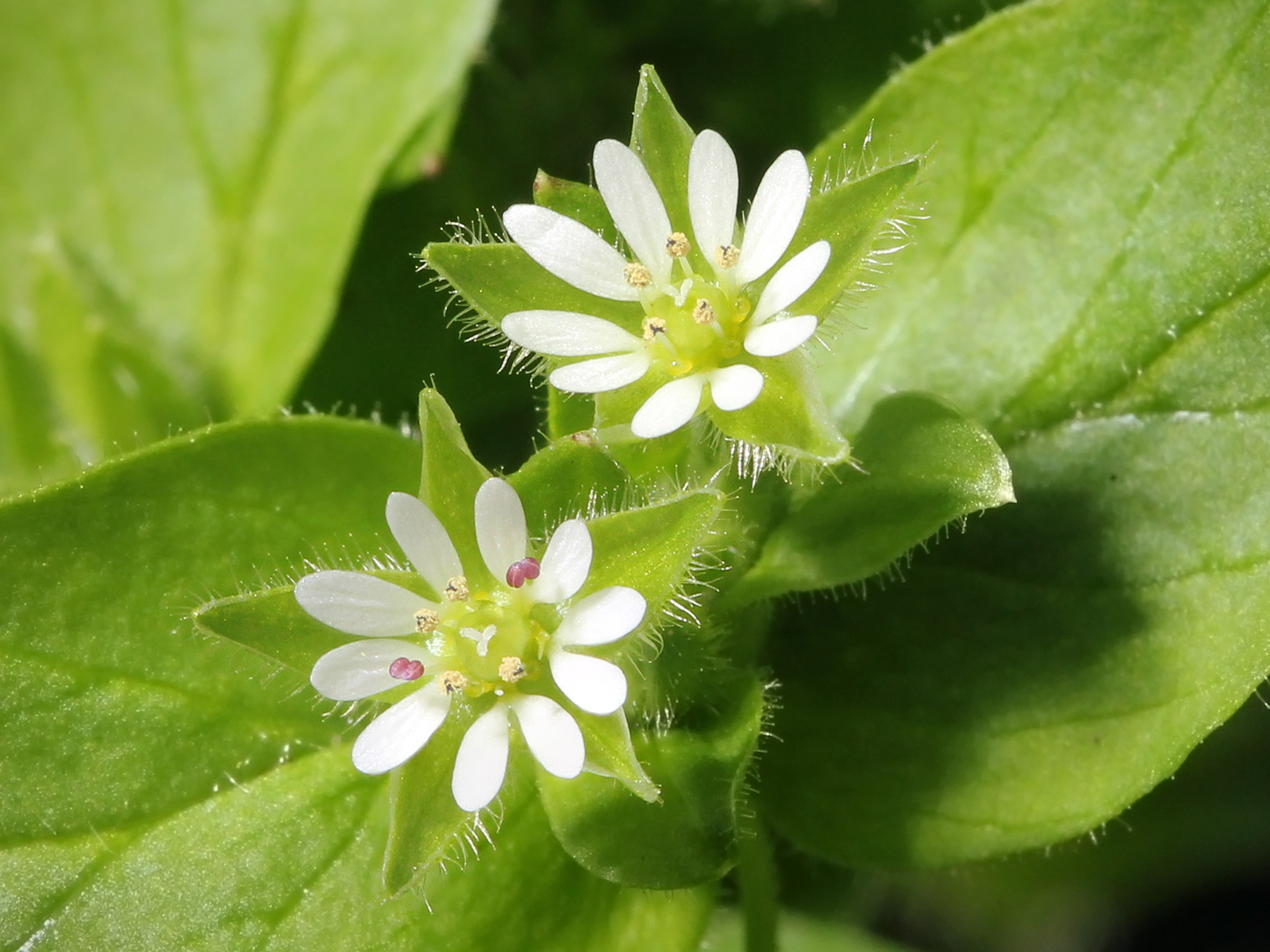
Chickweed
Stellaria media
A humble, cooling garden weed that is one of the finest herbs for itchy, hot, irritated skin — and a genuinely nutritious spring green.
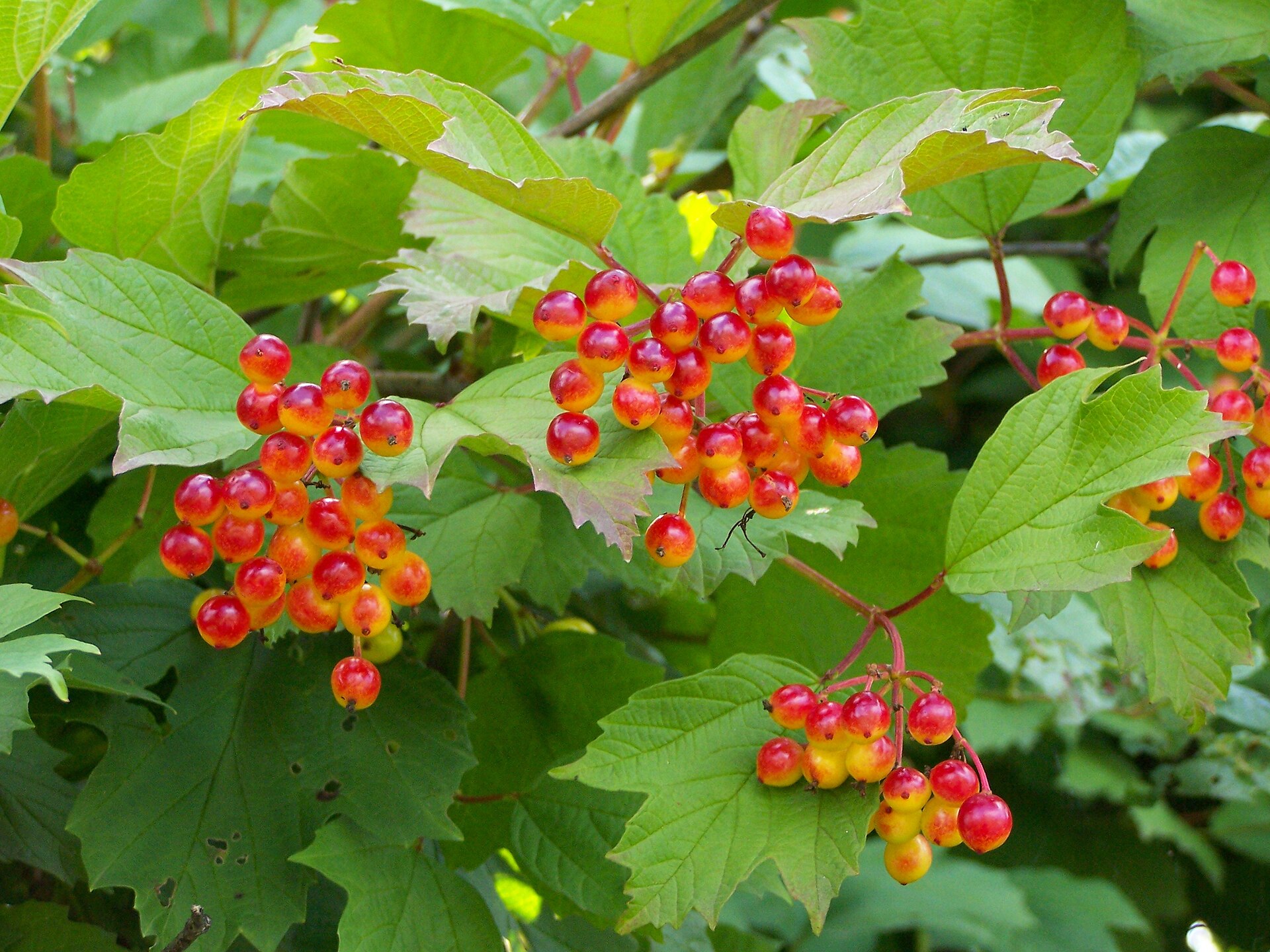
Cramp Bark
Viburnum opulus
The premier Western antispasmodic for smooth muscle — the herb of choice for period cramps, and safe enough for regular use.
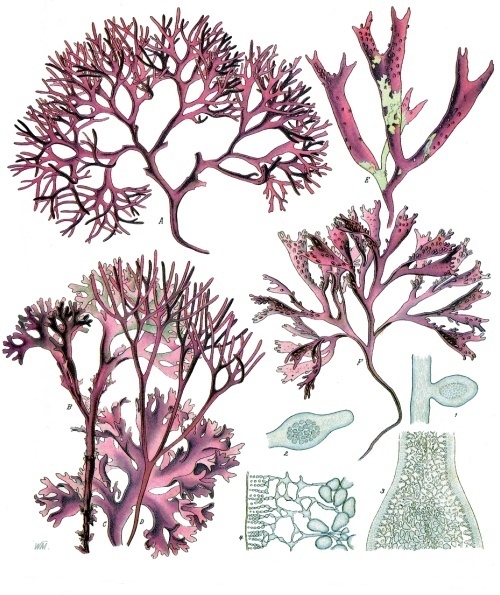
Irish Moss
Chondrus crispus
A mineral-dense red seaweed from the North Atlantic — a soothing demulcent for lungs and gut, and the original source of carrageenan.
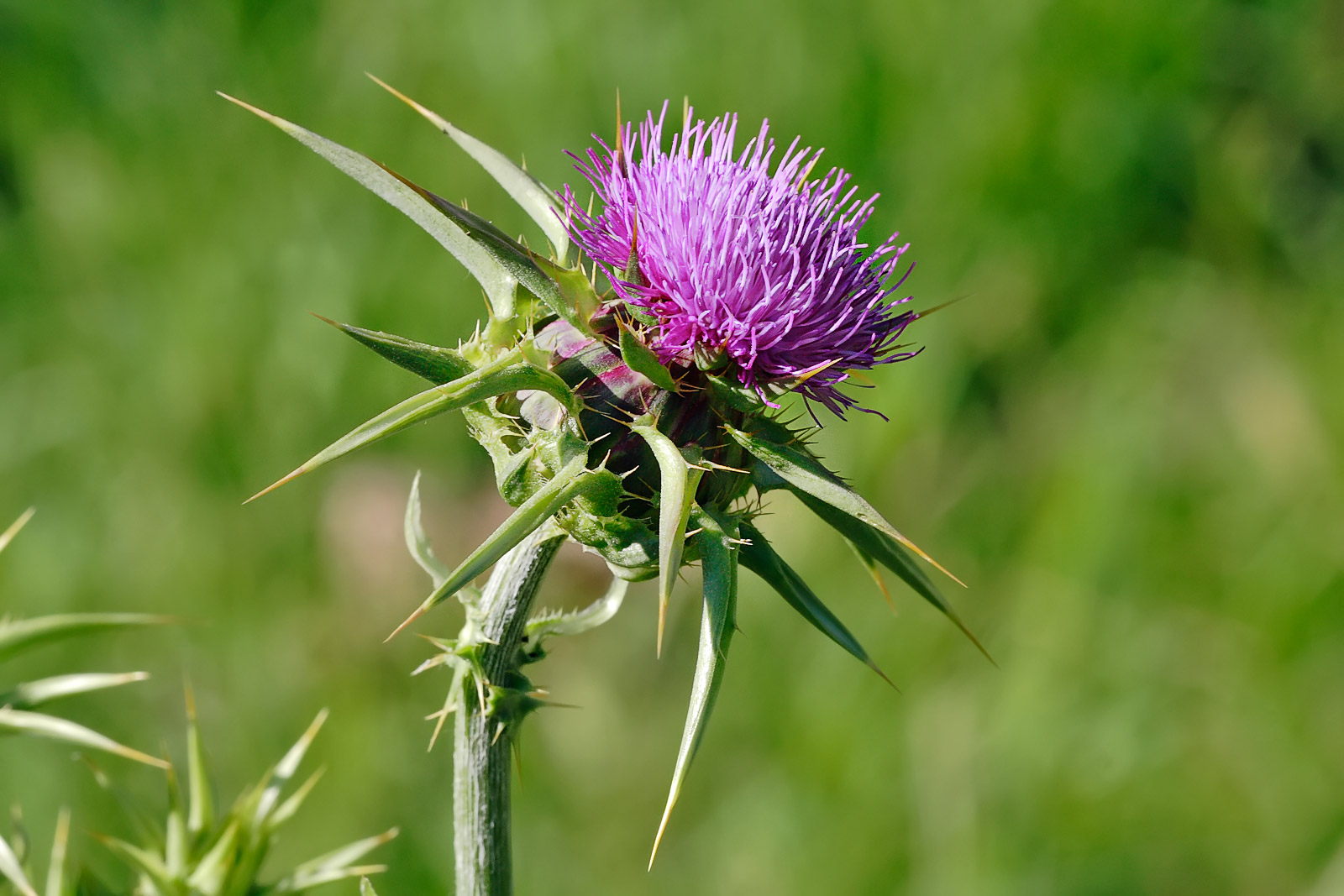
Milk Thistle
Silybum marianum
The definitive liver herb — 2,000 years of use and modern hepatoprotective science centered on its silymarin flavonolignans.
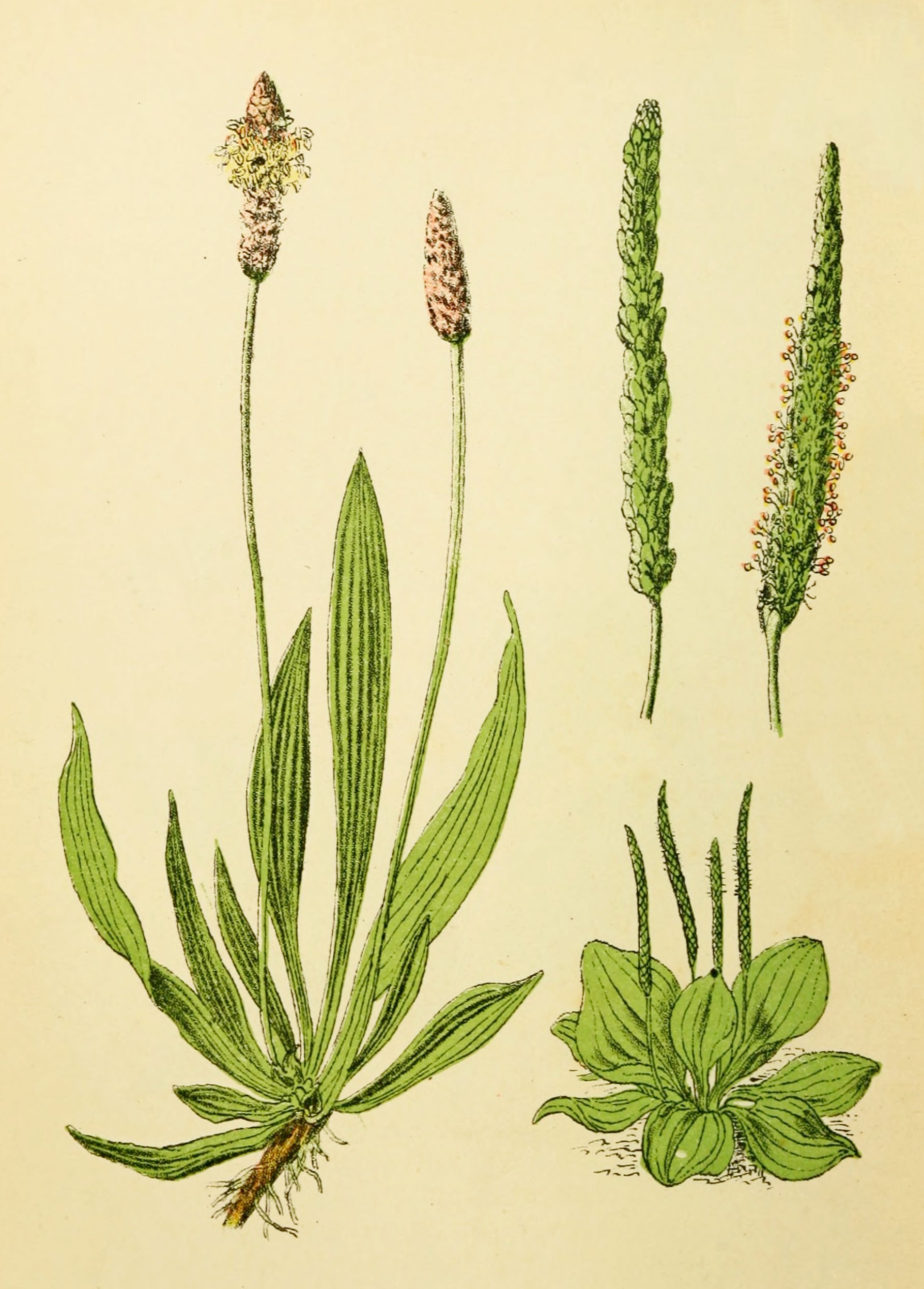
Plantain Leaf
Plantago major / Plantago lanceolata
The classic first-aid weed — chew a leaf, apply it to a sting or cut, and watch it work. Also a fine lung and gut demulcent.
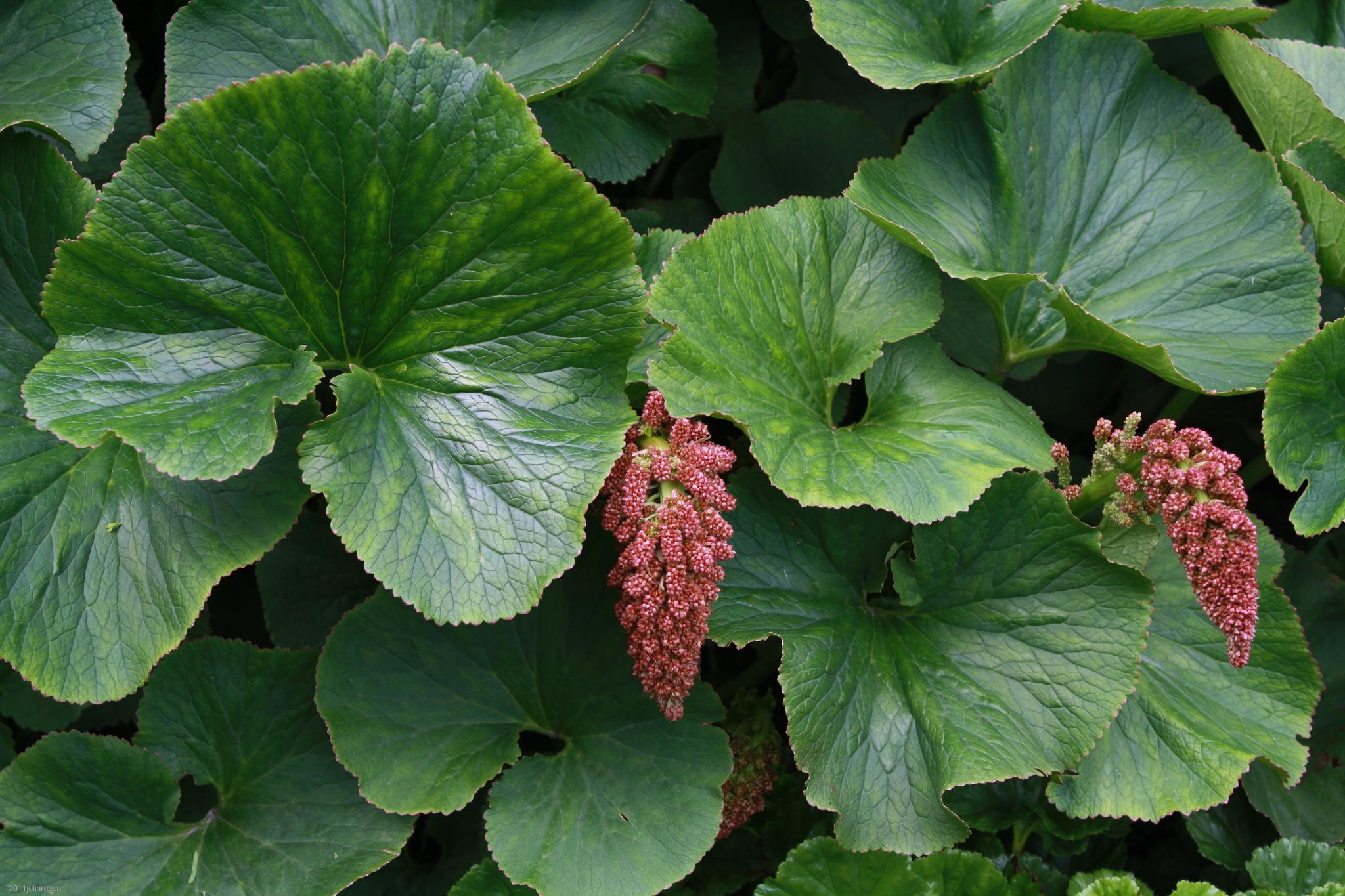
River Pumpkin (Wild Rhubarb)
Gunnera perpensa
A South African wetland herb whose rhizome is a famous traditional womb medicine used to ease childbirth and expel the afterbirth — effective but requiring caution in pregnancy.
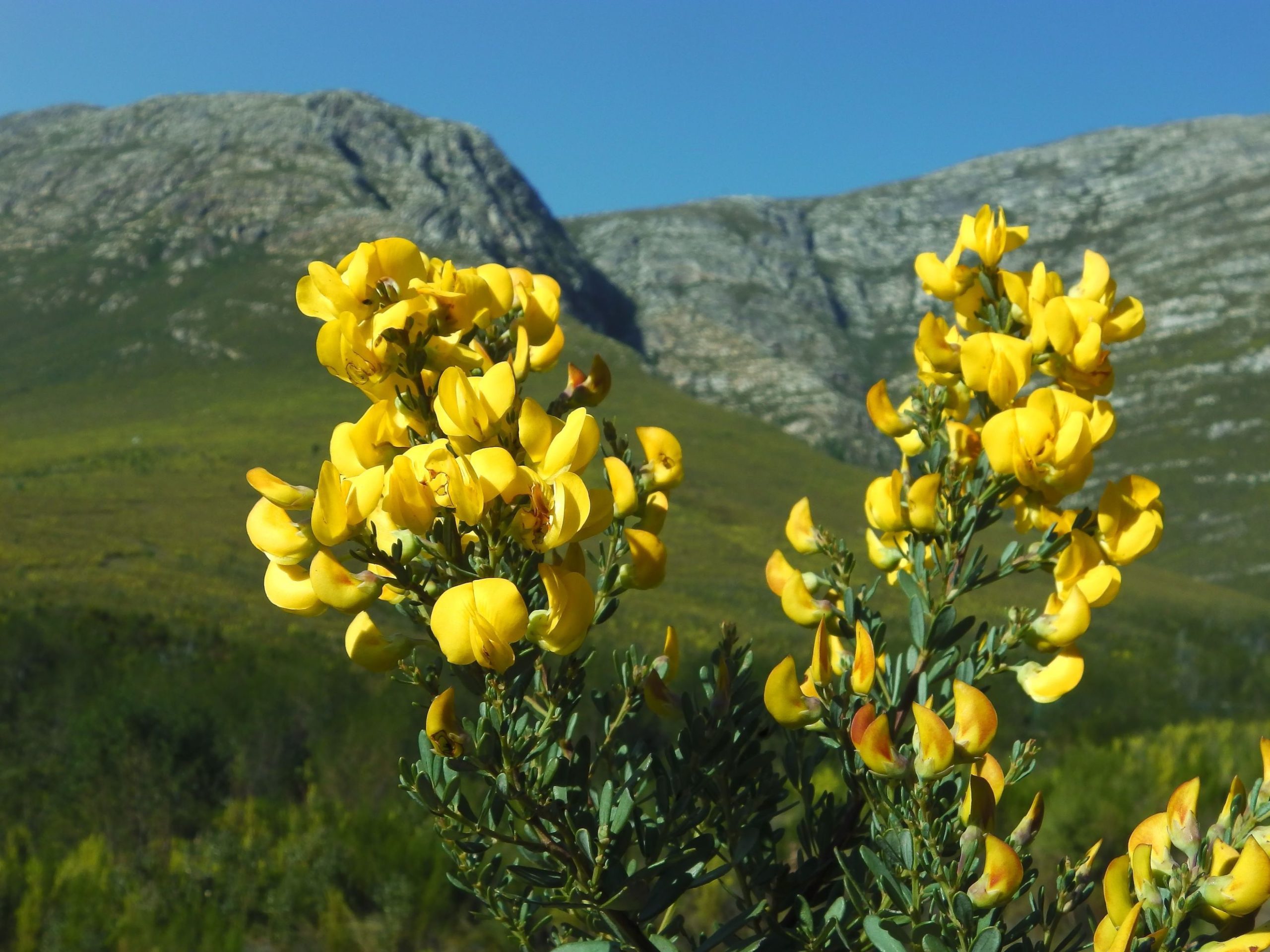
Rooibos
Aspalathus linearis
The caffeine-free red bush tea of South Africa’s Cederberg region — a mild, antioxidant-rich daily beverage traditionally used for digestion, skin and general wellbeing.
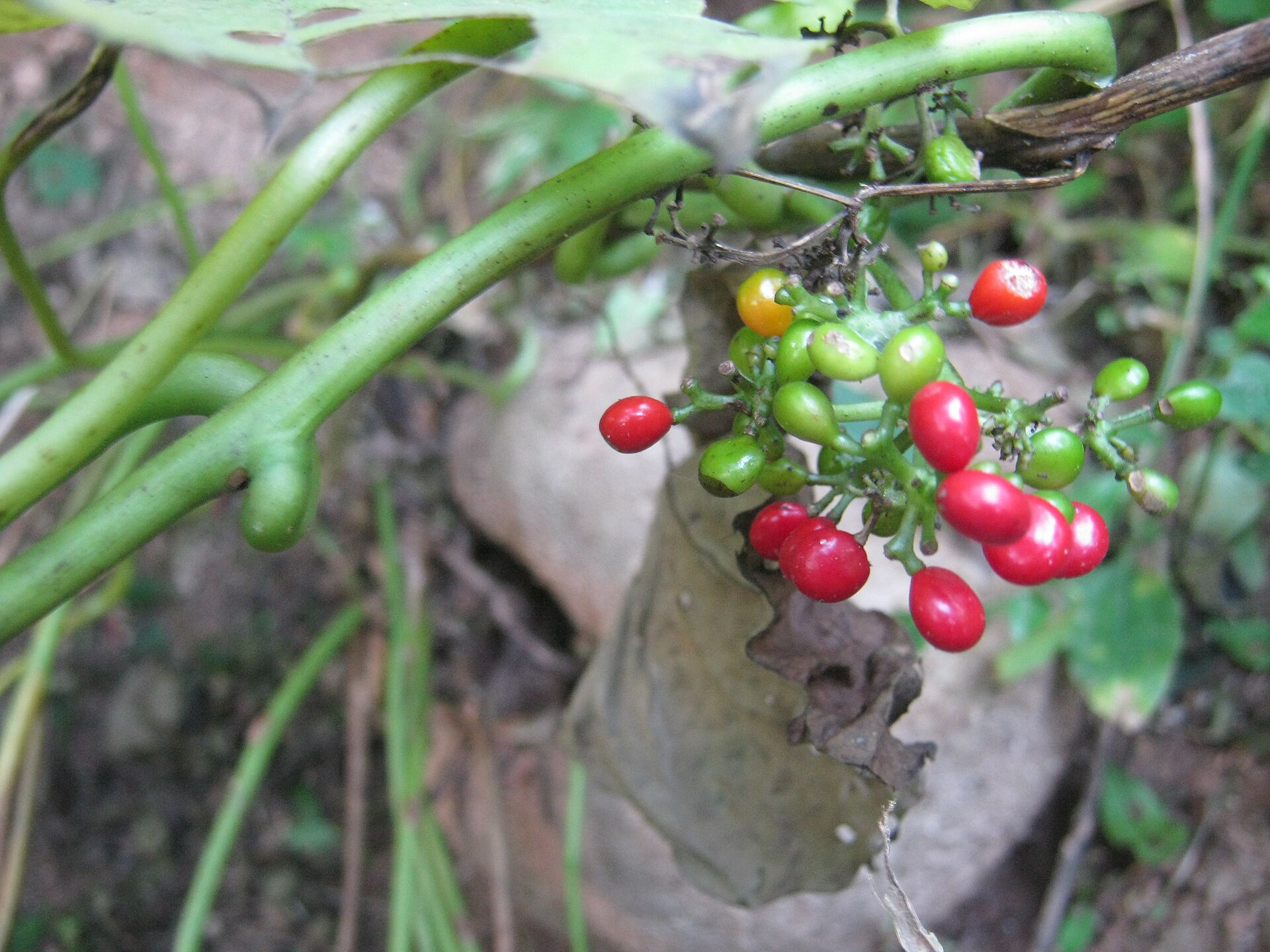
Abuta
Cissampelos pareira
Known across the Amazon and Caribbean as the "midwives' herb" — a climbing vine used for menstrual pain, difficult labour, fever and as a muscle relaxant.
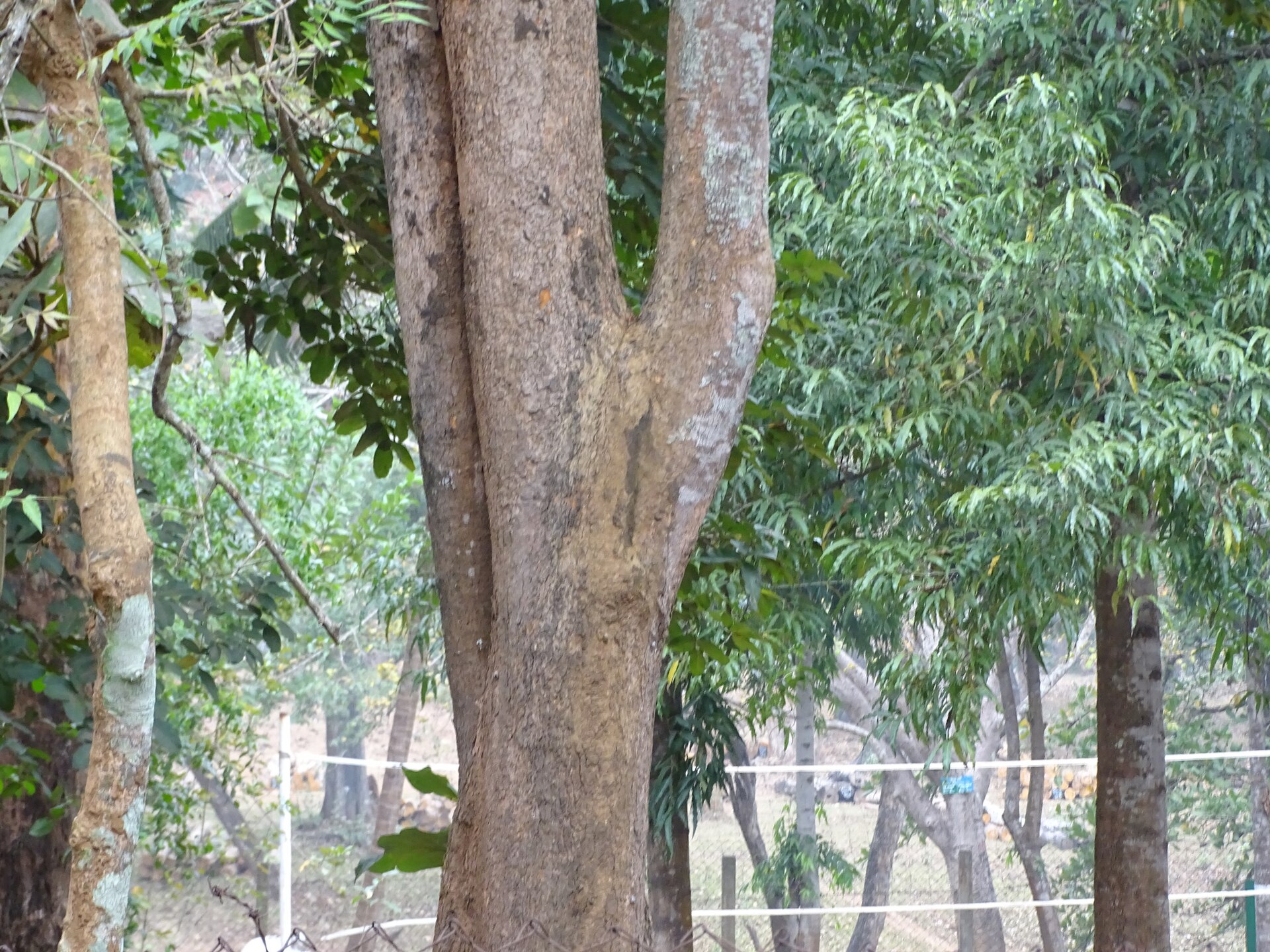
African Ironwood
Lophira alata
One of the hardest timbers in Africa — also a powerful medicinal tree. Its bark and leaves are used across Central and West African traditions for fever, pain, dysentery, and infections.
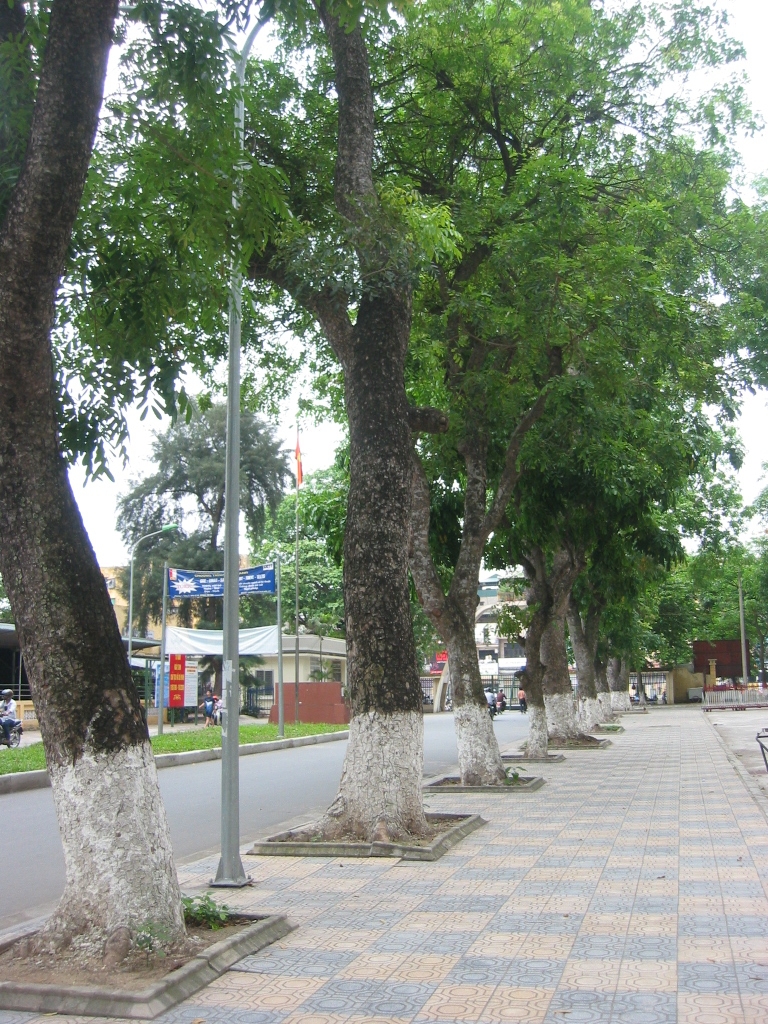
African Mahogany
Khaya senegalensis
A prized timber and shade tree of the Sahel whose extremely bitter bark is a major antimalarial, antidiabetic, and anti-inflammatory remedy in West African medicine.
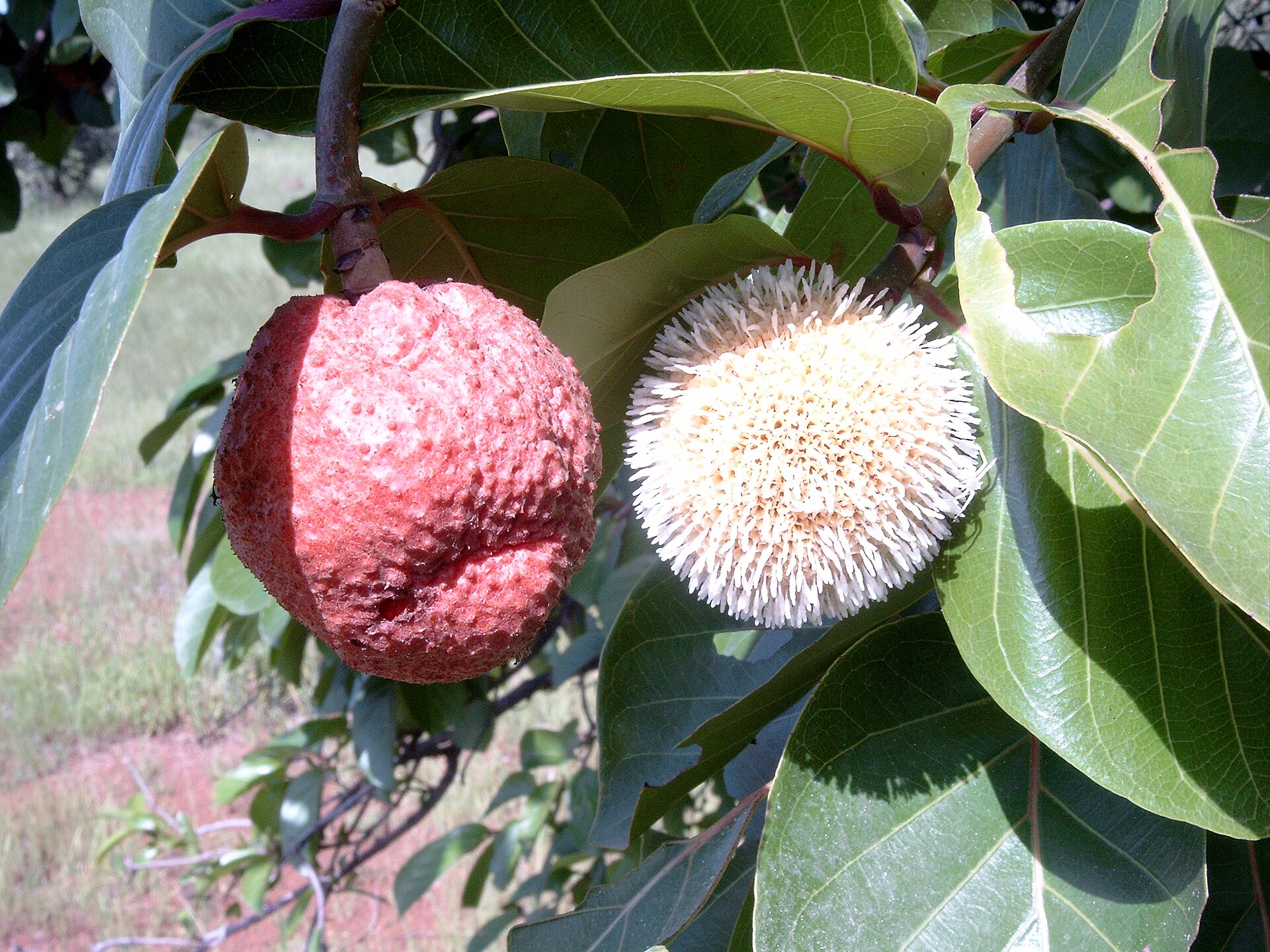
African Peach
Sarcocephalus latifolius
A widespread savanna tree whose root, bark, and sweet fruit are a major antimalarial and antidiabetic remedy across West Africa — the fruit is edible and nutritious, the bark intensely used for fever.
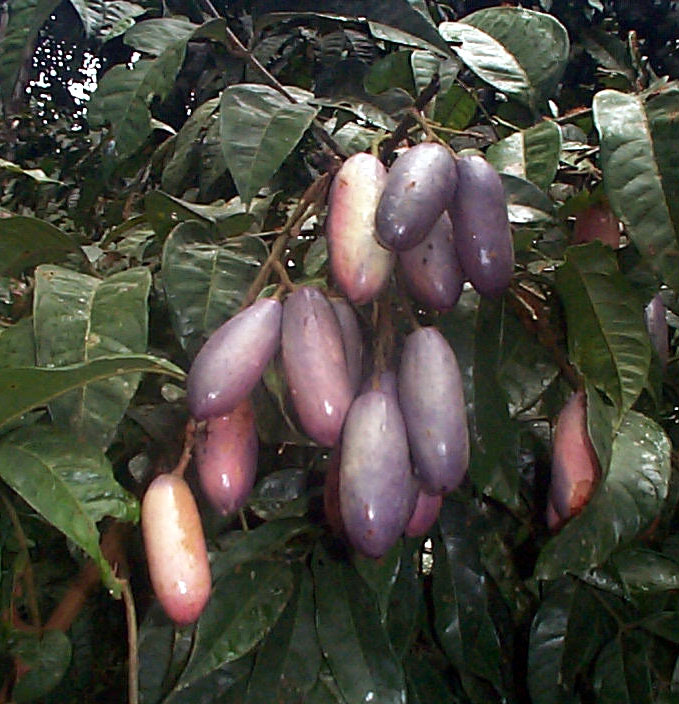
African Pear
Dacryodes edulis
The "butter fruit" of Central and West Africa — a nutrient-dense tree fruit rich in healthy fats, traditionally used for treating skin conditions, infections, and nutritional deficiency. The bark and resin have antimicrobial properties.
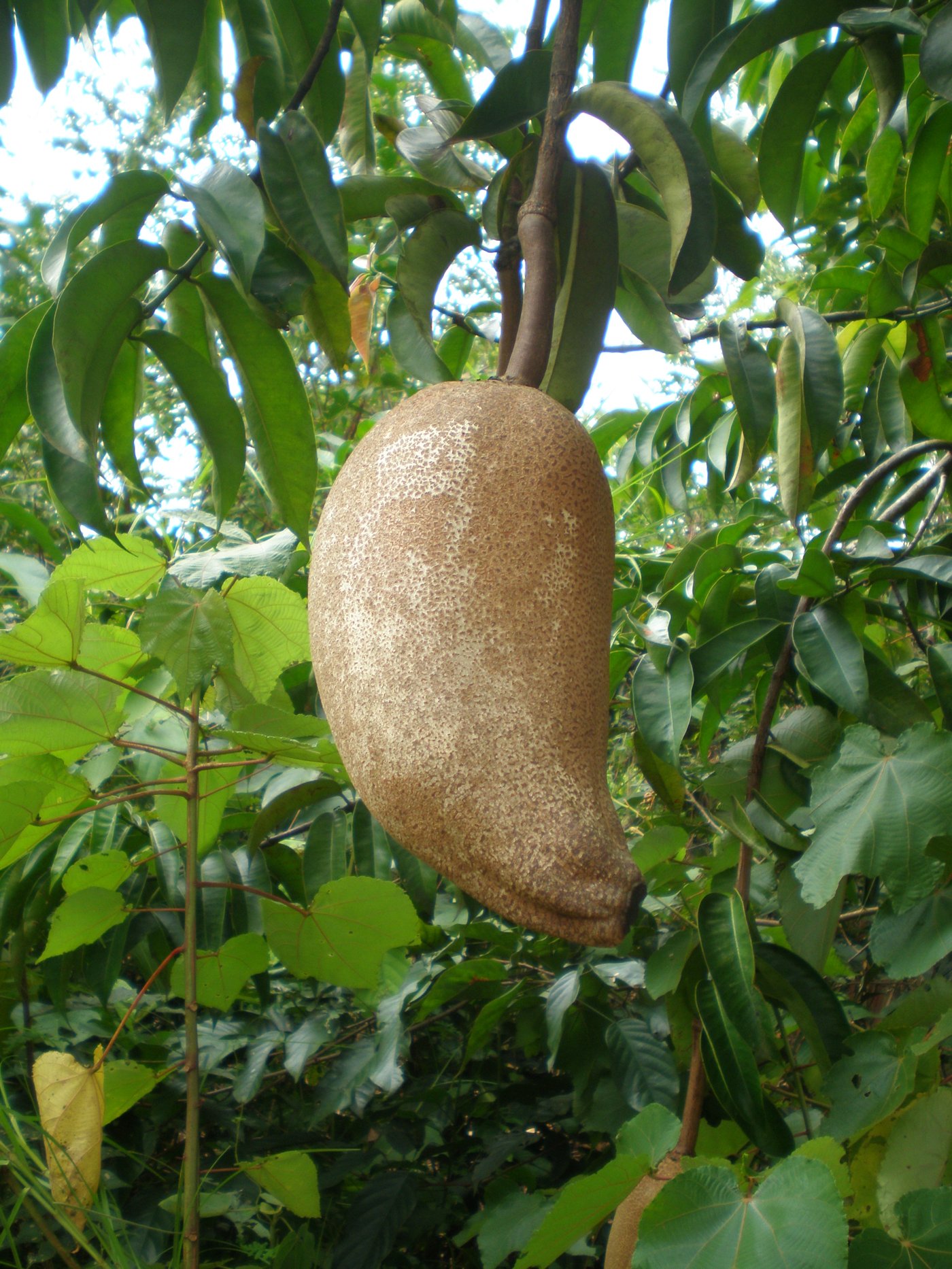
Allanblackia (Tallow Tree)
Allanblackia floribunda
A tall West-Central African rainforest tree whose large seeds yield a solid edible “tallow” fat, with bark and seeds used traditionally for pain, coughs and dysentery.
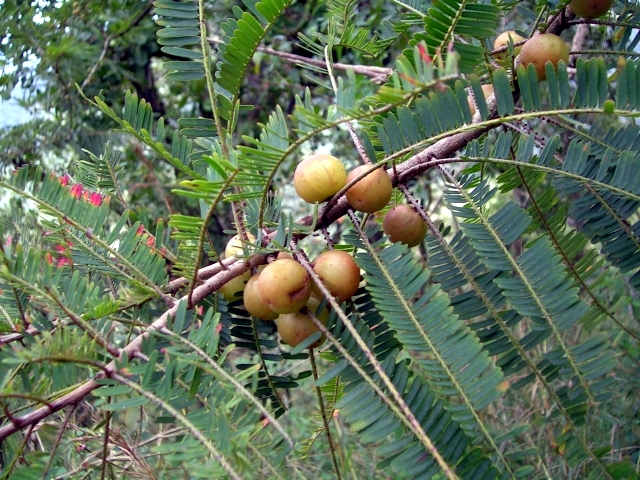
Amla
Phyllanthus emblica
The "nurse fruit" of Ayurveda and the richest natural source of bioavailable vitamin C — one of the three ingredients in Triphala and one of the most important Rasayanas for rejuvenation, immunity and longevity.
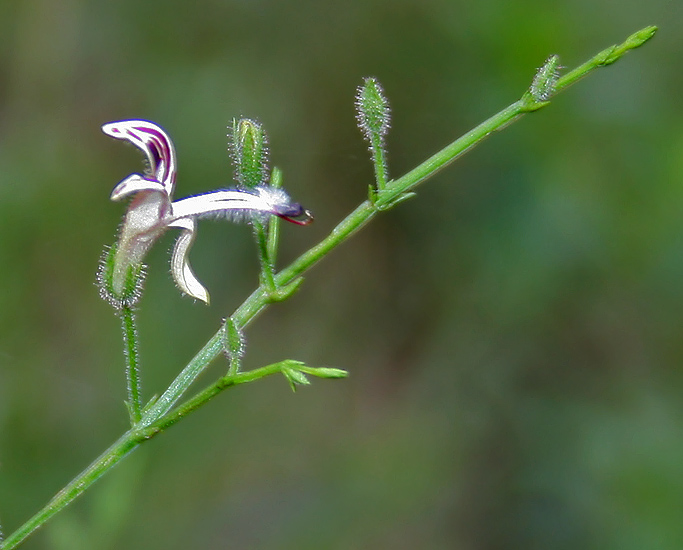
Andrographis
Andrographis paniculata
The "Indian Echinacea" and "King of Bitters" — used across Ayurveda, TCM and Southeast Asian medicine for infections and fevers, now with robust clinical trial evidence for reducing cold/flu severity and duration.
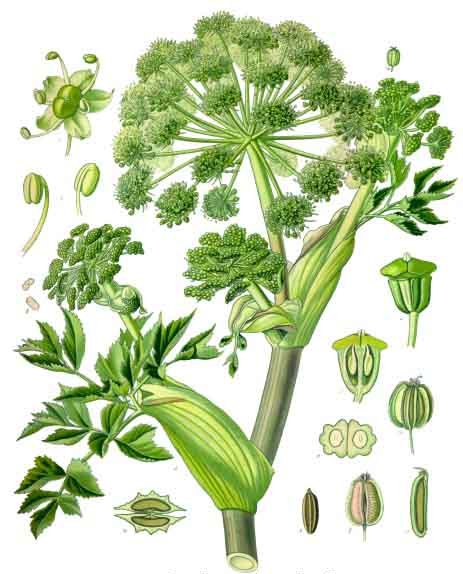
Angelica
Angelica archangelica
A majestic Nordic-European herb traditionally believed to be revealed by the Archangel Michael — one of the great warming tonics of Northern European herbal medicine, used for digestive complaints, respiratory infections and as a bitter aromatic.
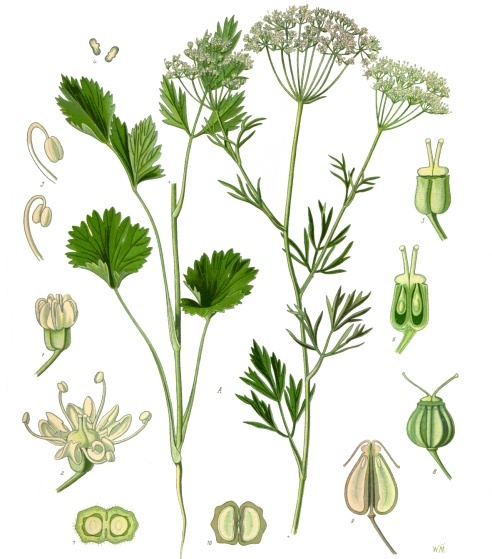
Anise
Pimpinella anisum
One of the oldest spice-medicines in the world, used since Egyptian times as a powerful carminative, expectorant and galactagogue — the original flavour behind ouzo, absinthe, sambuca and pastis.
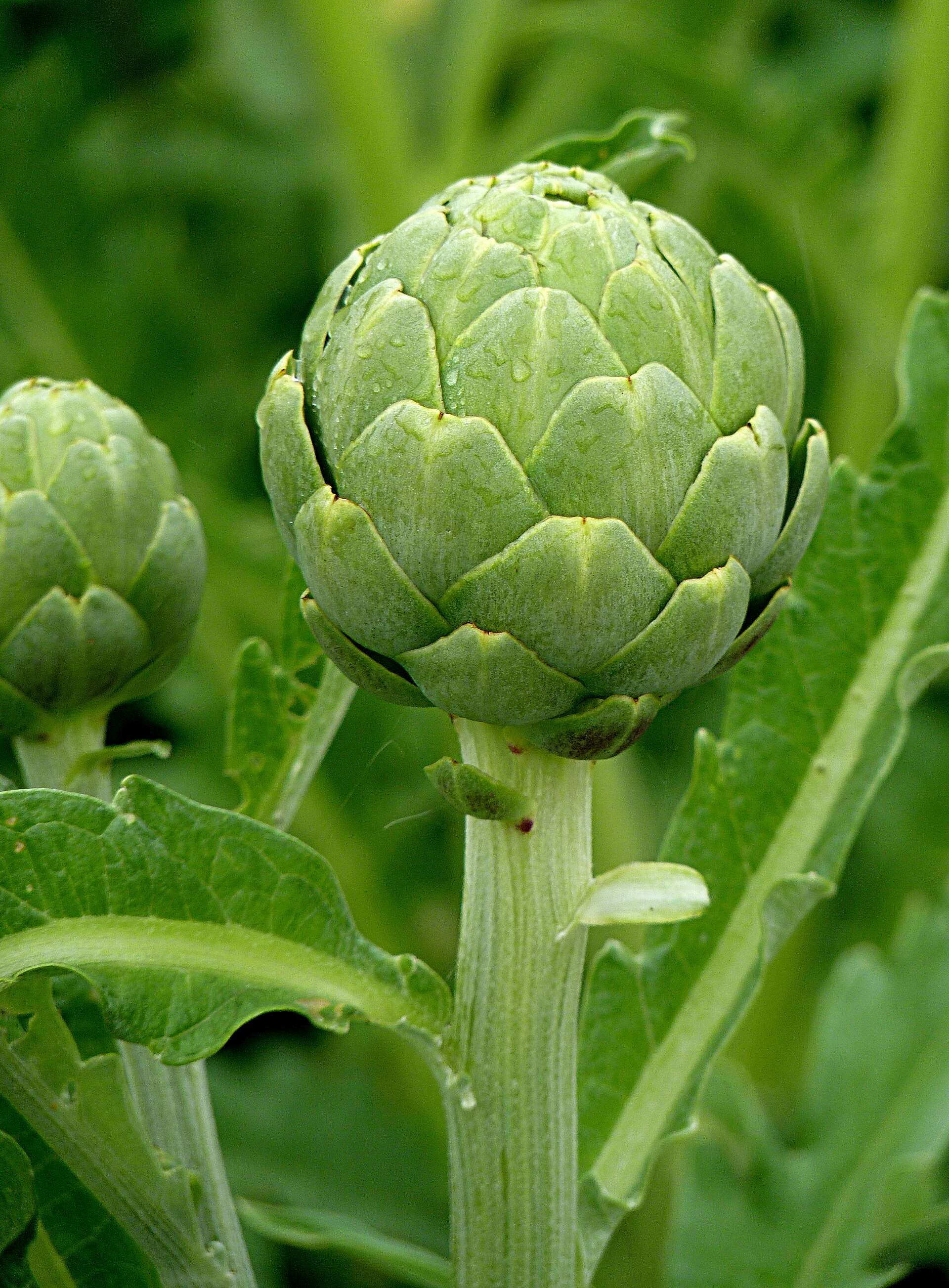
Artichoke
Cynara scolymus
A Mediterranean thistle whose leaves (not the edible flower head) are a well-researched hepatoprotective and choleretic — one of the best-evidenced herbal remedies for dyspepsia and cholesterol management.
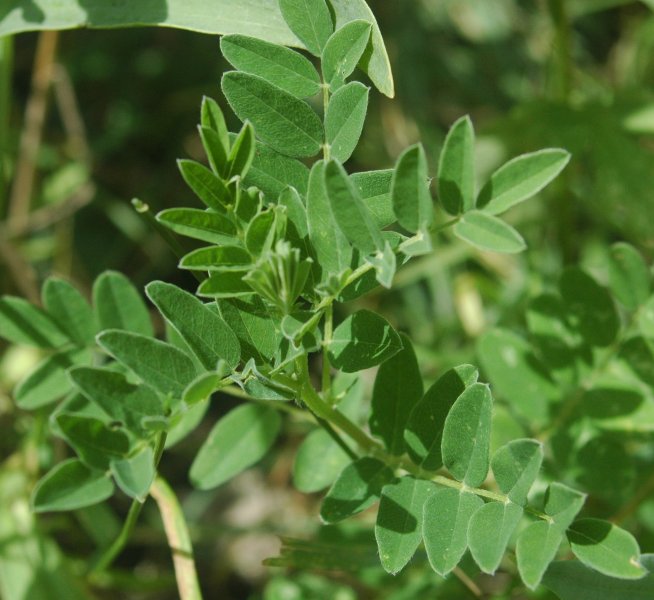
Astragalus
Astragalus membranaceus
The supreme Qi tonic of Traditional Chinese Medicine — a deeply nourishing root used for over 2,000 years to strengthen the body's defensive energy, support immune function and build vitality.
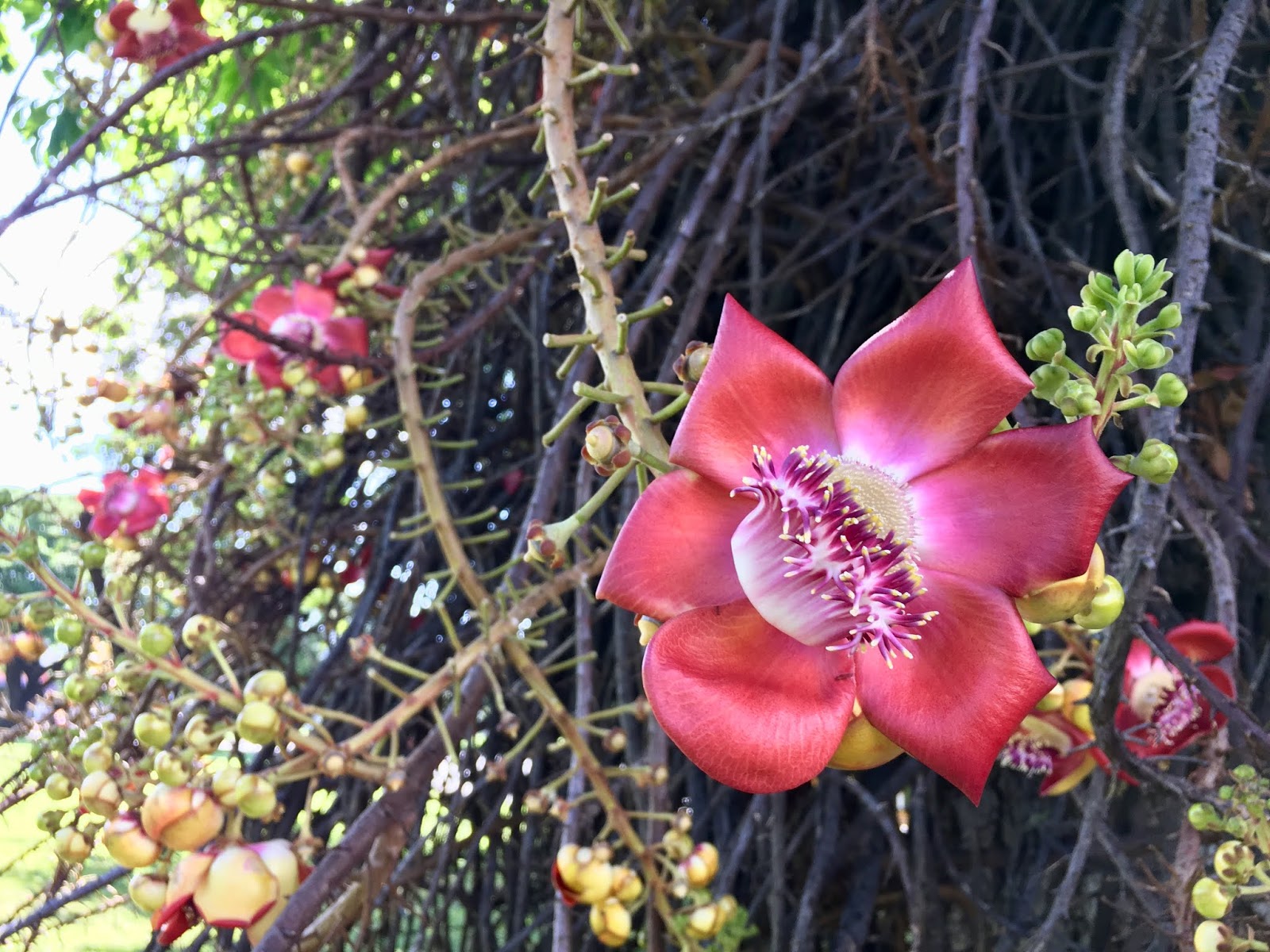
Ayahuma (Cannonball Tree Bark)
Couroupita guianensis
The bark and flowers of the striking cannonball tree, used across Amazonian and South Asian traditions as an antimicrobial and anti-inflammatory for colds, skin conditions and stomach complaints.
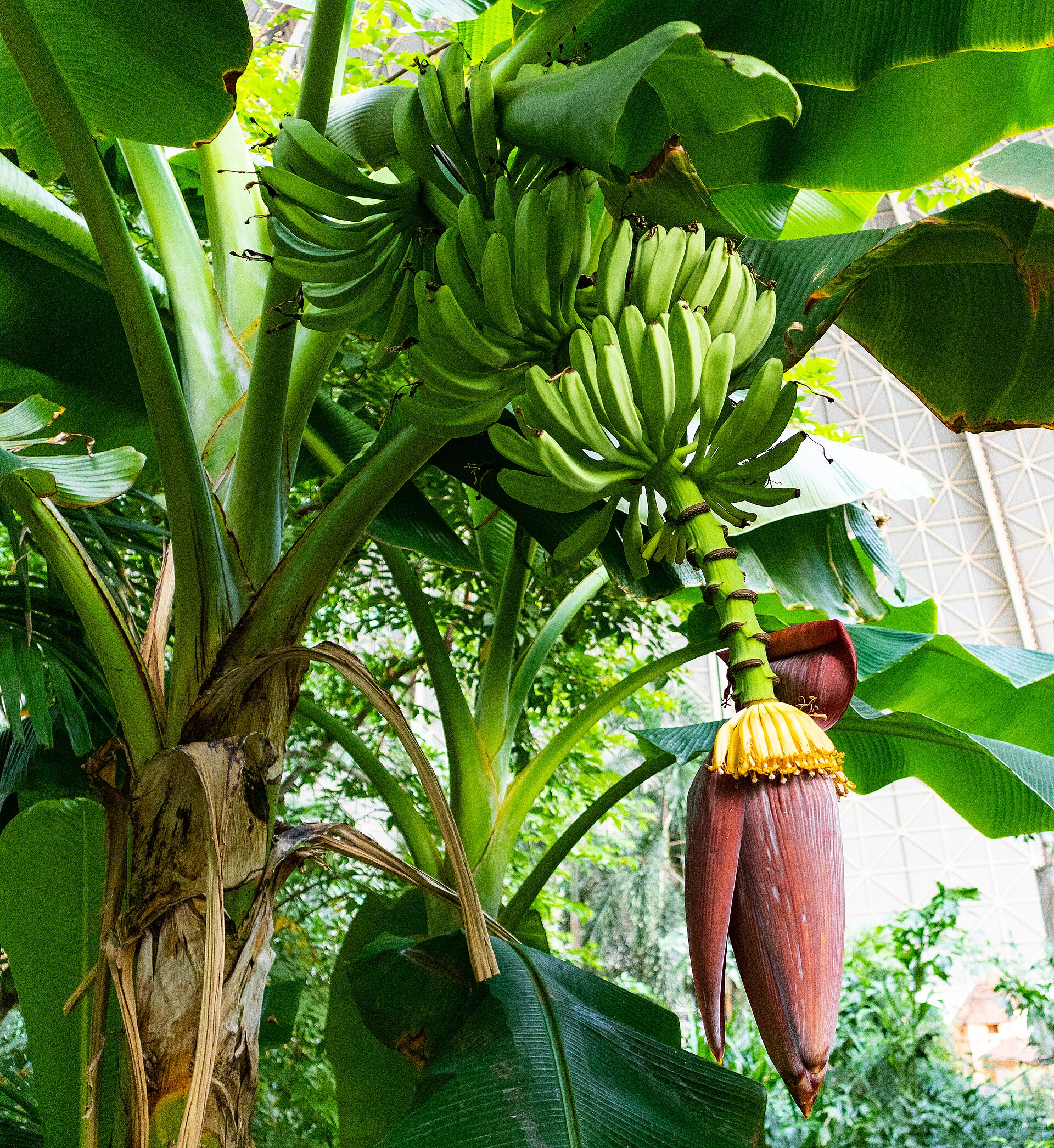
Banana Leaf
Musa × paradisiaca
The broad leaf, sap and flower of the banana plant, used across the Caribbean, Africa and Asia as a wound dressing, burn wrap, and for diabetes, ulcers and dysentery.
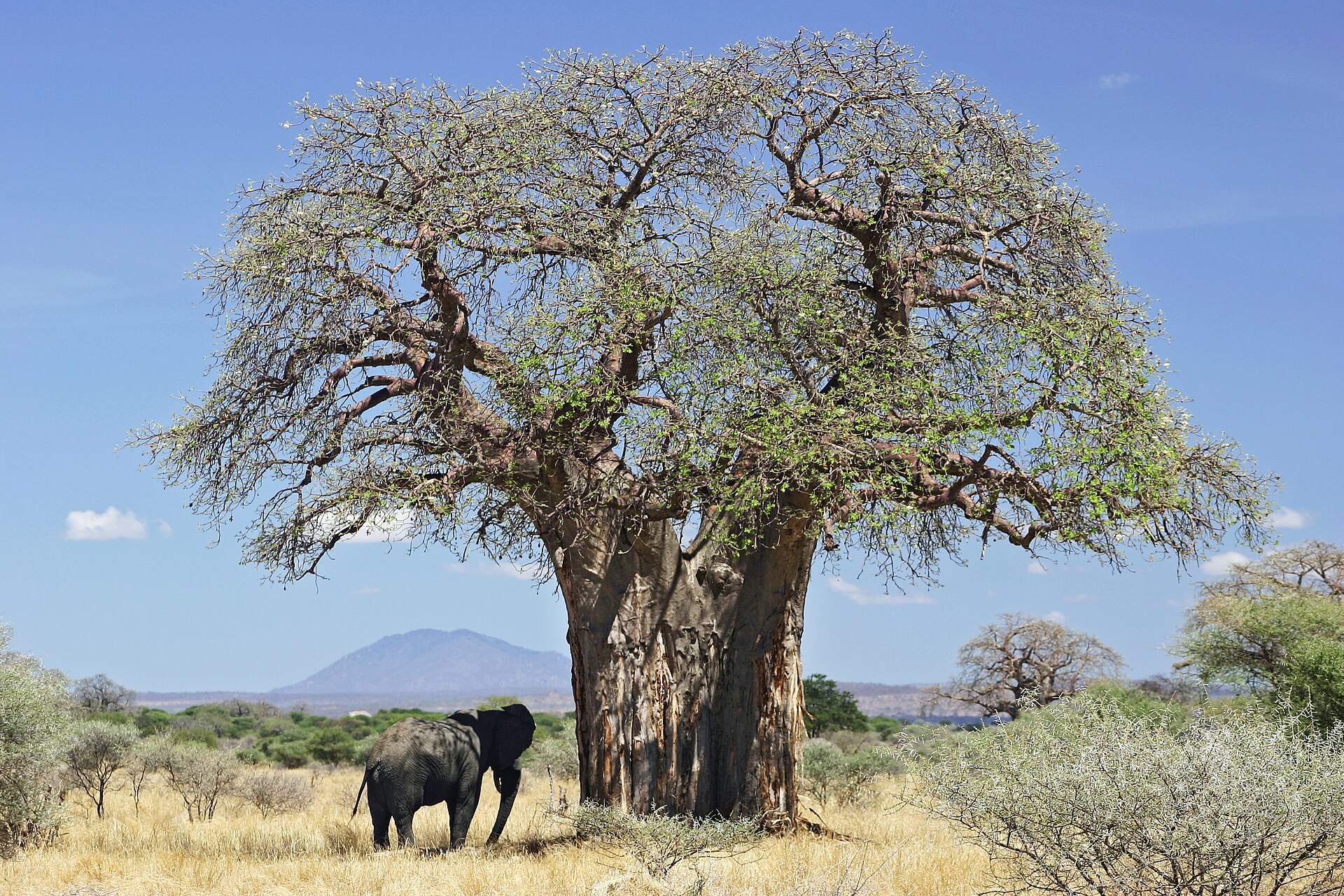
Baobab
Adansonia digitata
The iconic "tree of life" of the African savanna — its fruit pulp is a vitamin C powerhouse used as an immune tonic, antidiarrhoeal, and febrifuge; the bark and leaves treat malaria and inflammation.

Bilinga
Nauclea diderichii
A towering West African timber tree whose bark is a powerful anti-malarial and fever remedy in traditional medicine, containing unique indole alkaloids being studied for drug development.
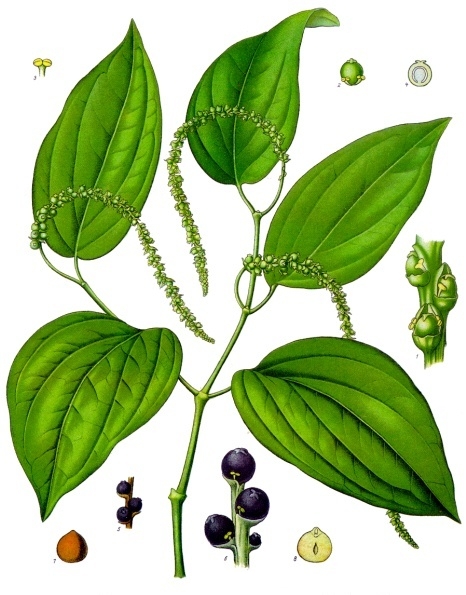
Black Pepper
Piper nigrum
The "King of Spices" — far more than a seasoning, black pepper's piperine is a powerful bioenhancer that increases the absorption of curcumin by 2,000% and numerous drugs and nutrients. A cornerstone of Ayurvedic Trikatu.
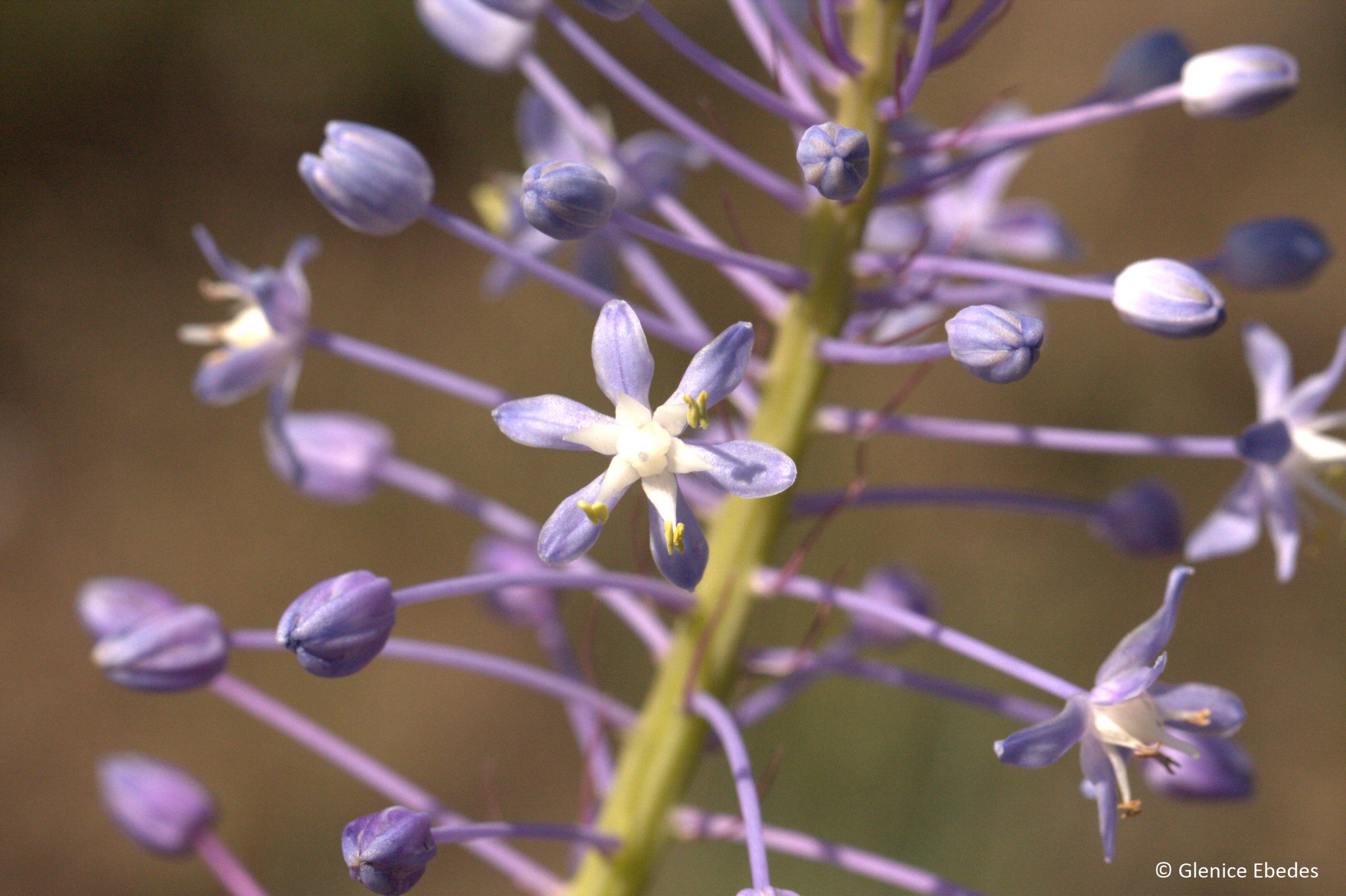
Blue Squill (Merwilla)
Merwilla plumbea
A striking blue-flowered southern African bulb, a very popular but potent muthi plant used for many complaints — and one that contains cardiac bufadienolides, so used with care.
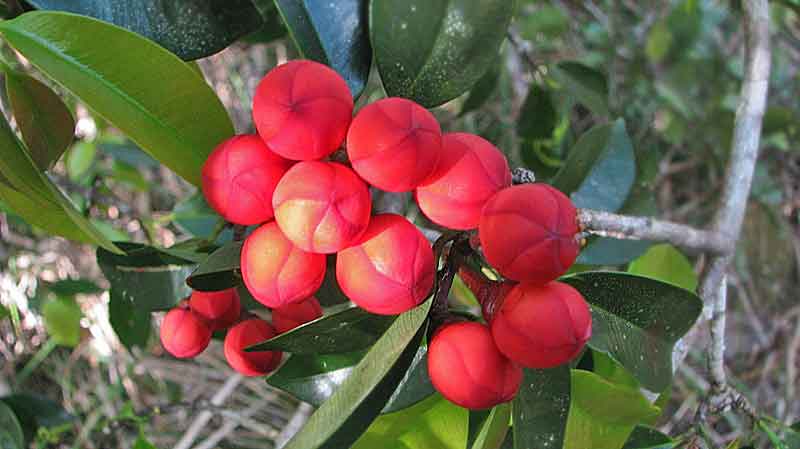
Boarwood
Symphonia globulifera
A pantropical tree with bright red flowers and yellow latex, used in African and Caribbean medicine for infections, skin diseases, and wound healing. The latex and bark have potent antimicrobial properties.
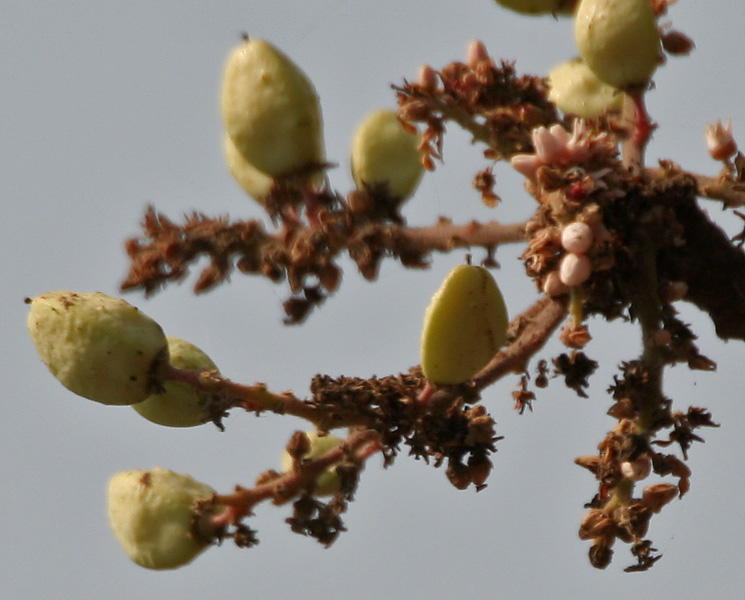
Boswellia
Boswellia serrata
Frankincense for the joints — Ayurveda’s resin for arthritis, now clinically validated for osteoarthritis and inflammatory bowel conditions.
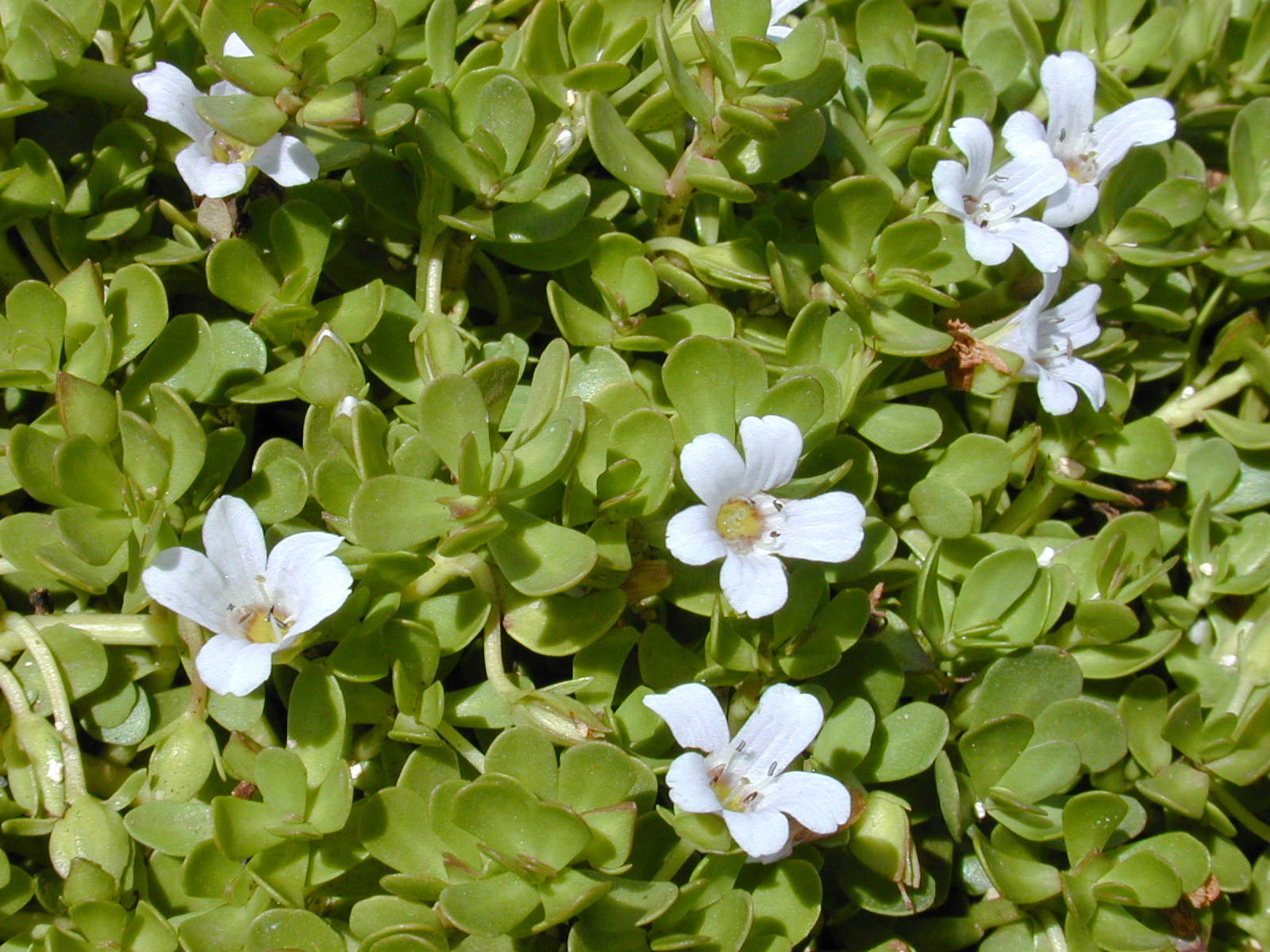
Brahmi (Bacopa)
Bacopa monnieri
Ayurveda's premier brain and memory herb — one of only a handful of traditional nootropics with genuine double-blind, placebo-controlled clinical trial evidence for improving memory, learning and cognitive processing.
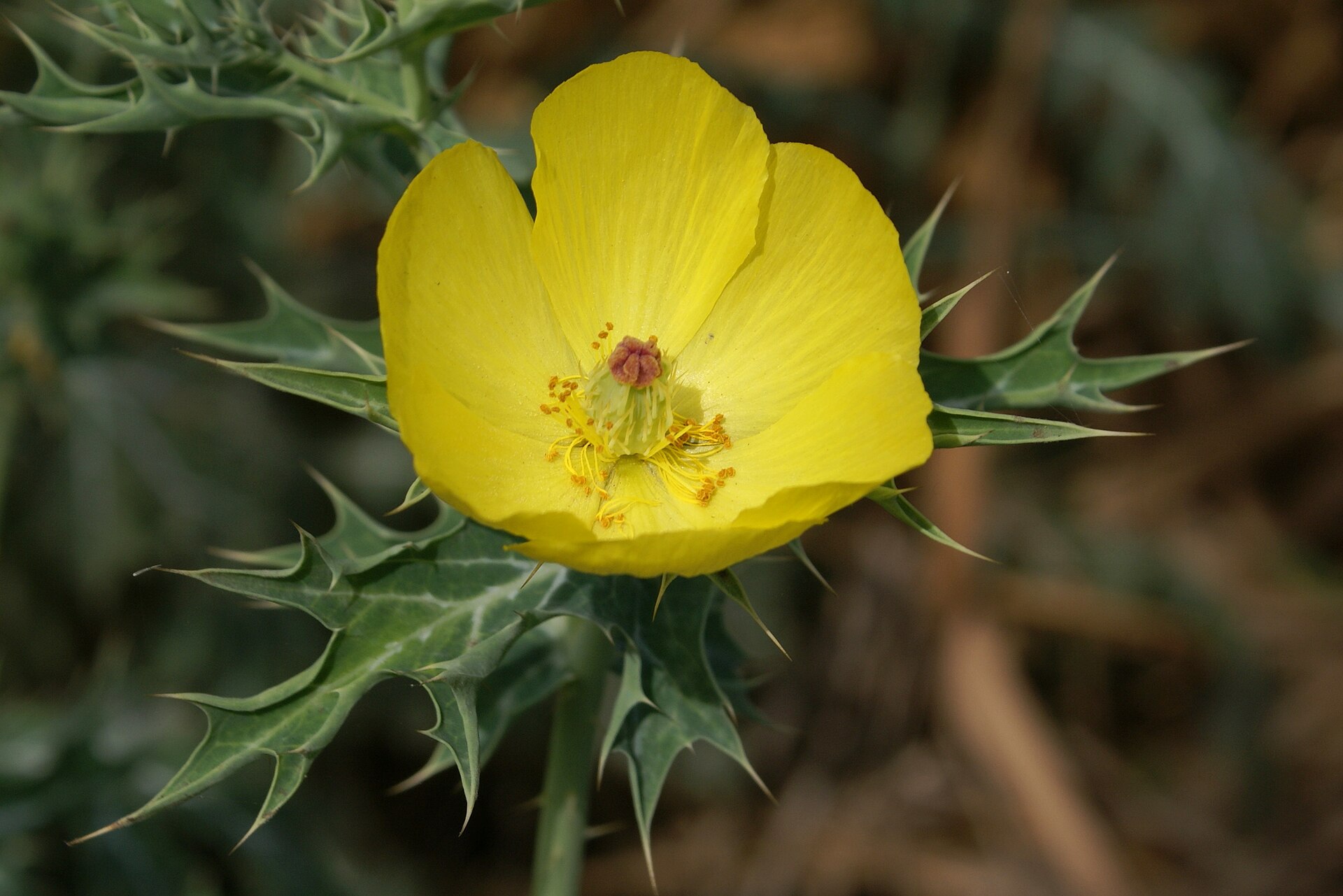
Mexican Prickly Poppy
Argemone mexicana
A prickly, drought-tolerant weed whose aerial parts are used against malaria and skin infections in West Africa — but whose toxic seed oil has caused mass poisoning outbreaks and demands extreme caution.
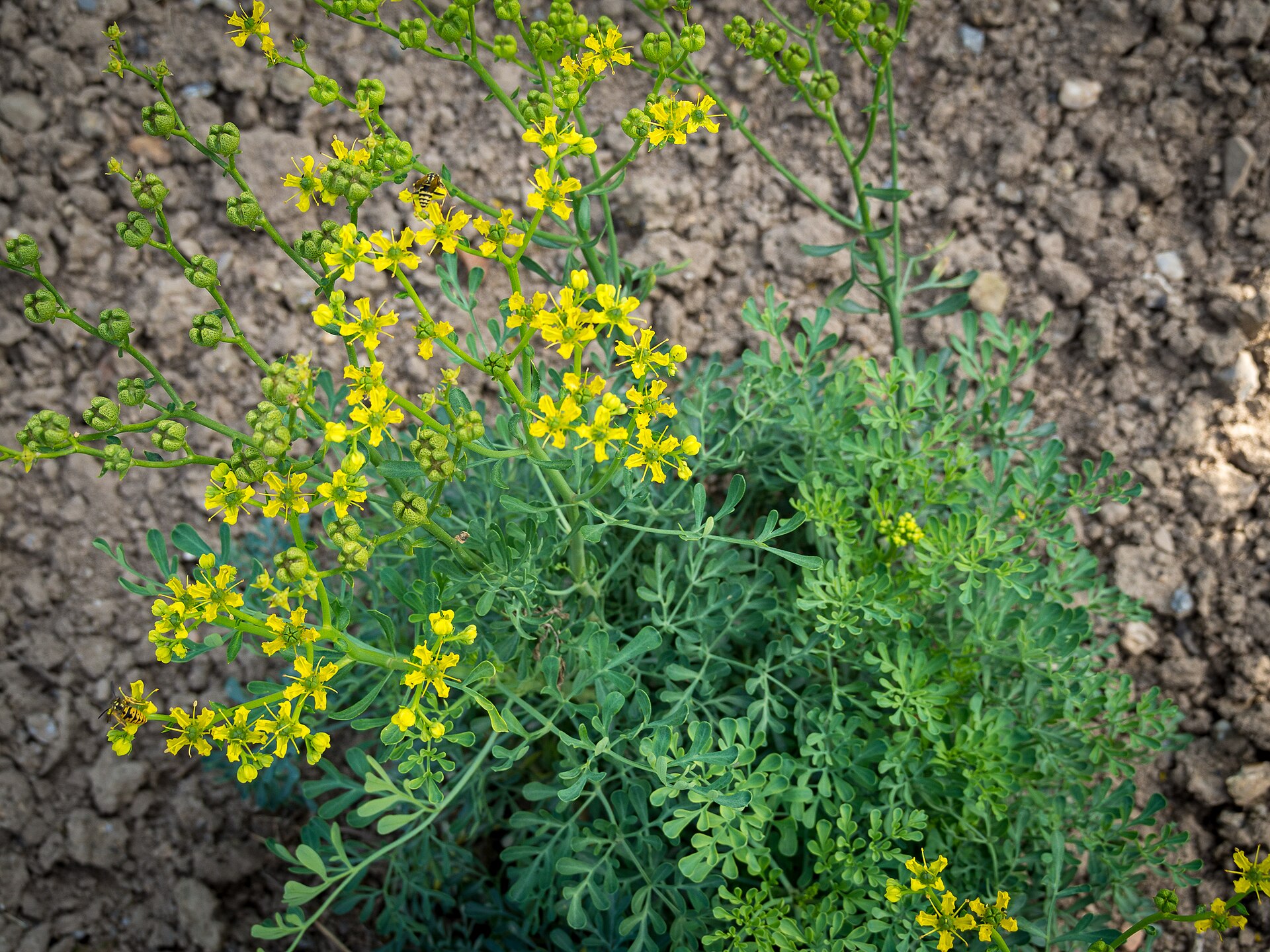
Rue
Ruta graveolens
An ancient Mediterranean bitter and antispasmodic wrapped in folklore — genuinely useful, genuinely toxic, and strictly practitioner territory.
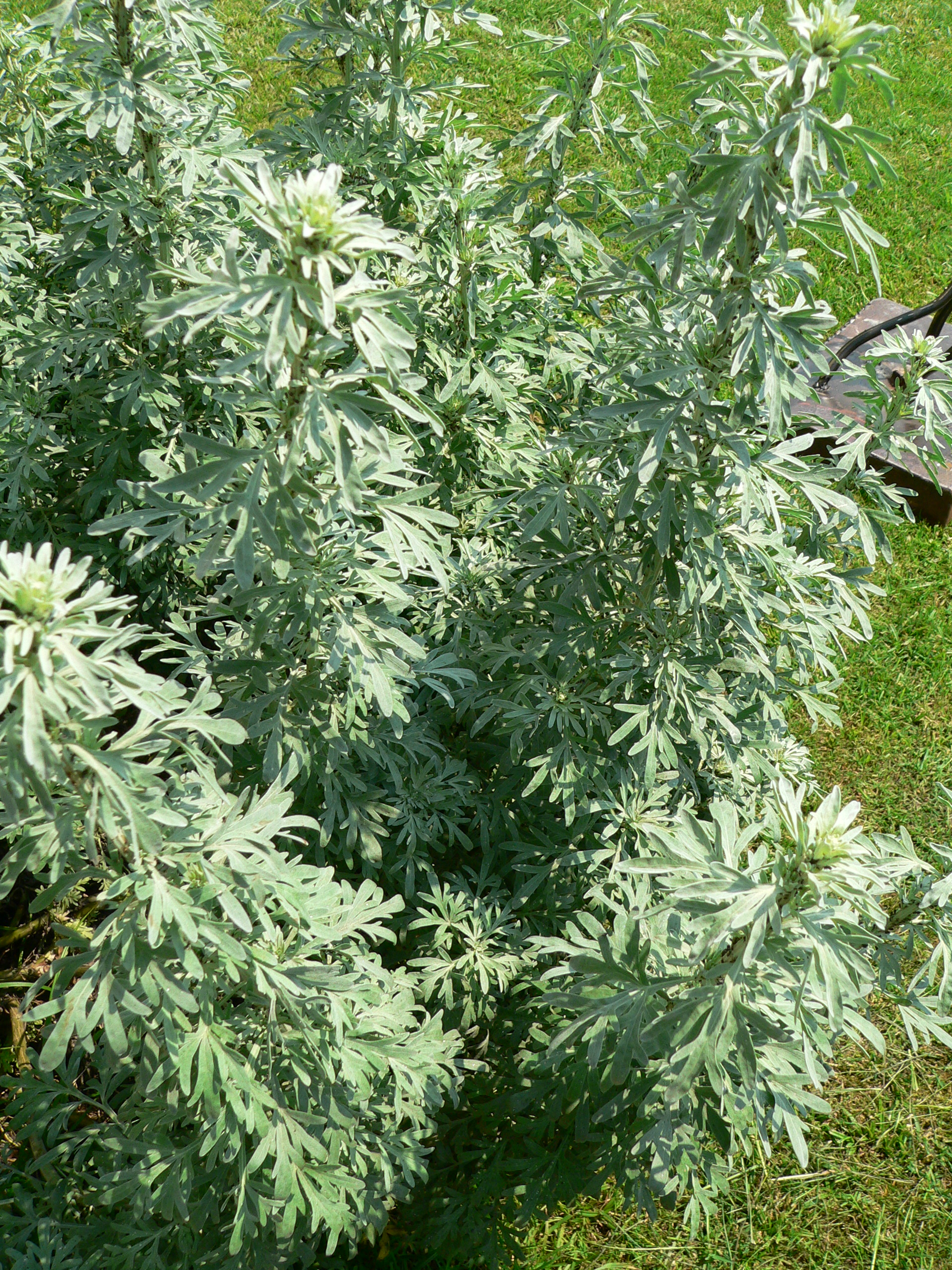
Wormwood
Artemisia absinthium
The bitterest of the bitters — a formidable antiparasitic and digestive stimulant, and the botanical soul of absinthe.
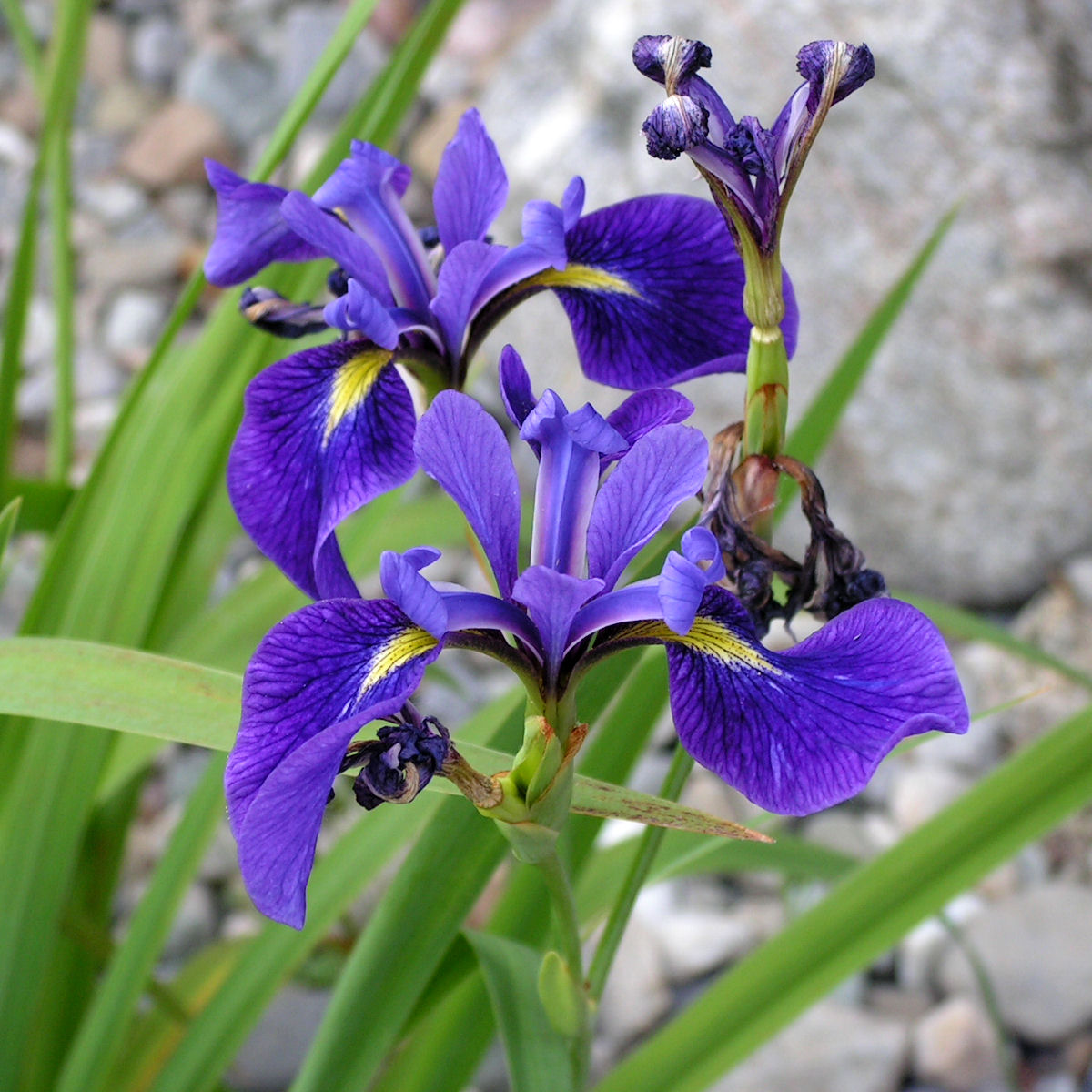
Blue Flag
Iris versicolor
A North American lymphatic and hepatic alterative once nicknamed "vegetable mercury" for its powerful action on stubborn skin and glandular conditions.
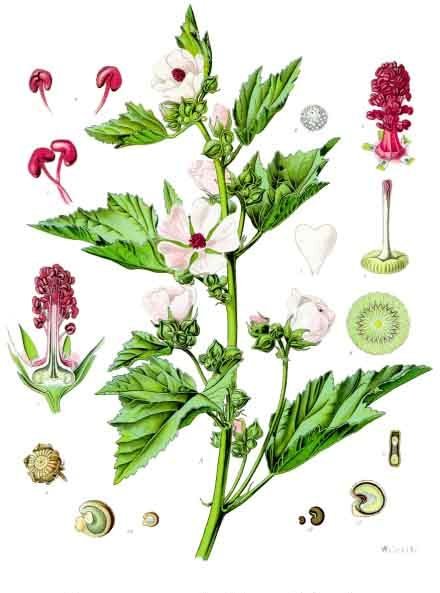
Marshmallow Root
Althaea officinalis
The gold-standard demulcent — up to 35% mucilage that physically coats and calms inflamed throat, gut and urinary tissue.
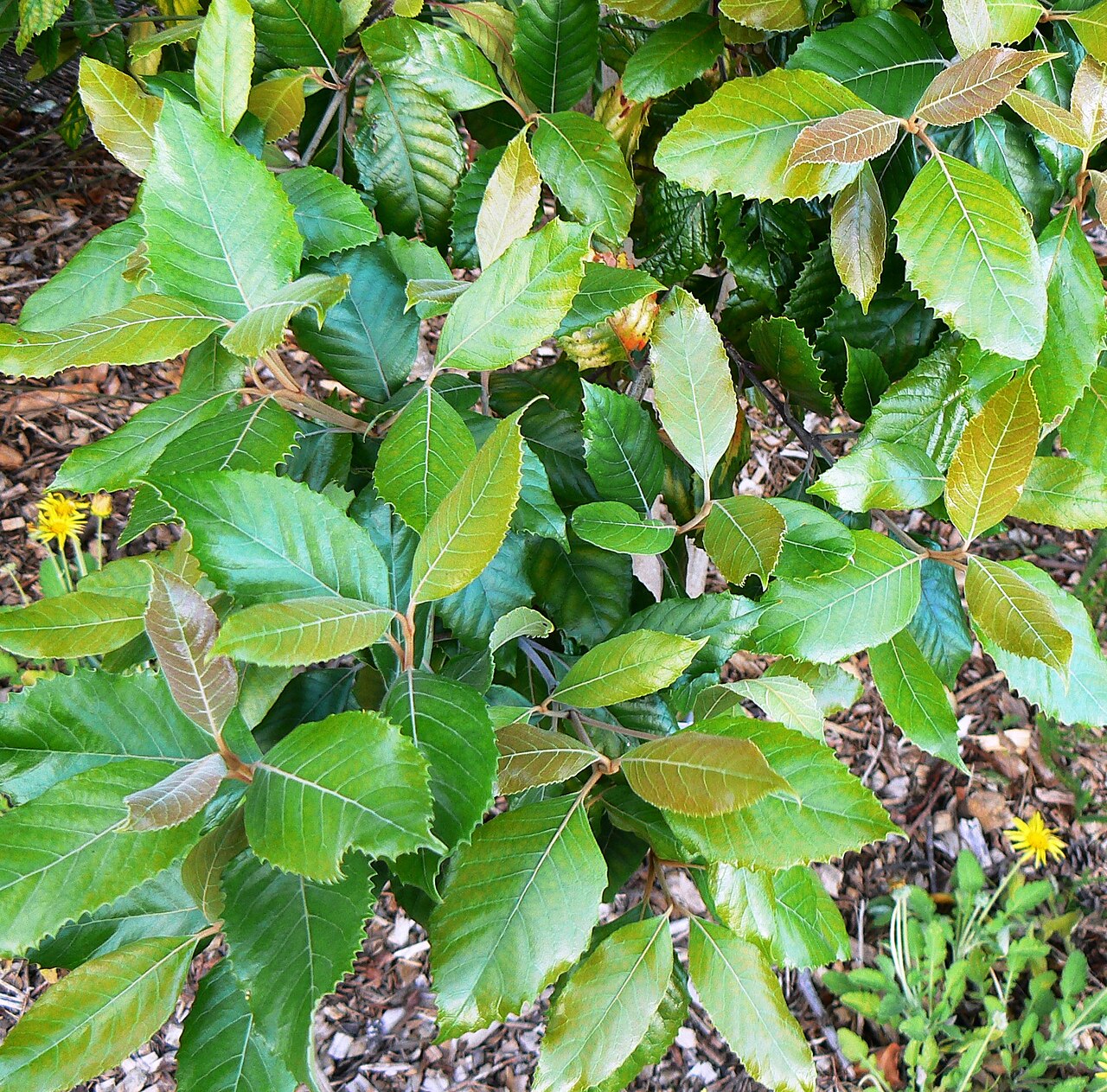
Assegai Tree
Curtisia dentata
A southern African hardwood tree whose bark is a popular traditional remedy for stomach complaints, diarrhoea and “blood purification”, with proven antimicrobial activity.
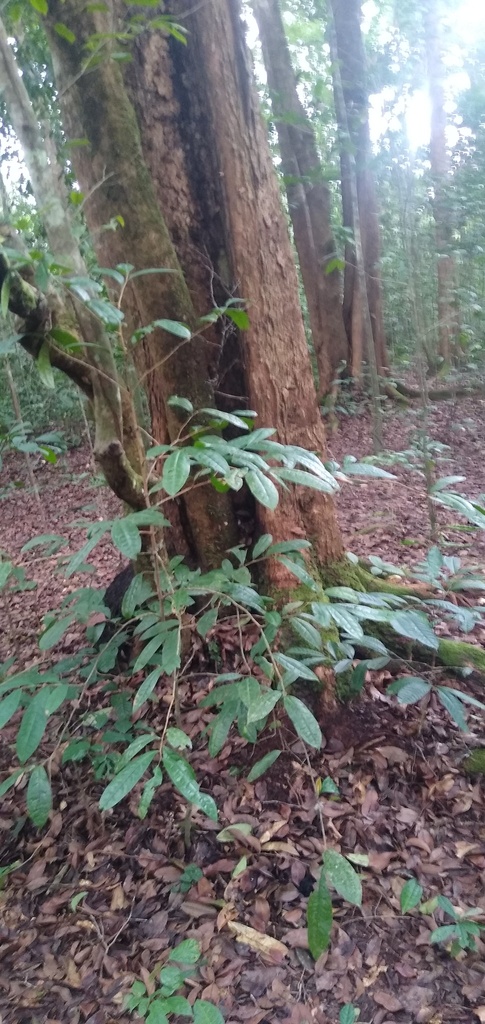
Bitter Bark
Sacoglottis gabonensis
A tall Central and West African forest tree whose intensely bitter bark is used for treating stomach ailments, malaria, and as an appetite stimulant. The bark is fermented into a popular tonic beverage in Gabon and Cameroon.
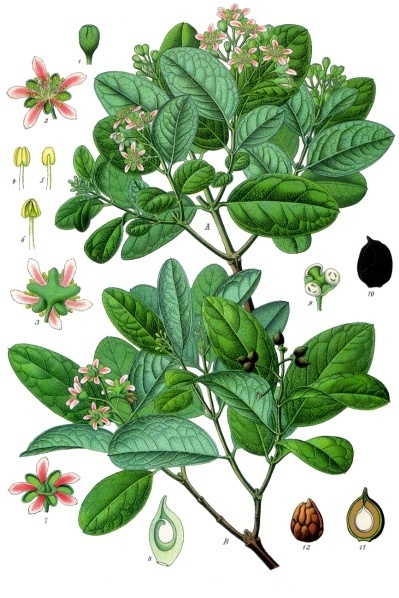
Boldo
Peumus boldus
Chile's national medicinal plant — an aromatic evergreen whose leaves are the most widely used digestive and liver remedy across South America, with well-established choleretic and hepatoprotective activity.
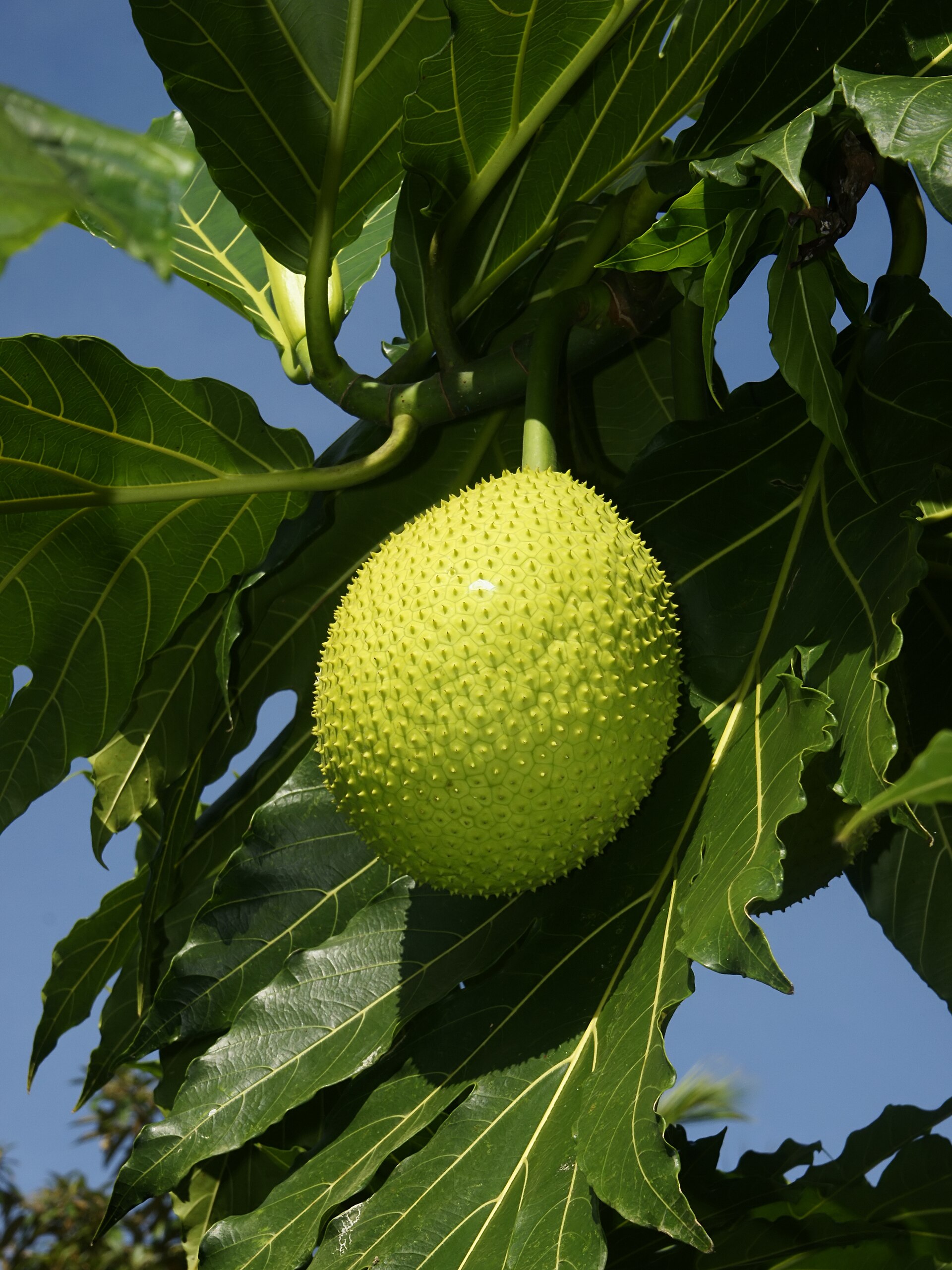
Breadfruit
Artocarpus communis
The legendary Pacific staple that became integral to West African and Caribbean food and medicine. The leaves, bark, and latex treat diabetes, hypertension, infections, and skin conditions — while the starchy fruit feeds millions.
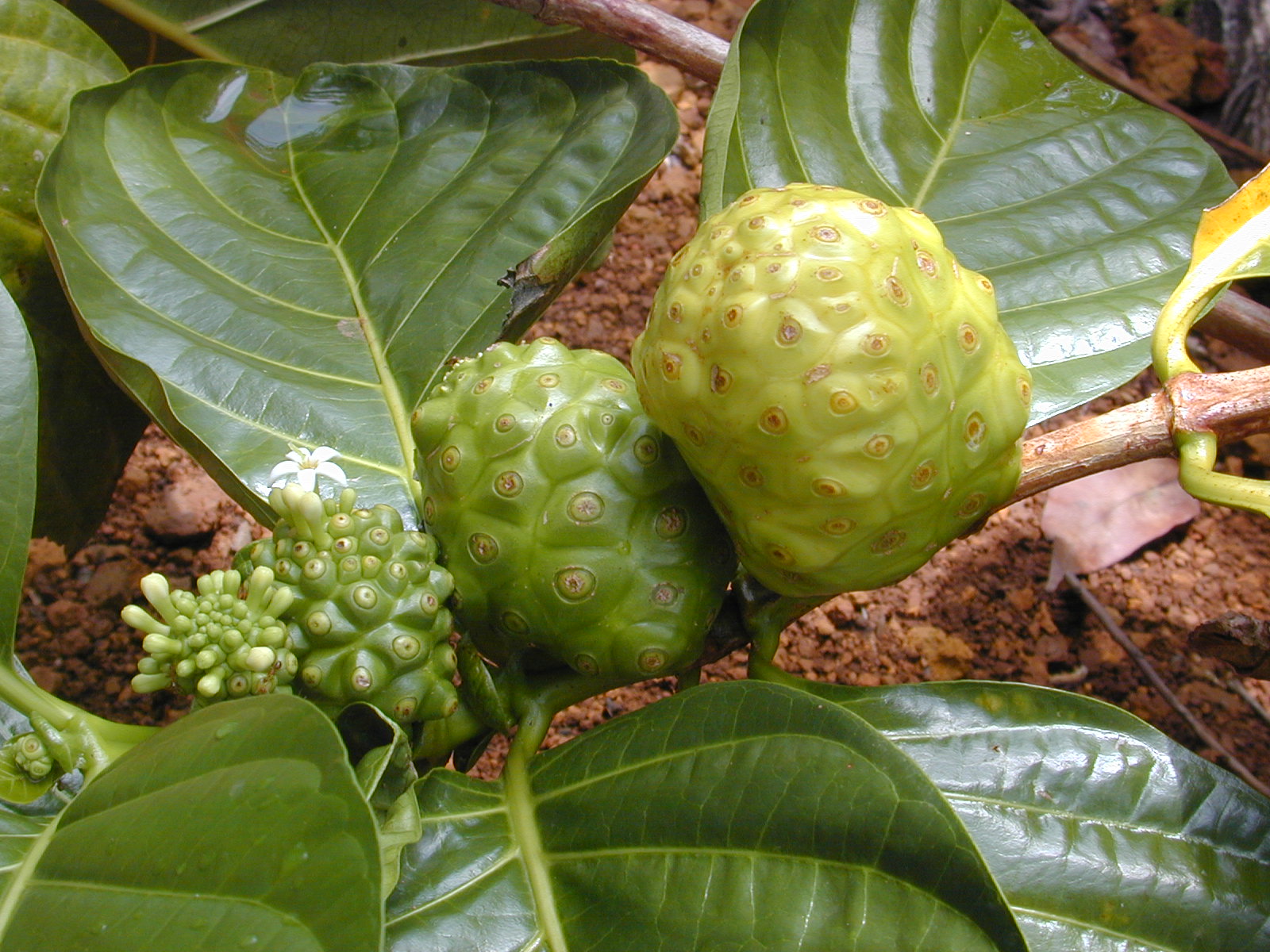
Brimstone Tree
Morinda lucida
A savanna tree whose yellow wood, bitter bark, and leaves are among the most frequently prescribed antimalarial remedies in Yoruba and Akan medicine — with confirmed antiplasmodial and antidiabetic activities.
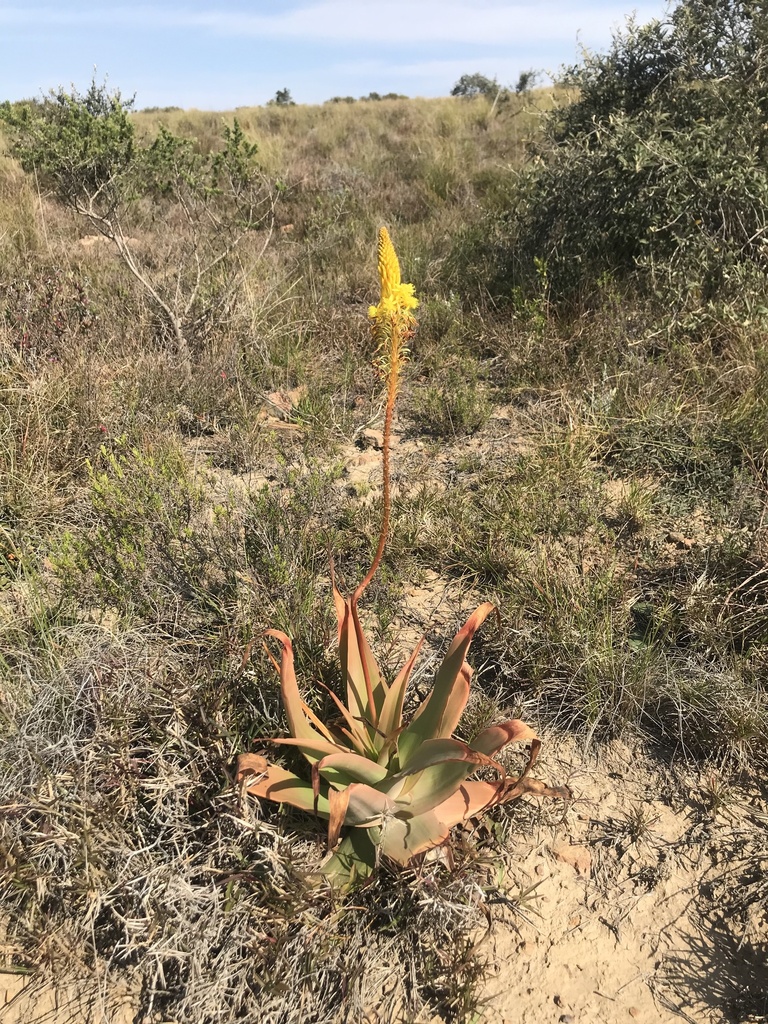
Broad-leaved Bulbine (Rooiwortel)
Bulbine latifolia
A succulent South African aloe-relative whose root is a popular tonic for blood, digestion, diabetes and male vitality.
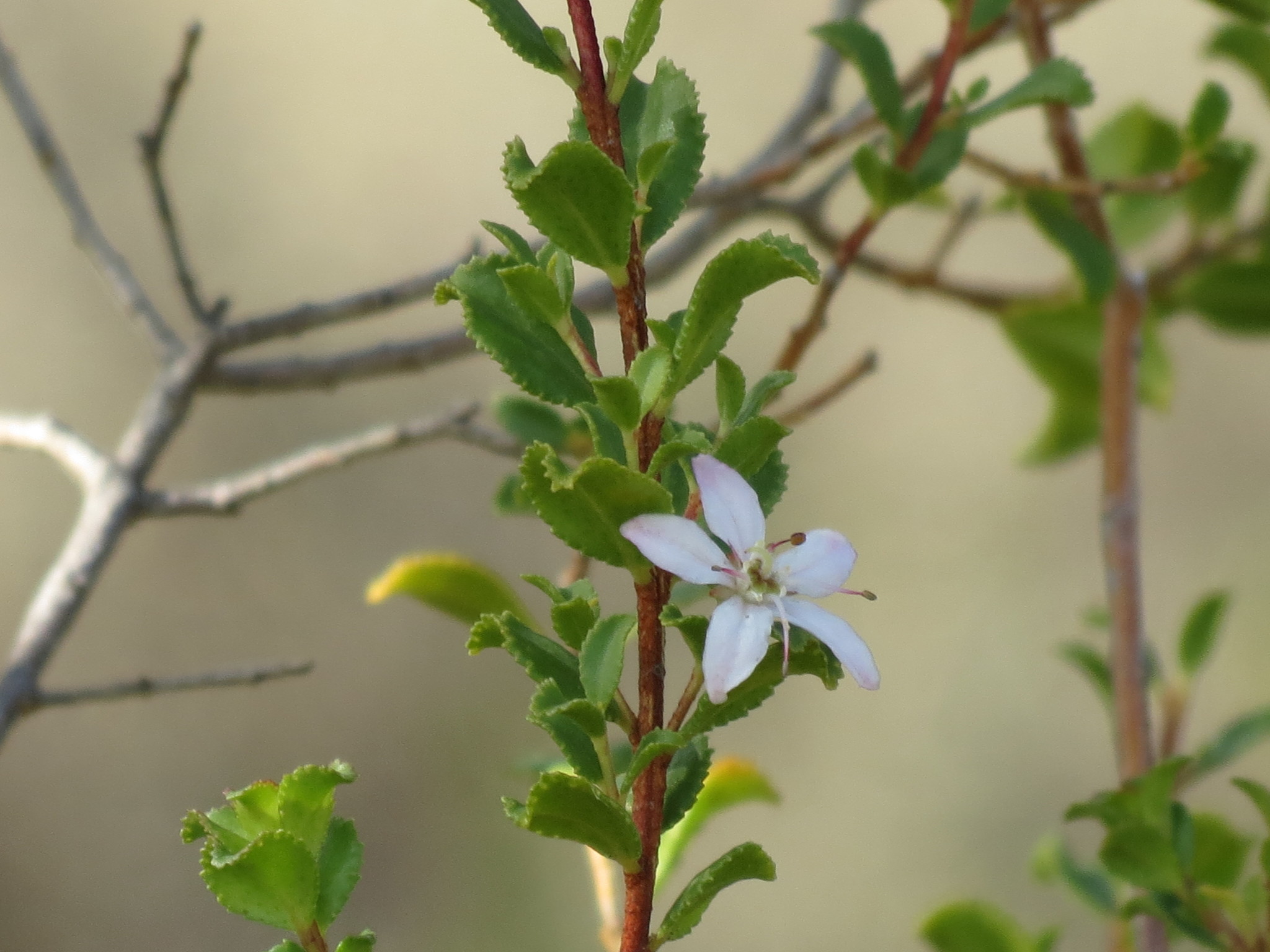
Buchu
Agathosma betulina
An aromatic South African fynbos shrub whose blackcurrant-scented leaves are one of the Cape’s most famous urinary and anti-inflammatory remedies.
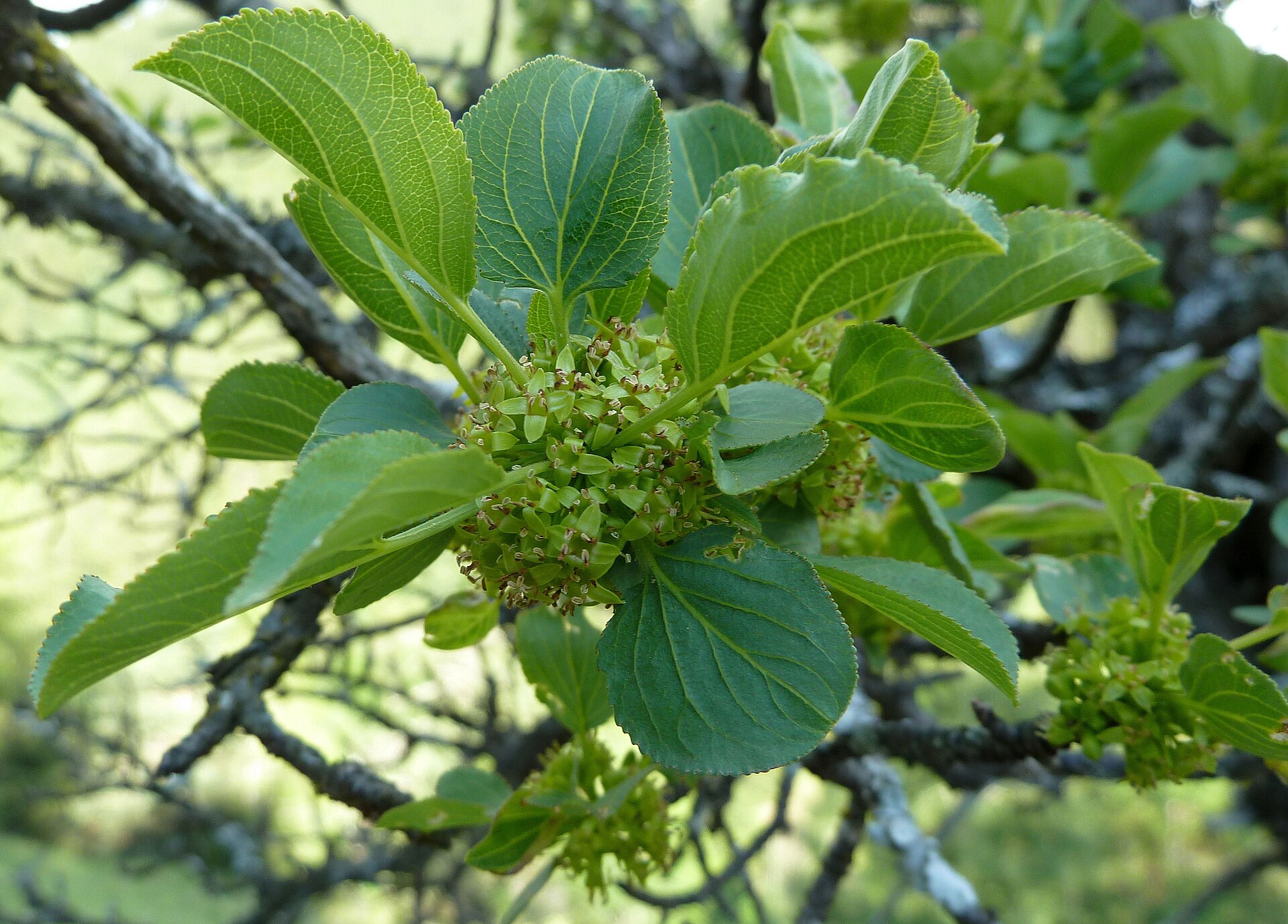
Buckthorn
Rhamnus frangula (Frangula alnus)
A gentle anthraquinone laxative bark — the European counterpart to cascara sagrada, effective for short-term constipation.
Looking for something else?
Browse the full library