Support a healthy heart and blood flow
Heart & Circulation
Cardiovascular botanicals traditionally used to support circulation, healthy blood pressure, and heart wellness.
60 herbs in this collection
 Featured
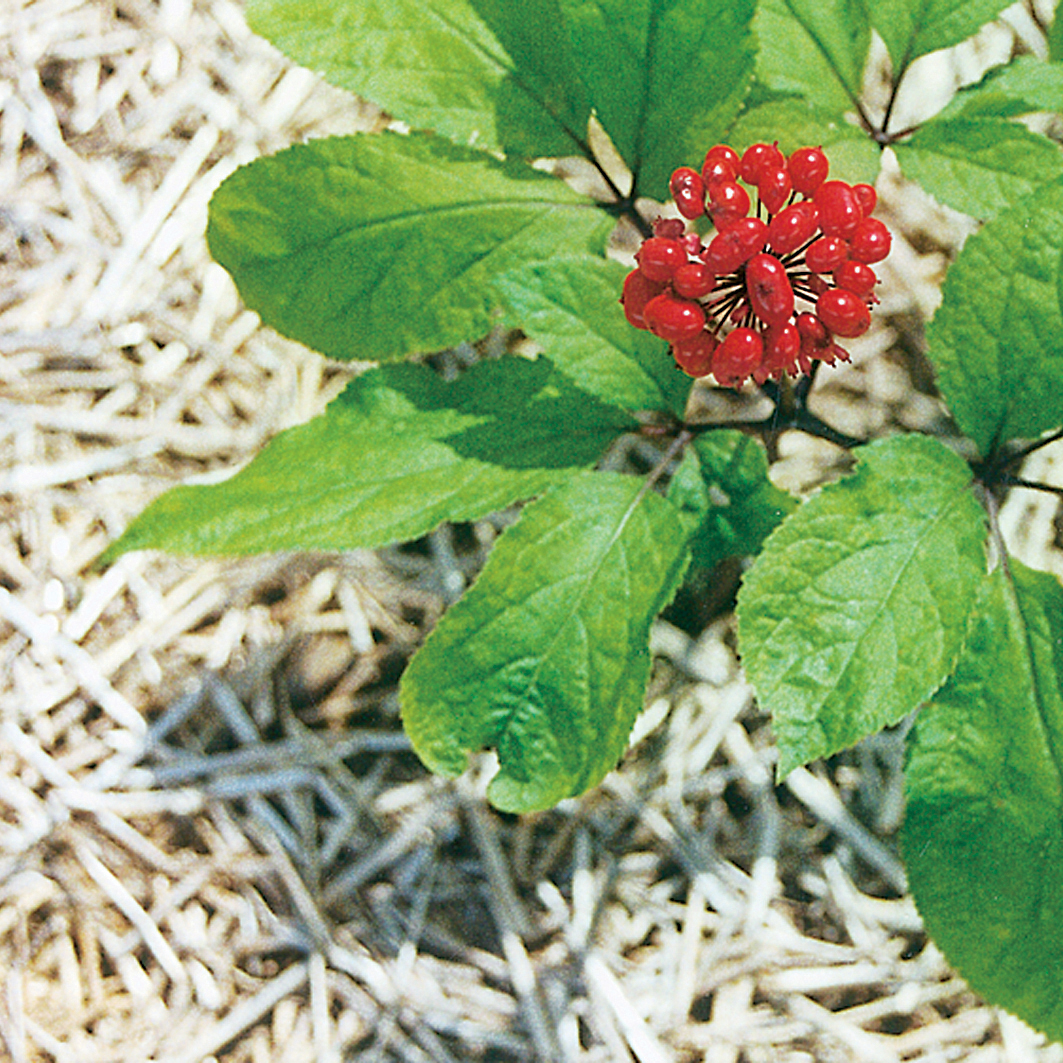
Asian Ginseng
Panax ginseng
The emperor of tonics in Chinese medicine — a 2,000-year legacy of restoring qi, sharpening the mind, and extending vitality.
 Featured
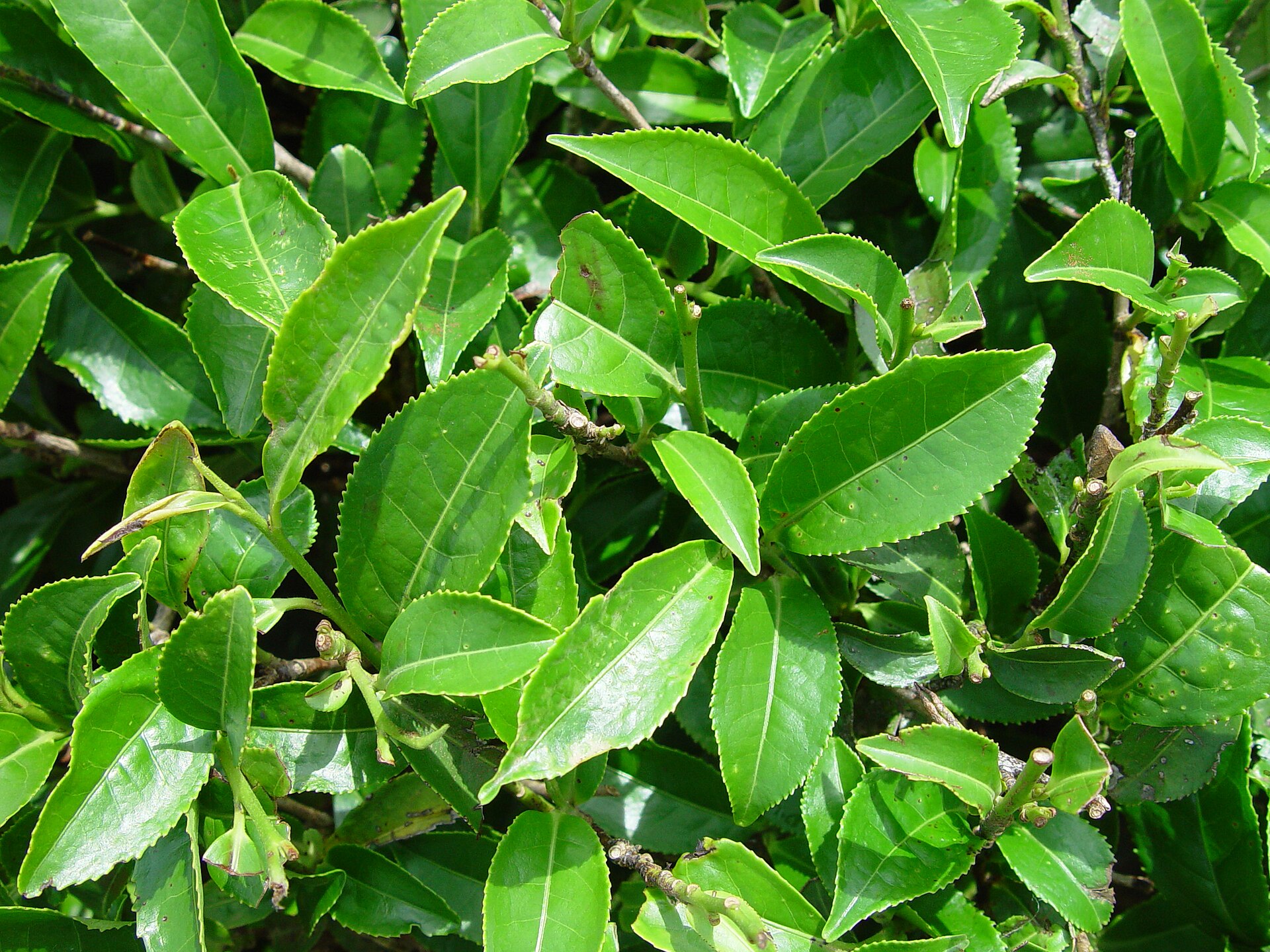
Green Tea
Camellia sinensis
Green tea is one of the most studied botanicals in the world, prized for its catechin antioxidants — especially EGCG — that support cardiovascular health, metabolism, and healthy aging.
 Featured
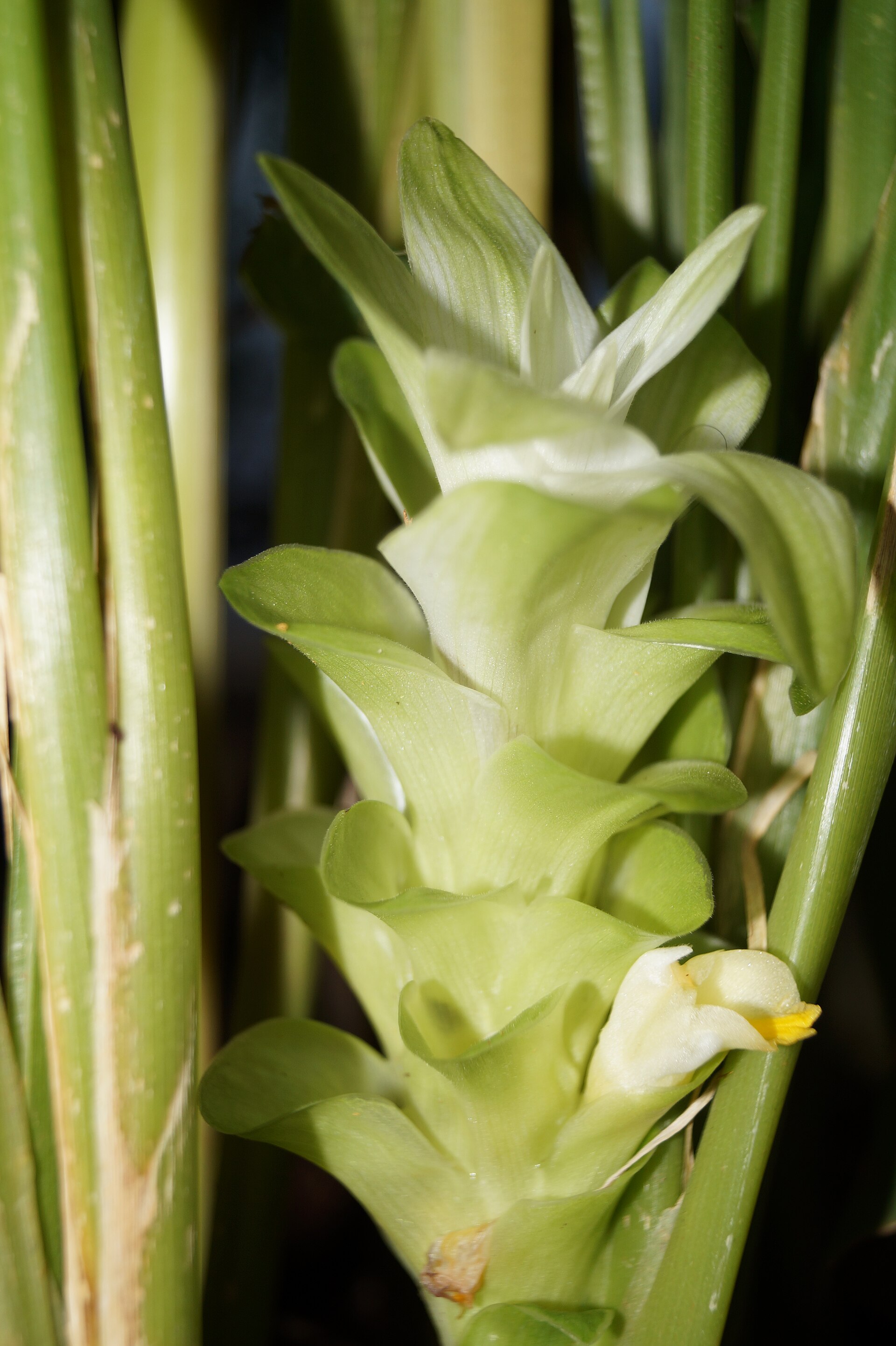
Turmeric
Curcuma longa
The golden rhizome of Ayurveda and TCM — one of the most researched botanicals on earth for inflammation, joint health, and liver support.
 Featured
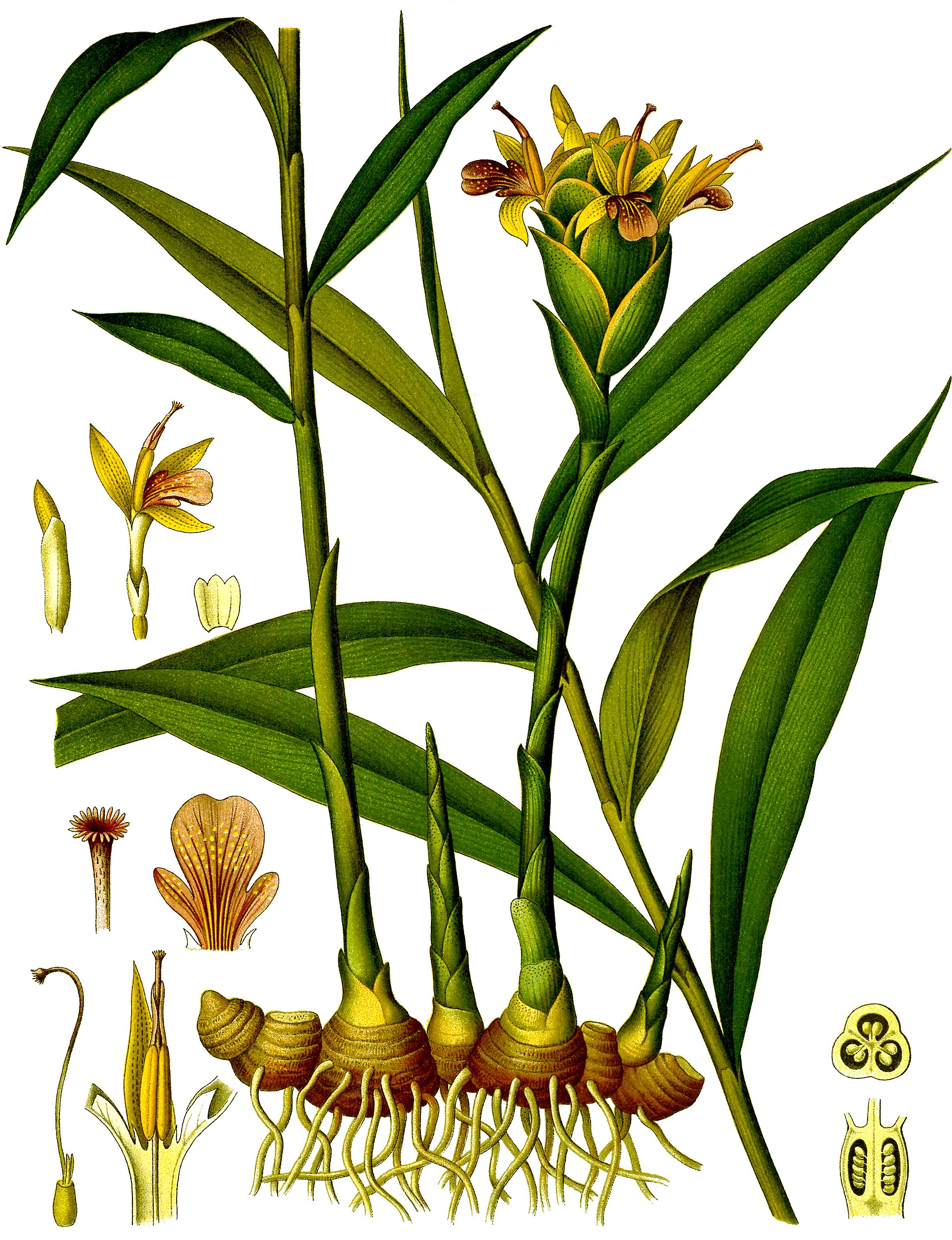
Ginger
Zingiber officinale
The universal warming digestive — used across every major healing tradition for nausea, digestion, circulation, and inflammation.
 Featured
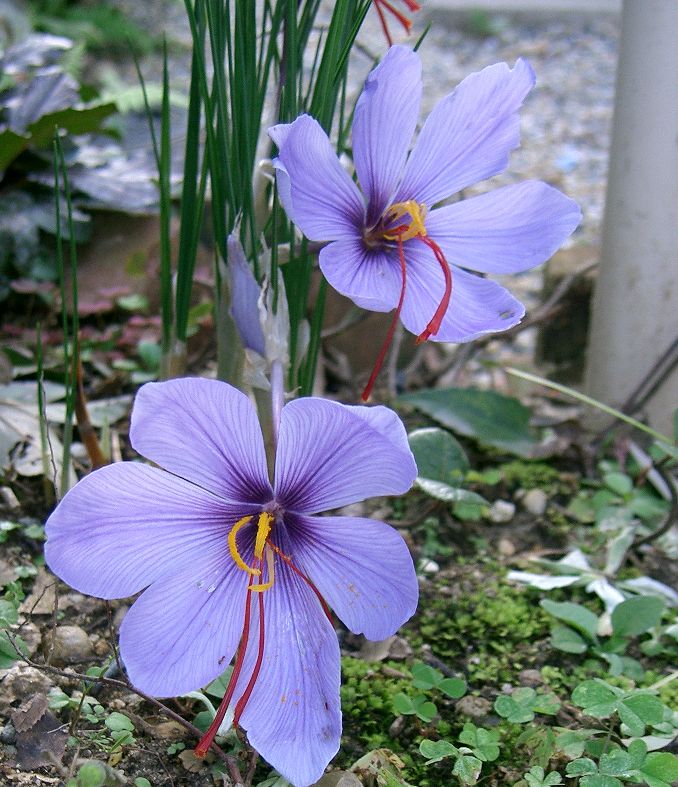
Saffron
Crocus sativus
Saffron — the world’s most precious spice — is now one of the best-evidenced botanicals for mood, with clinical trials showing antidepressant effects comparable to standard medications for mild-to-moderate depression.
Garlic
Allium sativum
The world’s oldest documented medicine — cardiovascular protector, antimicrobial, and immune ally in every cuisine on earth.
Moringa
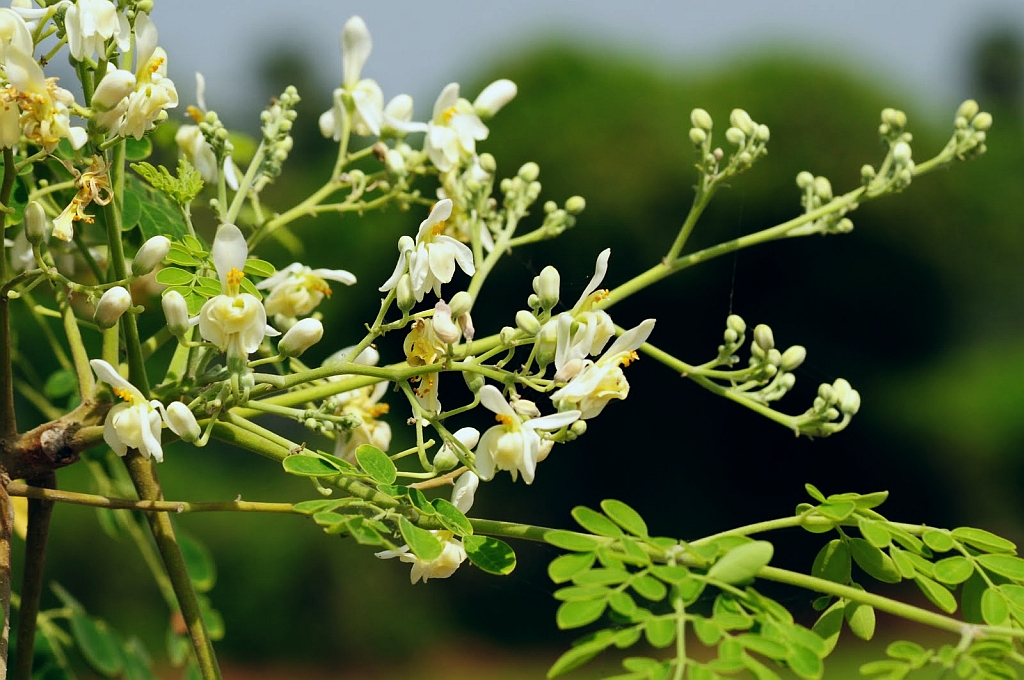
Moringa oleifera
The miracle tree of the tropics — leaves so nutrient-dense they anchor malnutrition programs, with rising science on blood sugar and inflammation.
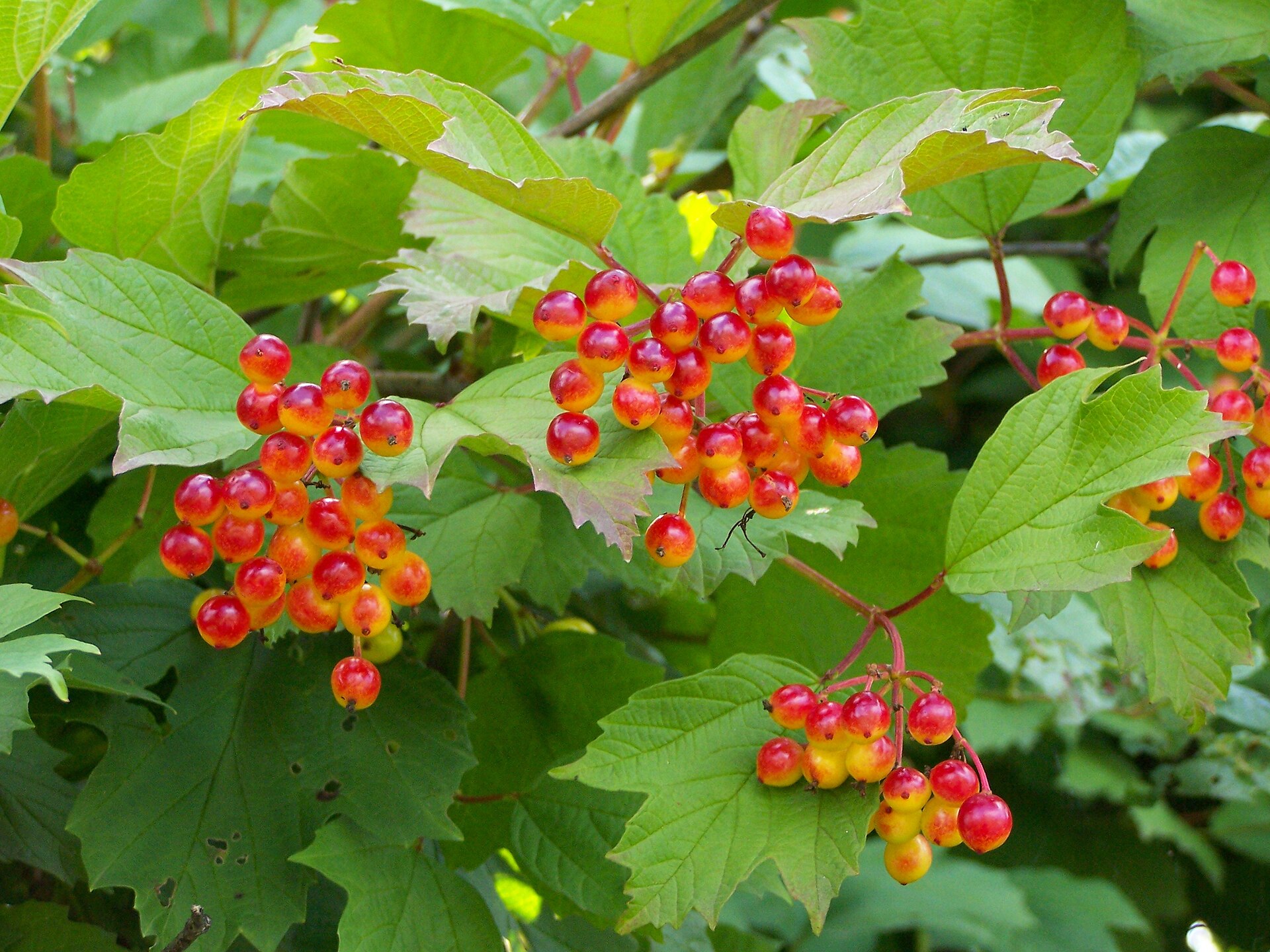
Cramp Bark
Viburnum opulus
The premier Western antispasmodic for smooth muscle — the herb of choice for period cramps, and safe enough for regular use.
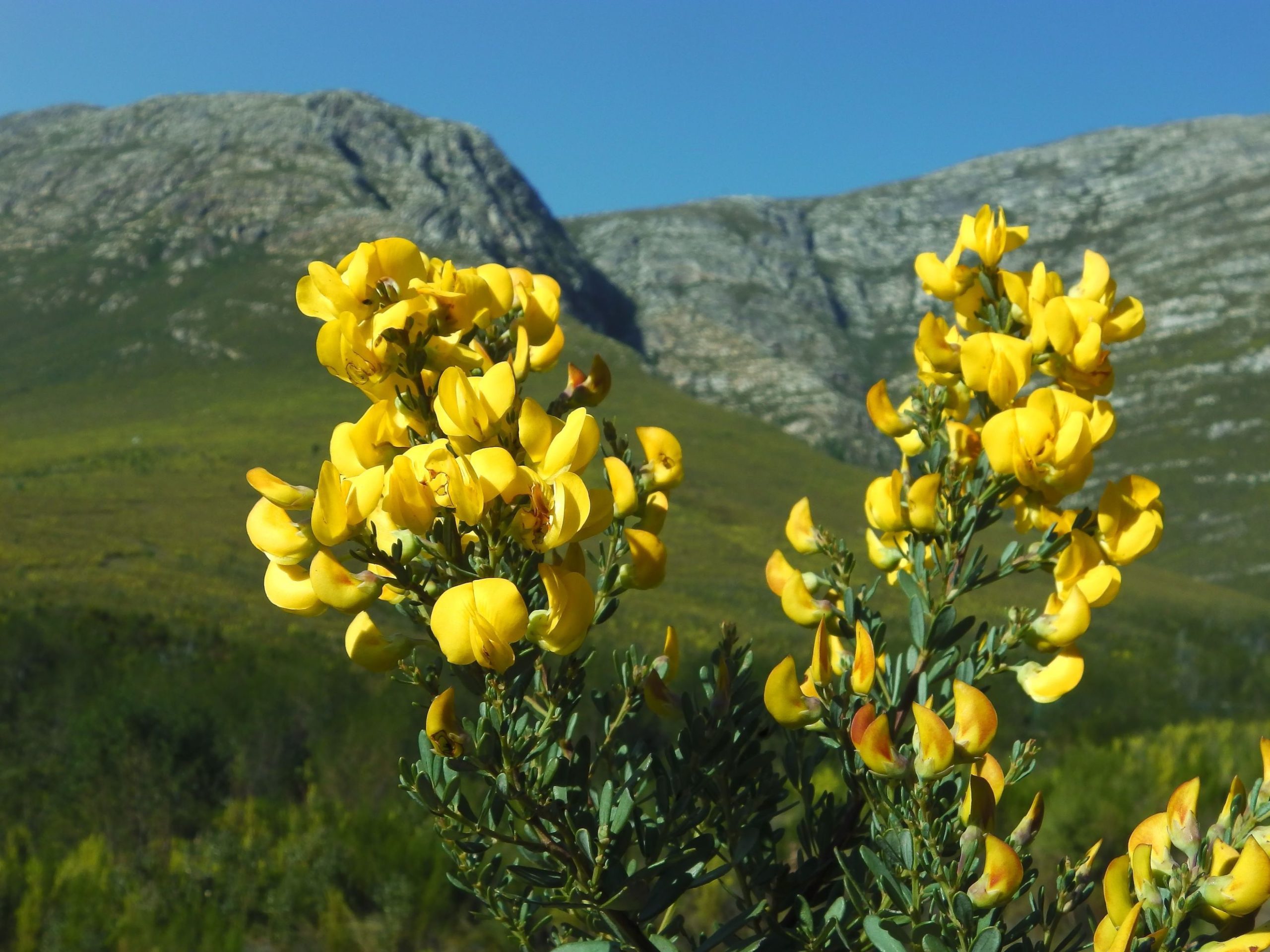
Rooibos
Aspalathus linearis
The caffeine-free red bush tea of South Africa’s Cederberg region — a mild, antioxidant-rich daily beverage traditionally used for digestion, skin and general wellbeing.
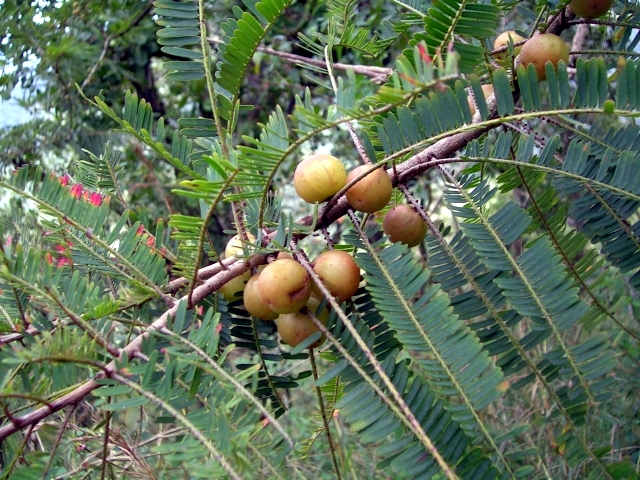
Amla
Phyllanthus emblica
The "nurse fruit" of Ayurveda and the richest natural source of bioavailable vitamin C — one of the three ingredients in Triphala and one of the most important Rasayanas for rejuvenation, immunity and longevity.
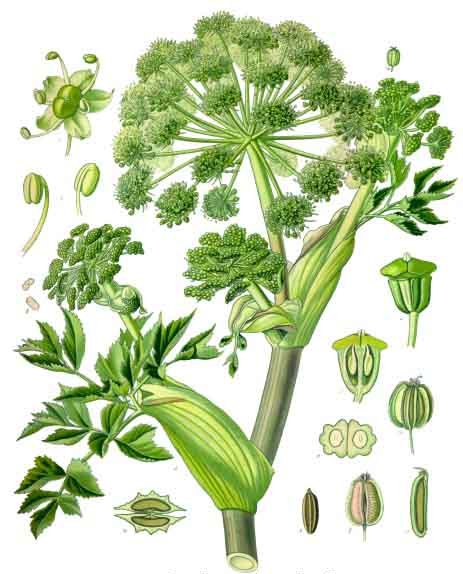
Angelica
Angelica archangelica
A majestic Nordic-European herb traditionally believed to be revealed by the Archangel Michael — one of the great warming tonics of Northern European herbal medicine, used for digestive complaints, respiratory infections and as a bitter aromatic.
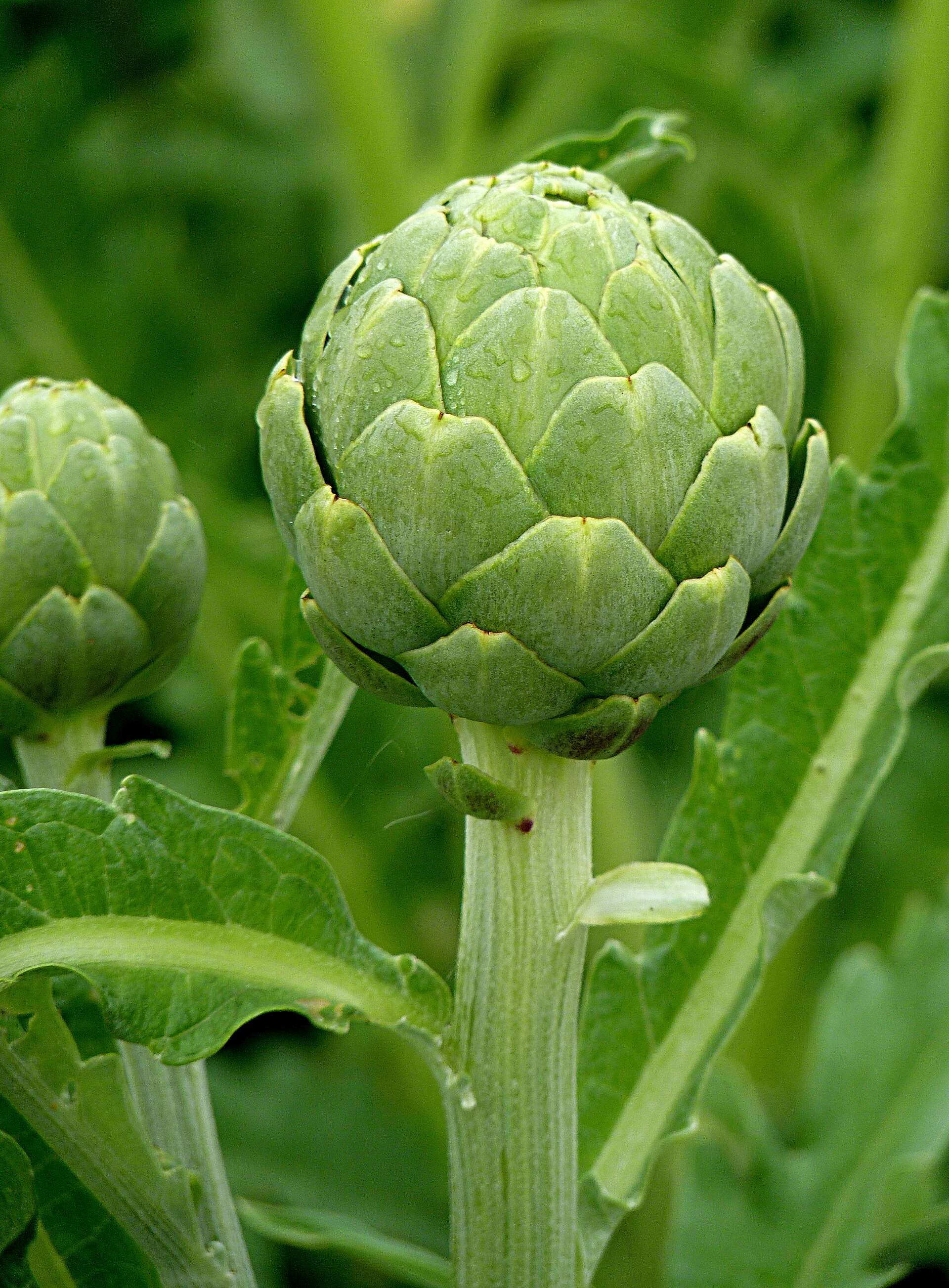
Artichoke
Cynara scolymus
A Mediterranean thistle whose leaves (not the edible flower head) are a well-researched hepatoprotective and choleretic — one of the best-evidenced herbal remedies for dyspepsia and cholesterol management.
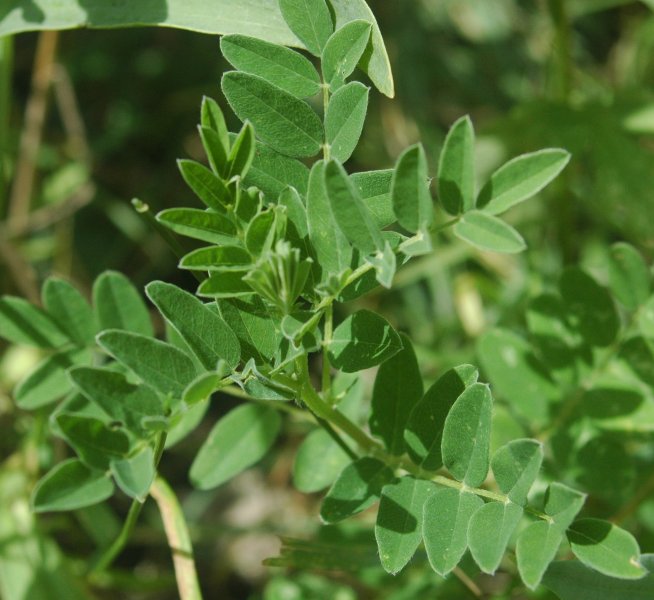
Astragalus
Astragalus membranaceus
The supreme Qi tonic of Traditional Chinese Medicine — a deeply nourishing root used for over 2,000 years to strengthen the body's defensive energy, support immune function and build vitality.
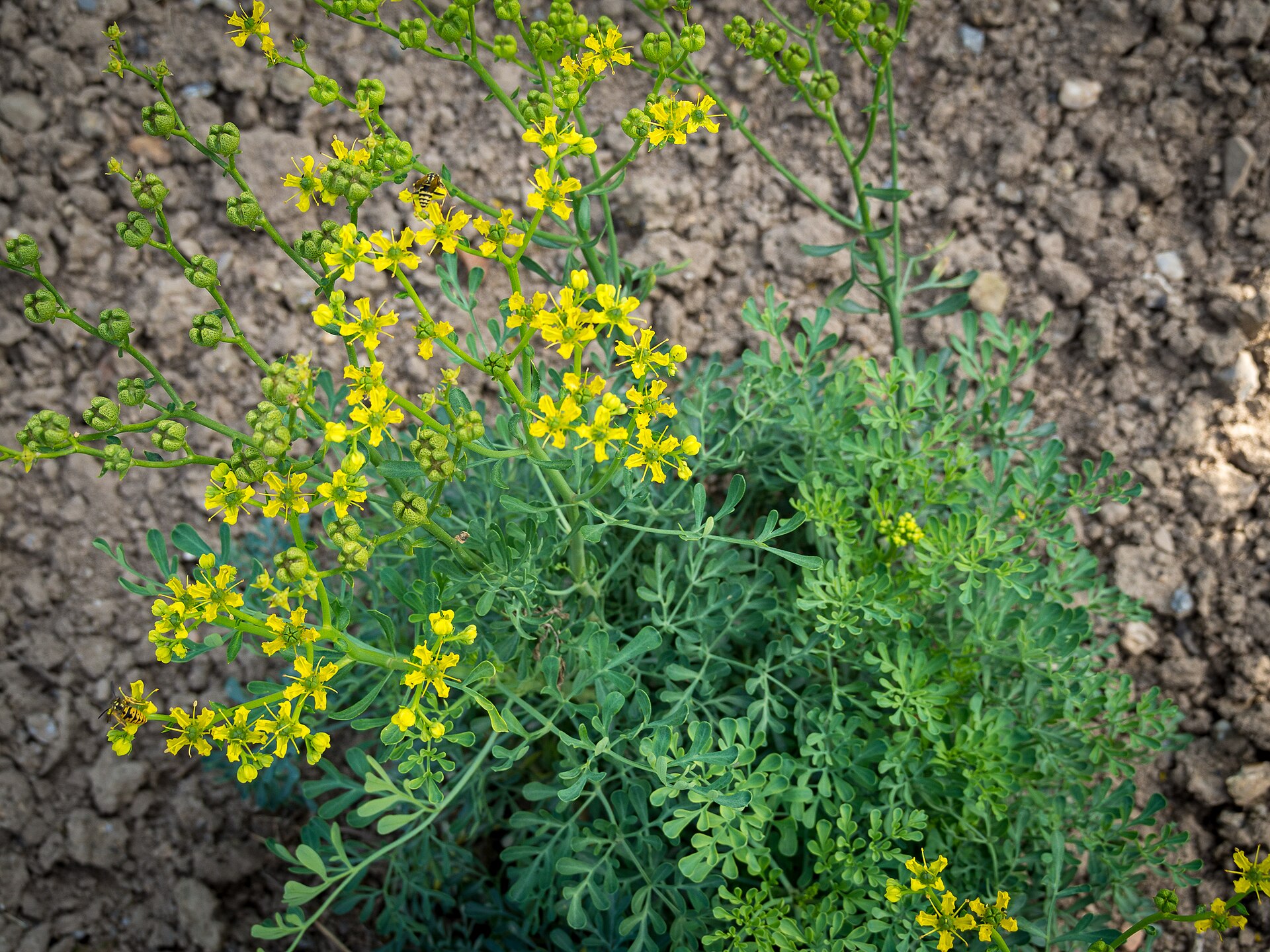
Rue
Ruta graveolens
An ancient Mediterranean bitter and antispasmodic wrapped in folklore — genuinely useful, genuinely toxic, and strictly practitioner territory.
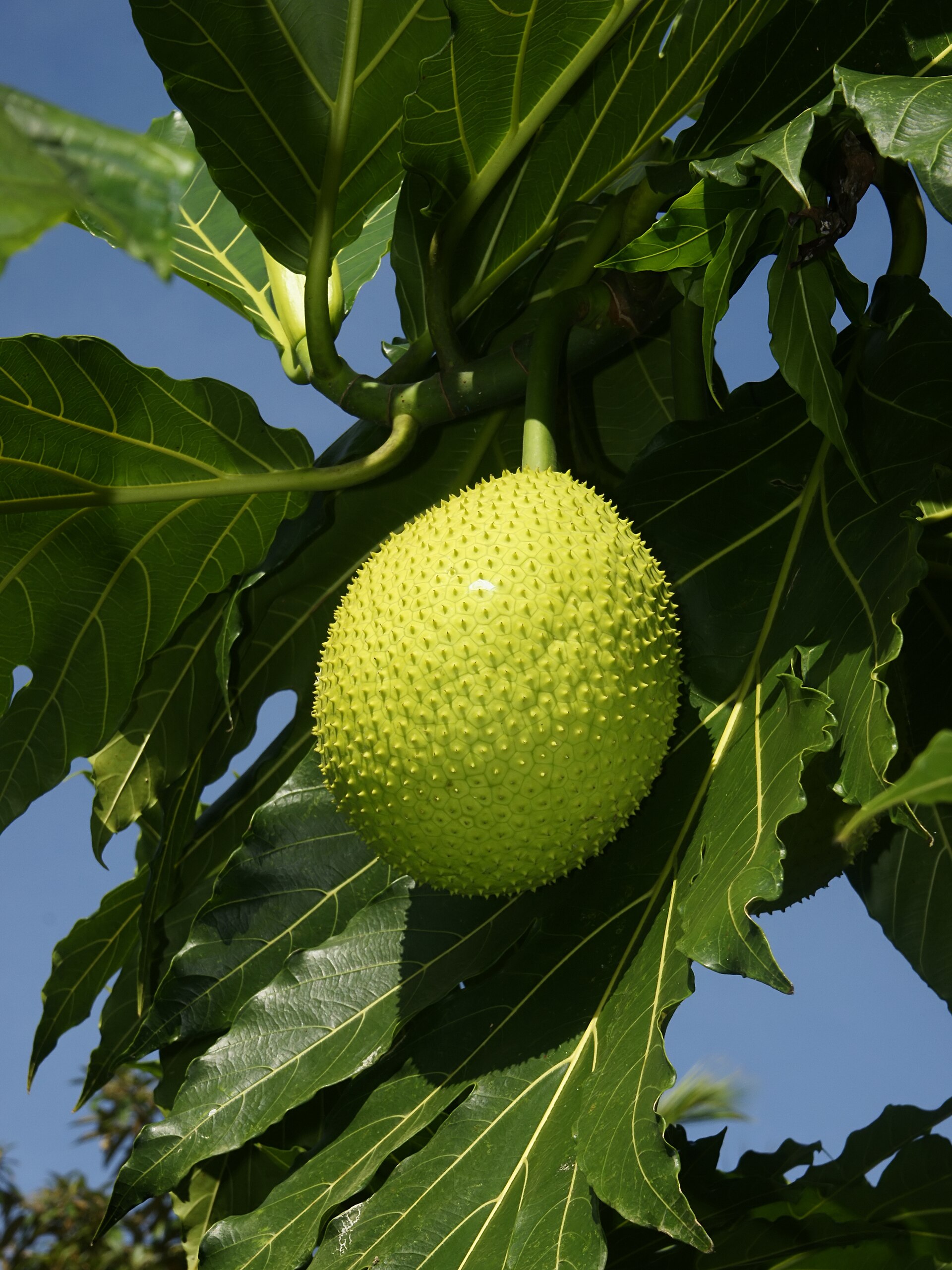
Breadfruit
Artocarpus communis
The legendary Pacific staple that became integral to West African and Caribbean food and medicine. The leaves, bark, and latex treat diabetes, hypertension, infections, and skin conditions — while the starchy fruit feeds millions.
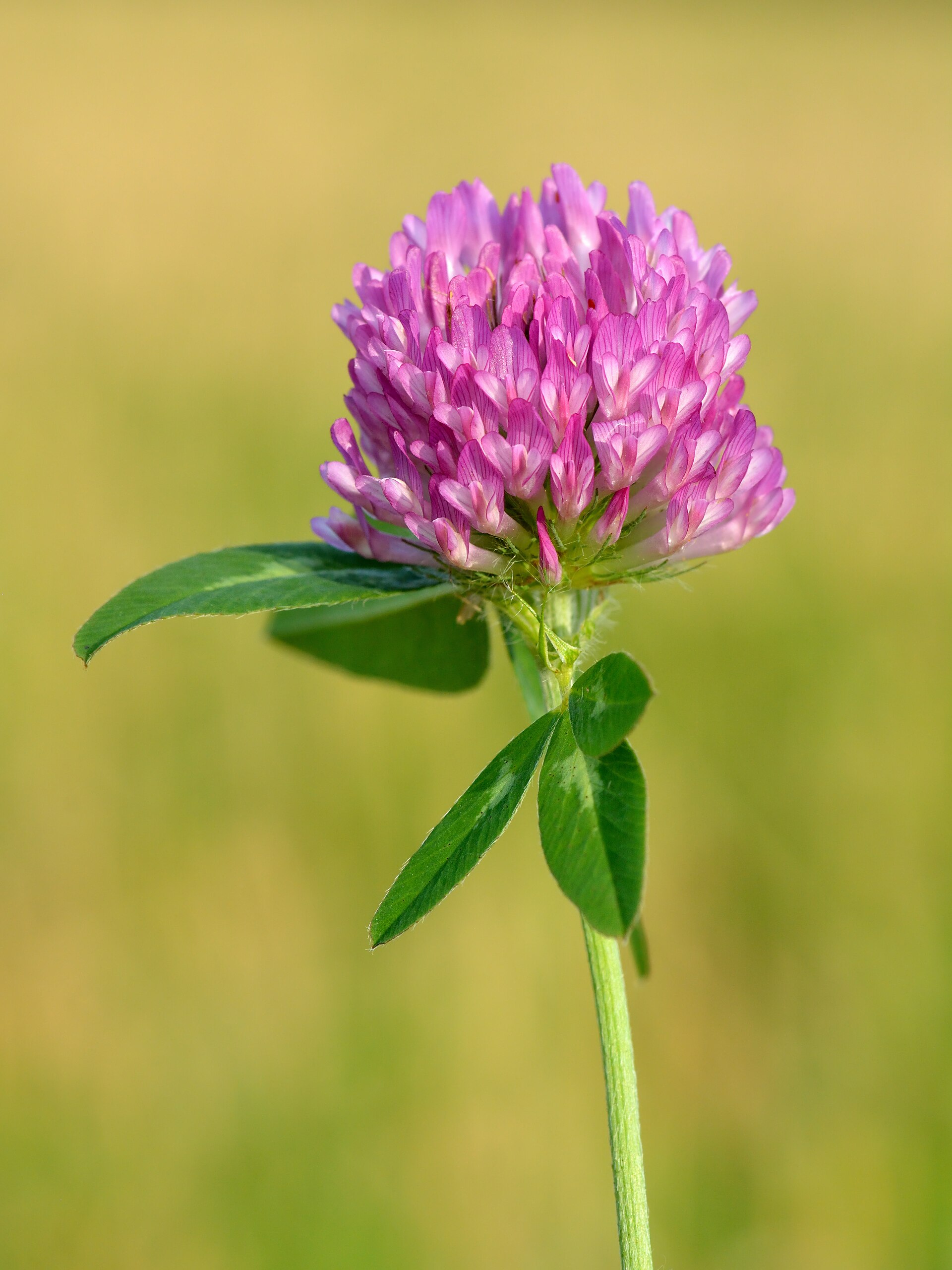
Red Clover
Trifolium pratense
A meadow flower that doubles as the West’s best-studied isoflavone source for menopause — and a classic lymphatic alterative for stubborn skin.
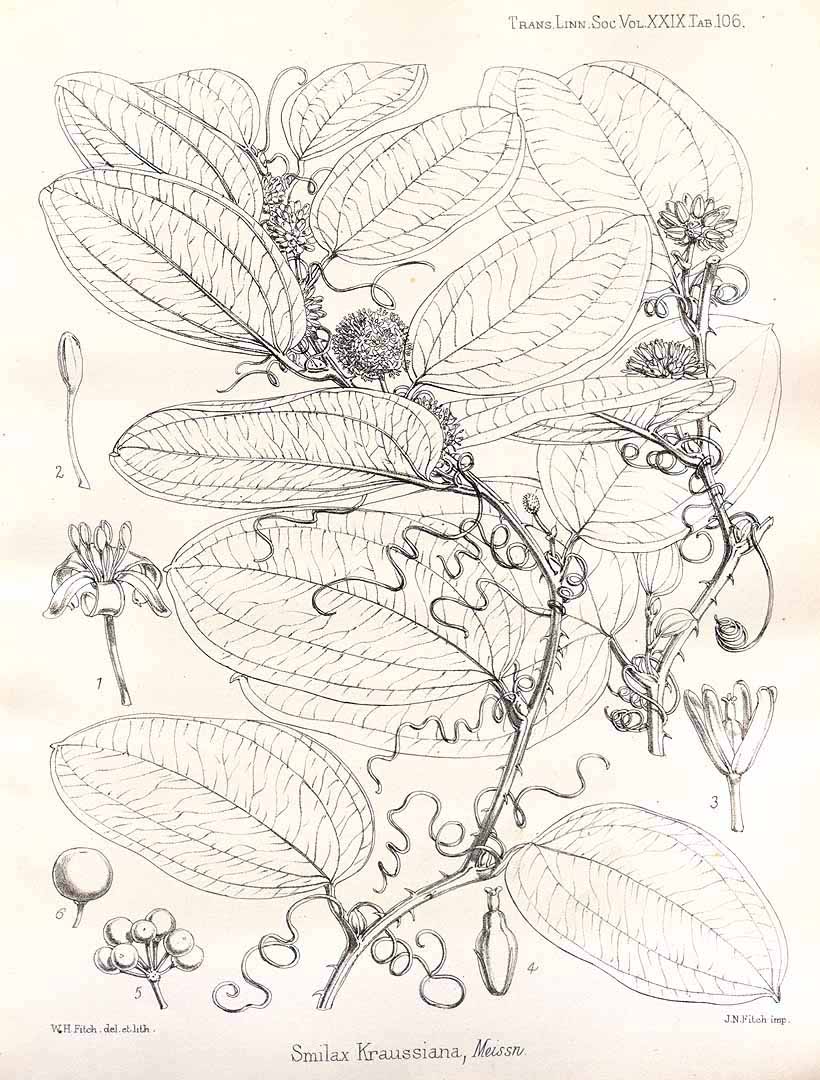
African Sarsaparilla
Smilax kraussiana
The African equivalent of the famous sarsaparilla — a thorny vine whose root and rhizome are used as a blood cleanser, tonic, and treatment for rheumatism, STIs, and skin conditions across West and Southern Africa.
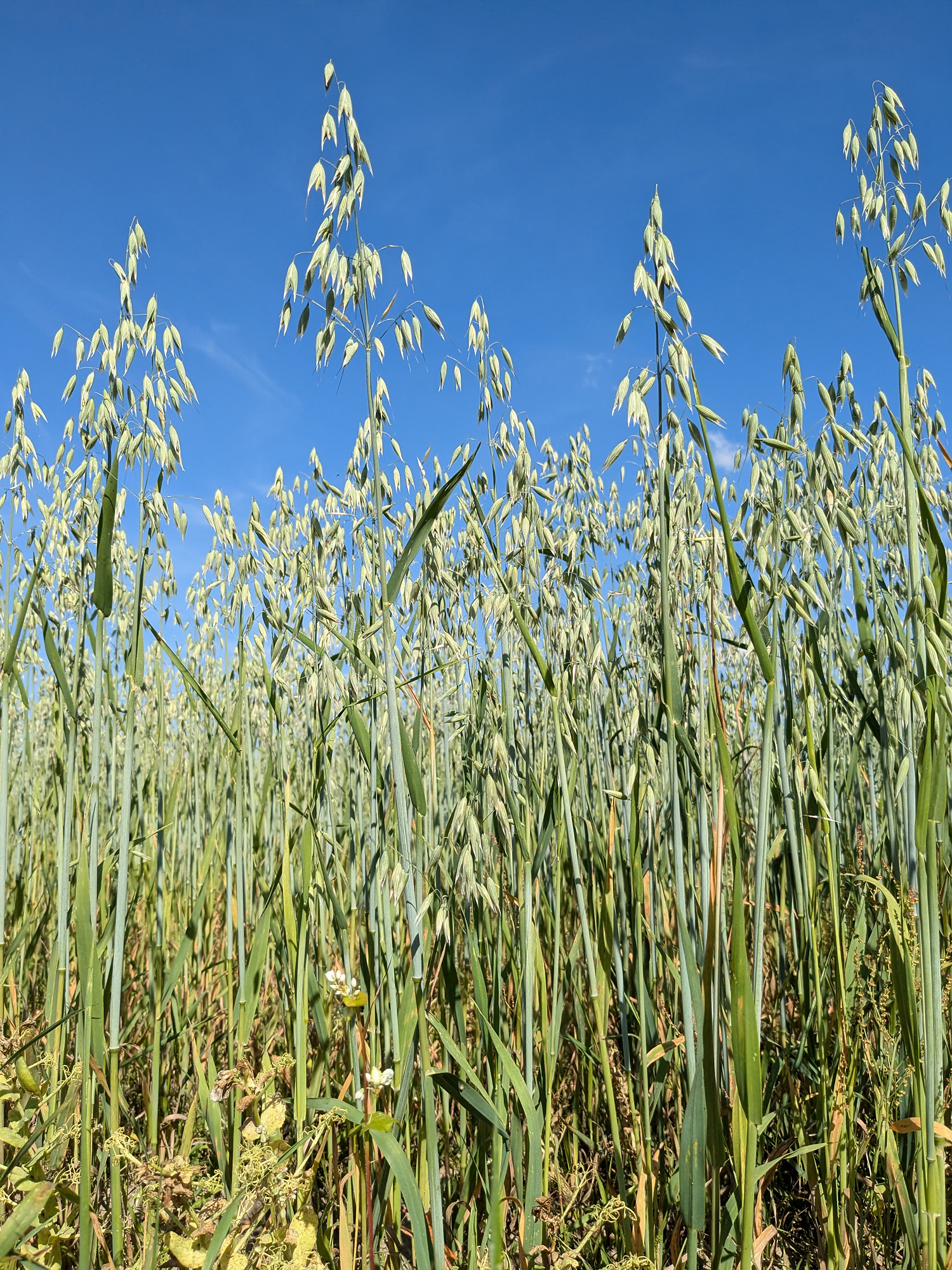
Oat Straw & Milky Oats
Avena sativa
The gentlest and most restorative nervine in Western herbalism — a mineral-rich trophorestorative for burnout, exhaustion and frayed nerves.
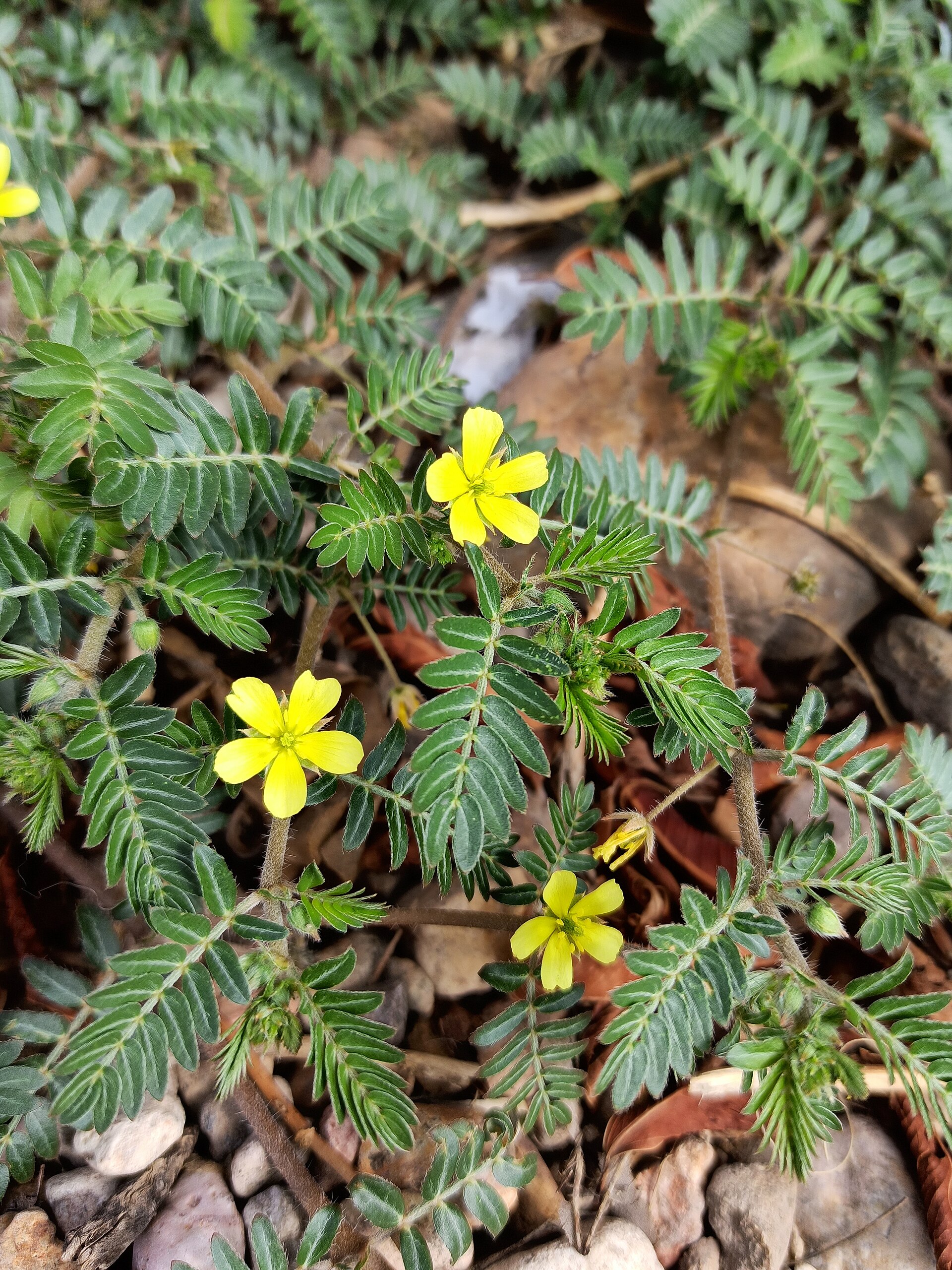
Tribulus
Tribulus terrestris
Tribulus (Gokshura) is a revered Ayurvedic tonic for vitality, urinary tract health, and reproductive wellness in both men and women.
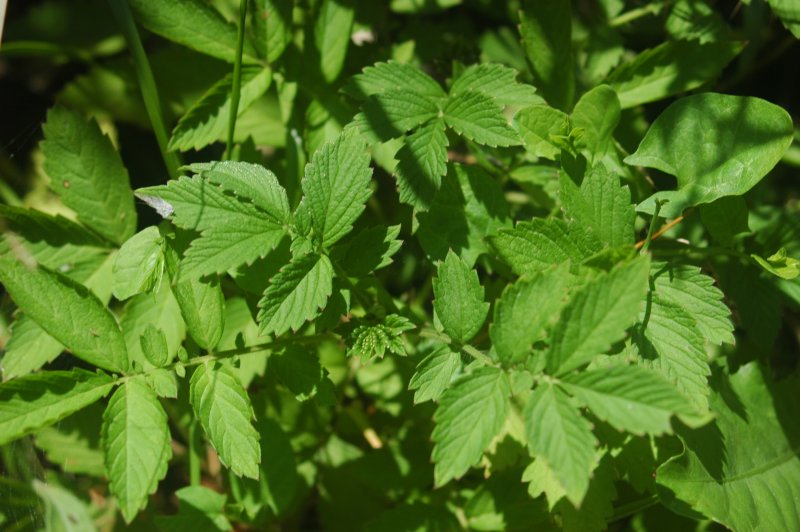
Xian he cao
Agrimonia pilosa
Xian he cao, an Asian agrimony used in Chinese medicine to stop bleeding and strengthen.
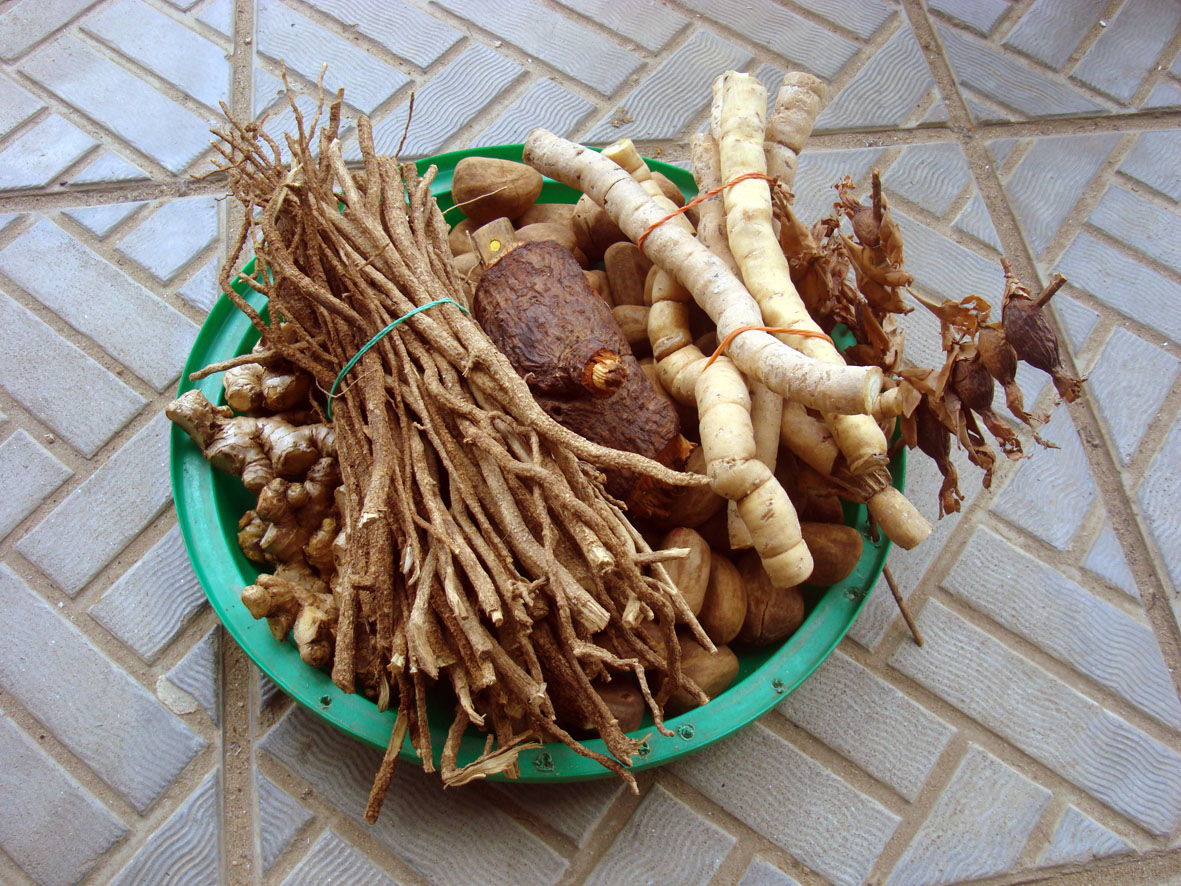
Yohimbe
Pausinystalia johimbe
A West-Central African forest tree whose bark yields yohimbine — a powerful stimulant aphrodisiac used for erectile dysfunction, but with significant cardiovascular risks.
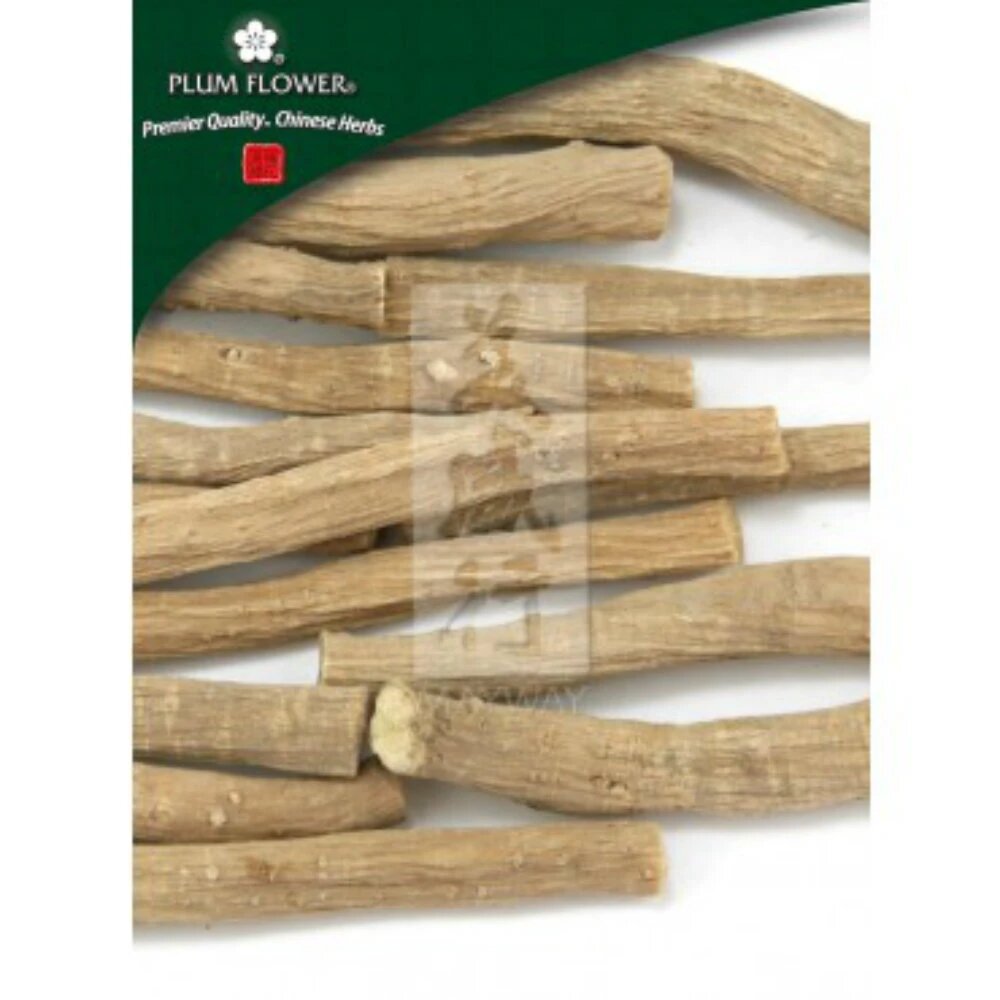
Achyranthes Root (Niu Xi)
Achyranthes bidentata
Achyranthes root invigorates blood, expels stasis, strengthens the liver and kidneys, benefits the sinews and bones, and crucially guides other herbs downward to the lower body.
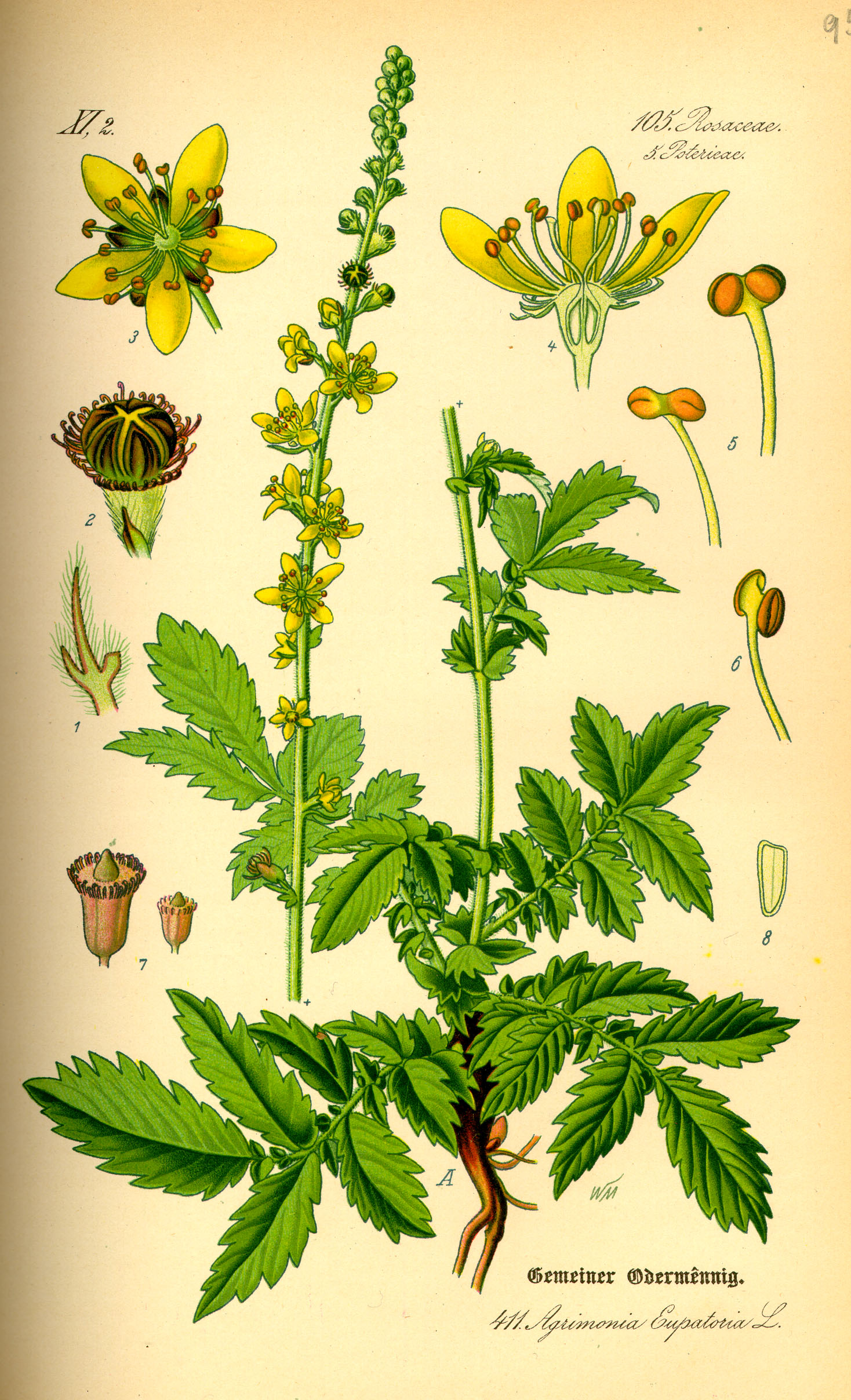
Agrimony (Xian He Cao relative)
Agrimonia eupatoria
Agrimony (Xian He Cao relative), a European and Chinese astringent herb used to stop bleeding and tone the digestion.
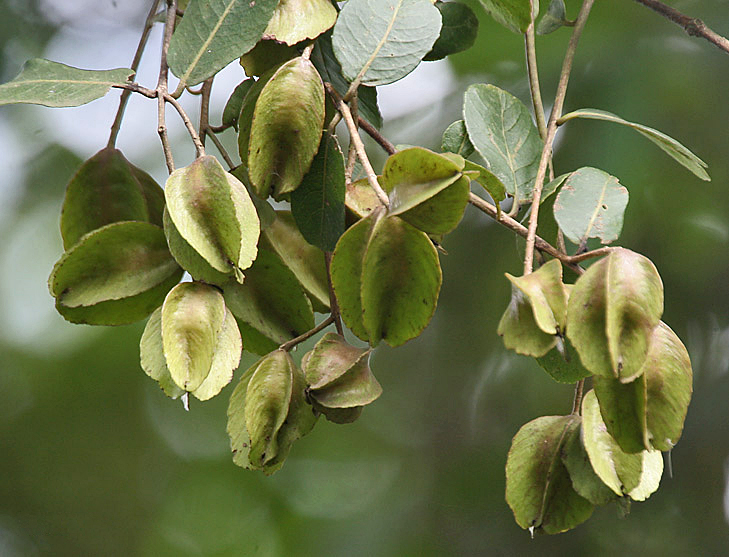
Arjuna
Terminalia arjuna
Ayurveda's premier heart tonic — named after the great warrior of the Mahabharata, Arjuna bark has been used for cardiac conditions for over 2,500 years and now has clinical trial evidence for heart failure and angina.
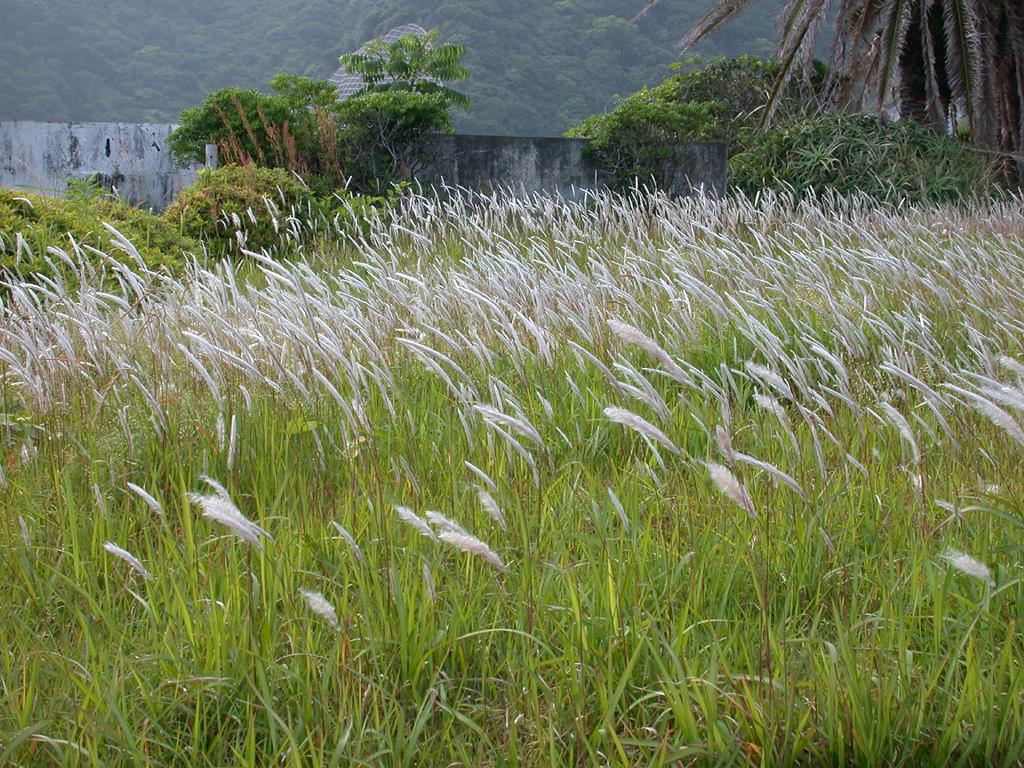
Bai Mao Gen (cogongrass root)
Imperata cylindrica
Bai Mao Gen (cogongrass root), a sweet cooling rhizome used to cool the blood, stop bleeding and promote urination.
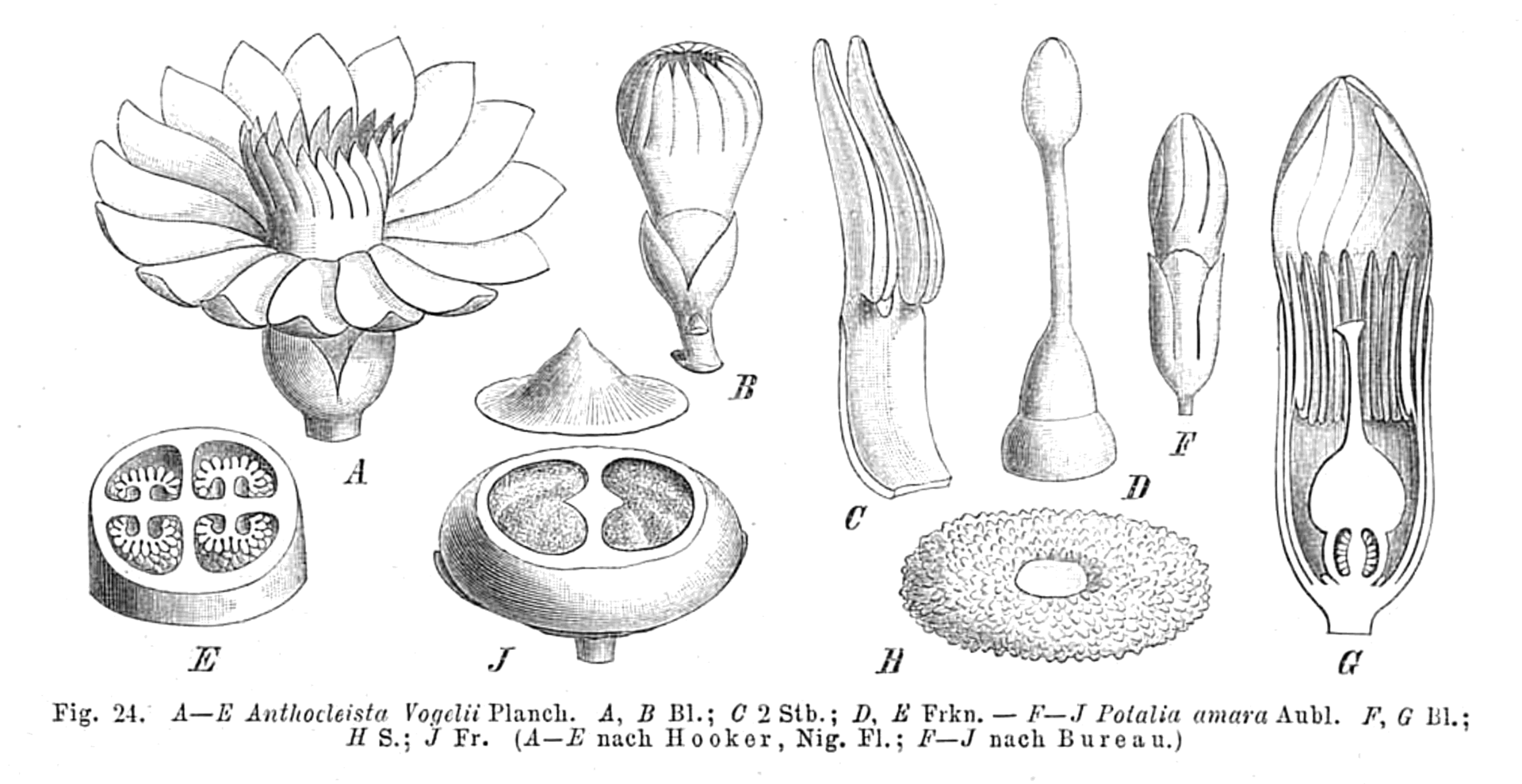
Cabbage Tree
Anthocleista vogelii
A striking West African tree with massive leaves and white tubular flowers, whose root and bark are prized for treating diabetes, malaria, hypertension, and sexually transmitted infections.
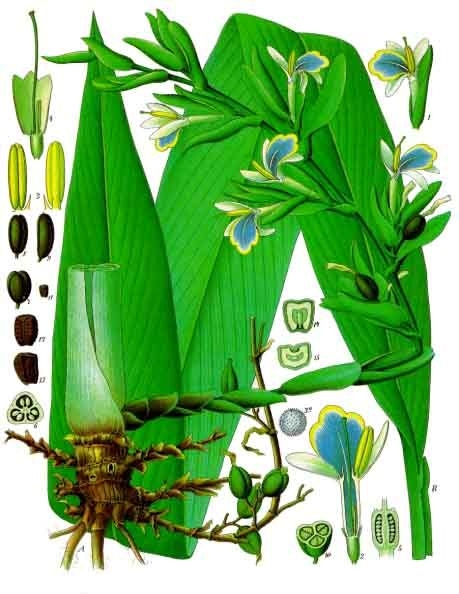
Cardamom
Elettaria cardamomum
The "Queen of Spices" and the world's third most expensive spice — a fragrant Ayurvedic digestive, respiratory and cardiac herb that uniquely balances all three doshas.
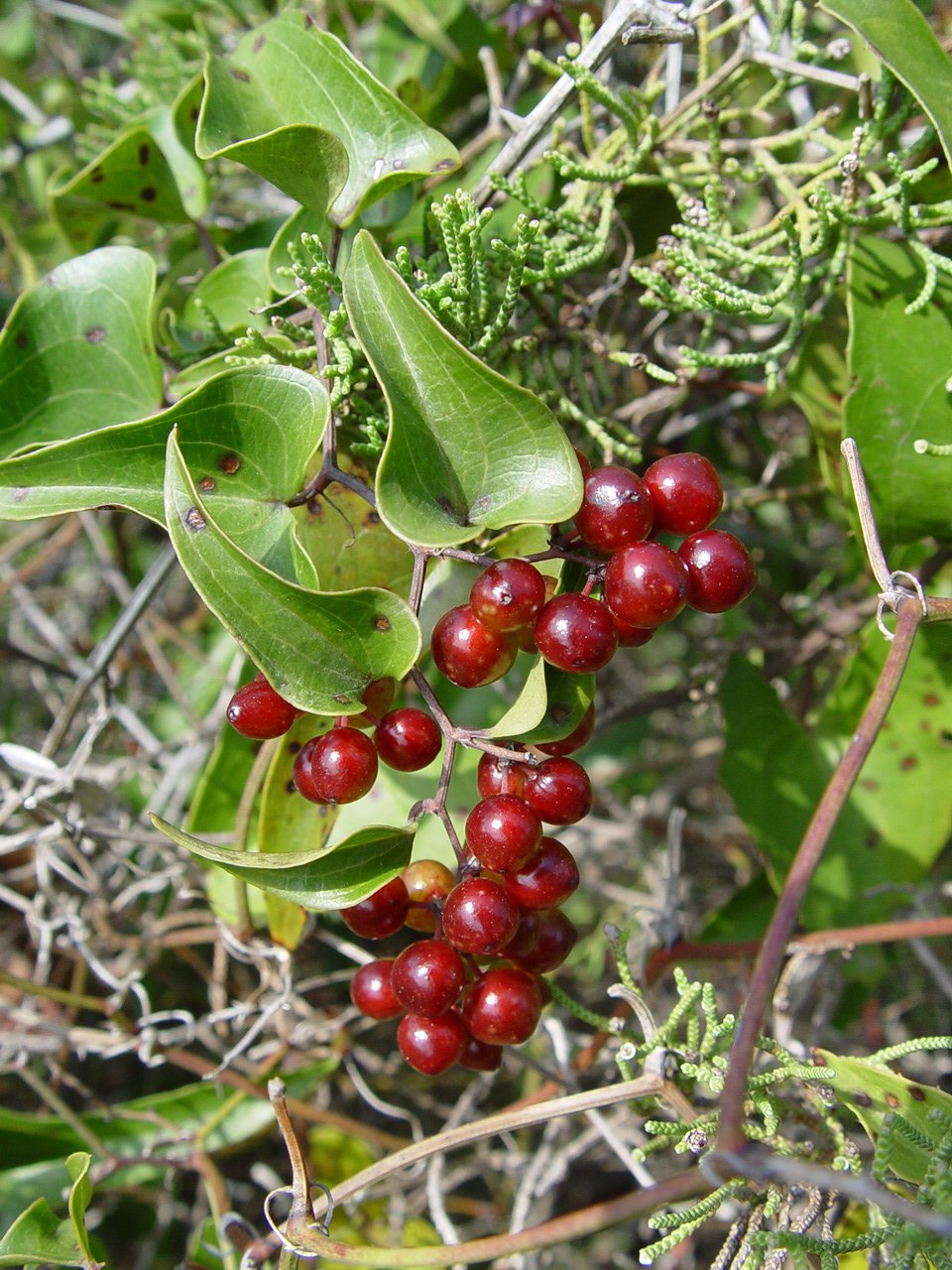
Chaney Root
Smilax balbisiana
A thorny Jamaican vine root prized as a strengthening tonic — the backbone of Jamaican "roots tonic", used for stamina, back pain, arthritis and as an aphrodisiac.
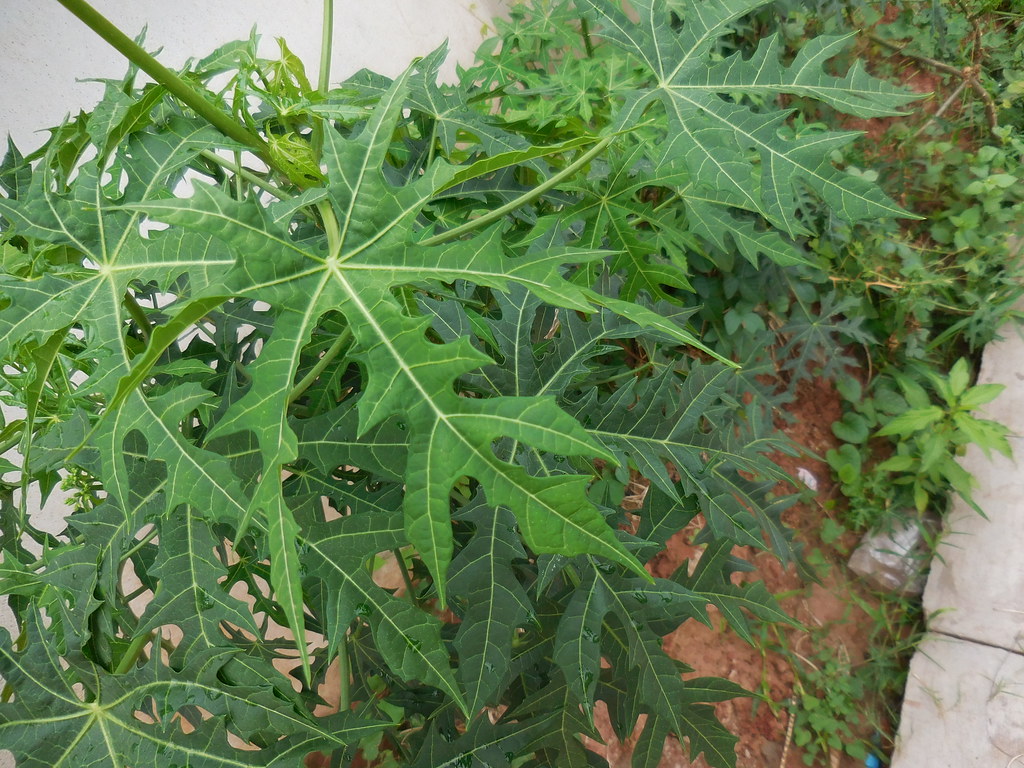
Chaya (Tree Spinach)
Cnidoscolus aconitifolius
A highly nutritious Mesoamerican leaf vegetable and folk medicine, rich in protein, iron and vitamins — but one that must be cooked before eating.
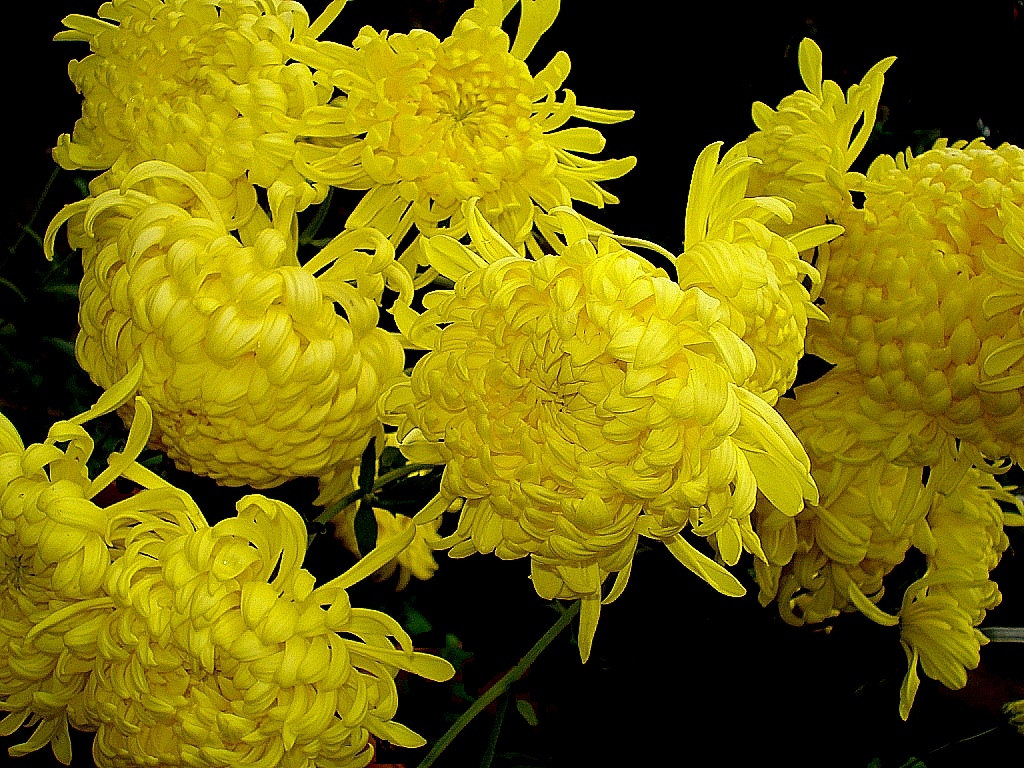
Chrysanthemum
Chrysanthemum morifolium
A cooling, eye-brightening flower that is both a beloved East Asian tea and one of TCM's most important herbs for clearing Heat, calming the Liver and protecting vision.
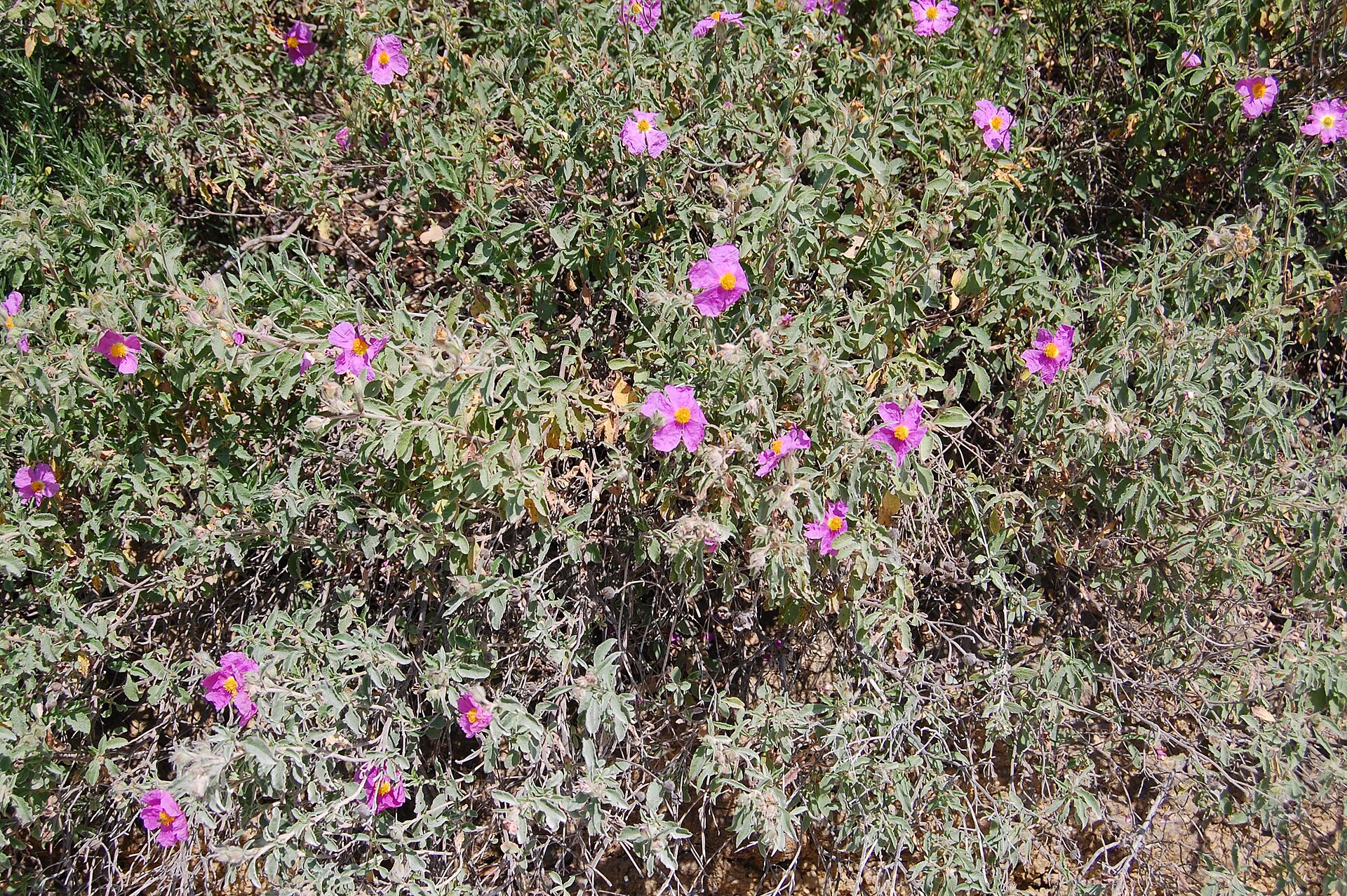
Cistus
Cistus incanus
A resilient Mediterranean shrub producing one of the most polyphenol-rich plant extracts known — traditionally used for wound healing and now attracting research attention for potent antiviral, anti-biofilm and cardiovascular-protective properties.
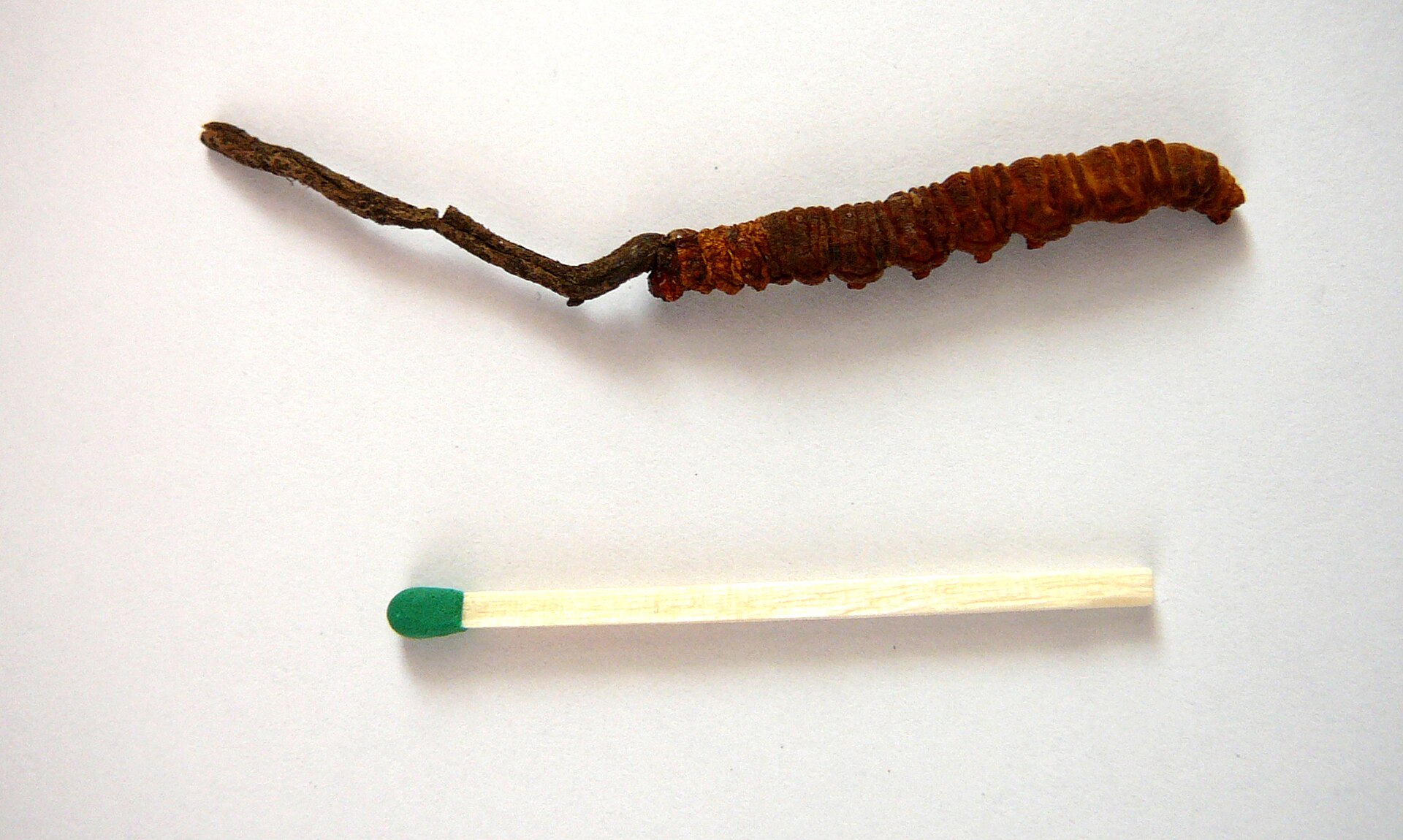
Cordyceps
Ophiocordyceps sinensis
The legendary "winter worm, summer grass" of Tibetan and Chinese medicine — a parasitic fungus that grows from caterpillars at extreme altitude, prized for energy, endurance, kidney and lung support.
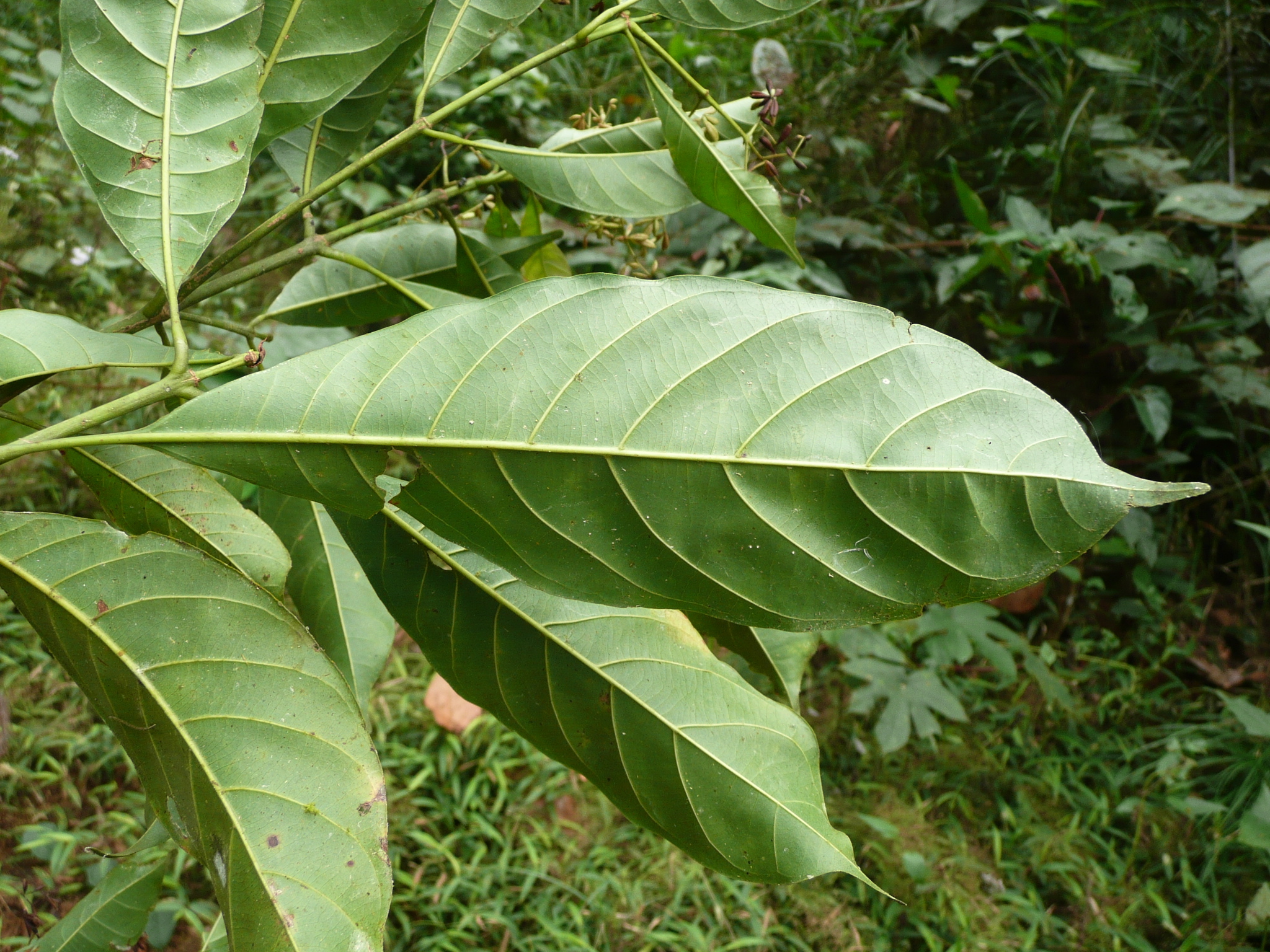
Corynanthe
Corynanthe pachyceras
A West African forest tree whose bark contains yohimbine-type alkaloids, used traditionally as a tonic, aphrodisiac and fever remedy.
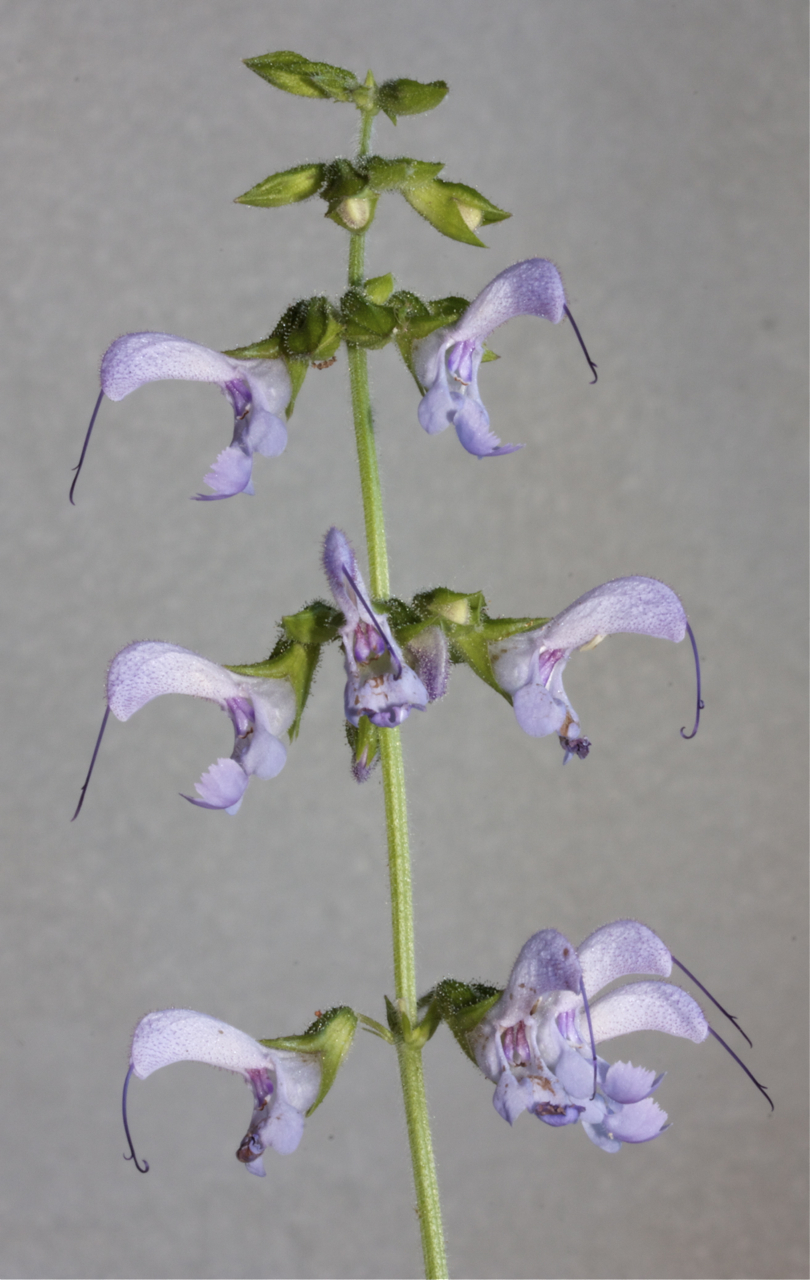
Danshen
Salvia miltiorrhiza
The most important cardiovascular herb in TCM — a red-rooted sage used for millennia to "move Blood, resolve stasis" and now backed by extensive modern research for heart disease, stroke prevention and vascular health.
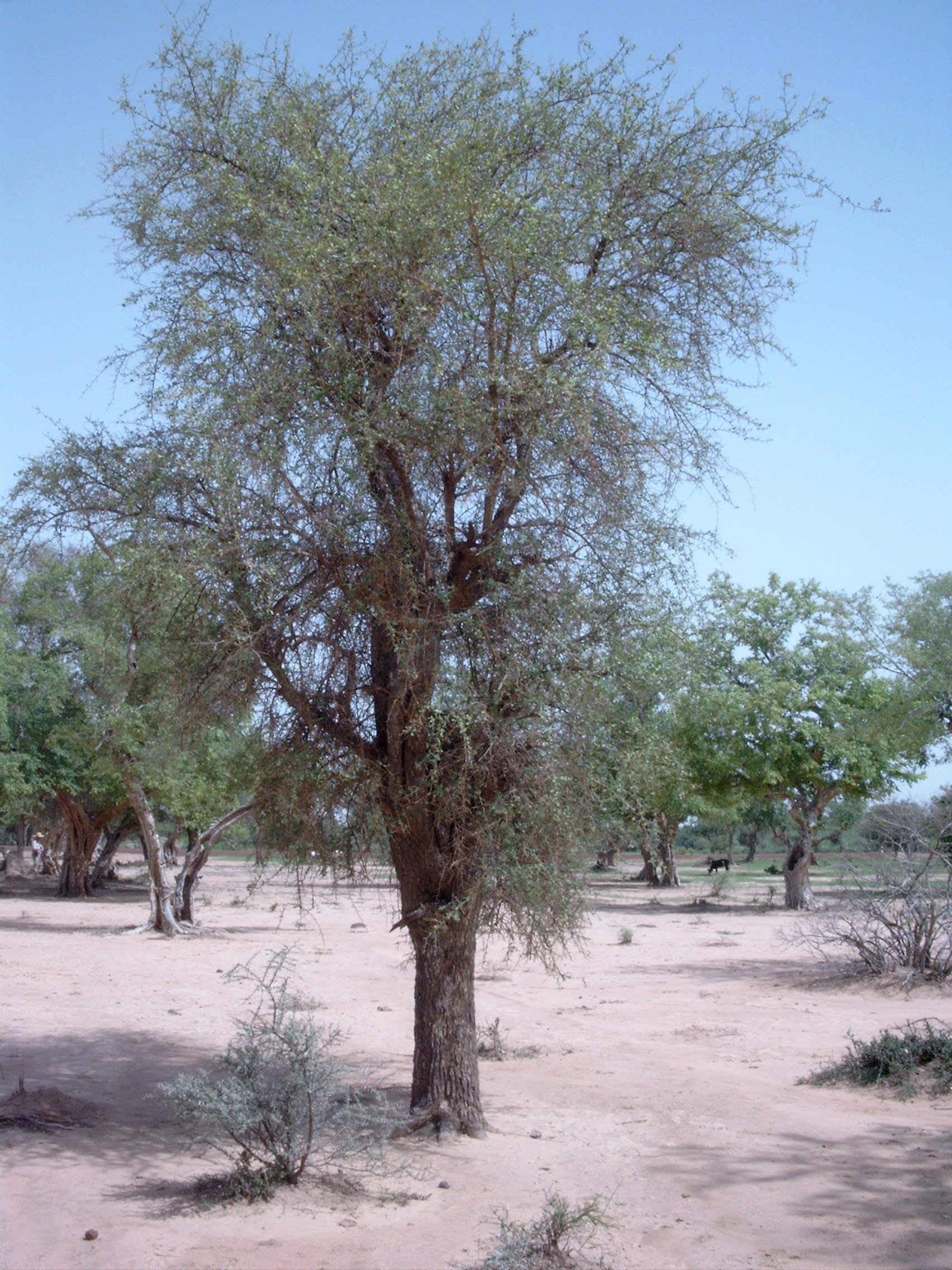
Desert Date
Balanites aegyptiaca
A drought-resistant Sahel tree whose fruit, bark, and roots are used as an anthelmintic, molluscicide, and hypocholesterolaemic agent — with additional promise in diabetes management.
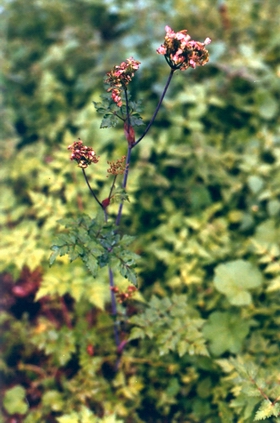
Dong Quai
Angelica sinensis
The empress of blood tonics — TCM’s foremost herb for nourishing and moving blood, central to women’s formulas for 2,000 years.
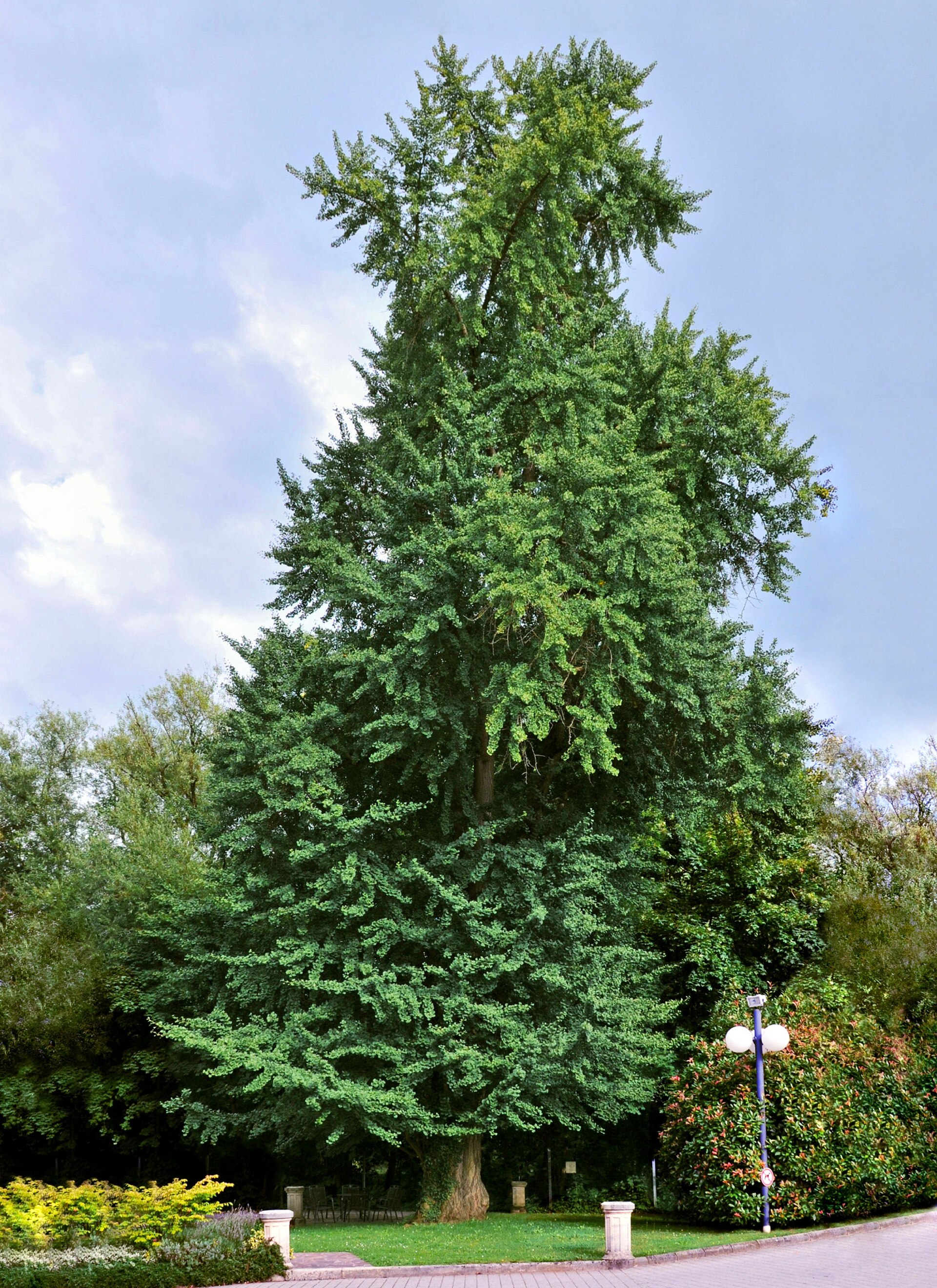
Ginkgo Biloba
Ginkgo biloba
A living fossil over 200 million years old — the premier circulatory and cognitive herb of modern phytotherapy.
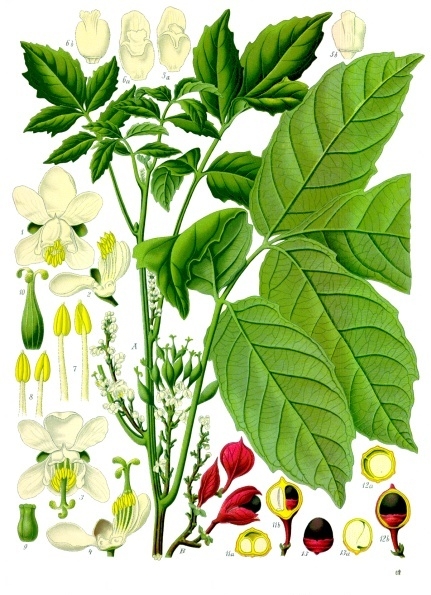
Guaraná
Paullinia cupana
The Amazonian "eye fruit" — a climbing vine whose caffeine-rich seeds have been used by the Sateré-Mawé people for centuries as a stimulant, now the world's most concentrated natural source of caffeine.
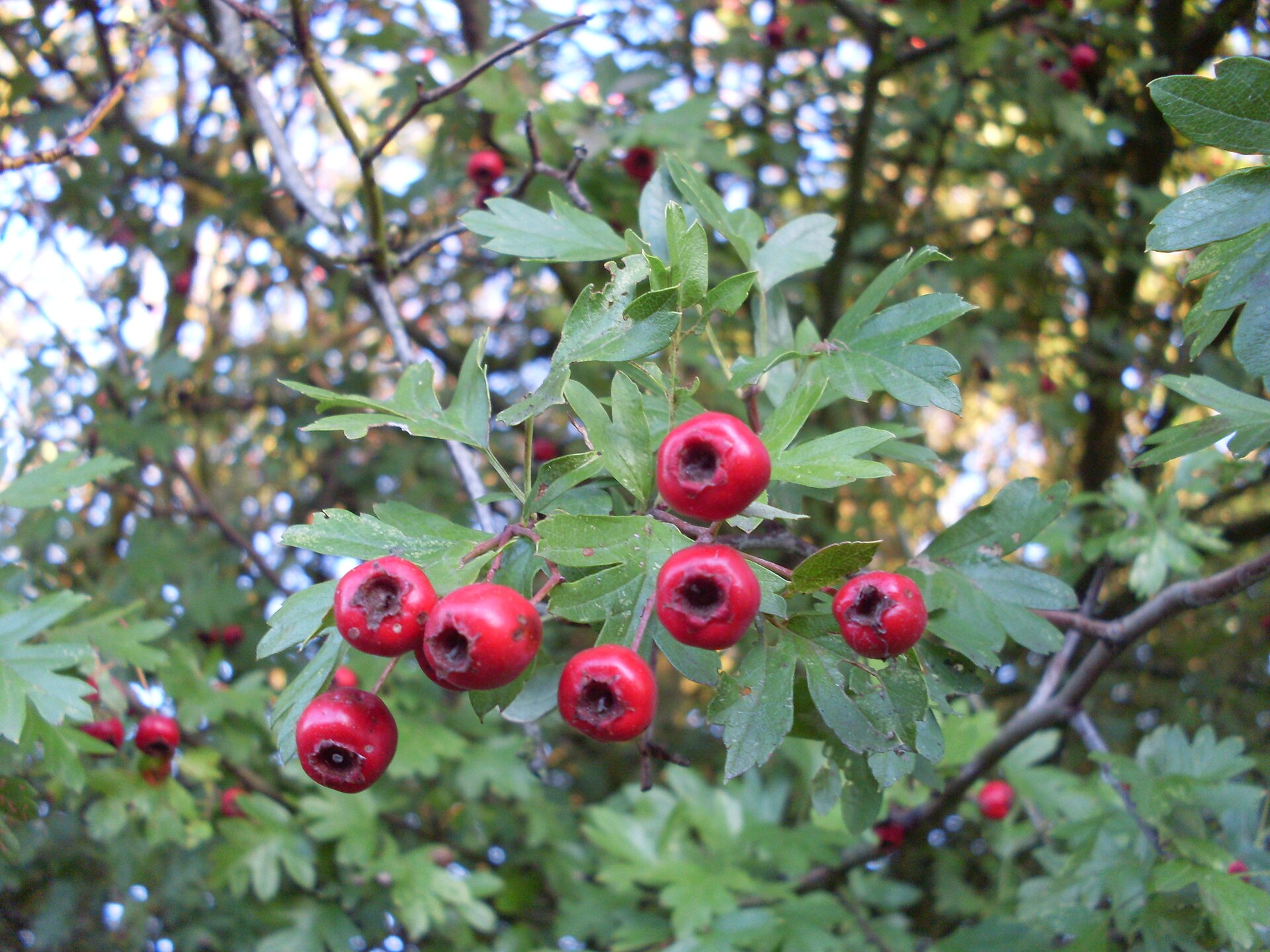
Hawthorn
Crataegus monogyna
The heart’s herb — a gentle cardiotonic of European tradition with clinical evidence in heart failure and rich TCM digestive use.
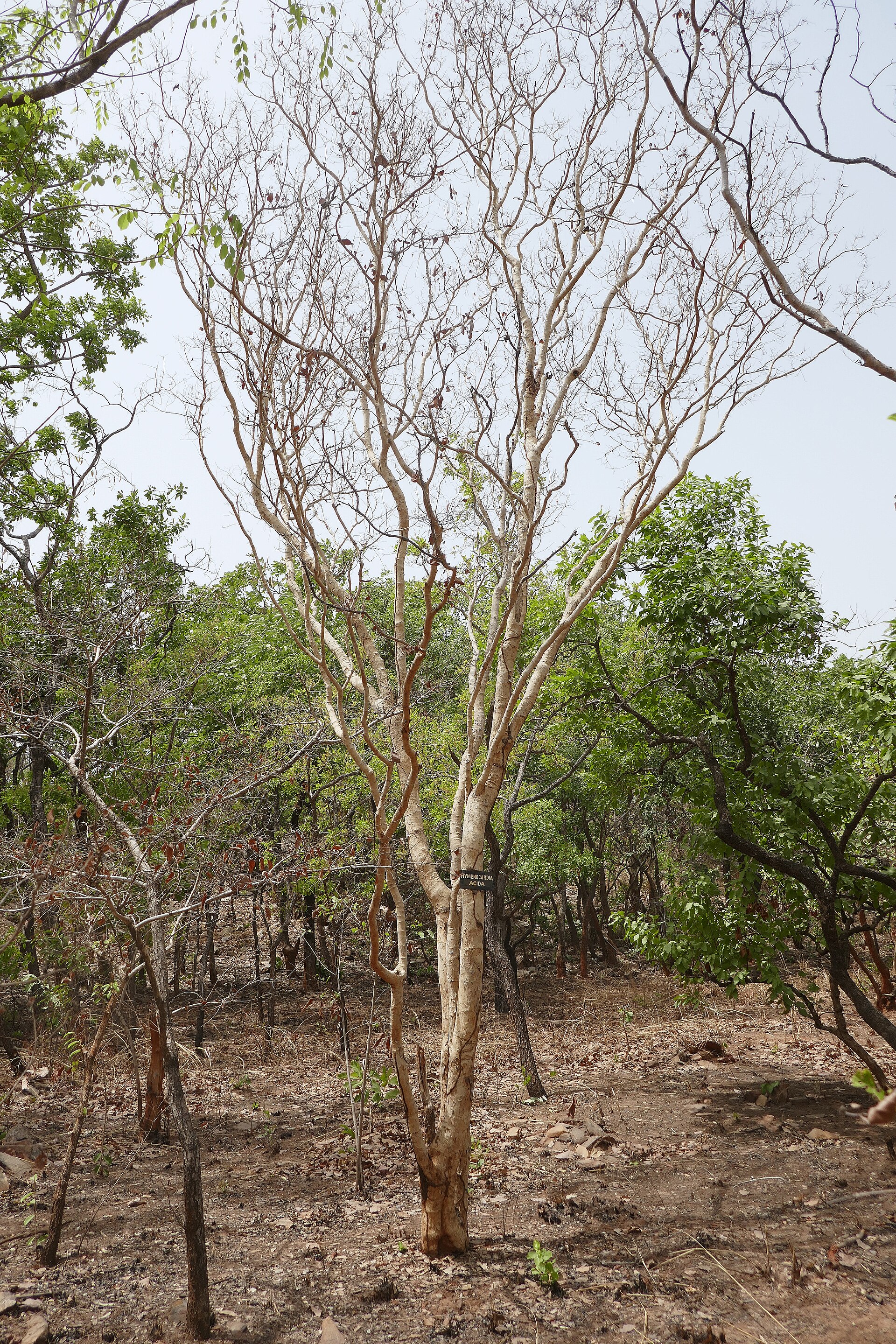
Heart-Fruit
Hymenocardia acida
A small savanna tree whose heart-shaped winged fruits give it its name — the bark and roots are used in West African medicine for malaria, diarrhoea, wound healing, and as an antivenom.
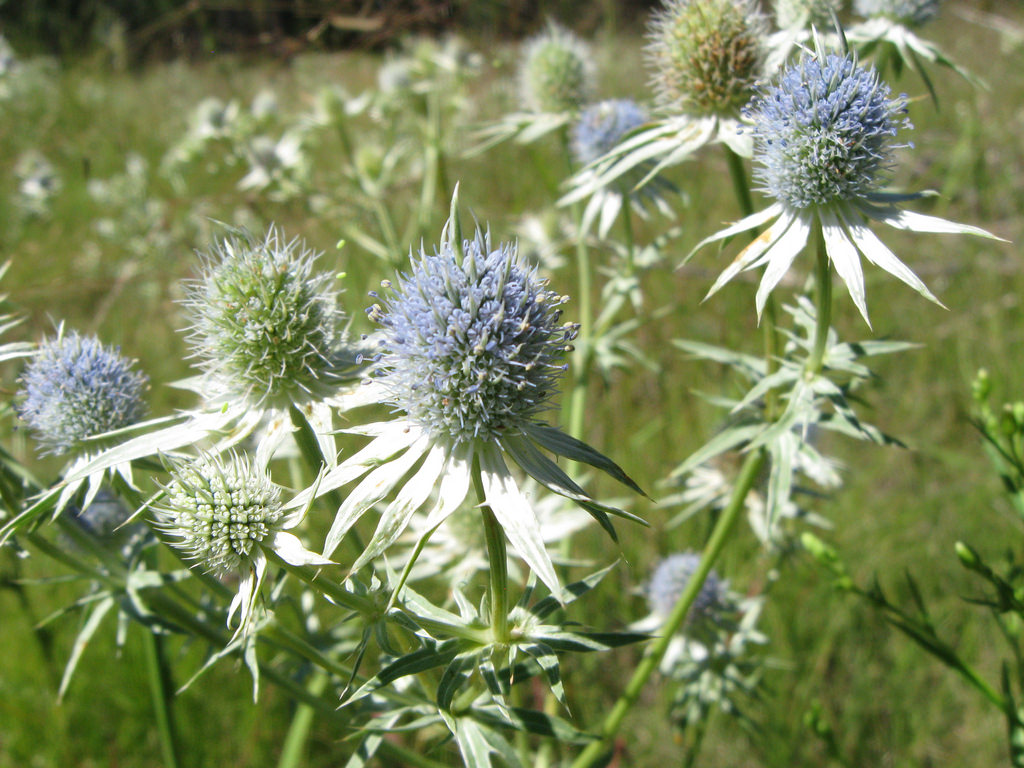
Hierba del Sapo
Eryngium heterophyllum
A spiny Mexican eryngo taken as a tea in folk medicine to lower cholesterol and triglycerides and to help dissolve gallstones and kidney stones.
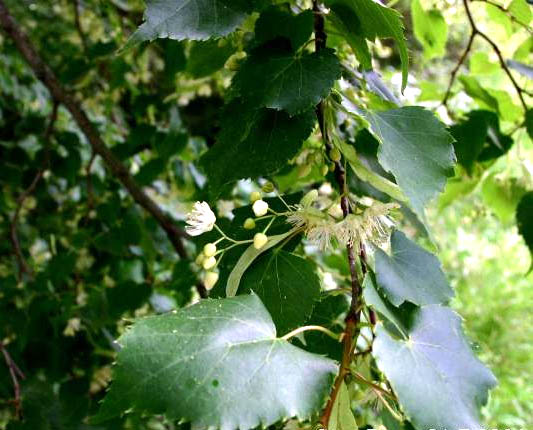
Linden
Tilia cordata
The beloved lime tree of European town squares — whose fragrant flowers make one of the most popular and gentle herbal teas in the world, prized for calming anxiety, lowering fevers and soothing colds.
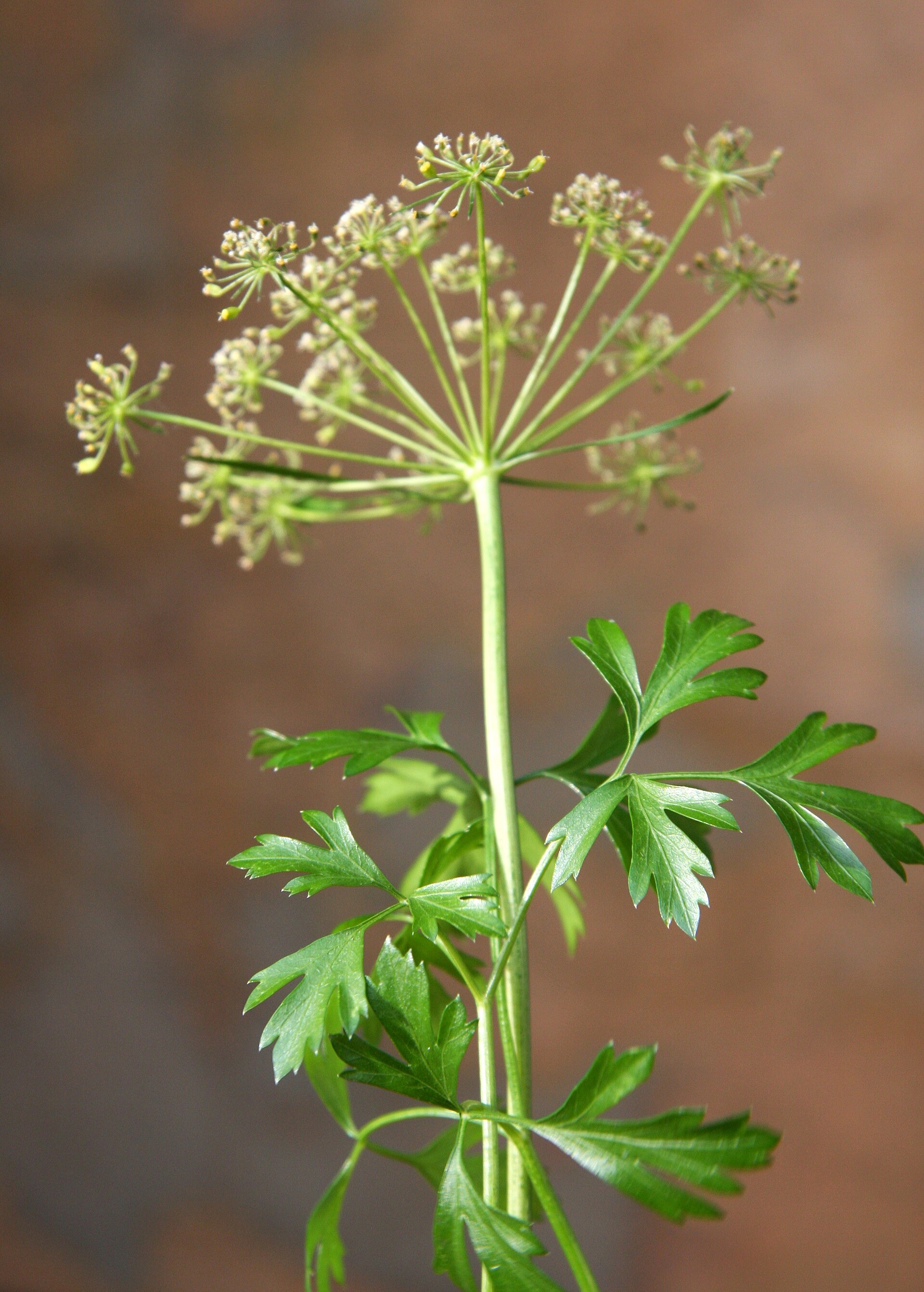
Parsley
Petroselinum crispum
Far more than a garnish — a potent diuretic, mineral-dense green and traditional emmenagogue with a genuinely important pregnancy caution.
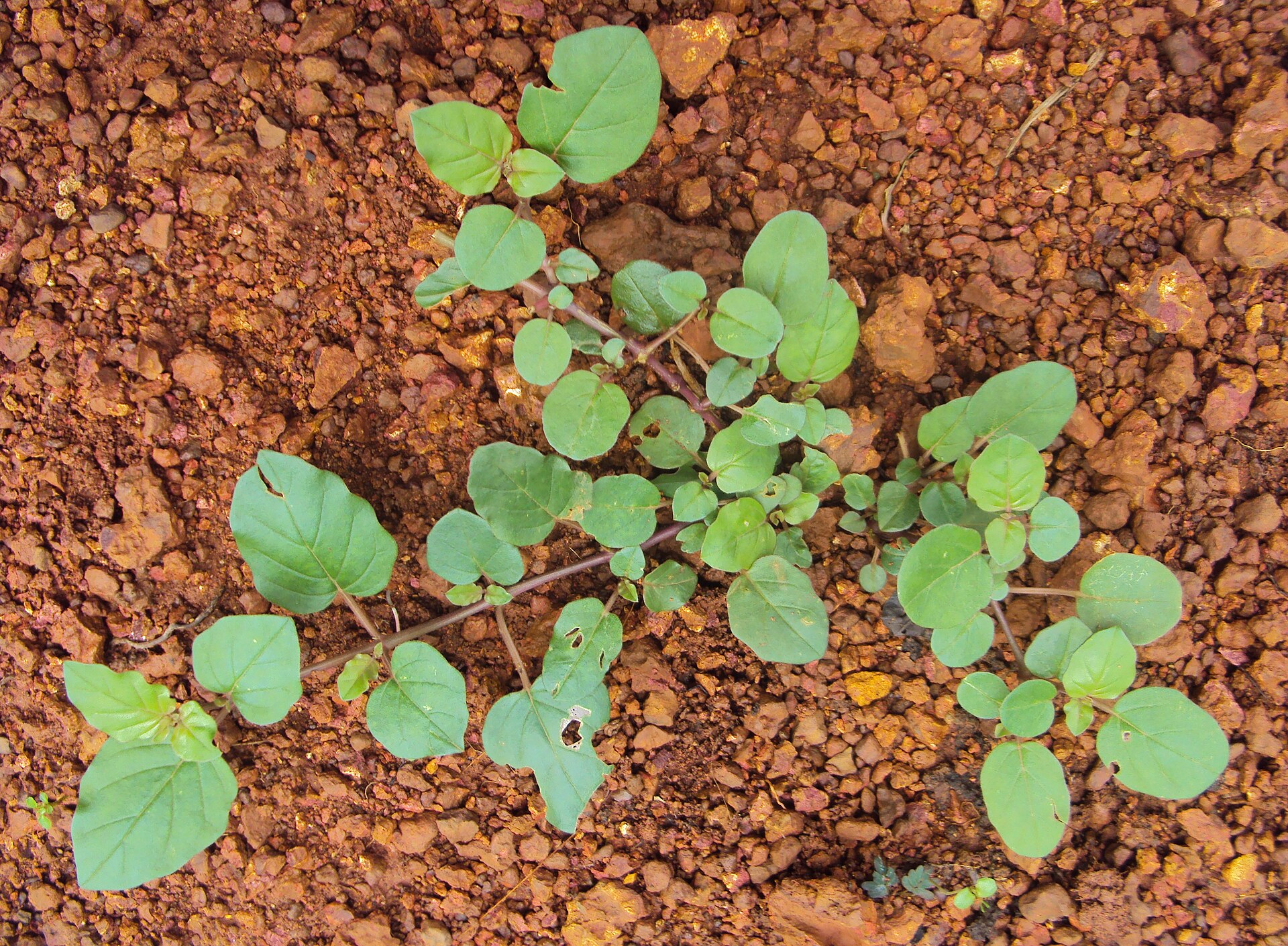
Punarnava
Boerhavia diffusa
The "renewer" of Ayurveda — named for its ability to regenerate from its rootstock, Punarnava is the premier herb for reducing oedema, supporting kidney function and "renewing" the body's water balance.
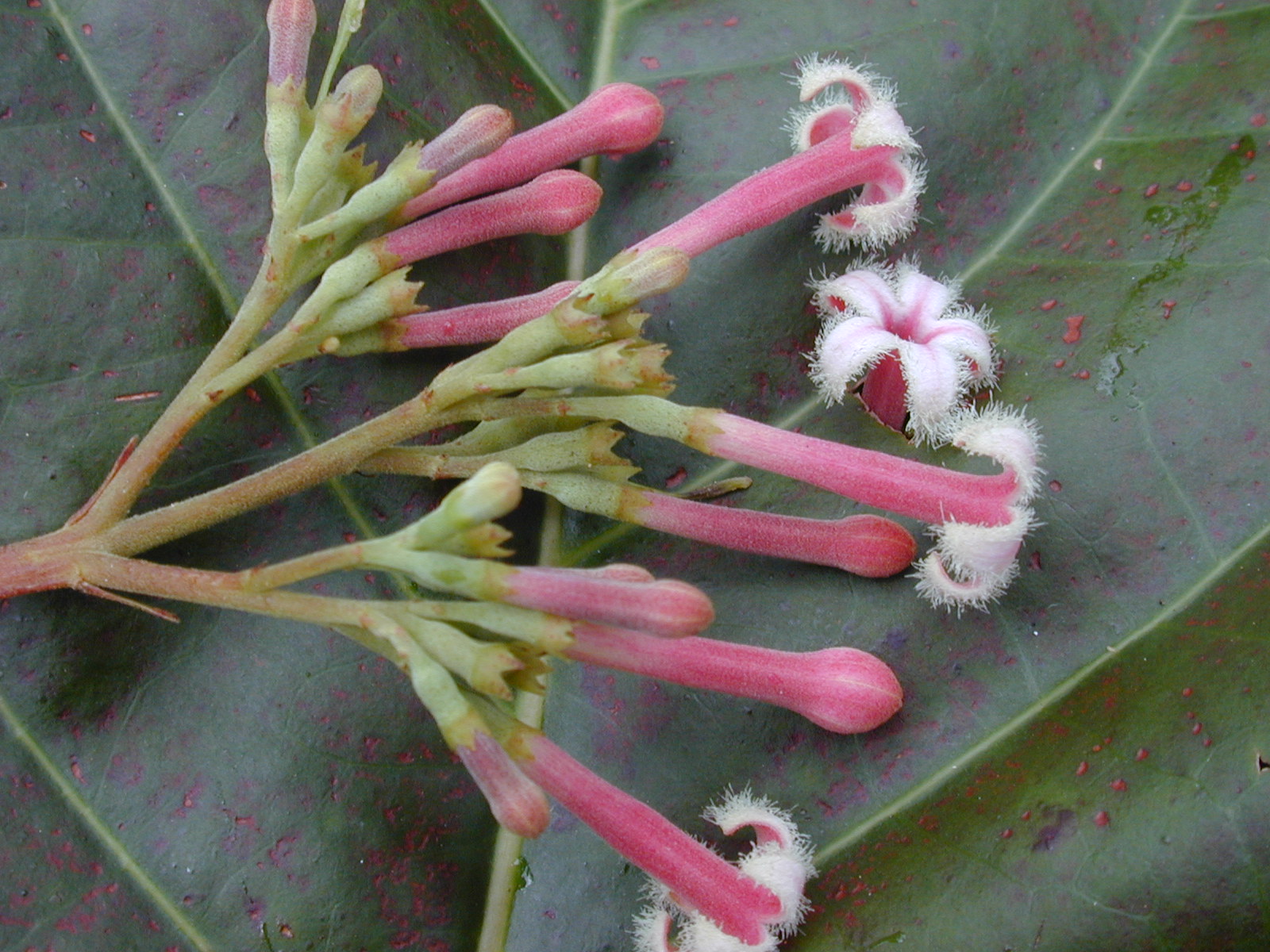
Red Cinchona
Cinchona pubescens
The original source of quinine — the bark that changed world history by enabling treatment of malaria. Now cultivated in West and Central Africa, it remains a vital traditional antimalarial but carries serious cardiac risks.
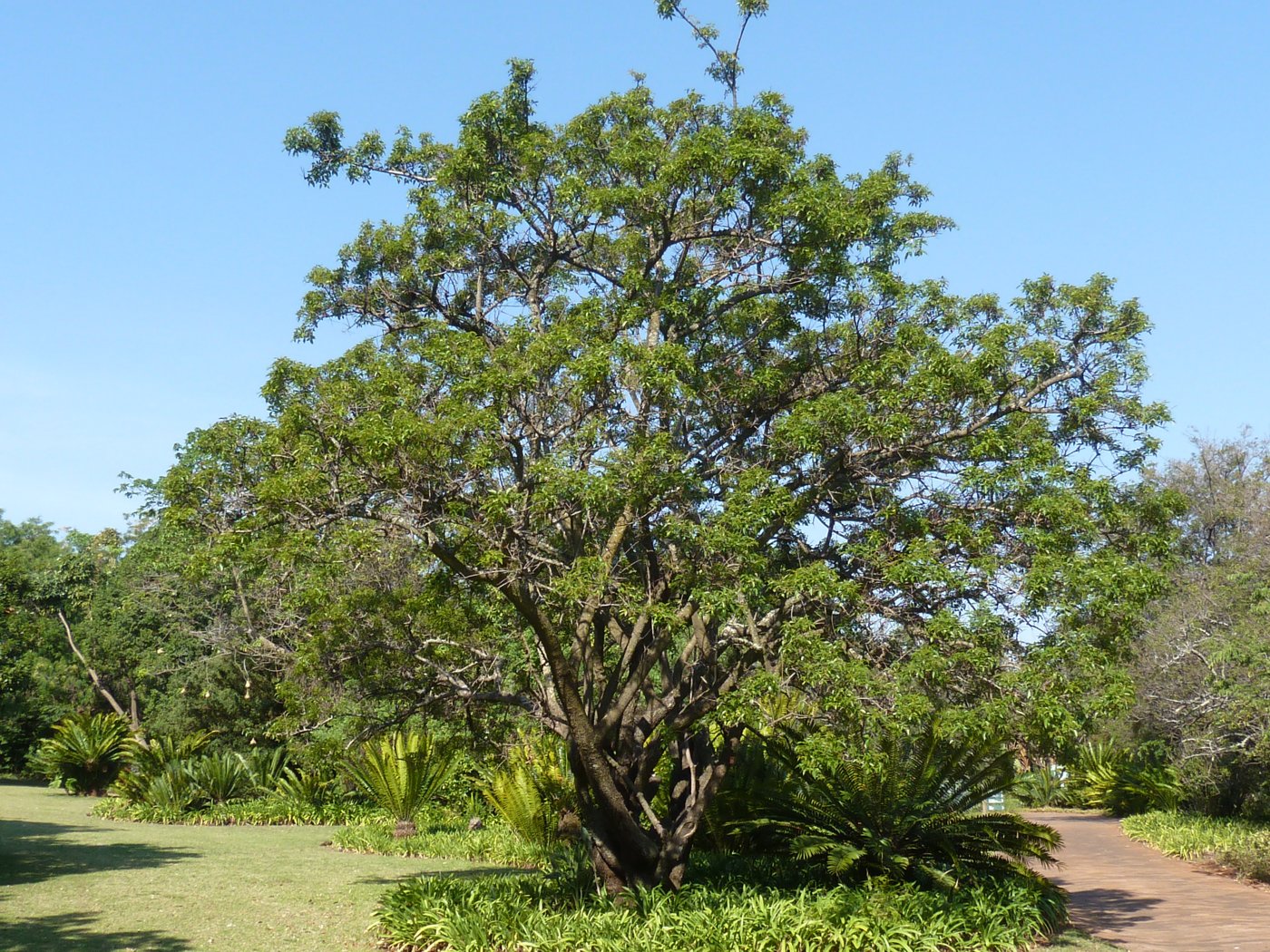
Red Currant (Bushman’s Tea Relative)
Searsia chirindensis
A southern African tree of the mango and cashew family whose bark and roots are used for heart palpitations, mental unrest, rheumatism and stomach complaints.
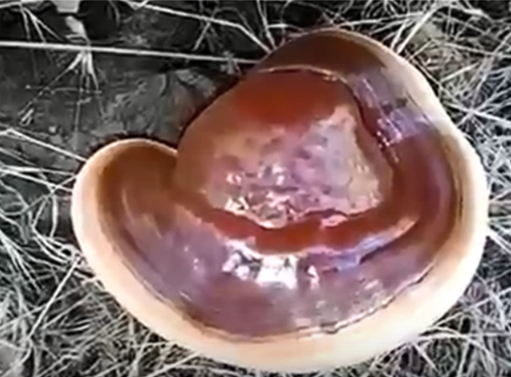
Reishi
Ganoderma lucidum
The "Mushroom of Immortality" — revered in East Asian medicine for over two millennia as a calming, immune-modulating spiritual tonic. One of the most researched medicinal mushrooms in the world.
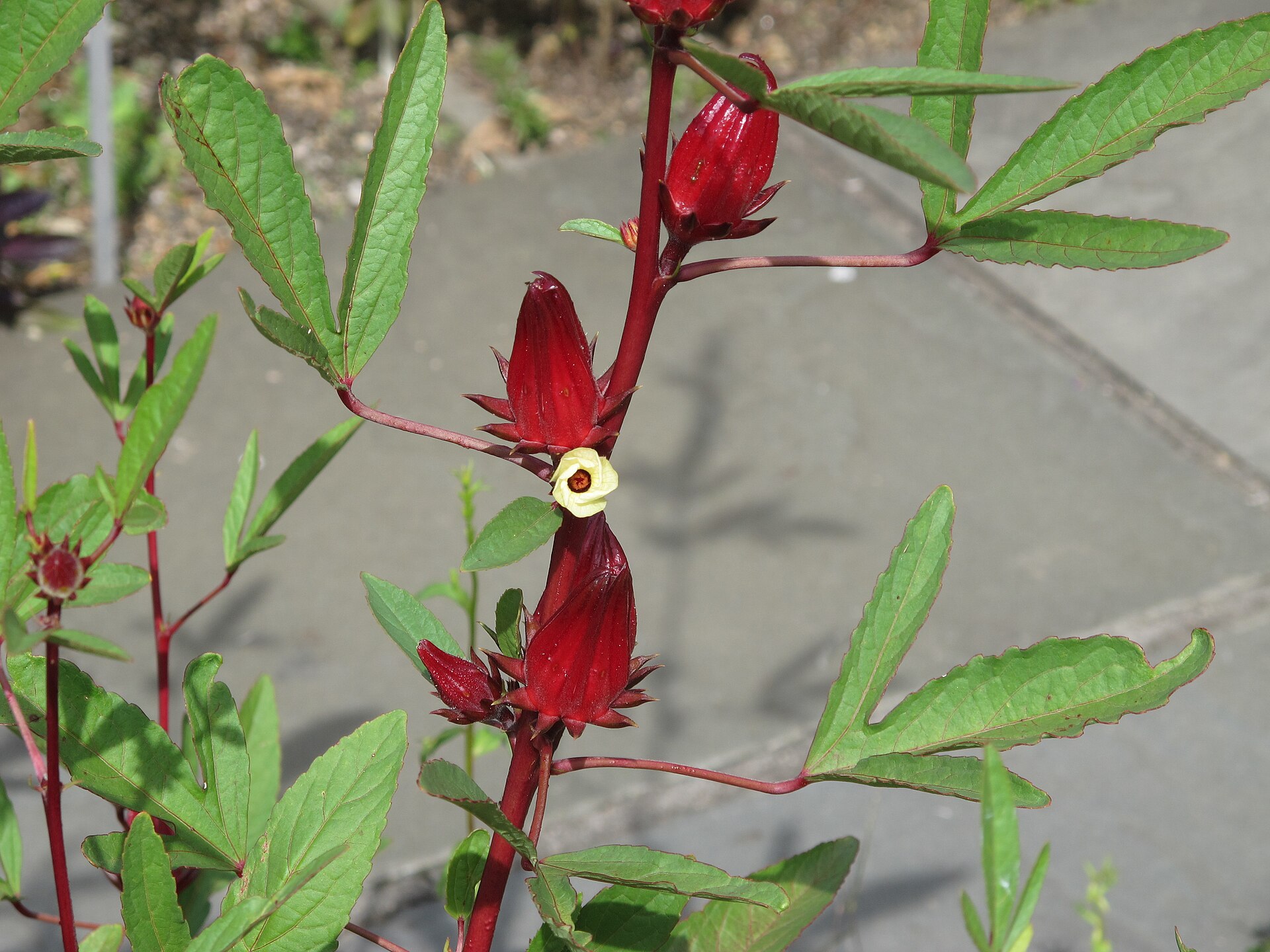
Roselle
Hibiscus sabdariffa
The crimson calyces brewed into the iconic red beverage of West Africa, the Caribbean, and Latin America — clinically proven to lower blood pressure and rich in anthocyanins with antioxidant and hepatoprotective activity.
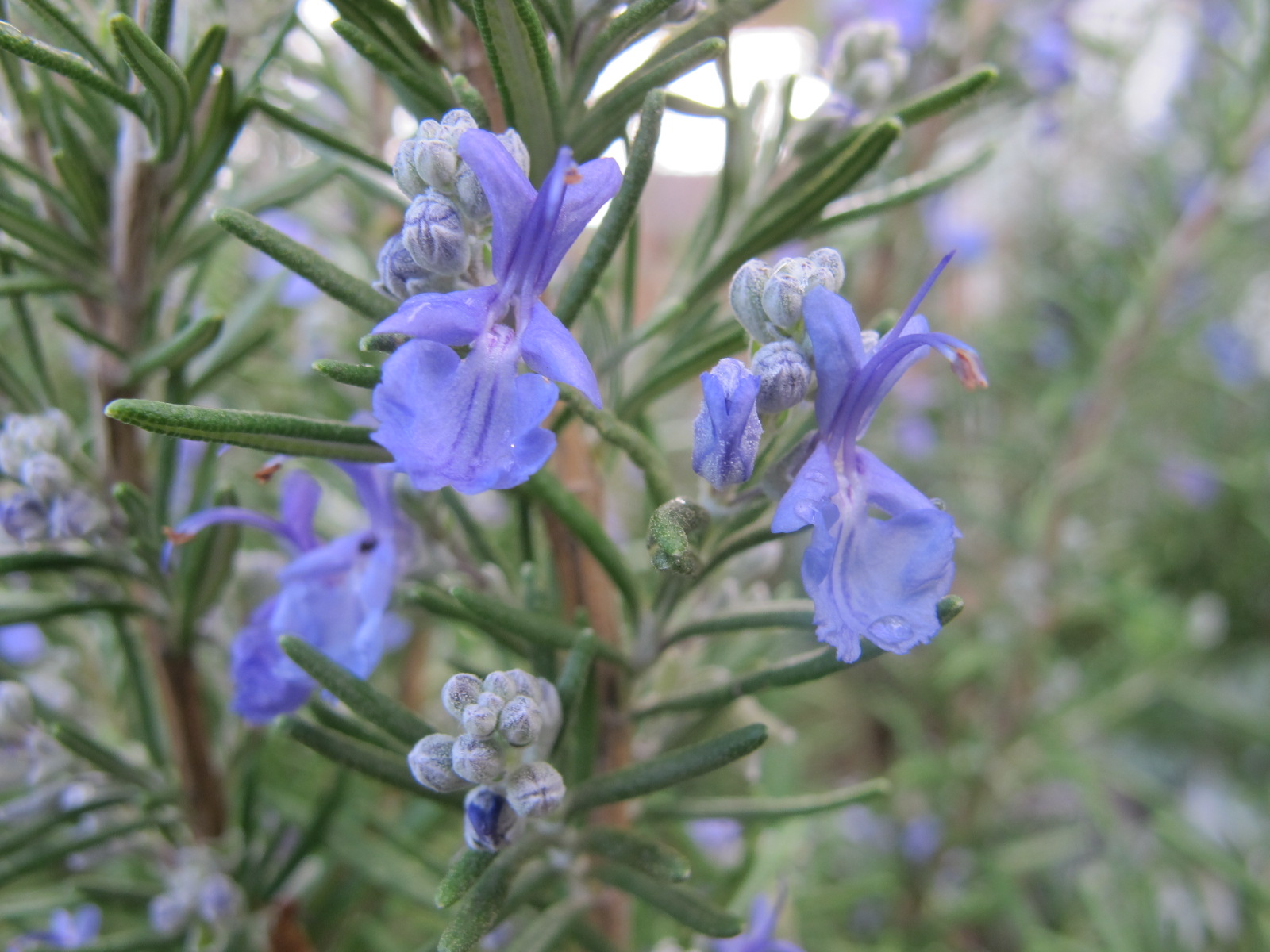
Rosemary
Salvia rosmarinus (syn. Rosmarinus officinalis)
Rosemary is the classic herb of remembrance — modern research confirms its carnosic acid and aromatic oils support memory, circulation, and healthy hair growth.
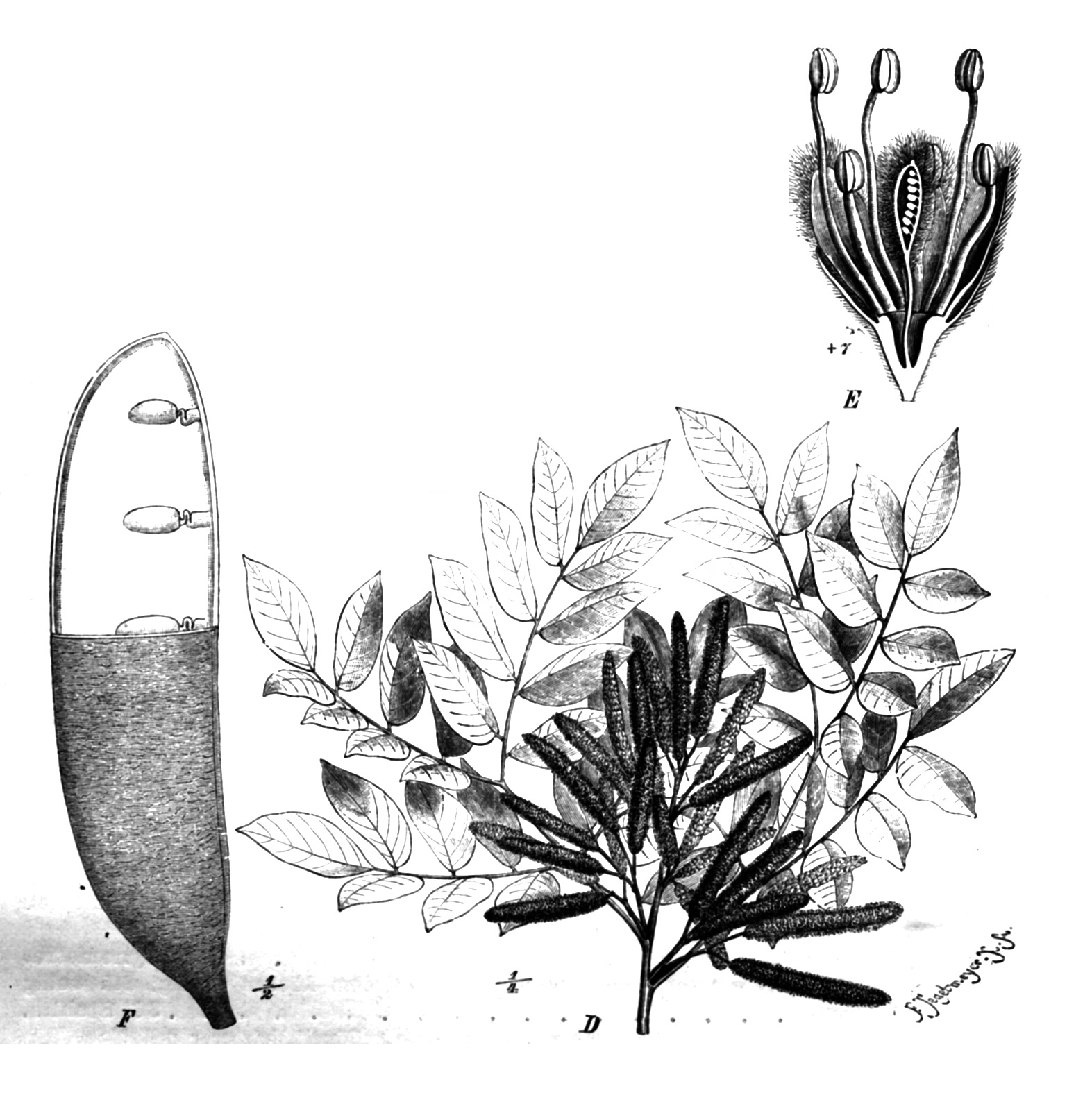
Sasswood
Erythrophleum ivorense
A notorious West African "ordeal tree" — historically used in judicial poison trials. The bark contains lethal cardiac alkaloids but is used in carefully controlled doses for pain, infections, and as an arrow poison.
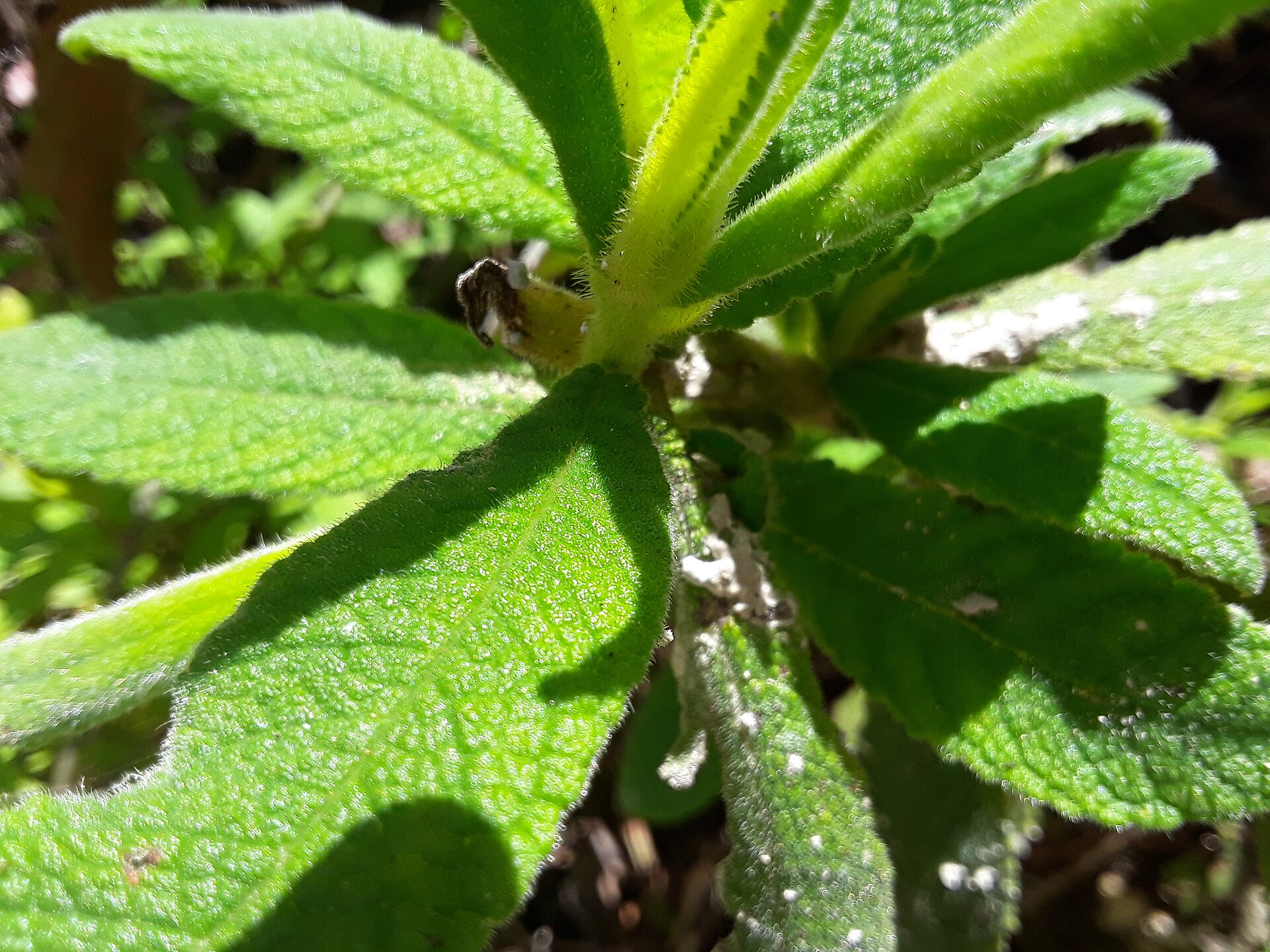
Search-Mi-Heart
Rhytidophyllum tomentosum
A Jamaican and Antillean shrub whose evocative name reflects its use as a chest and heart remedy — for coughs, colds, chest pain and as a cleansing bush tea.
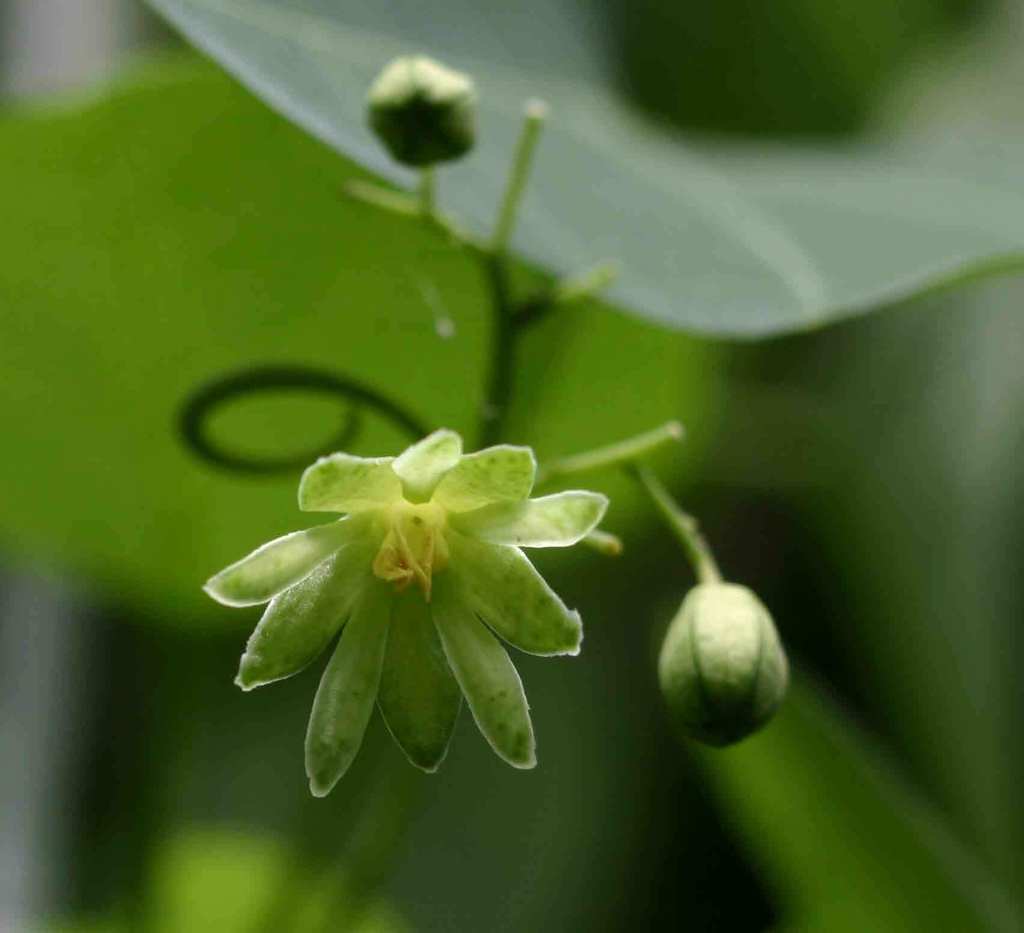
Snake Climber (Adenia)
Adenia gummifera
A green-stemmed African climber used traditionally as a blood tonic, for malaria and headaches and in protective charms — but the genus contains toxins, so caution is needed.
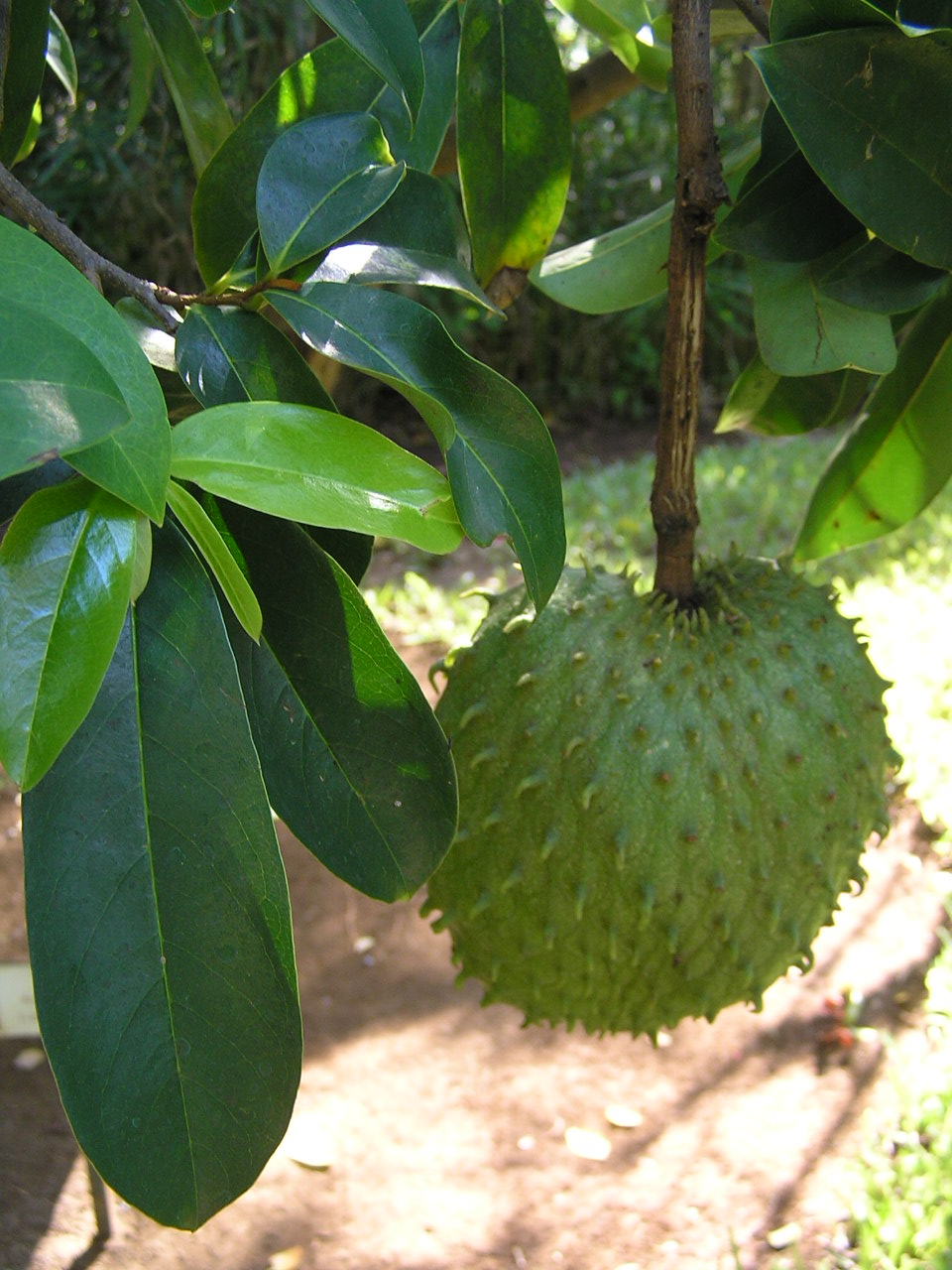
Soursop
Annona muricata
A Caribbean fruit tree whose leaves are drunk as a calming bedtime tea and promoted heavily as an anti-cancer remedy — a claim that outruns the evidence and carries a real neurological safety concern.
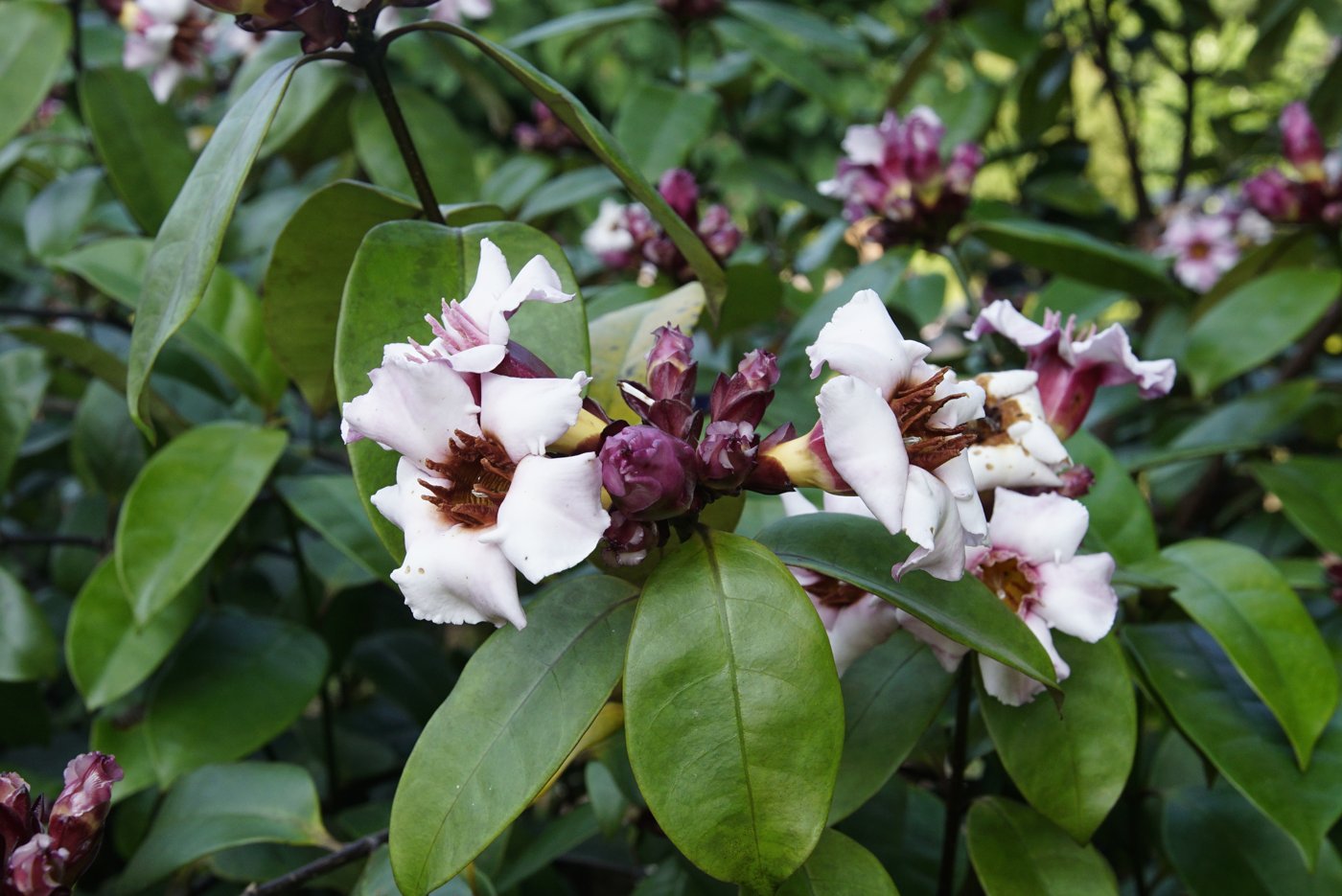
Strophanthus (Arrow Poison)
Strophanthus gratus
An African vine whose seeds yield the potent cardiac glycoside ouabain; a traditional arrow poison and the historical source of a heart drug — toxic and not for self-care.
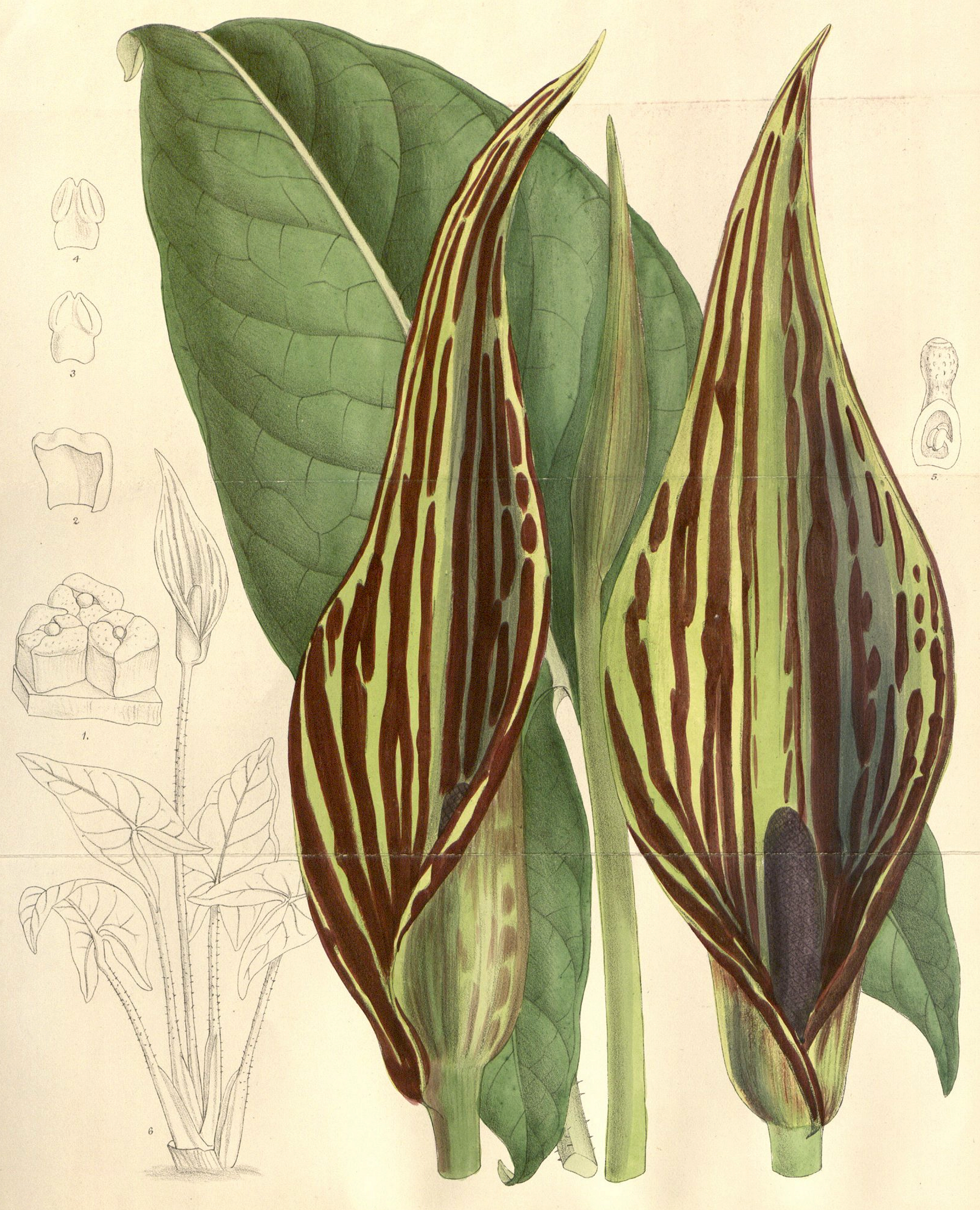
Swamp Arum
Lasimorpha senegalensis
A large spiny-stemmed swamp plant from West African wetlands, used traditionally for treating piles, haemorrhoids, oedema, and inflammatory conditions. The rhizome and leaf stalks are the primary medicinal parts.
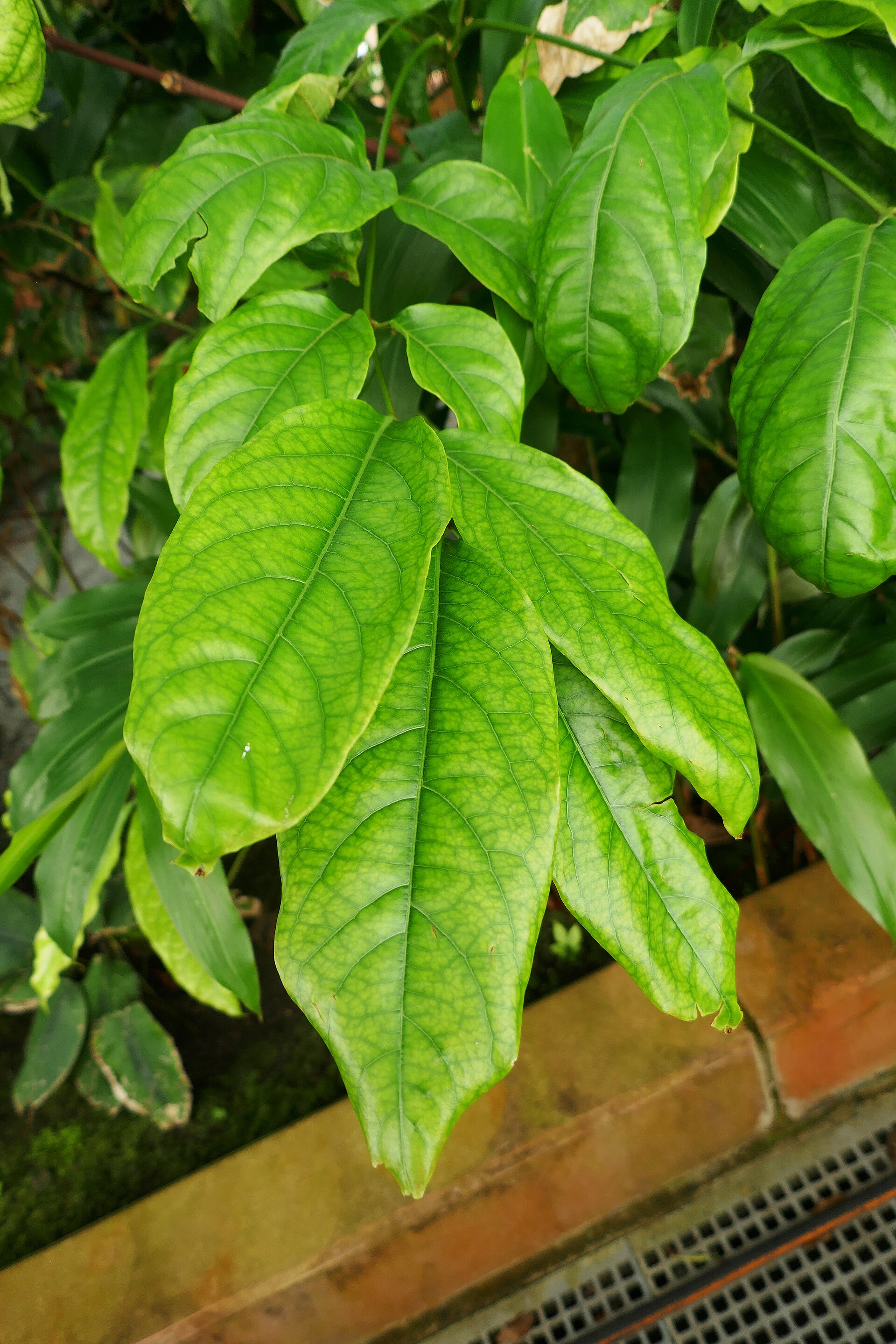
Swizzlestick Tree
Rauvolfia vomitoria
The African source of reserpine — a root-bark alkaloid that revolutionised hypertension and psychiatric treatment in the 1950s but carries serious risks of depression, parkinsonism, and dangerous drug interactions.
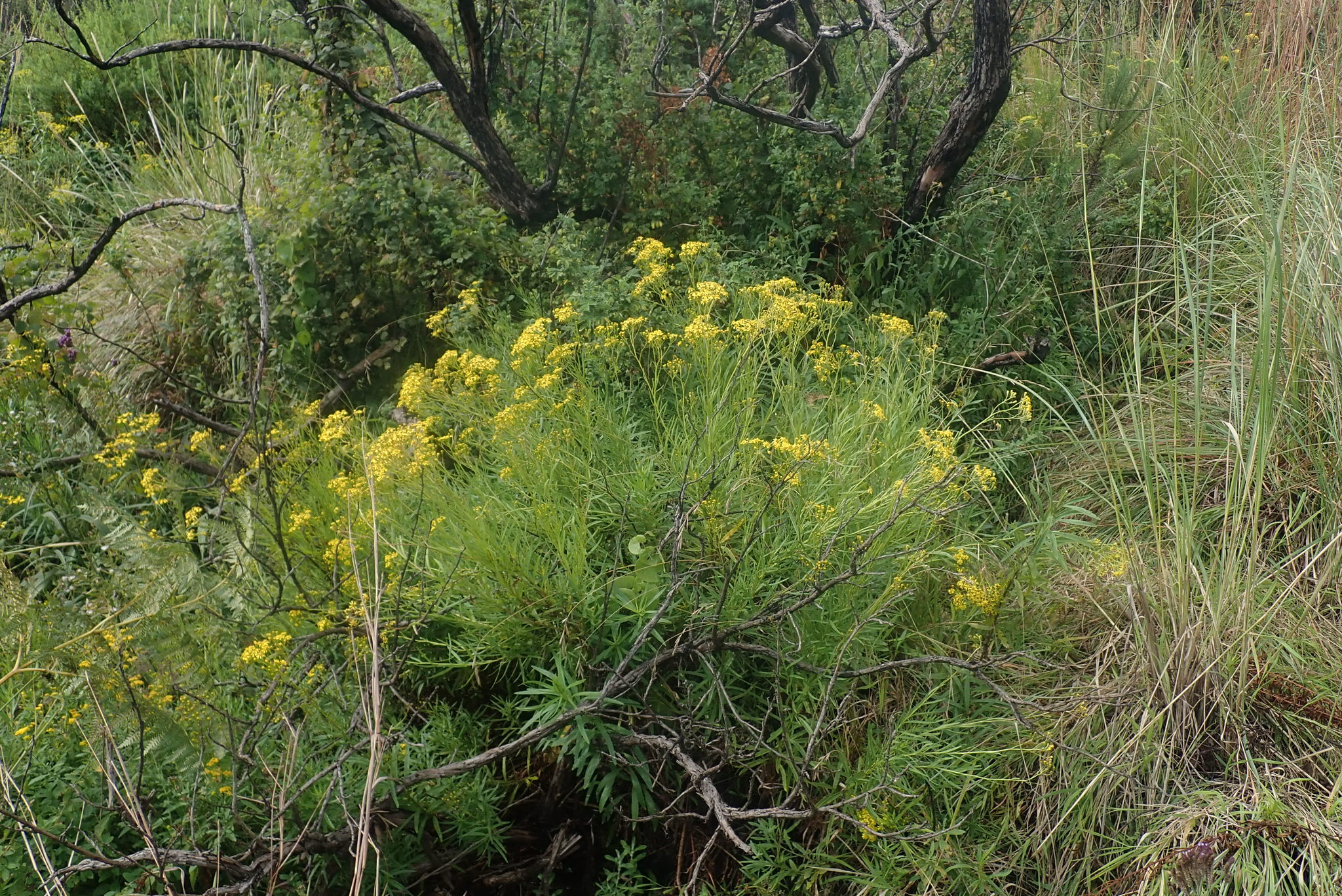
Two-Day Cure (Insukumbili)
Senecio serratuloides
A South African herb famed as a rapid wound and sore healer, but belonging to a genus that contains liver-damaging pyrrolizidine alkaloids — so best used topically.
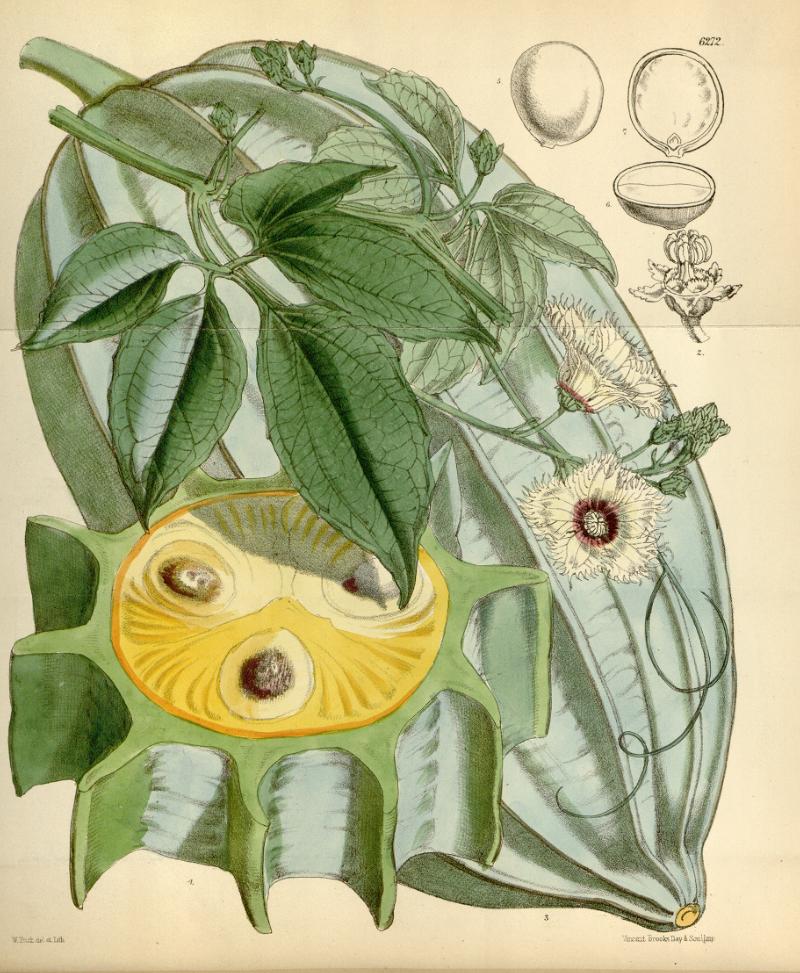
Ugu Leaves
Telfairia occidentalis
A Nigerian leafy vegetable and blood tonic, famous in Igbo medicine for treating anaemia. The leaf juice is one of the most widely used haematinics in West Africa.
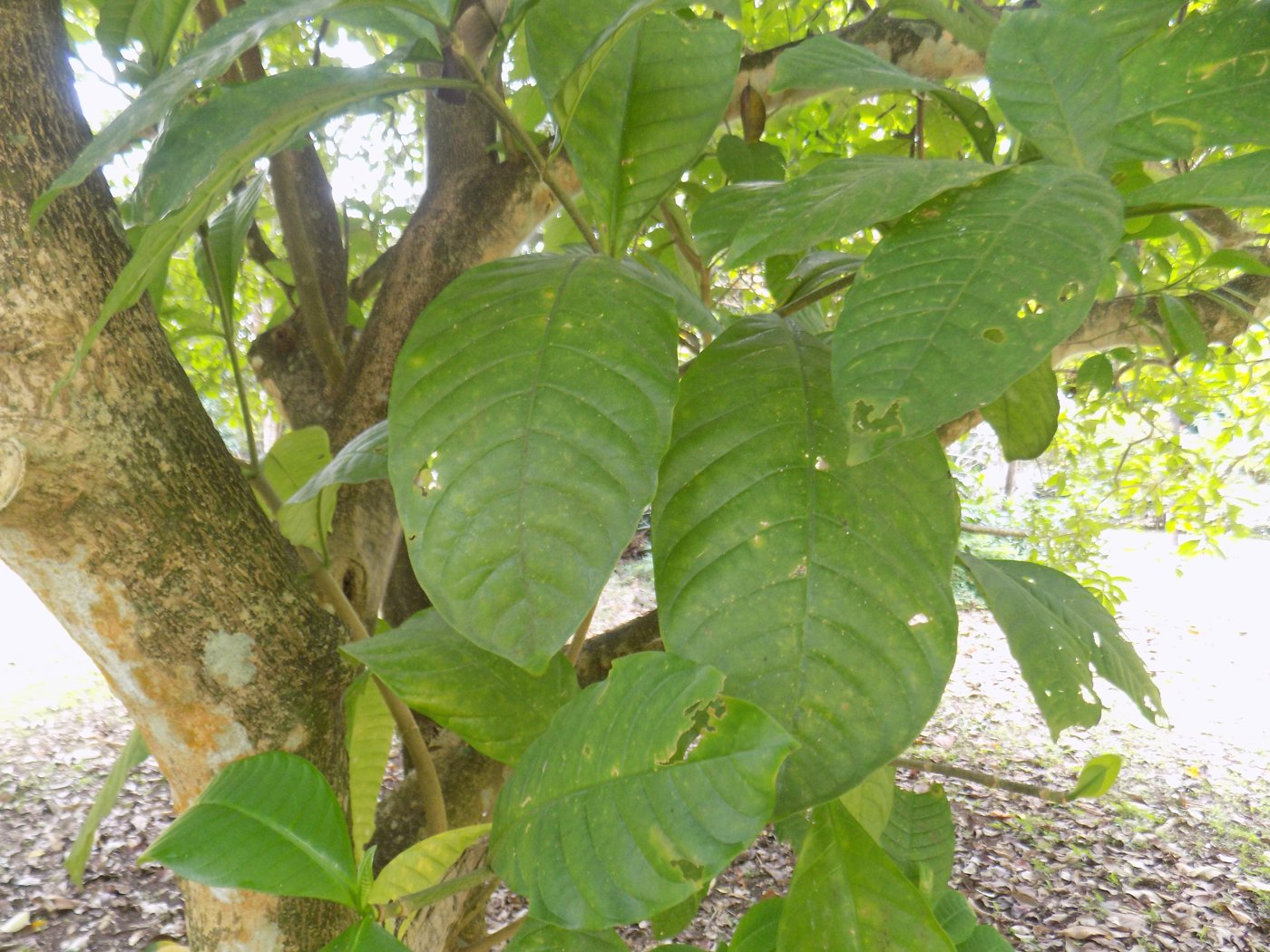
Voacanga
Voacanga africana
A West African tree whose alkaloid-rich seeds and bark are used traditionally as a stimulant and remedy — and are an industrial source of alkaloids related to those in iboga.
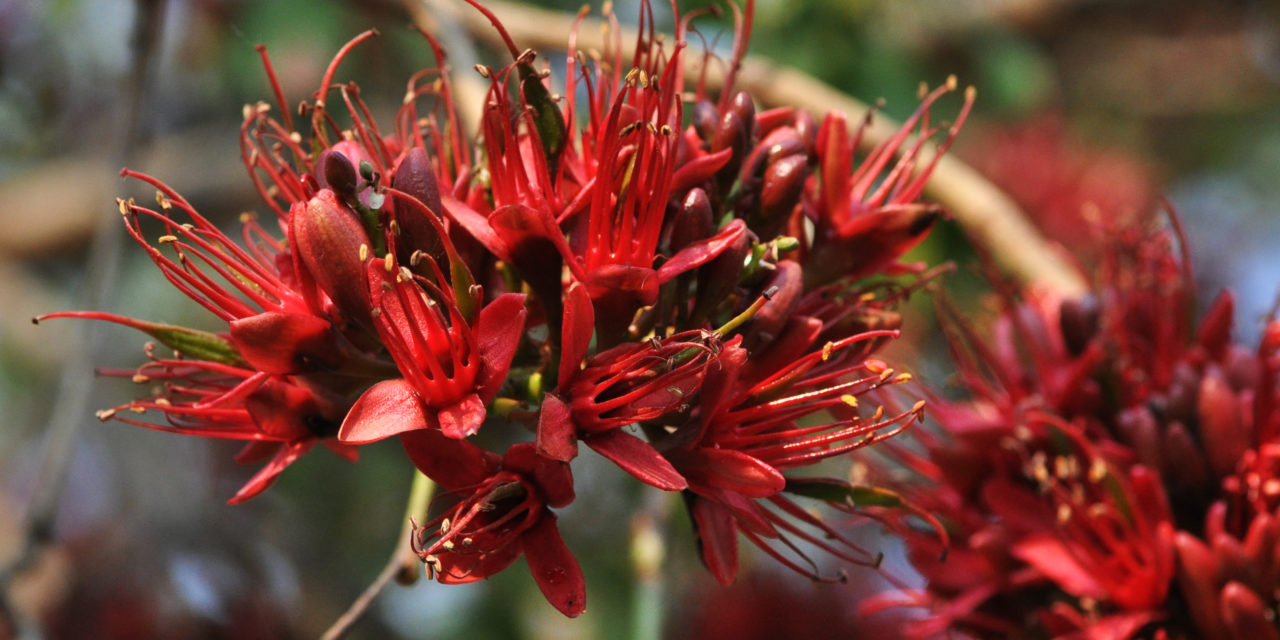
Weeping Boer-bean
Schotia brachypetala
A striking southern African legume tree whose bark is used for heartburn, diarrhoea, hangover and “blood” complaints, and whose seeds are eaten as food.
Looking for something else?
Browse the full library