Flush, cleanse, and support the urinary tract
Kidney & Urinary
Diuretic and soothing herbs traditionally used for urinary comfort and kidney and bladder health.
60 herbs in this collection
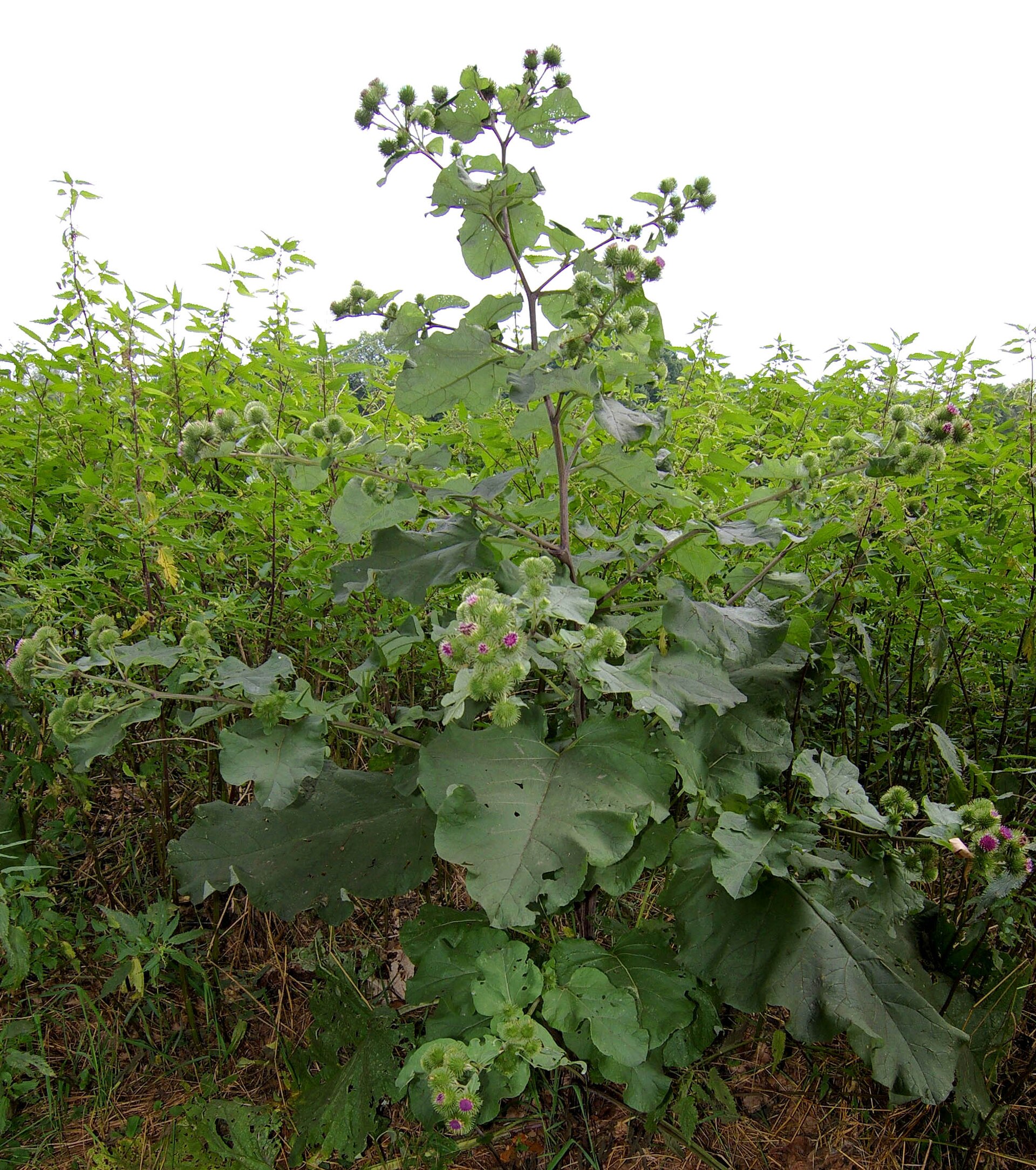
Burdock Root
Arctium lappa
The definitive Western alterative — a nutritive, inulin-rich root that works slowly and deeply on skin, lymph and liver.
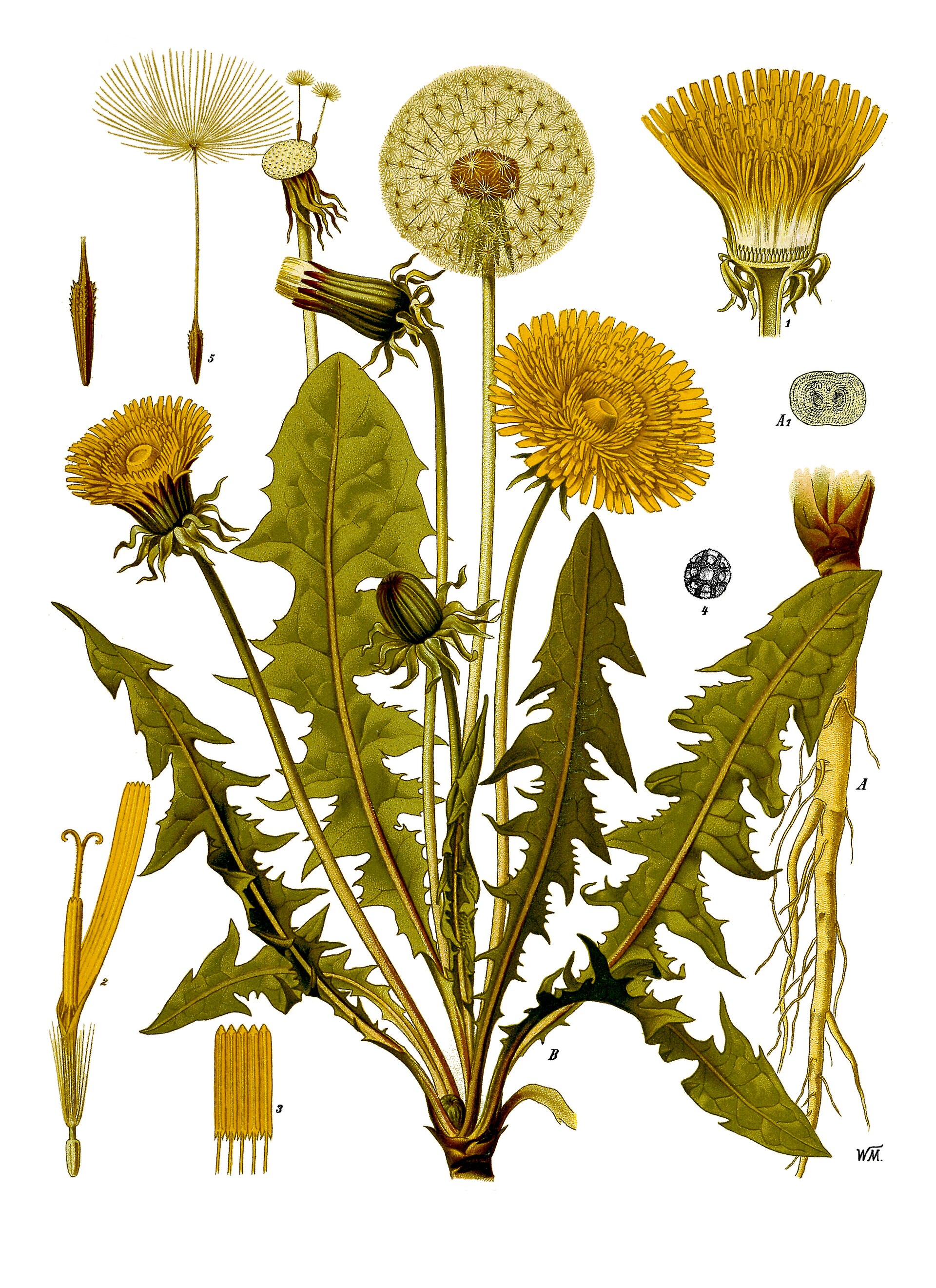
Dandelion
Taraxacum officinale
The garden “weed” that is a complete medicine — bitter leaves for water balance, roasted root for liver and digestion.
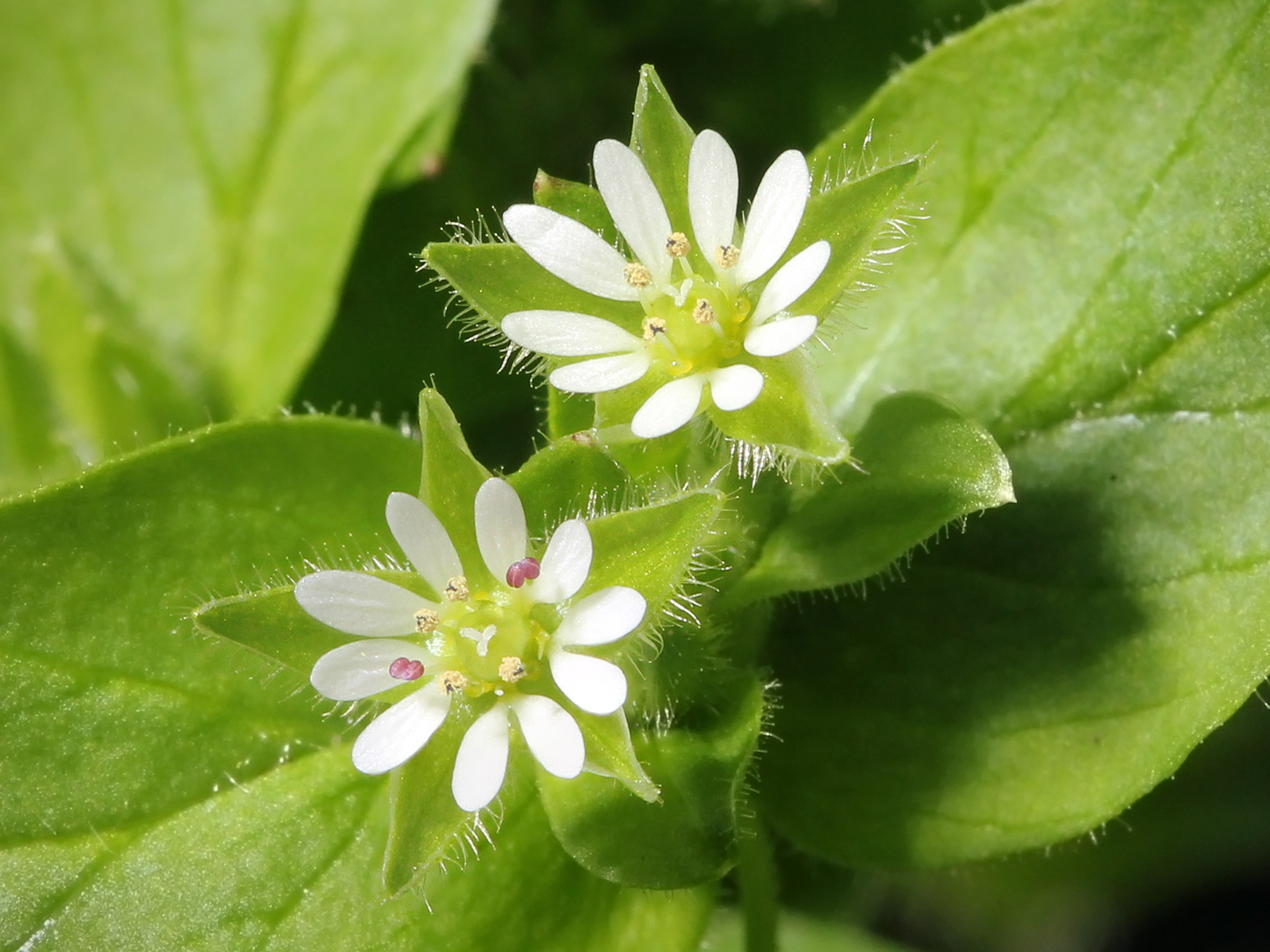
Chickweed
Stellaria media
A humble, cooling garden weed that is one of the finest herbs for itchy, hot, irritated skin — and a genuinely nutritious spring green.
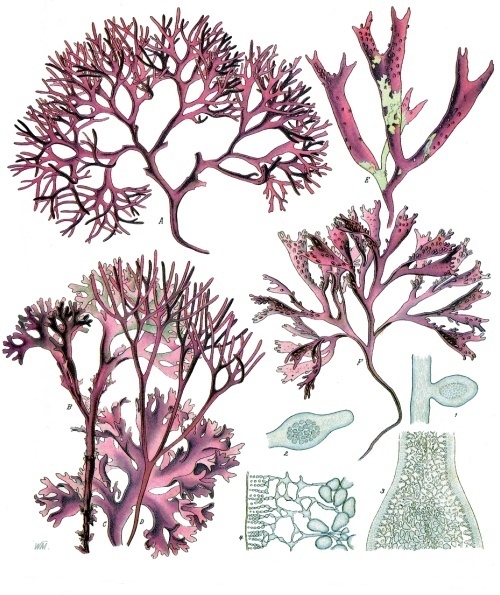
Irish Moss
Chondrus crispus
A mineral-dense red seaweed from the North Atlantic — a soothing demulcent for lungs and gut, and the original source of carrageenan.
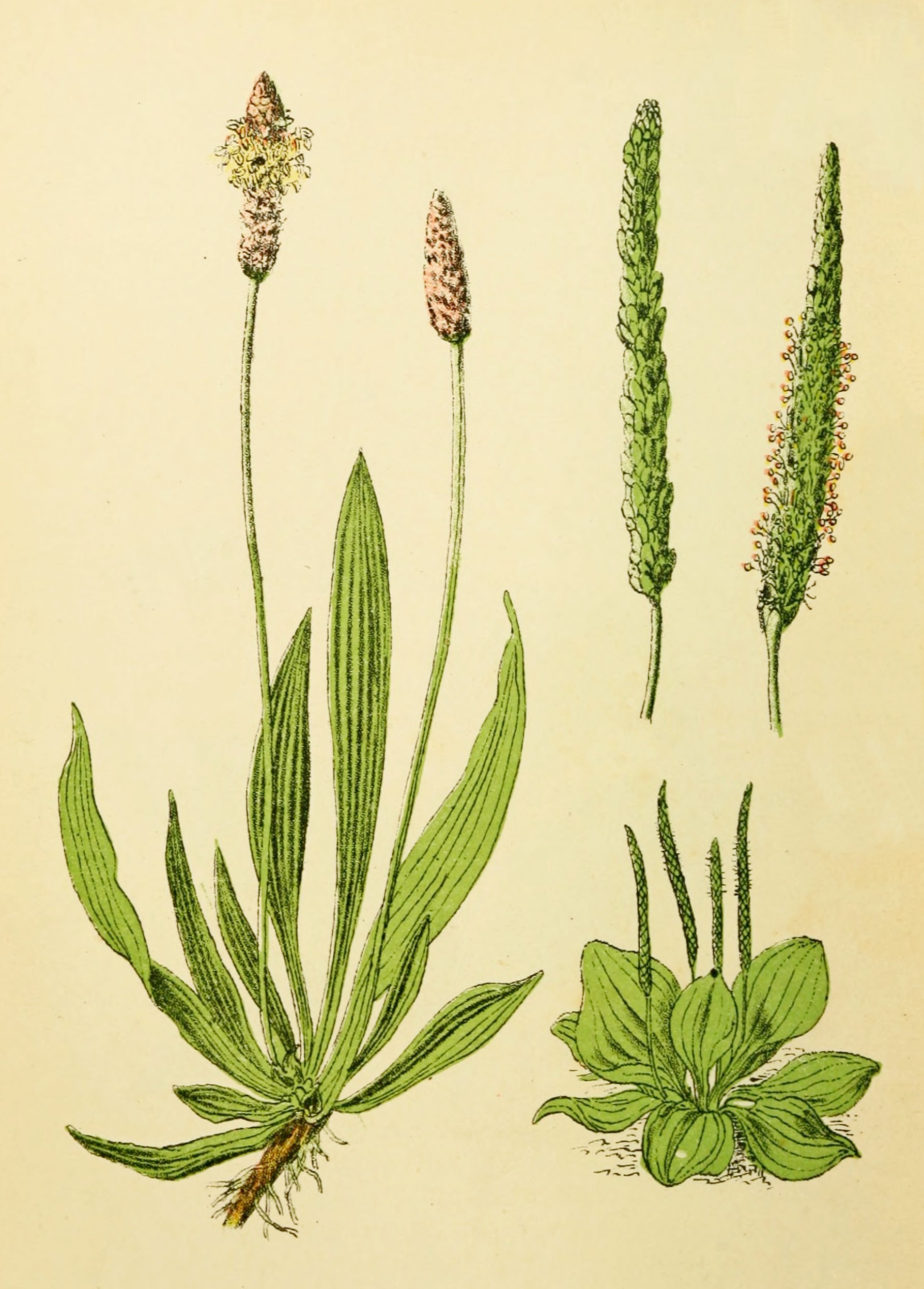
Plantain Leaf
Plantago major / Plantago lanceolata
The classic first-aid weed — chew a leaf, apply it to a sting or cut, and watch it work. Also a fine lung and gut demulcent.
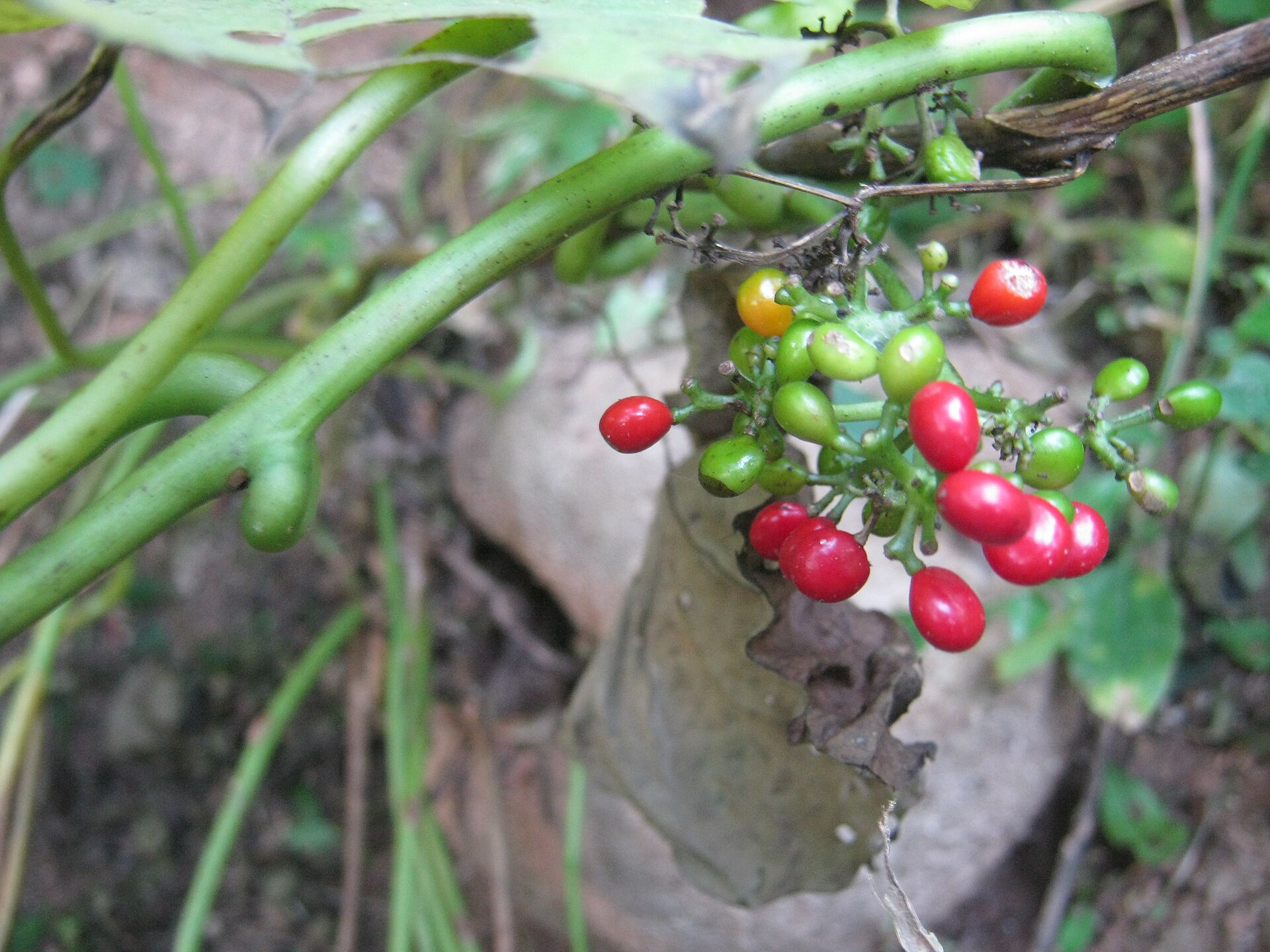
Abuta
Cissampelos pareira
Known across the Amazon and Caribbean as the "midwives' herb" — a climbing vine used for menstrual pain, difficult labour, fever and as a muscle relaxant.
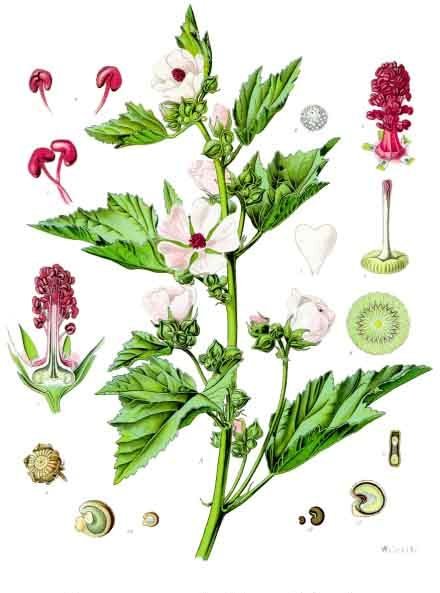
Marshmallow Root
Althaea officinalis
The gold-standard demulcent — up to 35% mucilage that physically coats and calms inflamed throat, gut and urinary tissue.
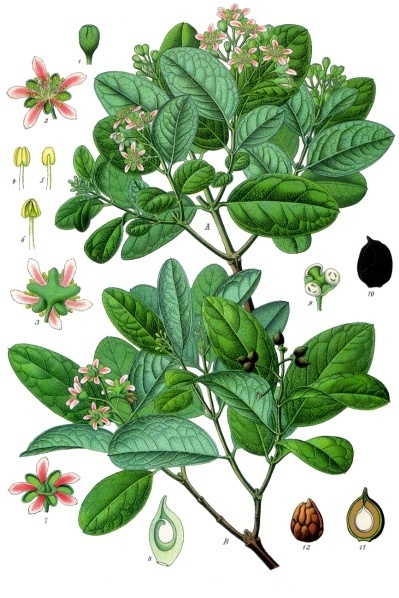
Boldo
Peumus boldus
Chile's national medicinal plant — an aromatic evergreen whose leaves are the most widely used digestive and liver remedy across South America, with well-established choleretic and hepatoprotective activity.
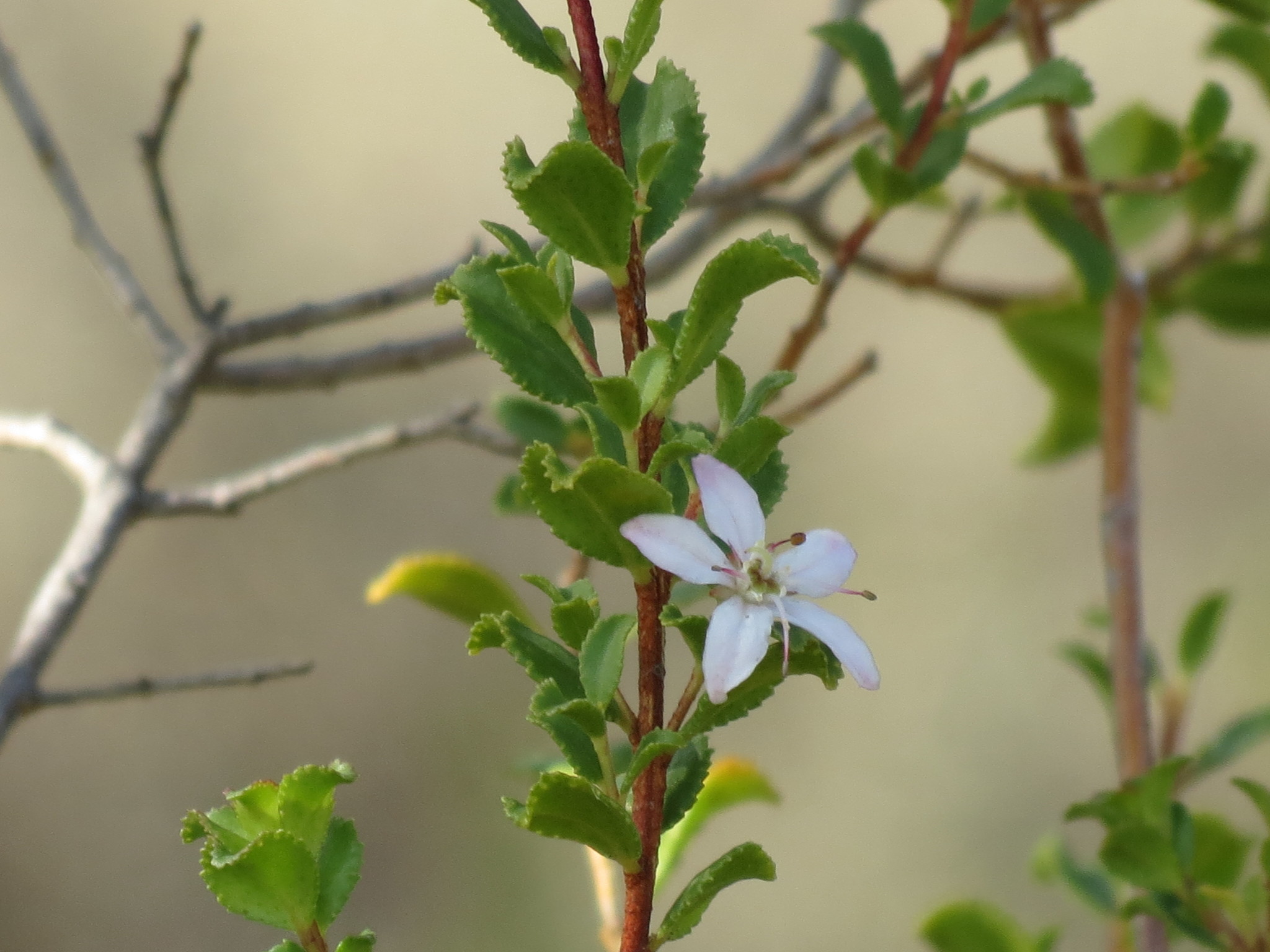
Buchu
Agathosma betulina
An aromatic South African fynbos shrub whose blackcurrant-scented leaves are one of the Cape’s most famous urinary and anti-inflammatory remedies.
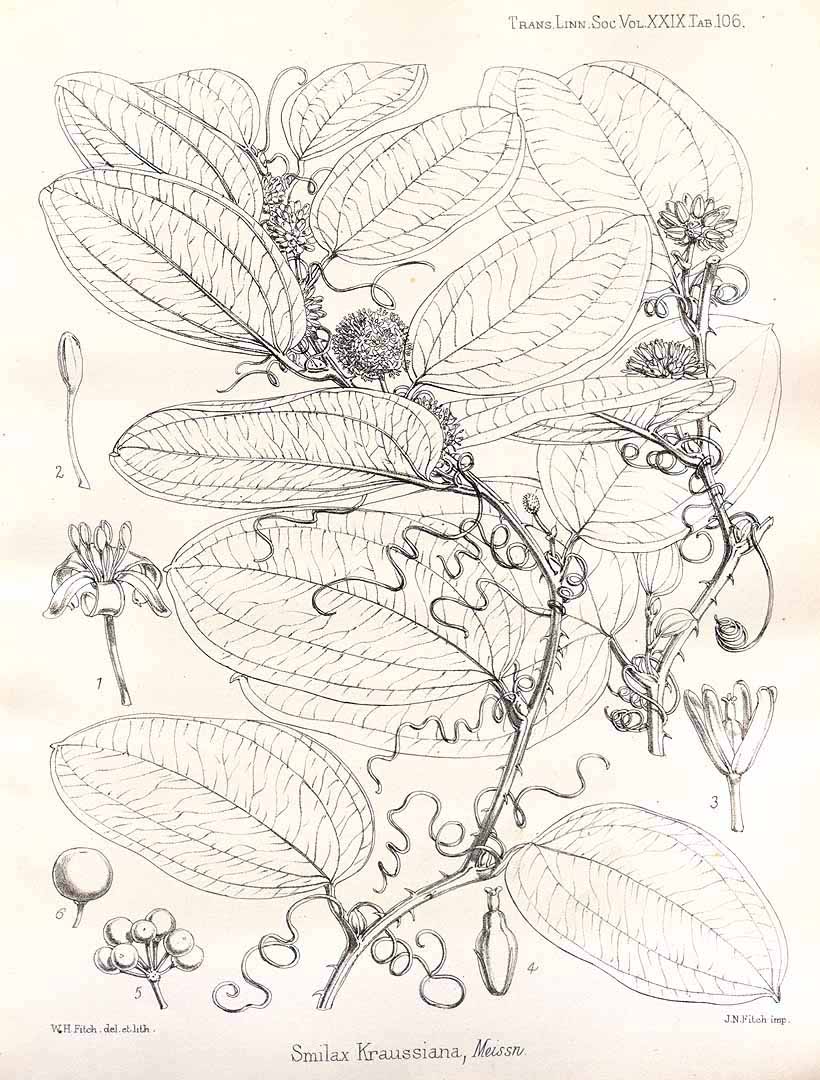
African Sarsaparilla
Smilax kraussiana
The African equivalent of the famous sarsaparilla — a thorny vine whose root and rhizome are used as a blood cleanser, tonic, and treatment for rheumatism, STIs, and skin conditions across West and Southern Africa.
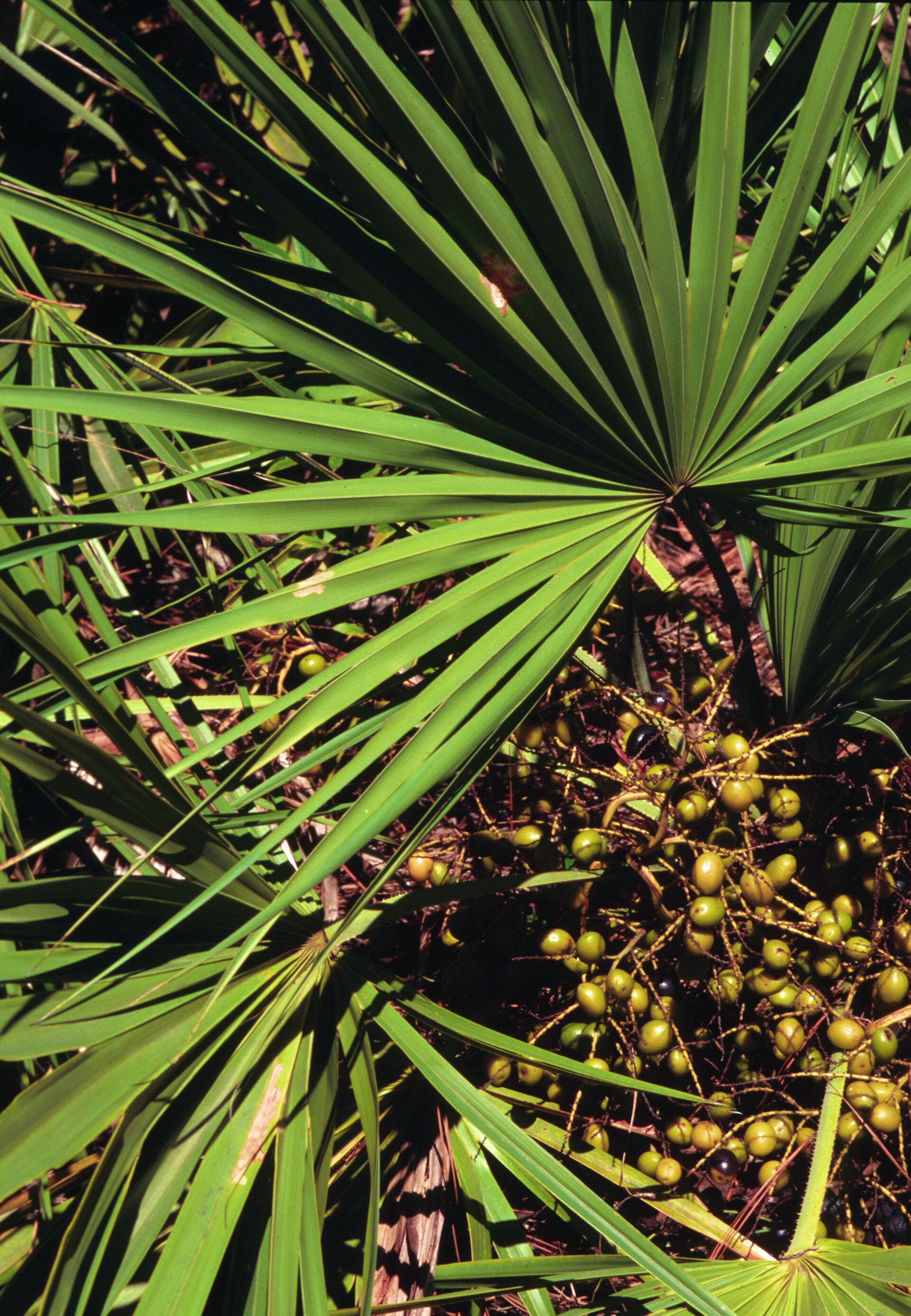
Saw Palmetto
Serenoa repens
The men’s health palm of the American Southeast — traditional Seminole food-medicine now used worldwide for prostate and urinary support.
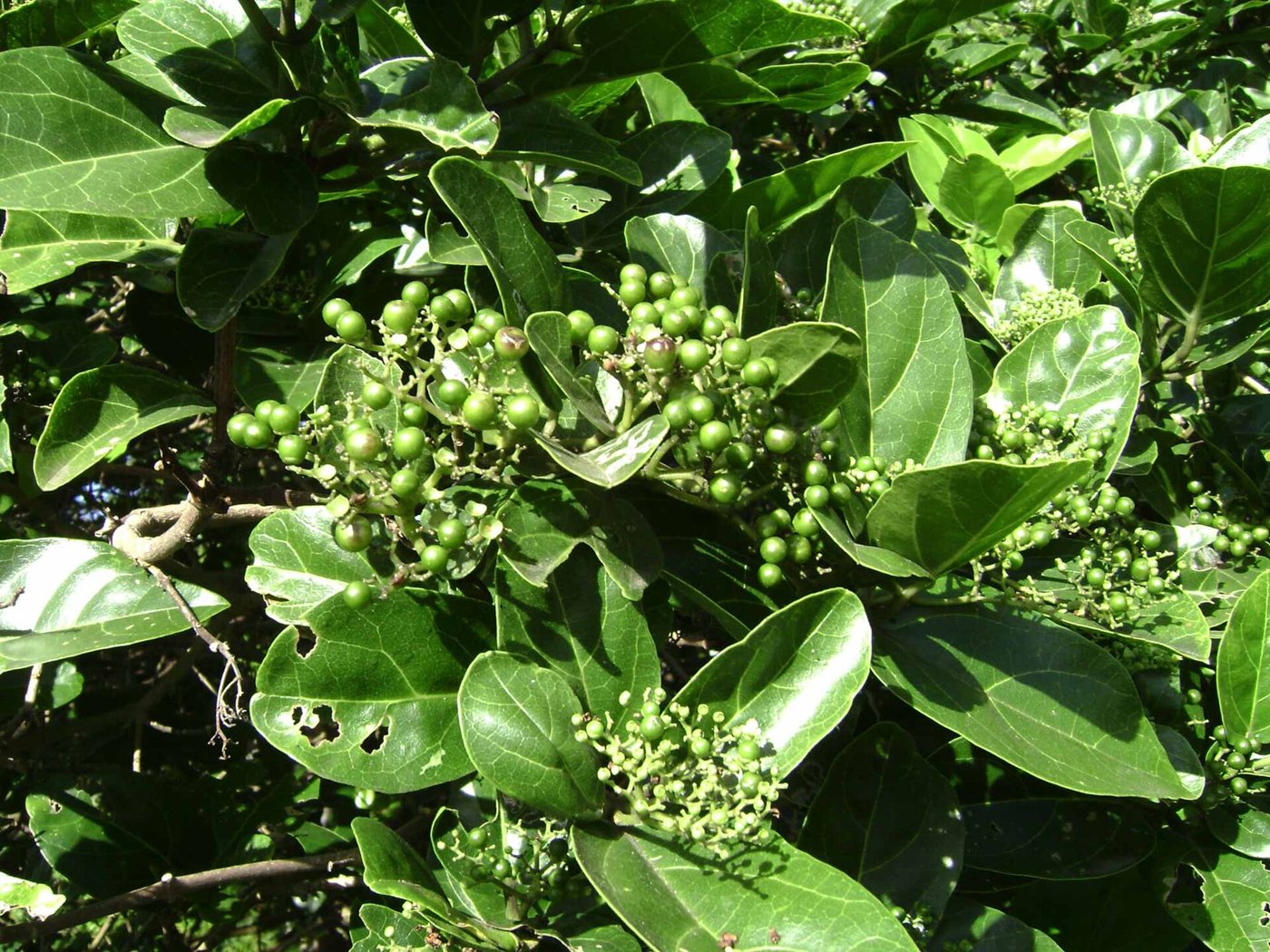
Agnimantha
Premna serratifolia
A Dashamula root for swelling, digestion, and joint pain.
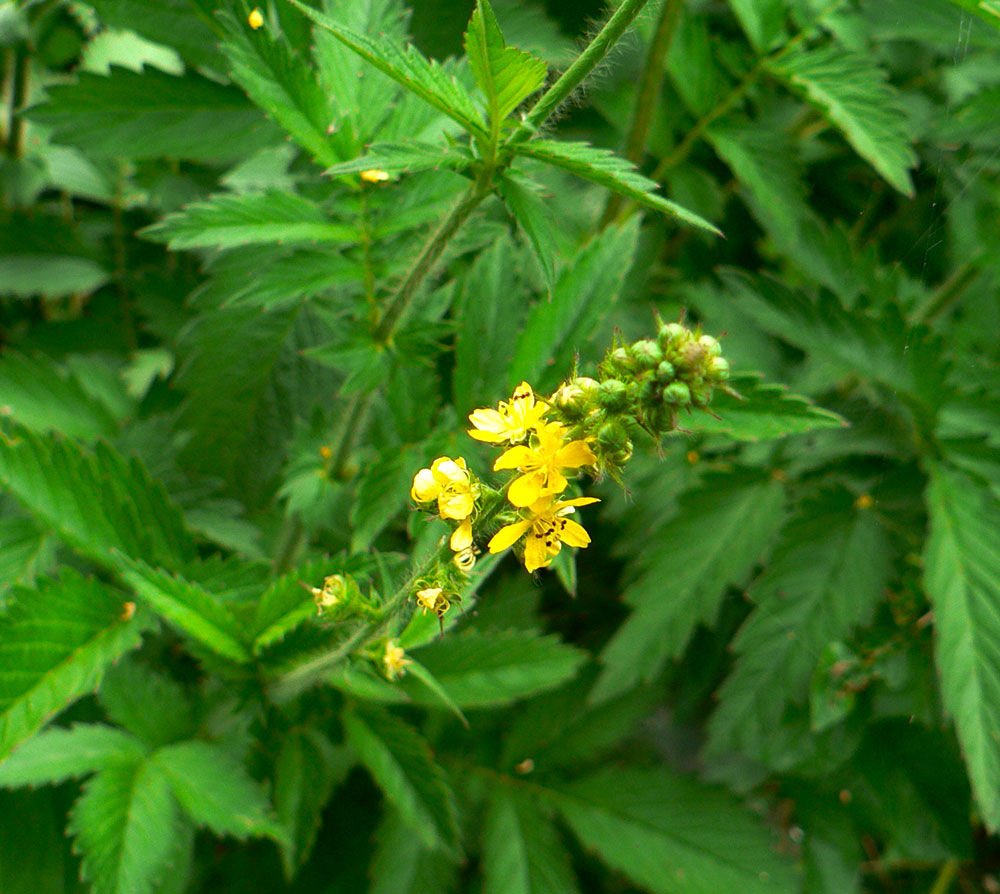
Agrimony (Xian He Cao)
Agrimonia pilosa
Agrimony astringes and stops bleeding from any location in the body. It also kills parasites, stops diarrhea, and tonifies deficiency. It is one of TCM's most versatile hemostatic herbs.
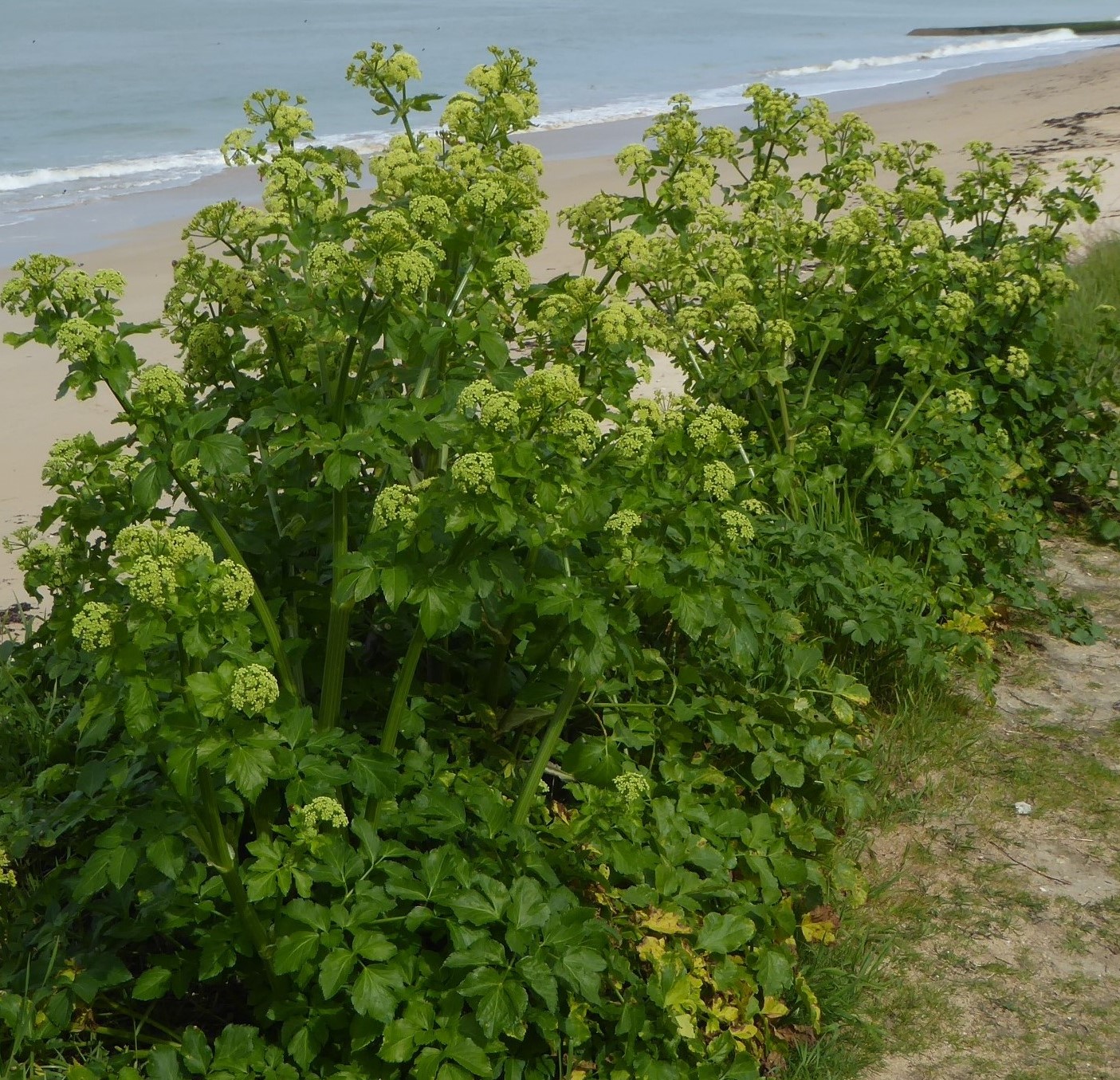
Alexanders
Smyrnium olusatrum
Alexanders, an old European pot-herb used as a digestive, diuretic and spring tonic.
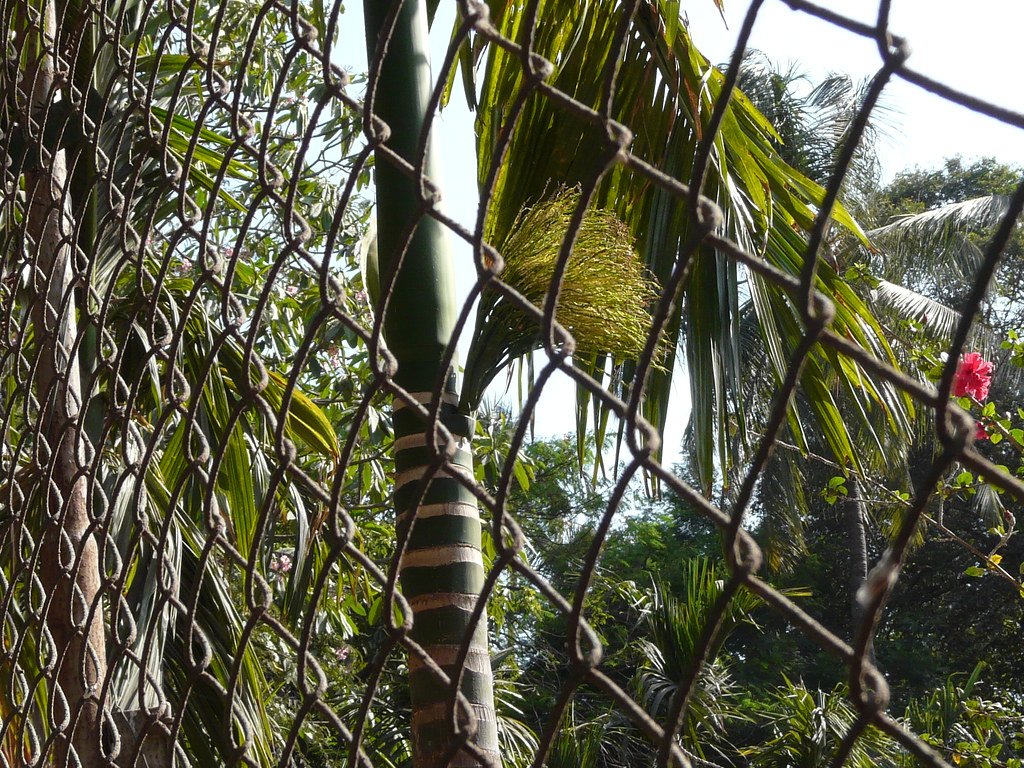
Areca Seed (Bing Lang)
Areca catechu
Areca seed kills intestinal parasites (especially tapeworm), promotes qi movement, and drains dampness. It is one of TCM's strongest antiparasitic herbs but requires careful use due to its stimulant properties.
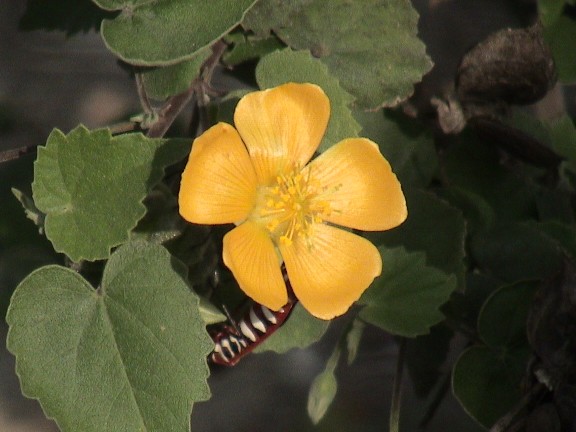
Atibala
Abutilon indicum
Atibala, an Ayurvedic mallow used as a soothing tonic for the nerves, urinary tract and joints.
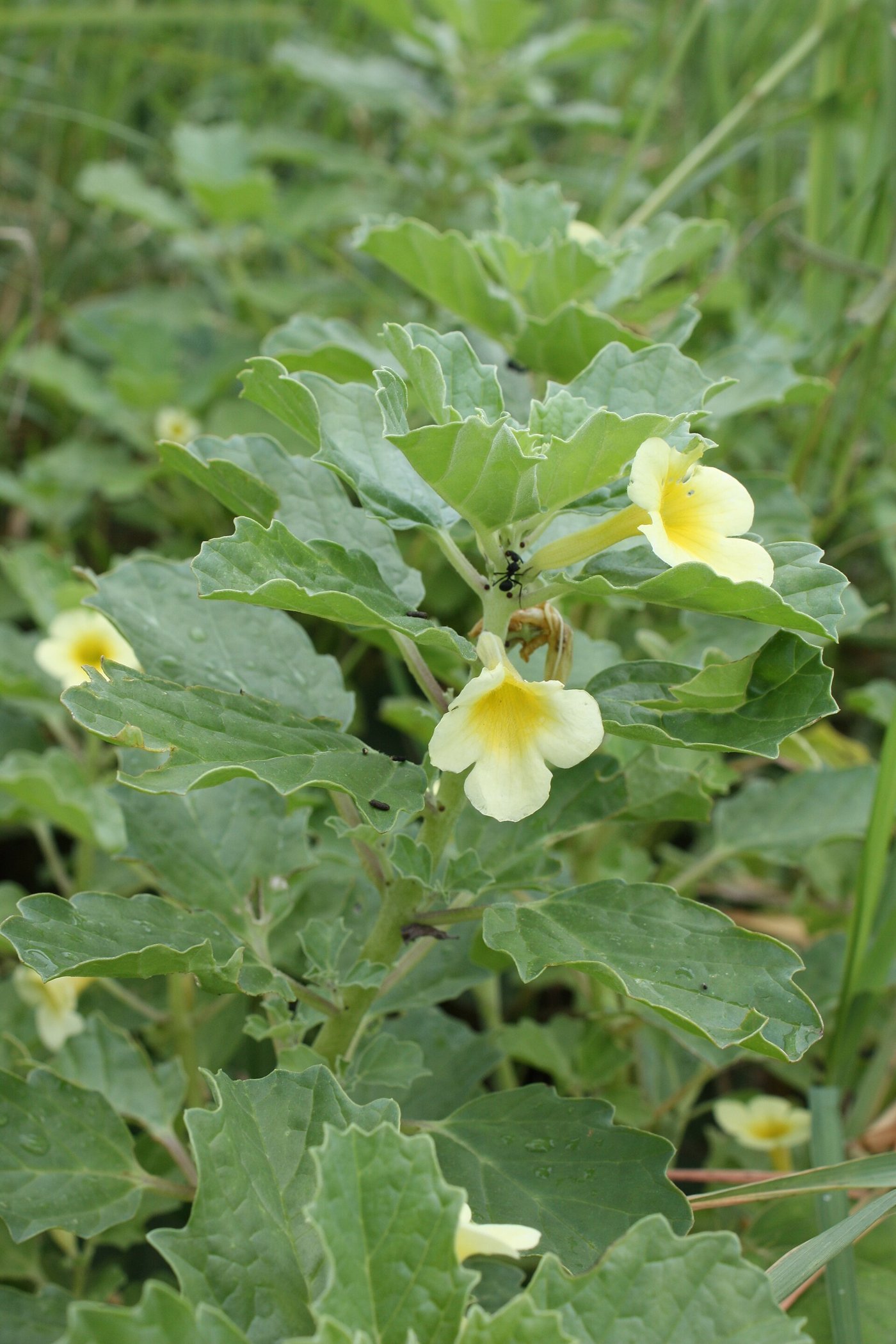
Bada Gokhru (Caltrop)
Pedalium murex
Large caltrops, a soothing Ayurvedic urinary herb and tonic.
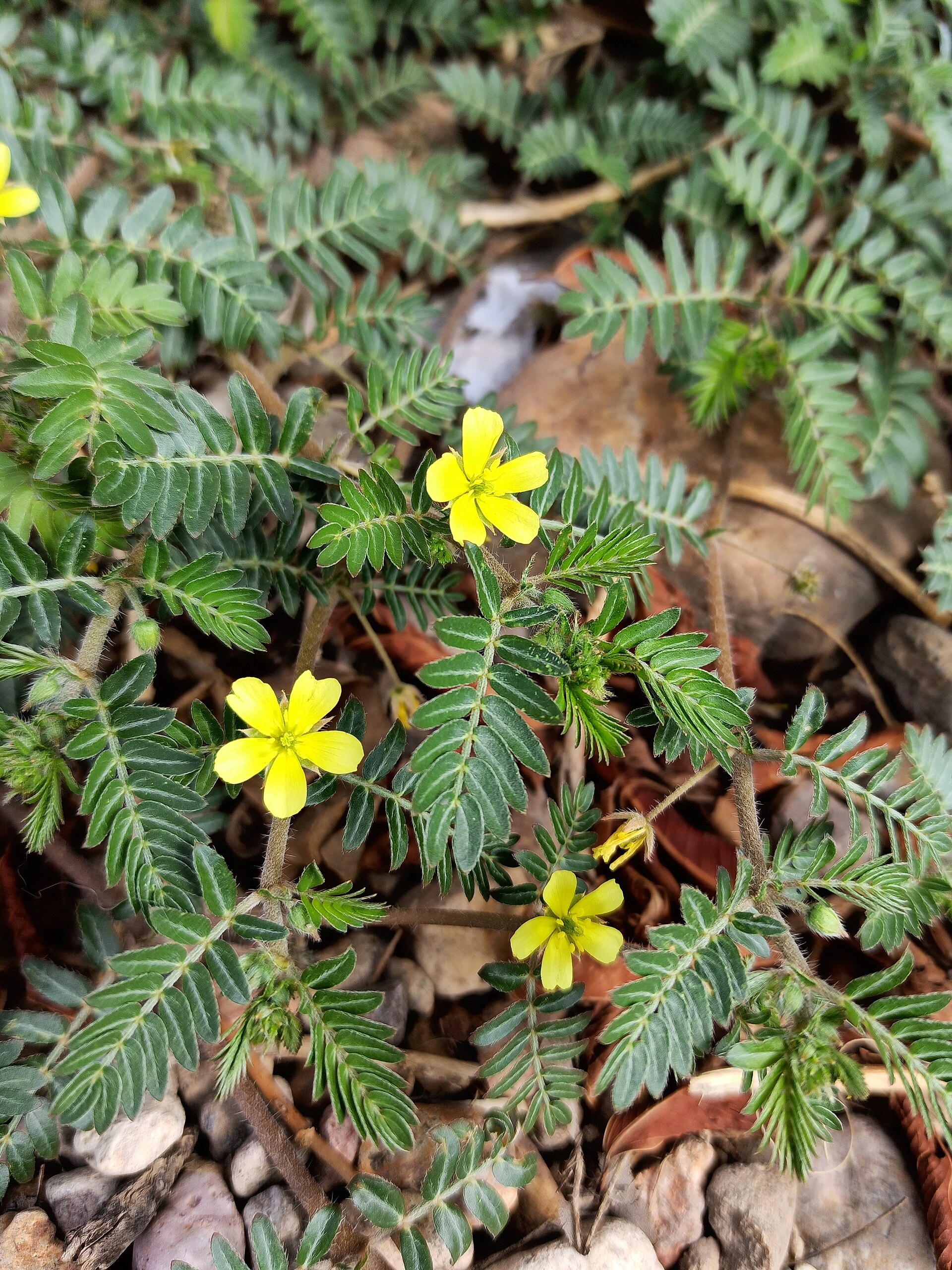
Bai Ji Li / Gokshura
Tribulus terrestris
Bai Ji Li / Gokshura, a spiny fruit used across Chinese and Ayurvedic medicine for the liver, eyes, urinary tract and vitality.

Bai Wei
Cynanchum atratum
A Chinese medicinal plant called bai wei whose root is used in traditional Chinese medicine to clear heat, cool the blood and relieve lingering fevers.
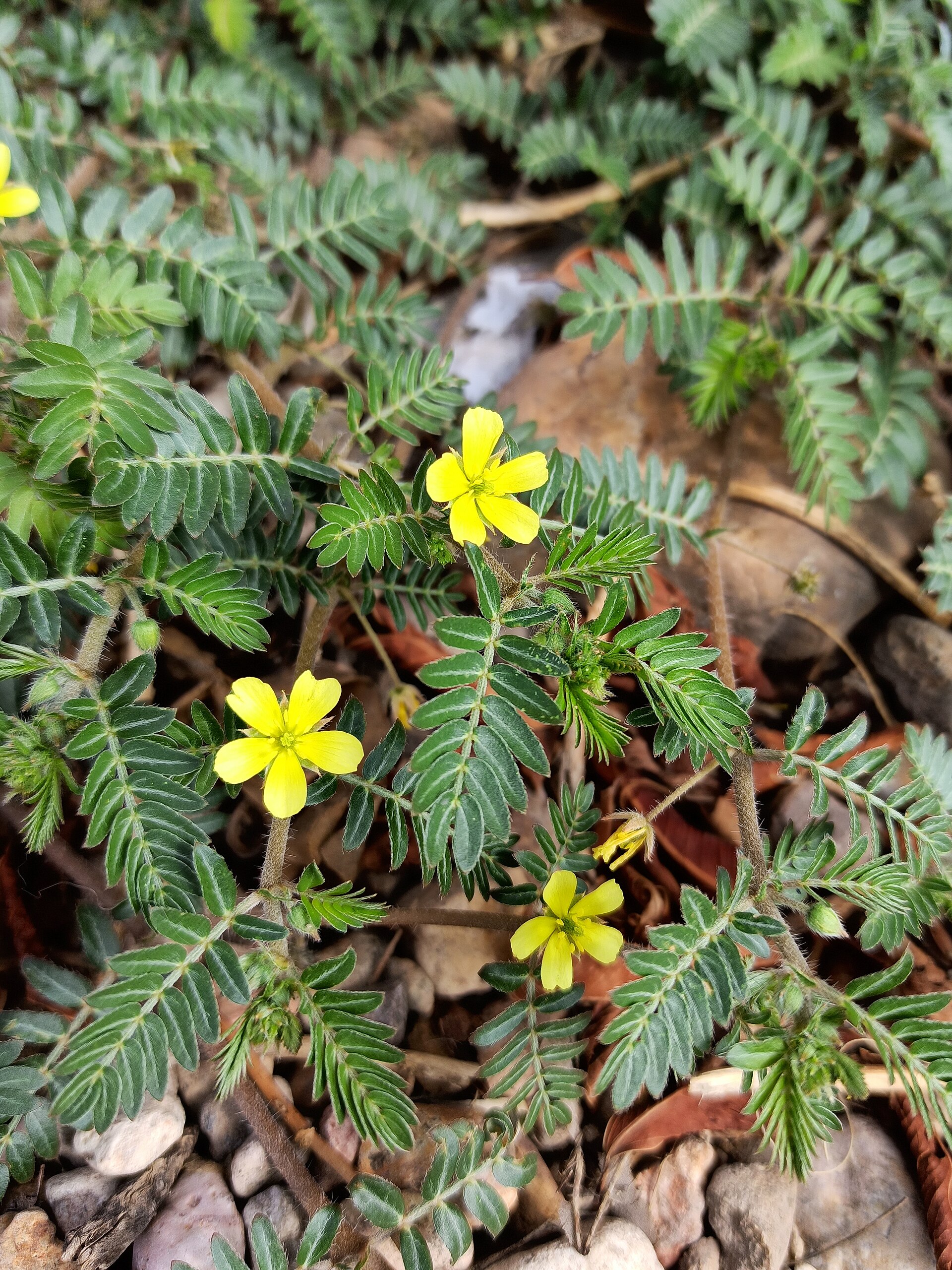
Tribulus
Tribulus terrestris
Tribulus (Gokshura) is a revered Ayurvedic tonic for vitality, urinary tract health, and reproductive wellness in both men and women.
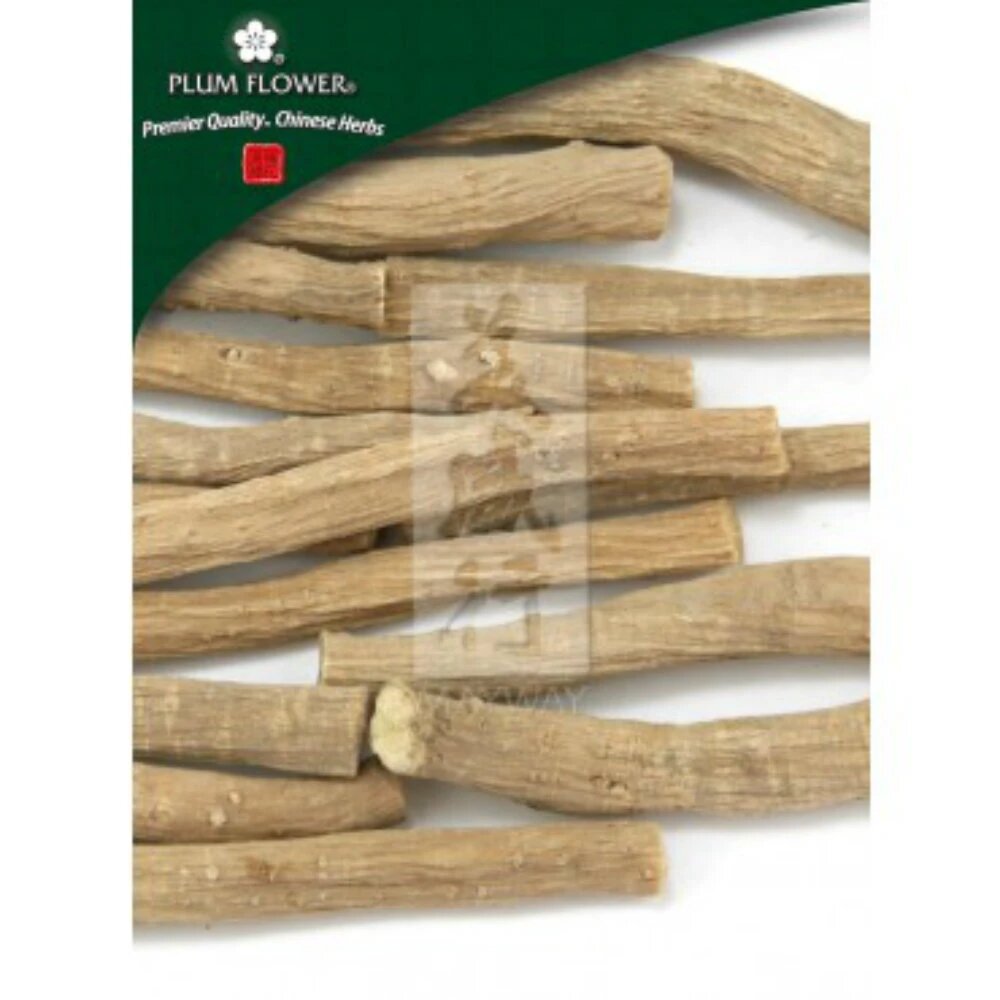
Achyranthes Root (Niu Xi)
Achyranthes bidentata
Achyranthes root invigorates blood, expels stasis, strengthens the liver and kidneys, benefits the sinews and bones, and crucially guides other herbs downward to the lower body.
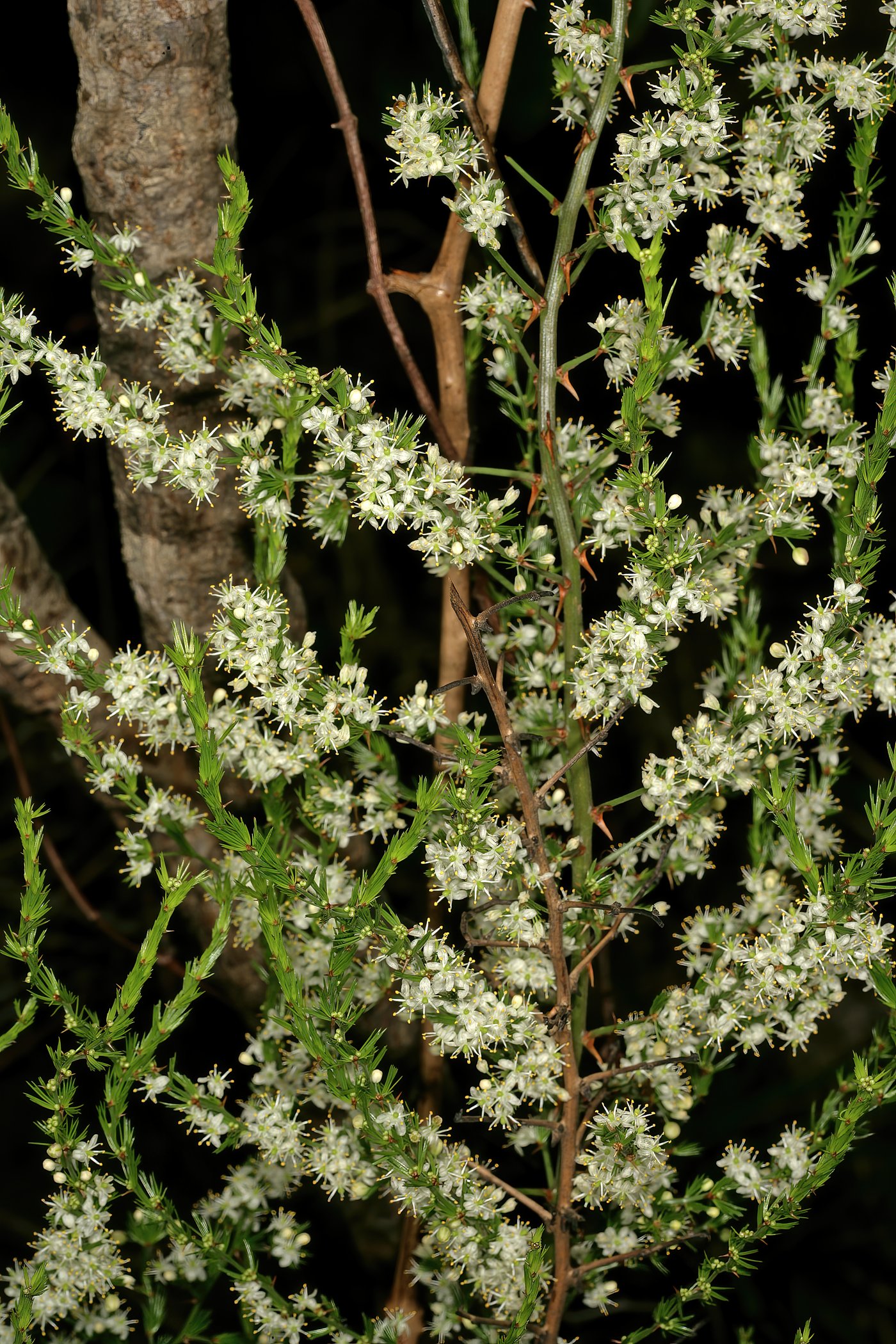
African Wild Asparagus
Asparagus africanus
A spiny climbing herb whose roots are a diuretic, fertility, and pain remedy across Africa.
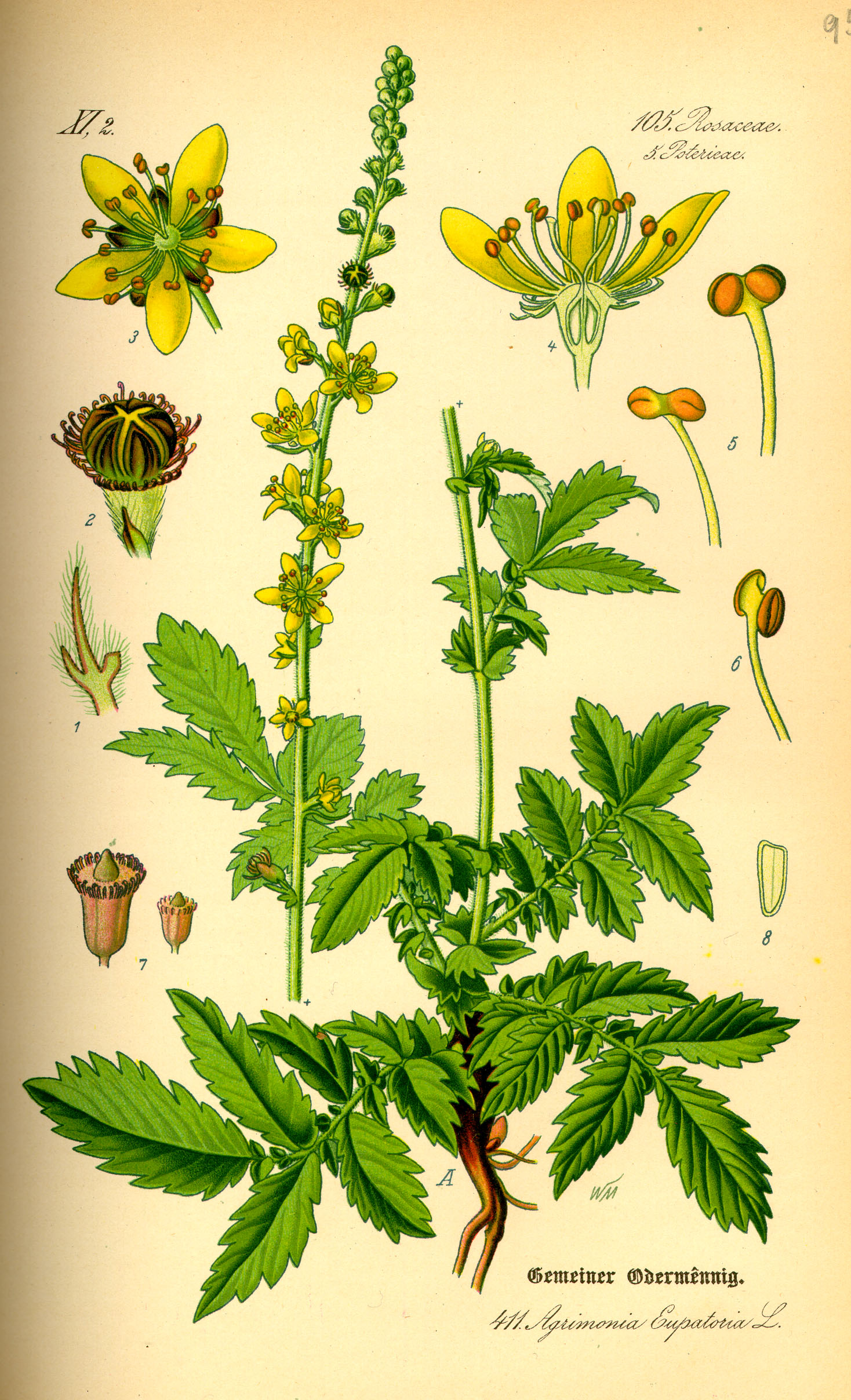
Agrimony (Xian He Cao relative)
Agrimonia eupatoria
Agrimony (Xian He Cao relative), a European and Chinese astringent herb used to stop bleeding and tone the digestion.
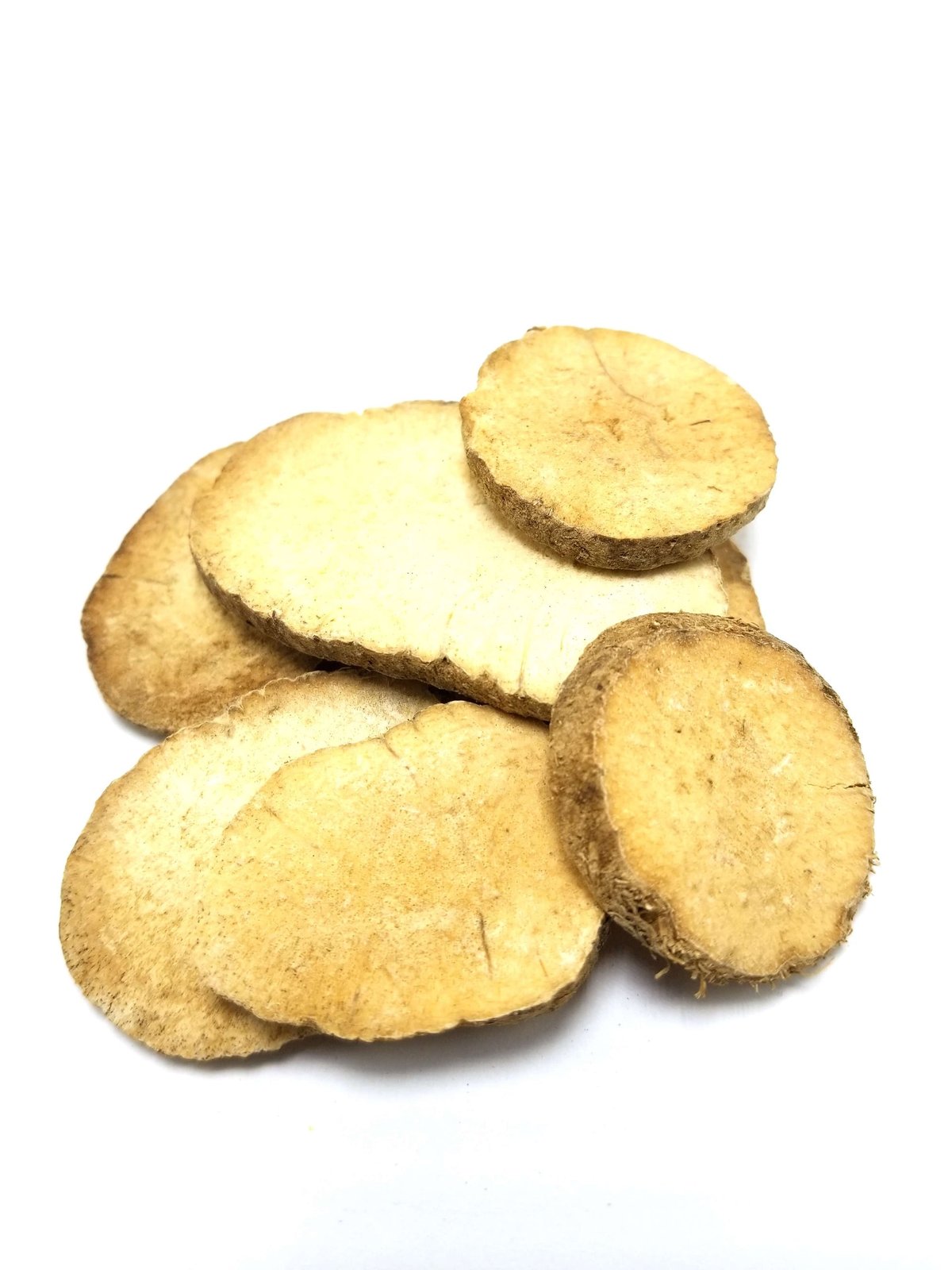
Alisma
Alisma orientale
A key dampness-draining herb that promotes urination and clears Damp-Heat from the lower body — essential in kidney-nourishing formulas like Liu Wei Di Huang Wan.
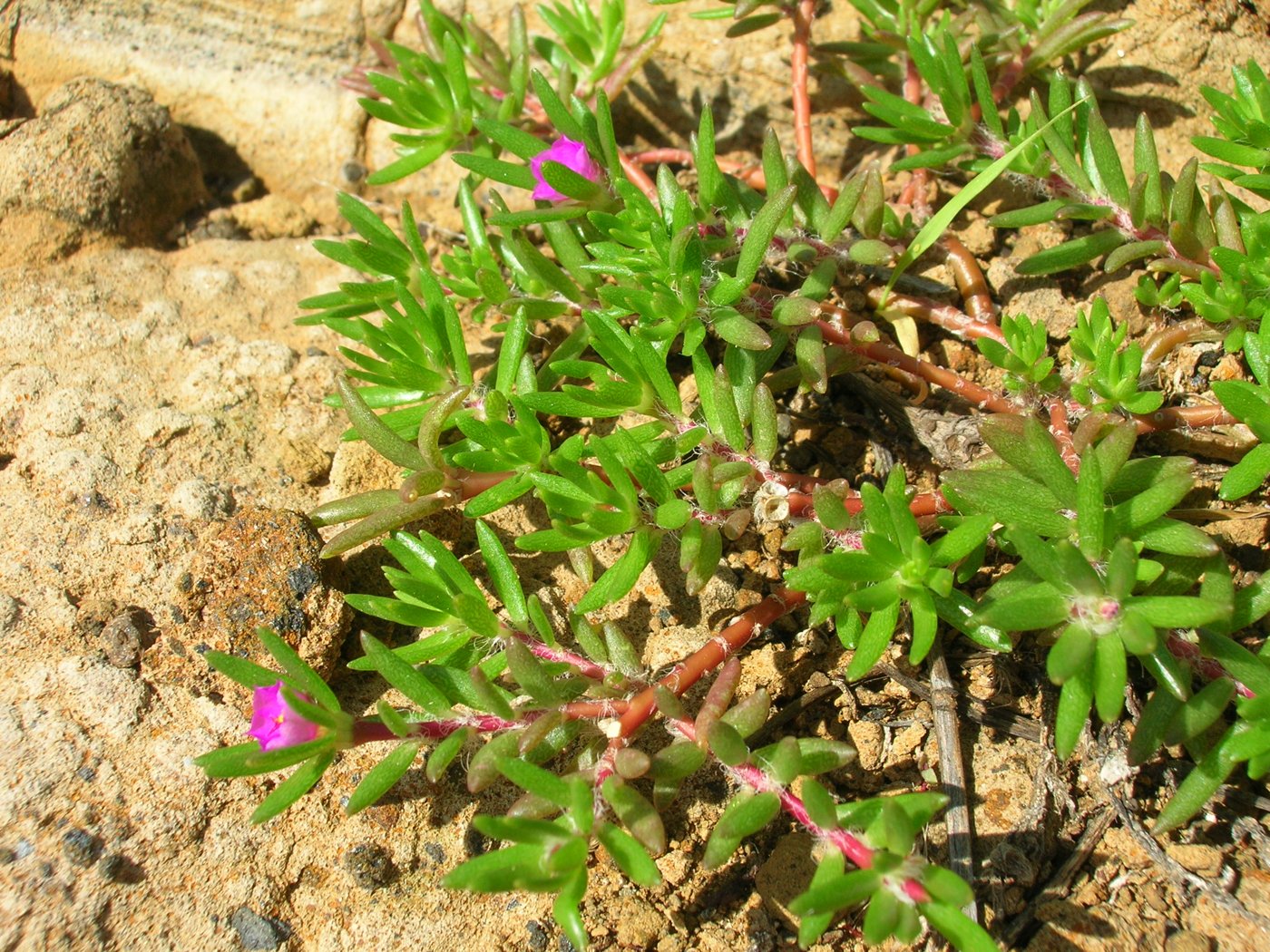
Amor Crescido
Portulaca pilosa
A tropical succulent used for inflammation, urinary problems, and wounds.
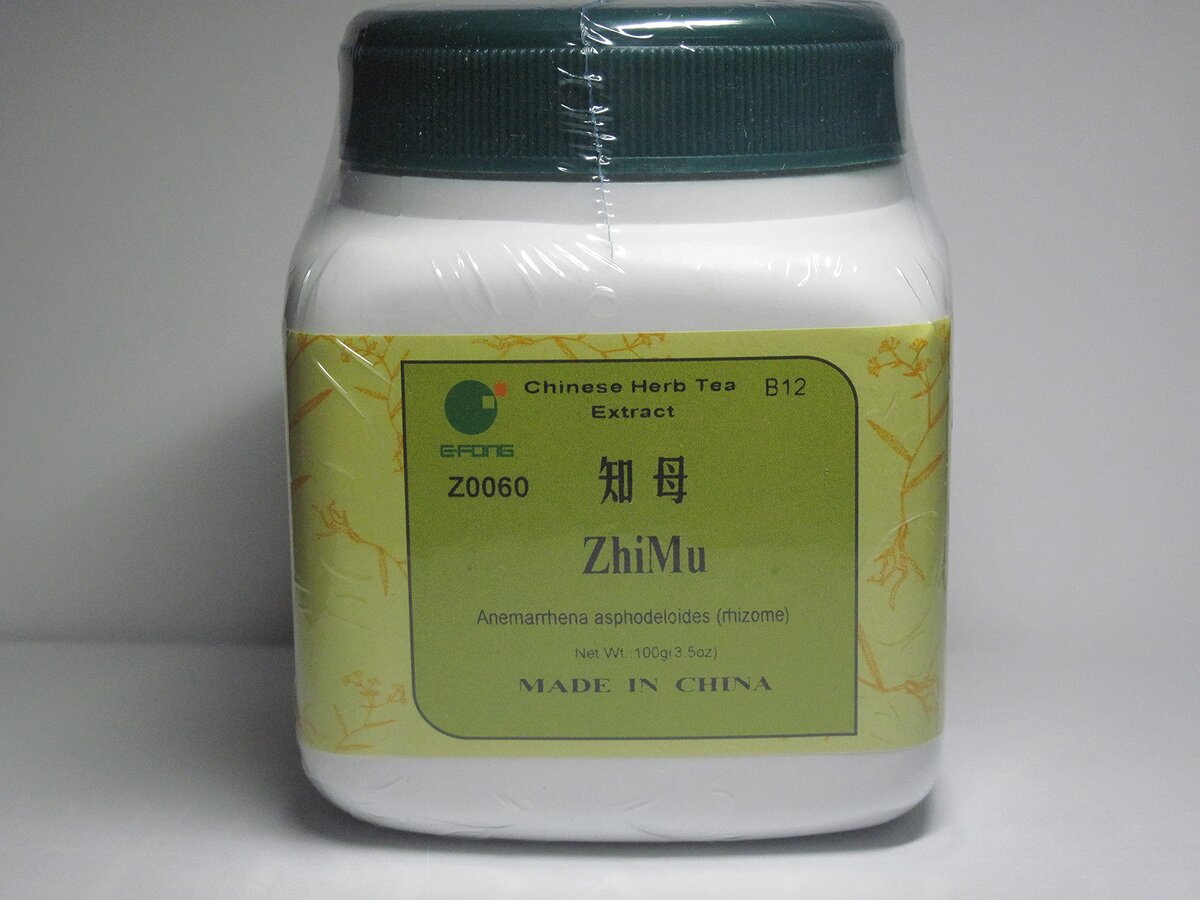
Anemarrhena (Zhi Mu)
Anemarrhena asphodeloides
Anemarrhena clears heat, drains fire, nourishes yin, and moistens dryness. It is the essential partner of Gypsum in treating high fever (Bai Hu Tang) and of Phellodendron for kidney yin deficiency fire.
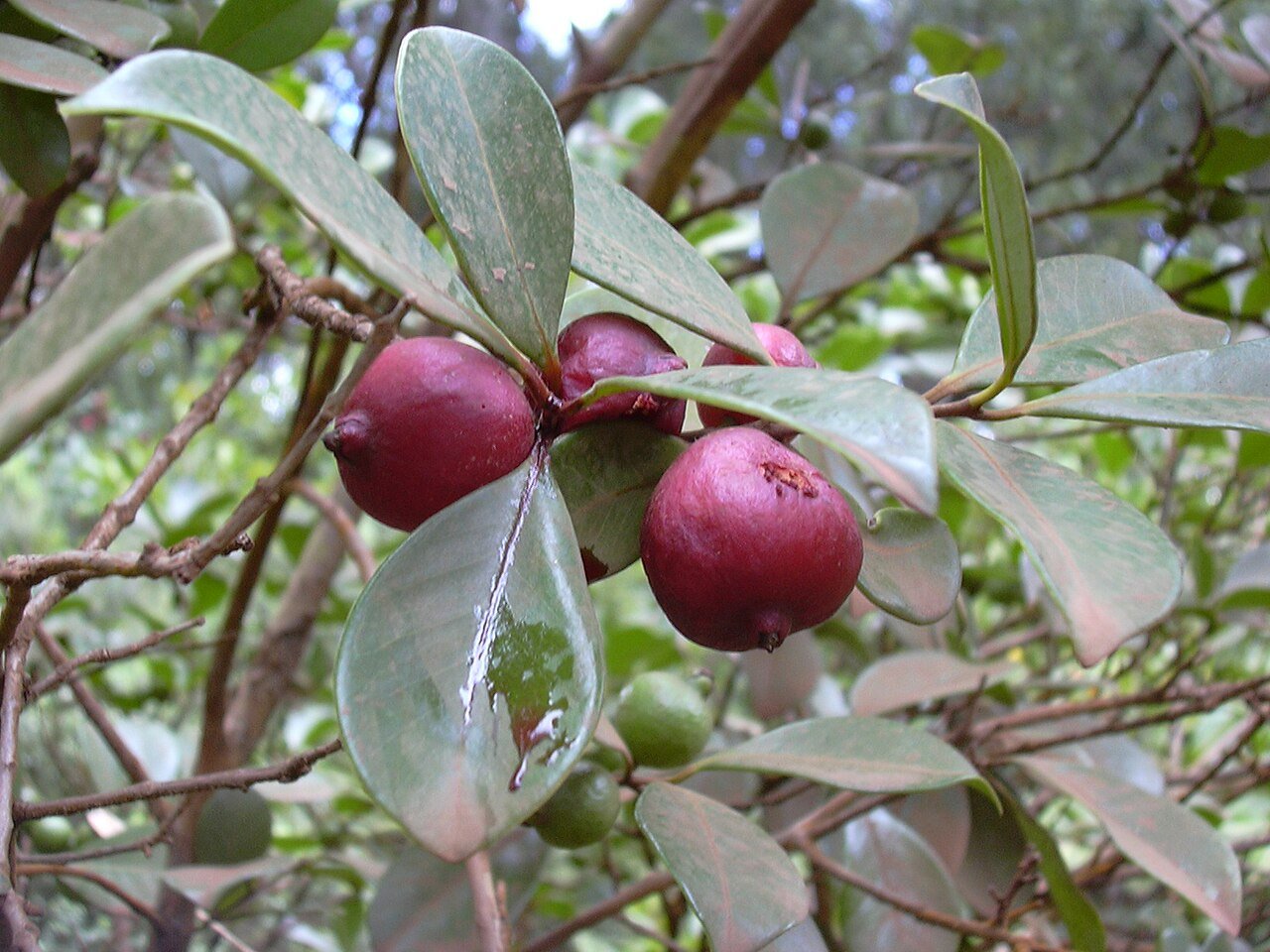
Araca
Psidium cattleianum
A Brazilian guava relative whose leaves are used for diarrhoea.
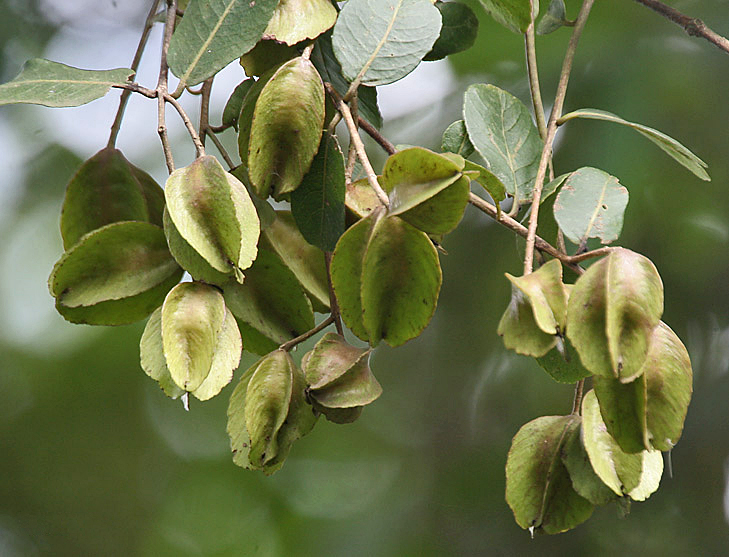
Arjuna
Terminalia arjuna
Ayurveda's premier heart tonic — named after the great warrior of the Mahabharata, Arjuna bark has been used for cardiac conditions for over 2,500 years and now has clinical trial evidence for heart failure and angina.
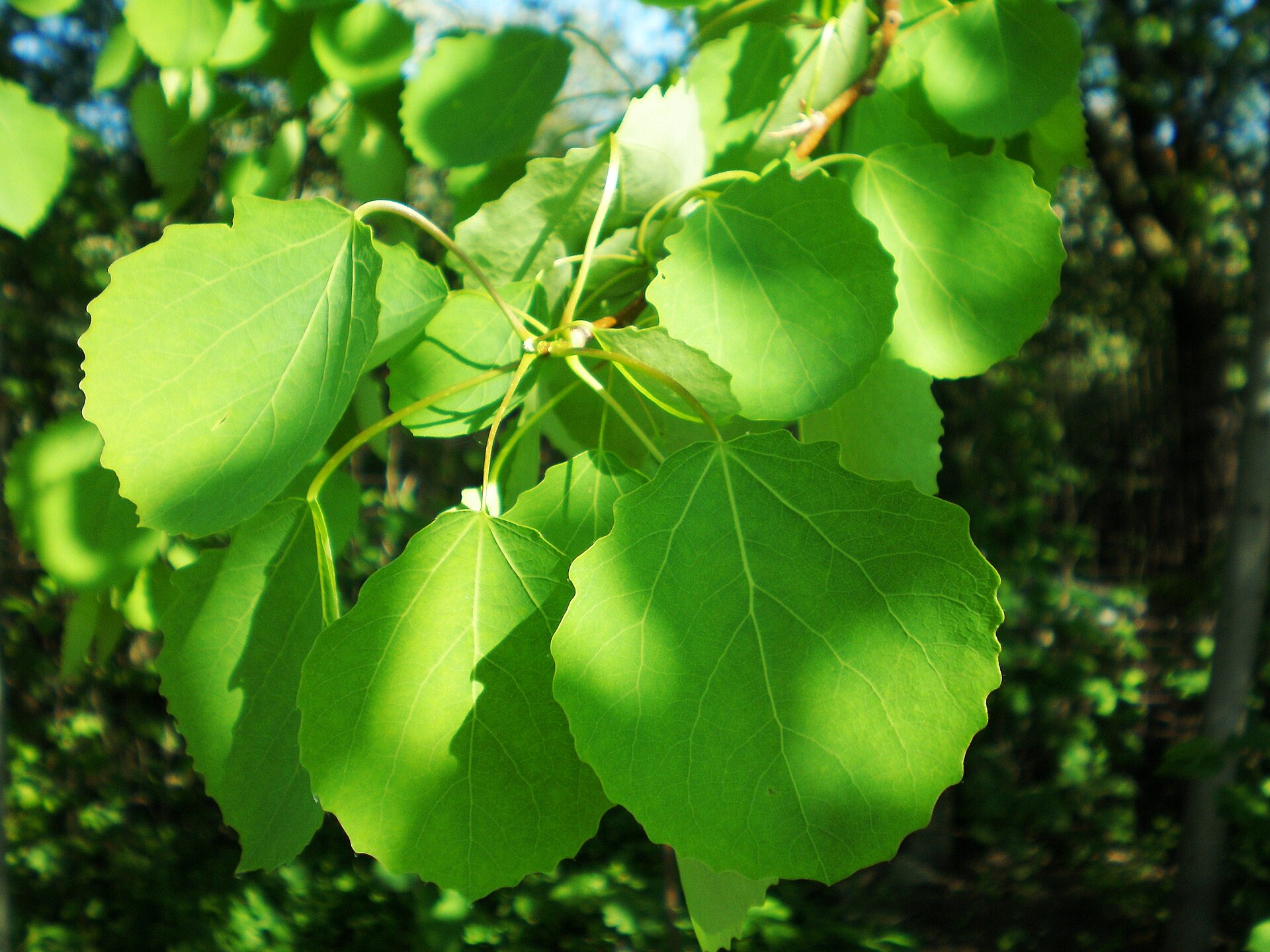
Aspen
Populus tremula
Trembling poplar whose salicin-rich bark was used like willow for fevers, pain and rheumatism.
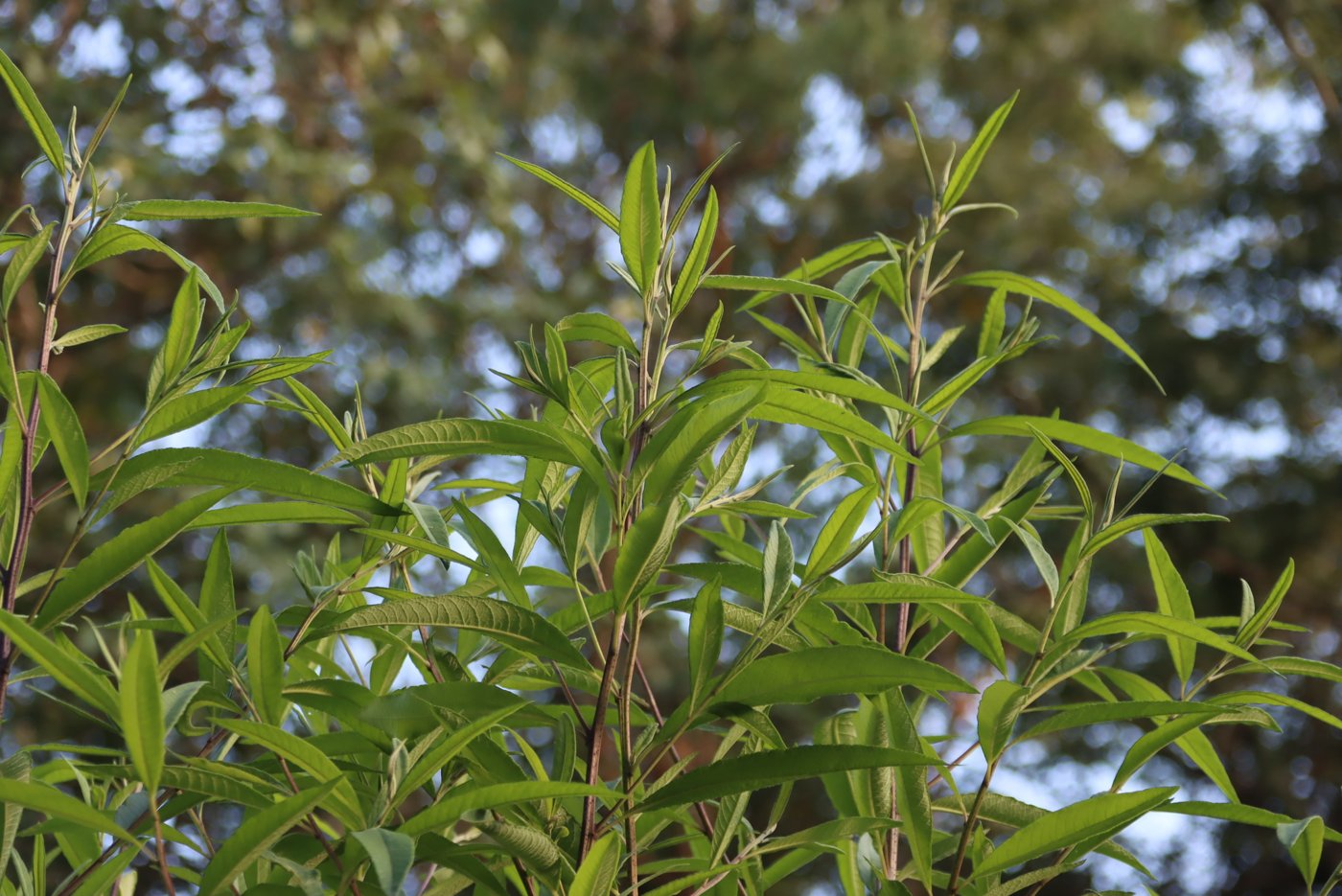
Assa-peixe
Vernonia polyanthes
A Brazilian shrub used for cough, bronchitis, and wound care.
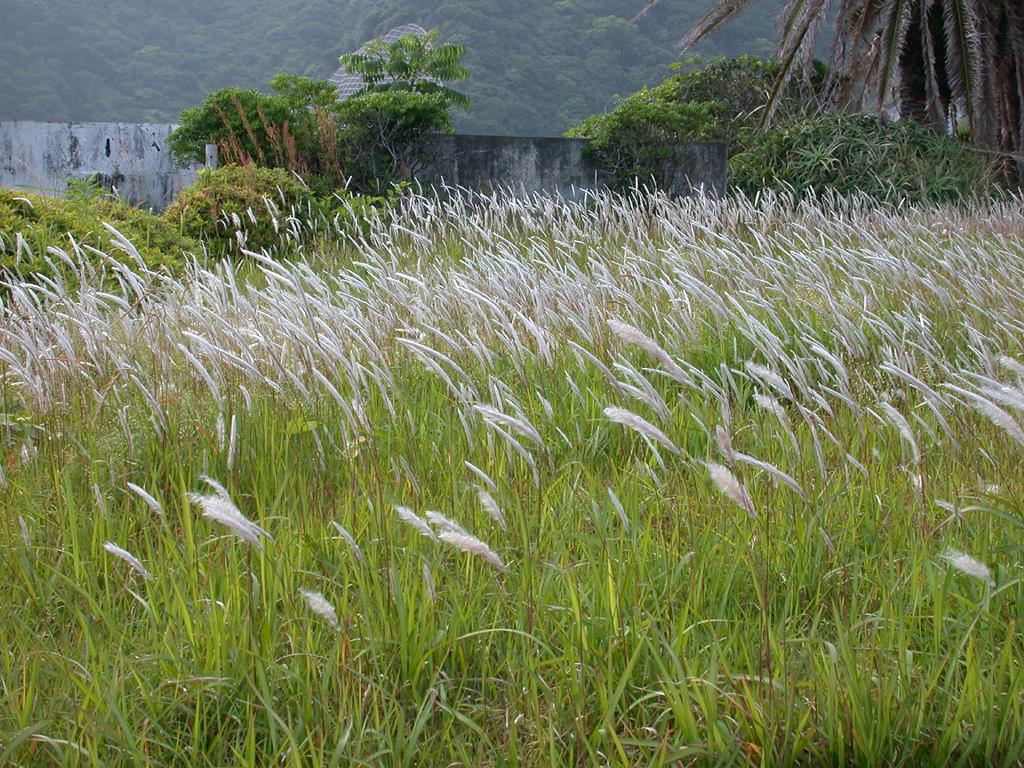
Bai Mao Gen (cogongrass root)
Imperata cylindrica
Bai Mao Gen (cogongrass root), a sweet cooling rhizome used to cool the blood, stop bleeding and promote urination.
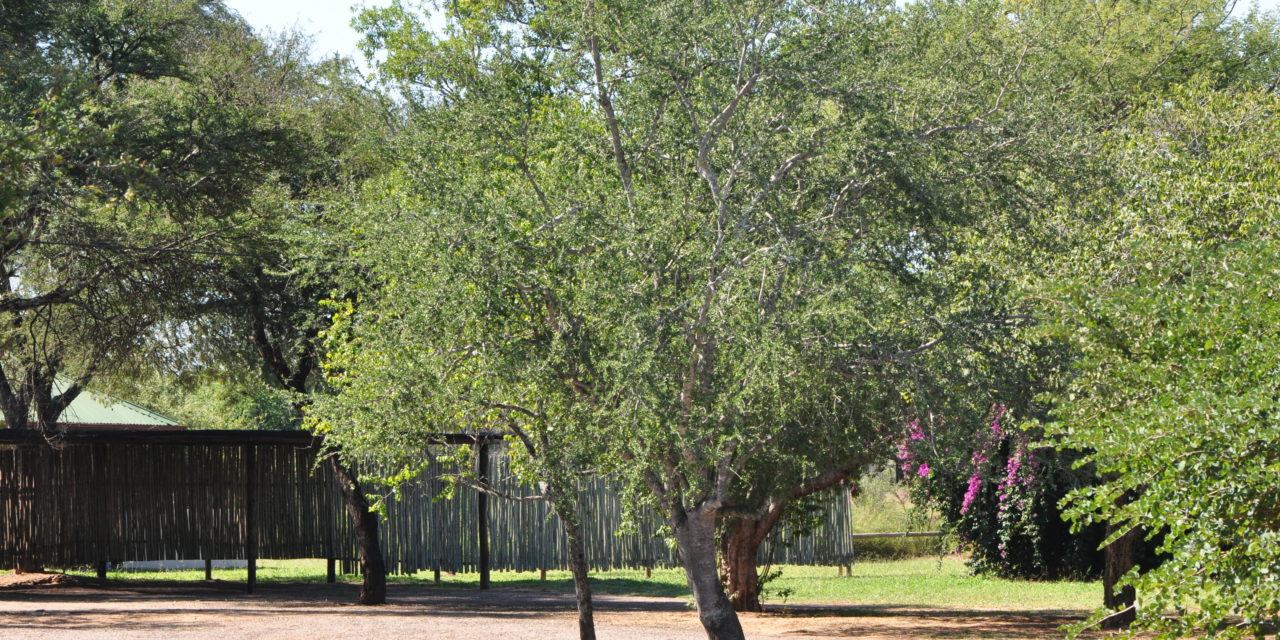
Bushveld Saffron
Elaeodendron transvaalense
A popular but potentially toxic southern African medicinal tree whose bark is widely traded for stomach complaints, skin problems and “blood cleansing” — requiring real caution.
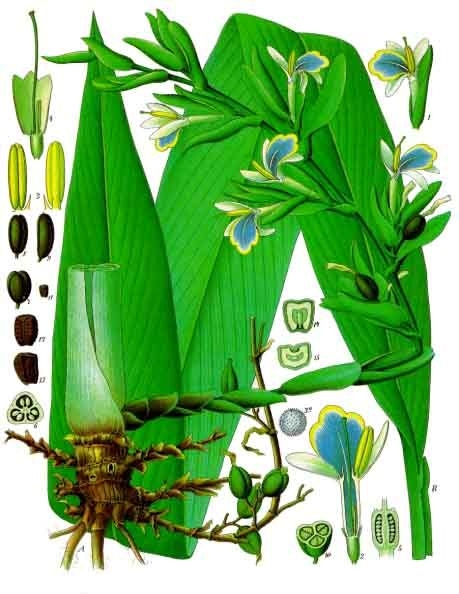
Cardamom
Elettaria cardamomum
The "Queen of Spices" and the world's third most expensive spice — a fragrant Ayurvedic digestive, respiratory and cardiac herb that uniquely balances all three doshas.
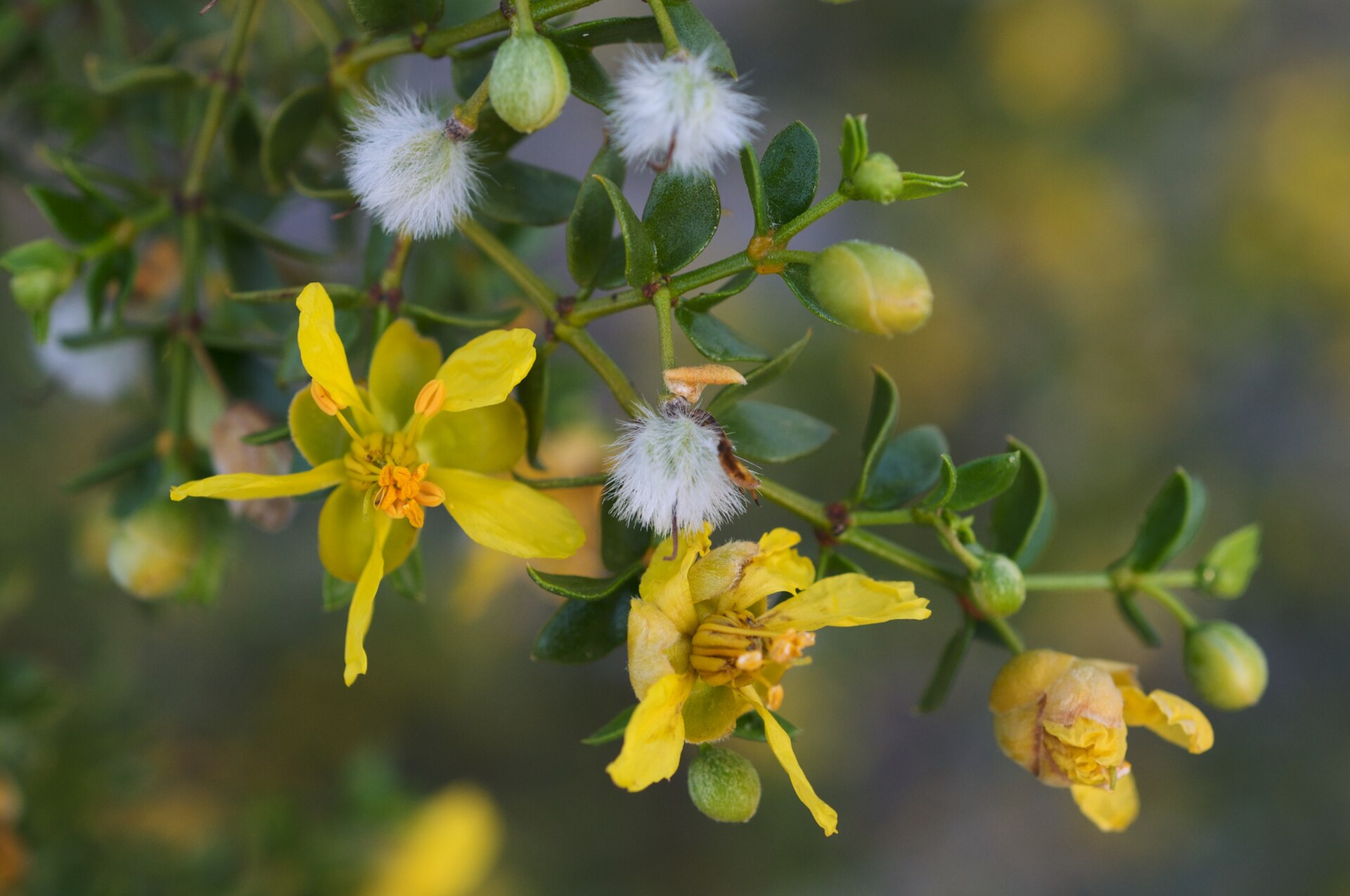
Chaparral
Larrea tridentata
A resinous desert shrub of Sonoran and Native American medicine — potent antioxidant and antimicrobial, but linked to serious liver injury when taken internally.
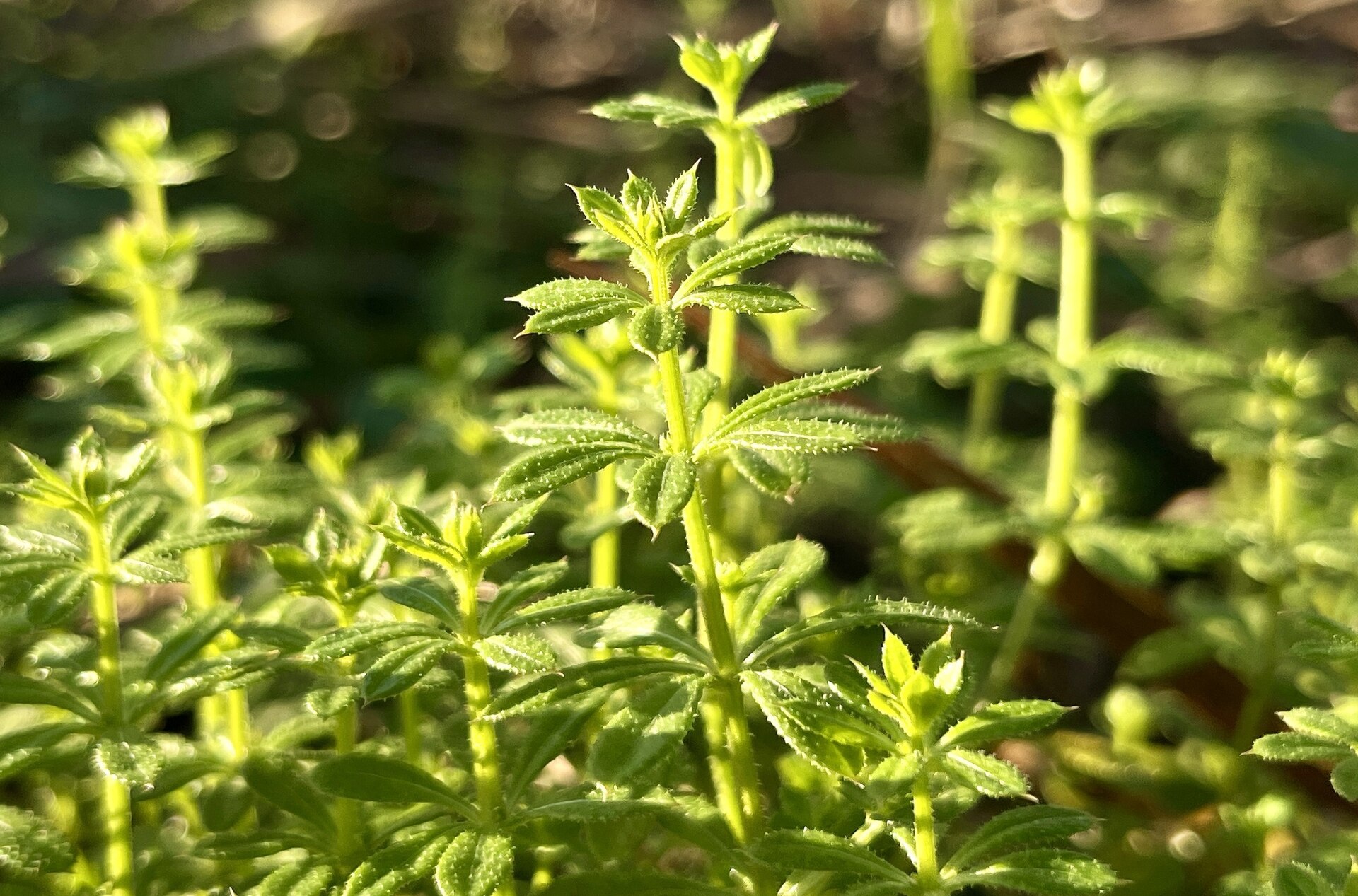
Cleavers
Galium aparine
The classic Western lymphatic herb — a sticky spring weed used for swollen glands, skin conditions, urinary complaints and as a gentle spring cleansing tonic.
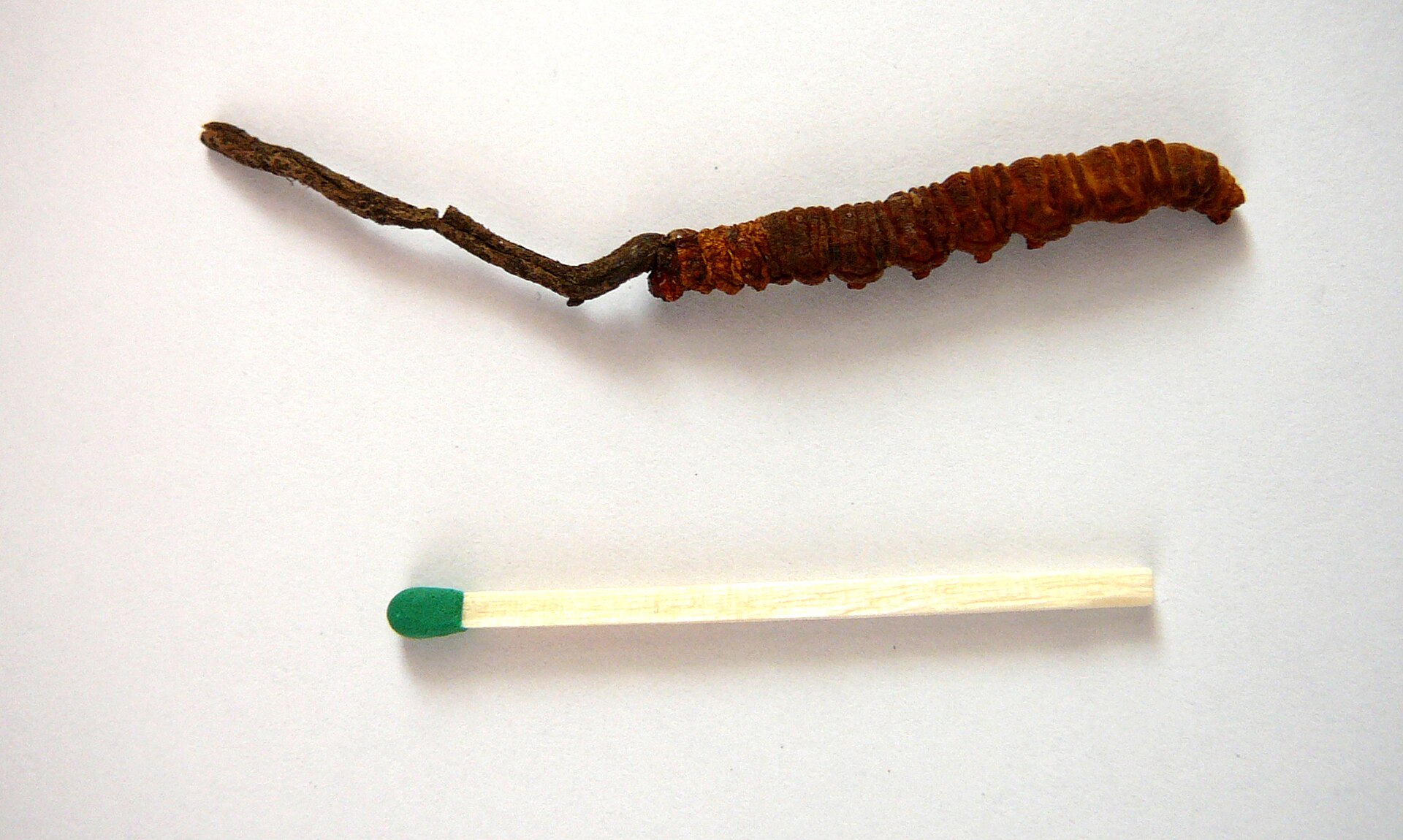
Cordyceps
Ophiocordyceps sinensis
The legendary "winter worm, summer grass" of Tibetan and Chinese medicine — a parasitic fungus that grows from caterpillars at extreme altitude, prized for energy, endurance, kidney and lung support.
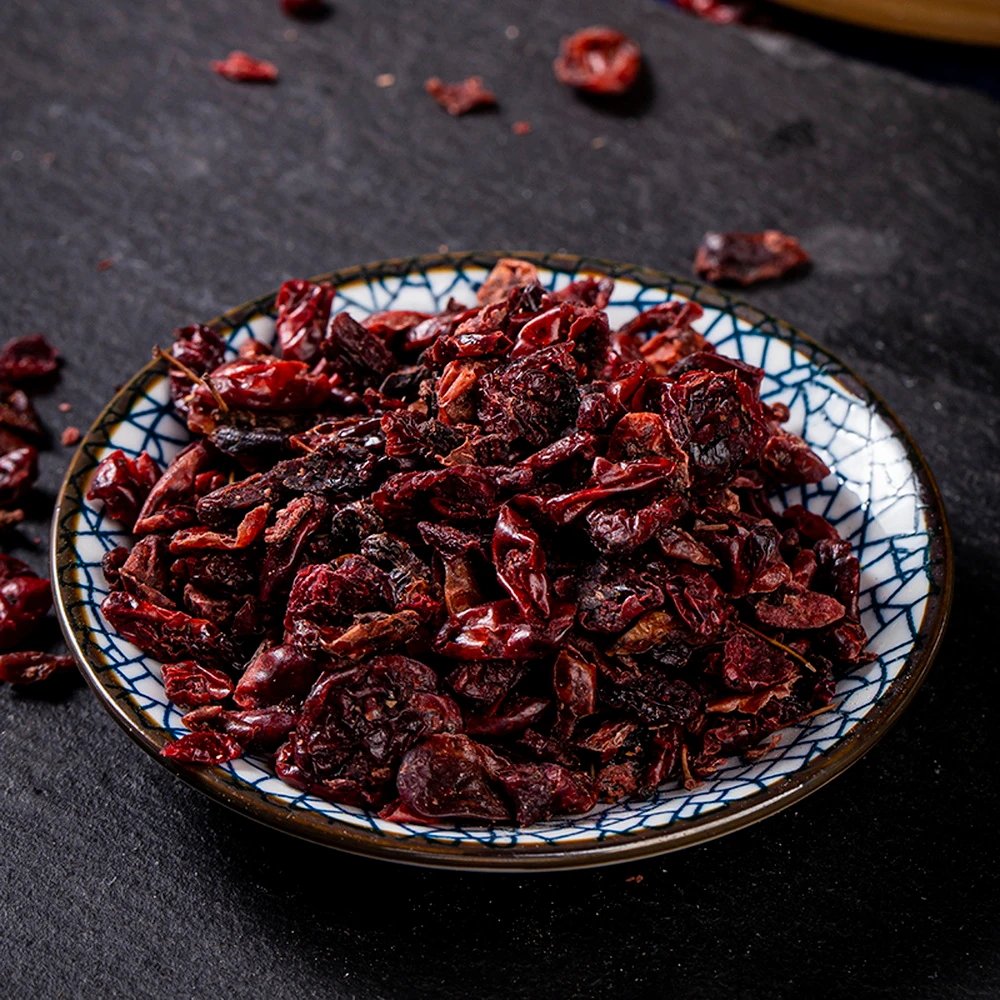
Cornus Fruit (Shan Zhu Yu)
Cornus officinalis
Cornus fruit is a sour, astringent herb that tonifies the liver and kidneys, secures essence, and stops sweating. It is a key ingredient in the famous Liu Wei Di Huang Wan kidney-nourishing formula.
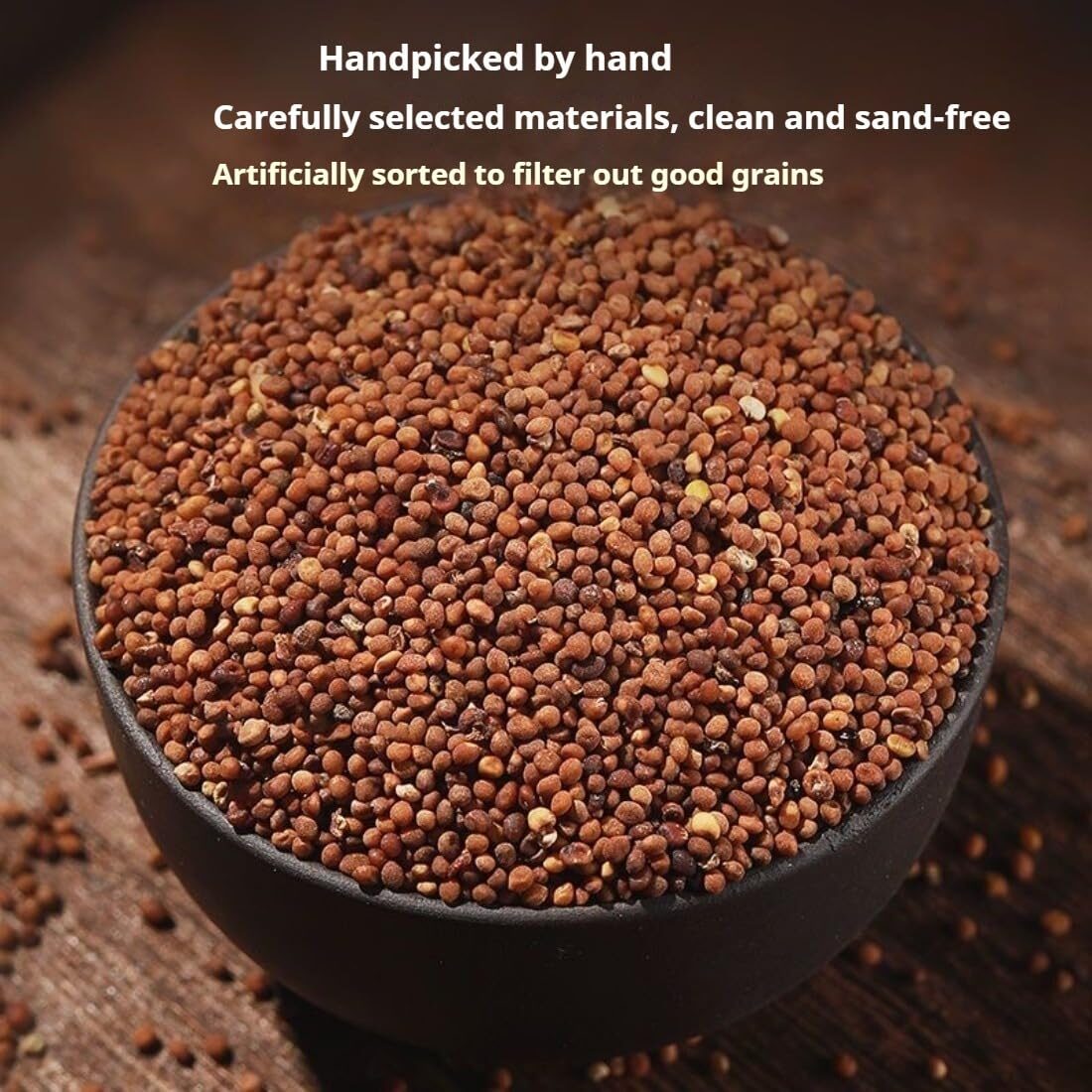
Cuscuta Seed
Cuscuta chinensis
A gentle Yang tonic from the dodder vine that nourishes both Yin and Yang of the Kidney and Liver — valued for its balancing action on reproductive health and vision.
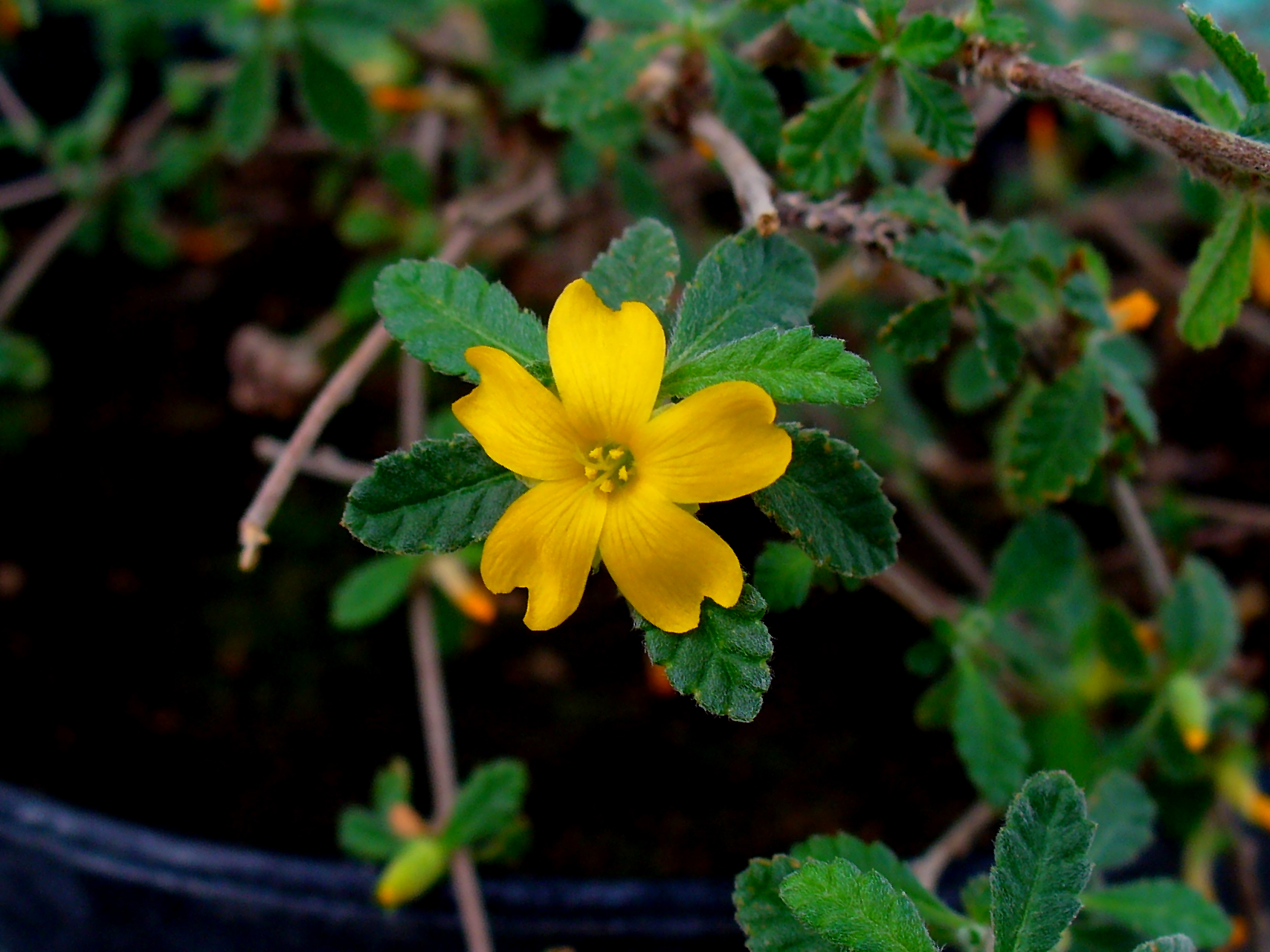
Damiana
Turnera diffusa
A fragrant Central American and Caribbean shrub with a centuries-old reputation as an aphrodisiac, nerve tonic and mood lifter. Still one of the best-selling botanical libido herbs.
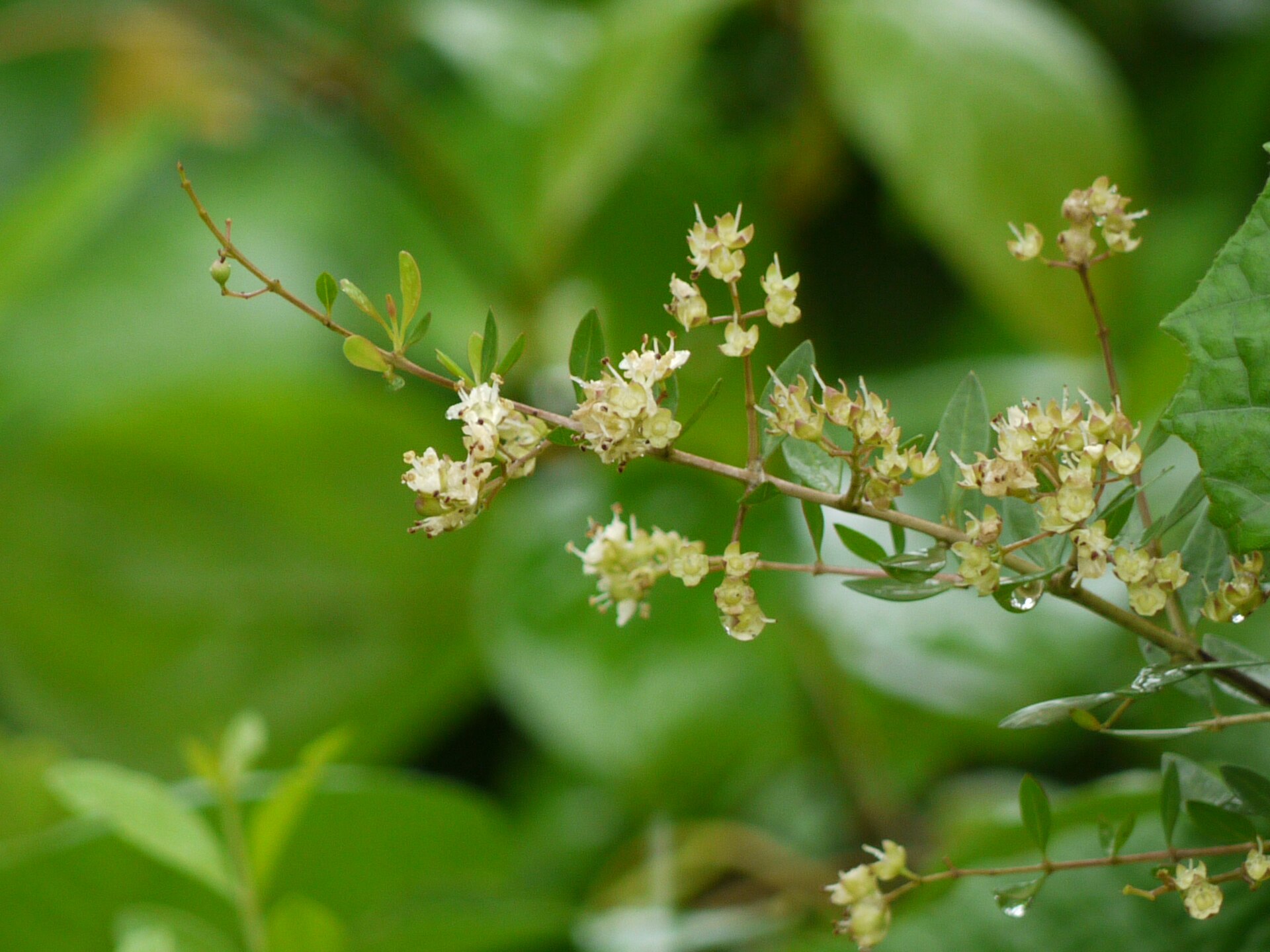
Henna
Lawsonia inermis
The world's oldest cosmetic plant — used for body art across North and West Africa, the Middle East, and South Asia — with genuine antimicrobial, antifungal, and wound-healing properties backed by its naphthoquinone chemistry.
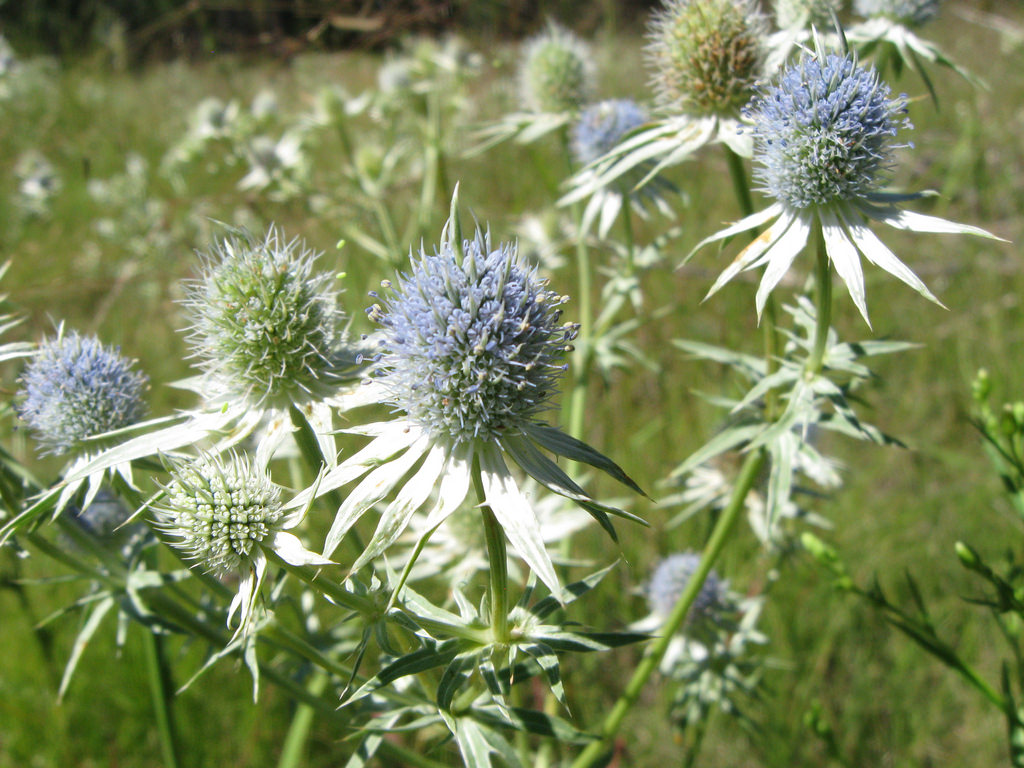
Hierba del Sapo
Eryngium heterophyllum
A spiny Mexican eryngo taken as a tea in folk medicine to lower cholesterol and triglycerides and to help dissolve gallstones and kidney stones.
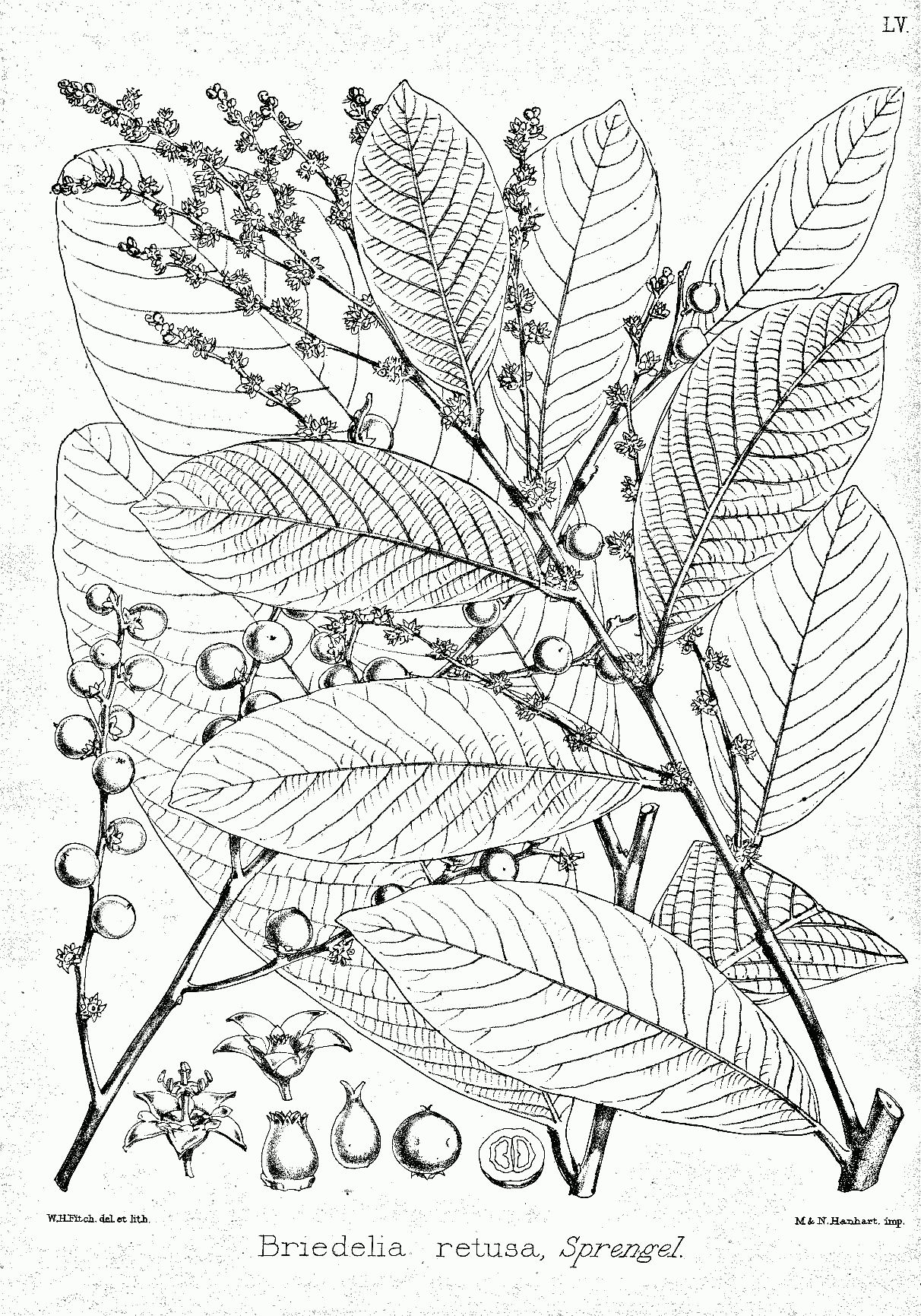
Iron Bark
Bridelia ferruginea
A savanna tree whose rust-coloured bark is a pillar of Yoruba and Akan medicine — used as an antidiabetic, anti-inflammatory, antimicrobial, and antidiarrhoeal agent.
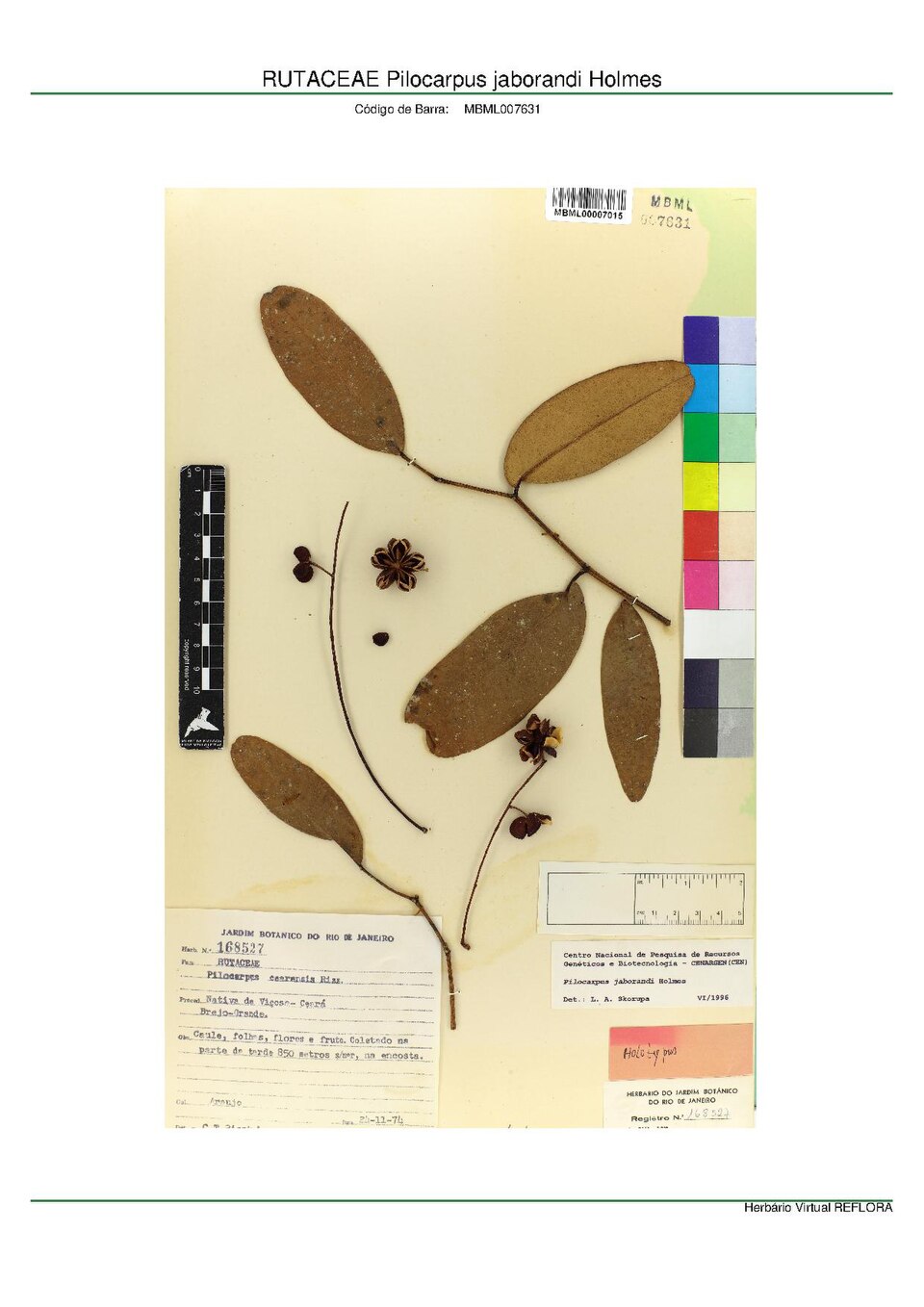
Jaborandi
Pilocarpus jaborandi
One of the Amazon's greatest gifts to modern medicine — the source of pilocarpine, an FDA-approved drug for glaucoma and dry mouth that has been in continuous clinical use for over 145 years.

Jin Qian Cao (Gold Coin Grass)
Lysimachia christinae
A creeping Chinese herb prized in Traditional Chinese Medicine for clearing damp-heat and dissolving stones — one of the most important botanicals for gallstones, kidney stones and jaundice.
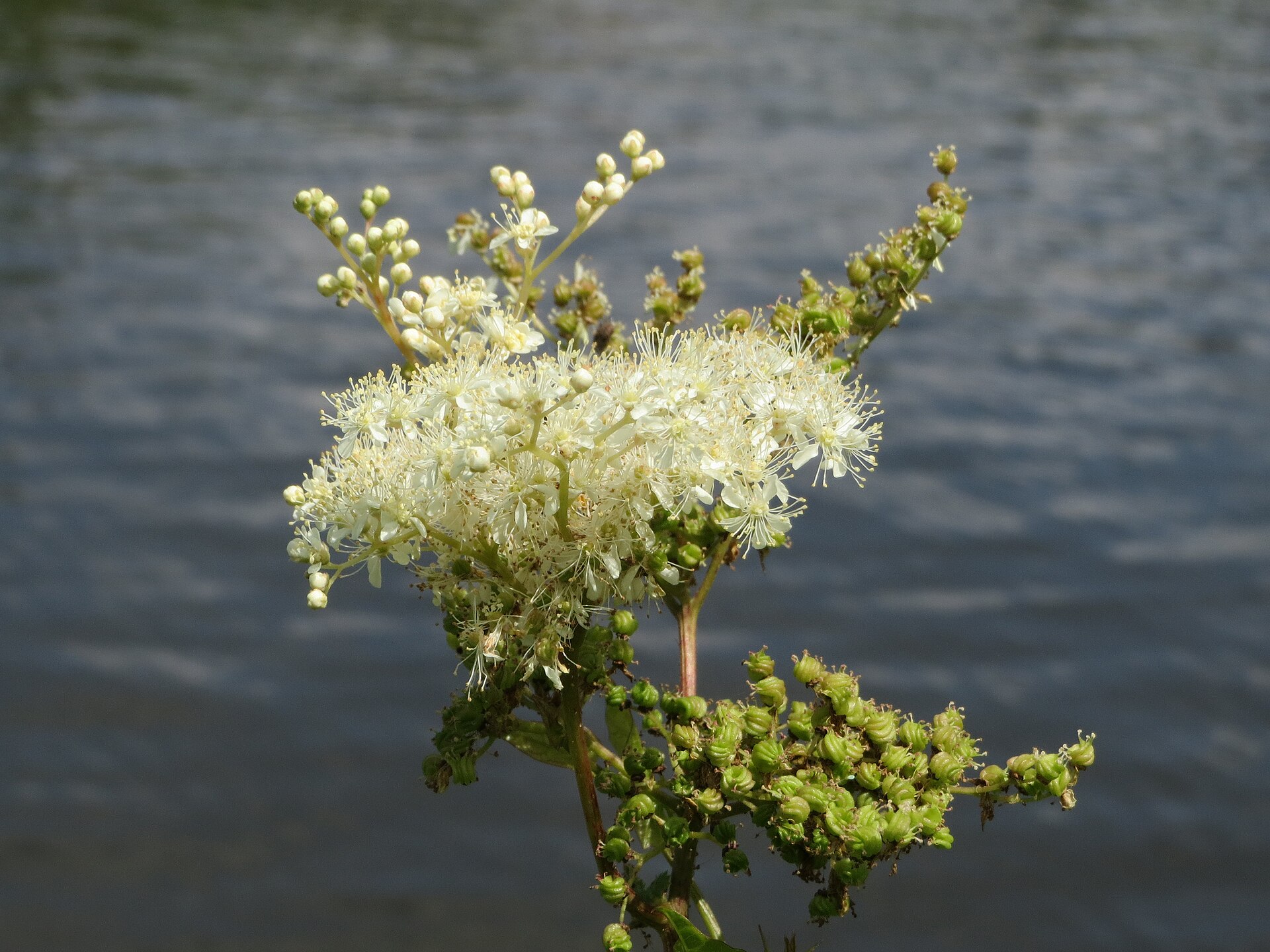
Meadowsweet
Filipendula ulmaria
The plant that gave aspirin its name — a gentle, stomach-friendly anti-inflammatory that provides the benefits of salicylates without the gastric irritation, used for centuries as a fever remedy and digestive soother.
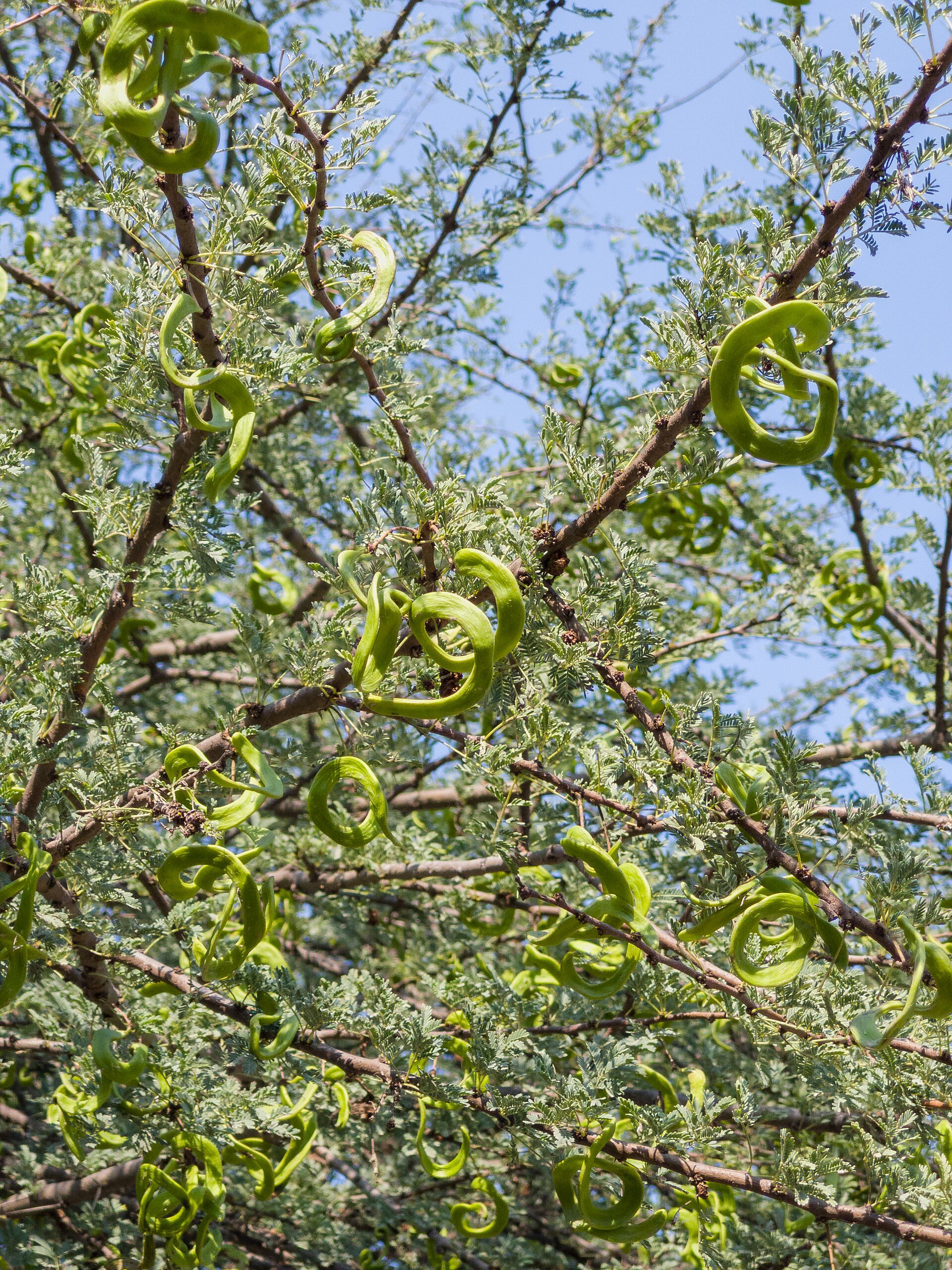
Mimosa Gum
Acacia nilotica (Vachellia nilotica)
The astringent gum and bark of the Egyptian thorn — a cornerstone of North and West African medicine for gums, wounds, diarrhoea and oral health.
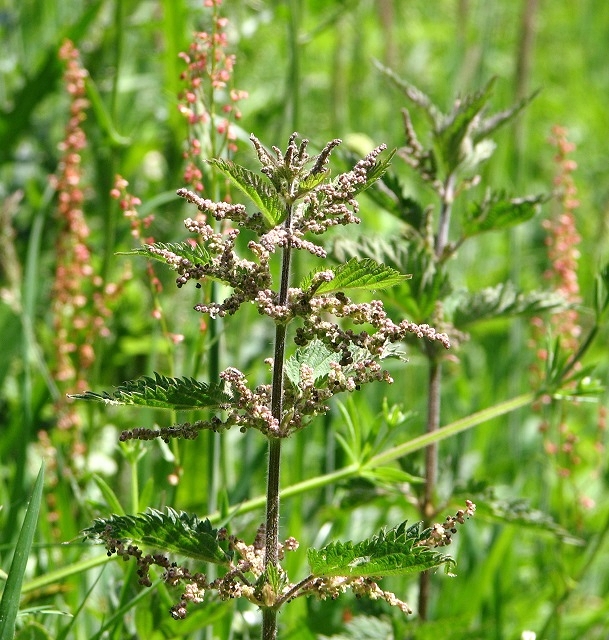
Nettle
Urtica dioica
The mineral-rich sting that heals — nourishing spring greens, allergy-easing leaf, and prostate-supporting root in one plant.
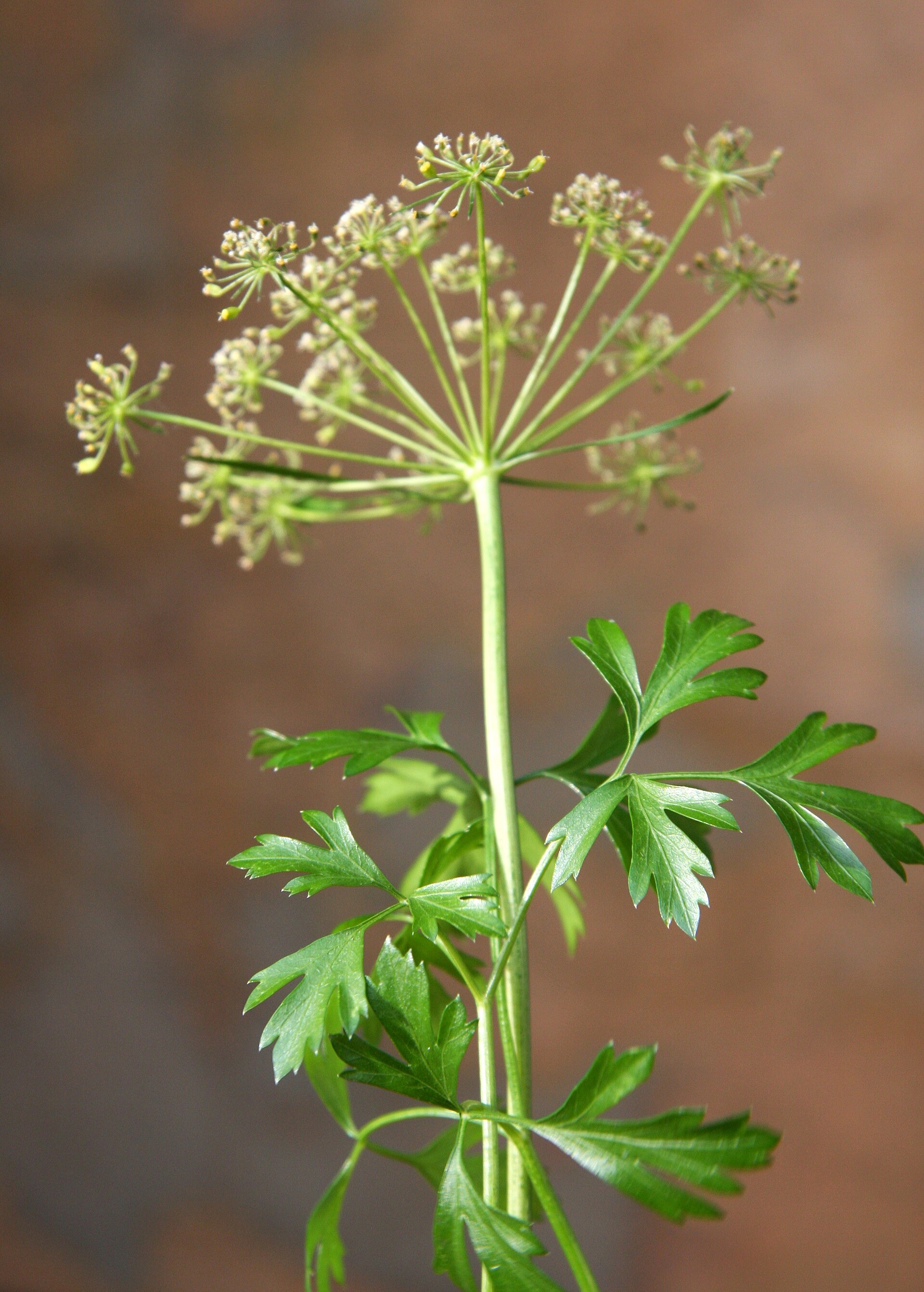
Parsley
Petroselinum crispum
Far more than a garnish — a potent diuretic, mineral-dense green and traditional emmenagogue with a genuinely important pregnancy caution.
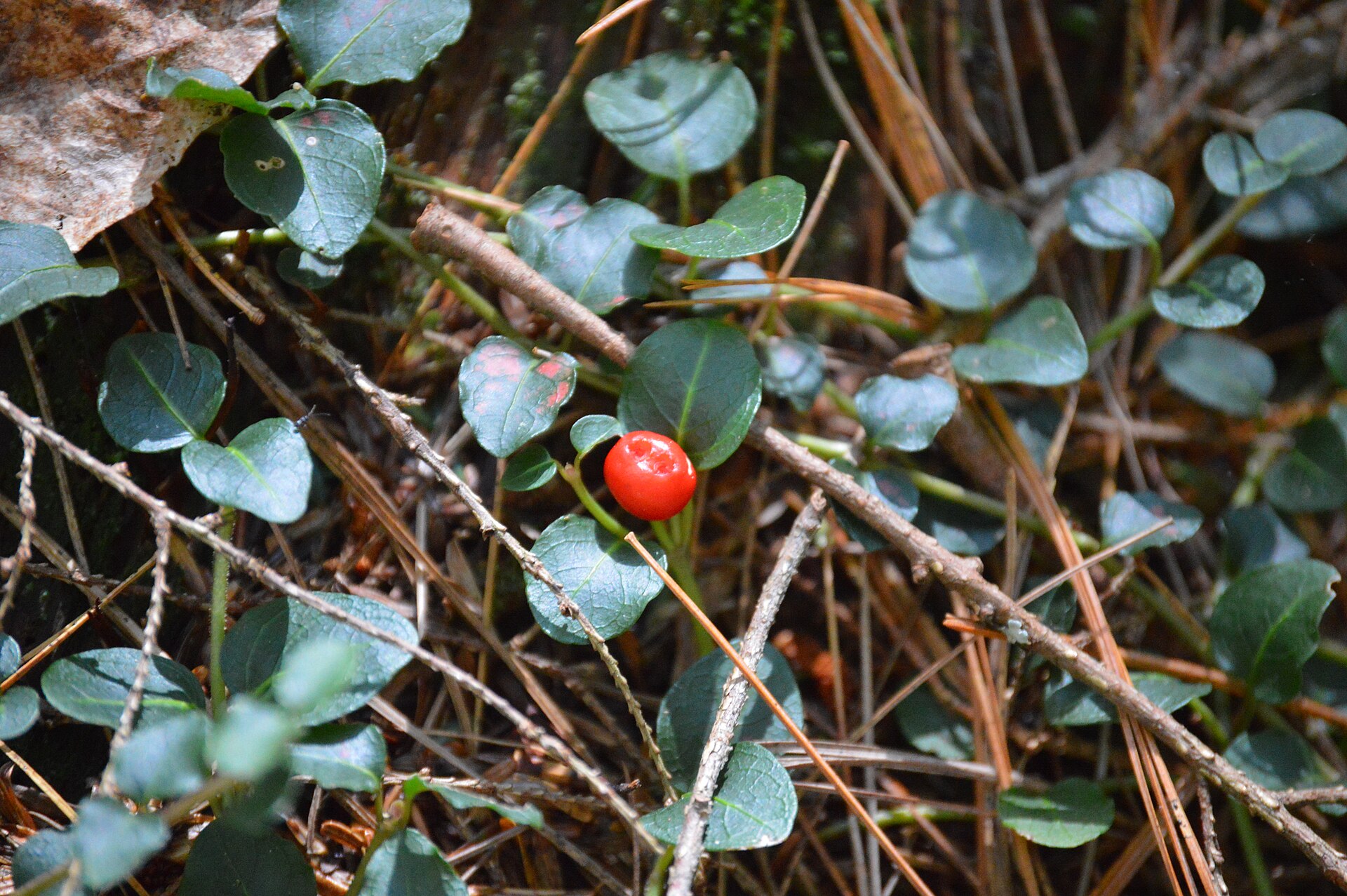
Partridge Berry
Mitchella repens
A trailing woodland vine used by Native American women as a partus preparator — a late-pregnancy uterine tonic to ease labour.
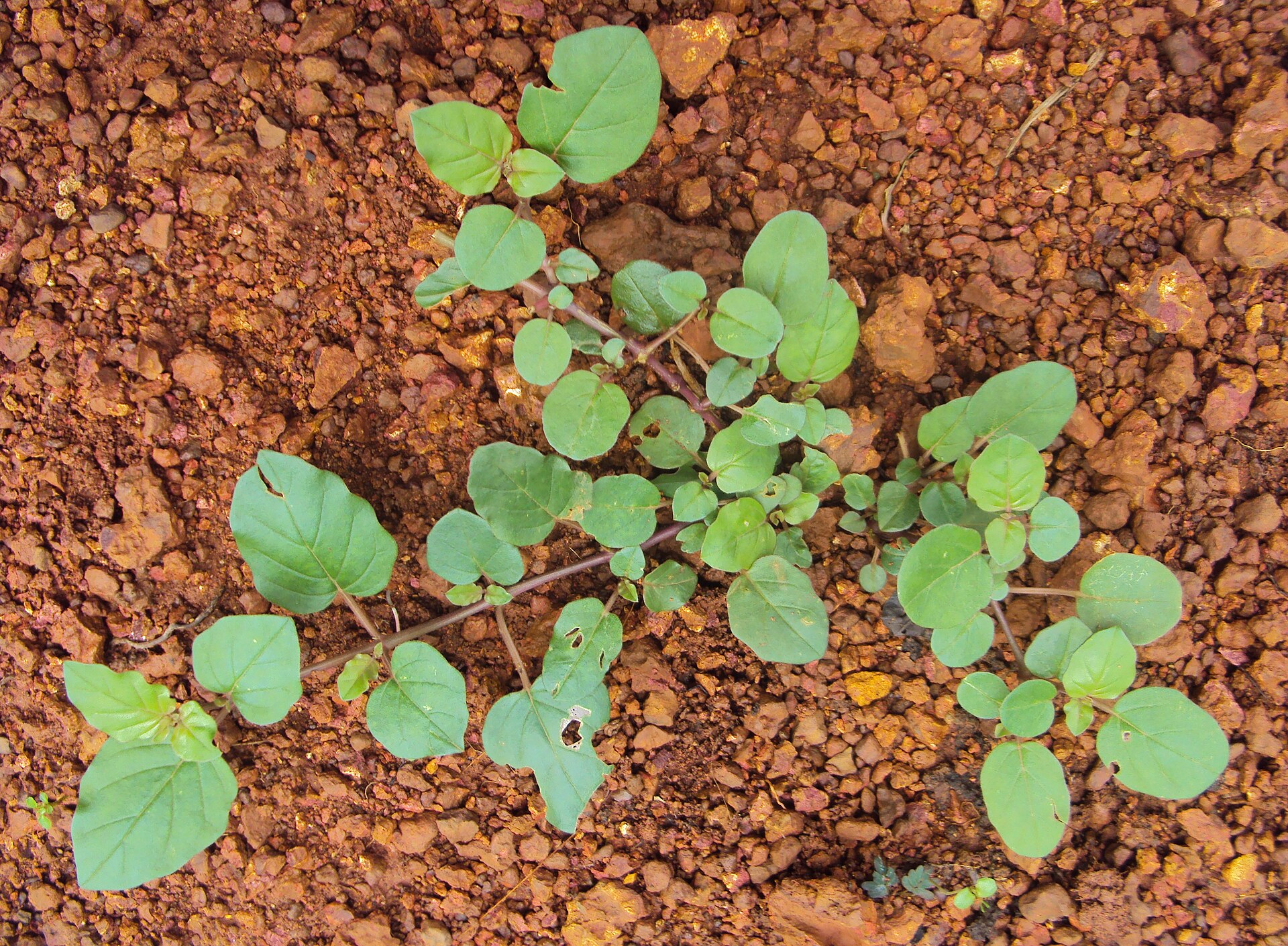
Punarnava
Boerhavia diffusa
The "renewer" of Ayurveda — named for its ability to regenerate from its rootstock, Punarnava is the premier herb for reducing oedema, supporting kidney function and "renewing" the body's water balance.
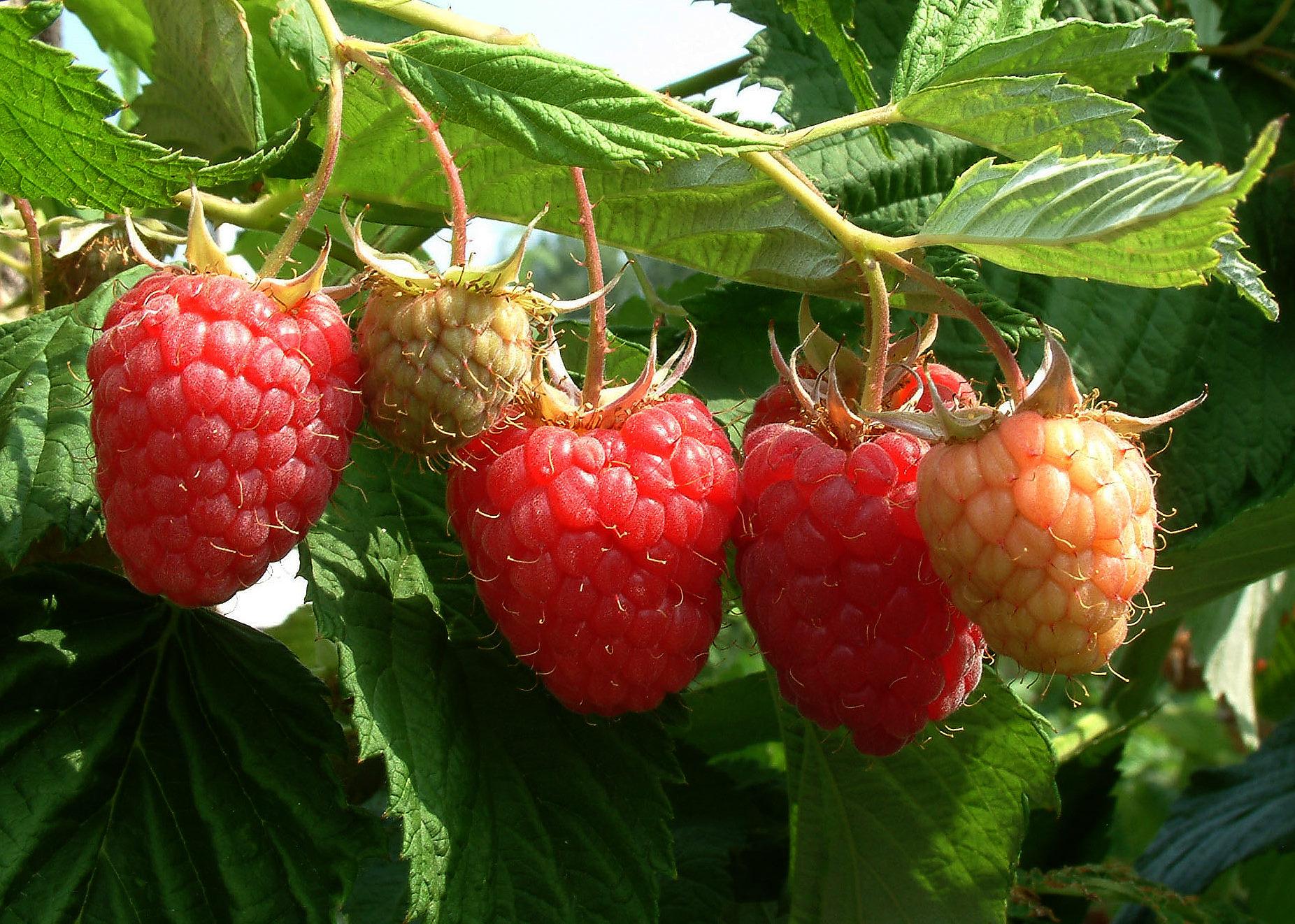
Red Raspberry Leaf
Rubus idaeus
The most widely used pregnancy herb in the world — a uterine tonic taken in the third trimester to prepare for labour, plus a reliable astringent.
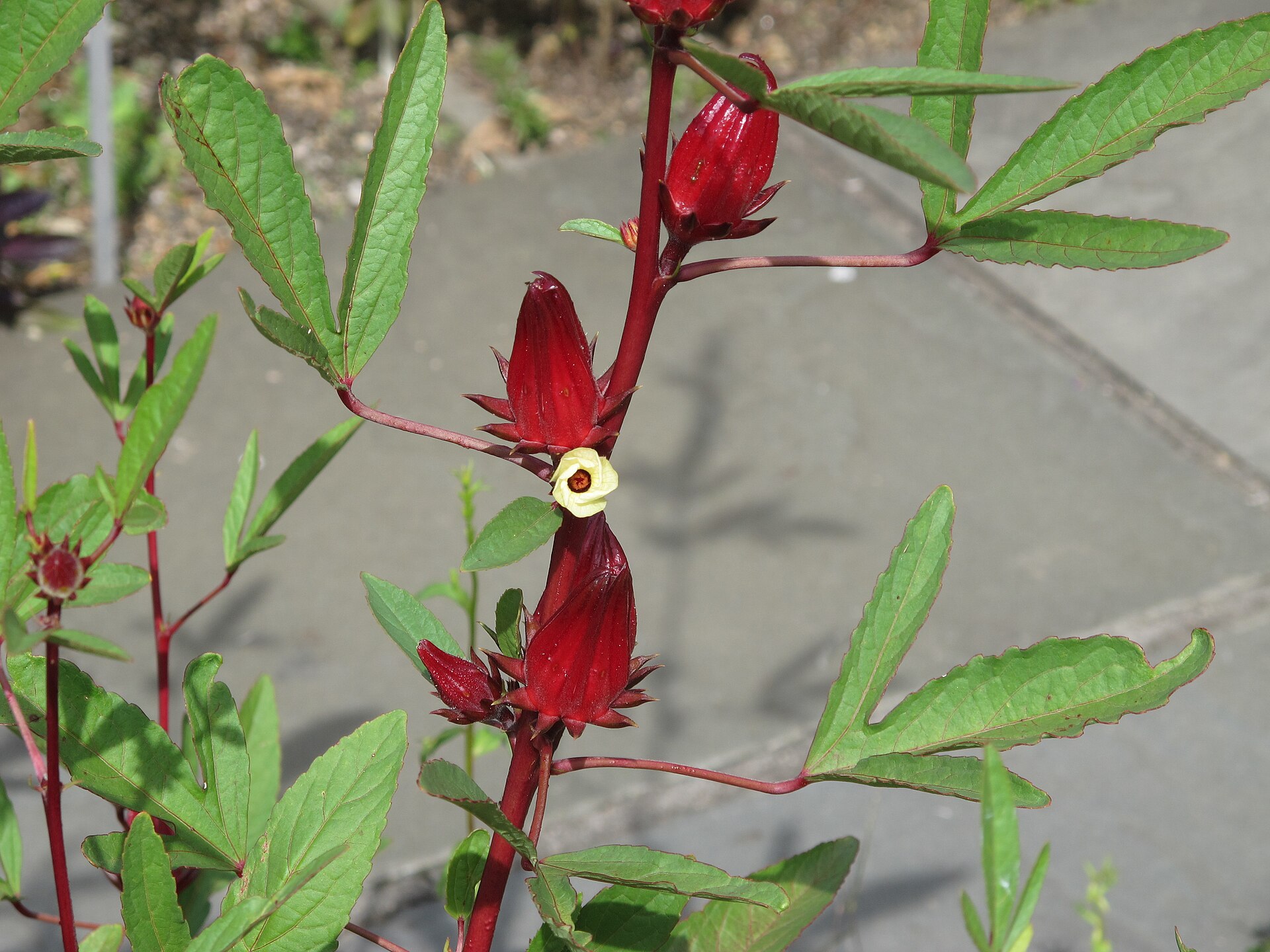
Roselle
Hibiscus sabdariffa
The crimson calyces brewed into the iconic red beverage of West Africa, the Caribbean, and Latin America — clinically proven to lower blood pressure and rich in anthocyanins with antioxidant and hepatoprotective activity.
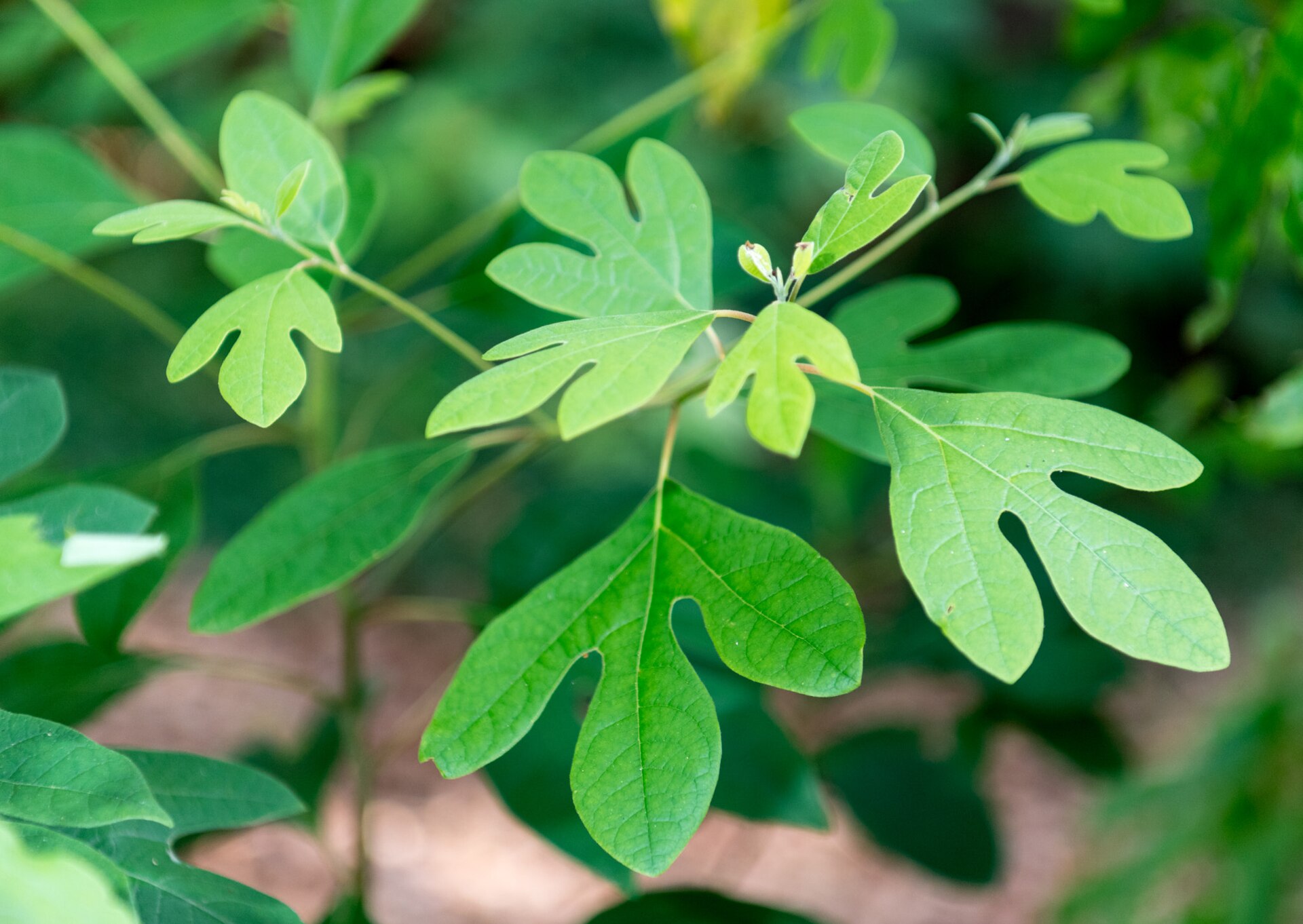
Sassafras
Sassafras albidum
The aromatic root bark that flavoured original root beer and drove an early American export boom — now restricted because of safrole.
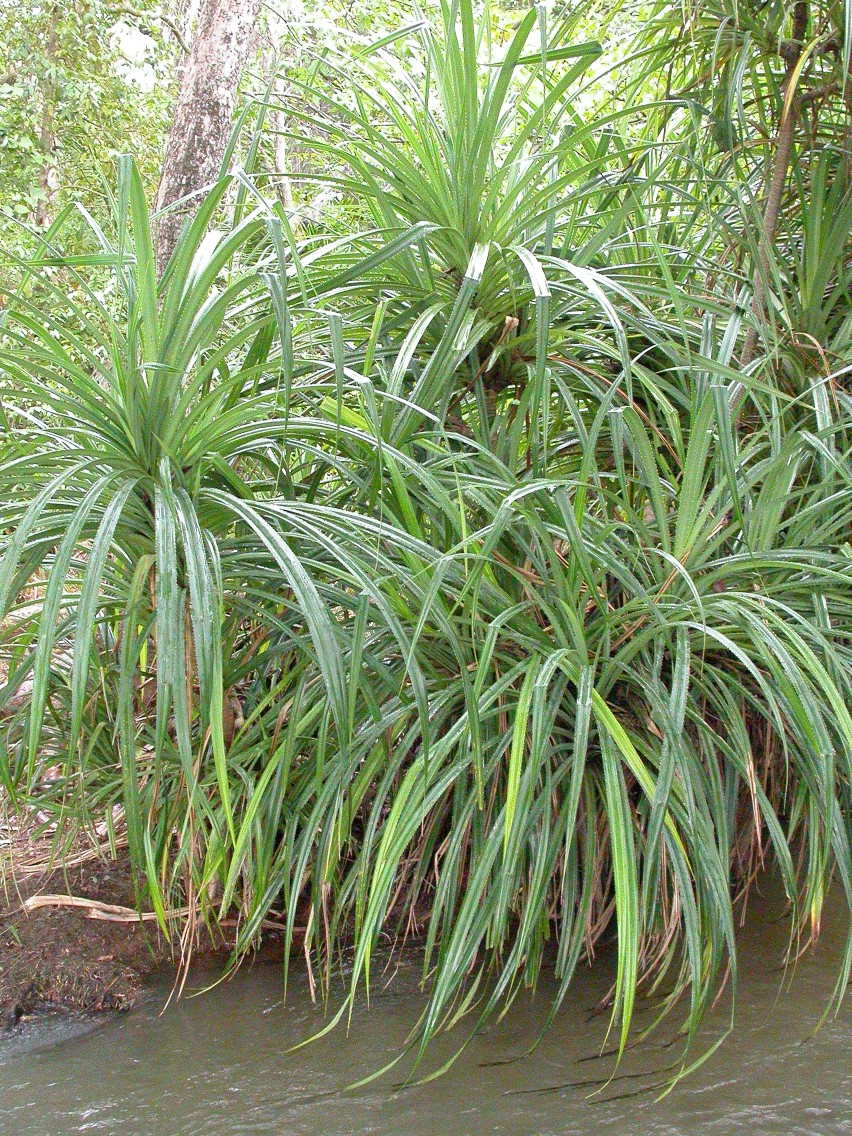
Screw Pine
Pandanus candelabrum
A striking tree with aerial prop roots and spiral leaf arrangement, found in West African swamps. The roots and leaves treat rheumatism, infections, and are woven into mats and baskets. Remarkably, it may indicate diamond-bearing soil.
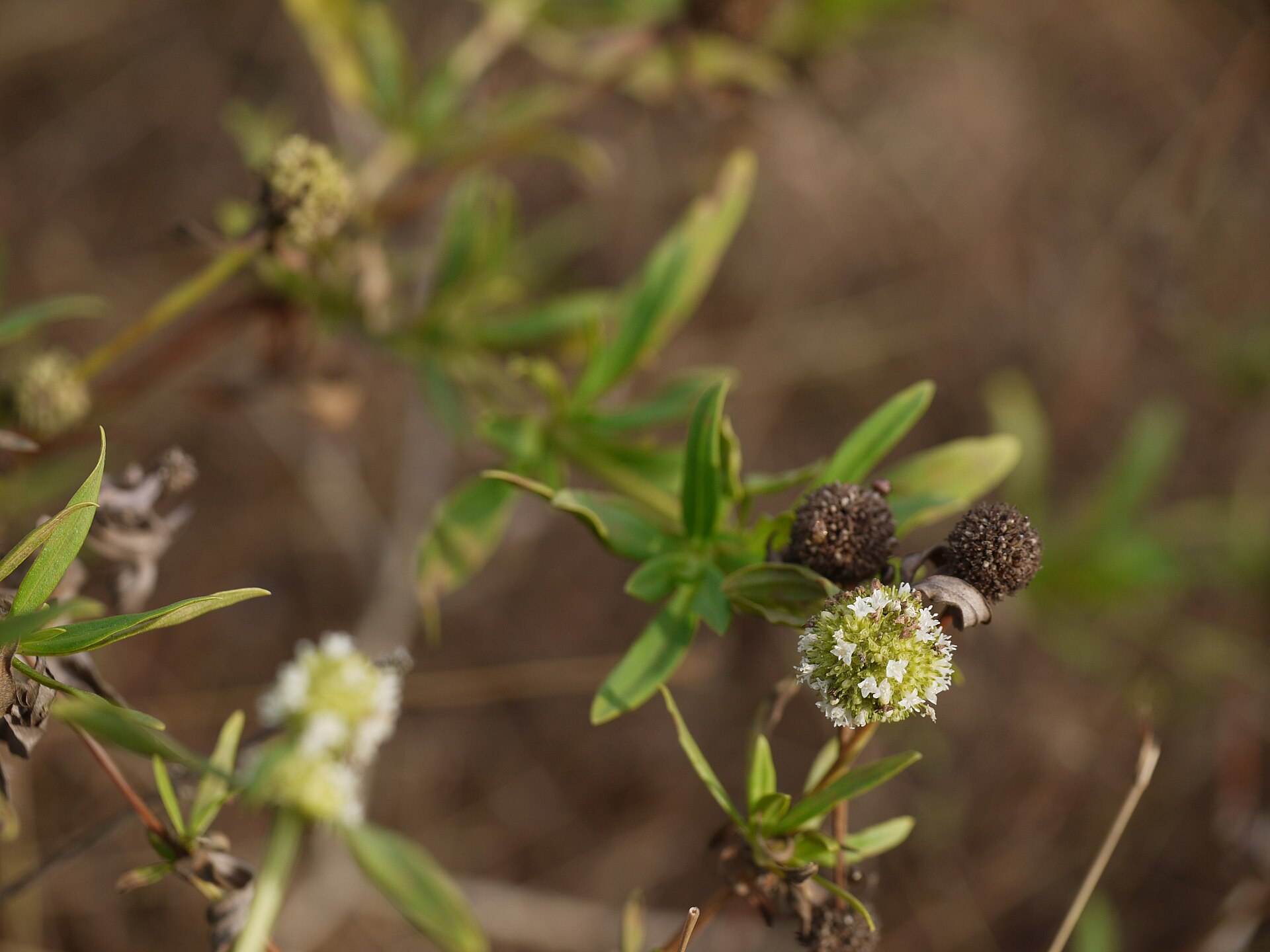
Shrubby False Buttonweed
Spermacoce verticillata
A common roadside weed used across West Africa and Brazil for wound healing, digestive complaints, and fever — understudied but widely available.
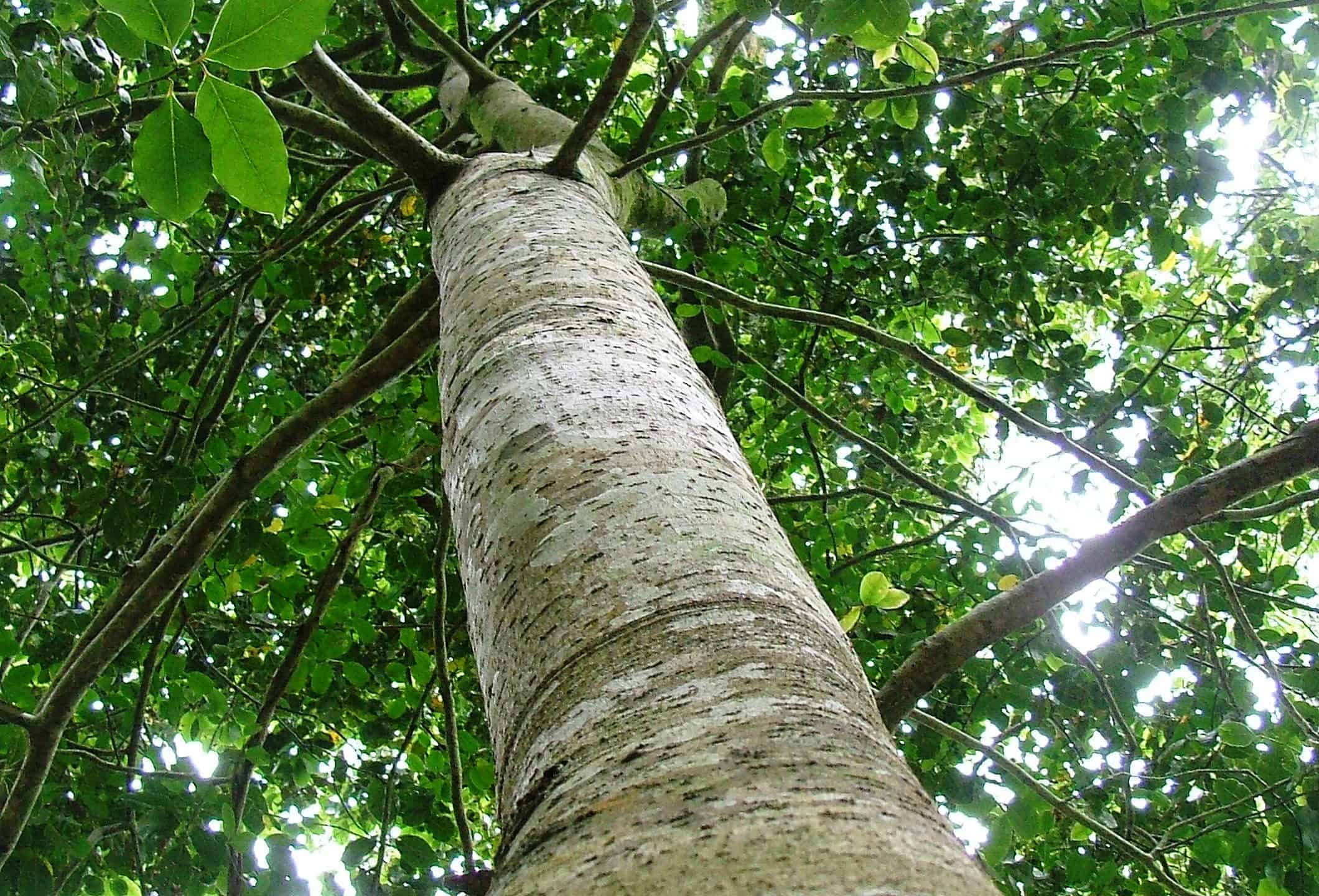
Stinkwood (Black Stinkwood)
Ocotea bullata
A prized southern African forest hardwood whose bark is an important traditional remedy for headaches, urinary and nervous complaints — now protected and threatened.
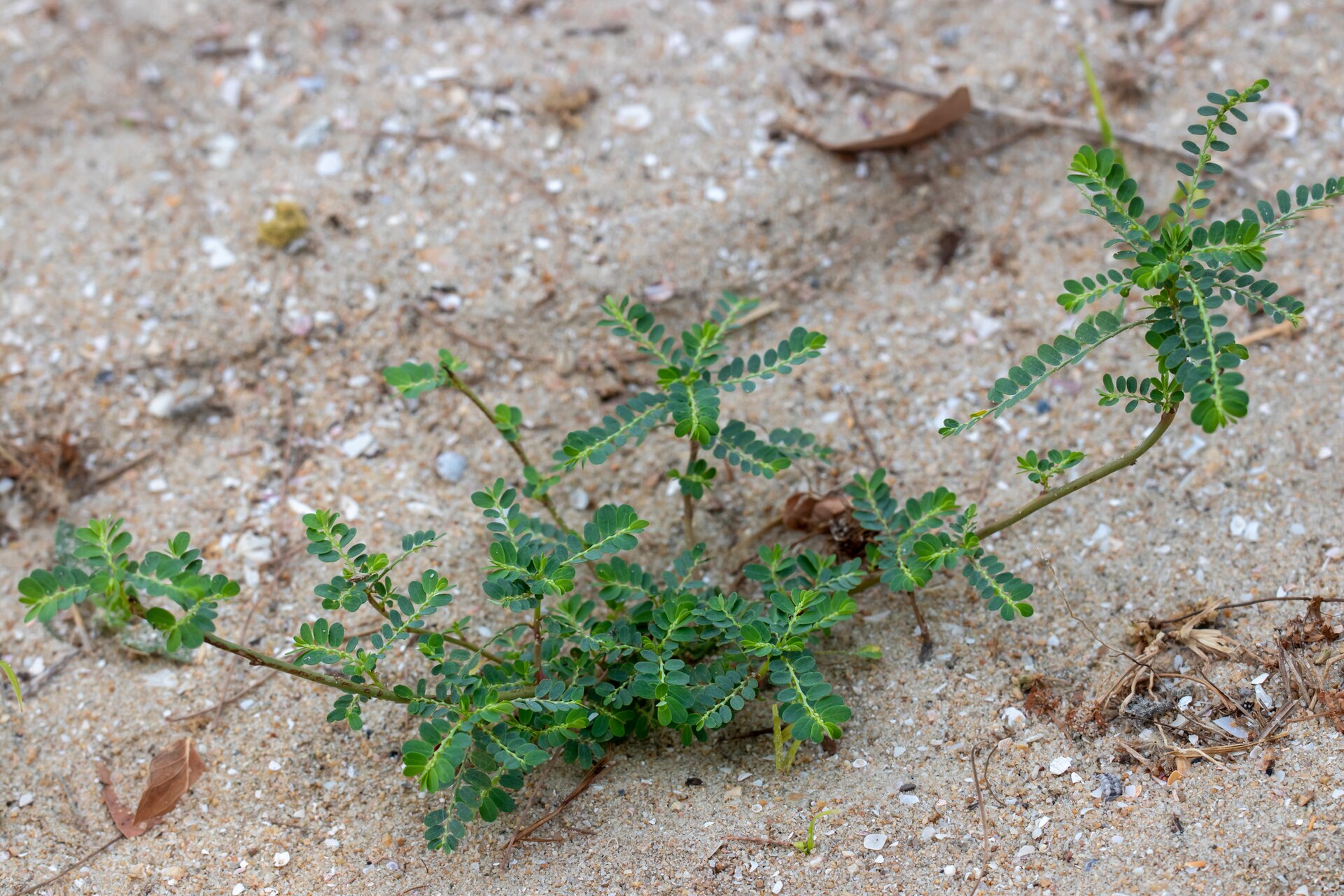
Stone Breaker
Phyllanthus amarus
A small tropical herb renowned worldwide for dissolving kidney and gallbladder stones — backed by clinical data. Used across West African and Amazonian traditions for liver protection, malaria, and urinary tract infections.
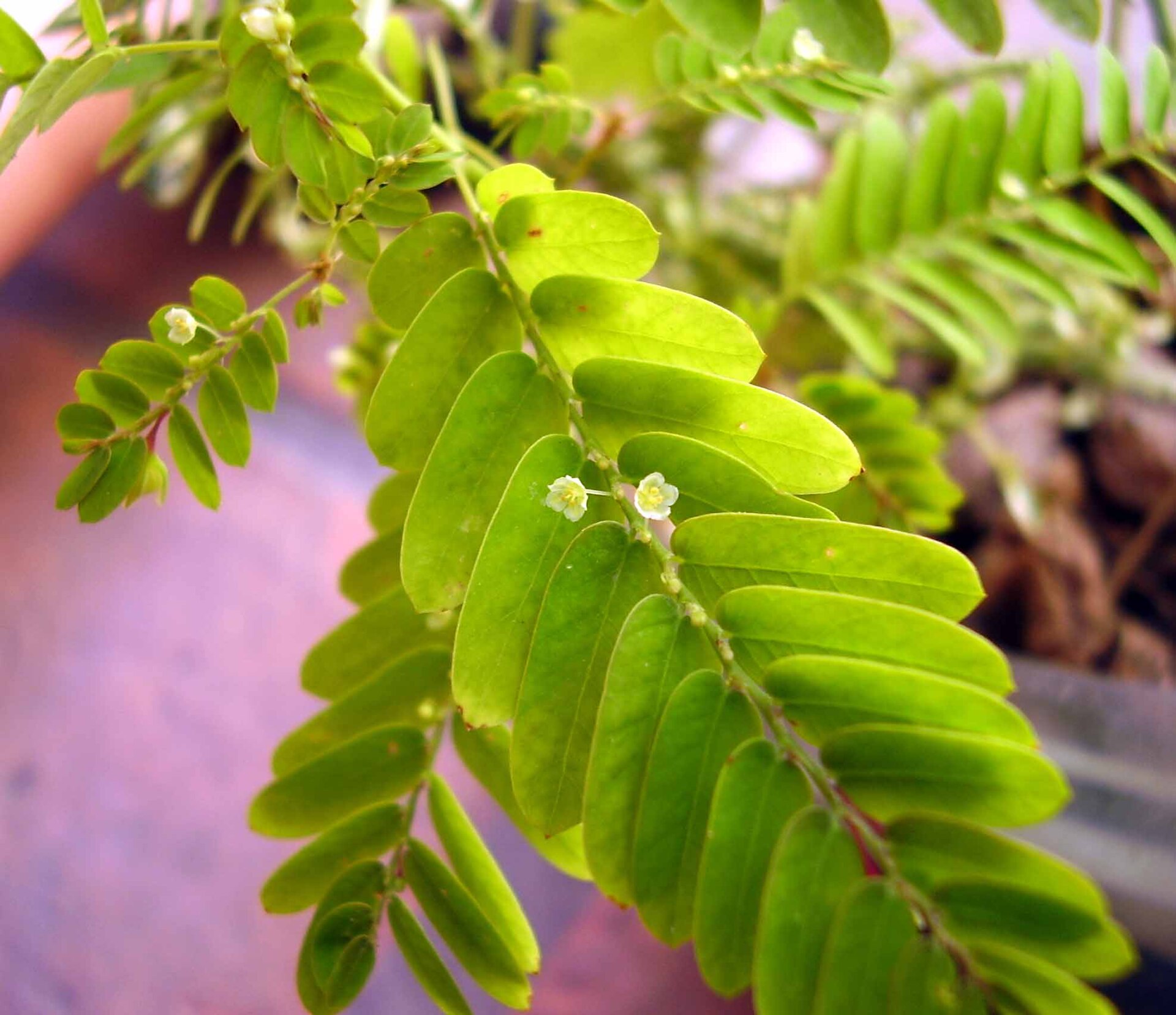
Stonebreaker
Phyllanthus niruri
A small pan-tropical herb whose name says it all — "stonebreaker" is clinically validated for kidney and gallstone prevention, with additional hepatoprotective and antiviral (hepatitis B) activities.
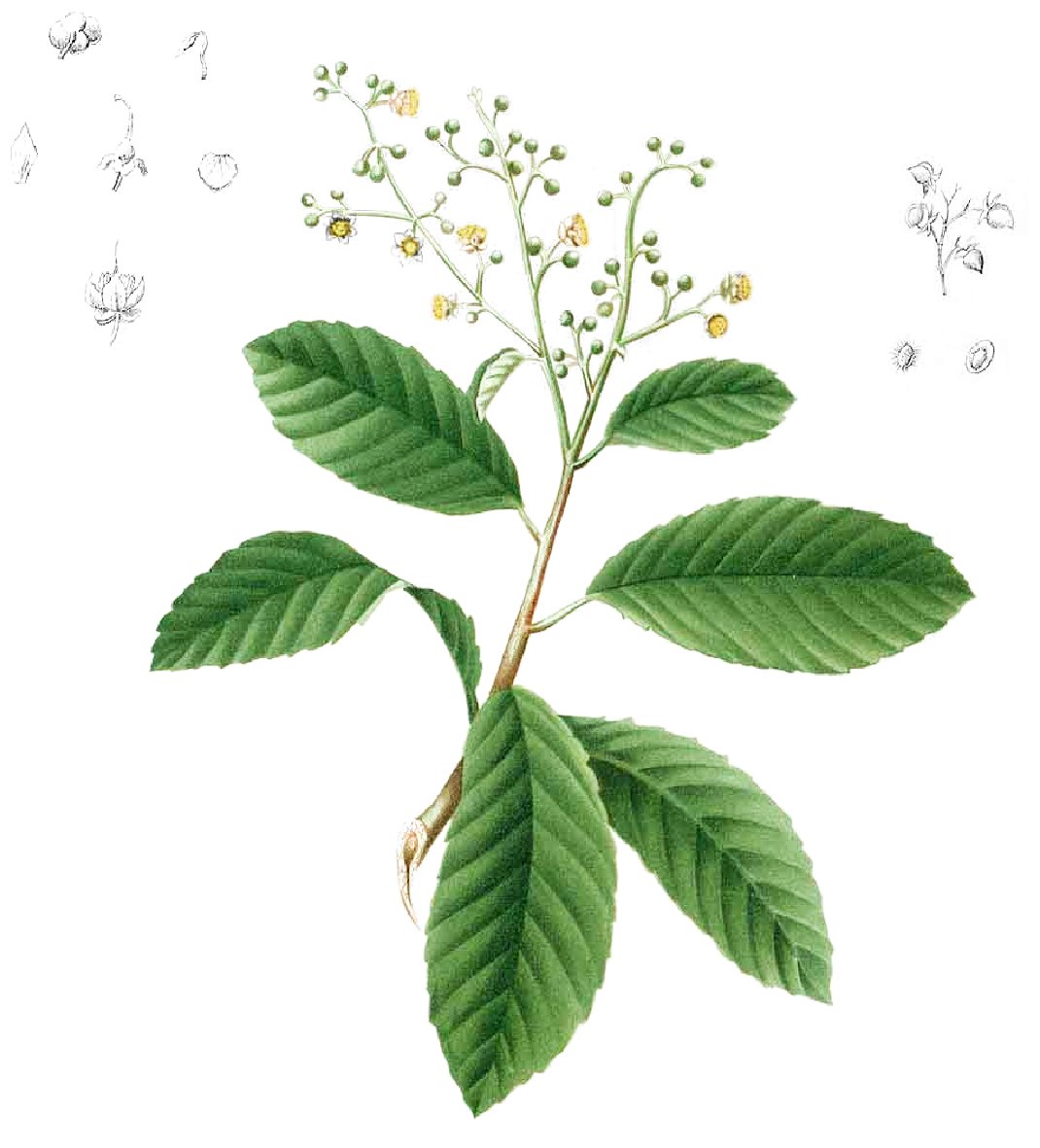
Tetracera
Tetracera alnifolia
A climbing shrub of West African forests whose rough-textured leaves are used as natural sandpaper and whose stem yields drinkable water. Traditional medicine uses it for coughs, asthma, and urinary complaints.
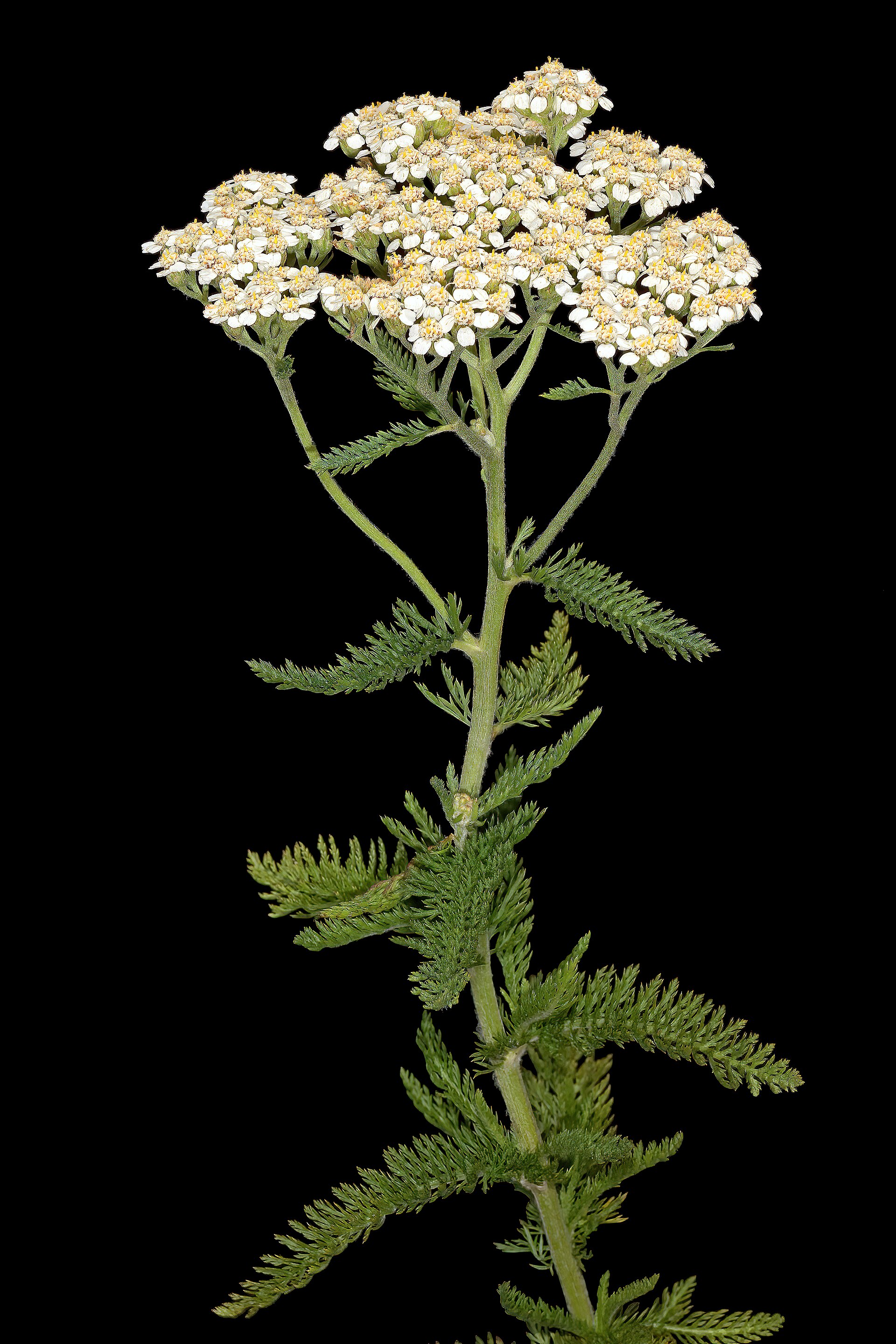
Yarrow
Achillea millefolium
The battlefield wound herb of antiquity and one of the three great fever herbs — stops bleeding, breaks a fever, tones the blood vessels.
Looking for something else?
Browse the full library