Support the body’s natural cleansing
Liver & Detox
Hepatic and cleansing herbs traditionally used to support liver function and the body’s natural detoxification.
60 herbs in this collection
 Featured
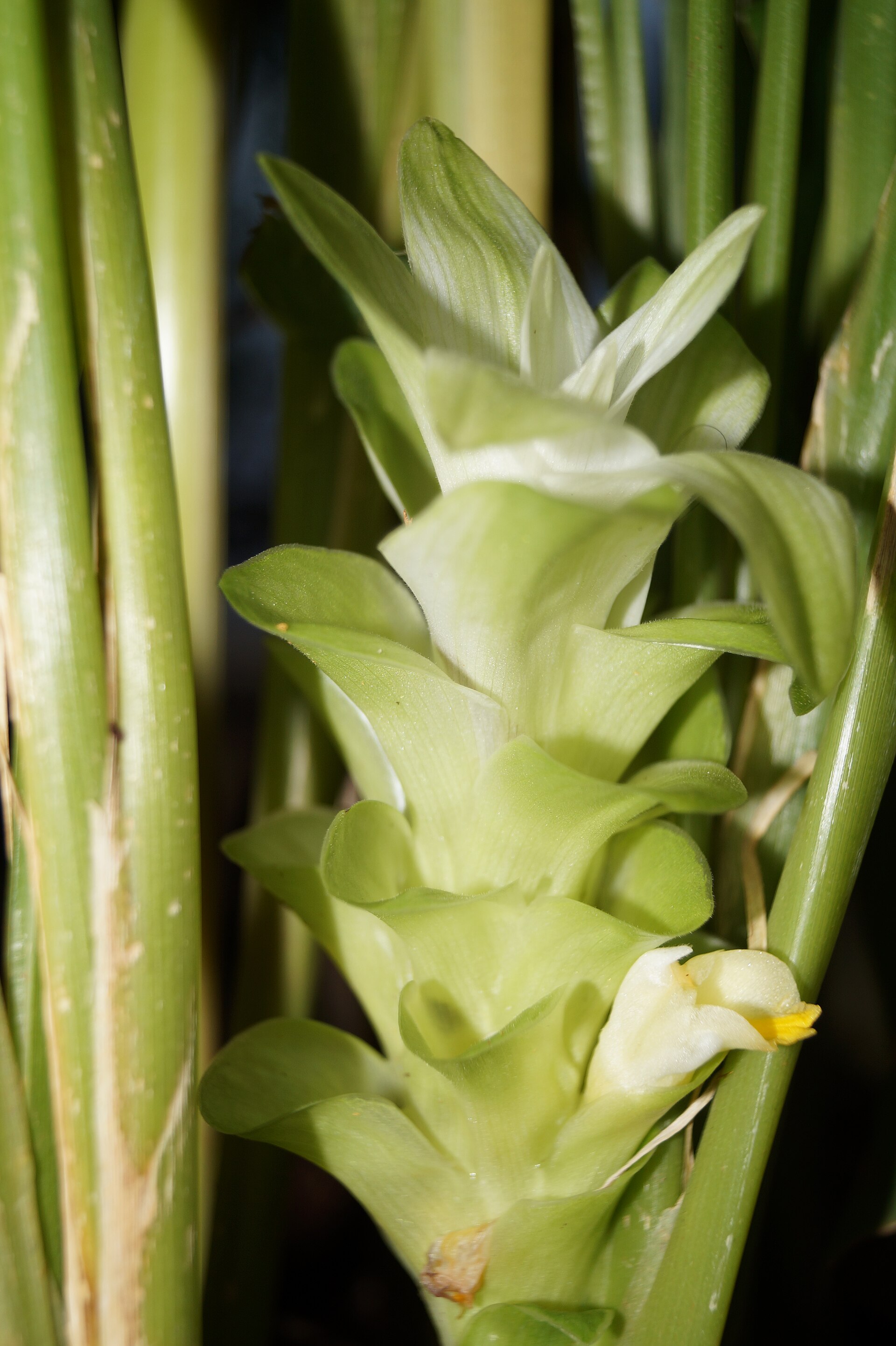
Turmeric
Curcuma longa
The golden rhizome of Ayurveda and TCM — one of the most researched botanicals on earth for inflammation, joint health, and liver support.
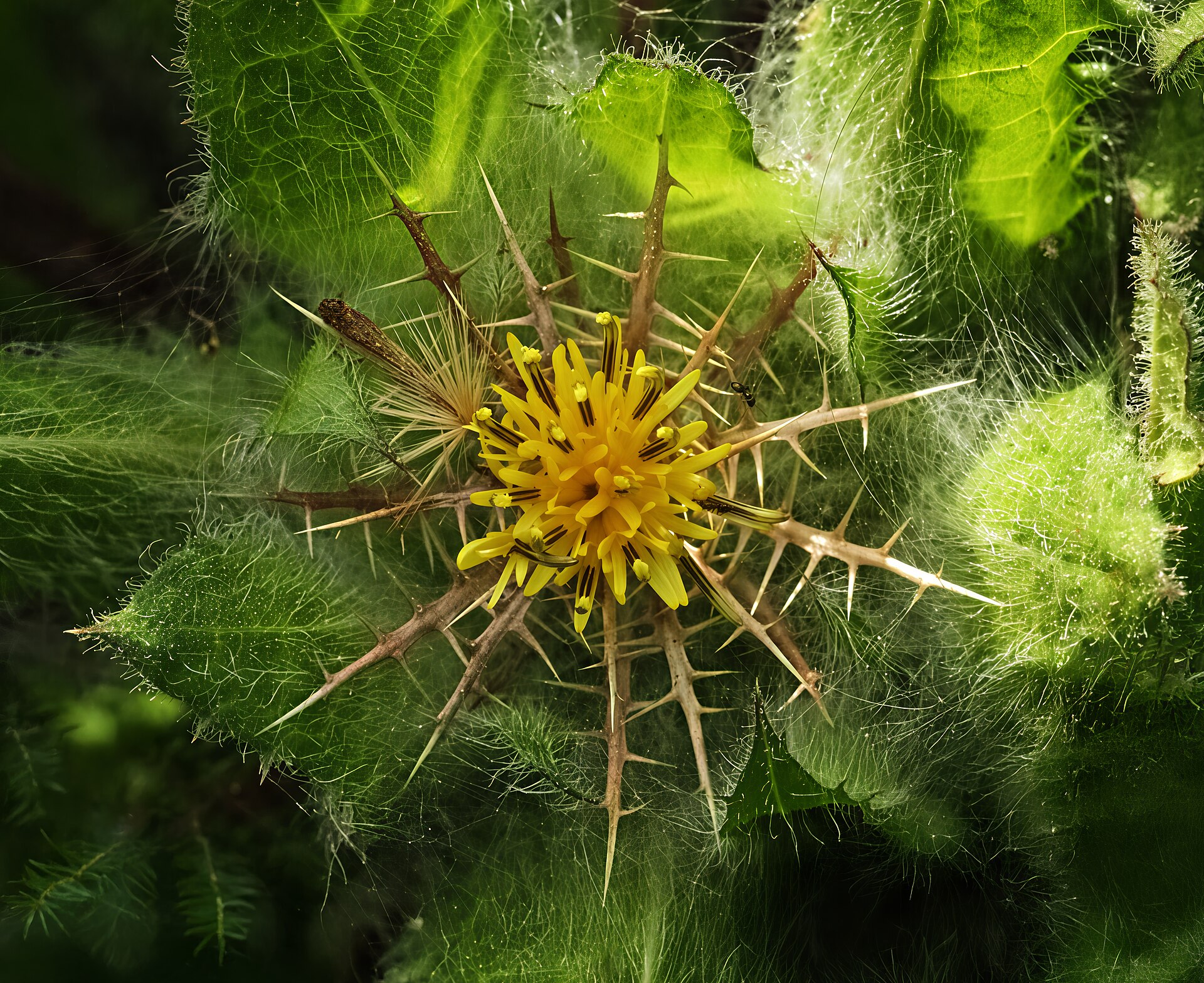
Blessed Thistle
Cnicus benedictus
A intensely bitter monastic herb used since the Middle Ages to wake up weak digestion, stimulate appetite and support breast-milk supply.
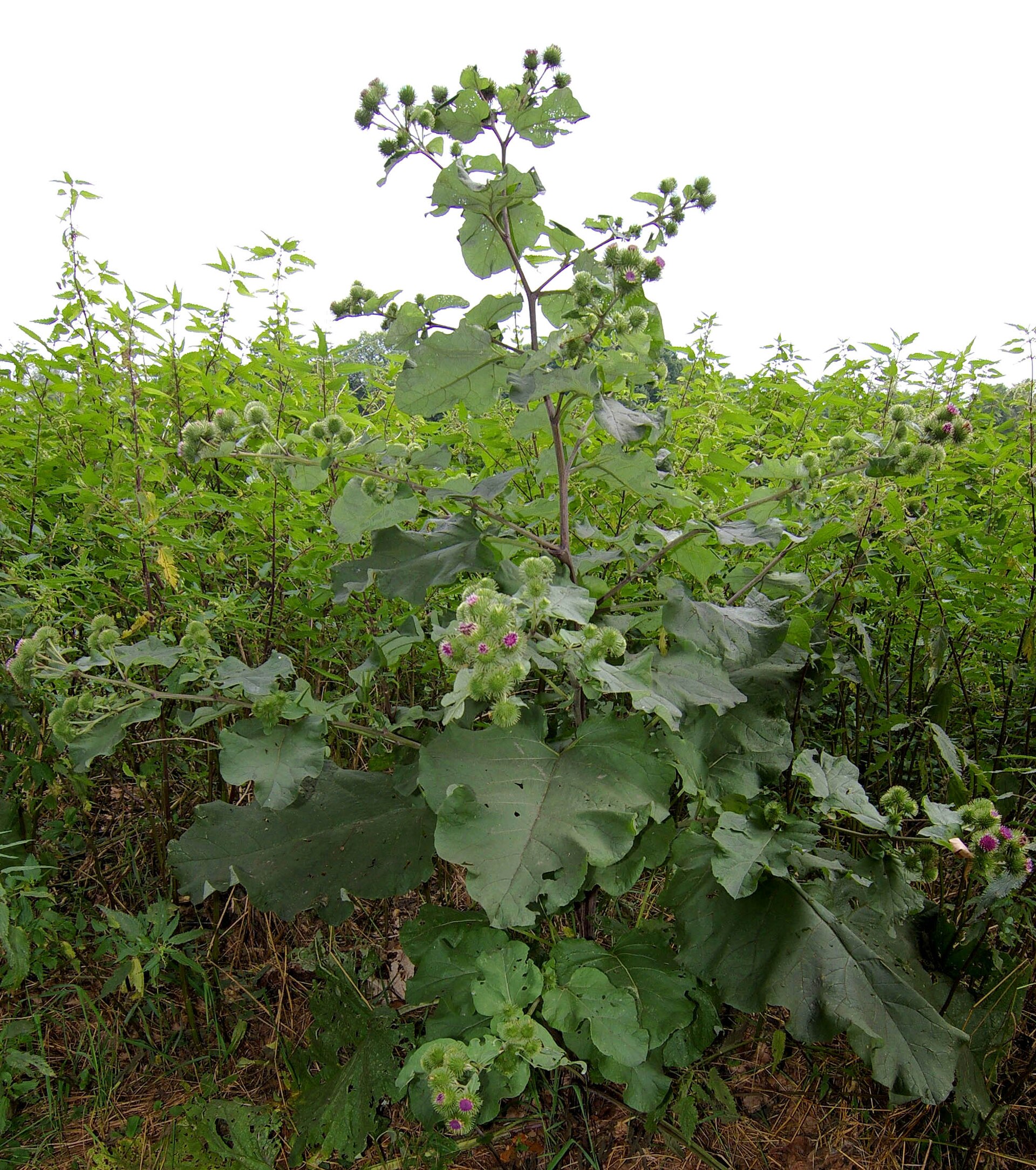
Burdock Root
Arctium lappa
The definitive Western alterative — a nutritive, inulin-rich root that works slowly and deeply on skin, lymph and liver.
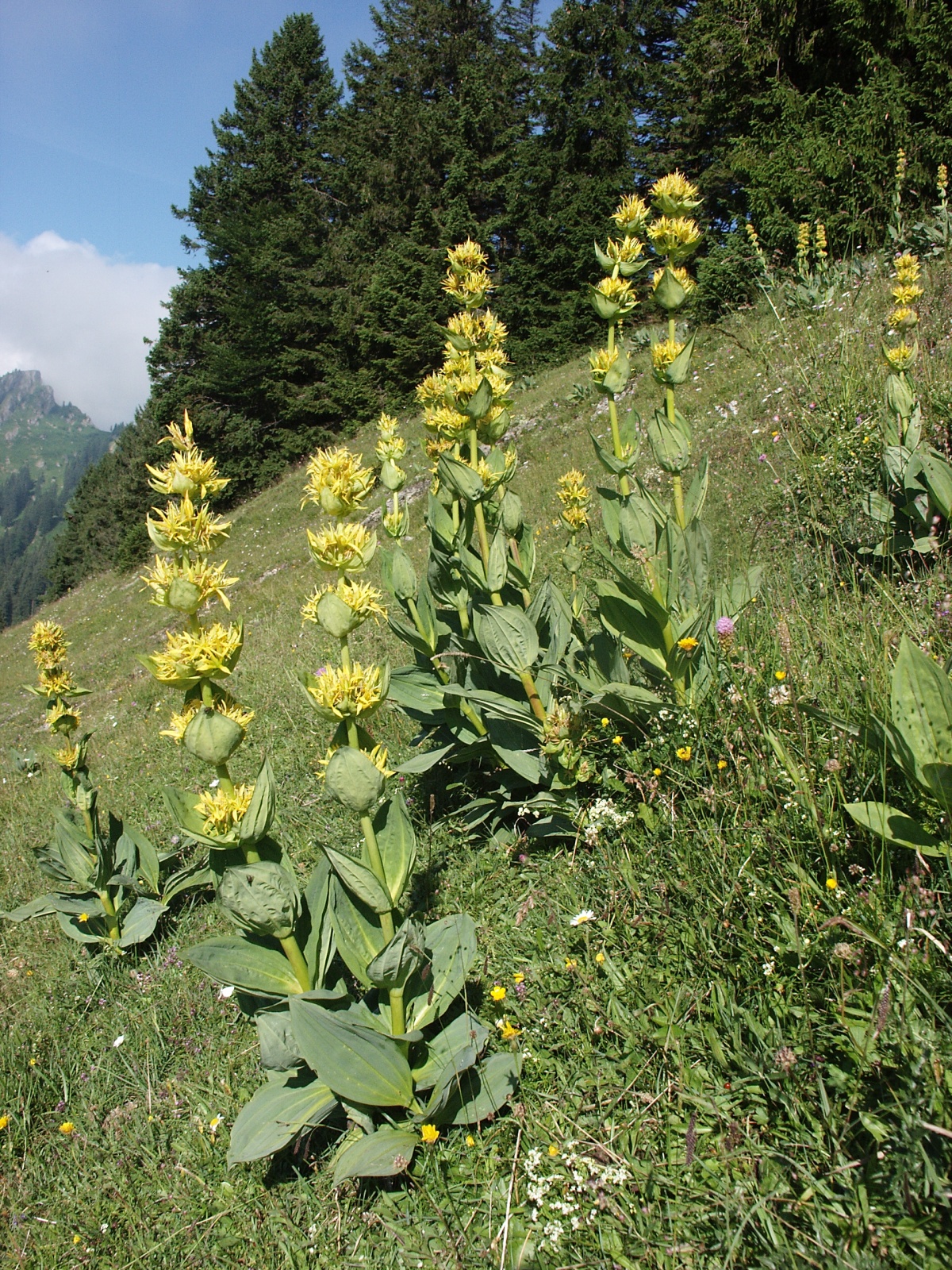
Gentian
Gentiana lutea
The bitterest herb in European medicine — the reference standard for digestive bitters and the backbone of every classic apertif.
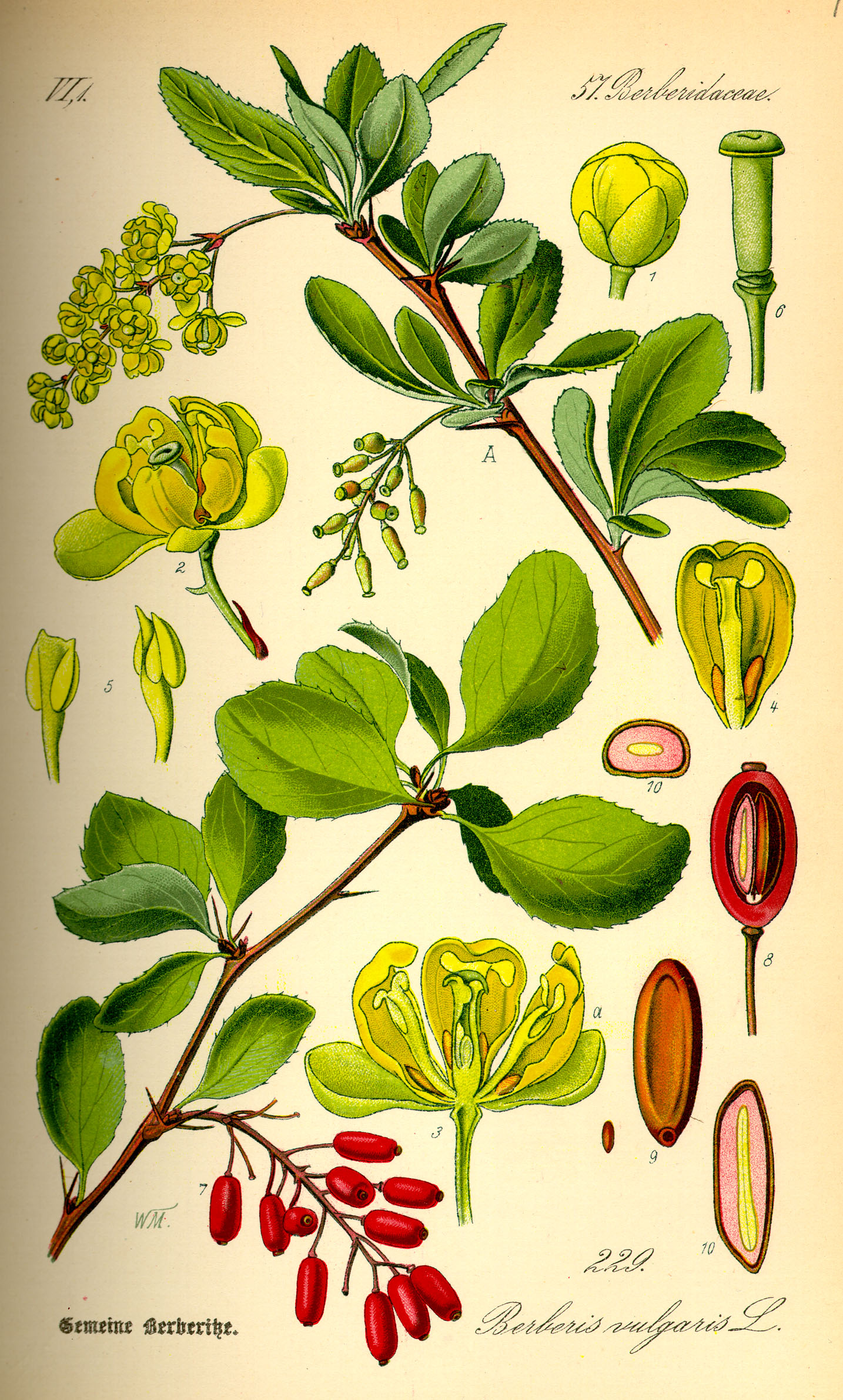
Barberry
Berberis vulgaris
A berberine-rich root bark used across Europe, Persia and India as a bitter liver stimulant, antimicrobial and blood-sugar regulator.
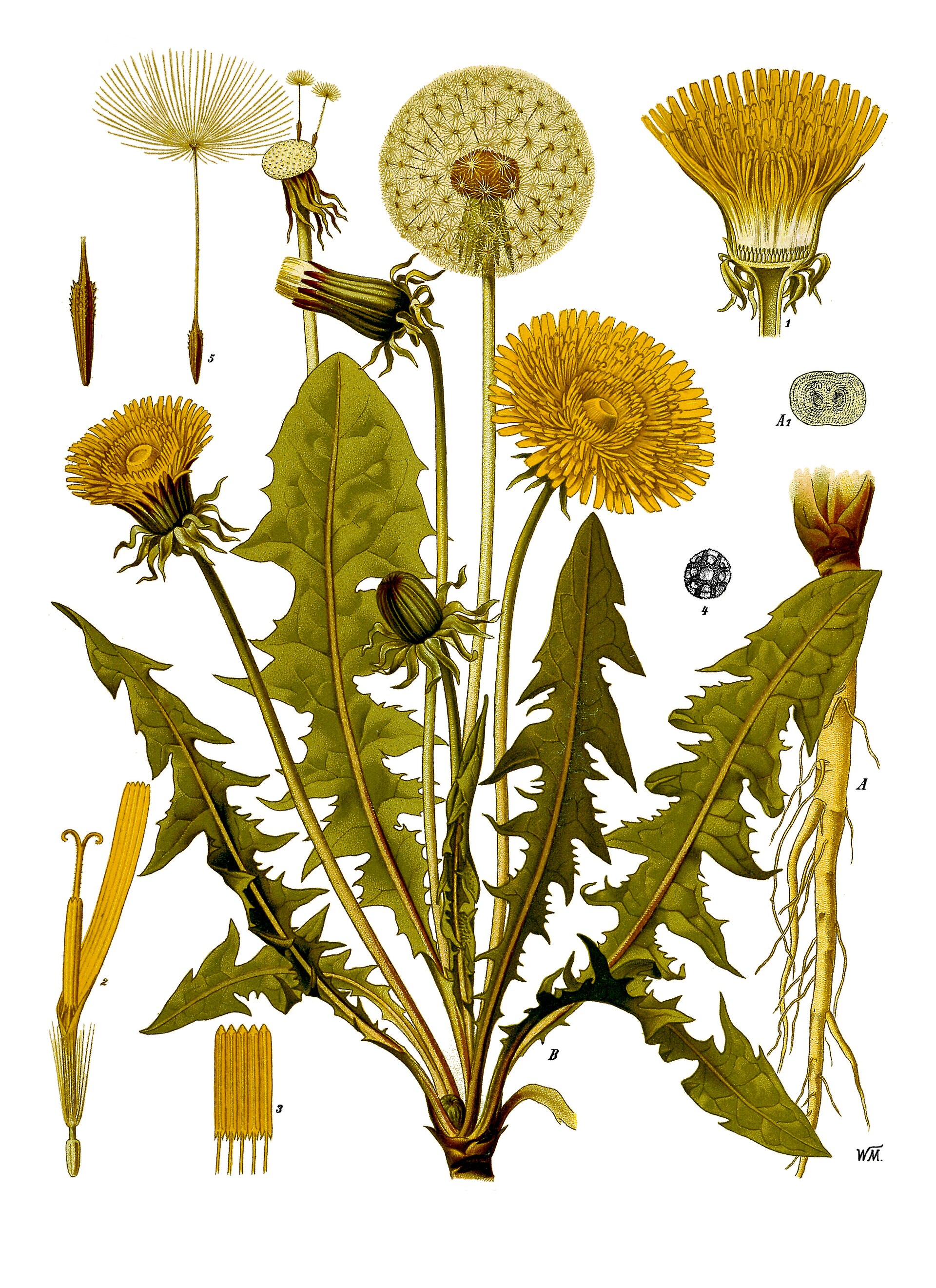
Dandelion
Taraxacum officinale
The garden “weed” that is a complete medicine — bitter leaves for water balance, roasted root for liver and digestion.
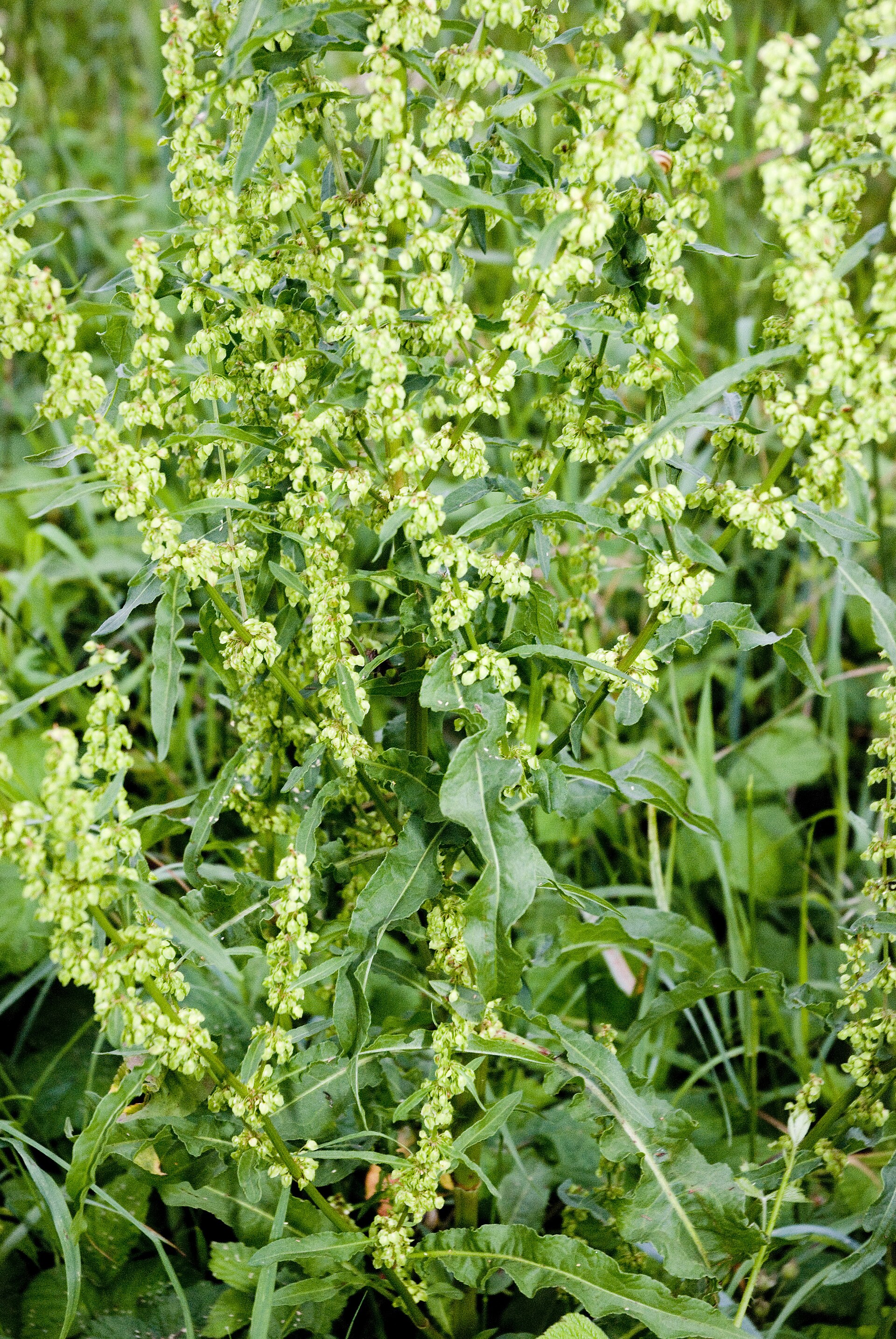
Yellow Dock
Rumex crispus
A gentle alterative and iron-mobilising bitter — the classic pairing for sluggish bowels, chronic skin conditions and low iron.
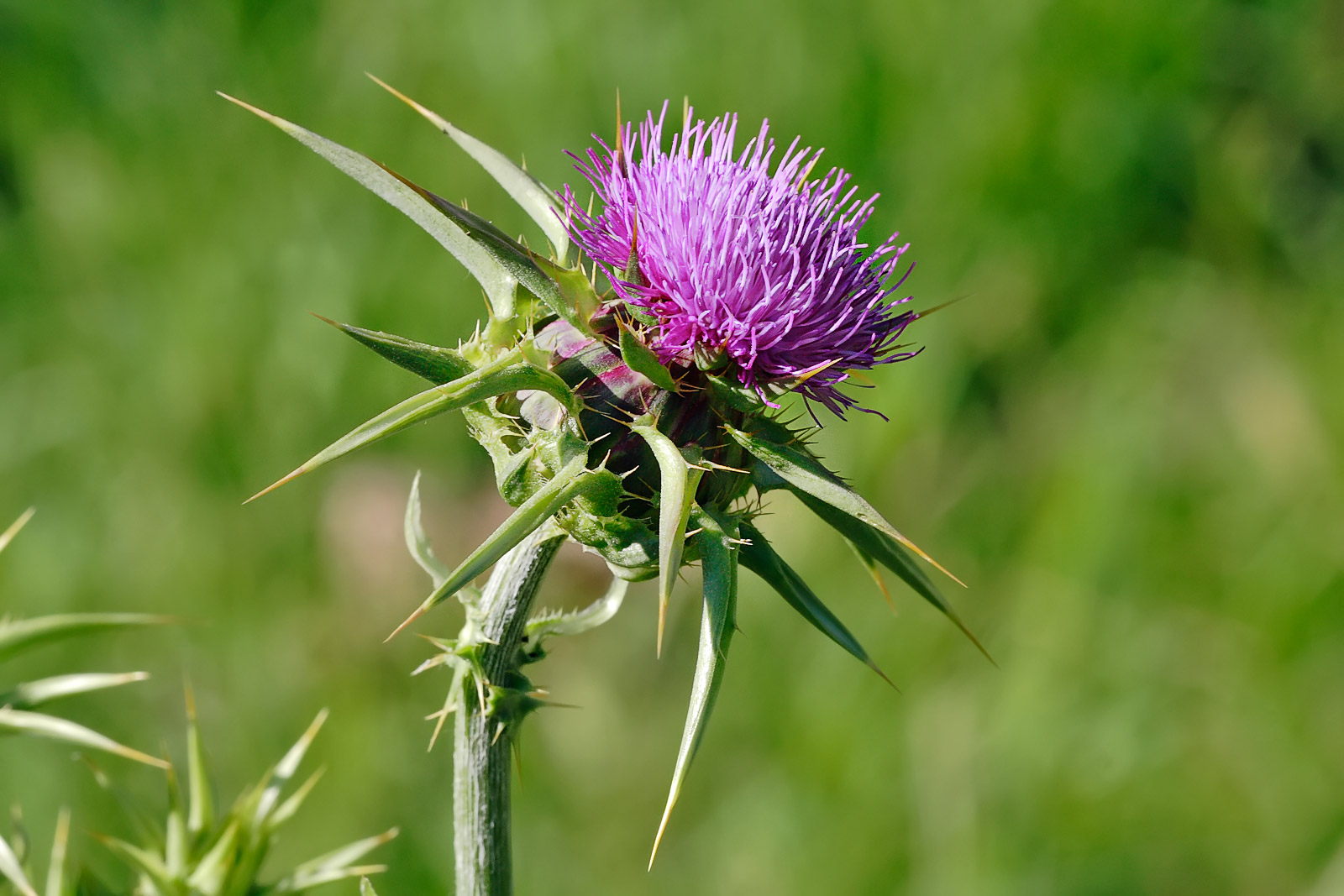
Milk Thistle
Silybum marianum
The definitive liver herb — 2,000 years of use and modern hepatoprotective science centered on its silymarin flavonolignans.
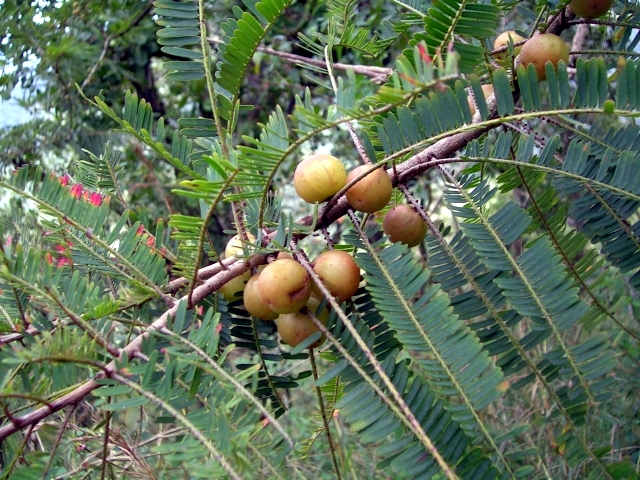
Amla
Phyllanthus emblica
The "nurse fruit" of Ayurveda and the richest natural source of bioavailable vitamin C — one of the three ingredients in Triphala and one of the most important Rasayanas for rejuvenation, immunity and longevity.
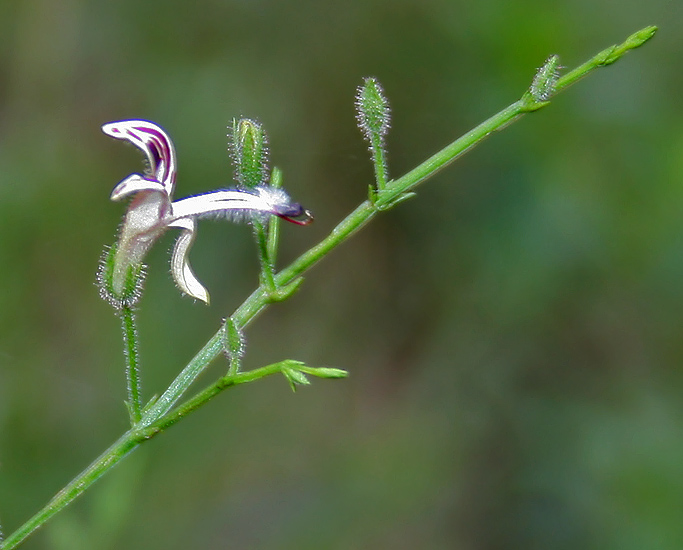
Andrographis
Andrographis paniculata
The "Indian Echinacea" and "King of Bitters" — used across Ayurveda, TCM and Southeast Asian medicine for infections and fevers, now with robust clinical trial evidence for reducing cold/flu severity and duration.
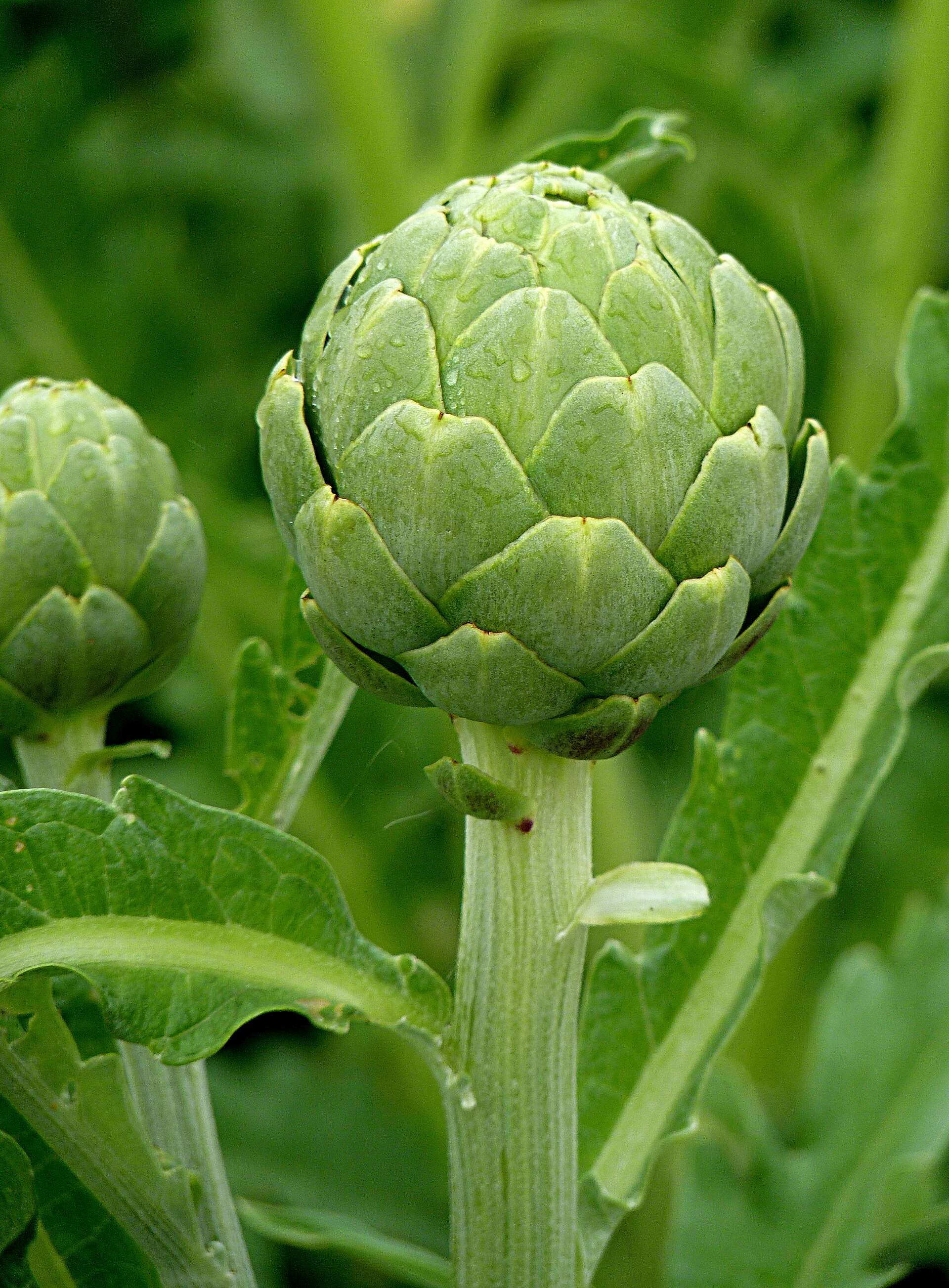
Artichoke
Cynara scolymus
A Mediterranean thistle whose leaves (not the edible flower head) are a well-researched hepatoprotective and choleretic — one of the best-evidenced herbal remedies for dyspepsia and cholesterol management.
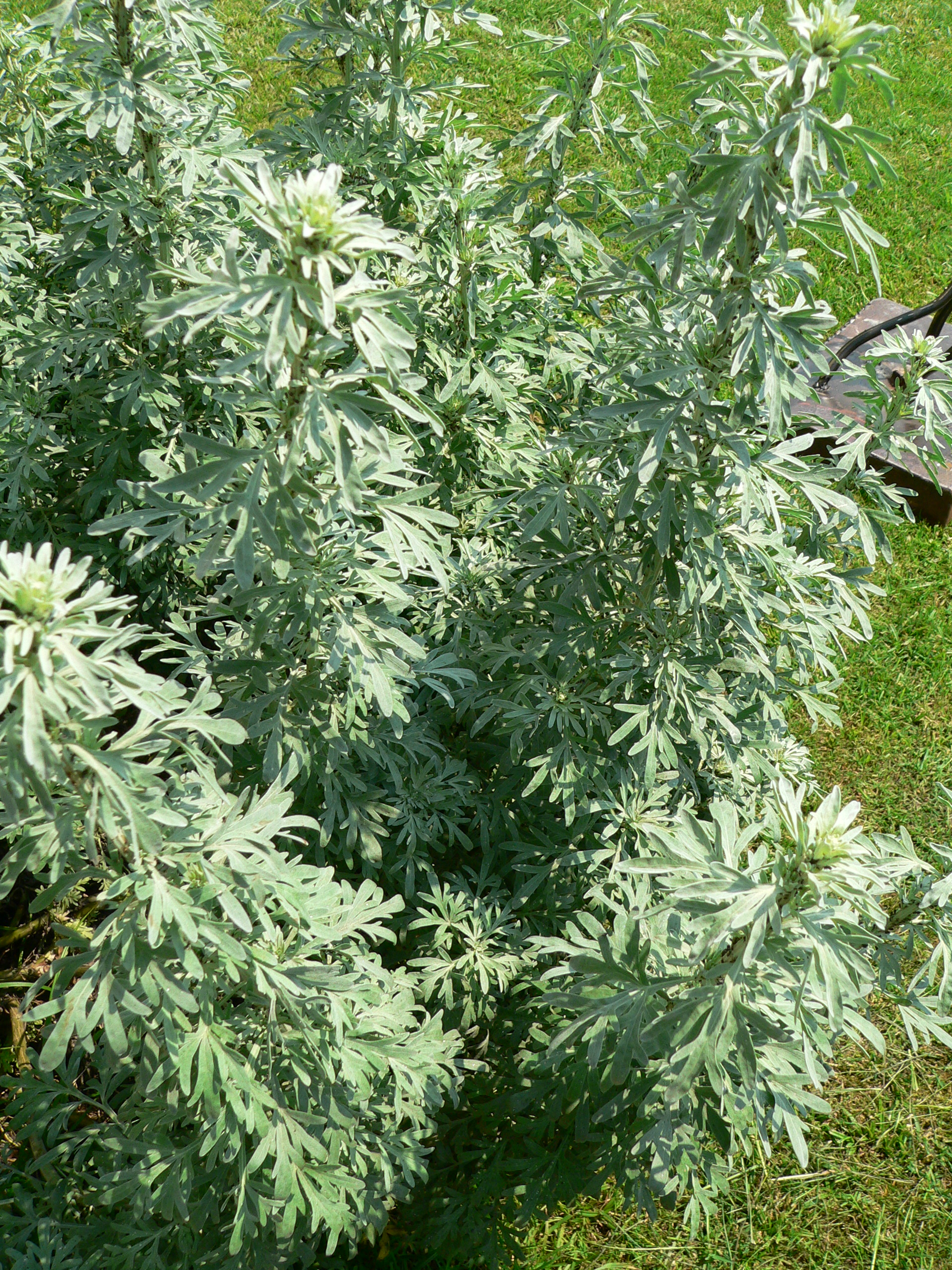
Wormwood
Artemisia absinthium
The bitterest of the bitters — a formidable antiparasitic and digestive stimulant, and the botanical soul of absinthe.
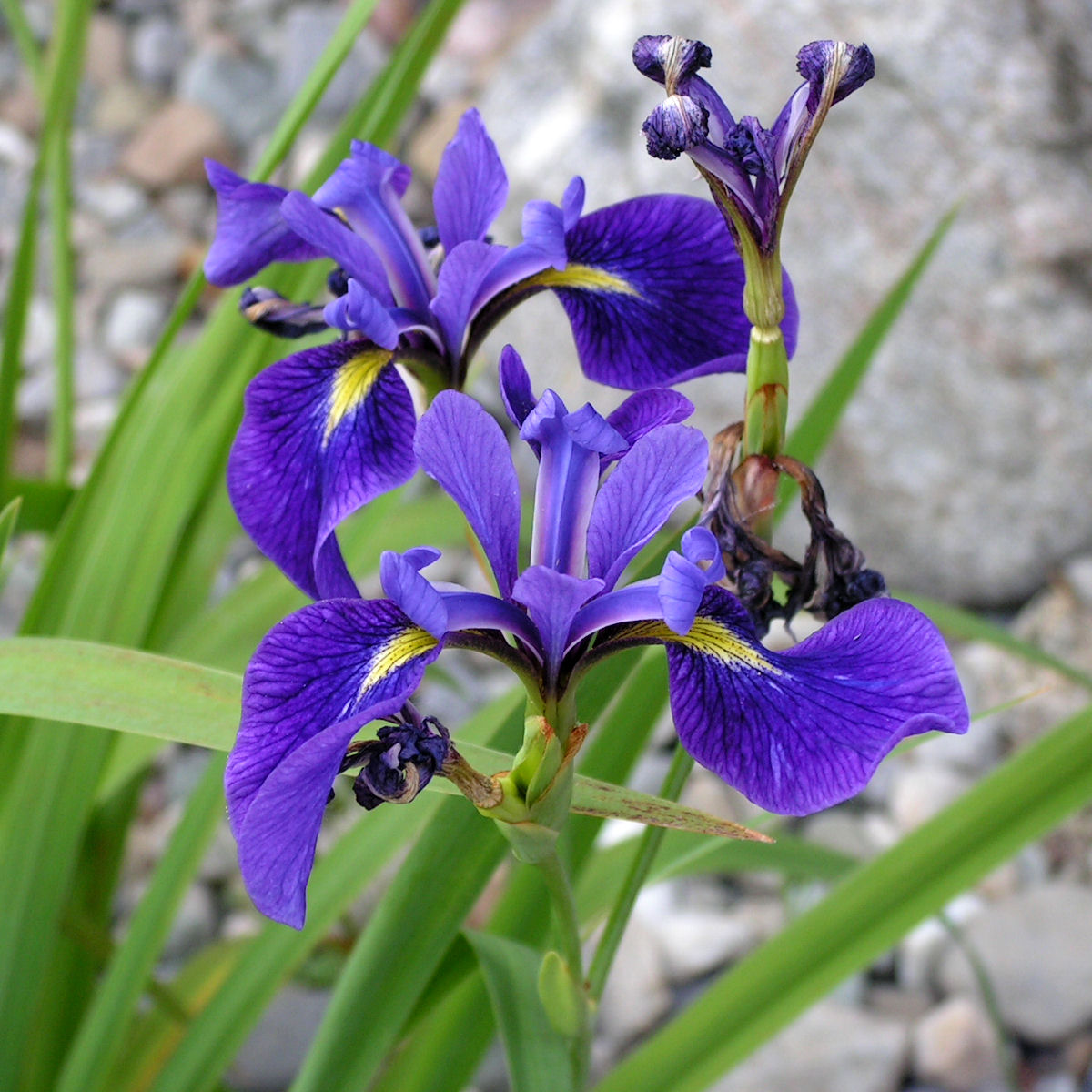
Blue Flag
Iris versicolor
A North American lymphatic and hepatic alterative once nicknamed "vegetable mercury" for its powerful action on stubborn skin and glandular conditions.
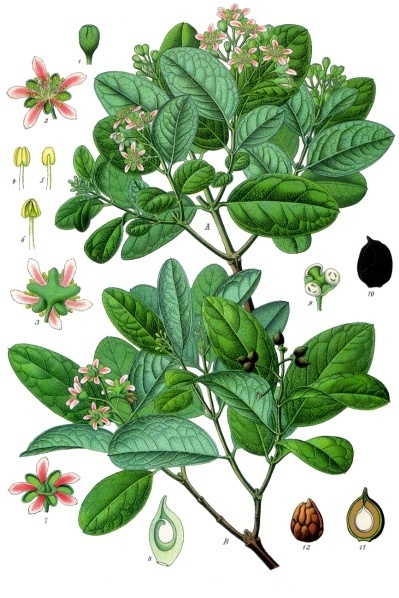
Boldo
Peumus boldus
Chile's national medicinal plant — an aromatic evergreen whose leaves are the most widely used digestive and liver remedy across South America, with well-established choleretic and hepatoprotective activity.
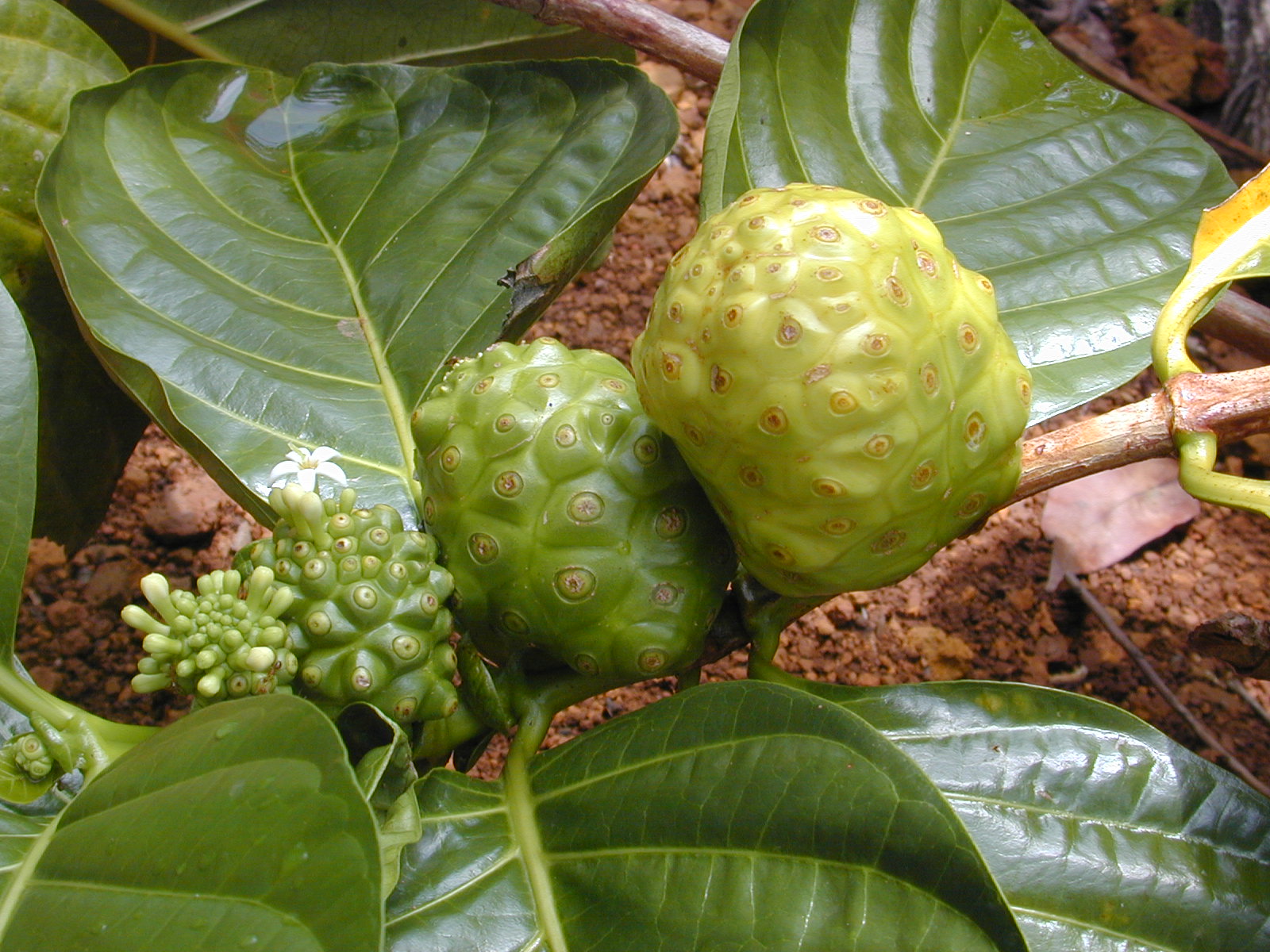
Brimstone Tree
Morinda lucida
A savanna tree whose yellow wood, bitter bark, and leaves are among the most frequently prescribed antimalarial remedies in Yoruba and Akan medicine — with confirmed antiplasmodial and antidiabetic activities.
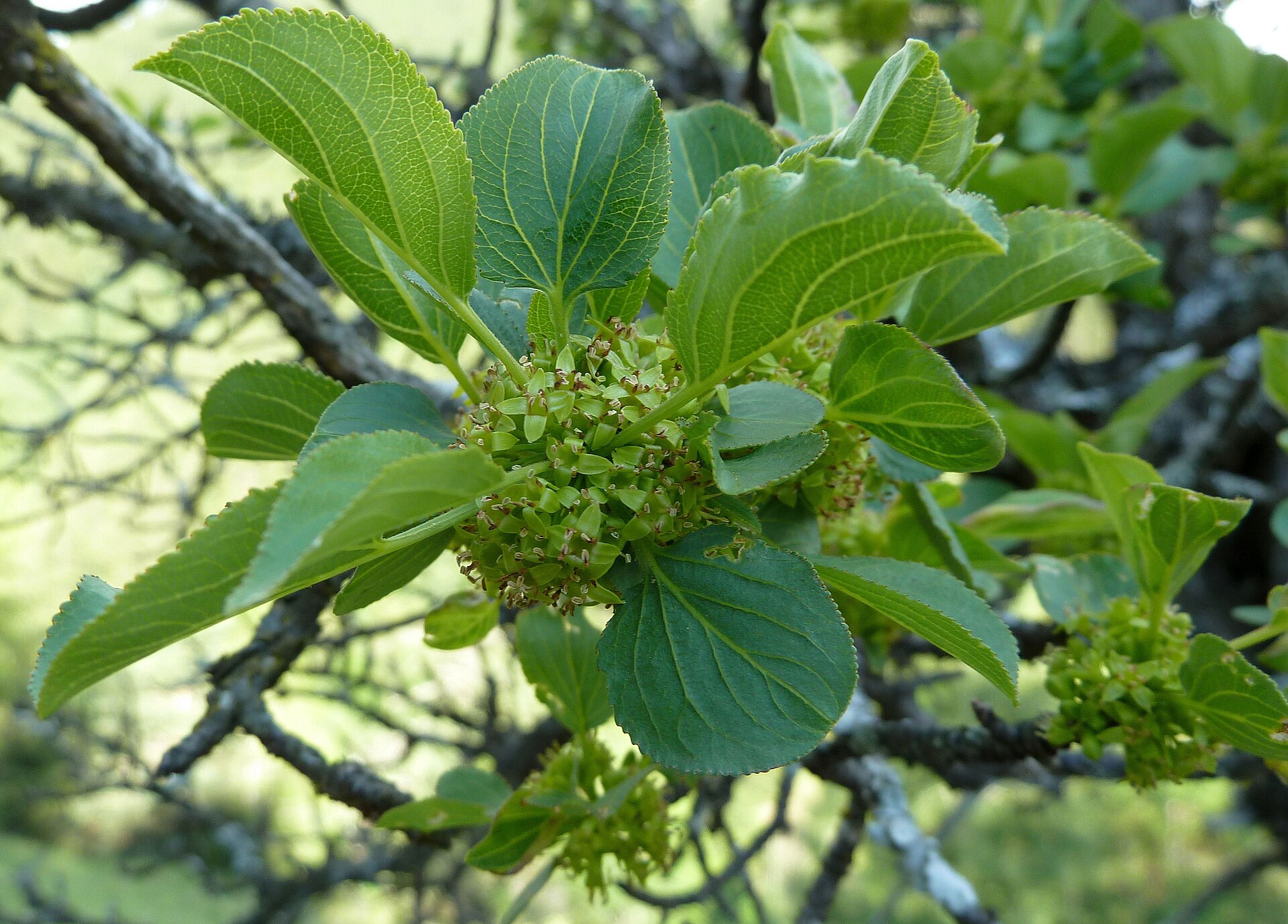
Buckthorn
Rhamnus frangula (Frangula alnus)
A gentle anthraquinone laxative bark — the European counterpart to cascara sagrada, effective for short-term constipation.
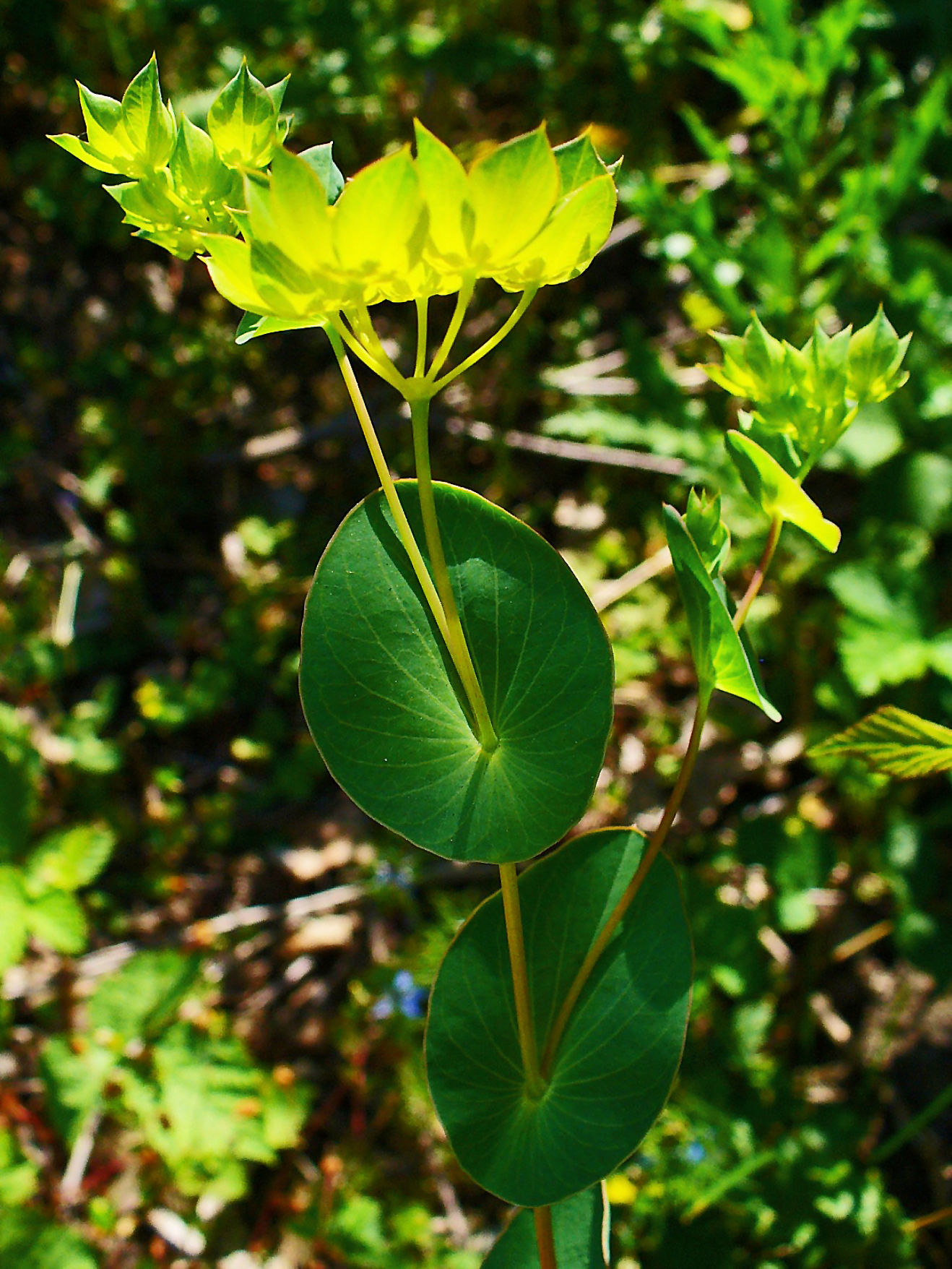
Bupleurum
Bupleurum chinense
The quintessential Liver Qi herb of TCM — the lead ingredient in Xiao Chai Hu Tang (Minor Bupleurum Decoction), one of the most famous and researched classical formulas in East Asian medicine.
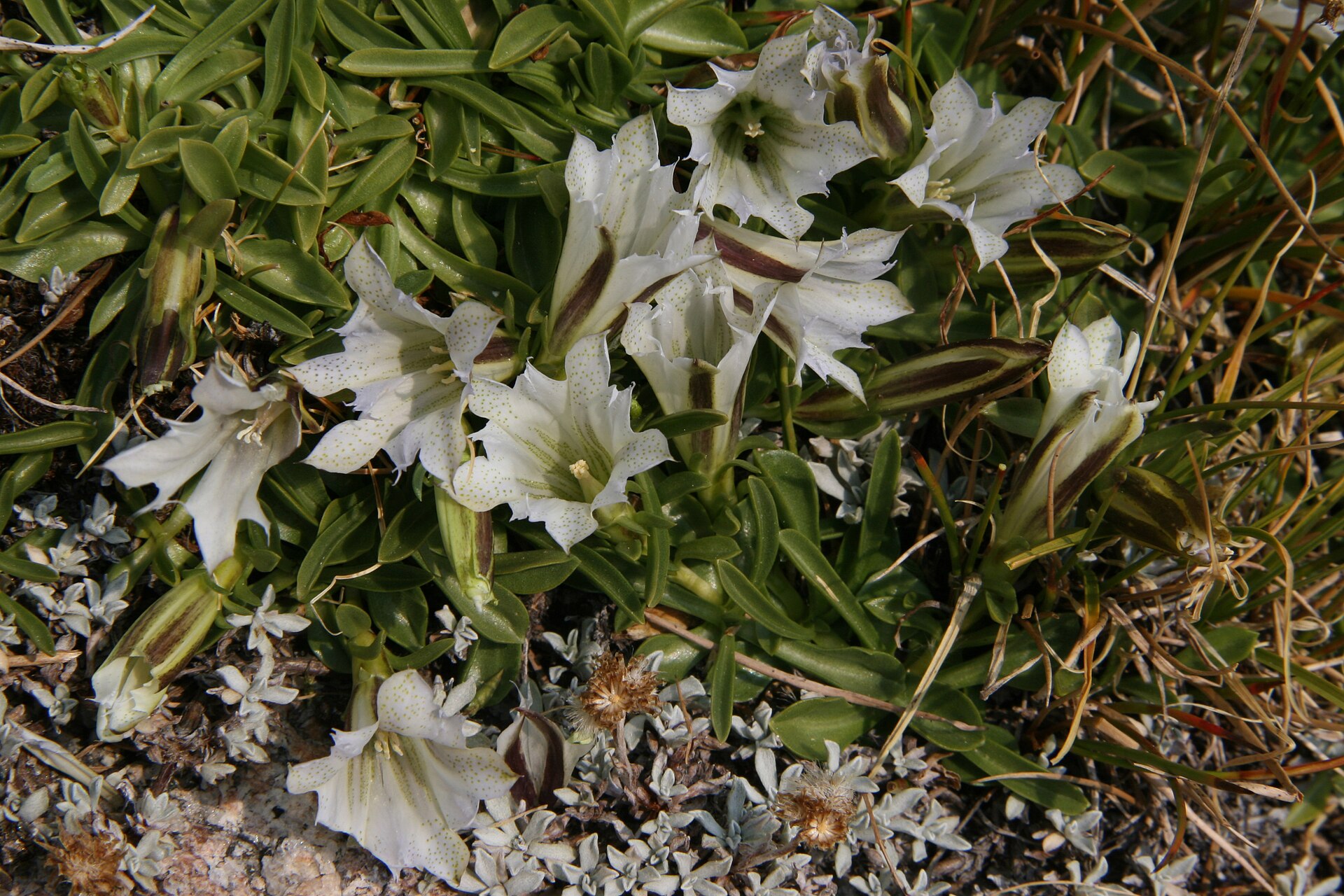
Byi-tang-ka (Gentiana)
Gentiana algida
Alpine gentian of Tibet used as a bitter fever remedy and digestive tonic in Sowa Rigpa.
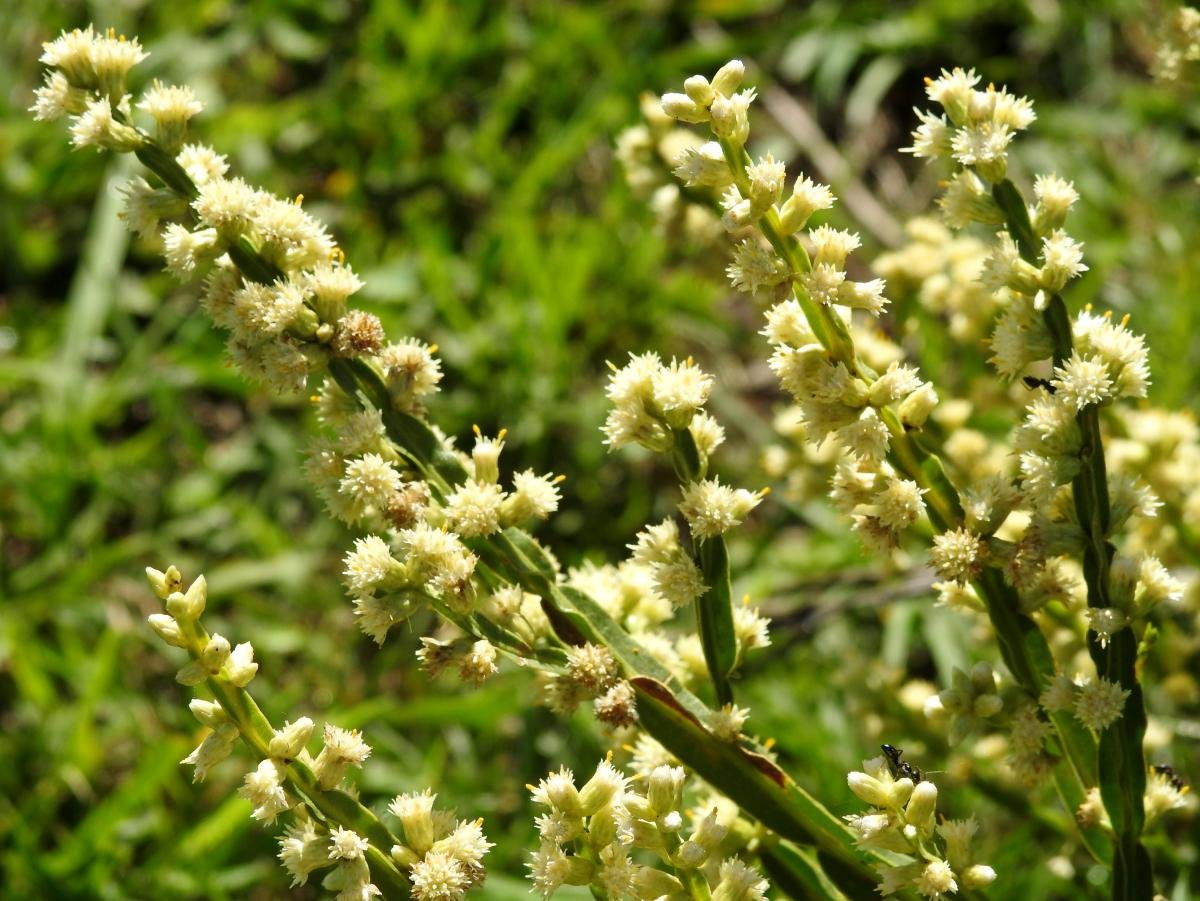
Carqueja
Baccharis trimera
A bitter Brazilian herb for liver, digestion, and blood-sugar support.
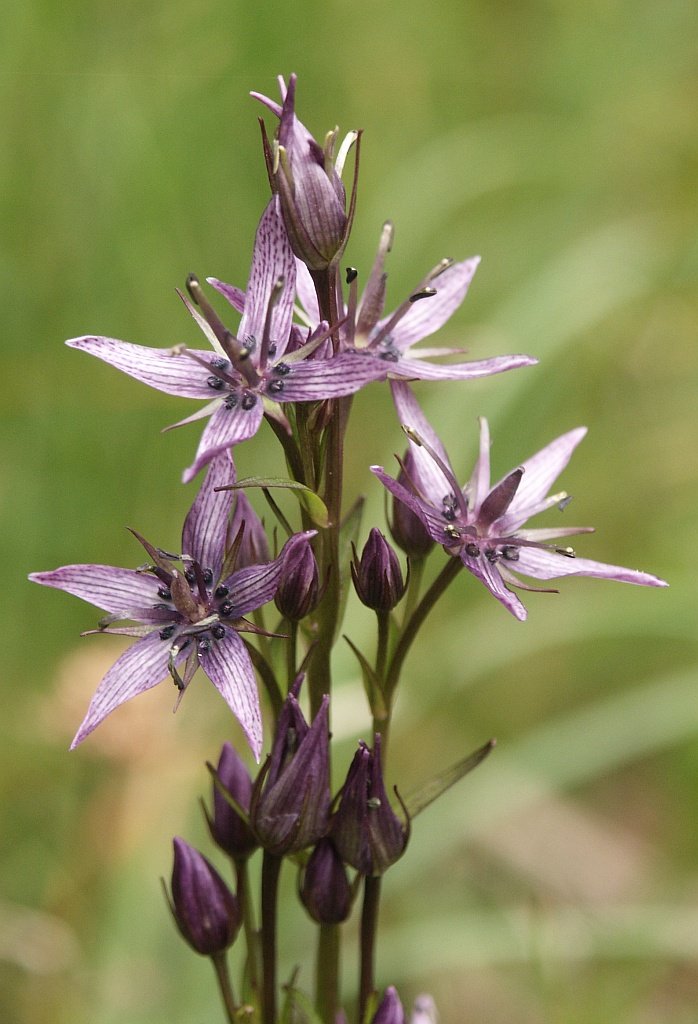
Chirata
Swertia chirayita
A very bitter Ayurvedic herb for fevers, digestion, and the liver.
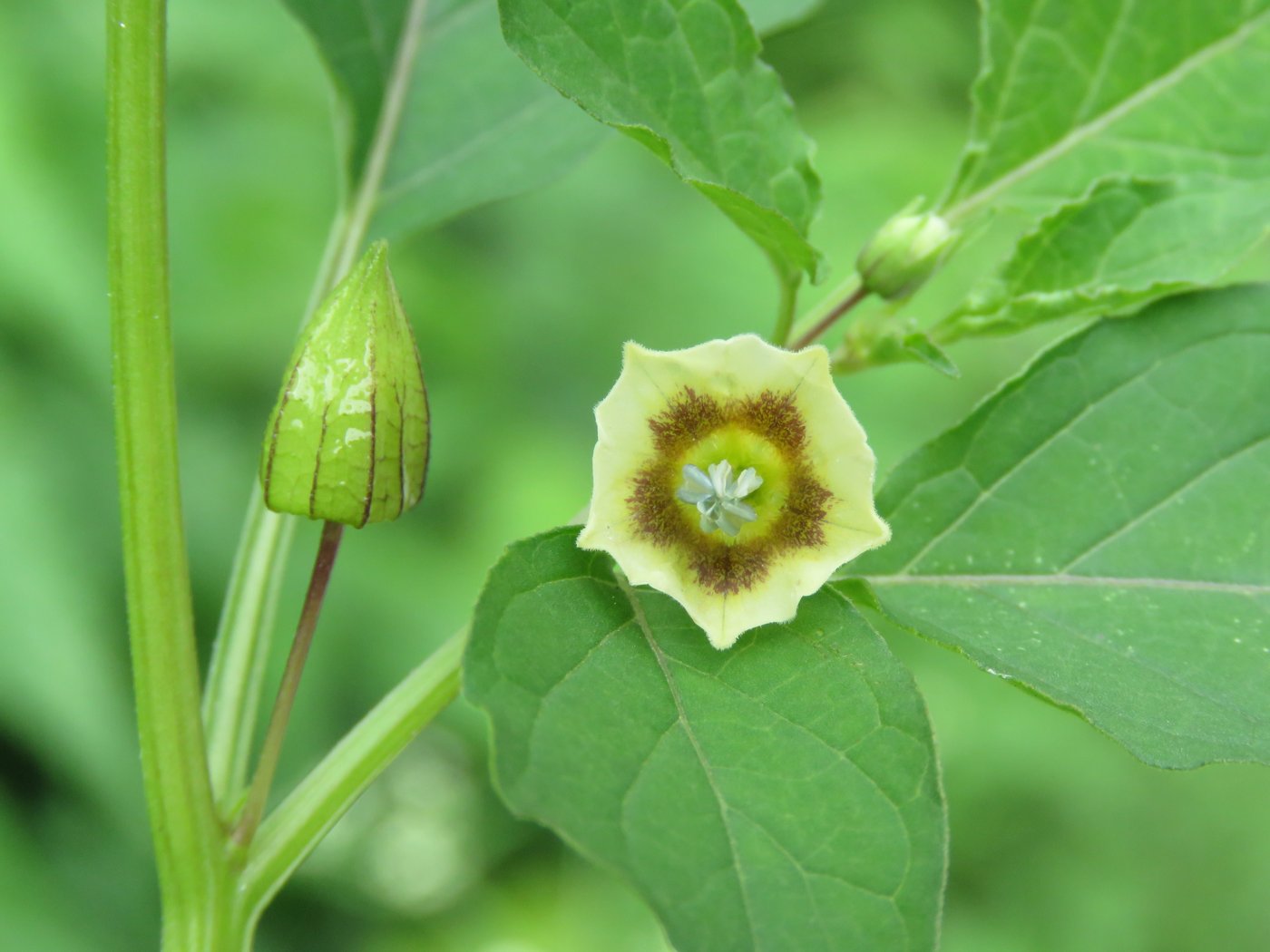
Cutleaf Groundcherry (Wild Cape Gooseberry)
Physalis angulata
A lantern-fruited herb used for malaria, liver problems, inflammation, and immune support.
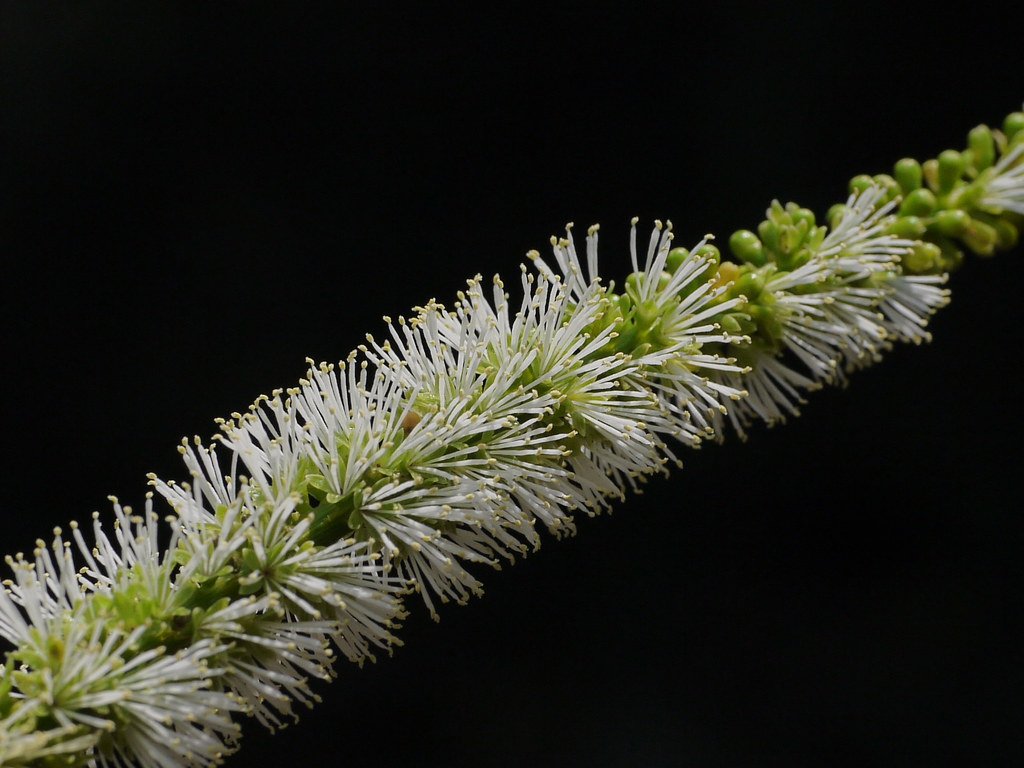
African Entada
Entada africana
A savanna tree whose bark and roots treat wounds, hepatitis, pain, and fatigue.
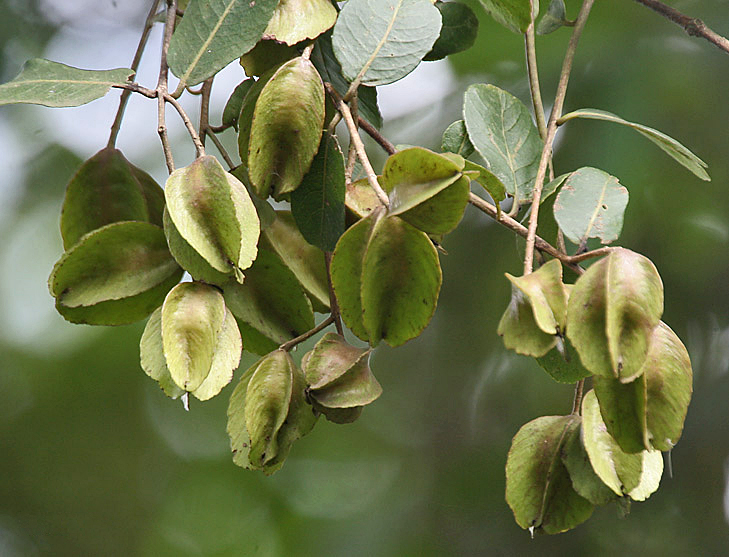
Arjuna
Terminalia arjuna
Ayurveda's premier heart tonic — named after the great warrior of the Mahabharata, Arjuna bark has been used for cardiac conditions for over 2,500 years and now has clinical trial evidence for heart failure and angina.
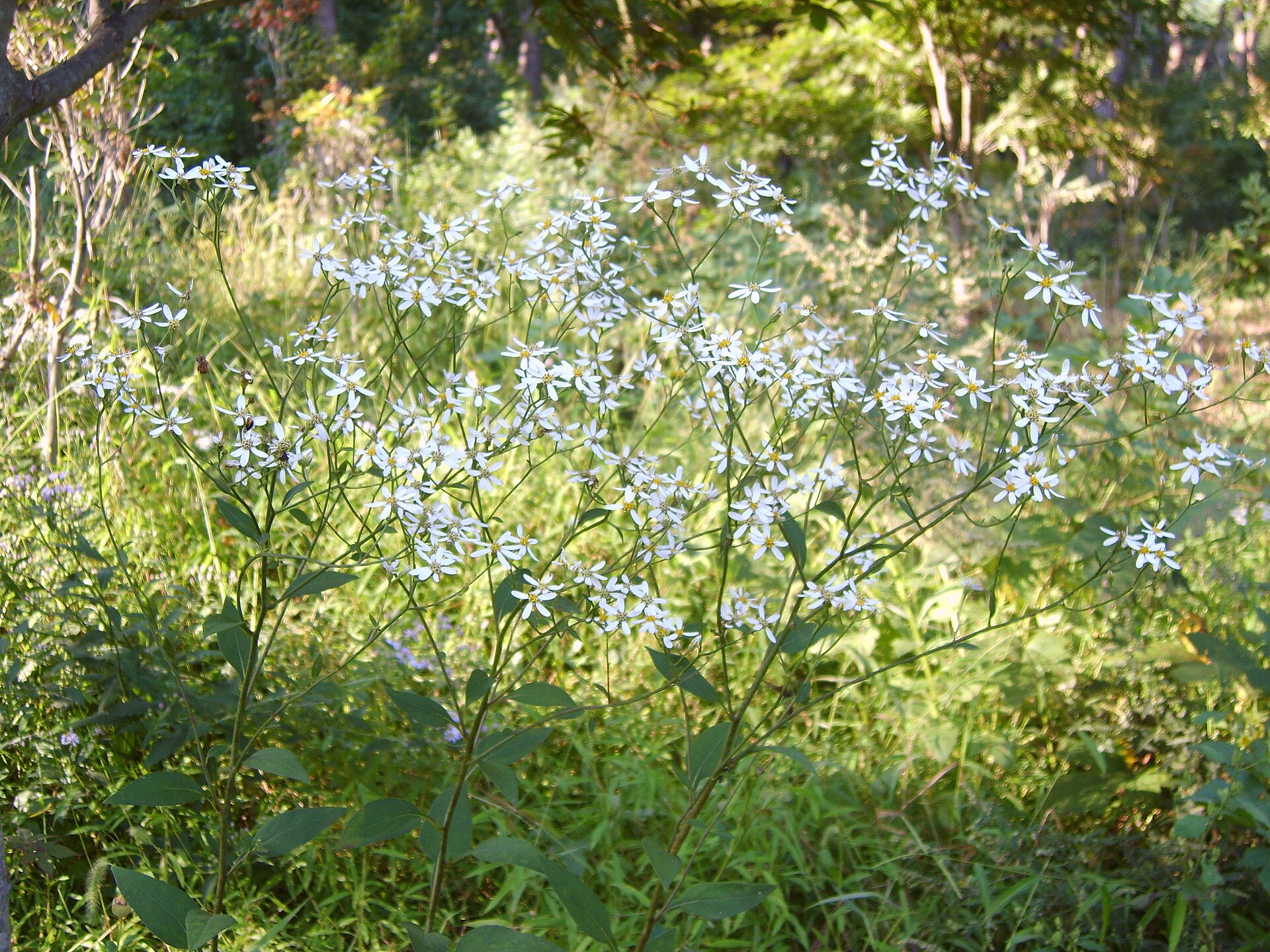
Aster (Chwinamul)
Aster scaber
Korean mountain aster eaten as a wild green and used in traditional detox remedies.
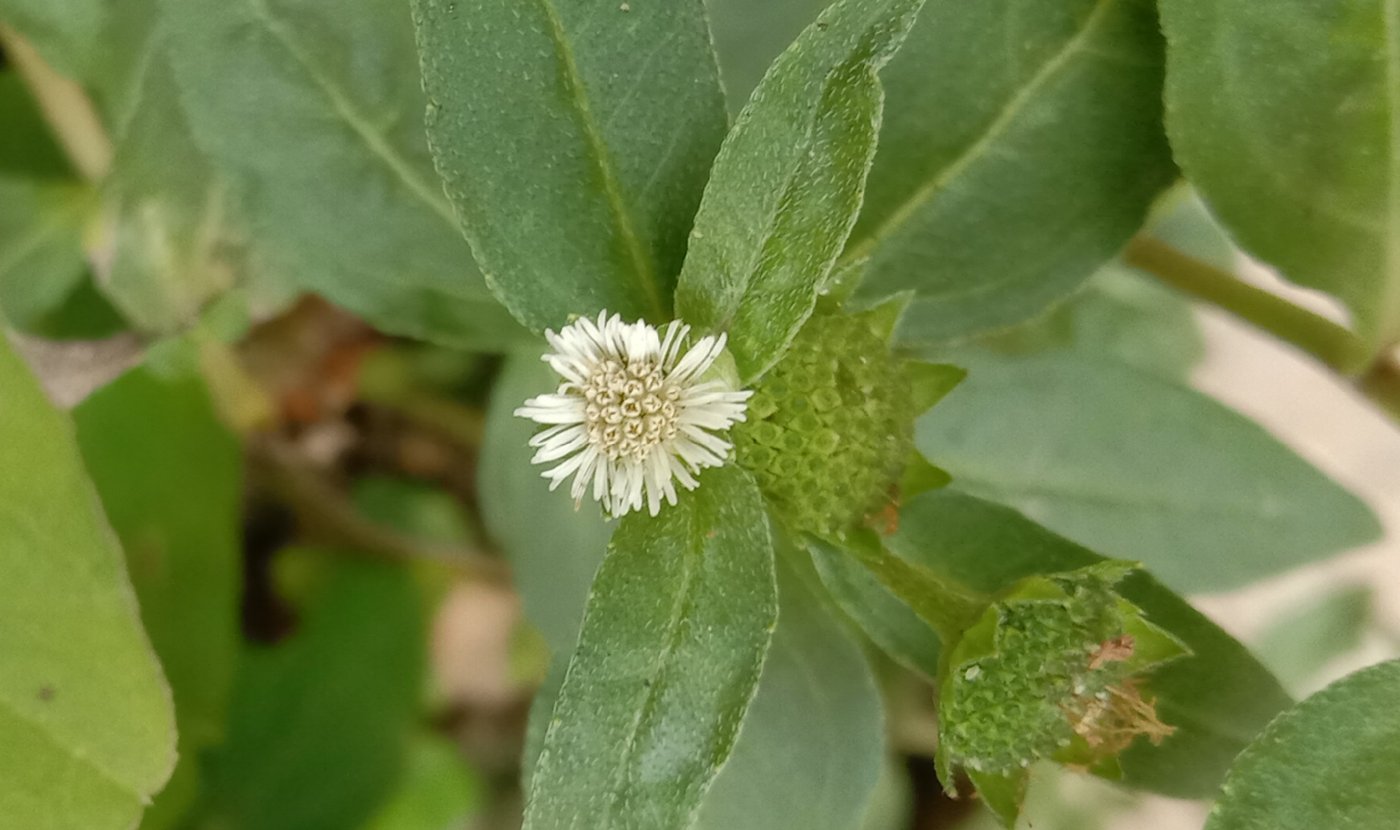
Bhringraj
Eclipta prostrata
The king of Ayurvedic hair herbs, also a liver tonic.
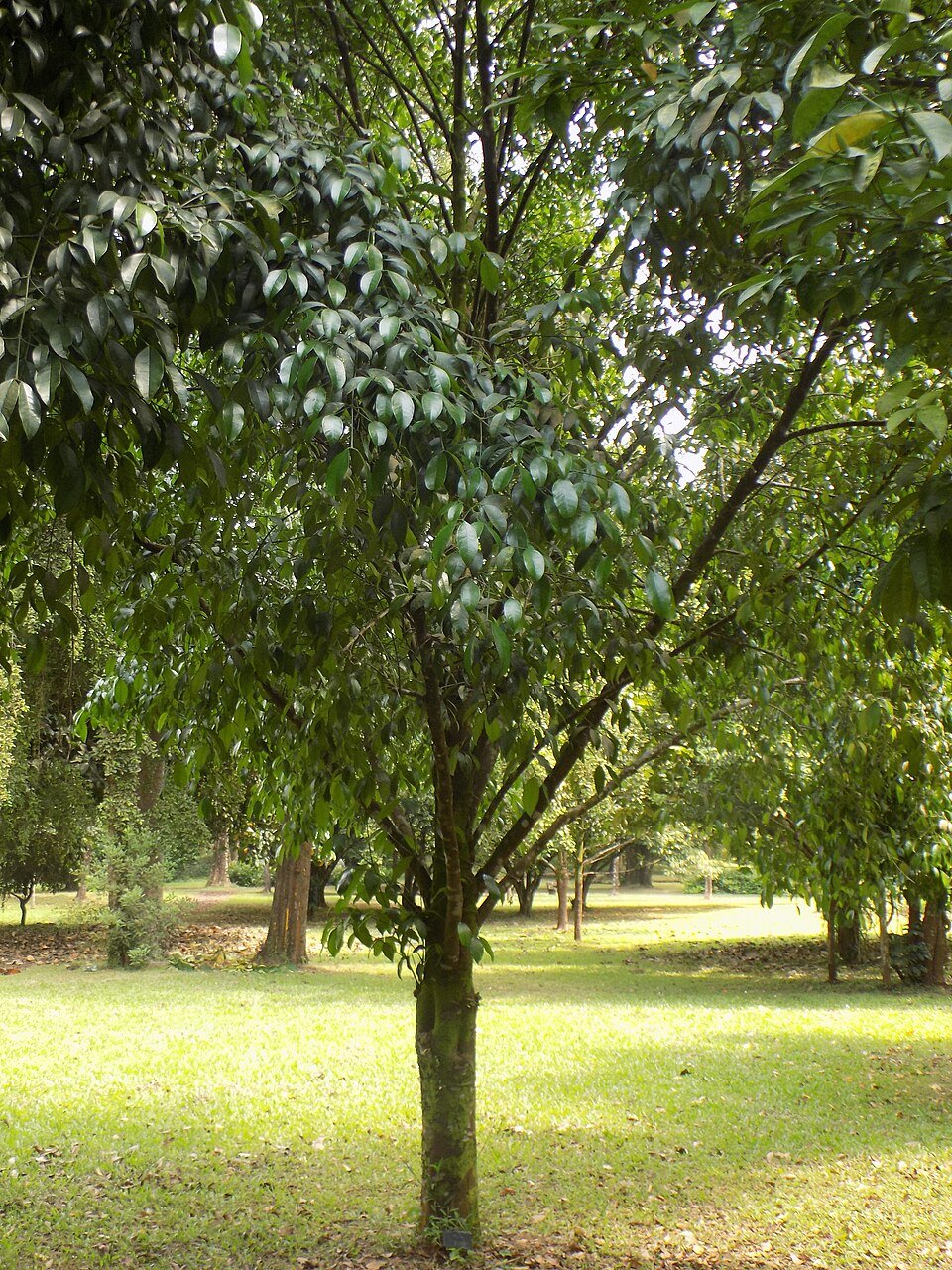
Bitter Kola
Garcinia kola
A revered West African seed chewed for respiratory health, immunity, and stamina, and researched for its unique bioflavonoid kolaviron.
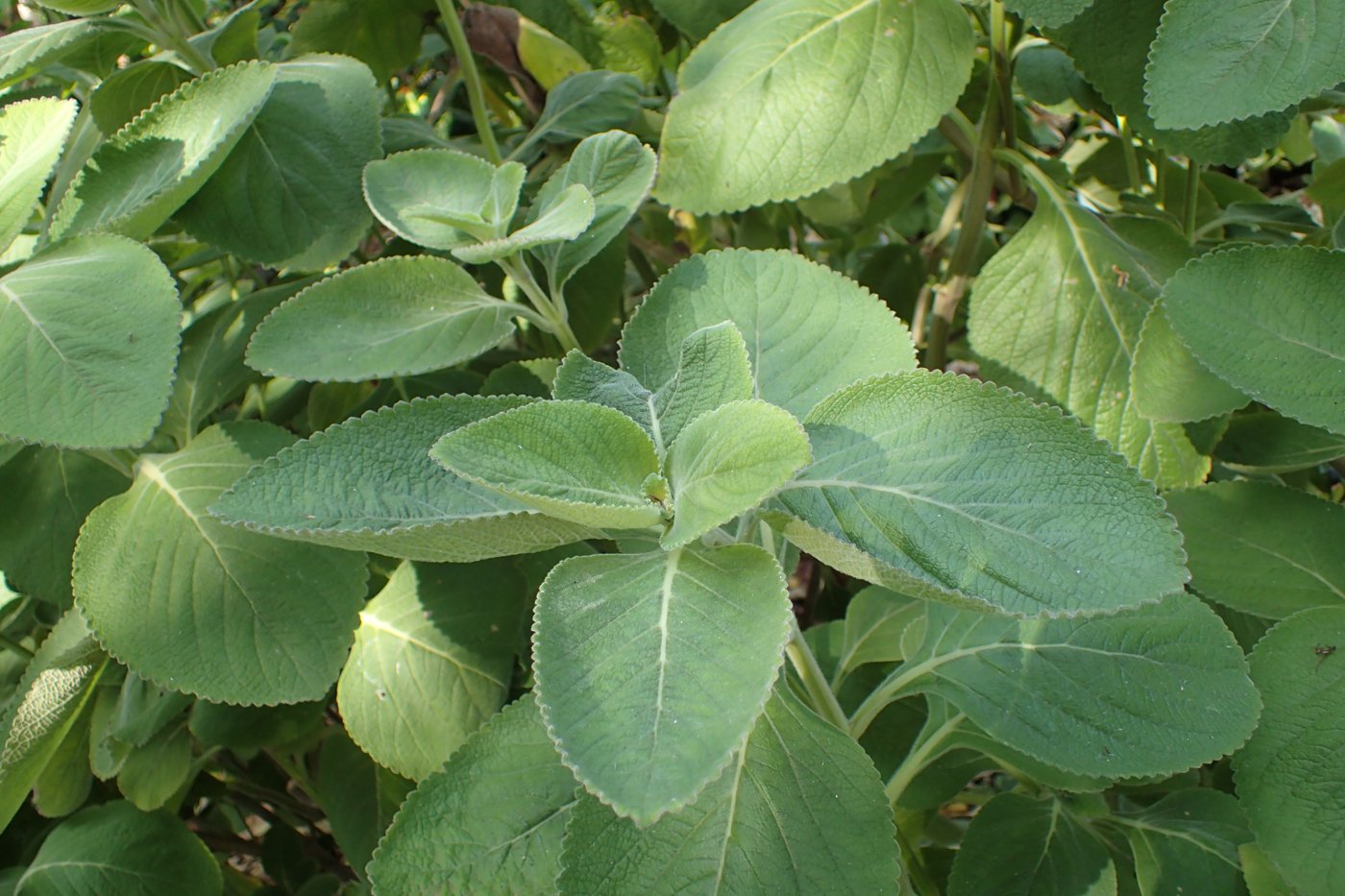
Brazilian Boldo
Plectranthus barbatus
A Brazilian household leaf tea for indigestion and liver support.
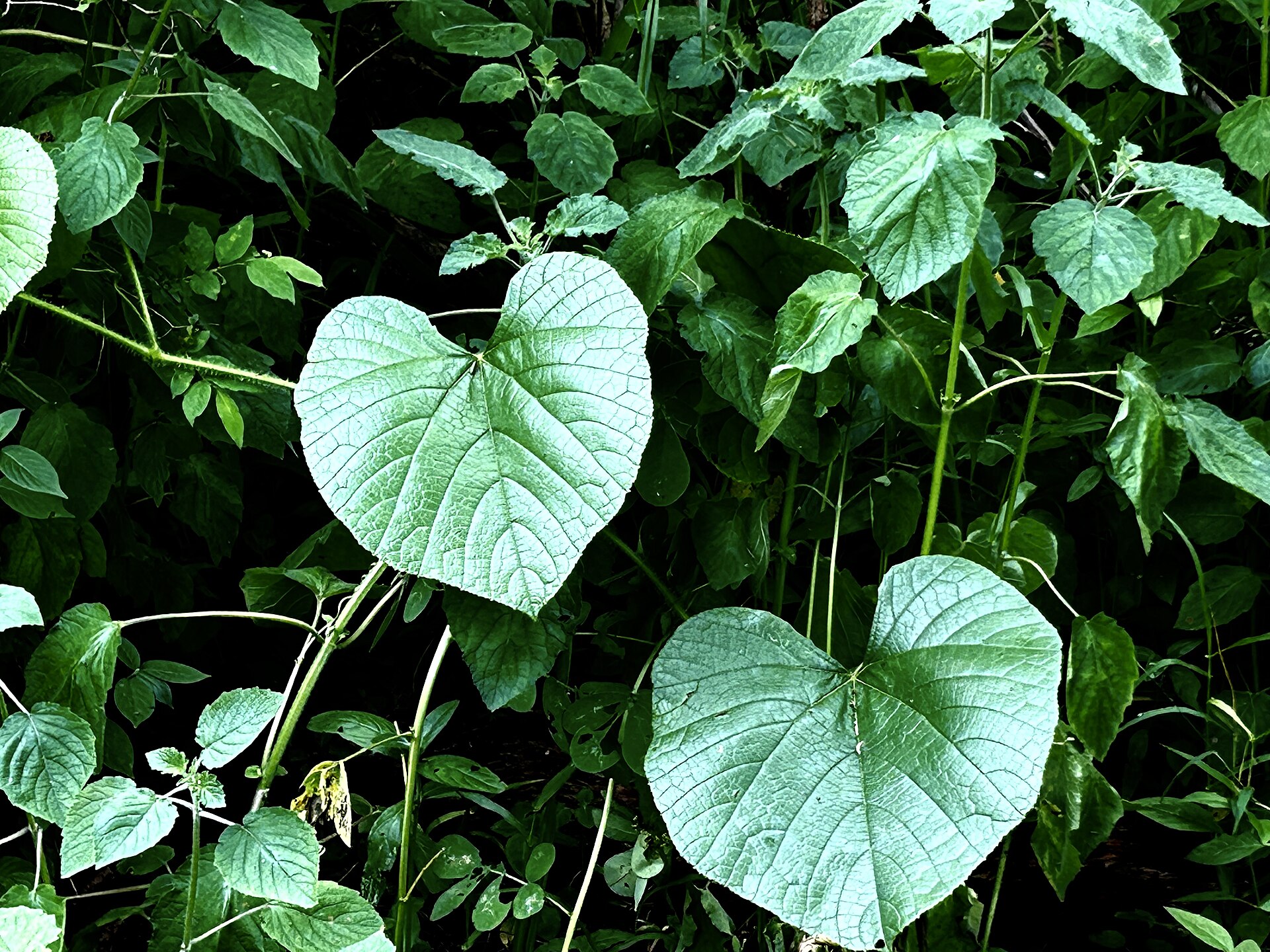
Brotowali (Tinospora)
Tinospora crispa
Southeast Asian bitter vine used in jamu for fever, diabetes support and malaria.
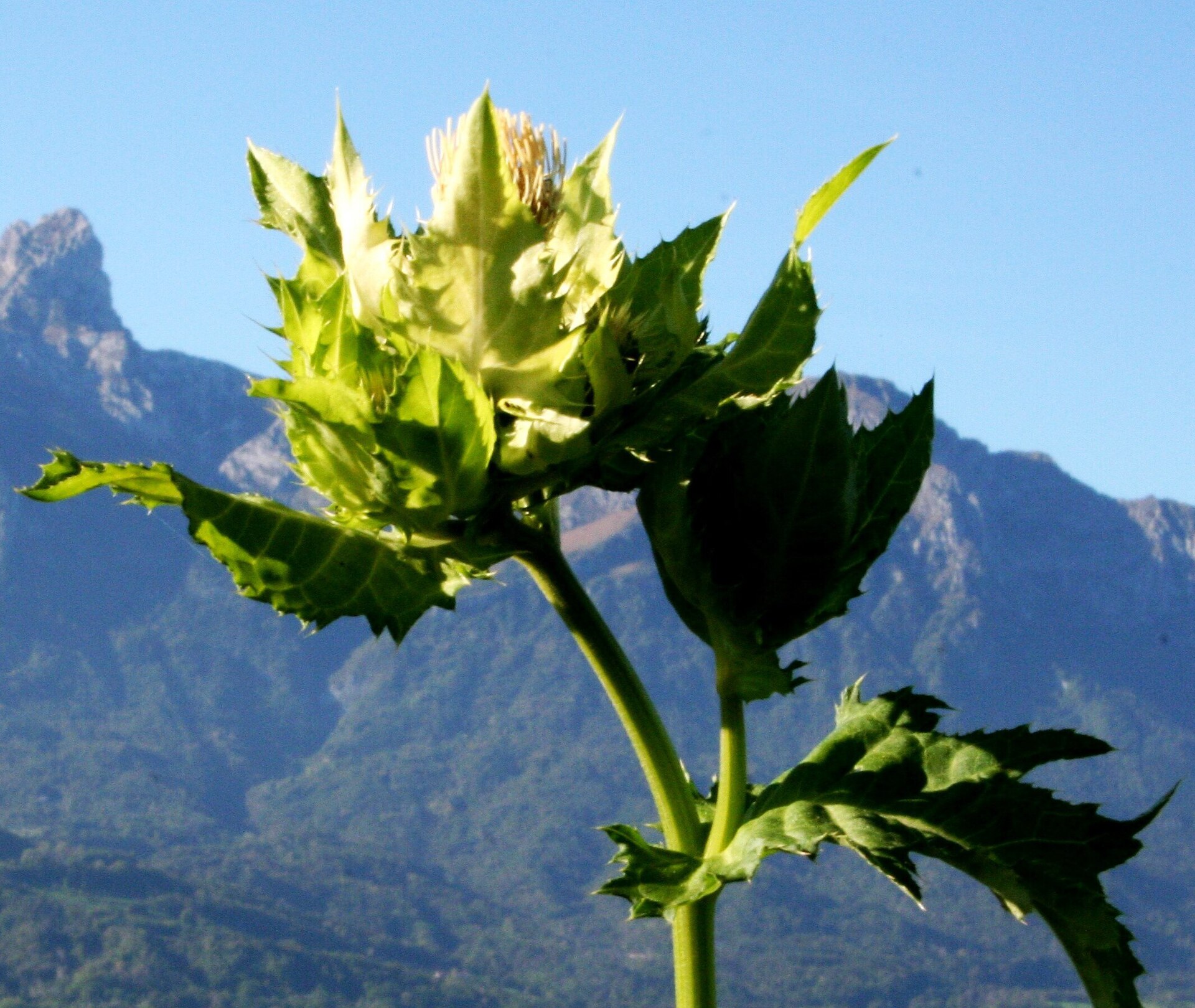
Cabbage thistle
Cirsium oleraceum
Cabbage thistle, a European wild green used as a food and mild tonic.
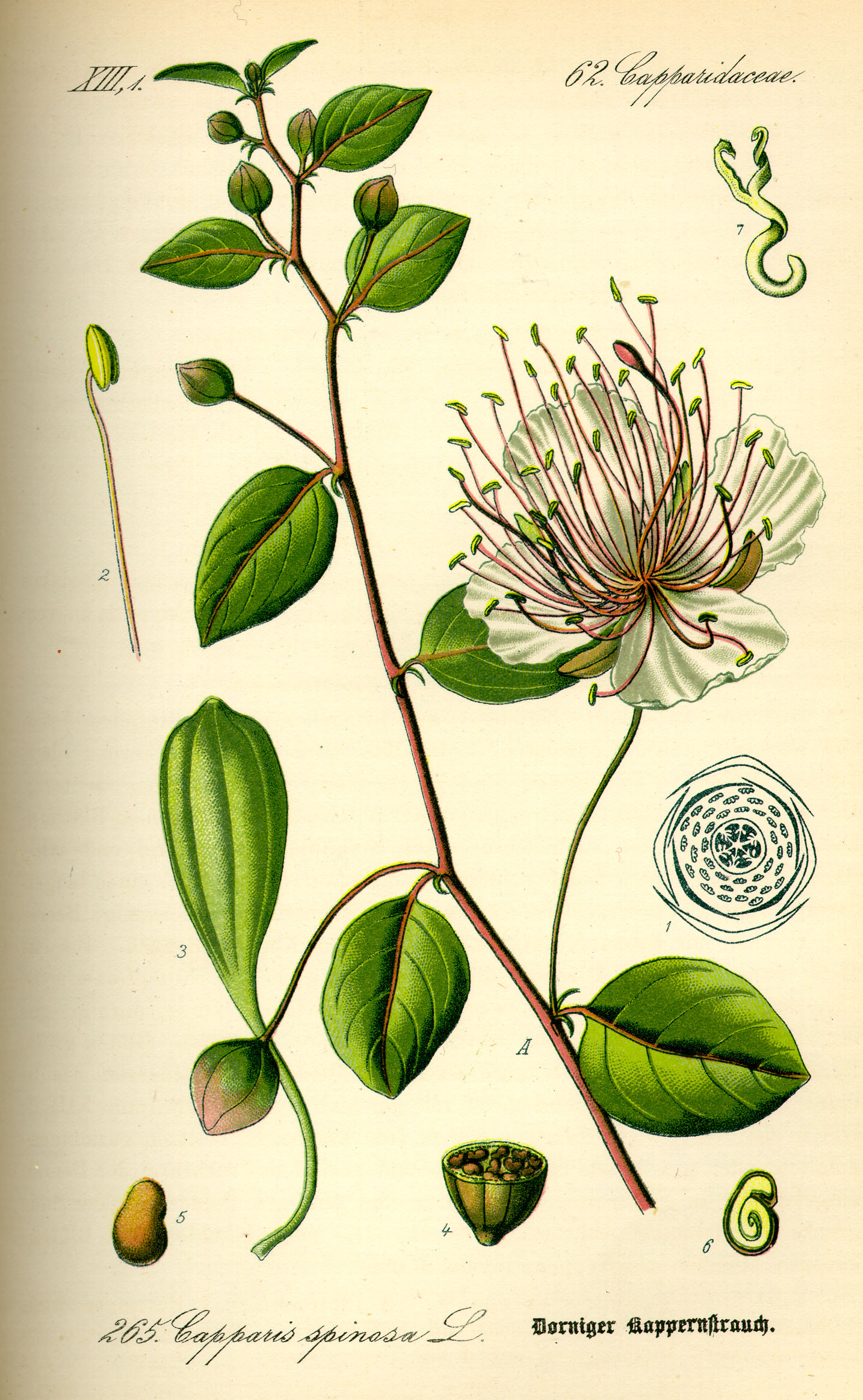
Caper bush
Capparis spinosa
Caper bush, a Mediterranean plant whose root bark is used for the liver, spleen and rheumatism.
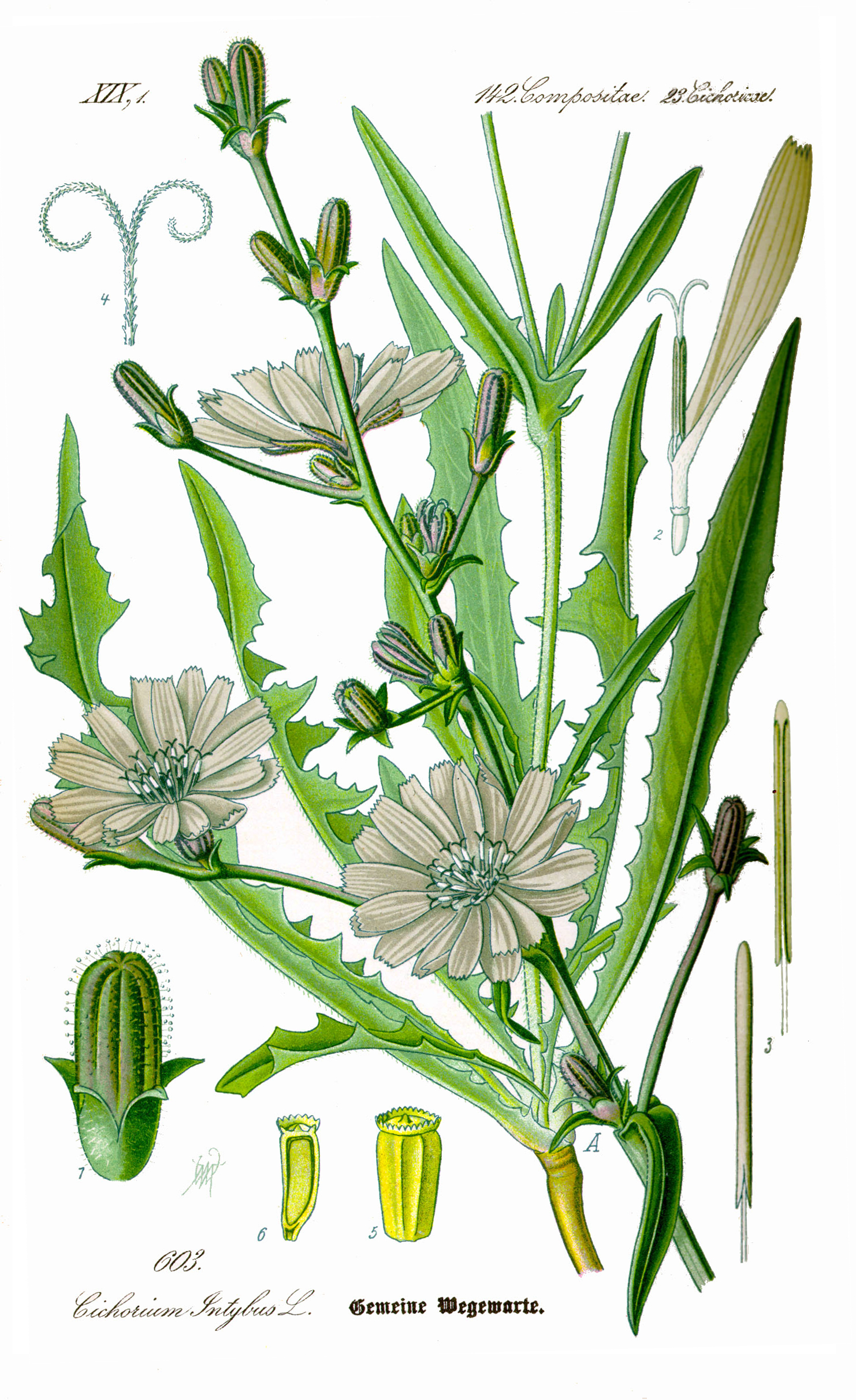
Chicory (variant monograph)
Cichorium intybus
Chicory (variant monograph), a Eurasian root used as a liver tonic and coffee substitute.
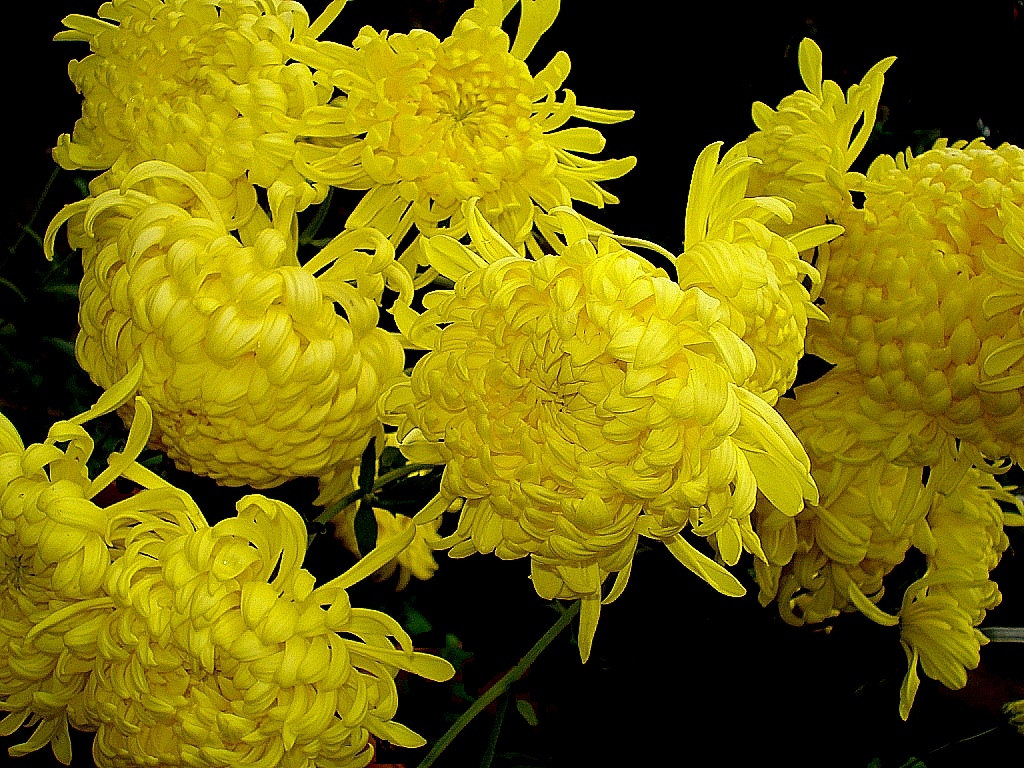
Chrysanthemum
Chrysanthemum morifolium
A cooling, eye-brightening flower that is both a beloved East Asian tea and one of TCM's most important herbs for clearing Heat, calming the Liver and protecting vision.
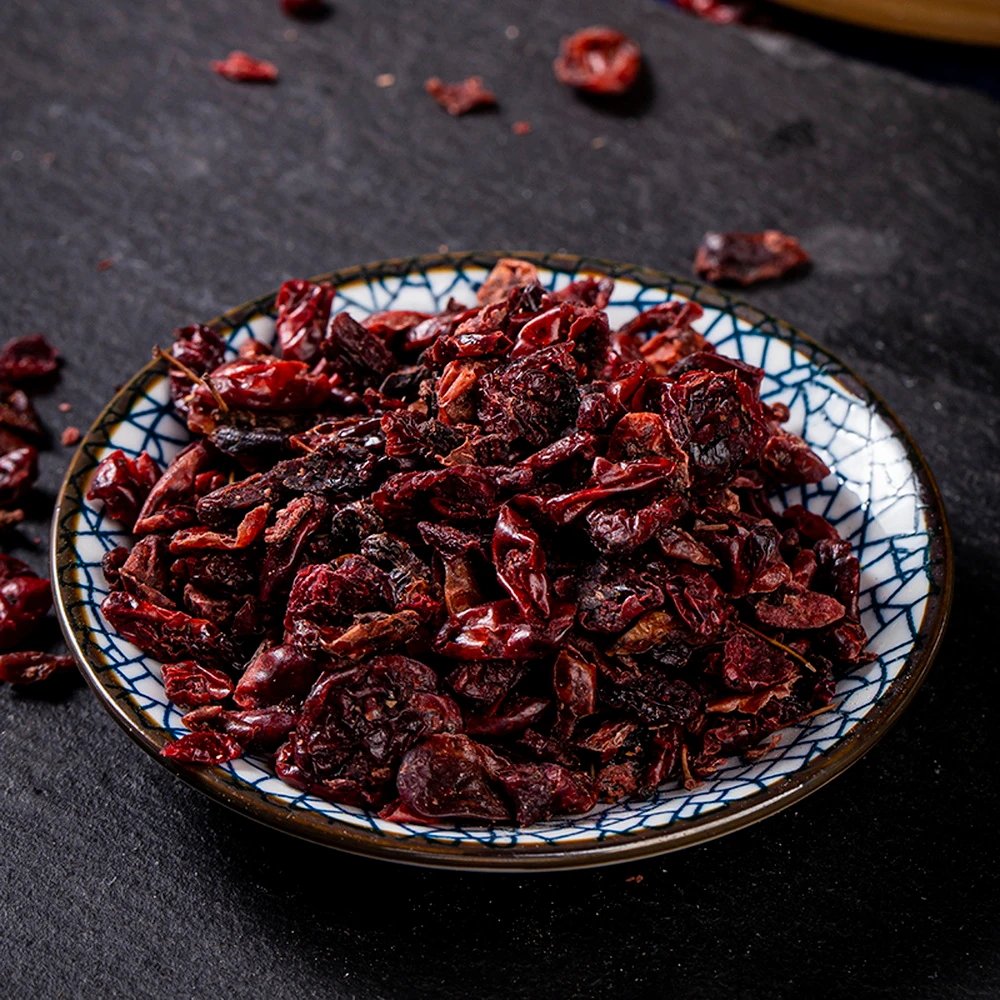
Cornus Fruit (Shan Zhu Yu)
Cornus officinalis
Cornus fruit is a sour, astringent herb that tonifies the liver and kidneys, secures essence, and stops sweating. It is a key ingredient in the famous Liu Wei Di Huang Wan kidney-nourishing formula.
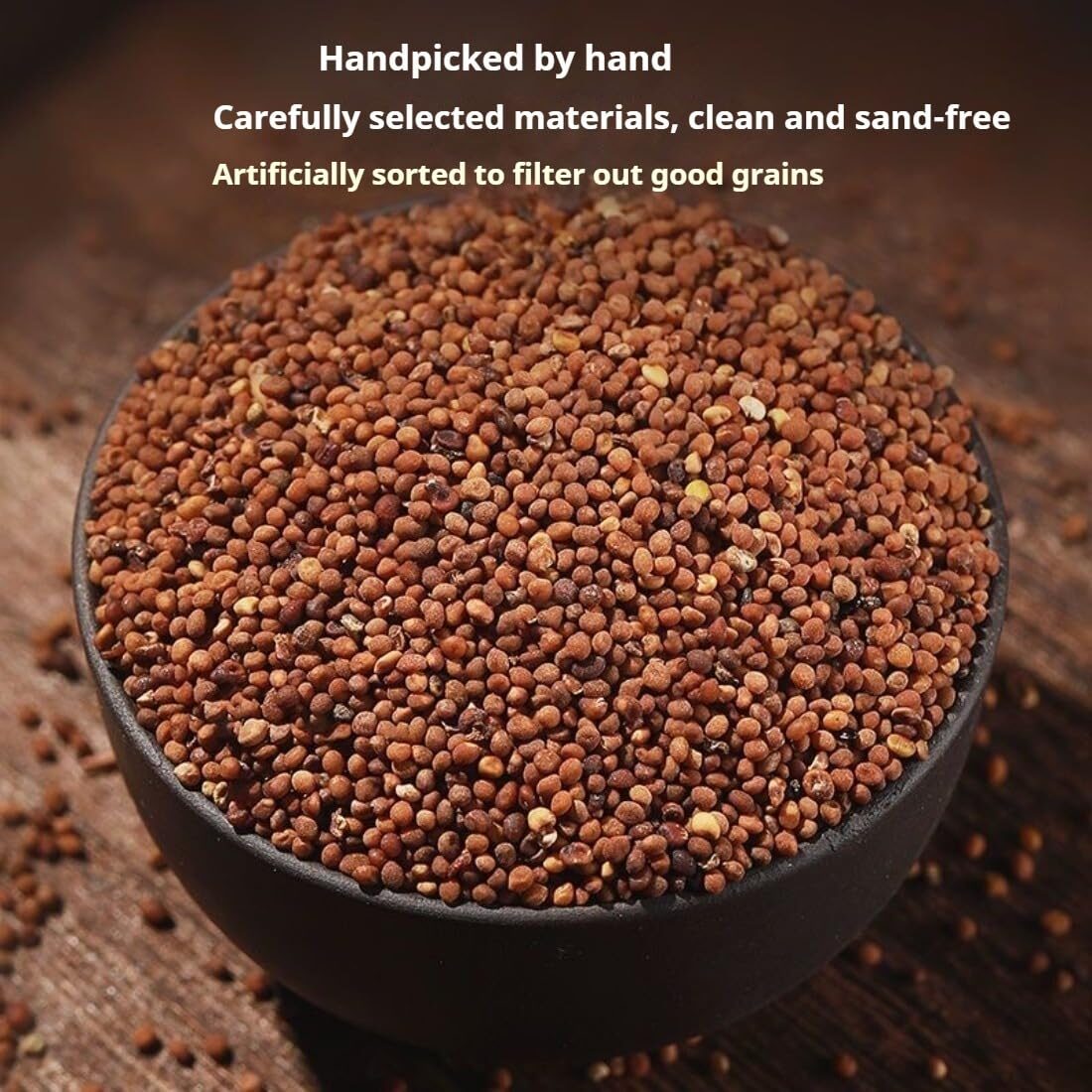
Cuscuta Seed
Cuscuta chinensis
A gentle Yang tonic from the dodder vine that nourishes both Yin and Yang of the Kidney and Liver — valued for its balancing action on reproductive health and vision.
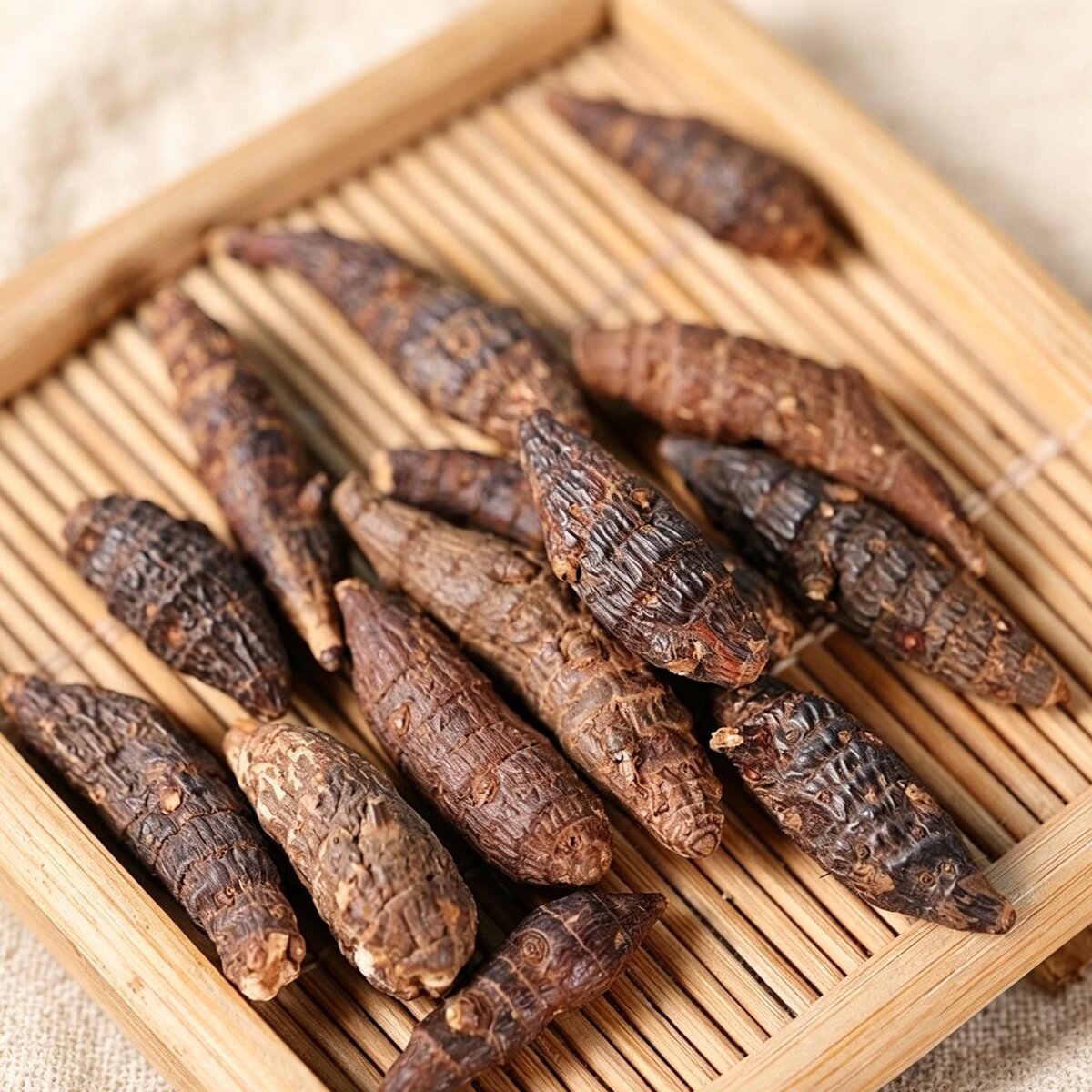
Cyperus (Xiang Fu)
Cyperus rotundus
Cyperus is called the 'commander of qi within blood' in TCM. It is the primary herb for soothing liver qi stagnation and is considered the most important herb for menstrual pain caused by emotional stress.
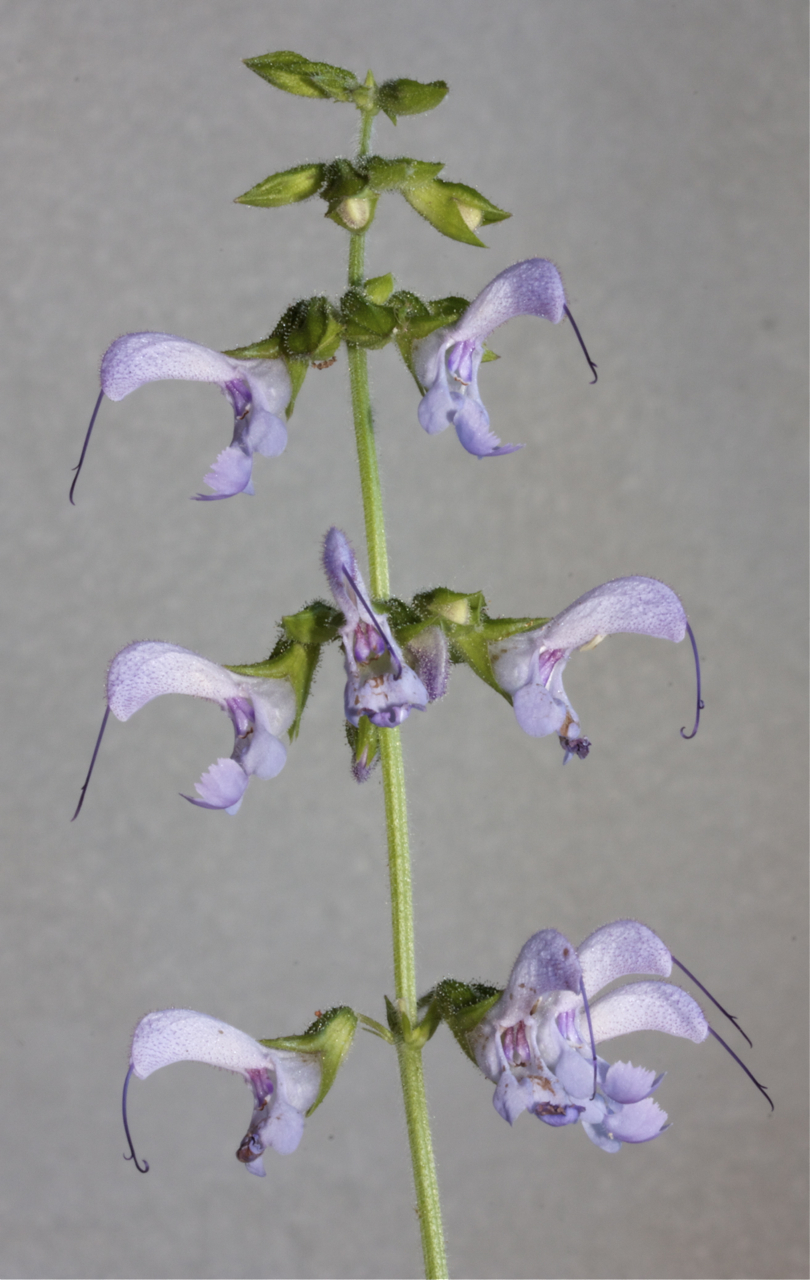
Danshen
Salvia miltiorrhiza
The most important cardiovascular herb in TCM — a red-rooted sage used for millennia to "move Blood, resolve stasis" and now backed by extensive modern research for heart disease, stroke prevention and vascular health.
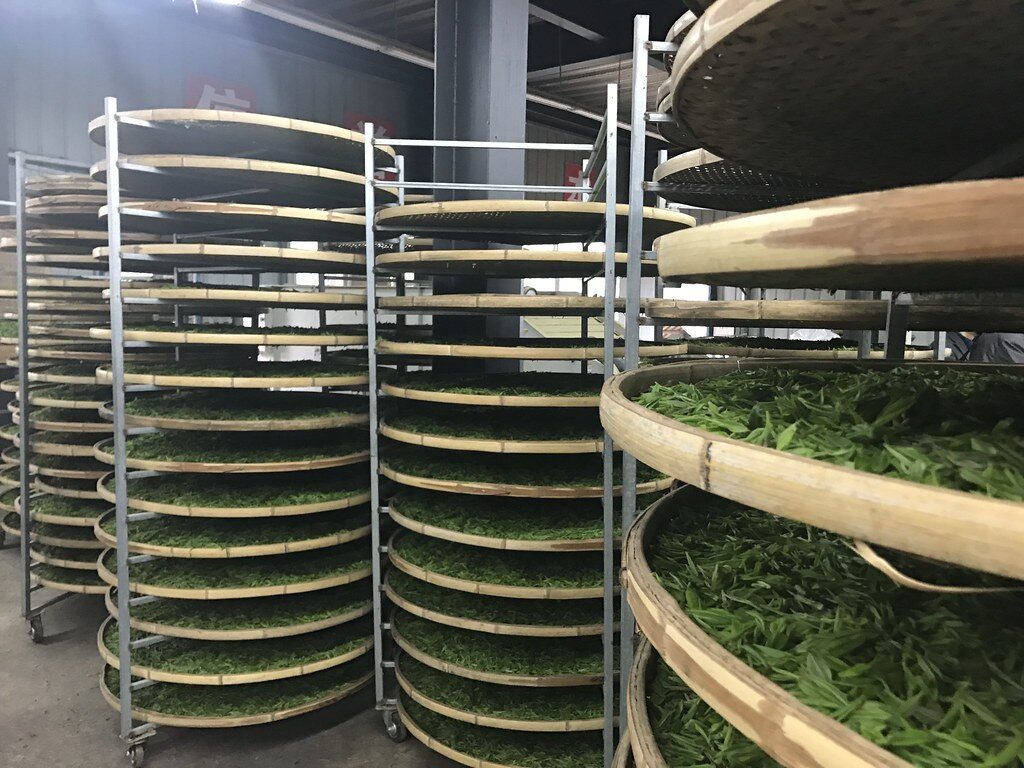
Dendrobium
Dendrobium nobile
A prized orchid stem used in TCM to nourish Stomach and Kidney Yin, generate fluids, and support vision — one of the most expensive herbs in the Chinese materia medica.
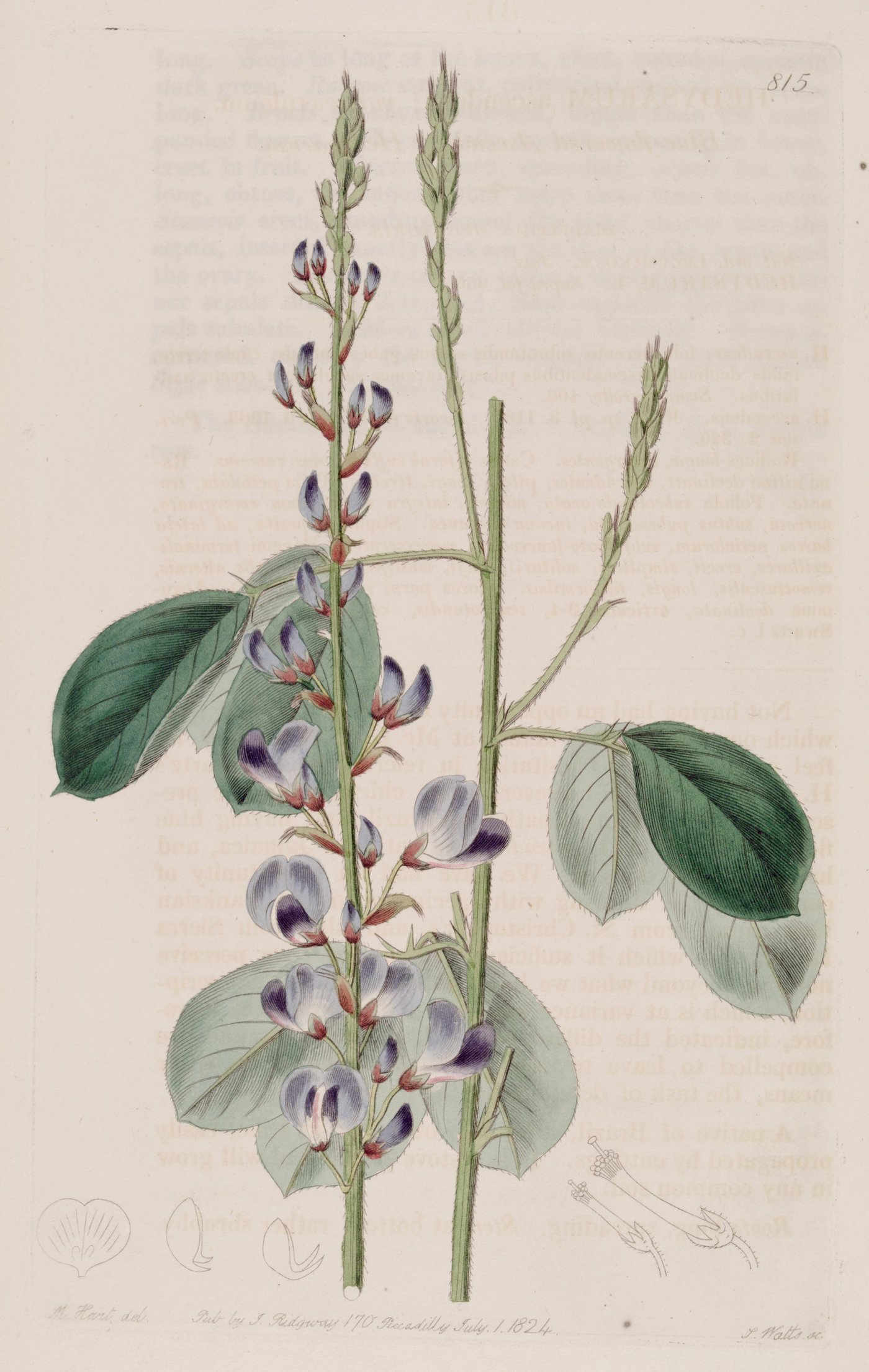
Desmodium (Amor Seco)
Desmodium adscendens
A tropical creeping legume used for asthma, liver support, and muscle relaxation across Africa and the Americas.

Dingetegna
Taverniera abyssinica
Ethiopian medicinal shrub used for stomach ailments and as a traditional hangover cure.
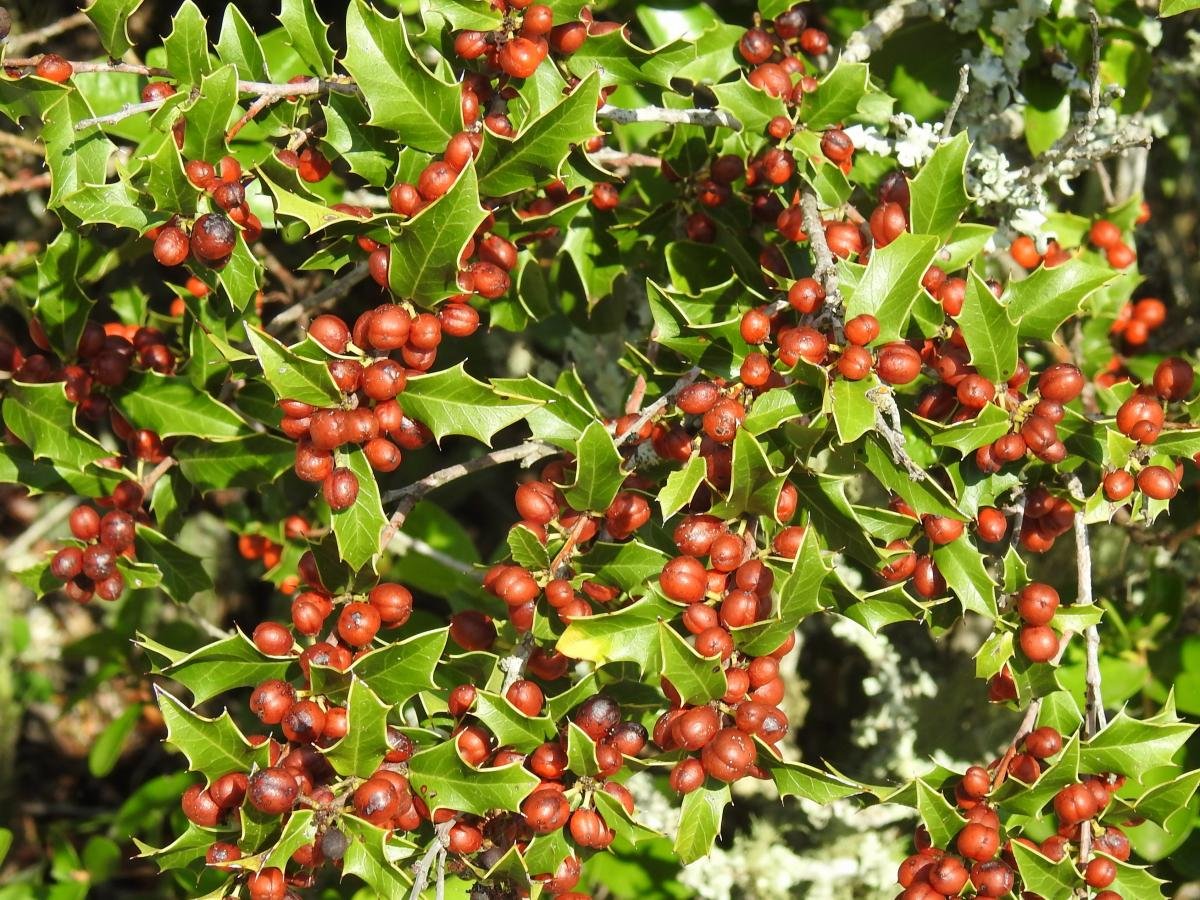
Espinheira Santa
Monteverdia ilicifolia
A Brazilian leaf remedy for gastritis, ulcers, and heartburn.
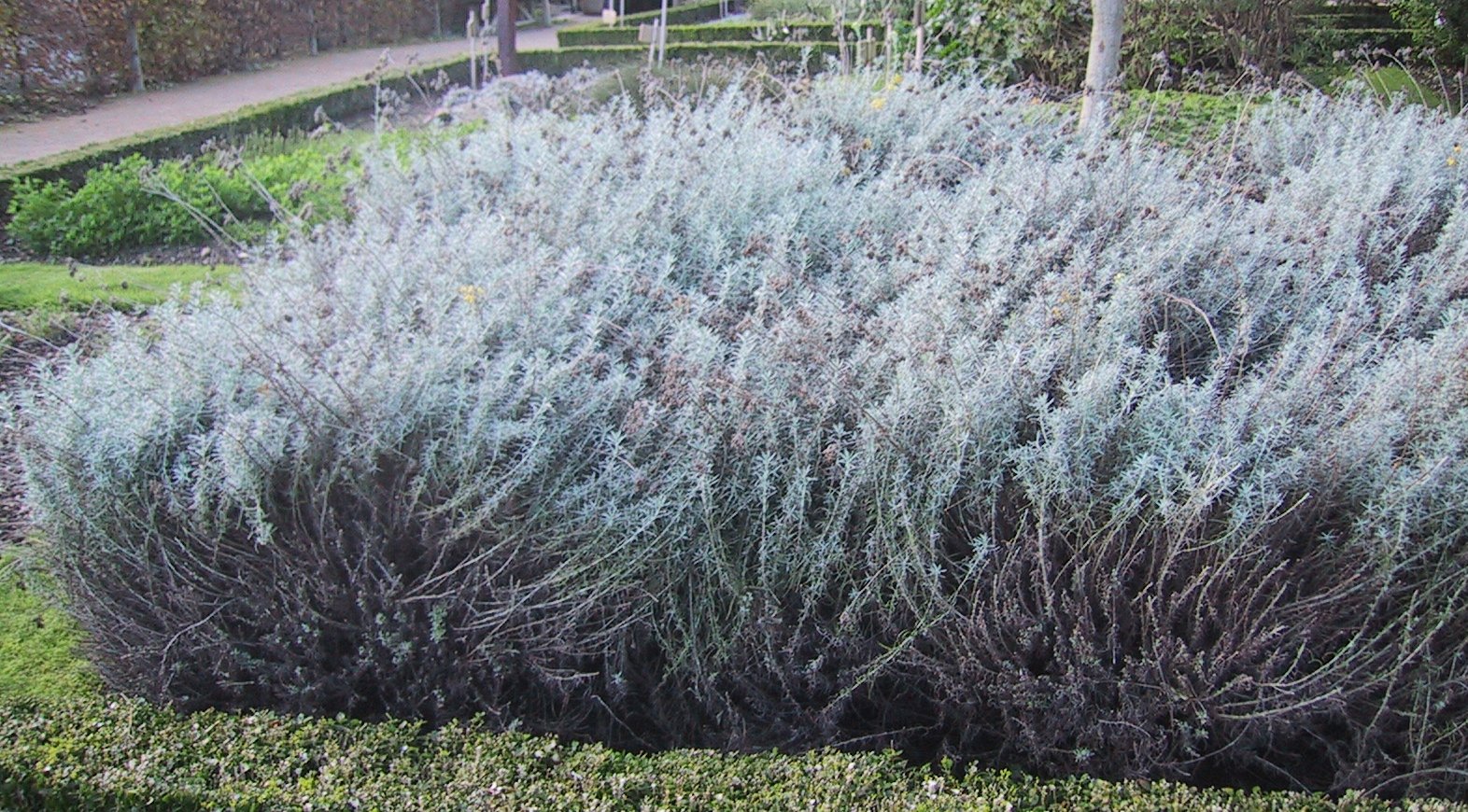
Helichrysum
Helichrysum italicum
The "Immortal Flower" of the Mediterranean maquis — a rising star in modern phytotherapy prized for exceptional anti-inflammatory, wound-healing and skin-regenerating properties, with emerging evidence for anti-allergic and hepatoprotective effects.
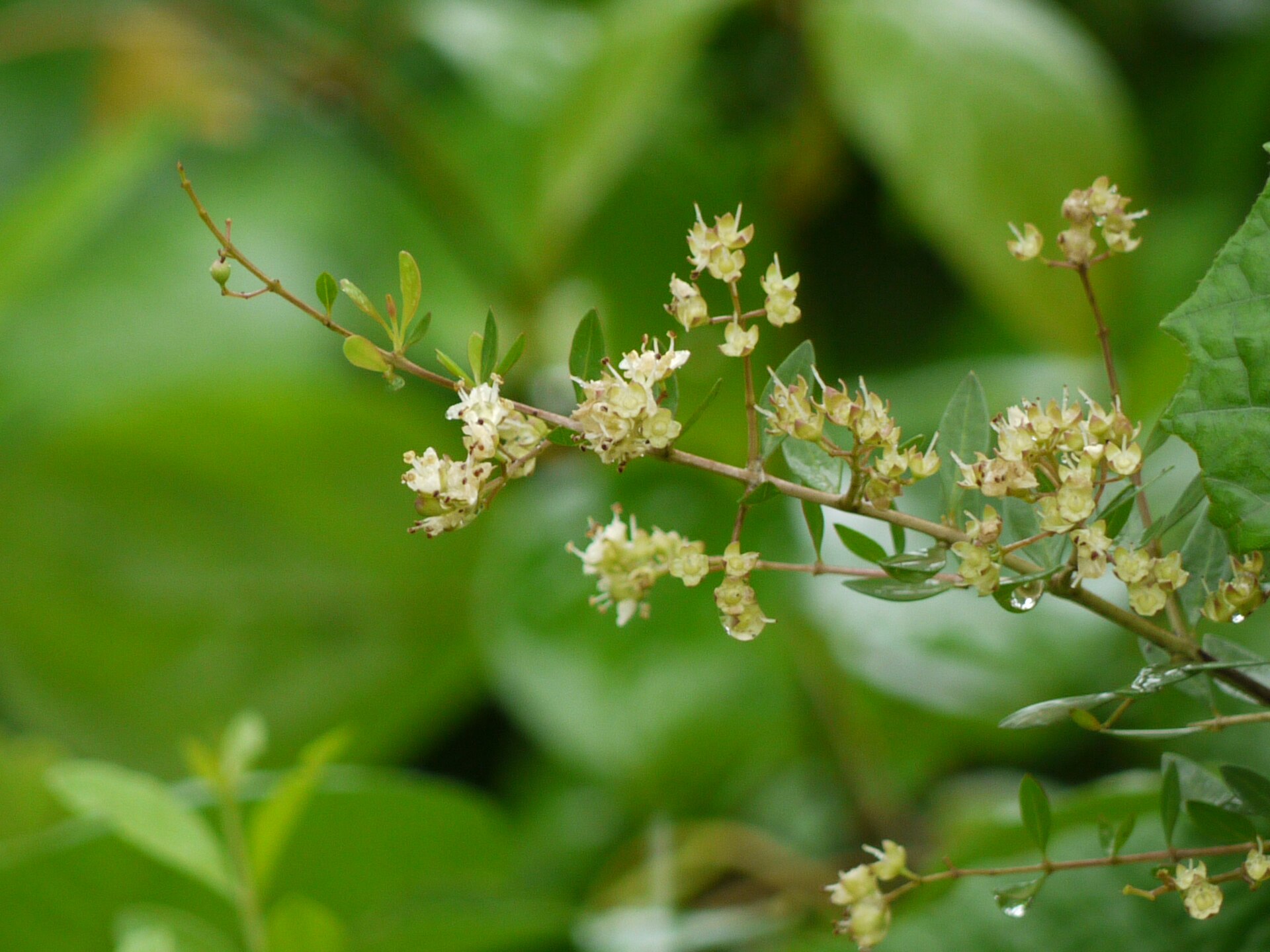
Henna
Lawsonia inermis
The world's oldest cosmetic plant — used for body art across North and West Africa, the Middle East, and South Asia — with genuine antimicrobial, antifungal, and wound-healing properties backed by its naphthoquinone chemistry.
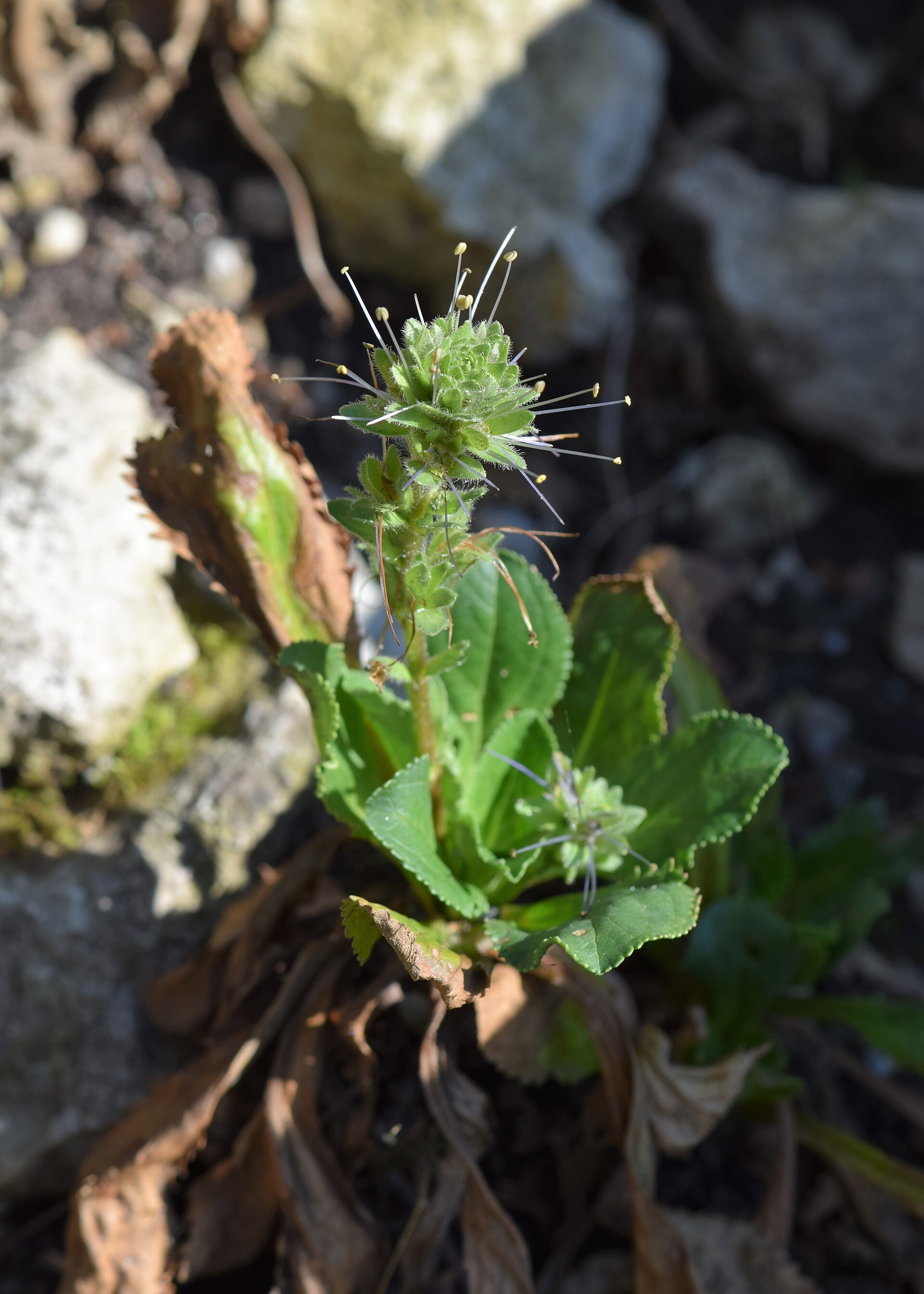
Kutki
Picrorhiza kurroa
The supreme liver herb of Ayurveda — a rare Himalayan alpine plant with potent hepatoprotective compounds (kutkoside and picroliv) that have shown clinical efficacy comparable to silymarin for liver protection.
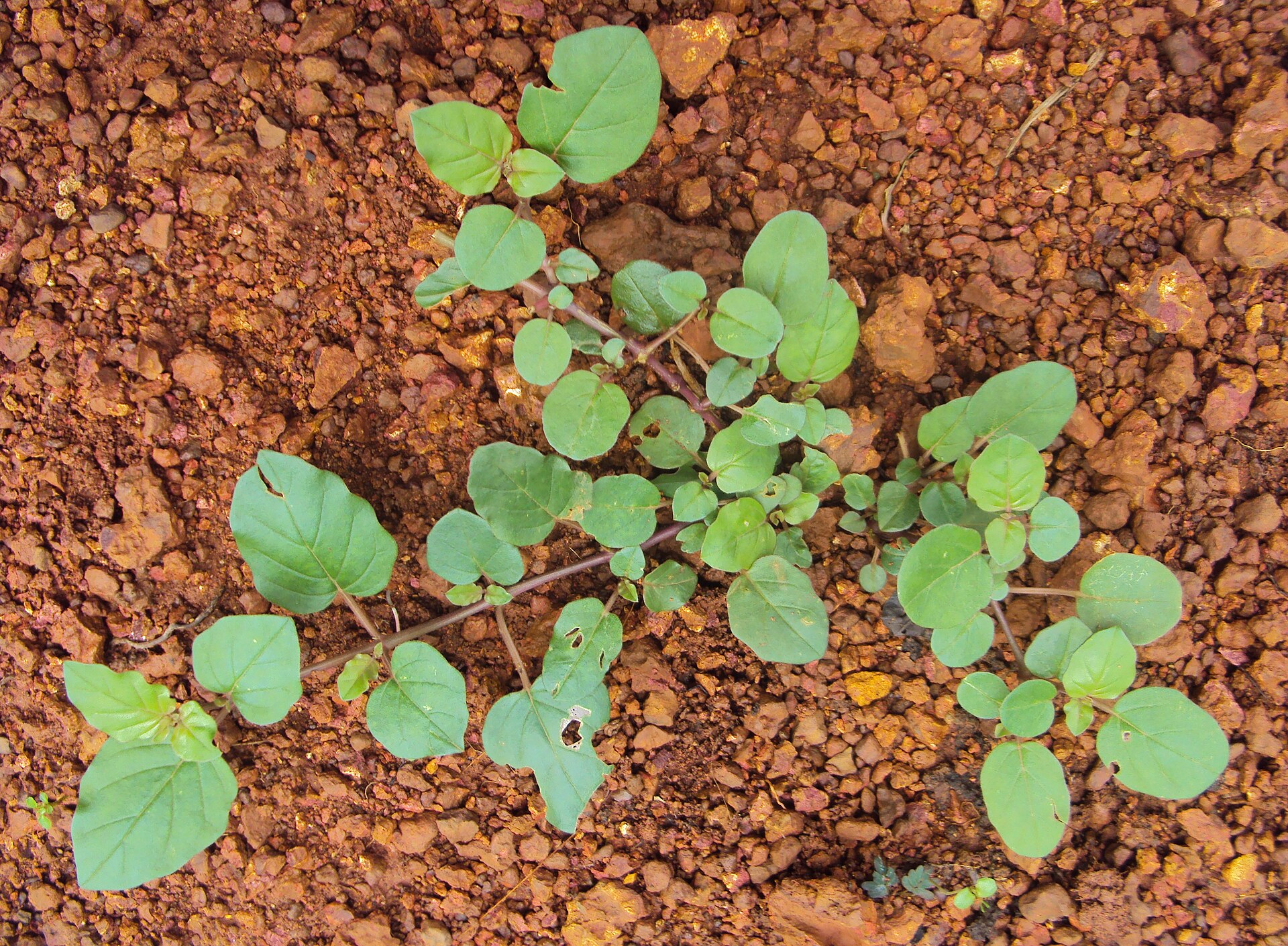
Punarnava
Boerhavia diffusa
The "renewer" of Ayurveda — named for its ability to regenerate from its rootstock, Punarnava is the premier herb for reducing oedema, supporting kidney function and "renewing" the body's water balance.
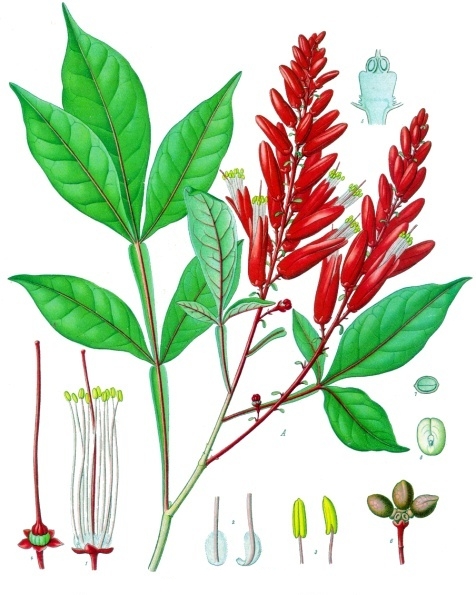
Quassia
Quassia amara
The "bitterest substance in nature" — a small Amazonian tree whose wood contains quassin, one of the most intensely bitter compounds known, used as a digestive tonic, antiparasitic and natural insecticide across the tropics.
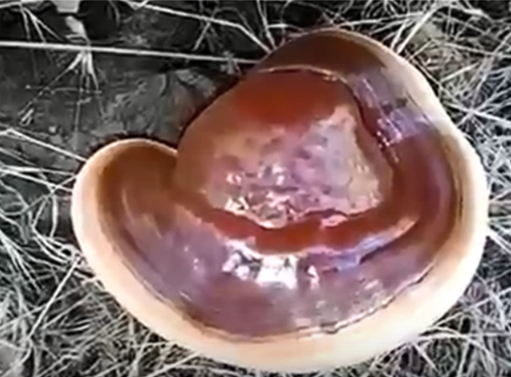
Reishi
Ganoderma lucidum
The "Mushroom of Immortality" — revered in East Asian medicine for over two millennia as a calming, immune-modulating spiritual tonic. One of the most researched medicinal mushrooms in the world.
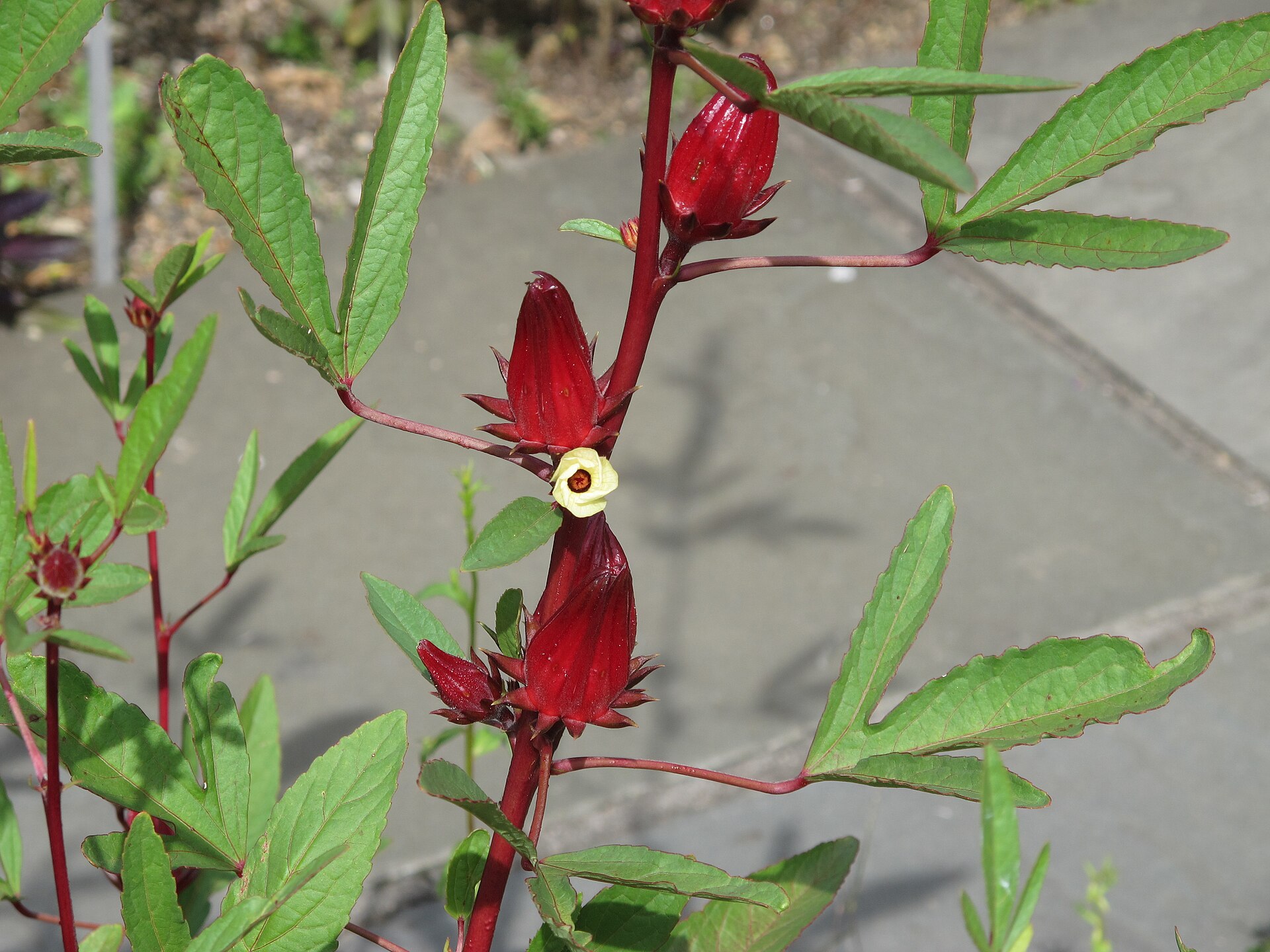
Roselle
Hibiscus sabdariffa
The crimson calyces brewed into the iconic red beverage of West Africa, the Caribbean, and Latin America — clinically proven to lower blood pressure and rich in anthocyanins with antioxidant and hepatoprotective activity.
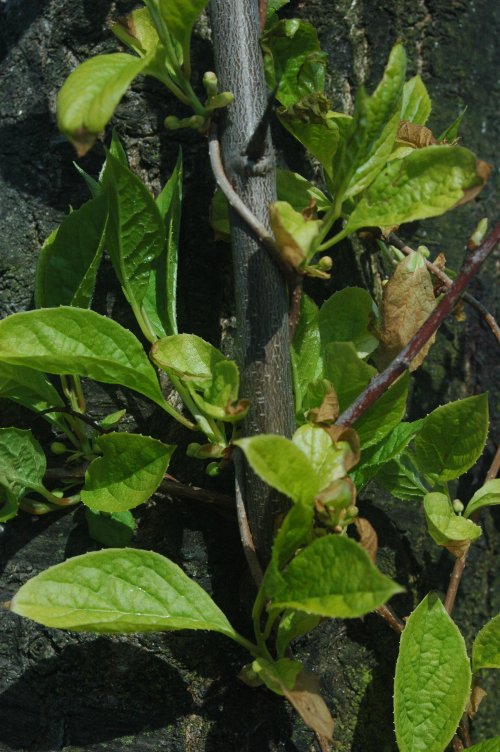
Schisandra
Schisandra chinensis
Schisandra, the “five-flavor berry” of Chinese medicine, is a premier adaptogen that sharpens mental focus, protects the liver, and builds resilience to physical and psychological stress.
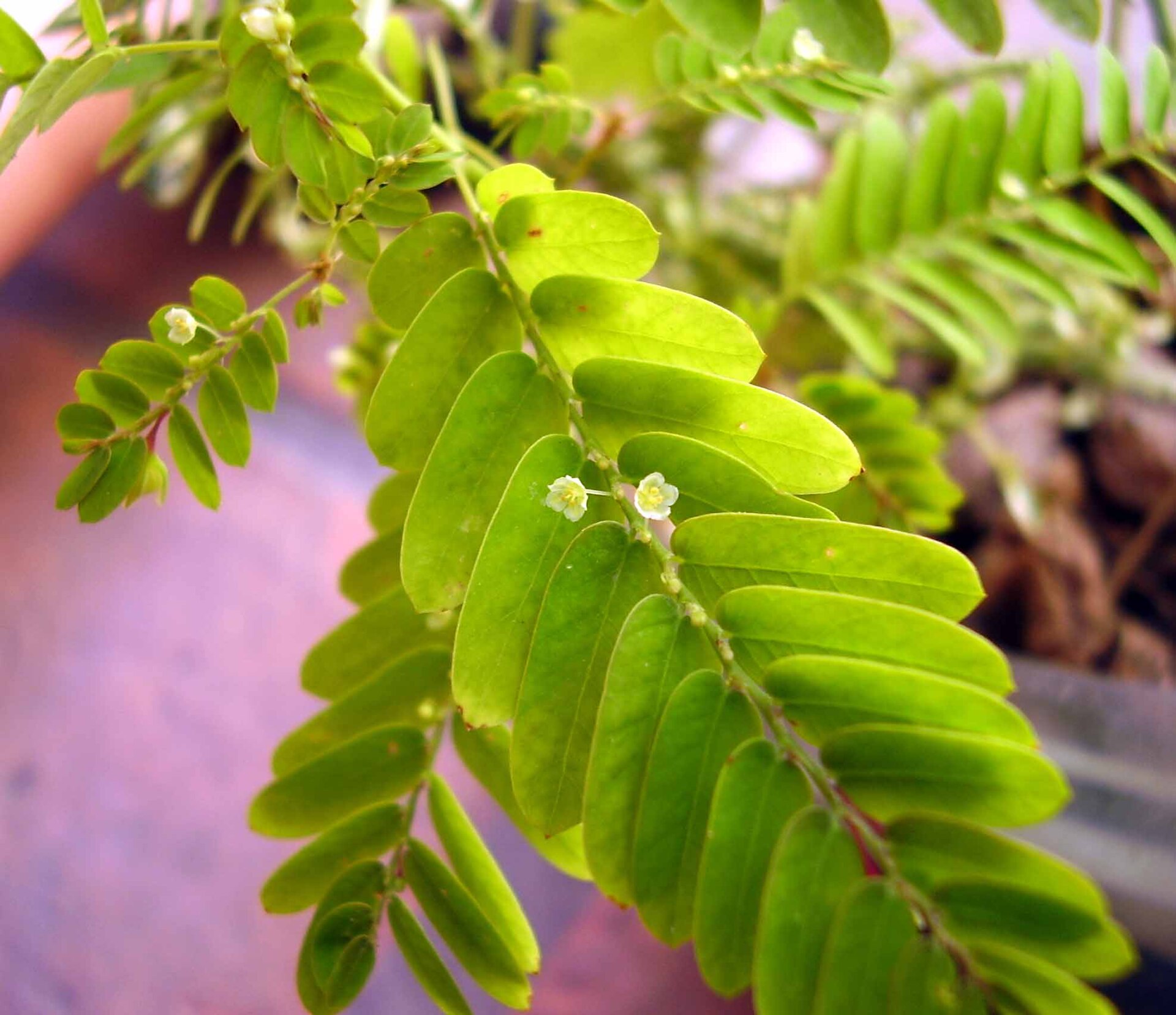
Stonebreaker
Phyllanthus niruri
A small pan-tropical herb whose name says it all — "stonebreaker" is clinically validated for kidney and gallstone prevention, with additional hepatoprotective and antiviral (hepatitis B) activities.
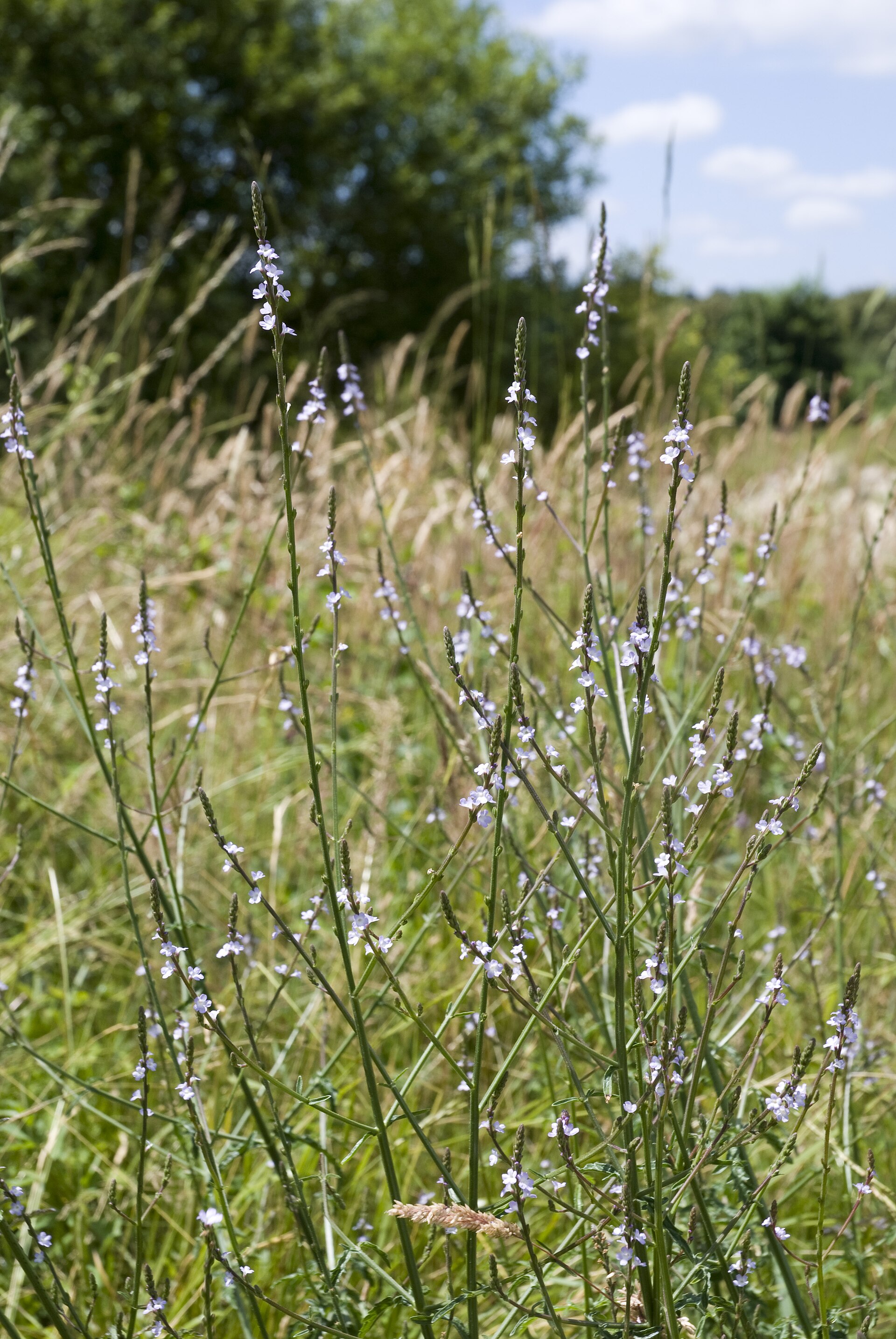
Vervain
Verbena officinalis
One of the most sacred herbs in European folk tradition — the "Holy Herb" used by Druids, Romans and medieval healers as a nervine, digestive bitter and fever remedy.
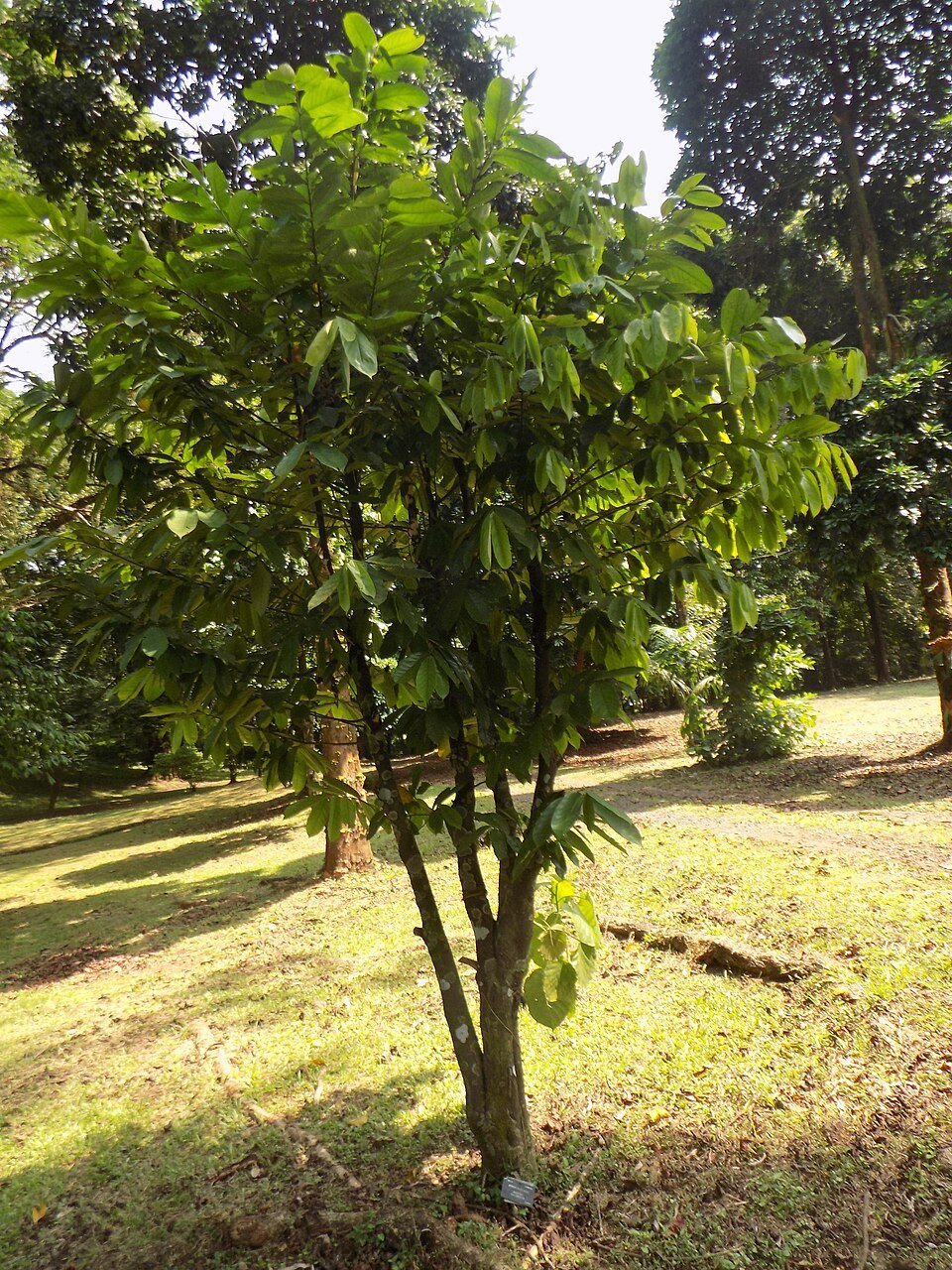
African Yellowwood (Awopa)
Enantia chlorantha
A tree with vivid yellow bark that is one of West Africa's most important traditional antimalarials and jaundice remedies.
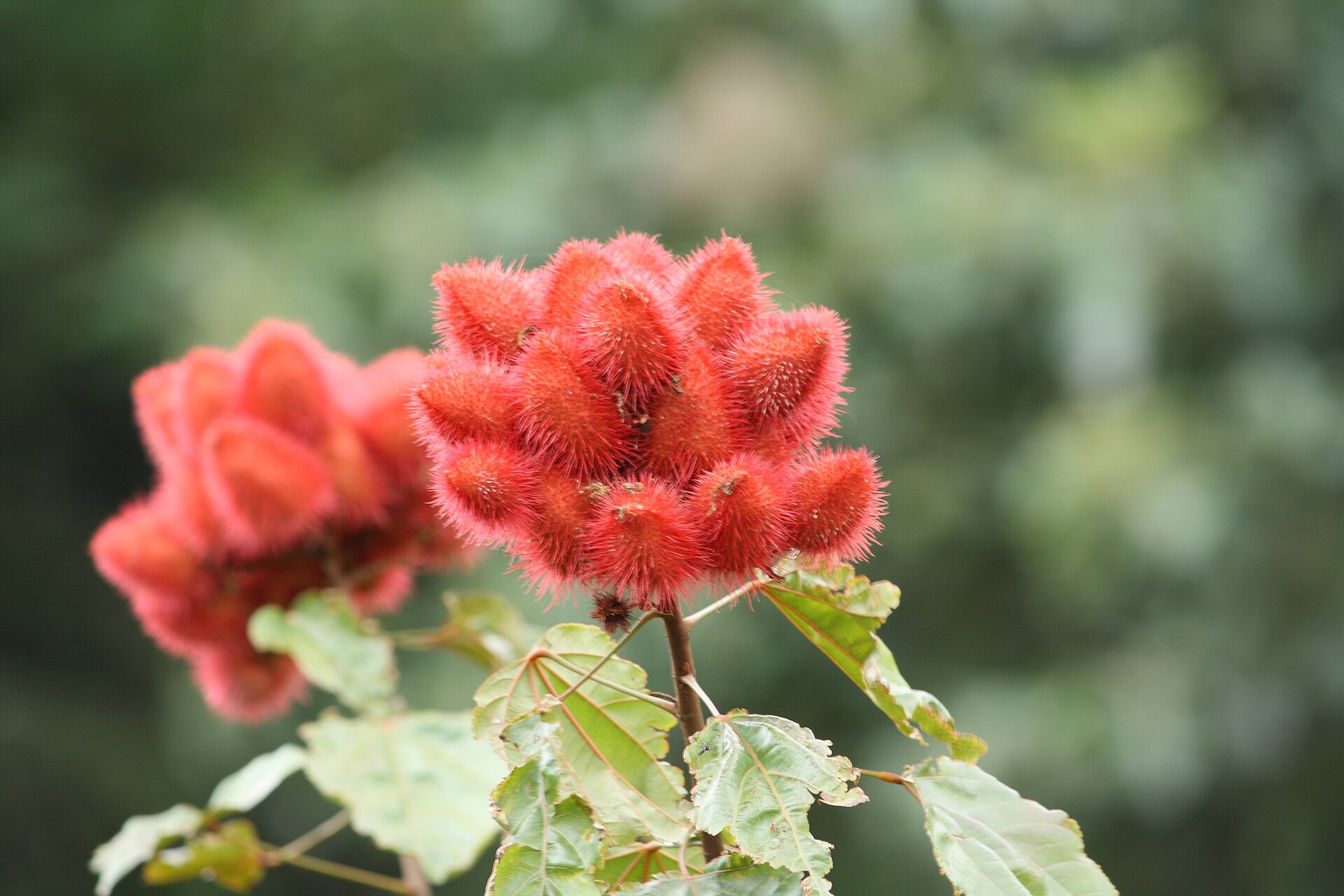
Annatto
Bixa orellana
The "lipstick tree" of the Americas — valued for millennia as a body paint, food colourant and medicine by indigenous peoples. Its seed pigment bixin is now recognised as a potent antioxidant with metabolic benefits.
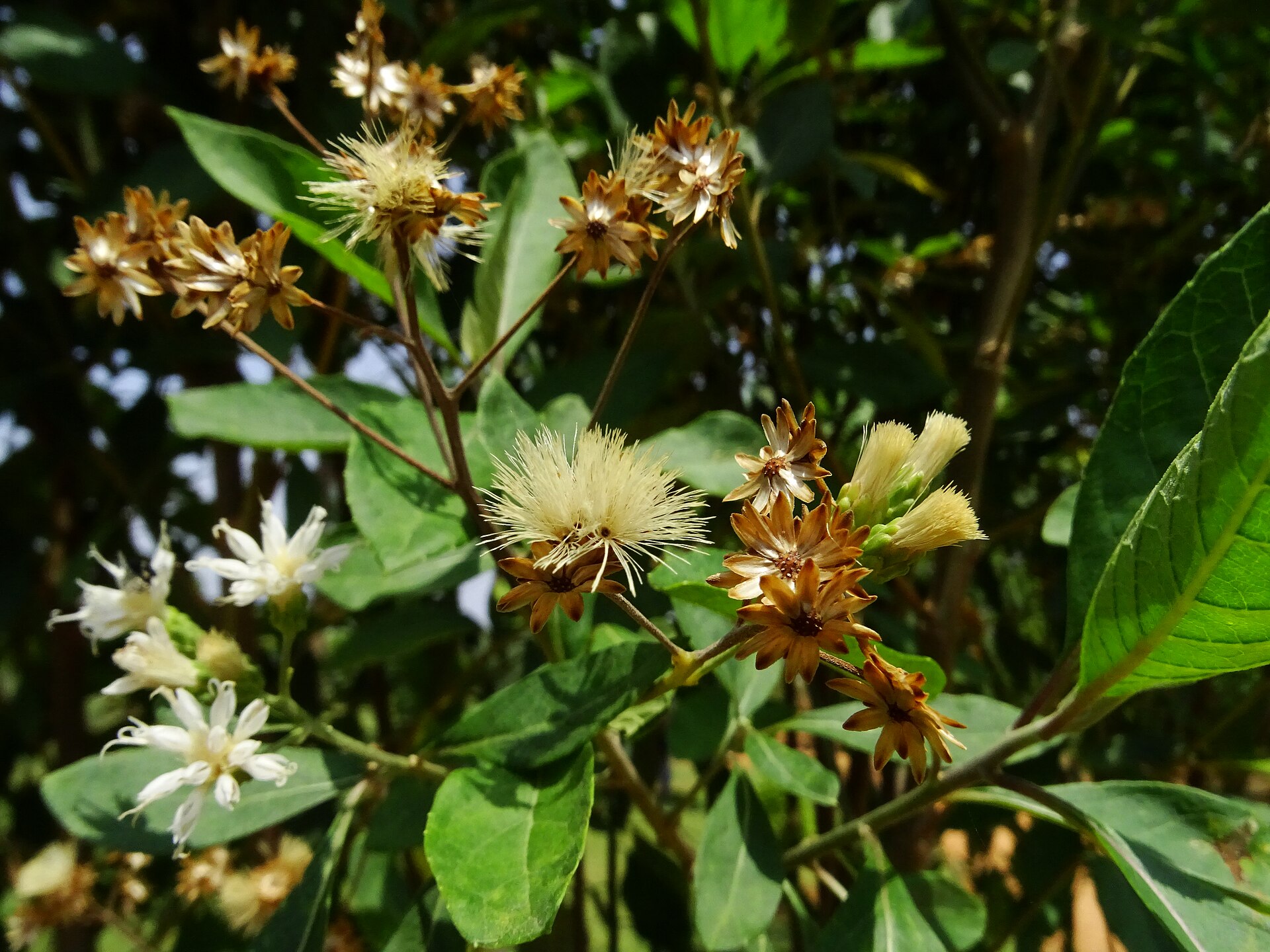
Bitter Leaf
Vernonia amygdalina
One of the most important medicinal and food plants in tropical Africa — the leaves are eaten daily as a bitter vegetable and taken medicinally for malaria, diabetes, gastrointestinal infections, and as a "blood cleanser."
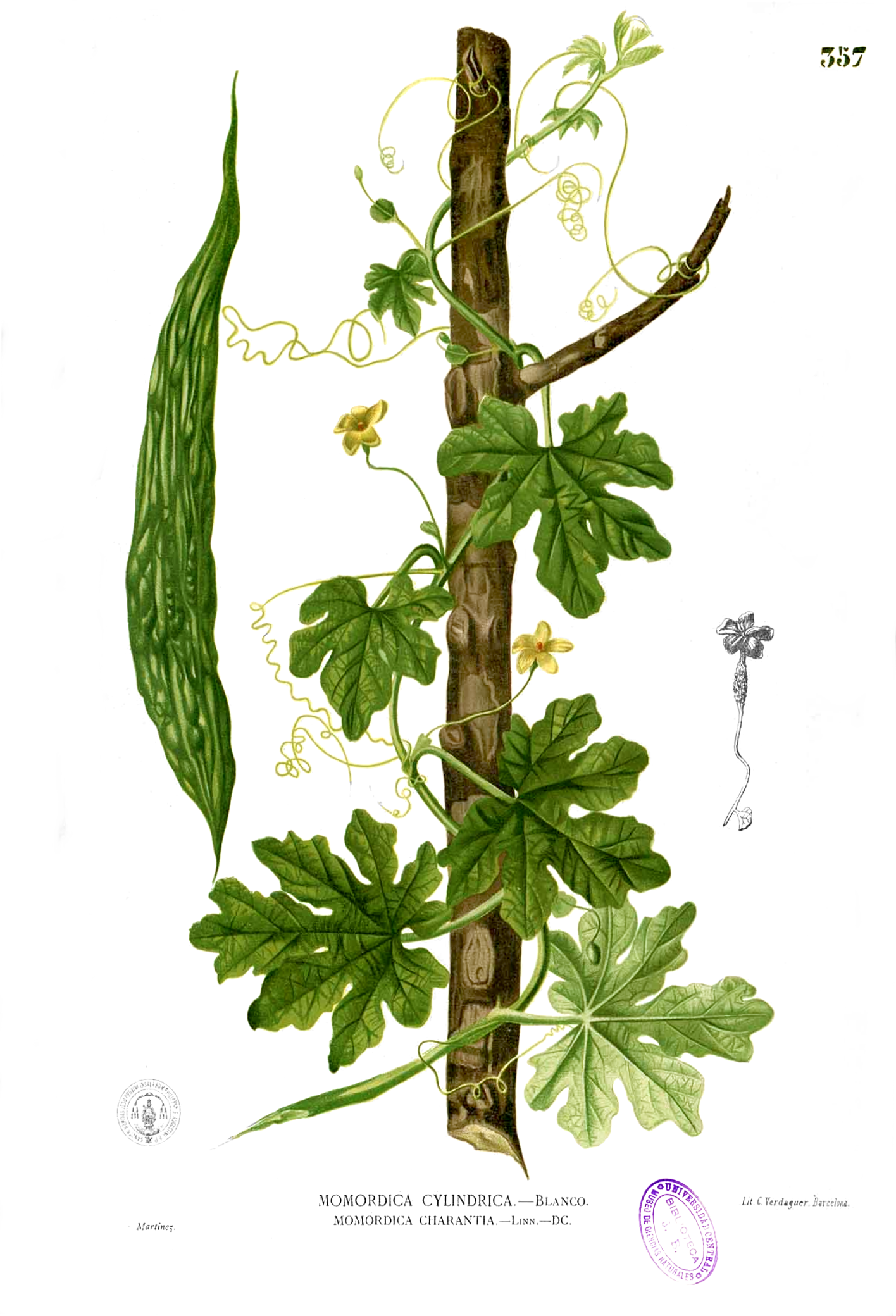
Bitter Melon
Momordica charantia
A warty-fruited tropical vine revered in Ayurvedic, Chinese, and Caribbean medicine as one of nature's most potent antidiabetic plants — with multiple clinical trials confirming its blood-sugar-lowering effects.
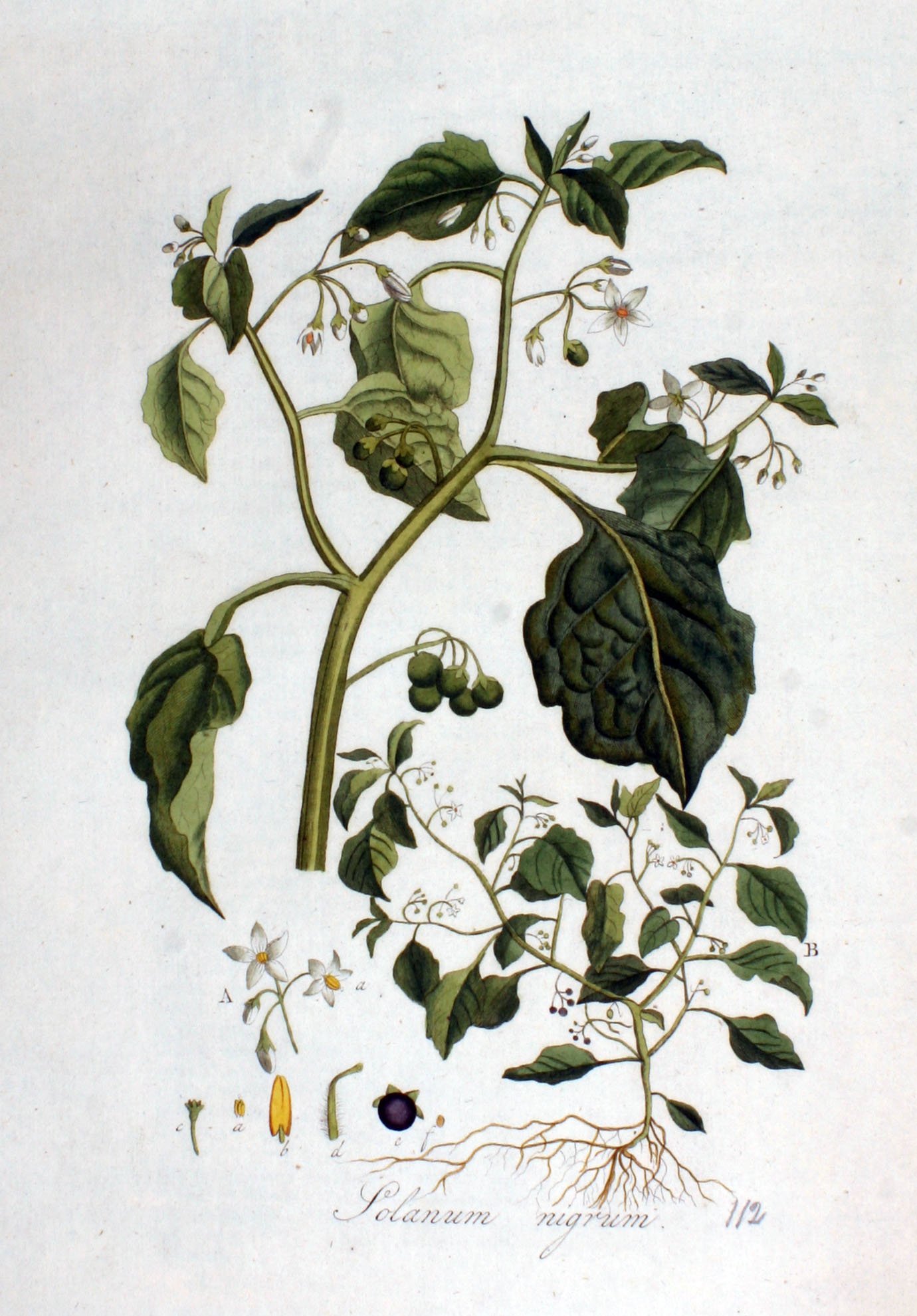
Black Nightshade
Solanum nigrum
A common leafy vegetable and traditional remedy whose cooked leaves treat inflammation, ulcers, and liver conditions across Africa.
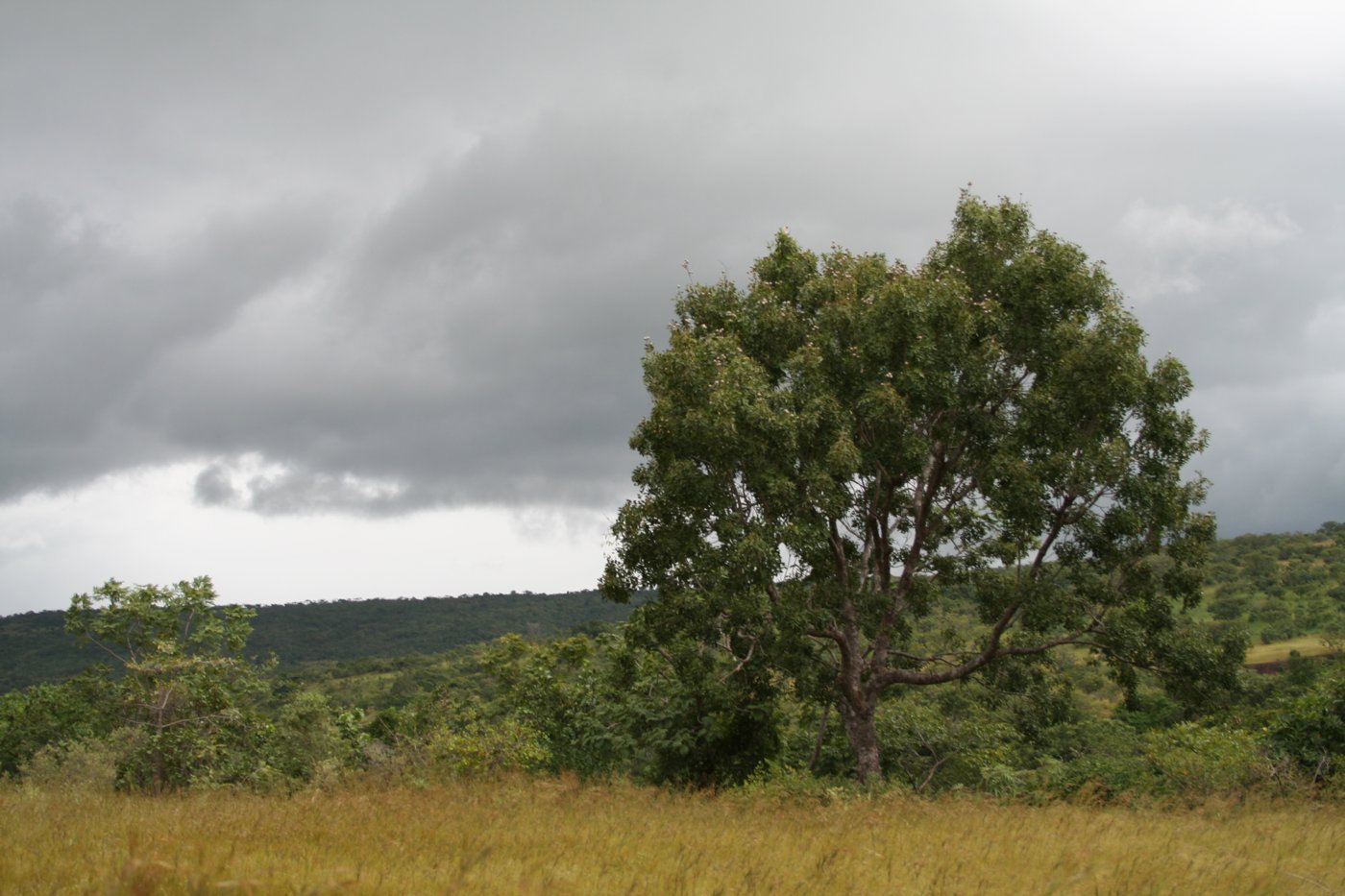
Broad-leaved Mahogany
Khaya grandifoliola
A large mahogany whose intensely bitter bark is one of West Africa's premier antimalarial and tonic remedies.
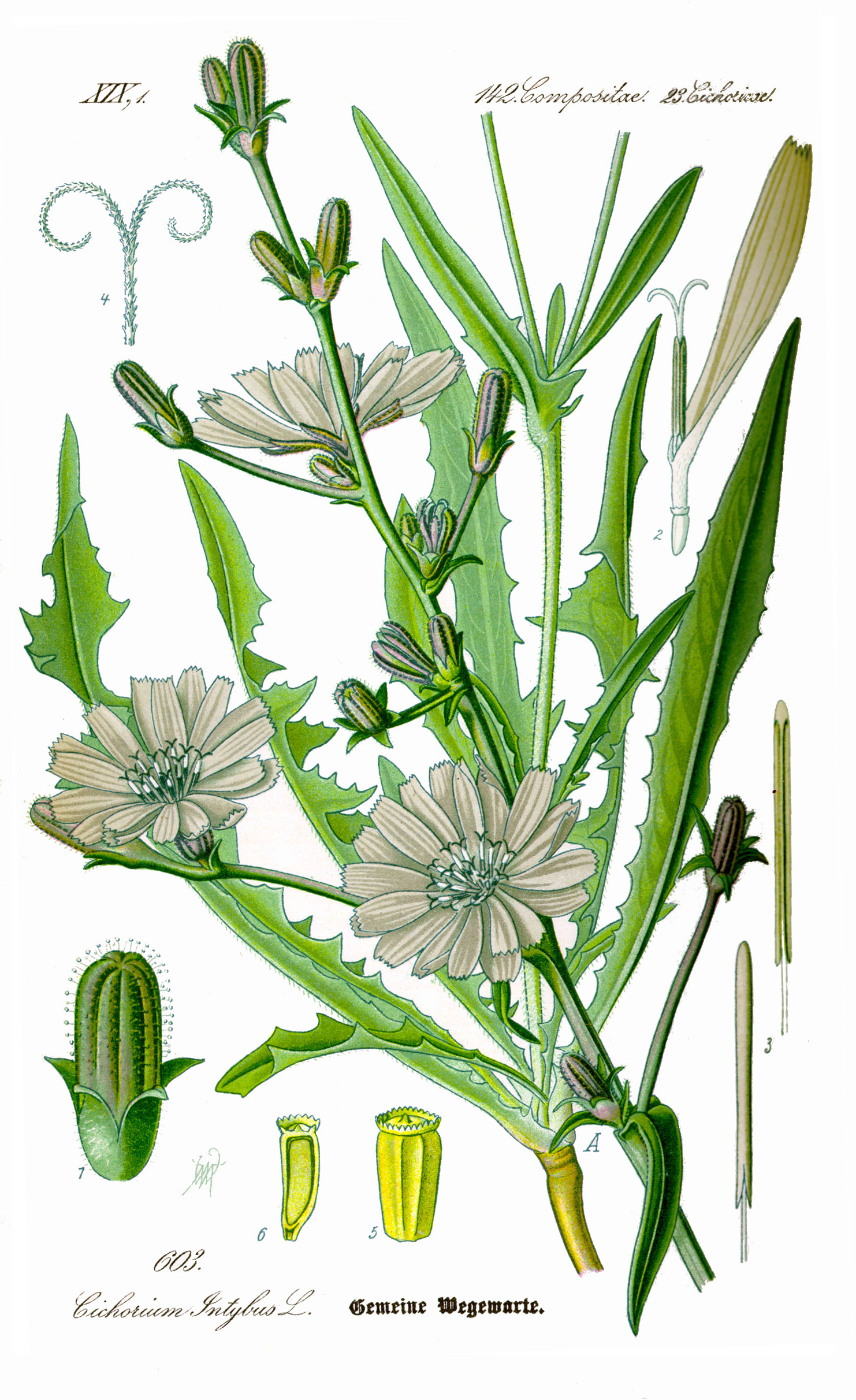
Chicory
Cichorium intybus
A resilient roadside wildflower with striking blue flowers — best known as a coffee substitute but also a powerful prebiotic (inulin-rich) digestive tonic, bitter liver remedy and traditional blood sugar regulator.
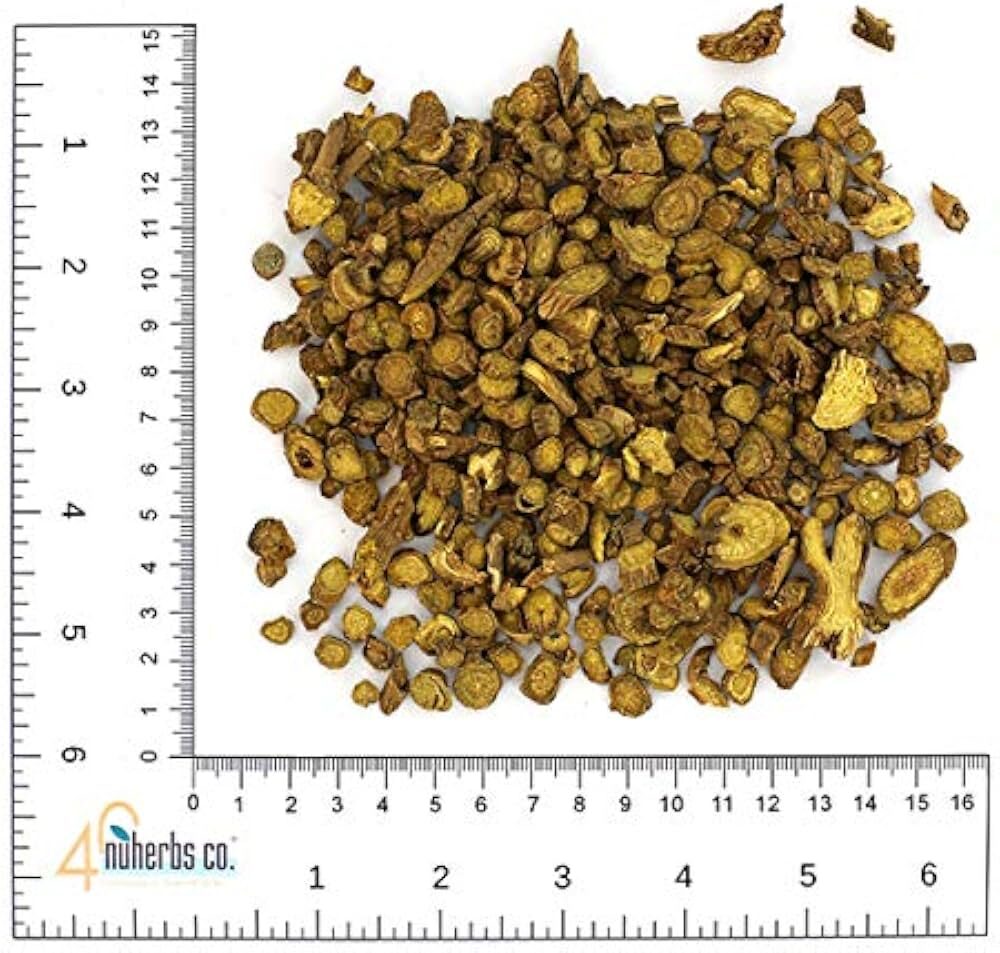
Chinese Skullcap
Scutellaria baicalensis
One of the most important heat-clearing herbs in TCM — its root clears Damp-Heat, drains fire from the Lung and Liver, and stops bleeding, with baicalin as its star compound.
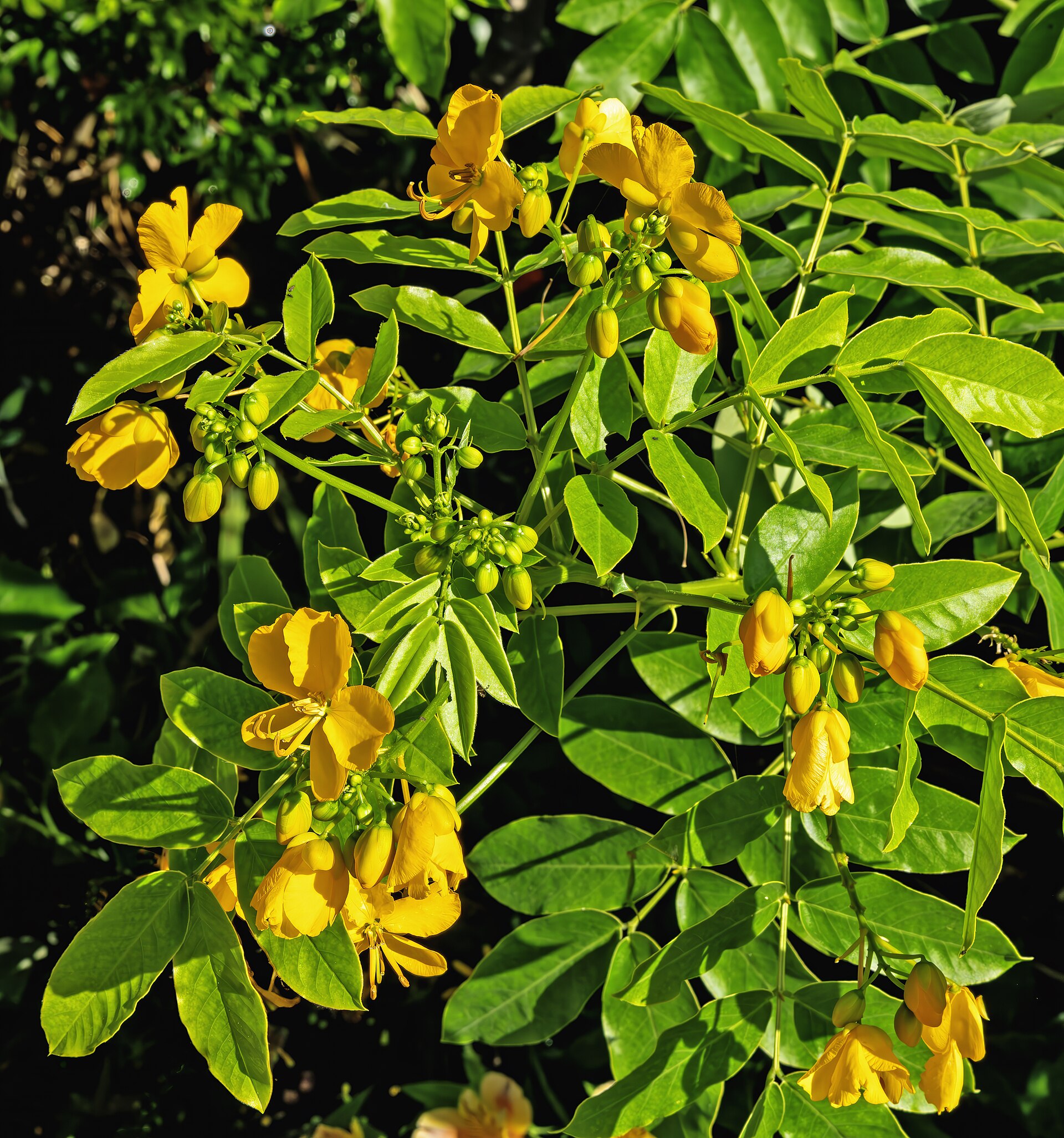
Coffee Senna
Senna occidentalis
A pan-tropical weed whose roasted seeds are used as a coffee substitute and whose leaves serve as an antimalarial and liver remedy — but with documented hepatotoxicity that demands careful attention.
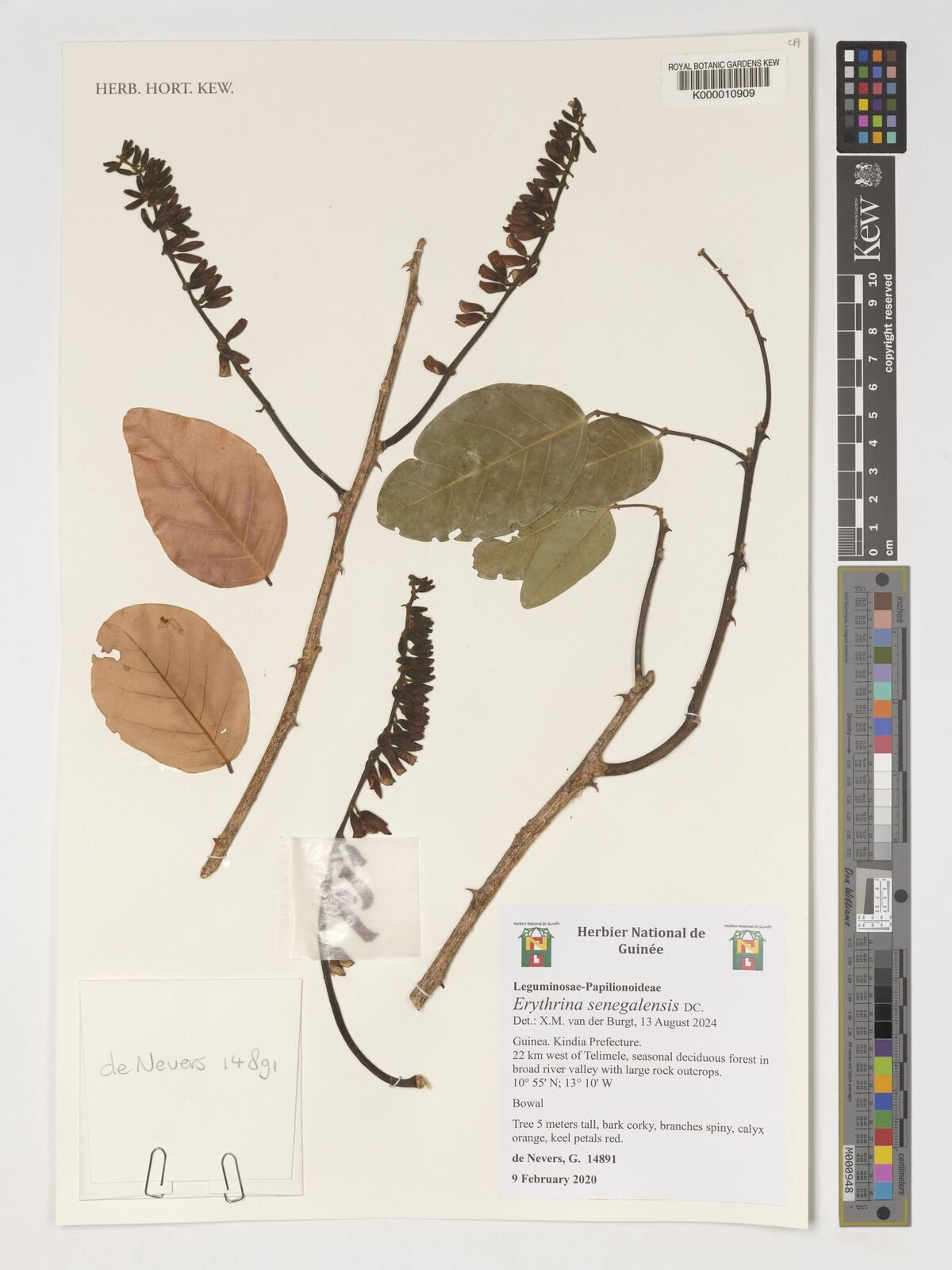
Coral Flower Tree
Erythrina senegalensis
A red-flowered savanna tree whose bark and leaves treat infections, jaundice, malaria, and menstrual disorders in West Africa.
Looking for something else?
Browse the full library