Balance and support through every stage
Reproductive & Hormonal
Botanicals traditionally used to support reproductive health, hormonal balance, and the endocrine system.
60 herbs in this collection
 Featured
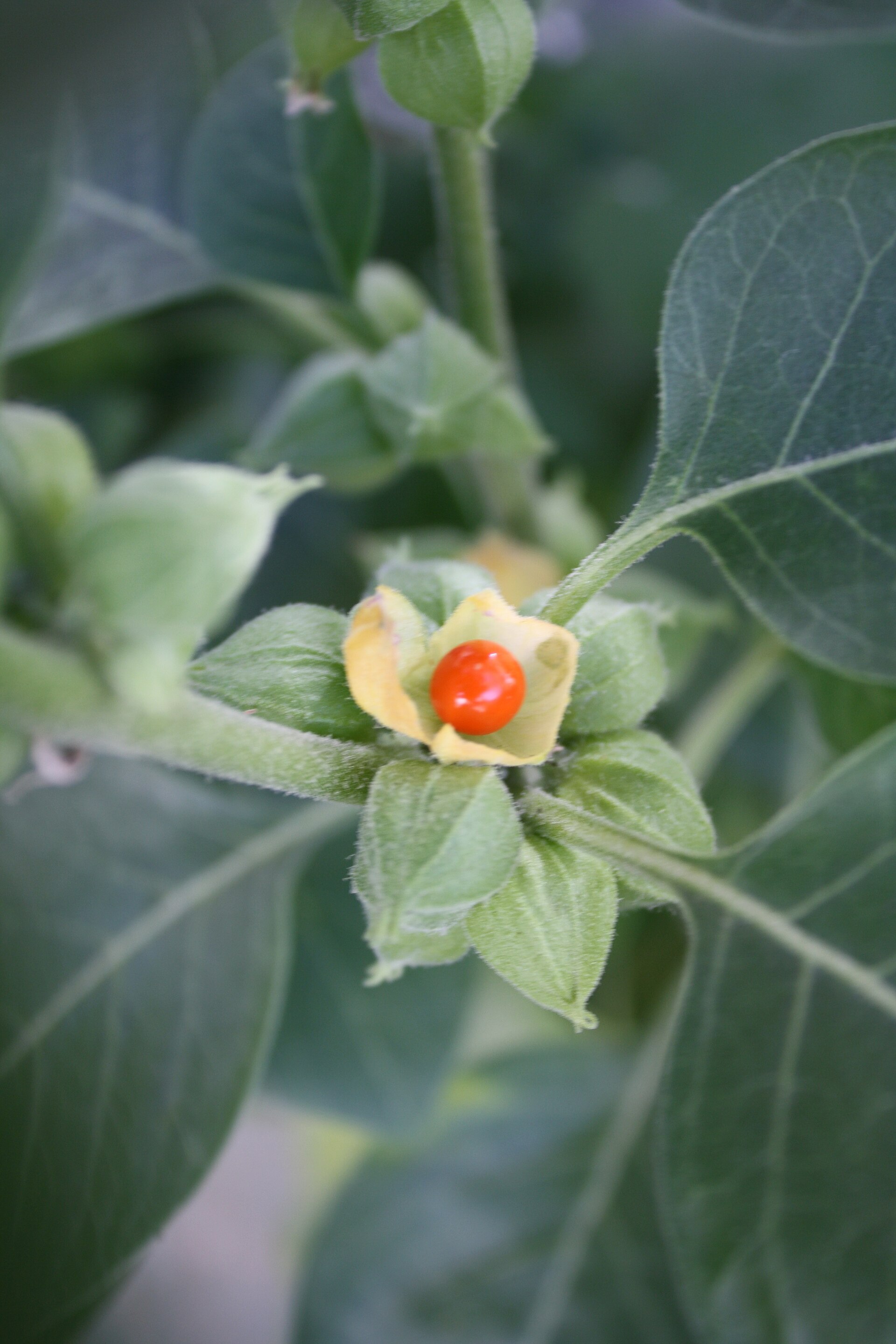
Ashwagandha
Withania somnifera
A cornerstone adaptogen of Ayurvedic medicine, prized for over 3,000 years for restoring vitality, calming the nervous system, and building resilience to stress.
 Featured
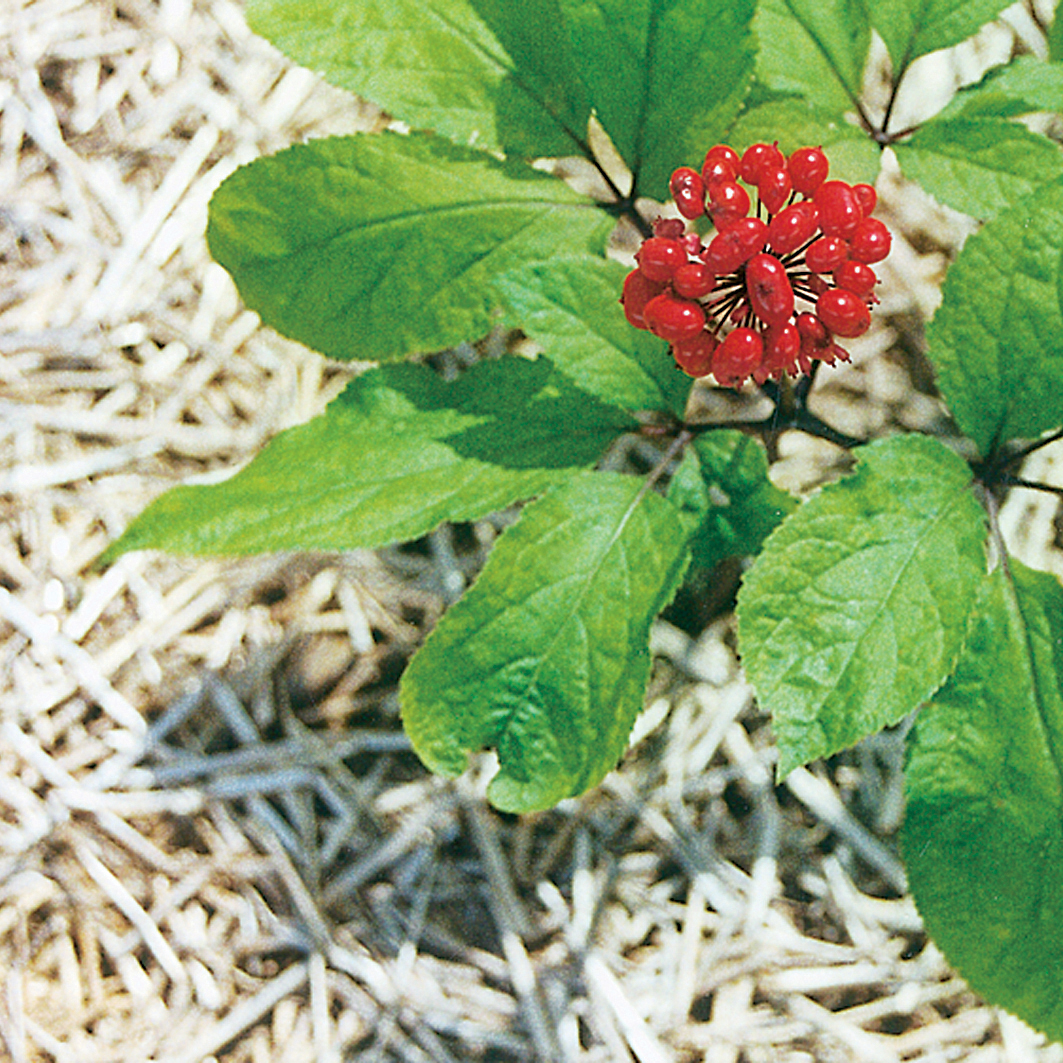
Asian Ginseng
Panax ginseng
The emperor of tonics in Chinese medicine — a 2,000-year legacy of restoring qi, sharpening the mind, and extending vitality.
 Featured
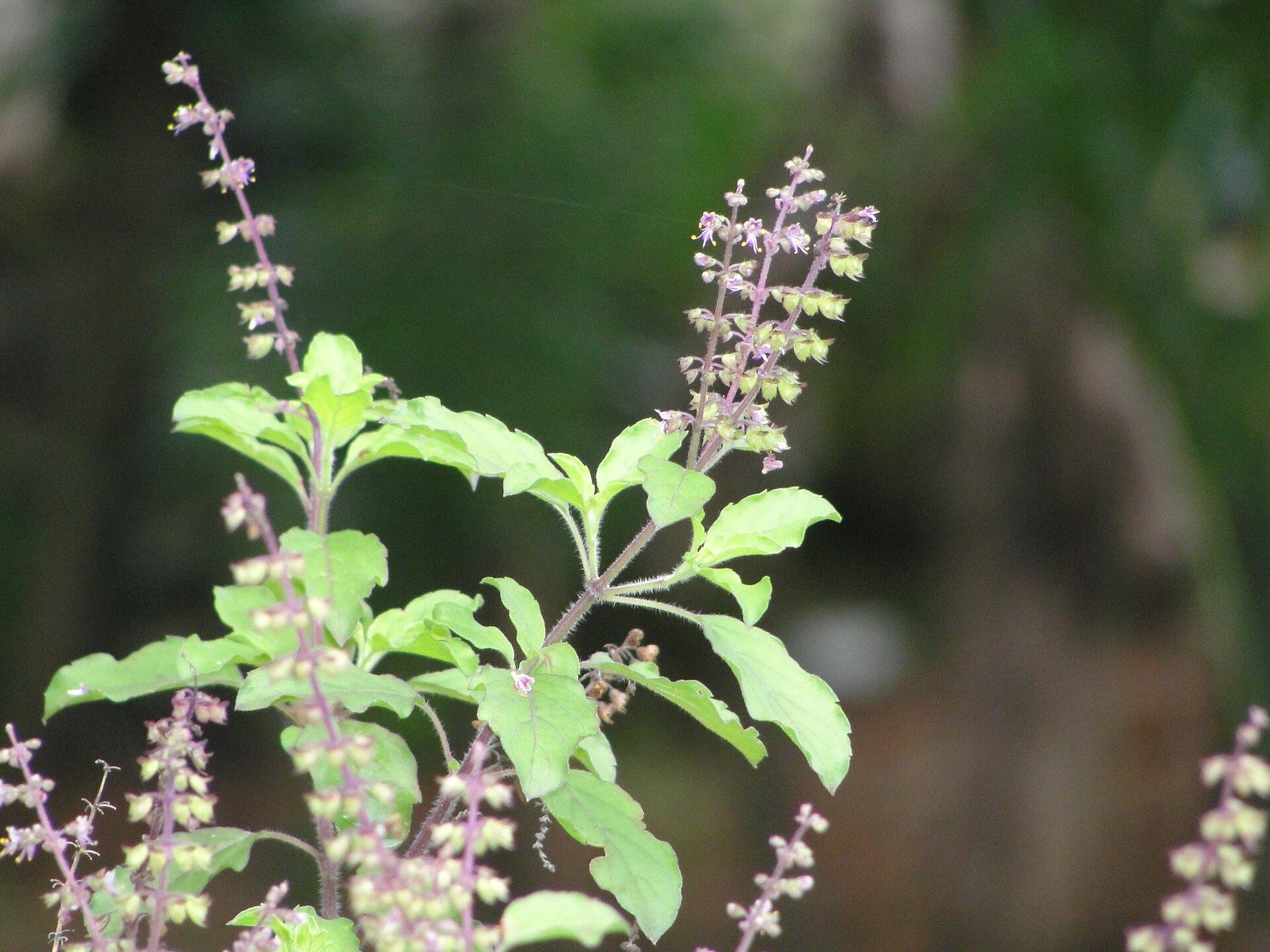
Holy Basil
Ocimum tenuiflorum
India’s “Queen of Herbs” — a sacred adaptogen revered in Ayurveda for stress, respiratory health, blood sugar, and spiritual clarity.
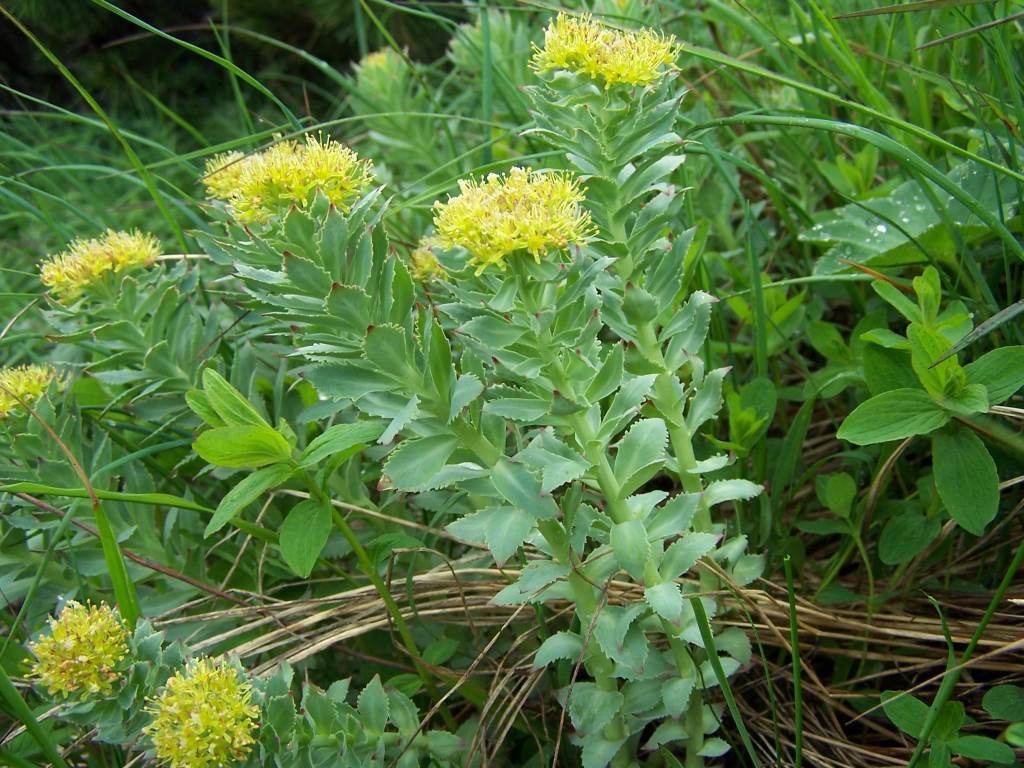 Featured
Rhodiola Rosea
Rhodiola rosea
The arctic adaptogen — Viking-era stamina root studied by Soviet scientists for fatigue, stress resilience, and mental performance.
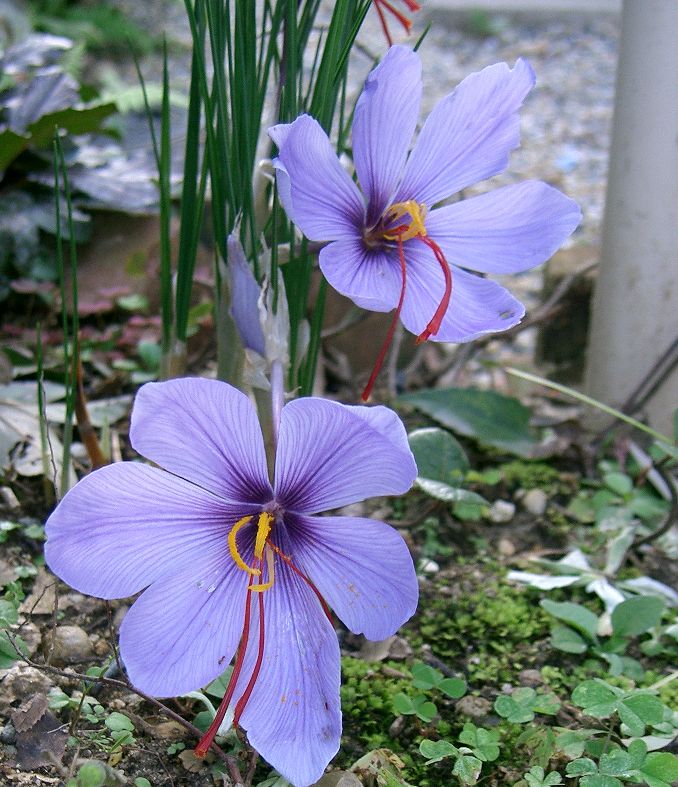 Featured
Saffron
Crocus sativus
Saffron — the world’s most precious spice — is now one of the best-evidenced botanicals for mood, with clinical trials showing antidepressant effects comparable to standard medications for mild-to-moderate depression.
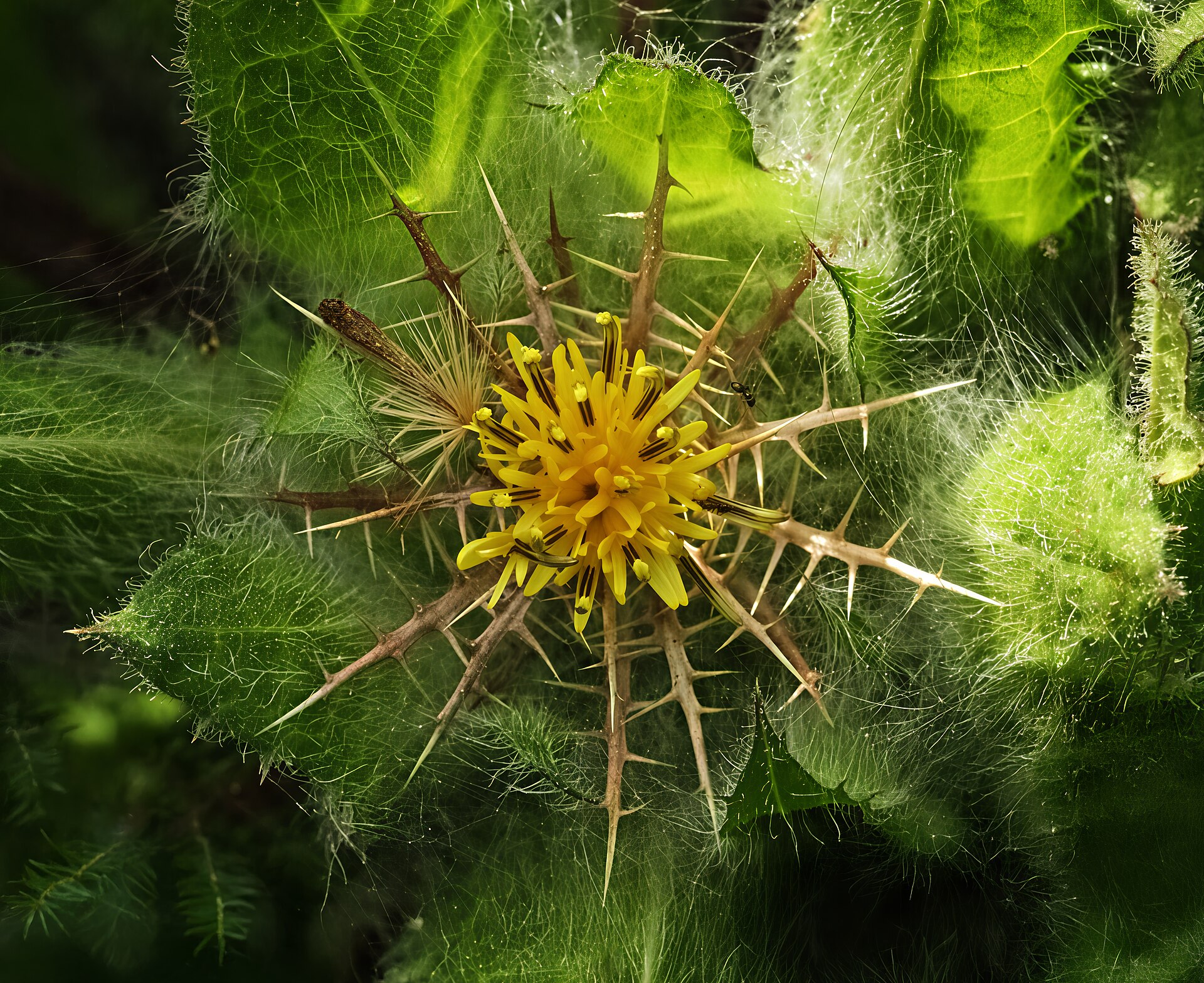
Blessed Thistle
Cnicus benedictus
A intensely bitter monastic herb used since the Middle Ages to wake up weak digestion, stimulate appetite and support breast-milk supply.
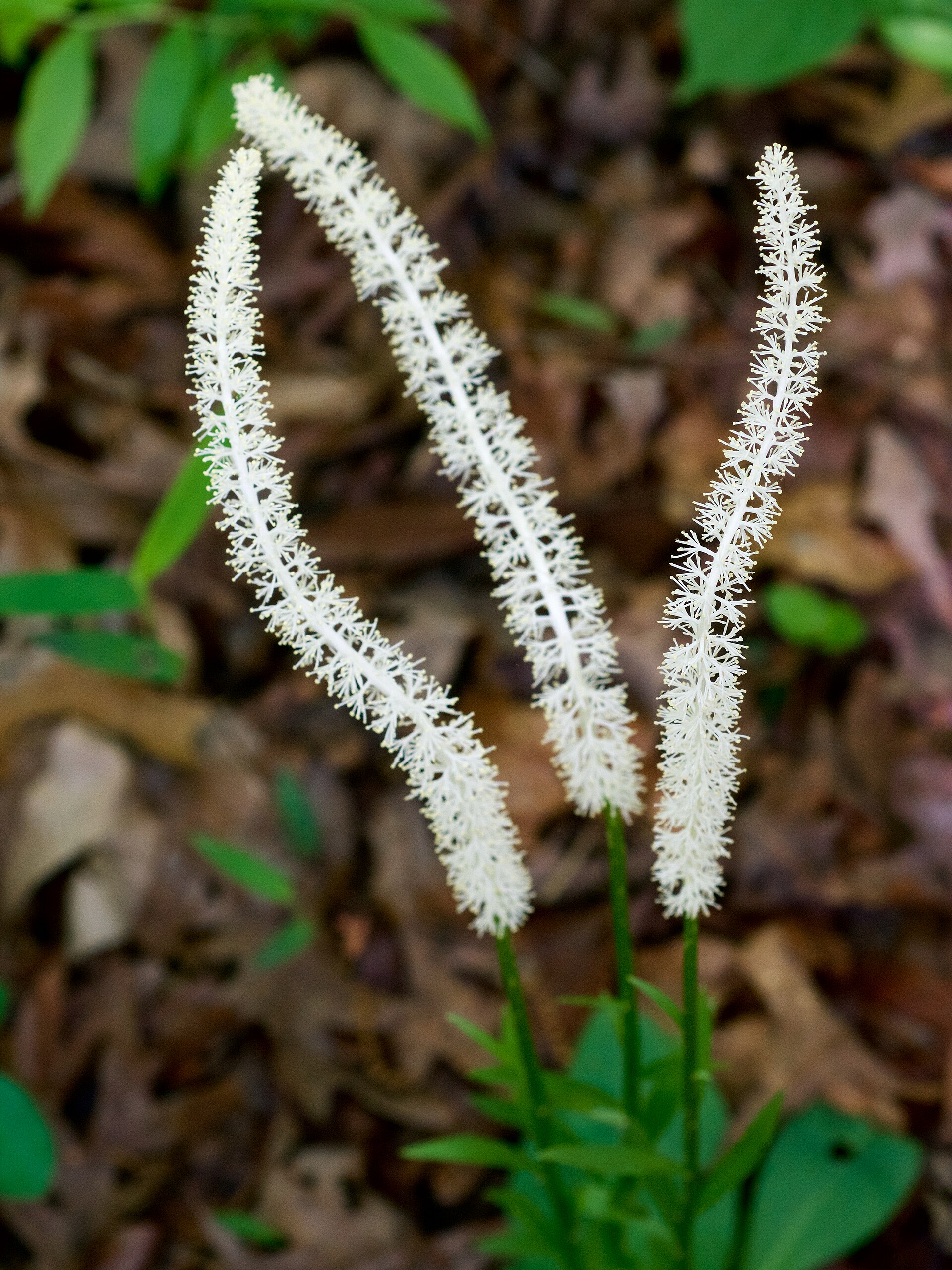
False Unicorn
Chamaelirium luteum
A revered North American ovarian and uterine tonic — and one of the most seriously endangered medicinal plants in the wild.
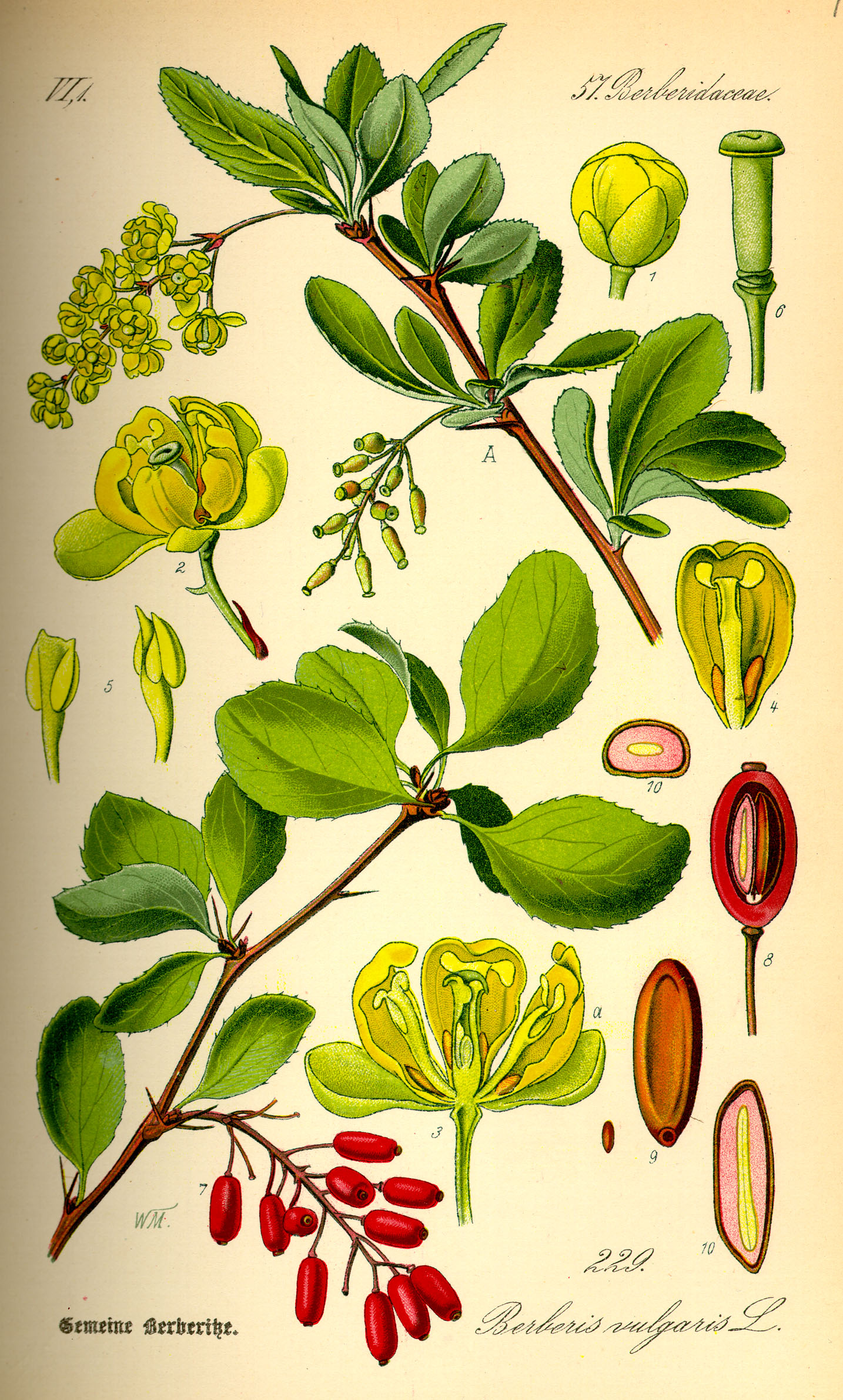
Barberry
Berberis vulgaris
A berberine-rich root bark used across Europe, Persia and India as a bitter liver stimulant, antimicrobial and blood-sugar regulator.
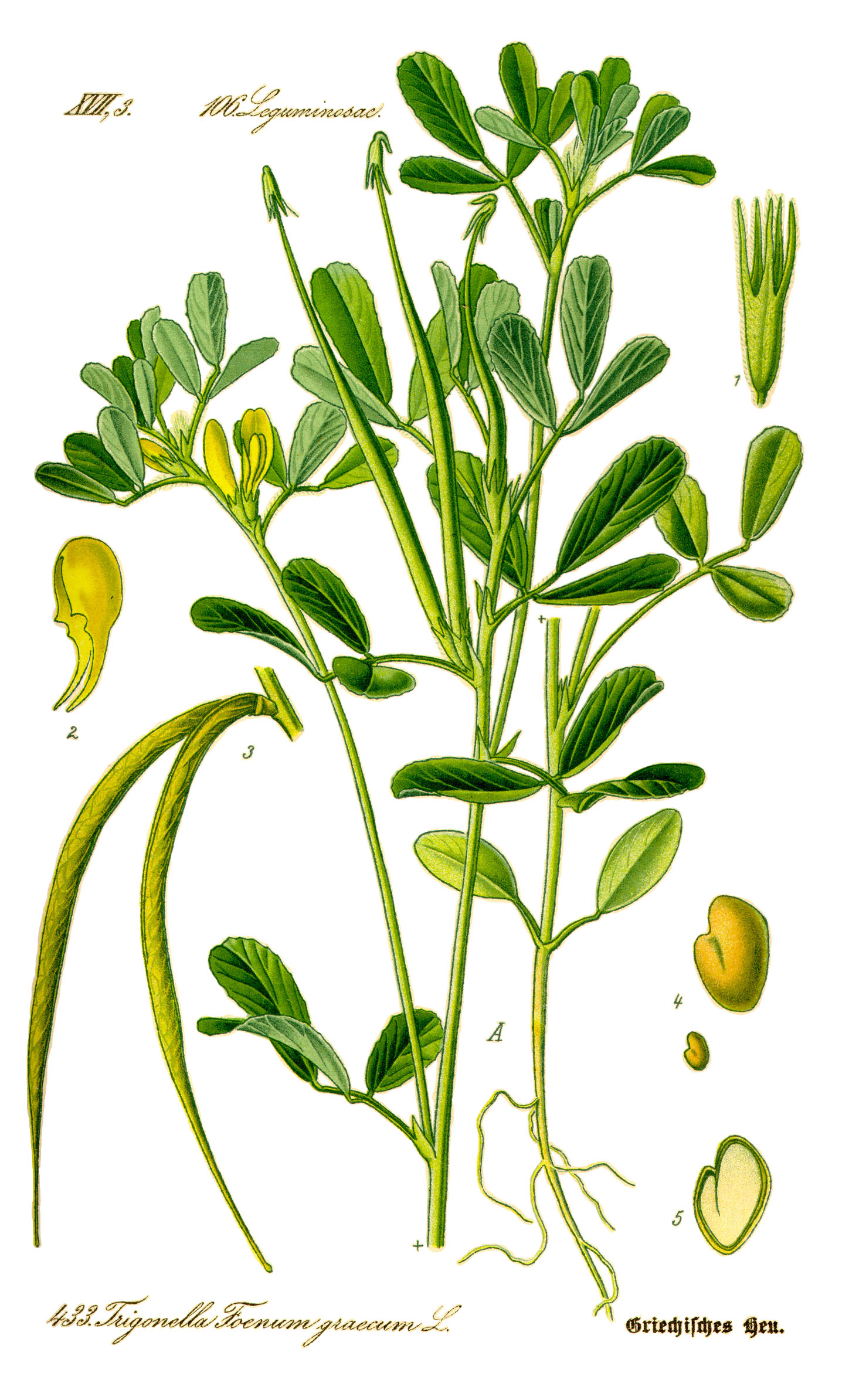
Fenugreek
Trigonella foenum-graecum
A maple-scented seed used from Egypt to India for blood sugar control, breast-milk supply and digestive soothing — one of the best-evidenced traditional seeds.
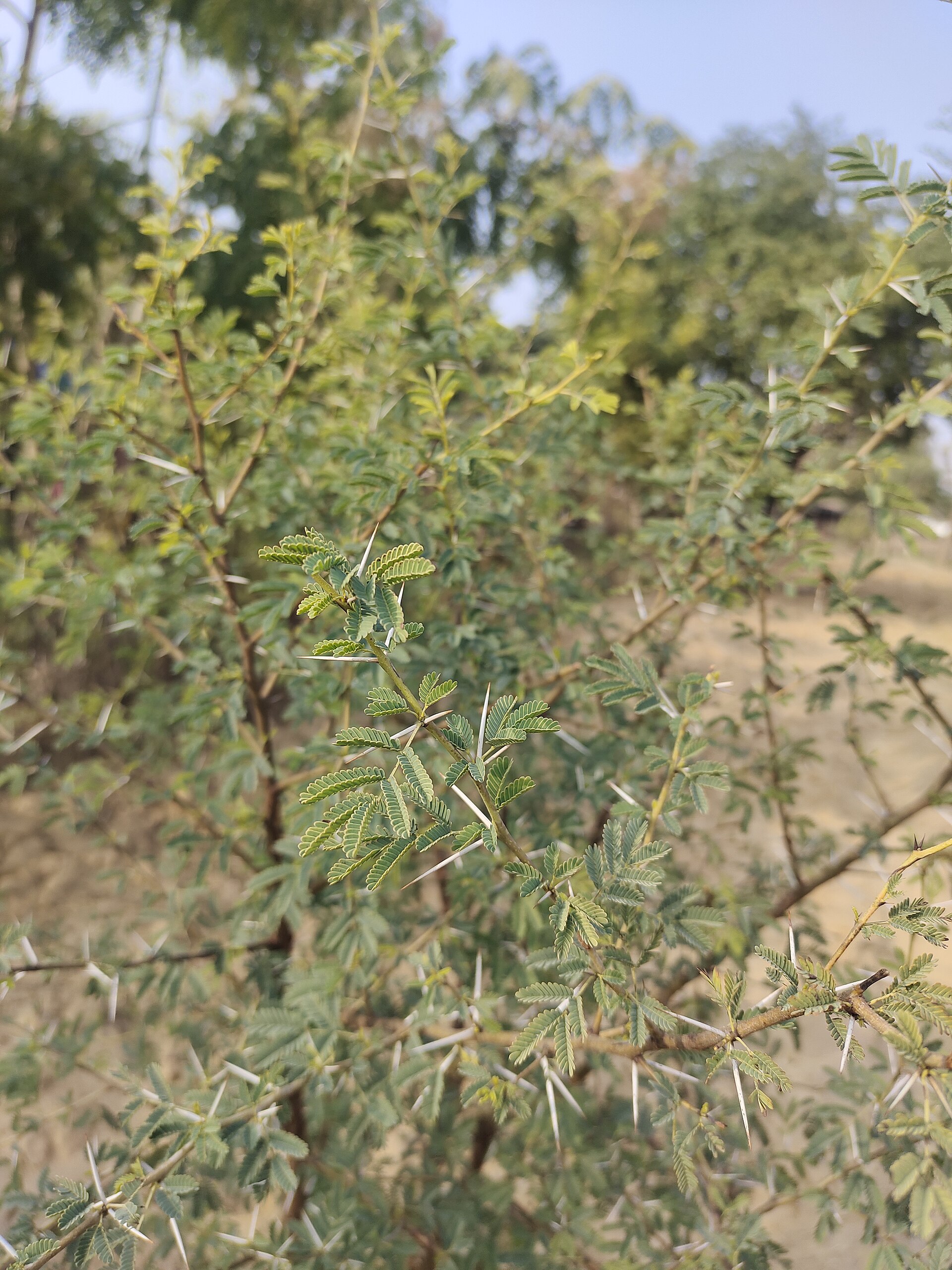
Gum Arabic Tree
Acacia nilotica
A thorny, multi-stemmed tree yielding astringent bark and tannin-rich pods used across West African and Ayurvedic traditions for oral health, wound care, and gastrointestinal complaints.
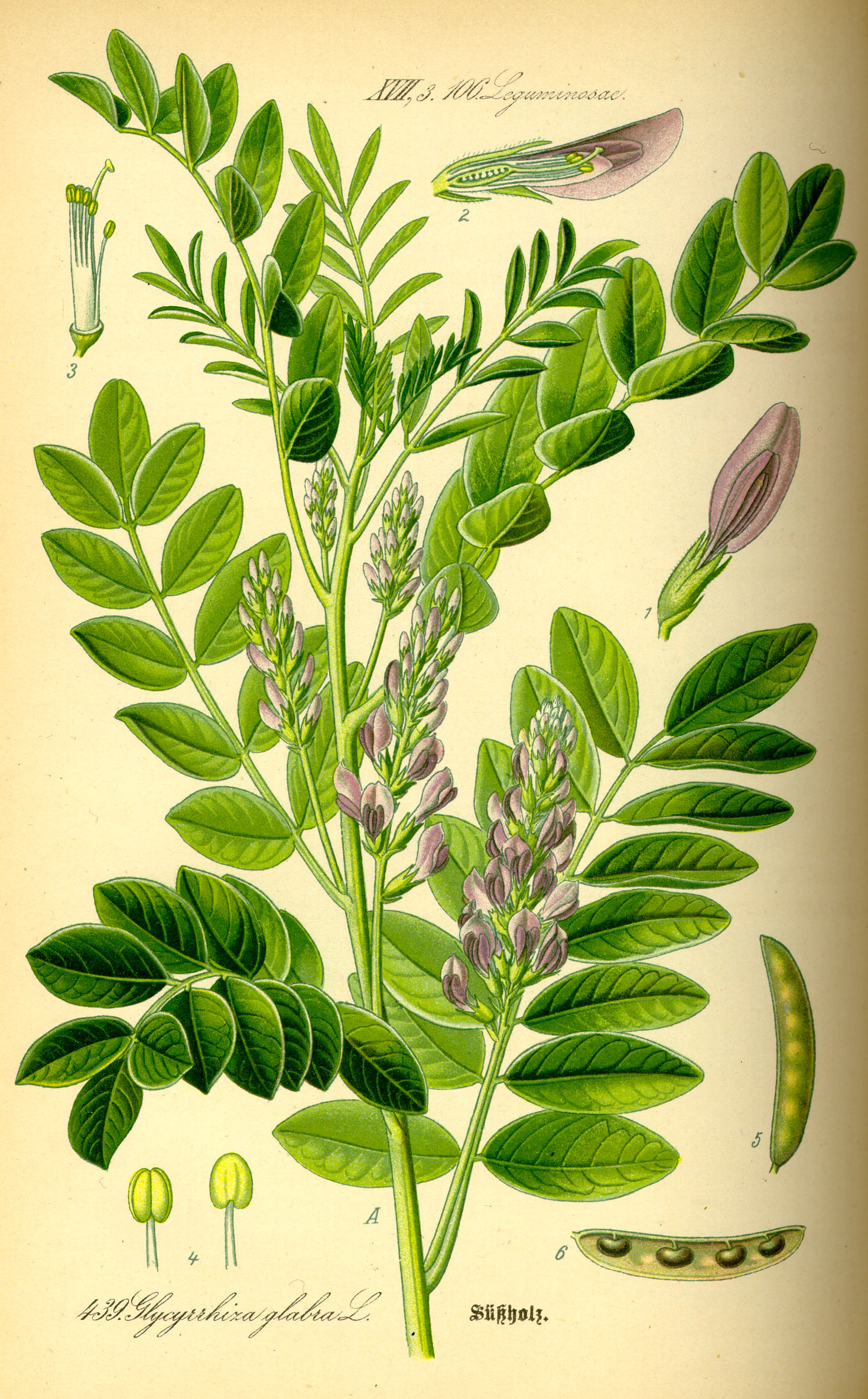
Licorice Root
Glycyrrhiza glabra
The great harmonizer — the most-used herb in Chinese medicine and a demulcent powerhouse for throat, gut, and adrenal support.
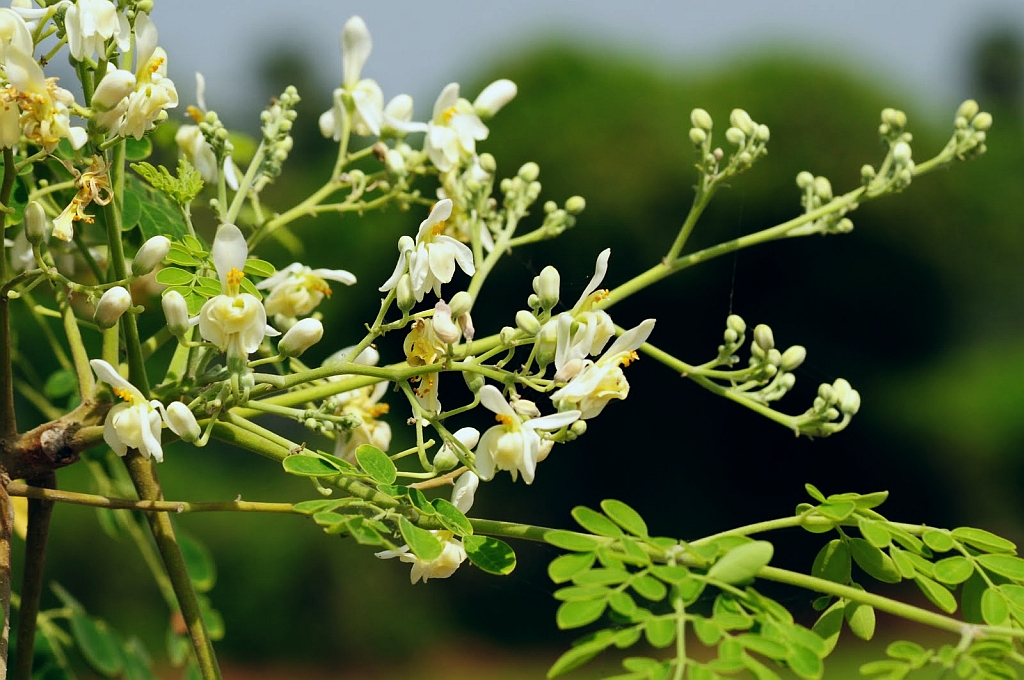
Moringa
Moringa oleifera
The miracle tree of the tropics — leaves so nutrient-dense they anchor malnutrition programs, with rising science on blood sugar and inflammation.
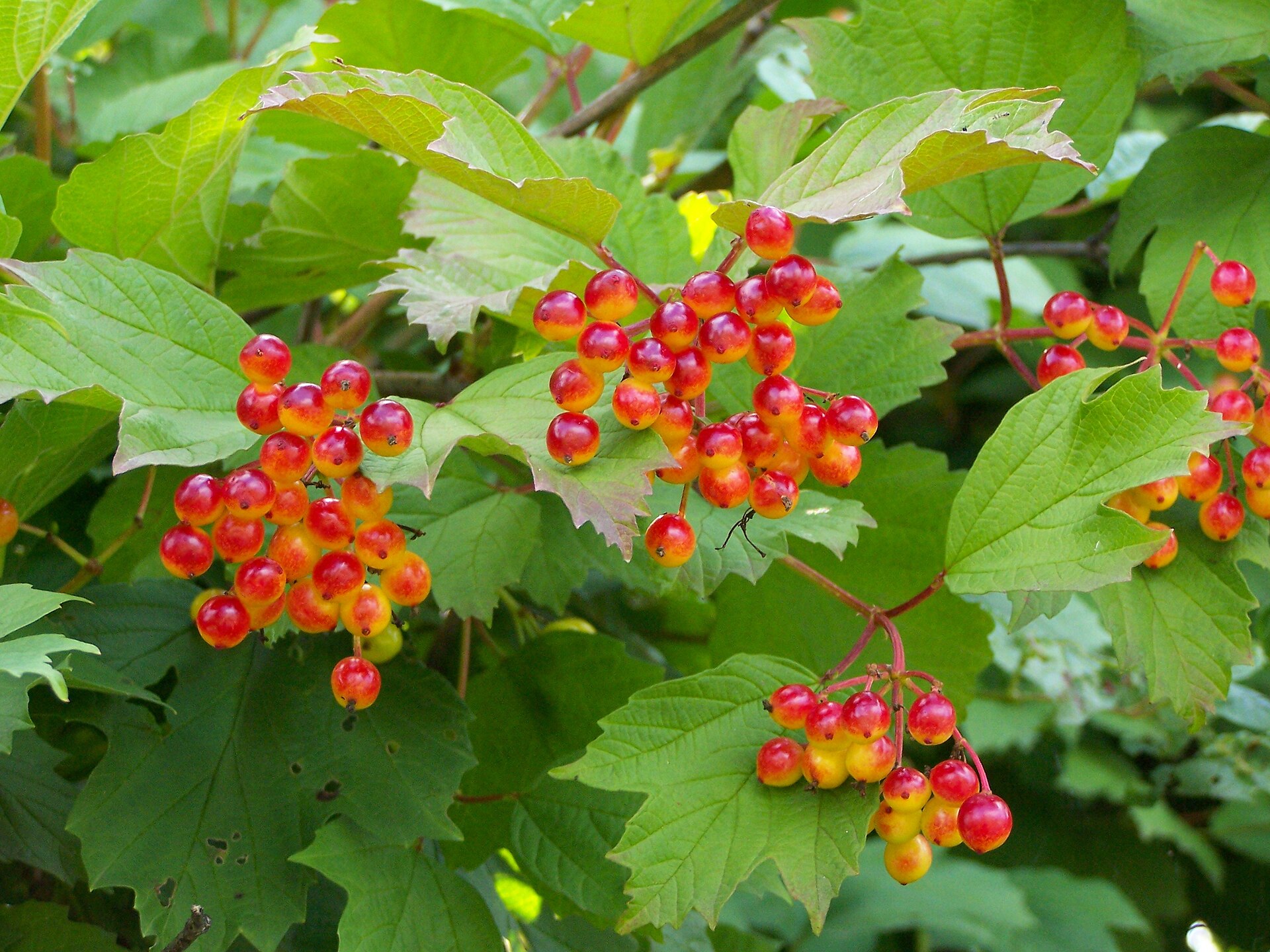
Cramp Bark
Viburnum opulus
The premier Western antispasmodic for smooth muscle — the herb of choice for period cramps, and safe enough for regular use.
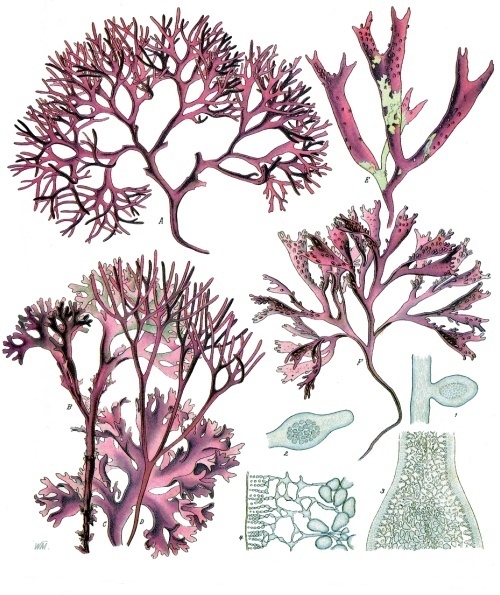
Irish Moss
Chondrus crispus
A mineral-dense red seaweed from the North Atlantic — a soothing demulcent for lungs and gut, and the original source of carrageenan.
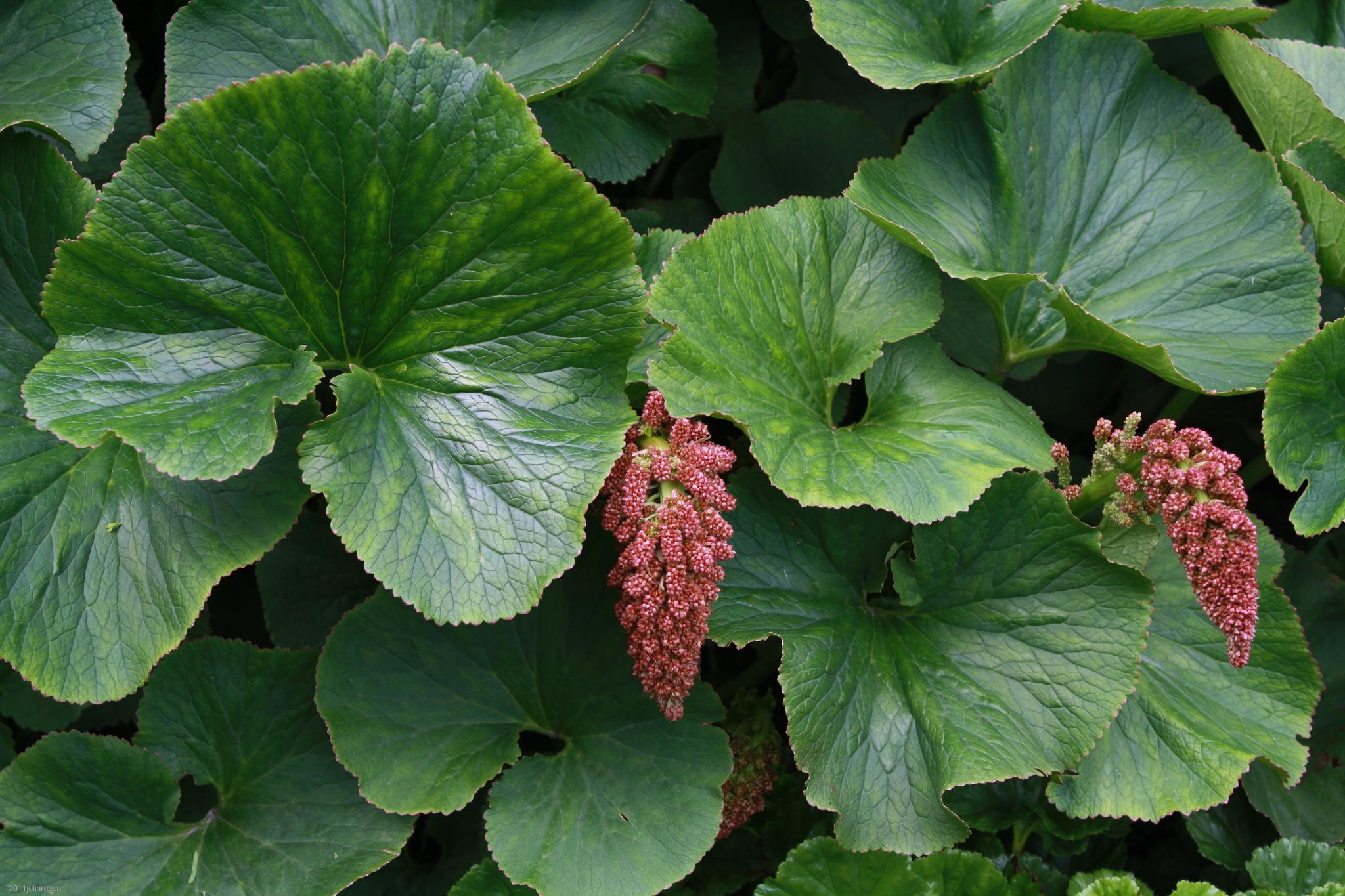
River Pumpkin (Wild Rhubarb)
Gunnera perpensa
A South African wetland herb whose rhizome is a famous traditional womb medicine used to ease childbirth and expel the afterbirth — effective but requiring caution in pregnancy.
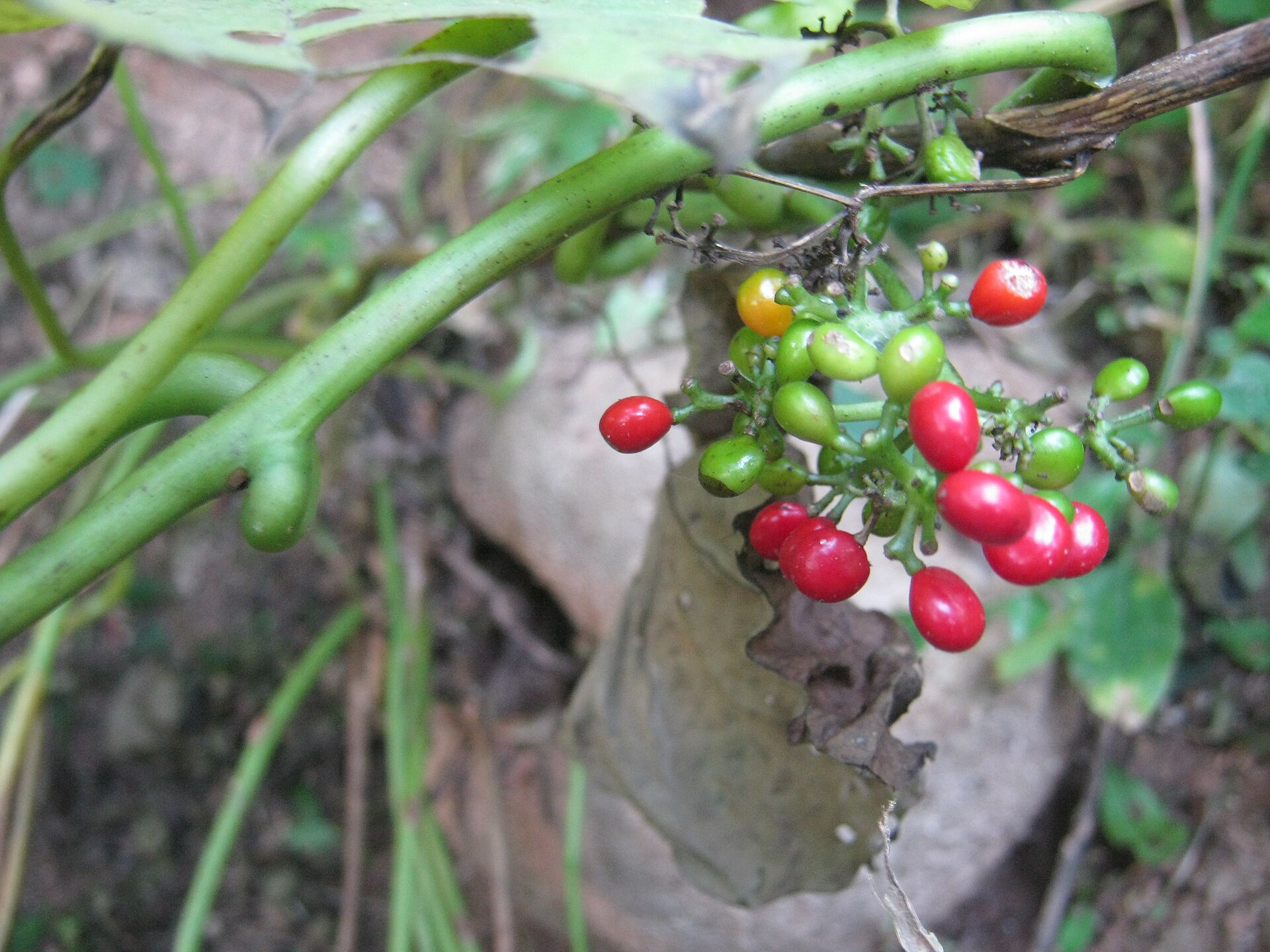
Abuta
Cissampelos pareira
Known across the Amazon and Caribbean as the "midwives' herb" — a climbing vine used for menstrual pain, difficult labour, fever and as a muscle relaxant.
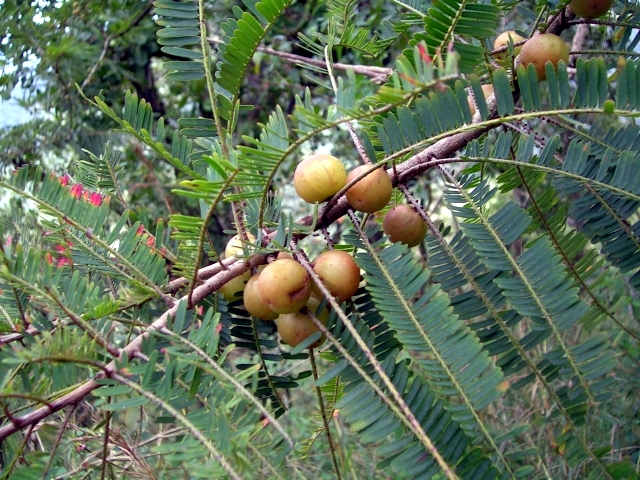
Amla
Phyllanthus emblica
The "nurse fruit" of Ayurveda and the richest natural source of bioavailable vitamin C — one of the three ingredients in Triphala and one of the most important Rasayanas for rejuvenation, immunity and longevity.
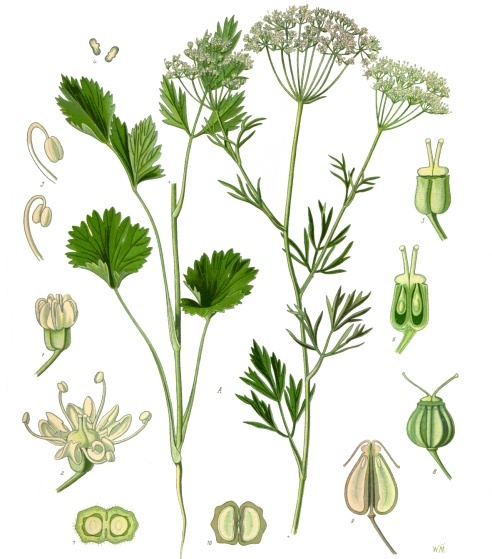
Anise
Pimpinella anisum
One of the oldest spice-medicines in the world, used since Egyptian times as a powerful carminative, expectorant and galactagogue — the original flavour behind ouzo, absinthe, sambuca and pastis.
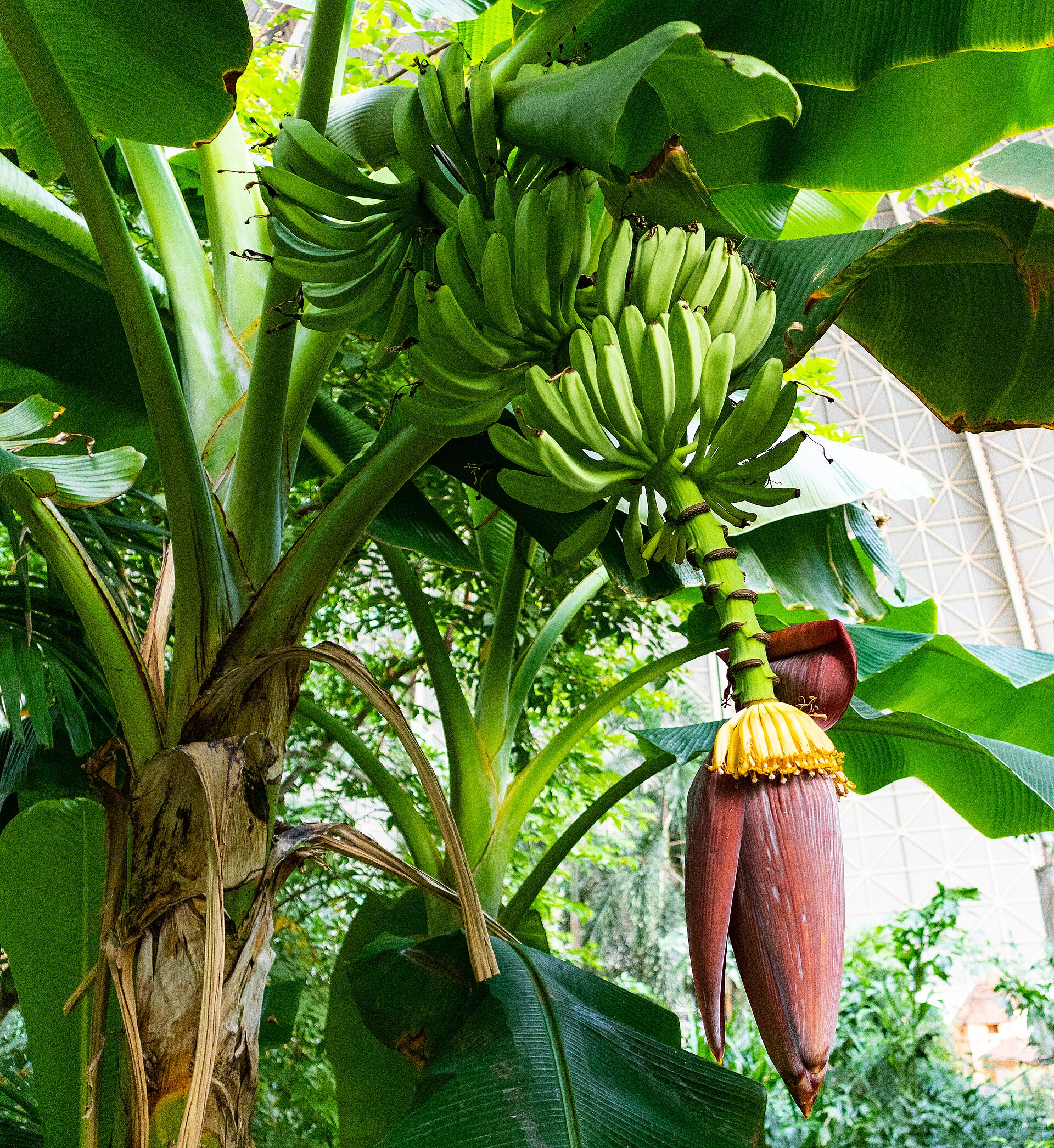
Banana Leaf
Musa × paradisiaca
The broad leaf, sap and flower of the banana plant, used across the Caribbean, Africa and Asia as a wound dressing, burn wrap, and for diabetes, ulcers and dysentery.
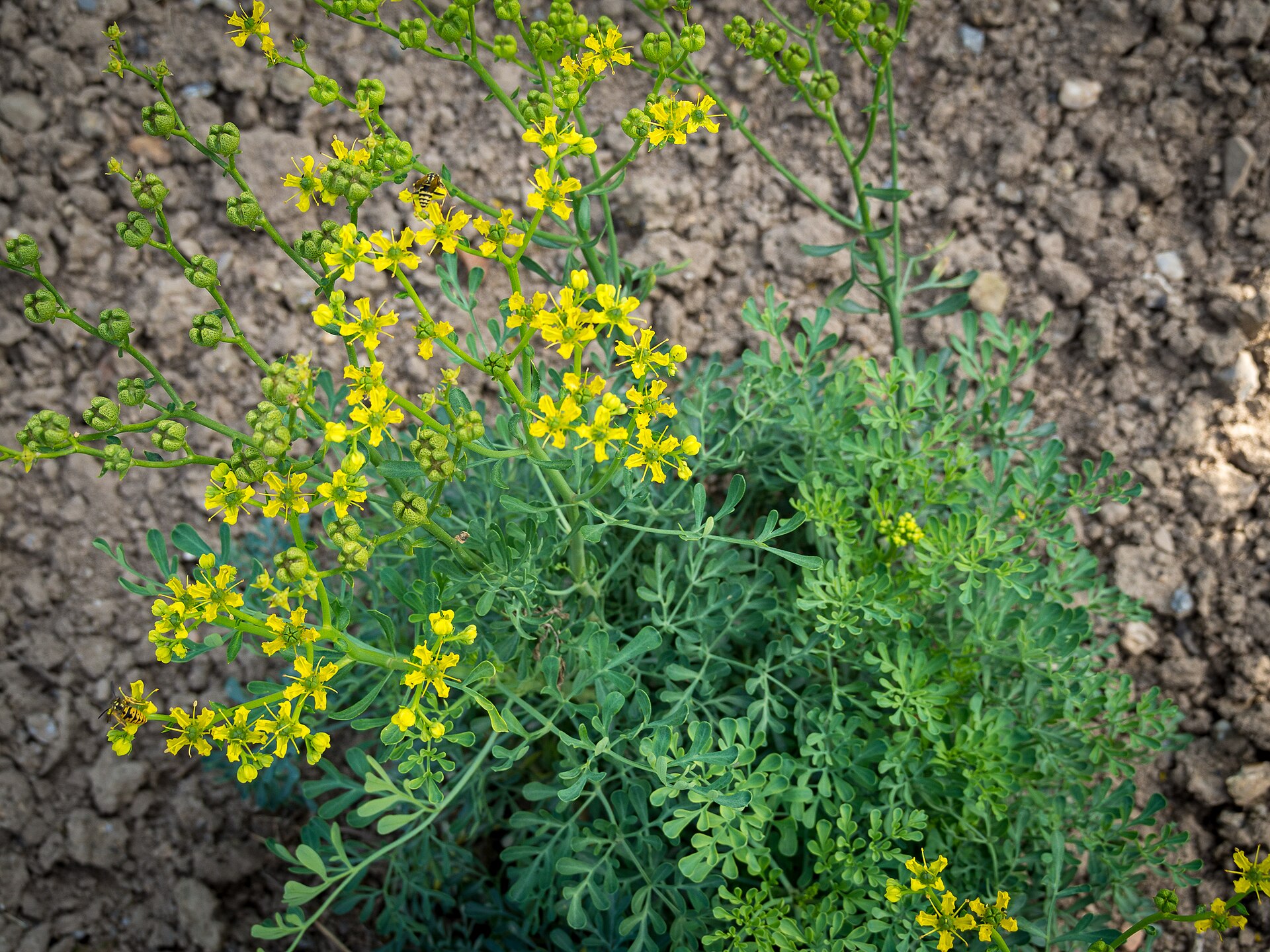
Rue
Ruta graveolens
An ancient Mediterranean bitter and antispasmodic wrapped in folklore — genuinely useful, genuinely toxic, and strictly practitioner territory.
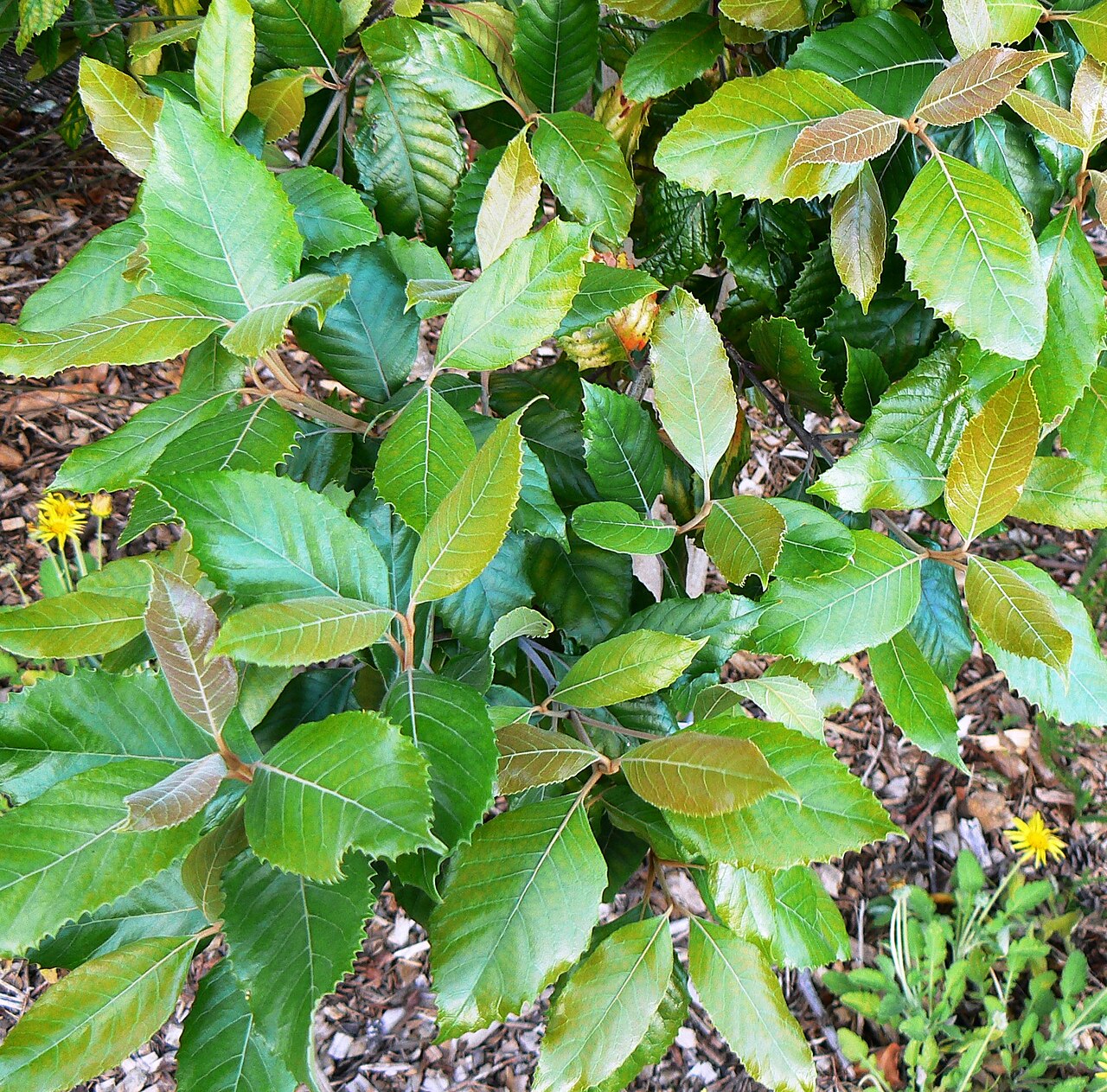
Assegai Tree
Curtisia dentata
A southern African hardwood tree whose bark is a popular traditional remedy for stomach complaints, diarrhoea and “blood purification”, with proven antimicrobial activity.
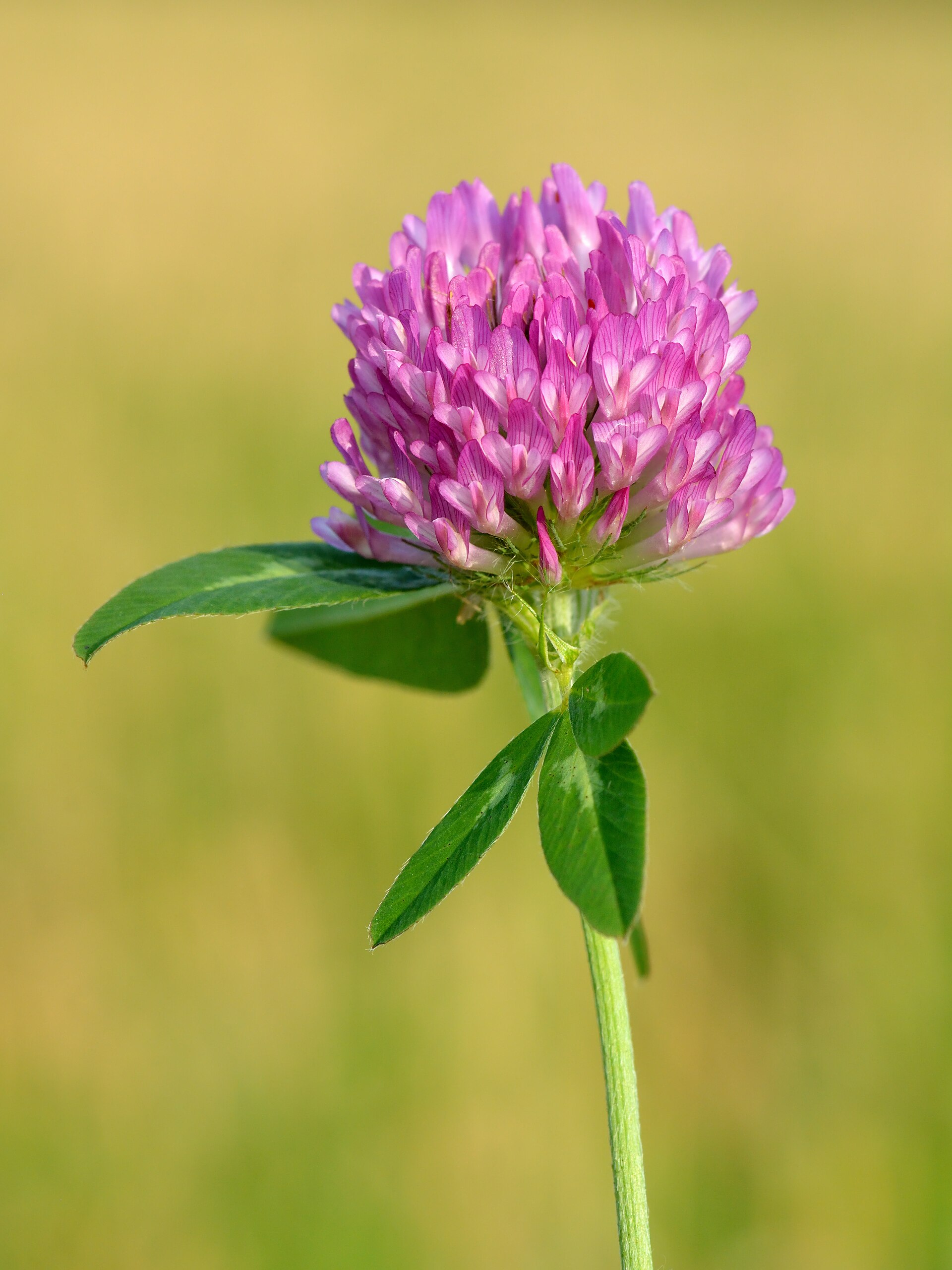
Red Clover
Trifolium pratense
A meadow flower that doubles as the West’s best-studied isoflavone source for menopause — and a classic lymphatic alterative for stubborn skin.
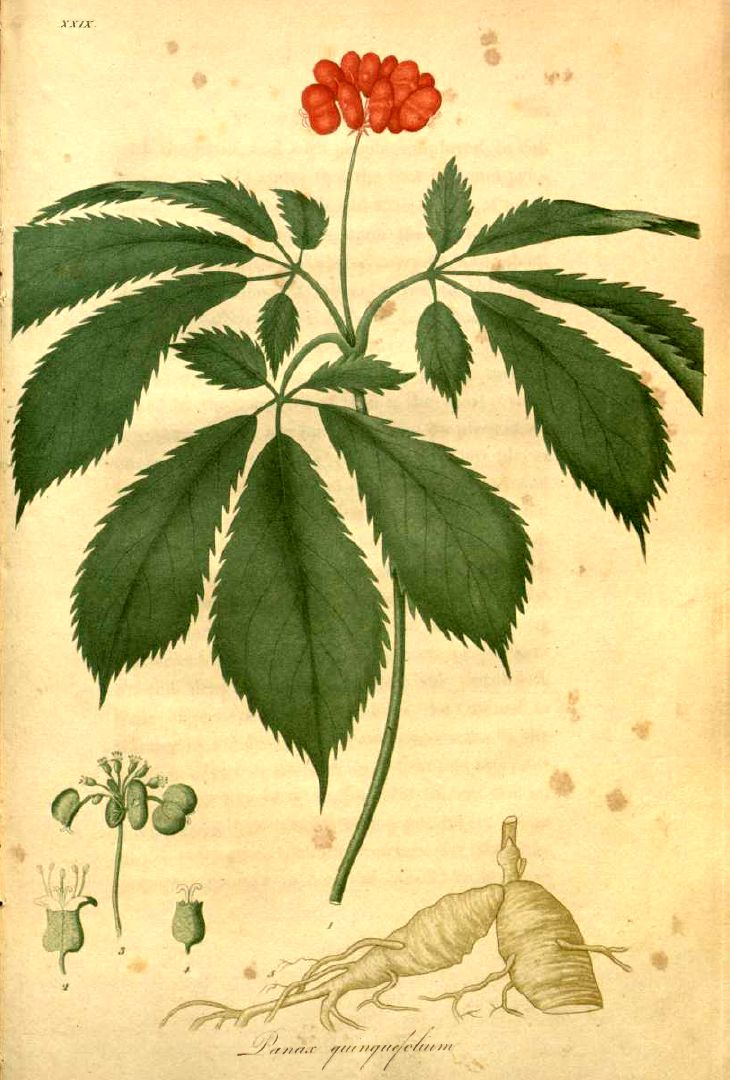
American Ginseng
Panax quinquefolius
The cooler, yin-nourishing cousin of Asian ginseng — an Appalachian forest treasure prized in China and studied for immunity and blood sugar.
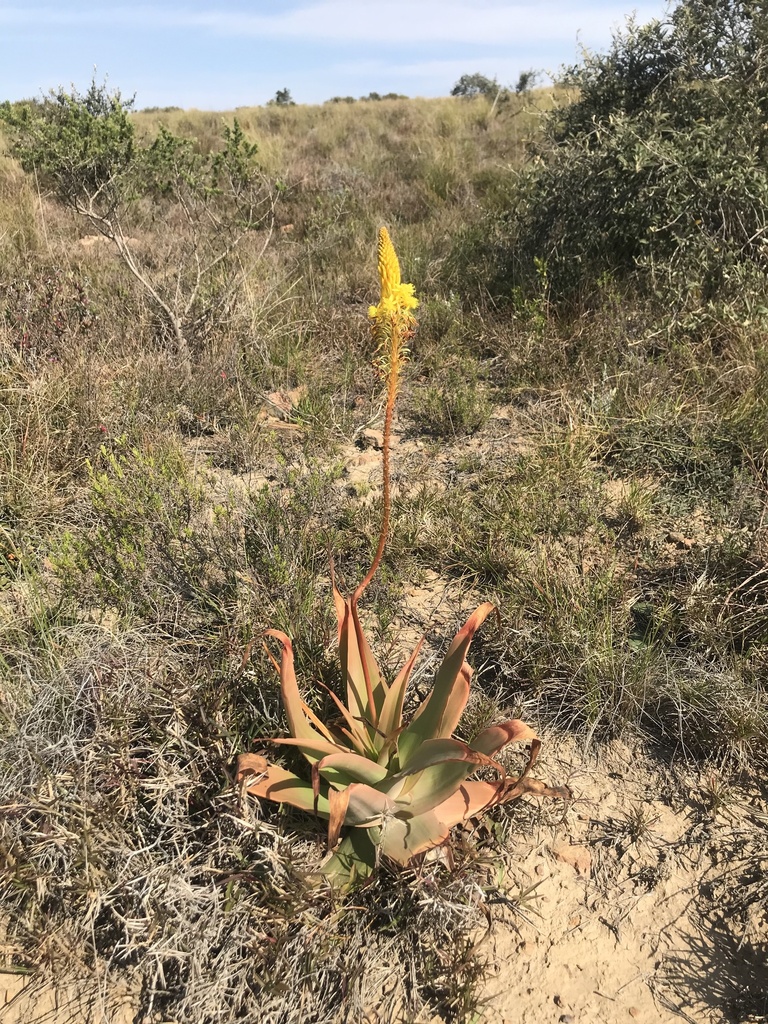
Broad-leaved Bulbine (Rooiwortel)
Bulbine latifolia
A succulent South African aloe-relative whose root is a popular tonic for blood, digestion, diabetes and male vitality.
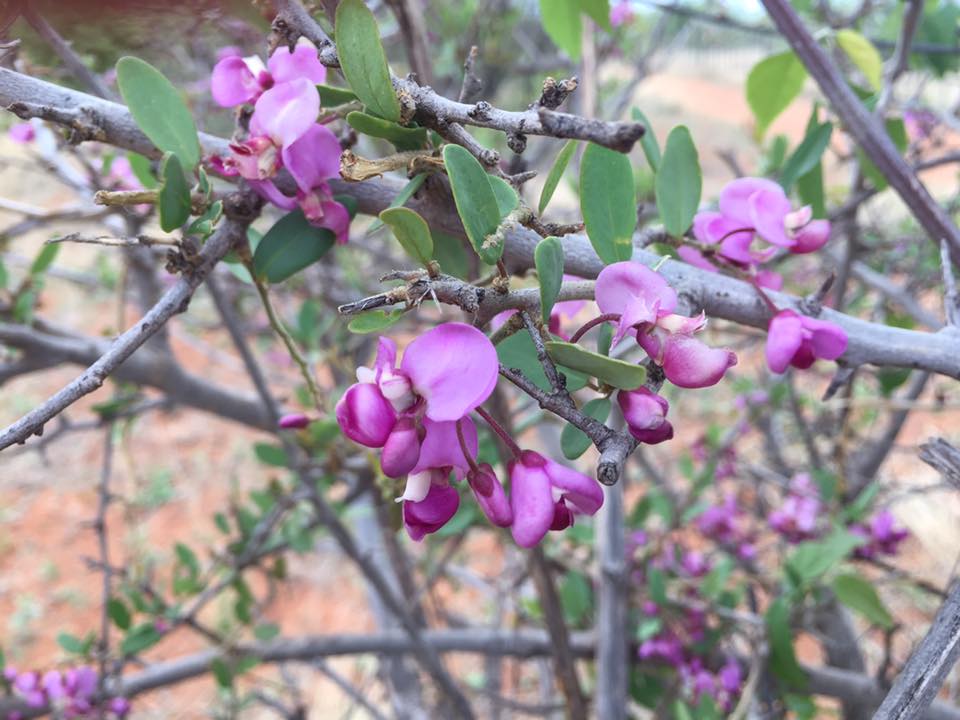
Violet Tree
Securidaca longepedunculata
A small, violet-flowered savanna tree whose root is one of the most versatile — and most dangerous — medicines in West African pharmacopoeia, used for snakebite, cough, epilepsy, and sexually transmitted infections.
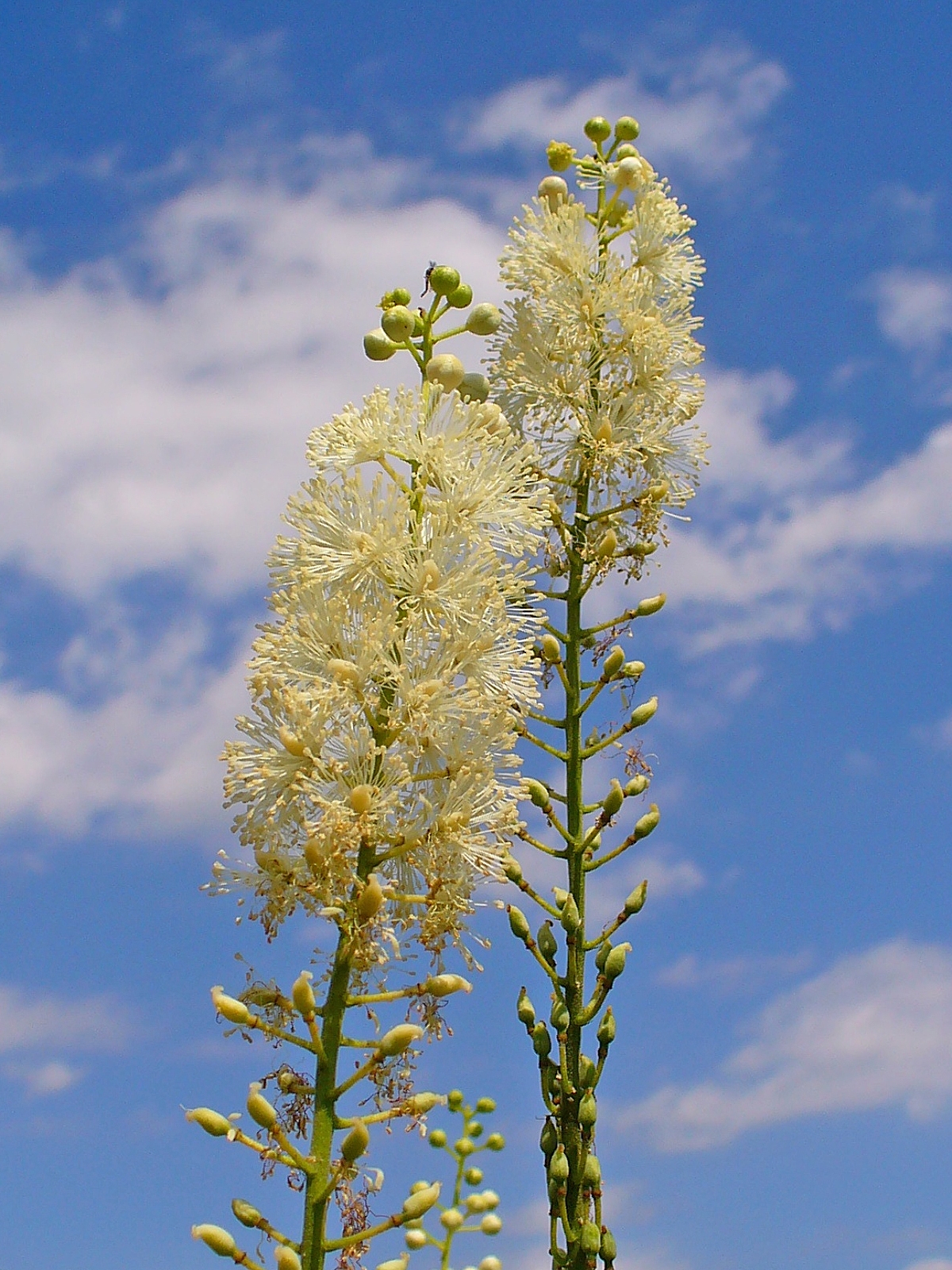
Black Cohosh
Actaea racemosa
The leading botanical for menopause — an Eastern woodland root long used by Indigenous nations for women’s health and rheumatism.
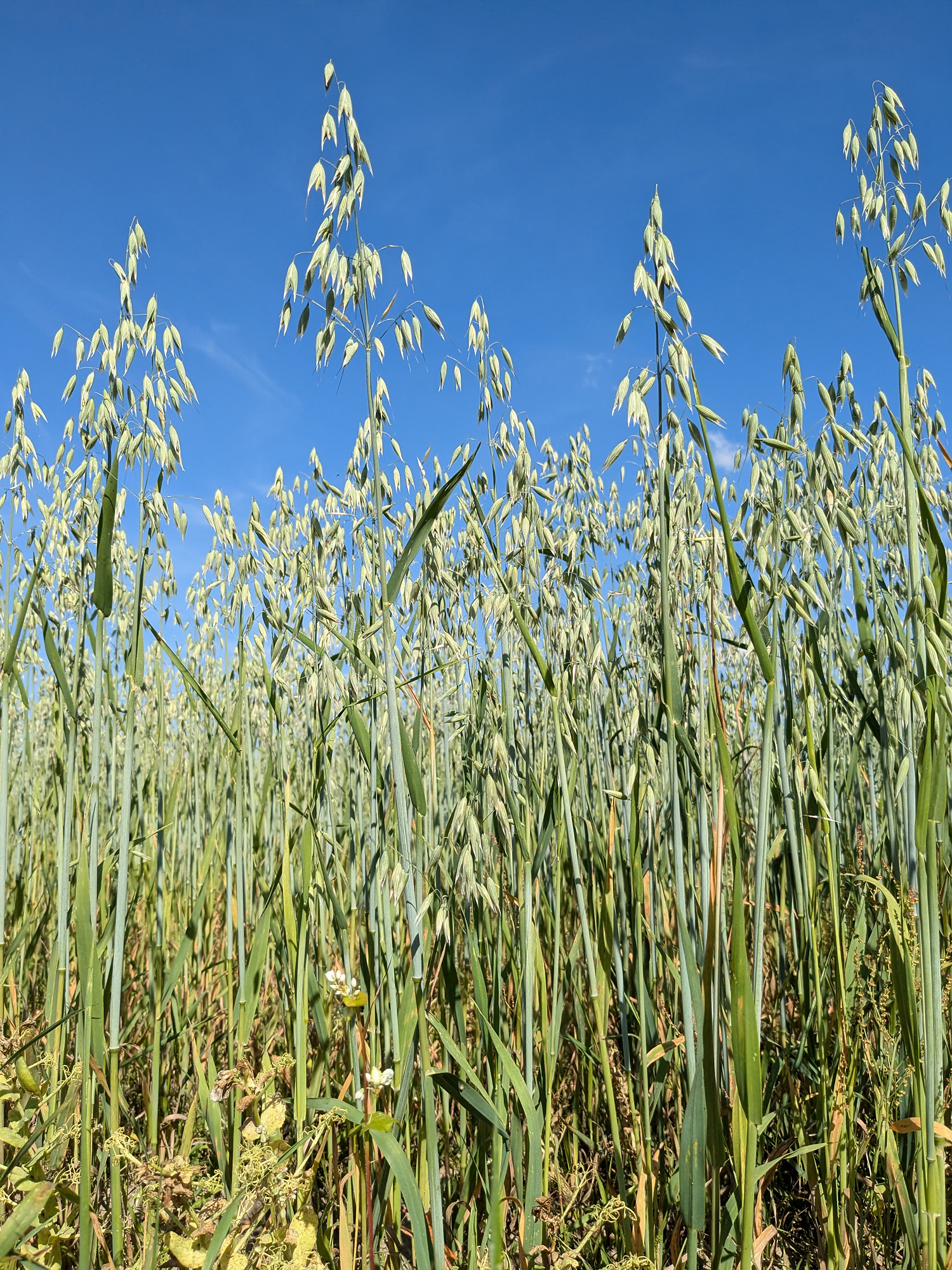
Oat Straw & Milky Oats
Avena sativa
The gentlest and most restorative nervine in Western herbalism — a mineral-rich trophorestorative for burnout, exhaustion and frayed nerves.
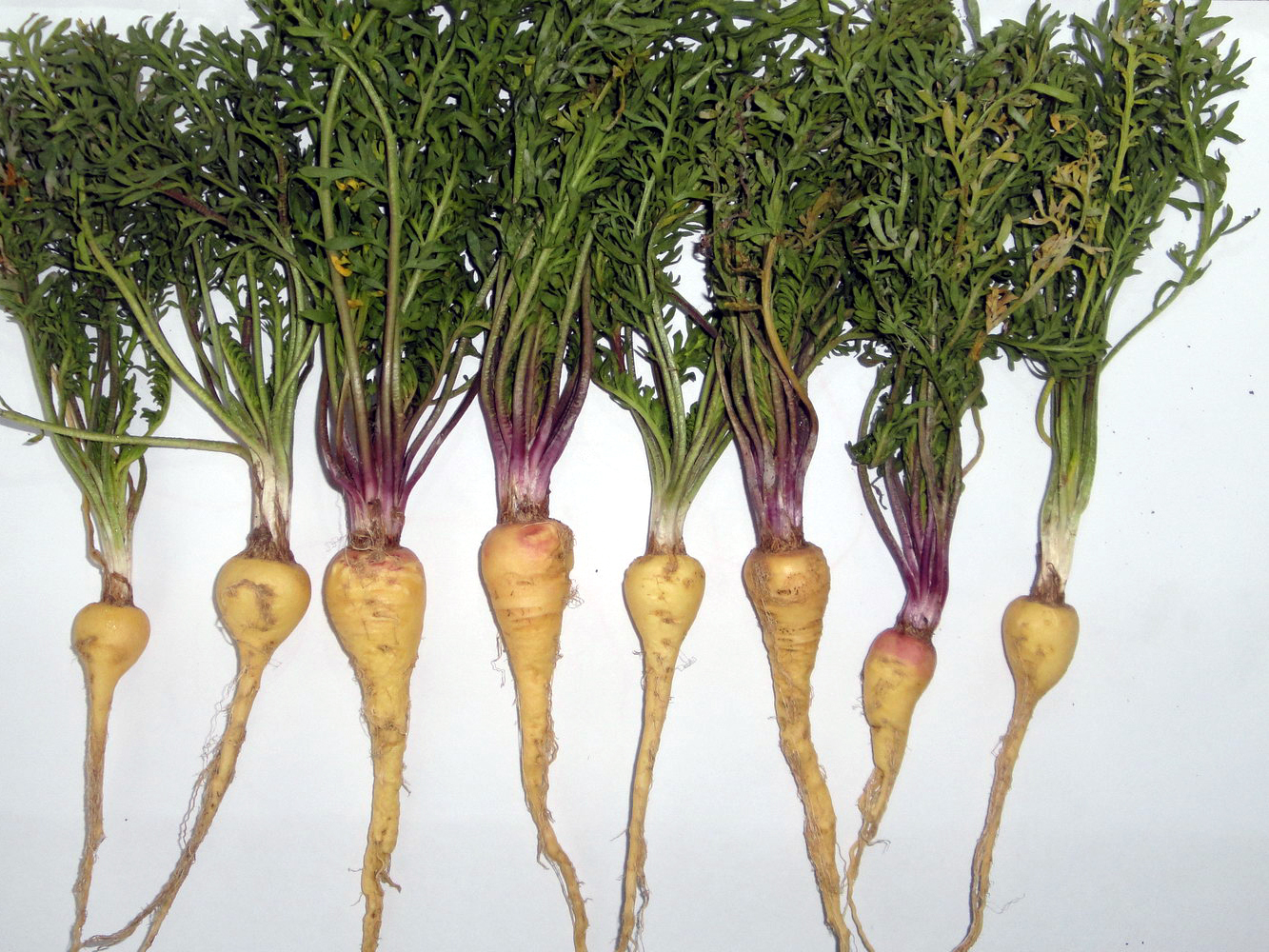
Maca
Lepidium meyenii
The high-Andean energy root — grown at 4,000+ meters and used for millennia for stamina, fertility, and hormonal vitality.
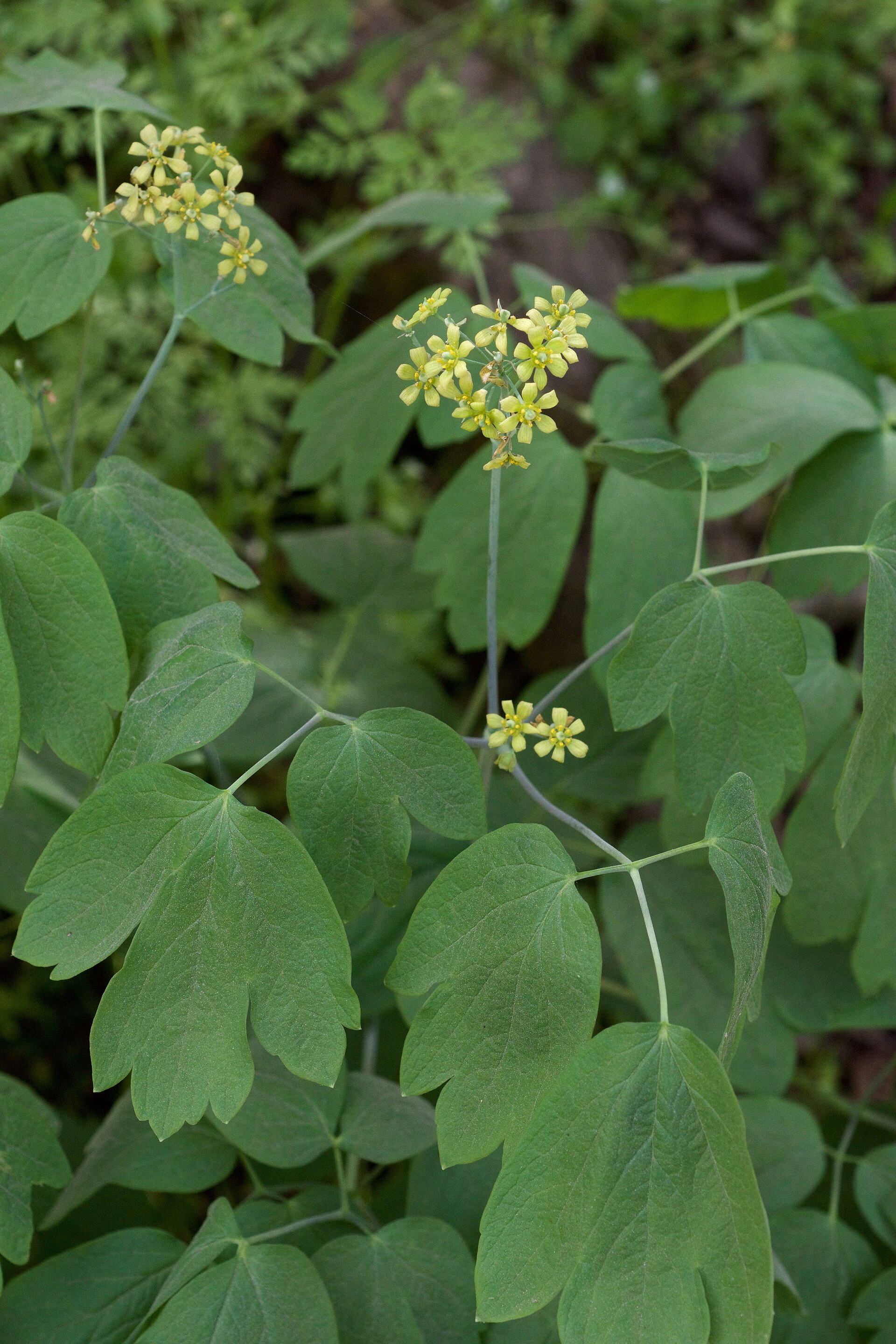
Blue Cohosh
Caulophyllum thalictroides
A powerful North American uterine stimulant from Algonquian and Cherokee medicine — clinically potent, genuinely dangerous, and strictly practitioner-only.
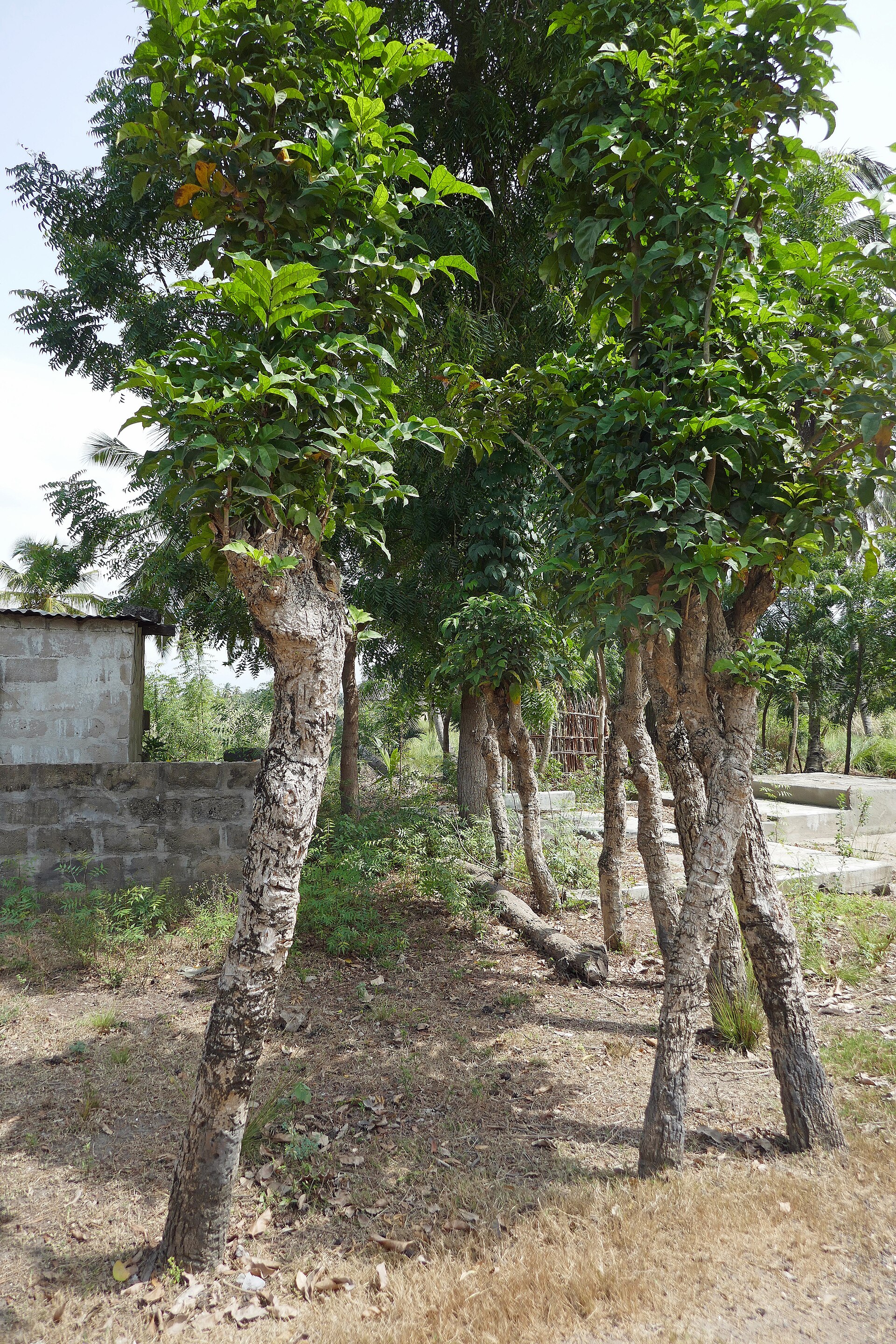
Boundary Tree
Newbouldia laevis
A culturally powerful West African tree planted to mark boundaries and symbolise fertility. Its leaves, bark, and root are among the most commonly prescribed remedies for malaria, convulsions, infections, and female reproductive health.
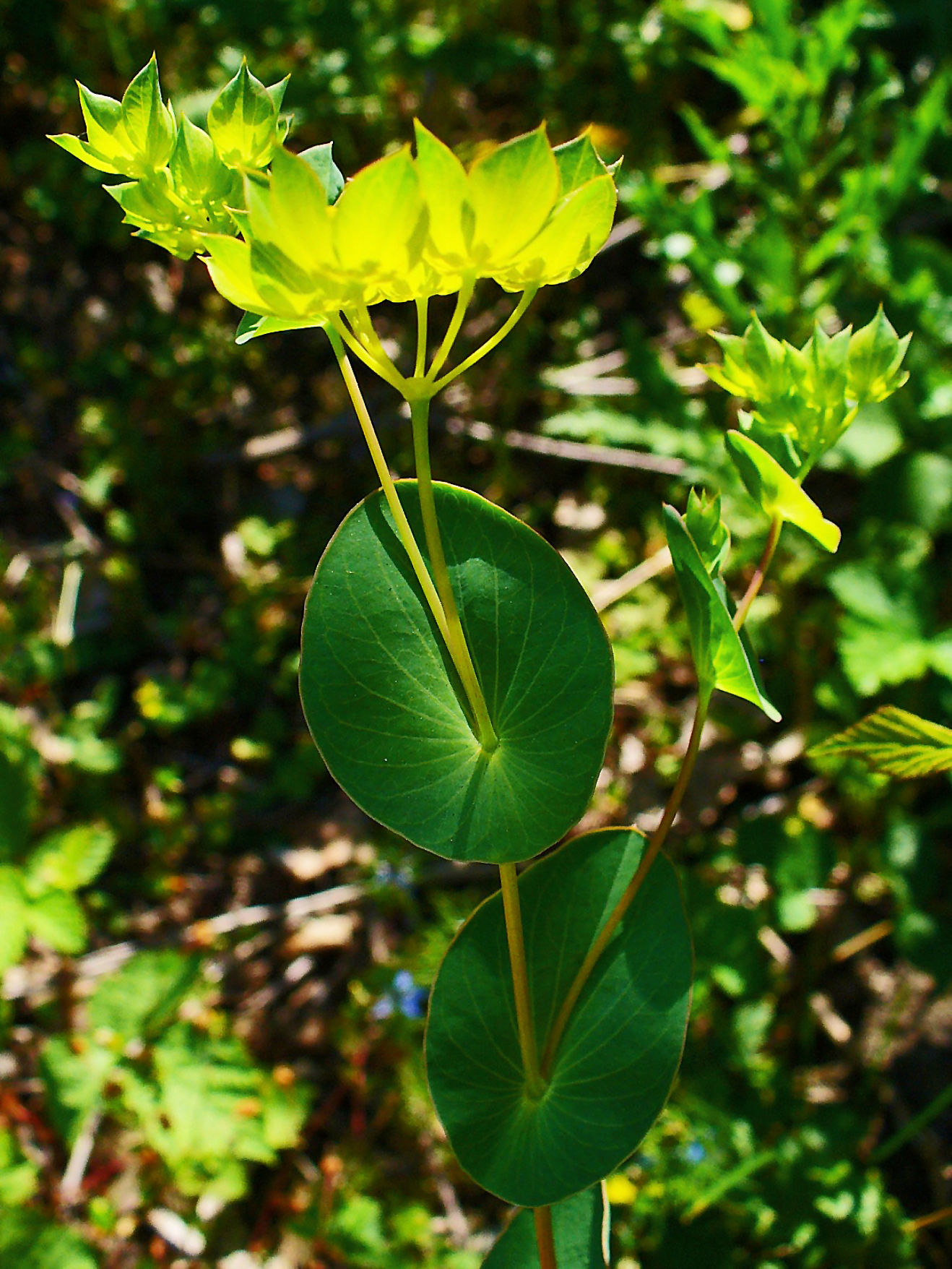
Bupleurum
Bupleurum chinense
The quintessential Liver Qi herb of TCM — the lead ingredient in Xiao Chai Hu Tang (Minor Bupleurum Decoction), one of the most famous and researched classical formulas in East Asian medicine.
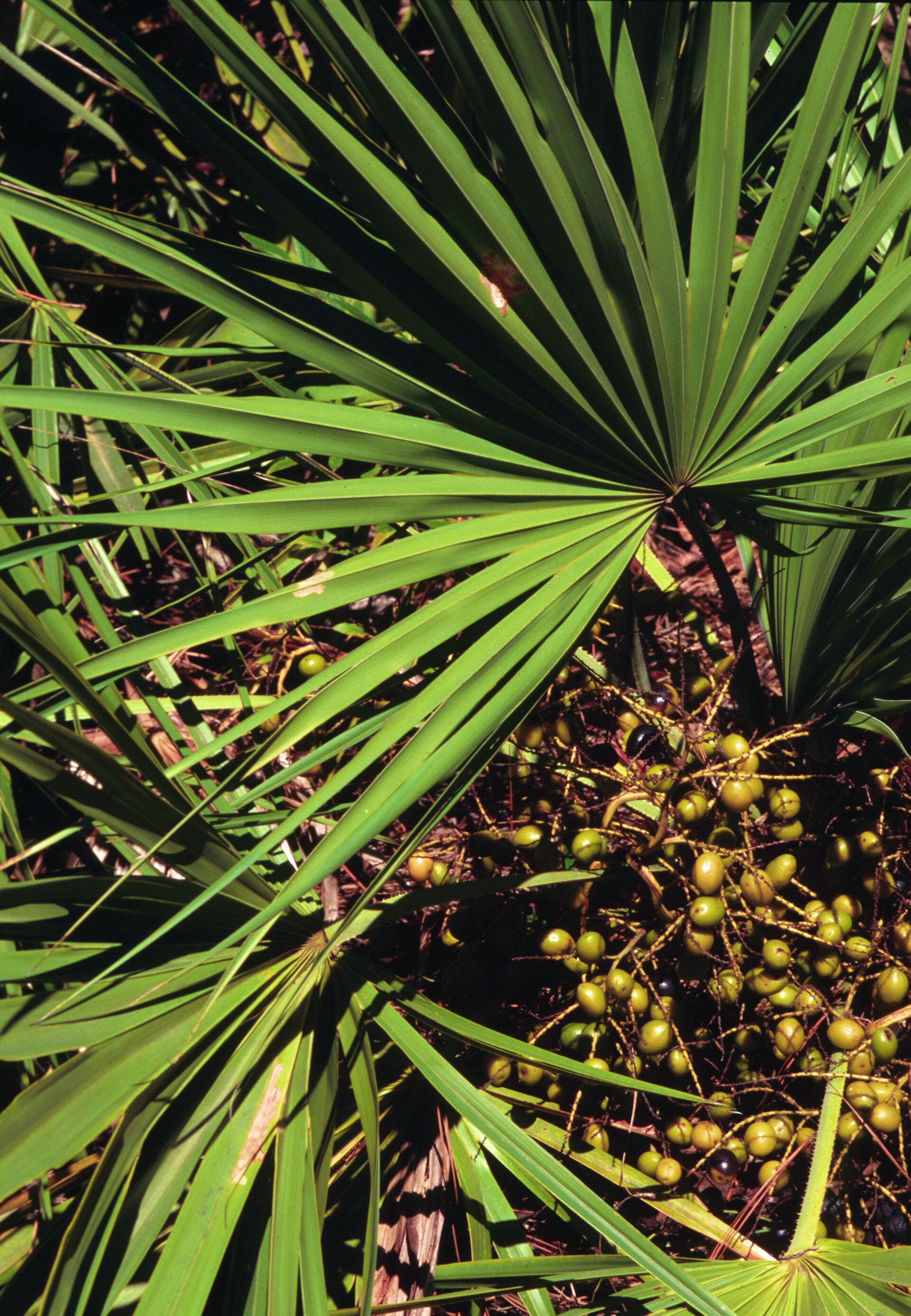
Saw Palmetto
Serenoa repens
The men’s health palm of the American Southeast — traditional Seminole food-medicine now used worldwide for prostate and urinary support.
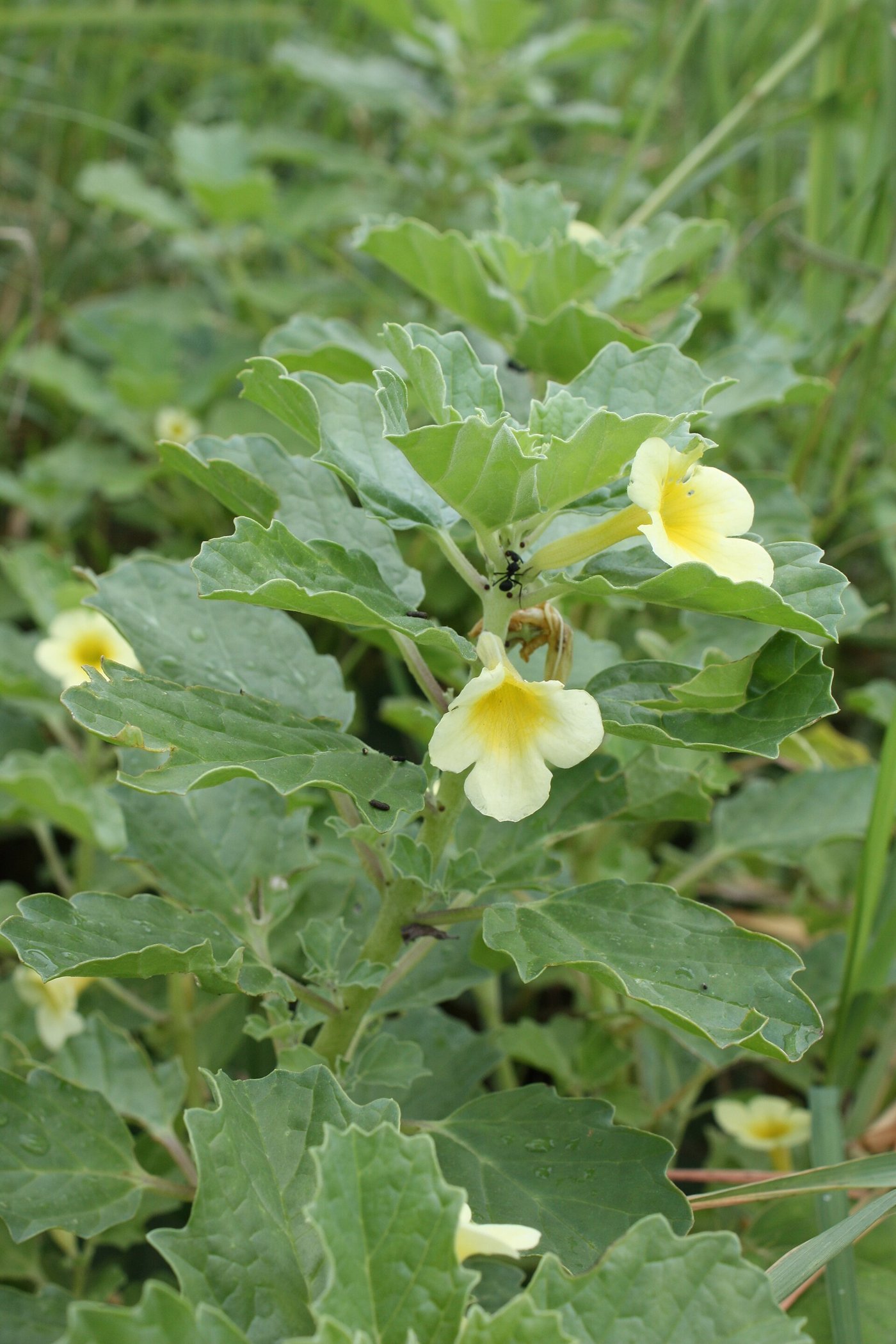
Bada Gokhru (Caltrop)
Pedalium murex
Large caltrops, a soothing Ayurvedic urinary herb and tonic.
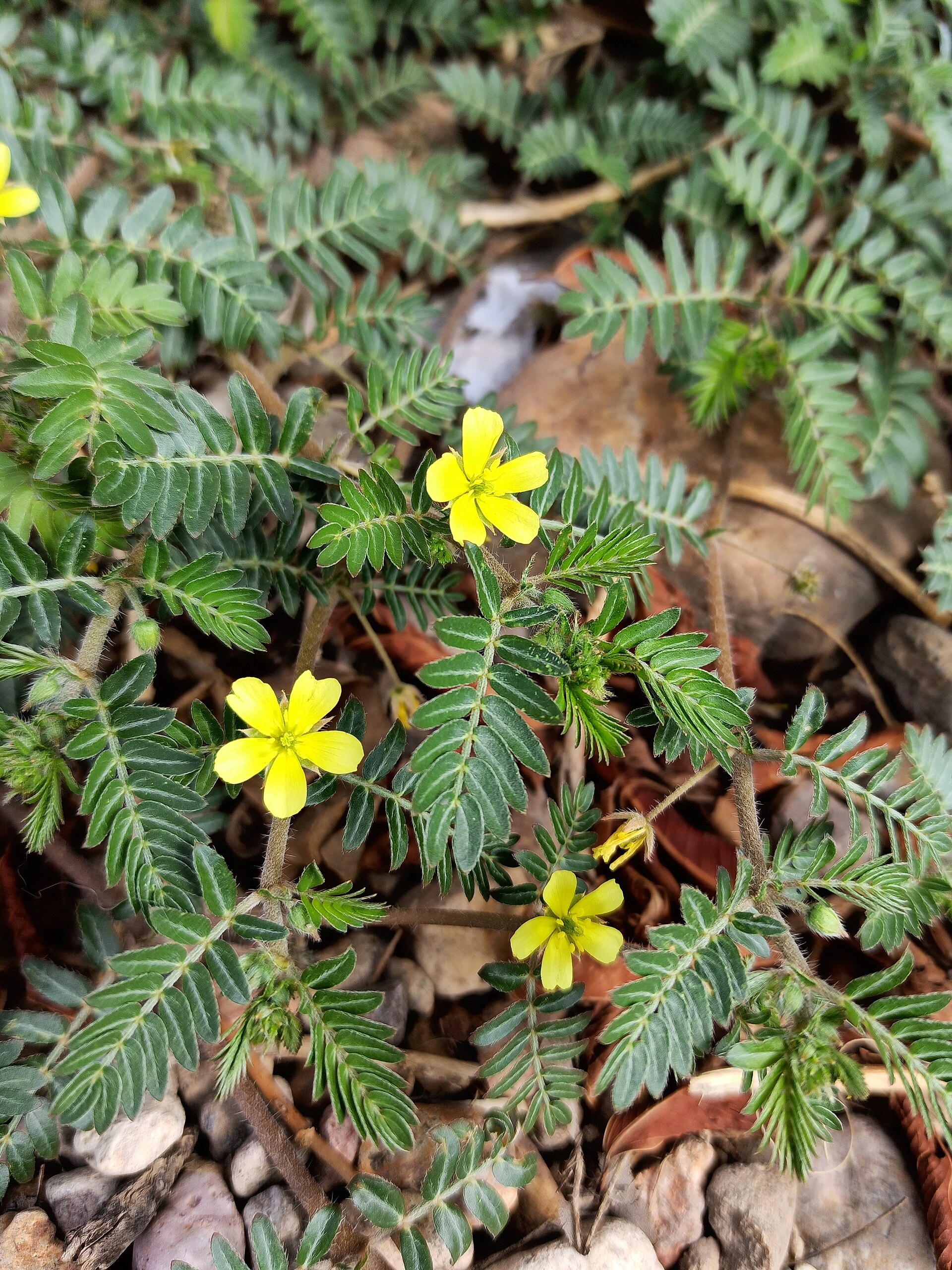
Bai Ji Li / Gokshura
Tribulus terrestris
Bai Ji Li / Gokshura, a spiny fruit used across Chinese and Ayurvedic medicine for the liver, eyes, urinary tract and vitality.
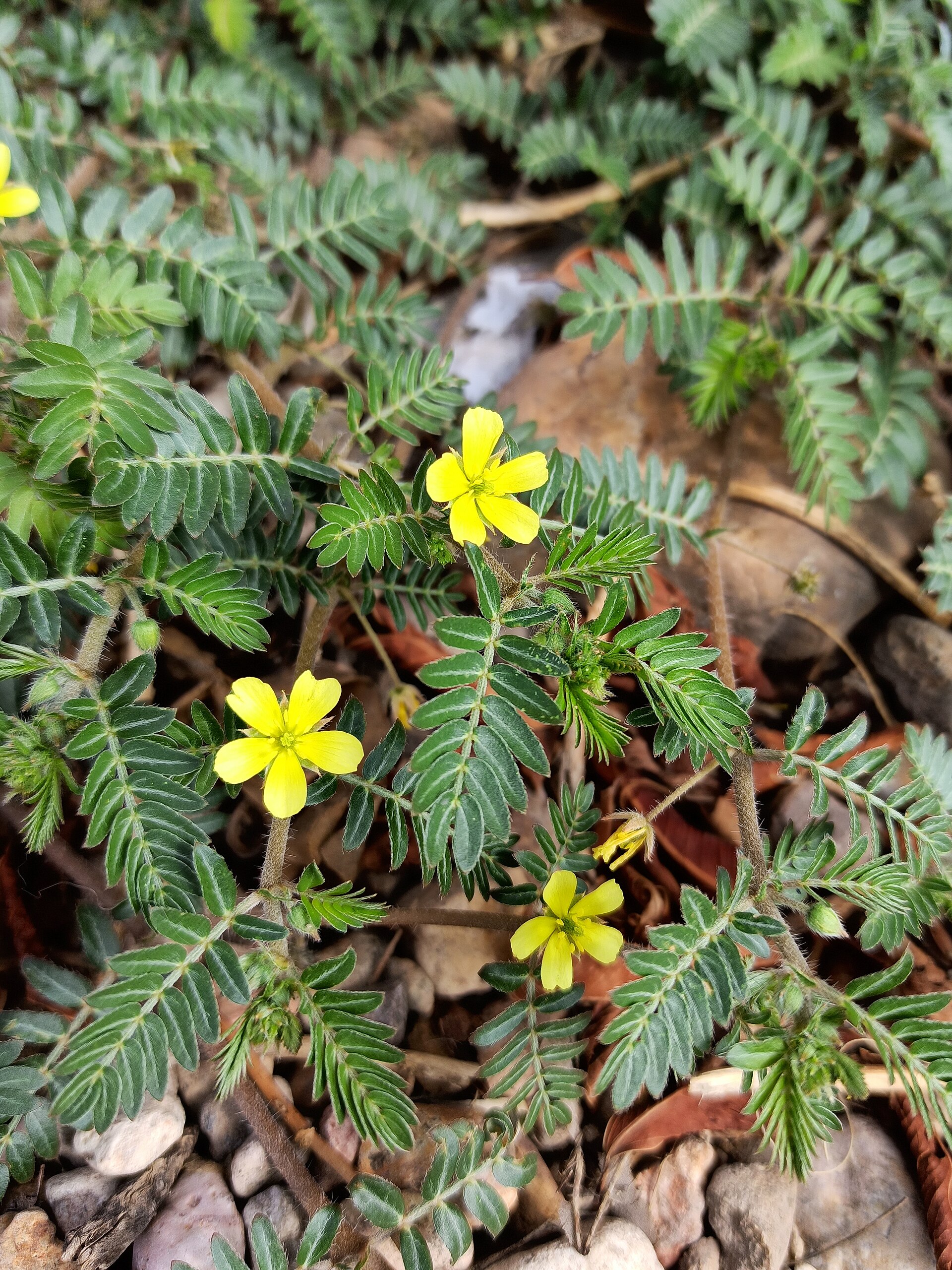
Tribulus
Tribulus terrestris
Tribulus (Gokshura) is a revered Ayurvedic tonic for vitality, urinary tract health, and reproductive wellness in both men and women.
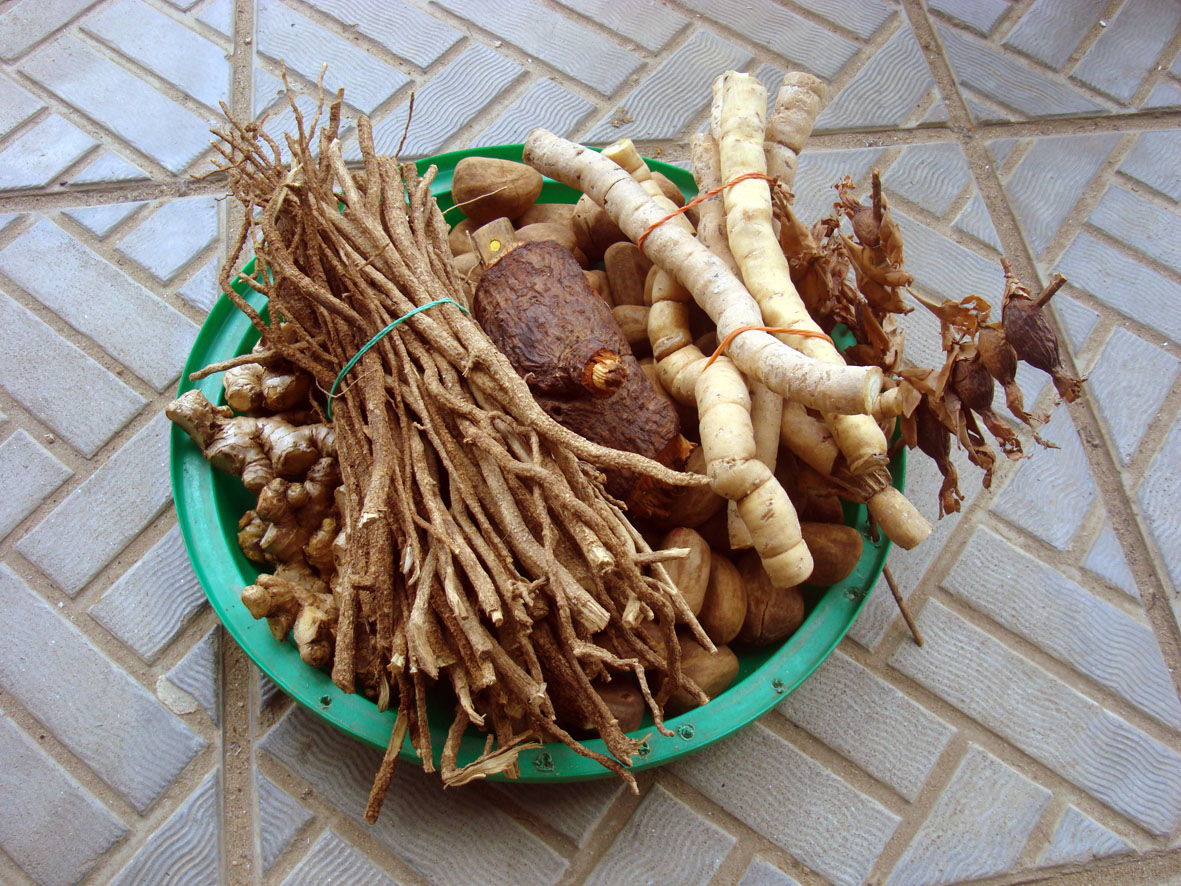
Yohimbe
Pausinystalia johimbe
A West-Central African forest tree whose bark yields yohimbine — a powerful stimulant aphrodisiac used for erectile dysfunction, but with significant cardiovascular risks.
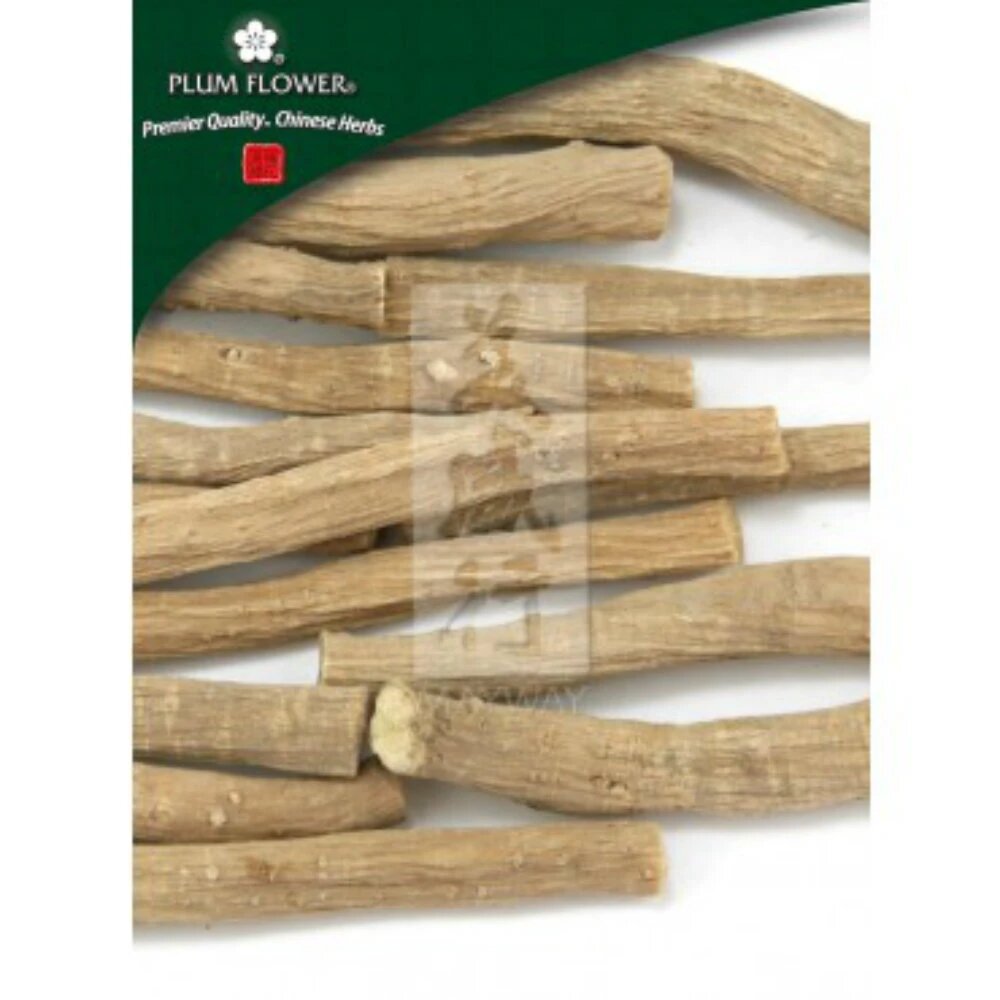
Achyranthes Root (Niu Xi)
Achyranthes bidentata
Achyranthes root invigorates blood, expels stasis, strengthens the liver and kidneys, benefits the sinews and bones, and crucially guides other herbs downward to the lower body.
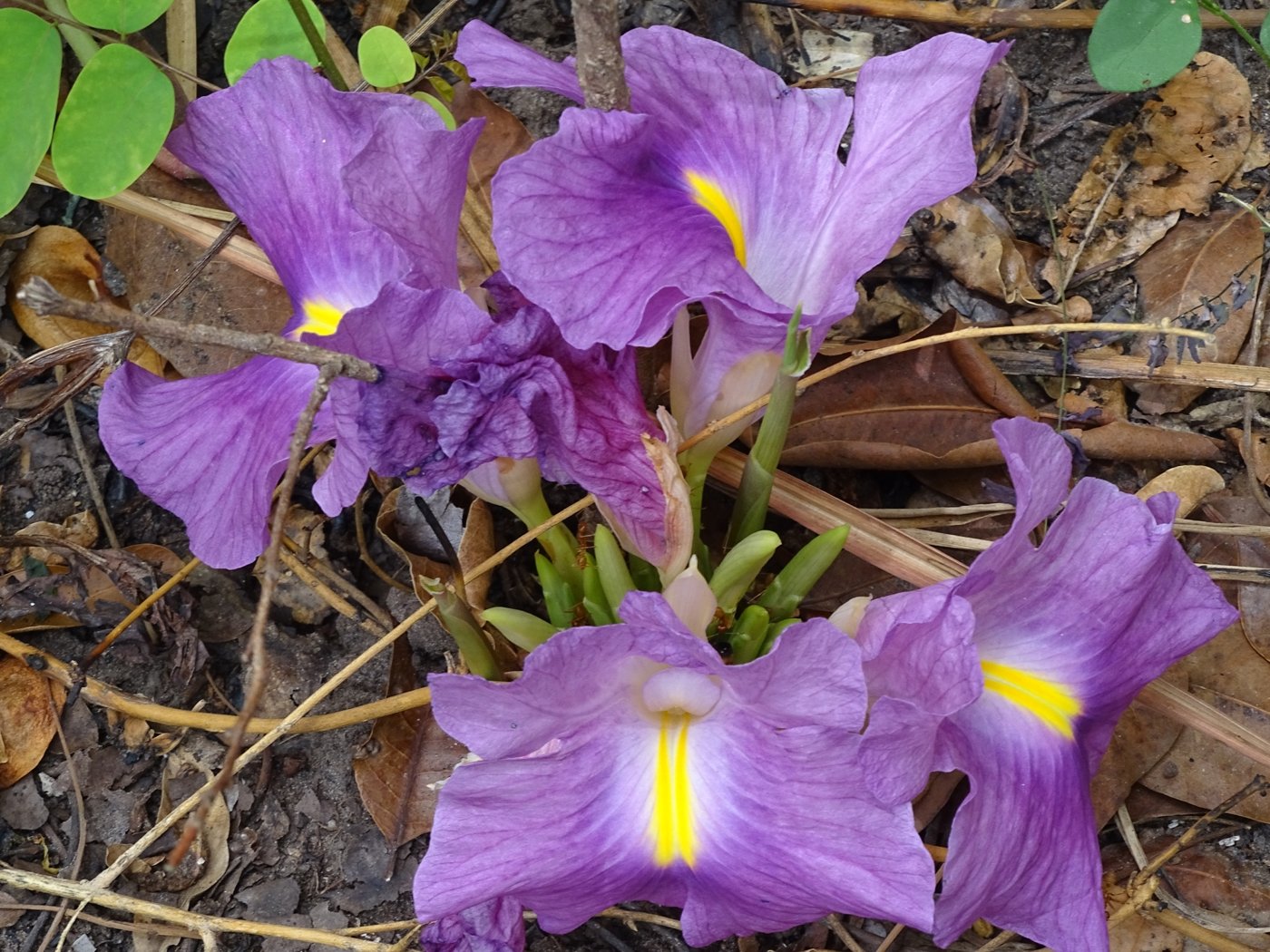
African Ginger (Wild Ginger)
Siphonochilus aethiopicus
A prized and now rare southern African wild ginger, its aromatic rhizome used for colds, flu, coughs, asthma and pain — and as a protective charm.
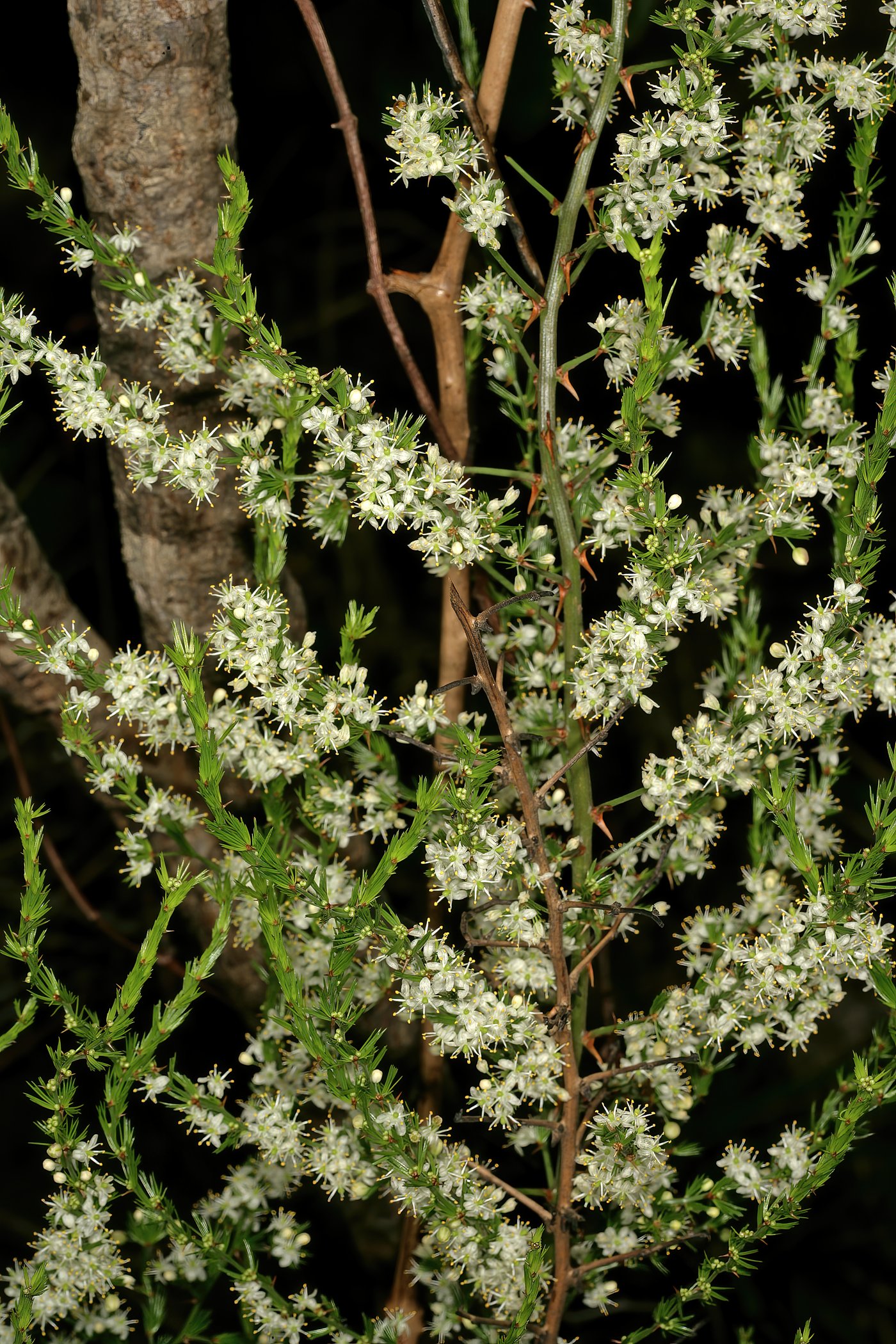
African Wild Asparagus
Asparagus africanus
A spiny climbing herb whose roots are a diuretic, fertility, and pain remedy across Africa.
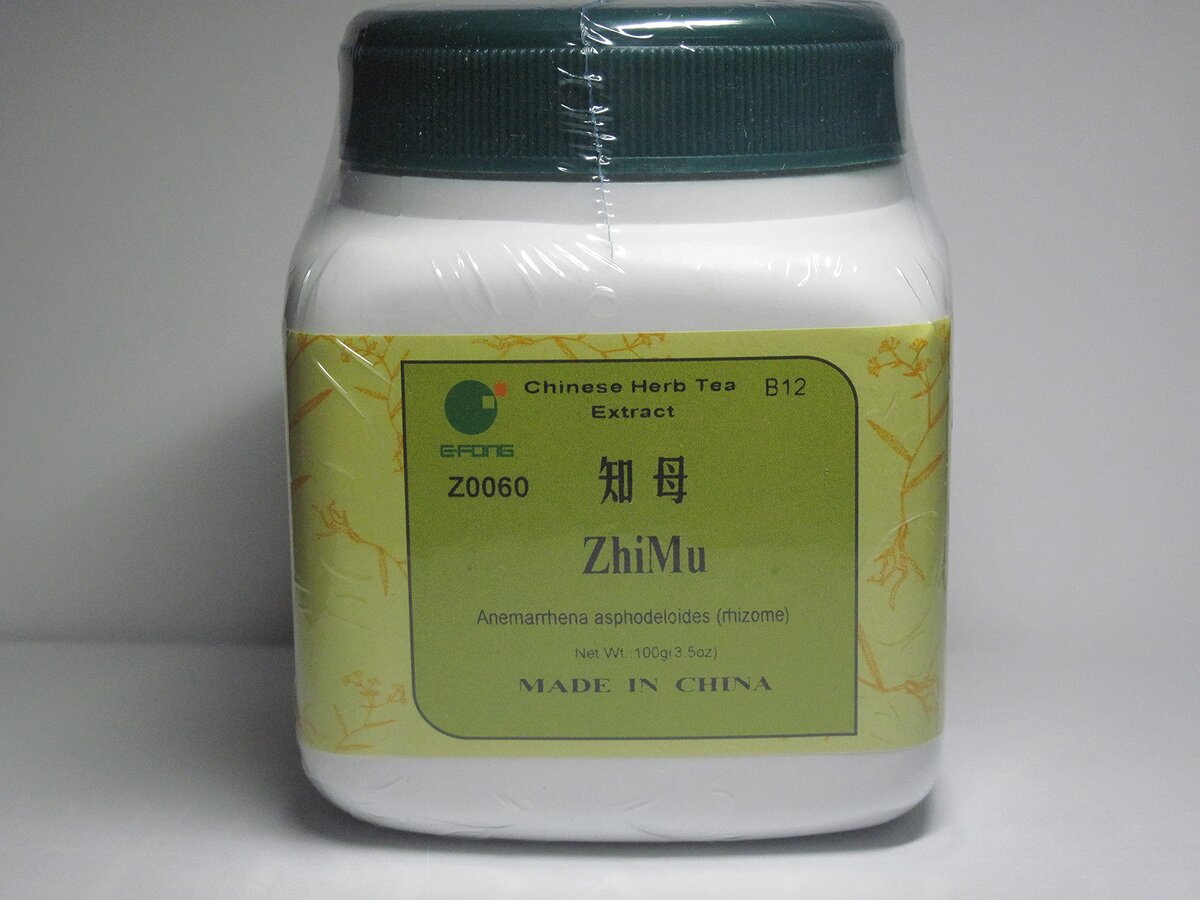
Anemarrhena (Zhi Mu)
Anemarrhena asphodeloides
Anemarrhena clears heat, drains fire, nourishes yin, and moistens dryness. It is the essential partner of Gypsum in treating high fever (Bai Hu Tang) and of Phellodendron for kidney yin deficiency fire.
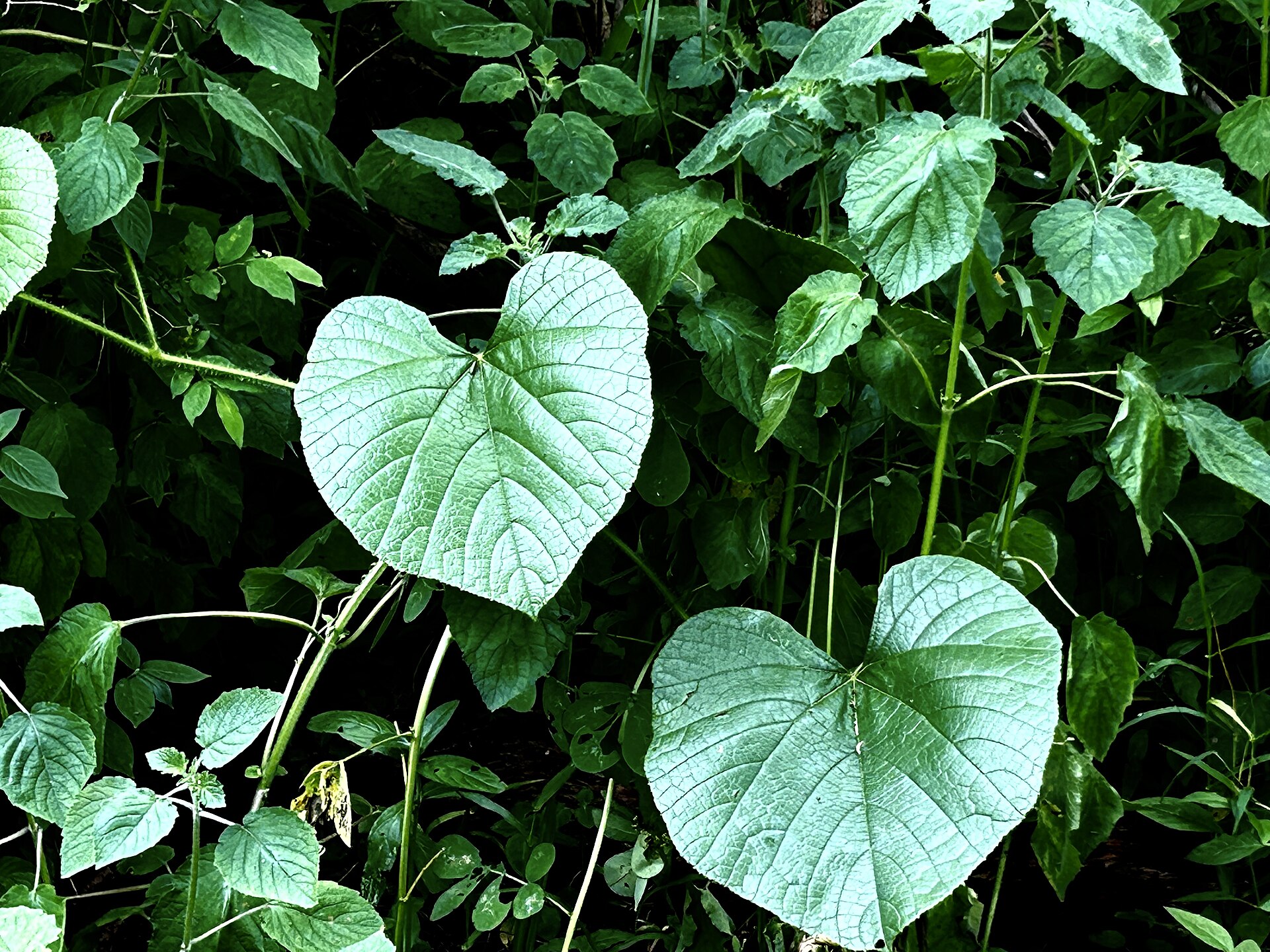
Brotowali (Tinospora)
Tinospora crispa
Southeast Asian bitter vine used in jamu for fever, diabetes support and malaria.
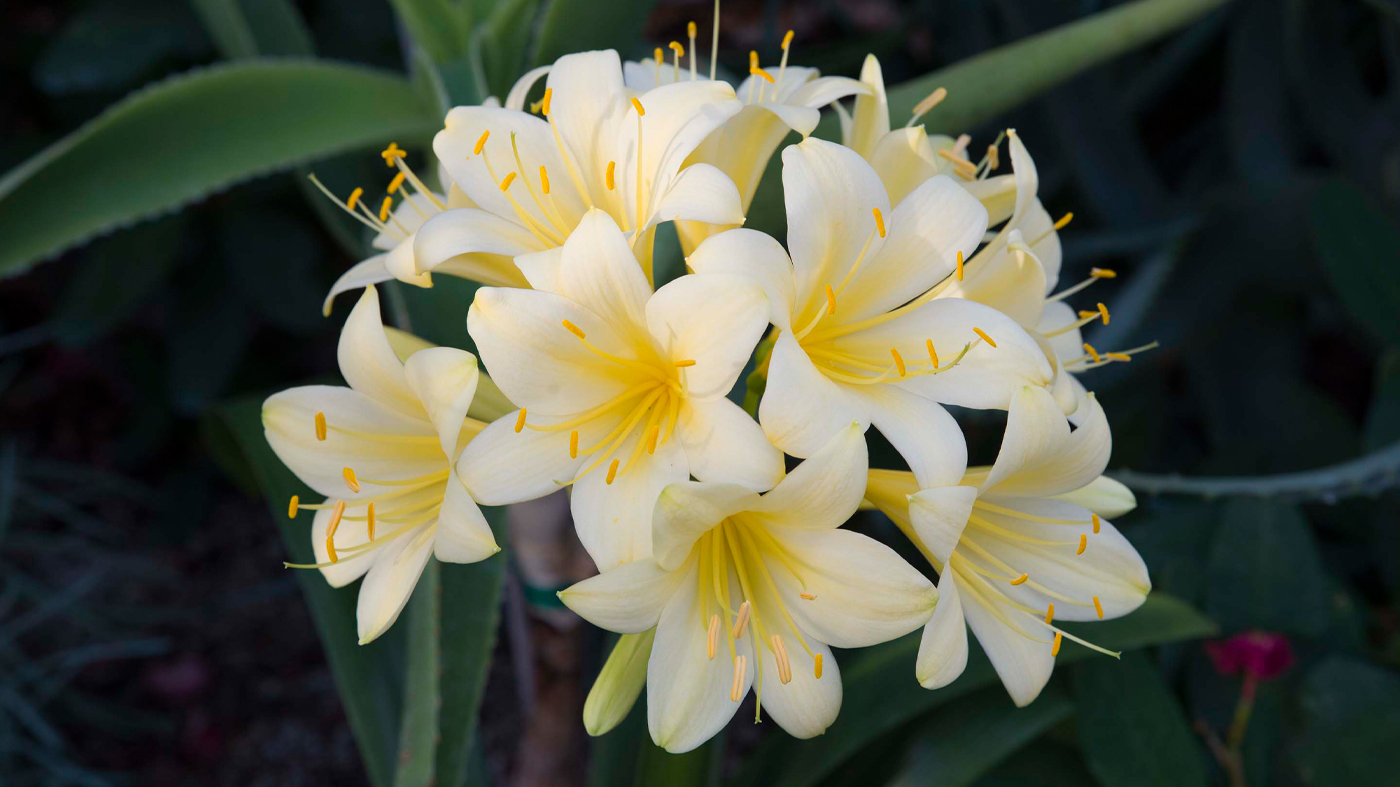
Bush Lily (Clivia)
Clivia miniata
A well-known South African ornamental whose rhizome is used in tiny traditional doses in pregnancy and for pain, but which contains toxic lycorine-type alkaloids.
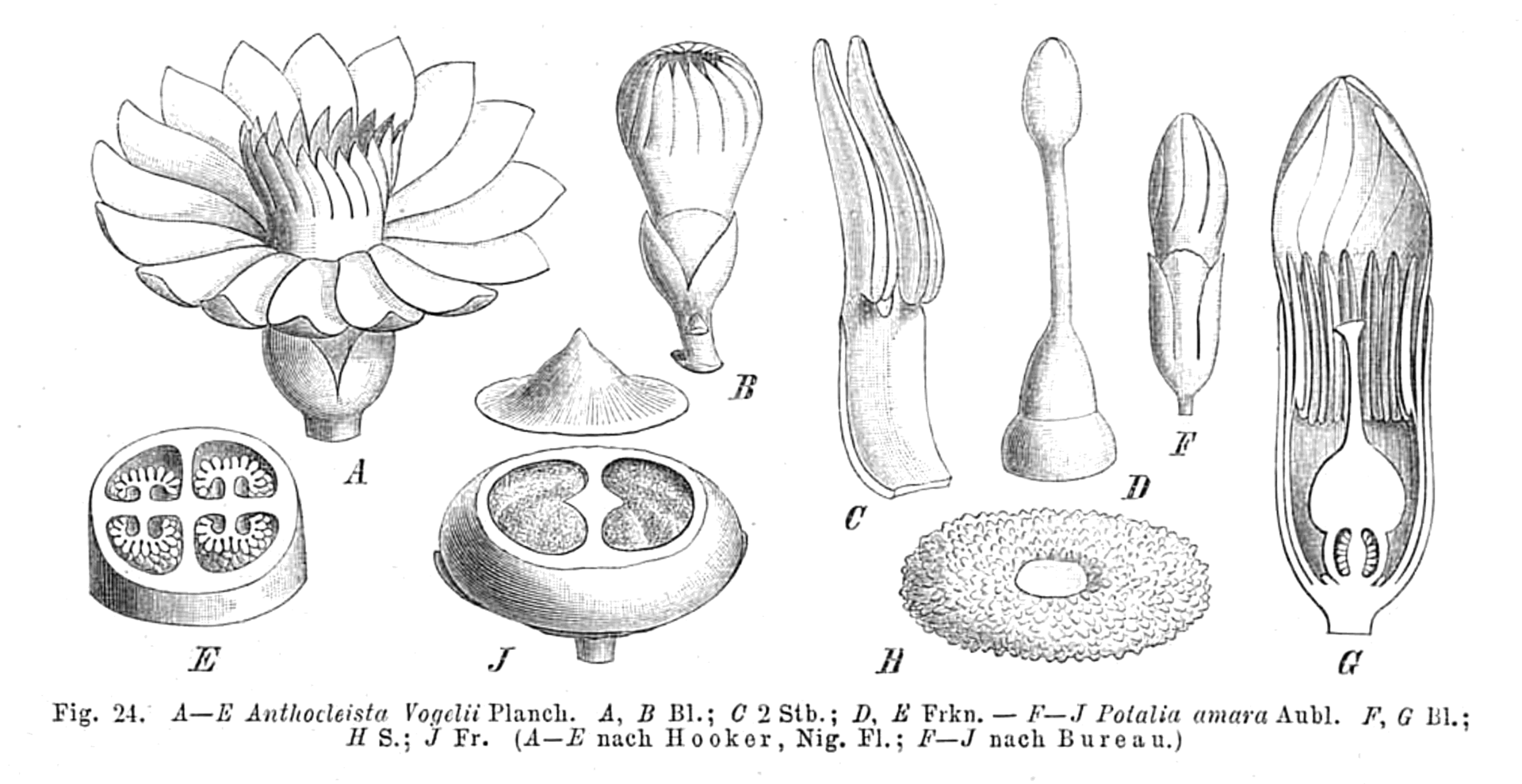
Cabbage Tree
Anthocleista vogelii
A striking West African tree with massive leaves and white tubular flowers, whose root and bark are prized for treating diabetes, malaria, hypertension, and sexually transmitted infections.
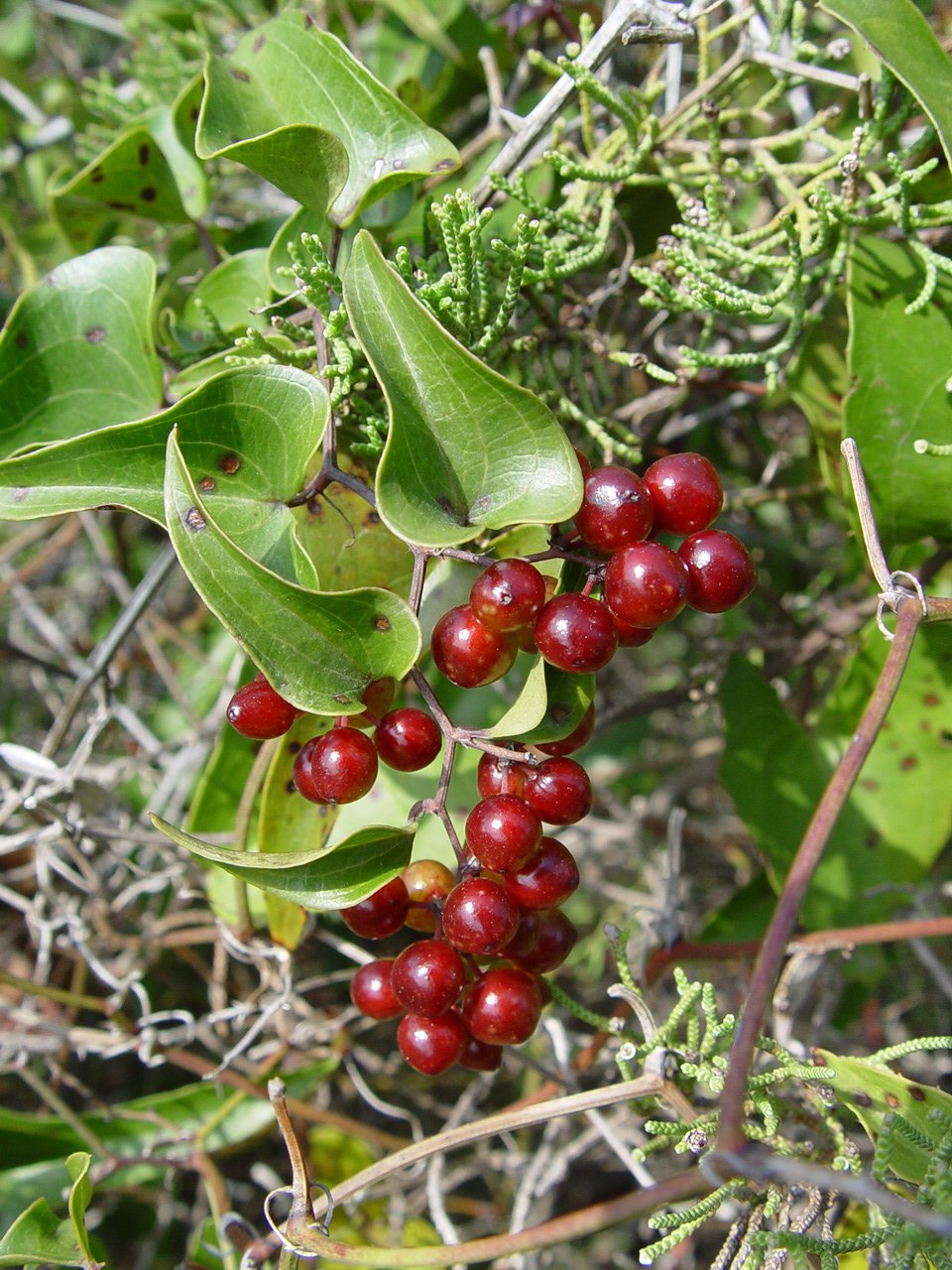
Chaney Root
Smilax balbisiana
A thorny Jamaican vine root prized as a strengthening tonic — the backbone of Jamaican "roots tonic", used for stamina, back pain, arthritis and as an aphrodisiac.
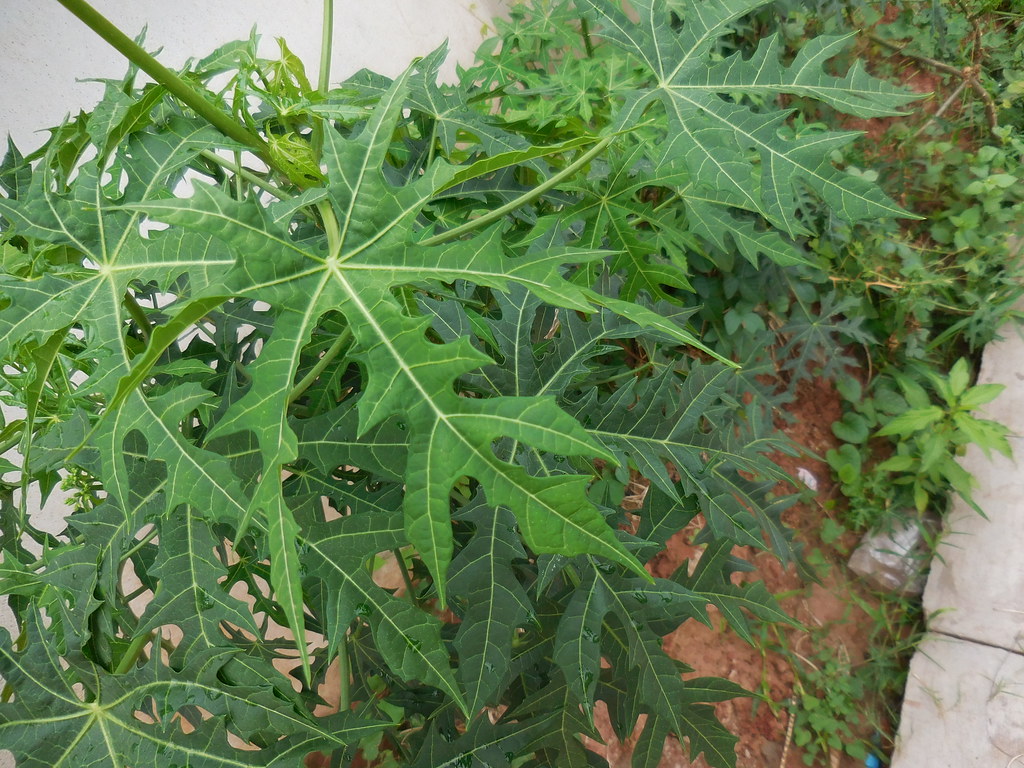
Chaya (Tree Spinach)
Cnidoscolus aconitifolius
A highly nutritious Mesoamerican leaf vegetable and folk medicine, rich in protein, iron and vitamins — but one that must be cooked before eating.
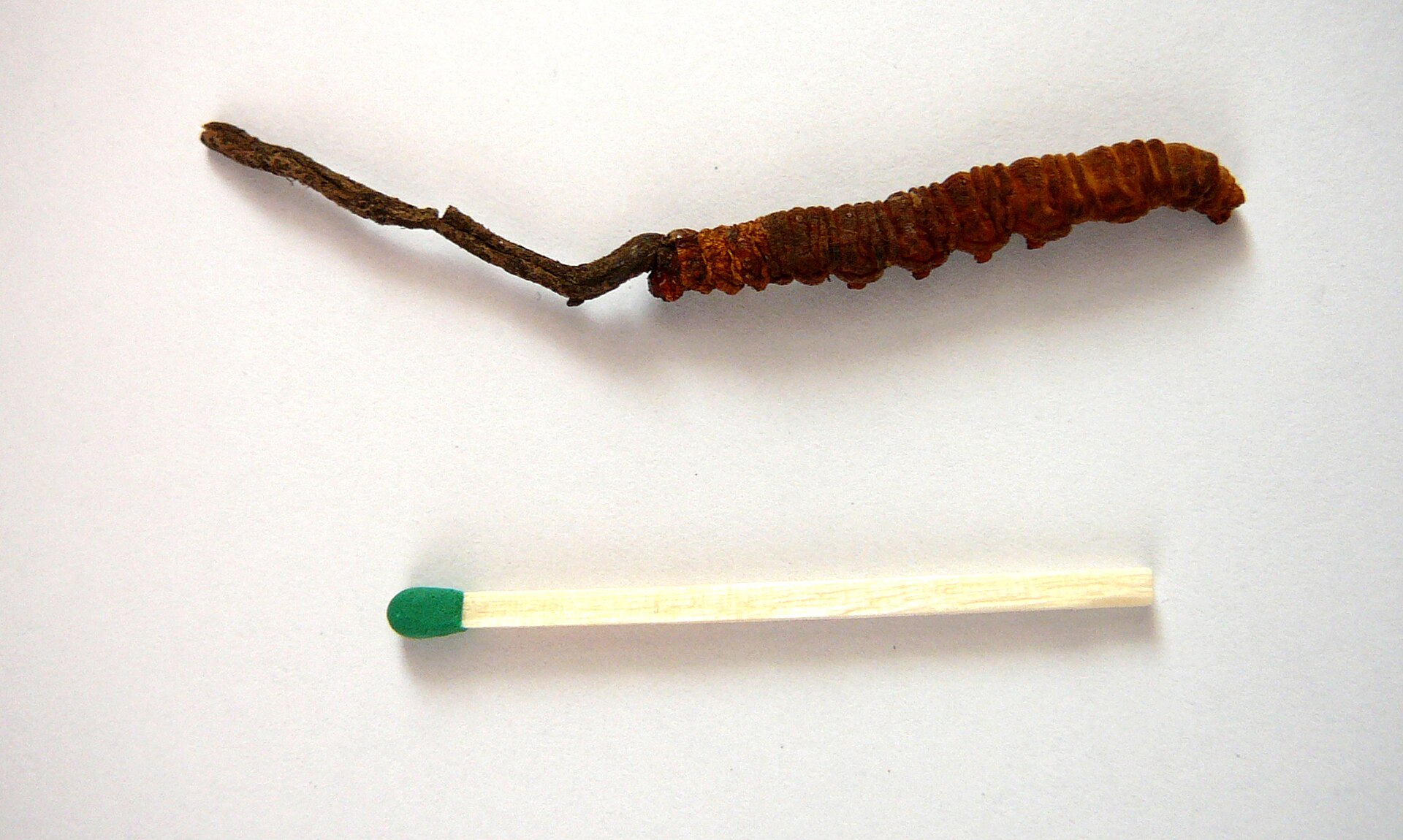
Cordyceps
Ophiocordyceps sinensis
The legendary "winter worm, summer grass" of Tibetan and Chinese medicine — a parasitic fungus that grows from caterpillars at extreme altitude, prized for energy, endurance, kidney and lung support.
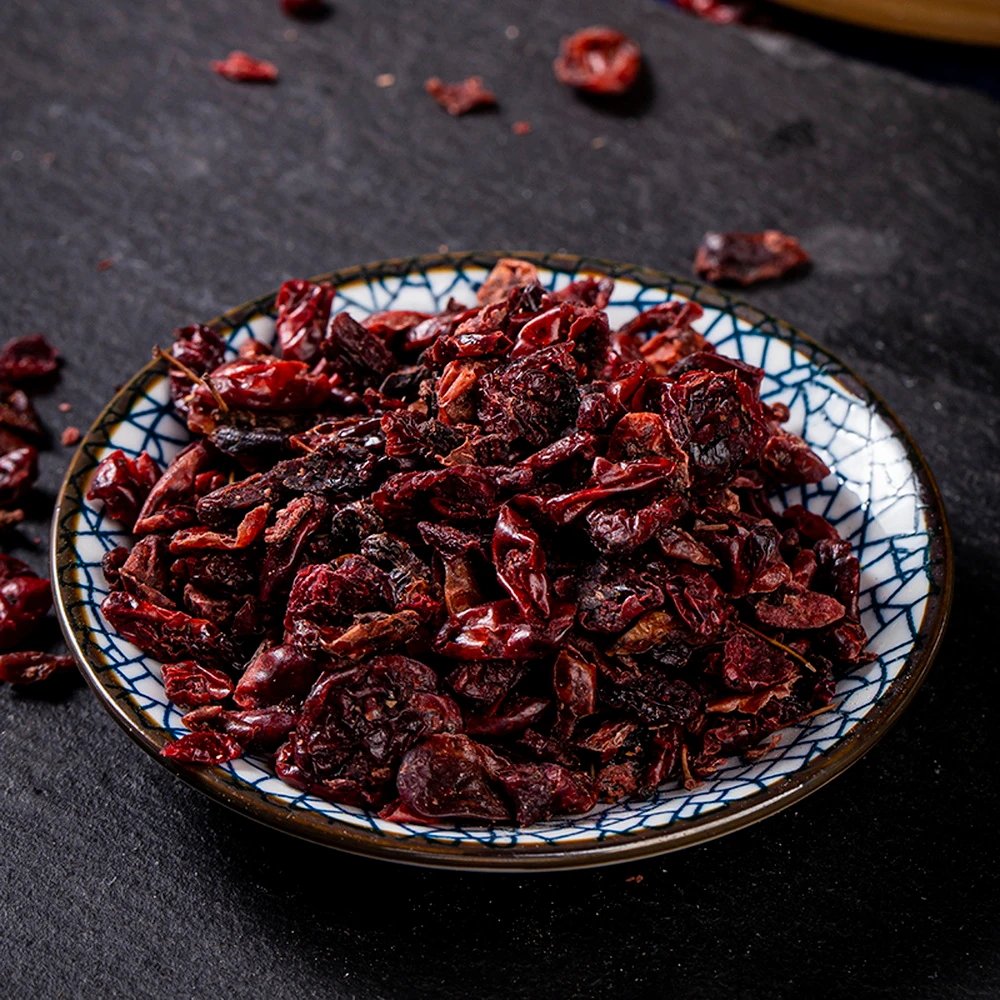
Cornus Fruit (Shan Zhu Yu)
Cornus officinalis
Cornus fruit is a sour, astringent herb that tonifies the liver and kidneys, secures essence, and stops sweating. It is a key ingredient in the famous Liu Wei Di Huang Wan kidney-nourishing formula.
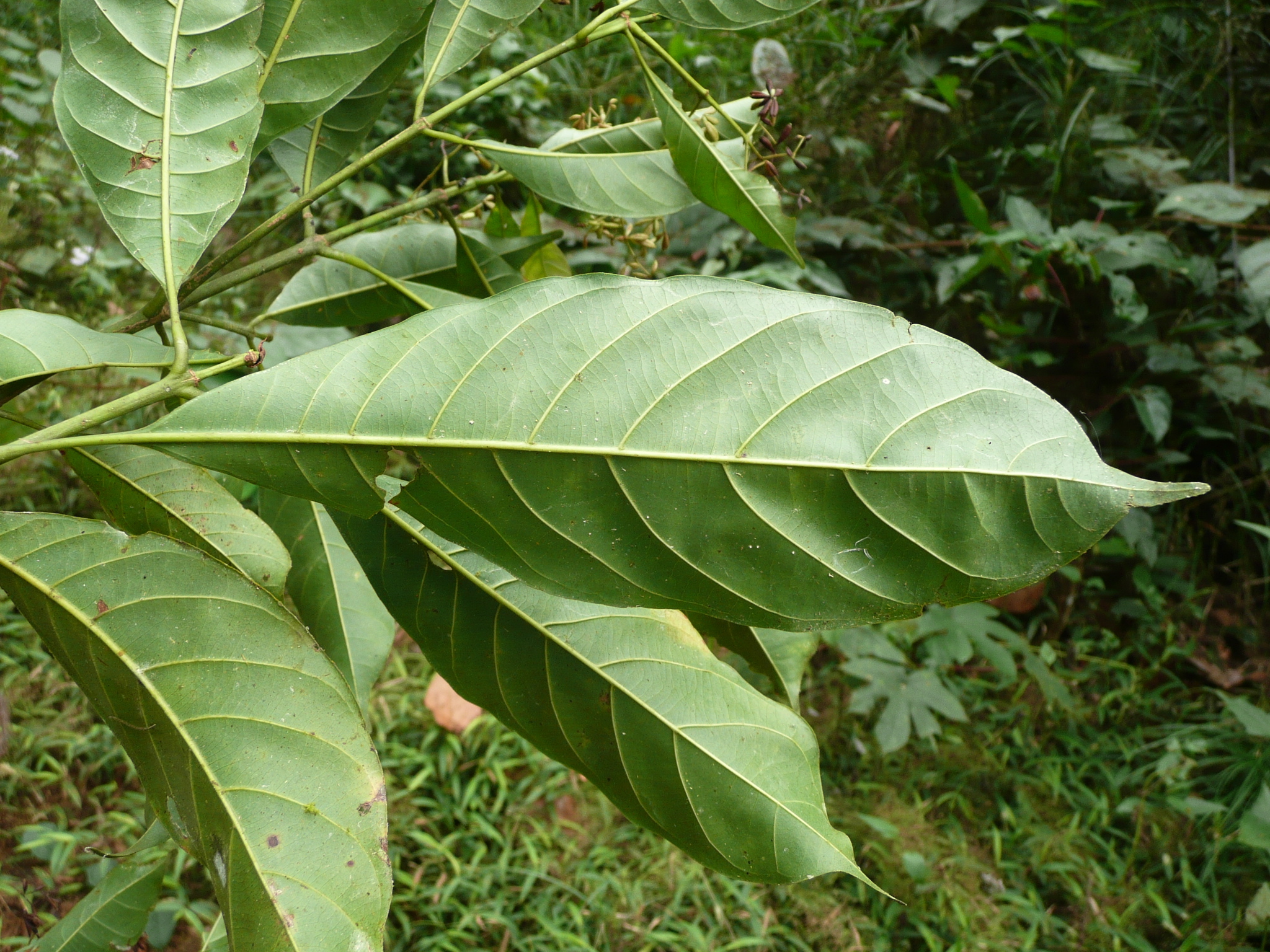
Corynanthe
Corynanthe pachyceras
A West African forest tree whose bark contains yohimbine-type alkaloids, used traditionally as a tonic, aphrodisiac and fever remedy.
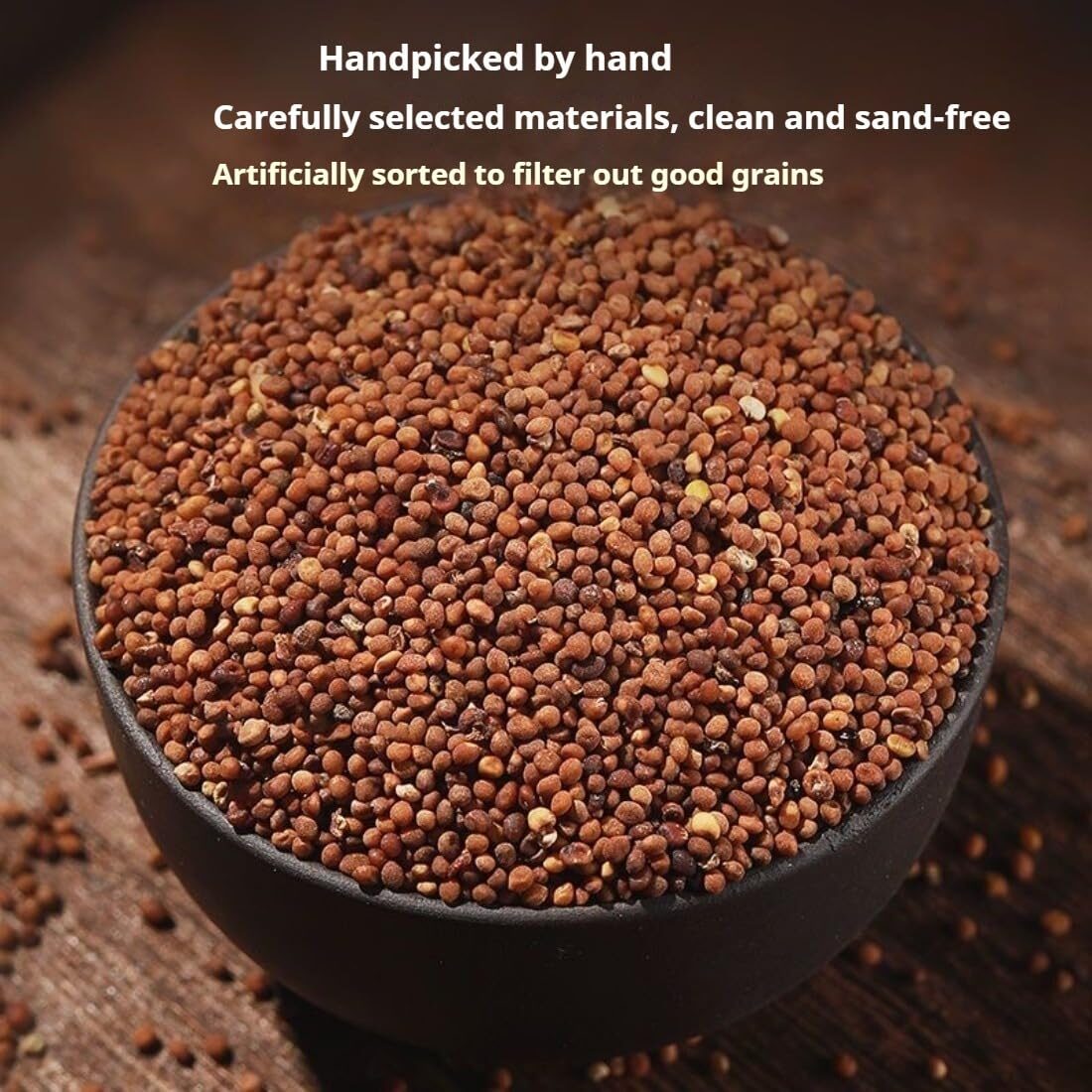
Cuscuta Seed
Cuscuta chinensis
A gentle Yang tonic from the dodder vine that nourishes both Yin and Yang of the Kidney and Liver — valued for its balancing action on reproductive health and vision.
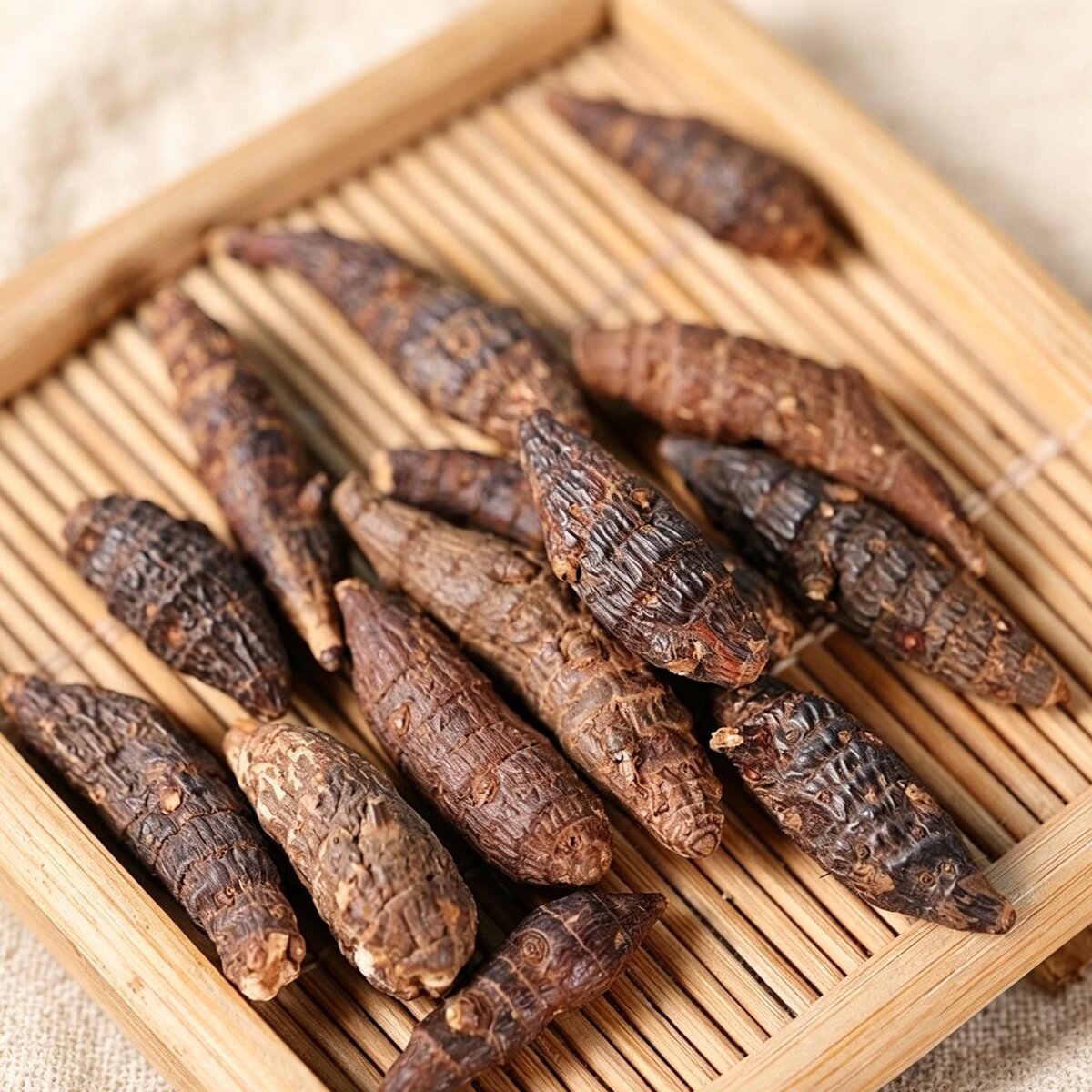
Cyperus (Xiang Fu)
Cyperus rotundus
Cyperus is called the 'commander of qi within blood' in TCM. It is the primary herb for soothing liver qi stagnation and is considered the most important herb for menstrual pain caused by emotional stress.
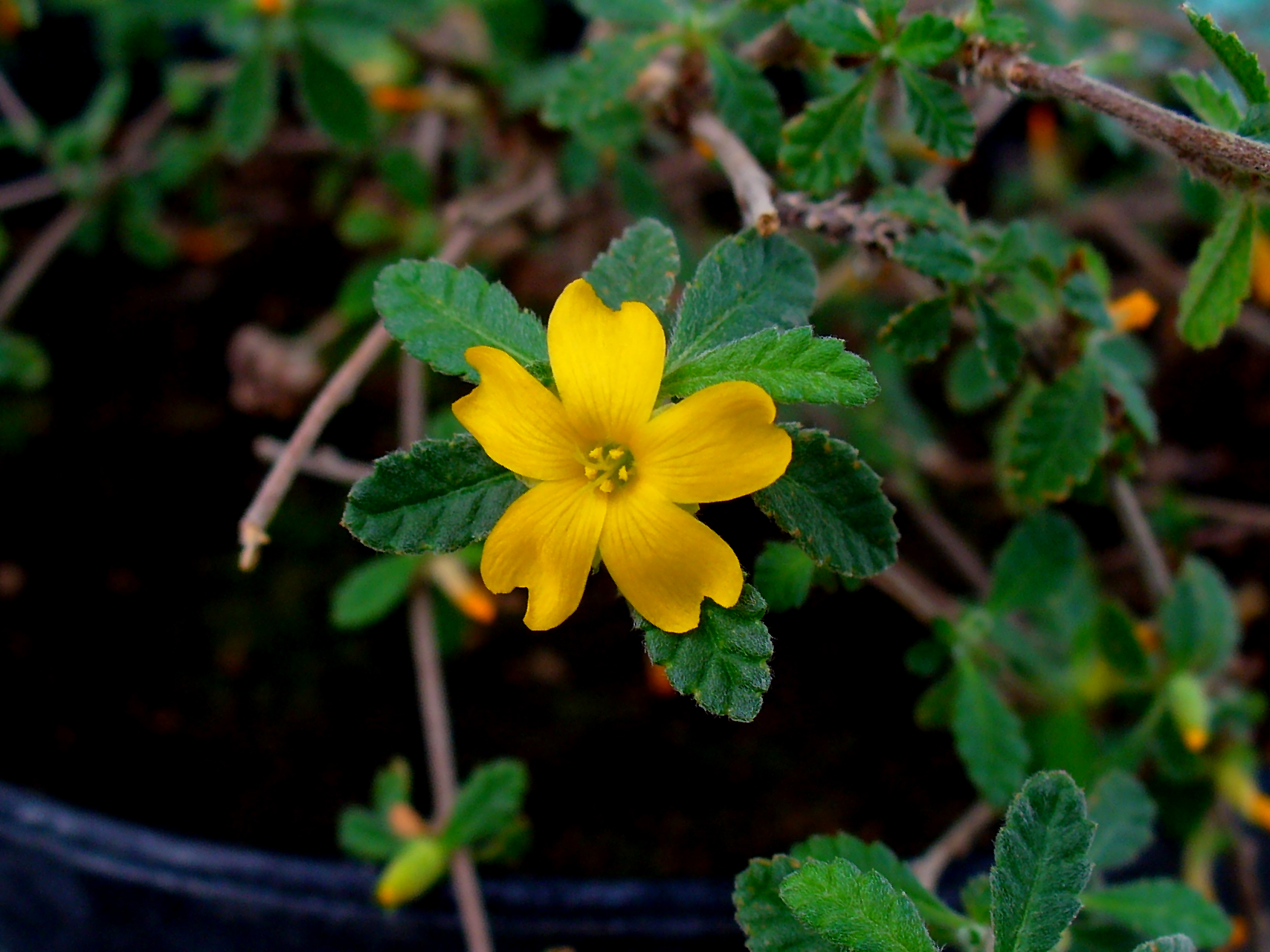
Damiana
Turnera diffusa
A fragrant Central American and Caribbean shrub with a centuries-old reputation as an aphrodisiac, nerve tonic and mood lifter. Still one of the best-selling botanical libido herbs.
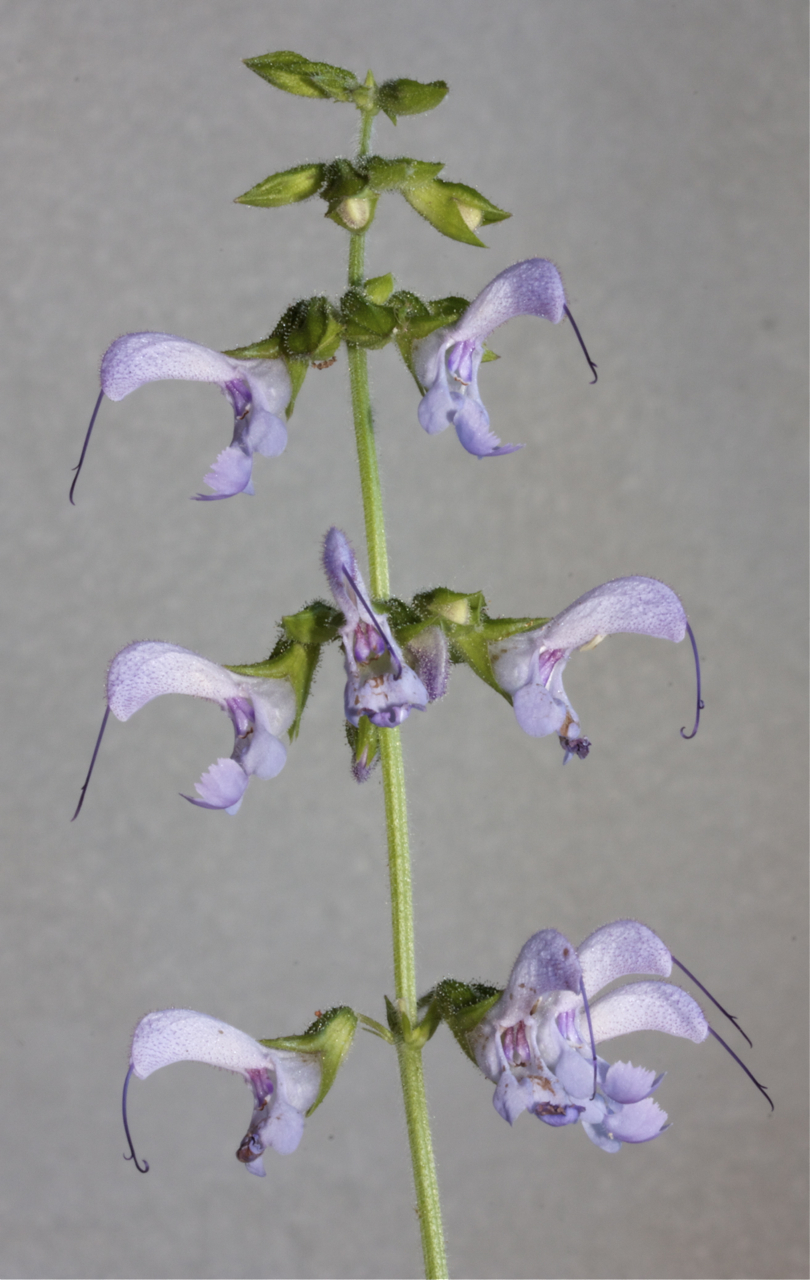
Danshen
Salvia miltiorrhiza
The most important cardiovascular herb in TCM — a red-rooted sage used for millennia to "move Blood, resolve stasis" and now backed by extensive modern research for heart disease, stroke prevention and vascular health.
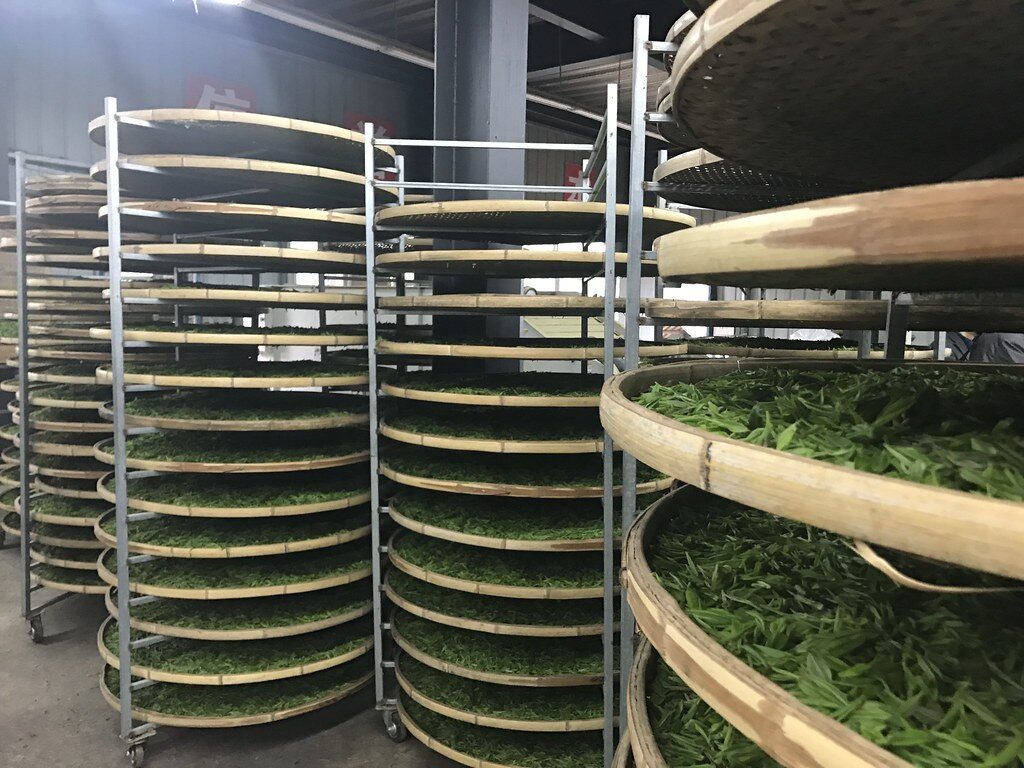
Dendrobium
Dendrobium nobile
A prized orchid stem used in TCM to nourish Stomach and Kidney Yin, generate fluids, and support vision — one of the most expensive herbs in the Chinese materia medica.
Dong Quai
Angelica sinensis
The empress of blood tonics — TCM’s foremost herb for nourishing and moving blood, central to women’s formulas for 2,000 years.
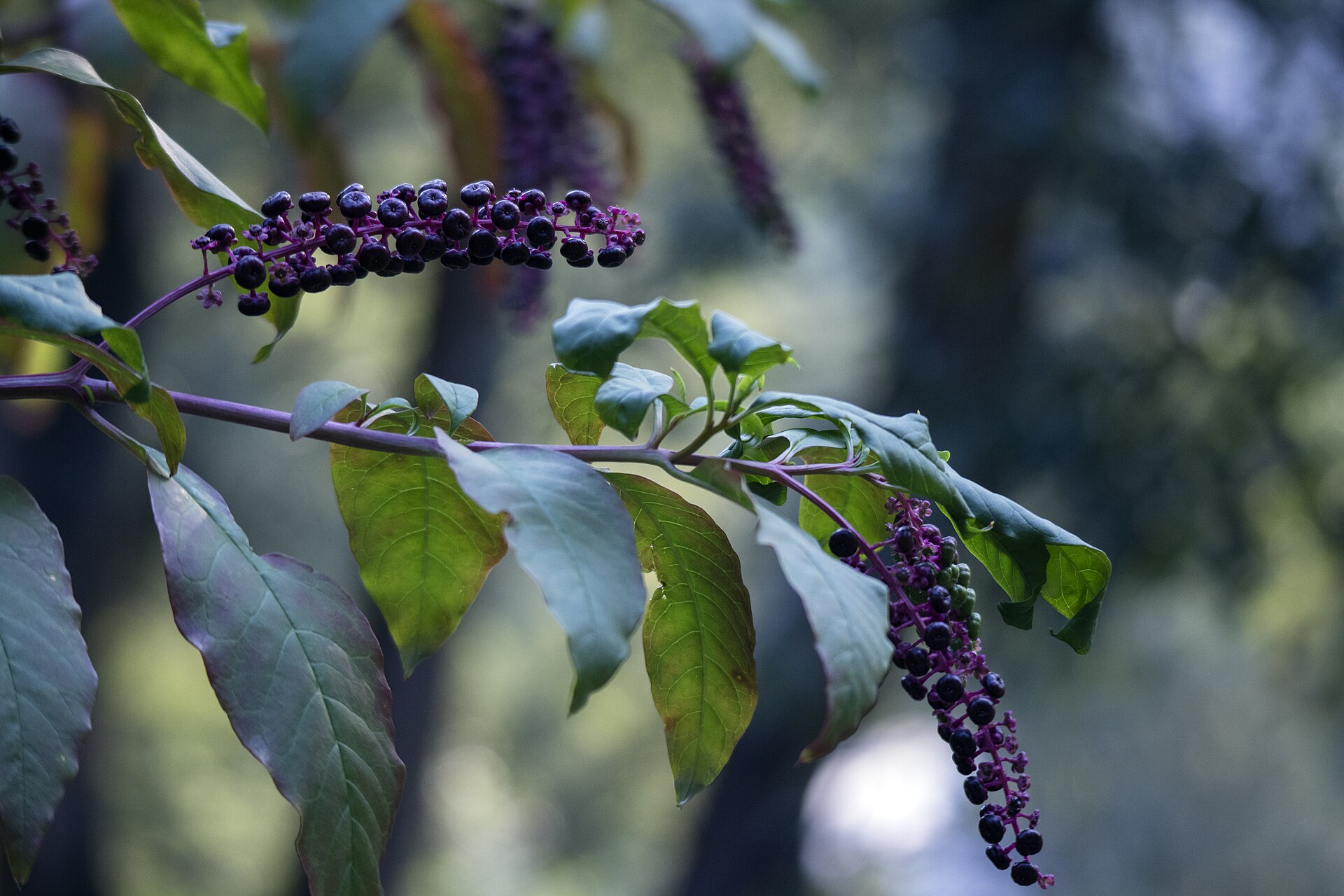
Endod
Phytolacca dodecandra
A climbing shrub whose berries produce a powerful natural soap and molluscicide — investigated by the WHO for schistosomiasis snail control, but TOXIC for internal use.
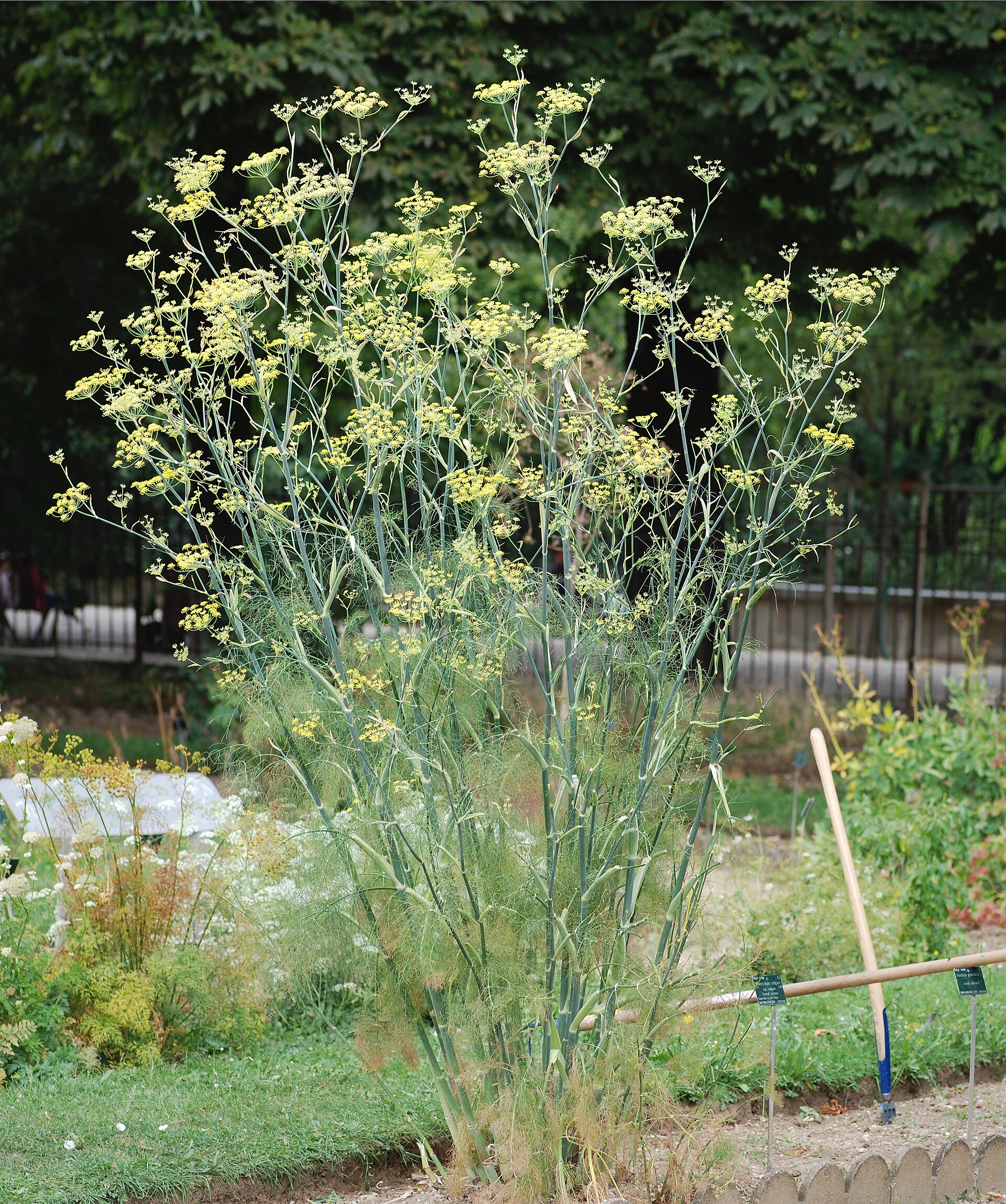
Fennel
Foeniculum vulgare
A fragrant Mediterranean herb whose seeds, leaves and bulb have been used since antiquity as a digestive carminative, galactagogue and flavouring — one of the oldest cultivated plants in Europe.
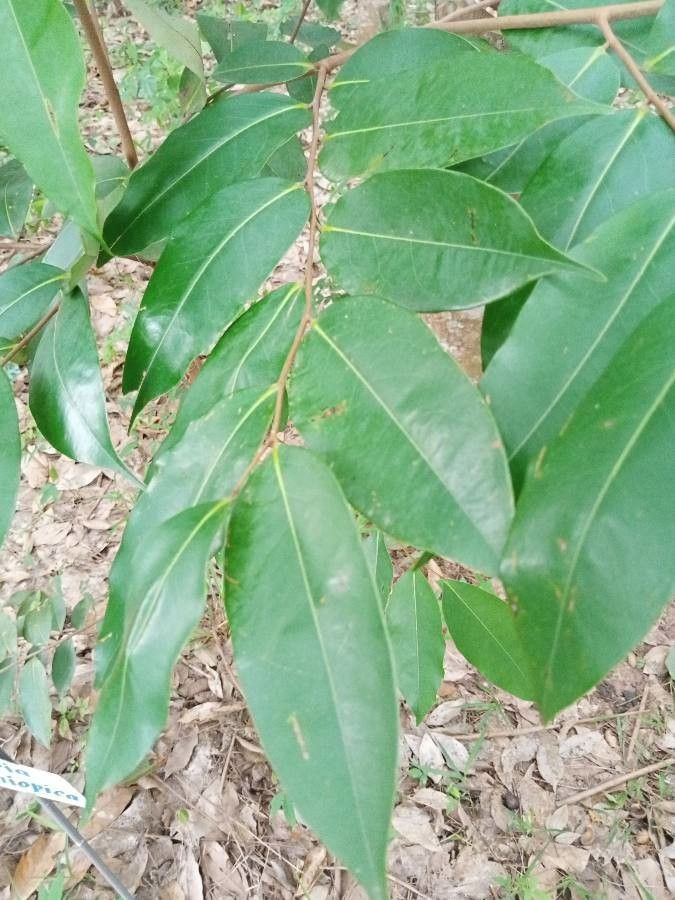
Grains of Selim
Xylopia aethiopica
A smoky, aromatic West African pepper pod used as both spice and medicine — famous in Nigerian post-partum care, and used for coughs, colds, digestion and pain.
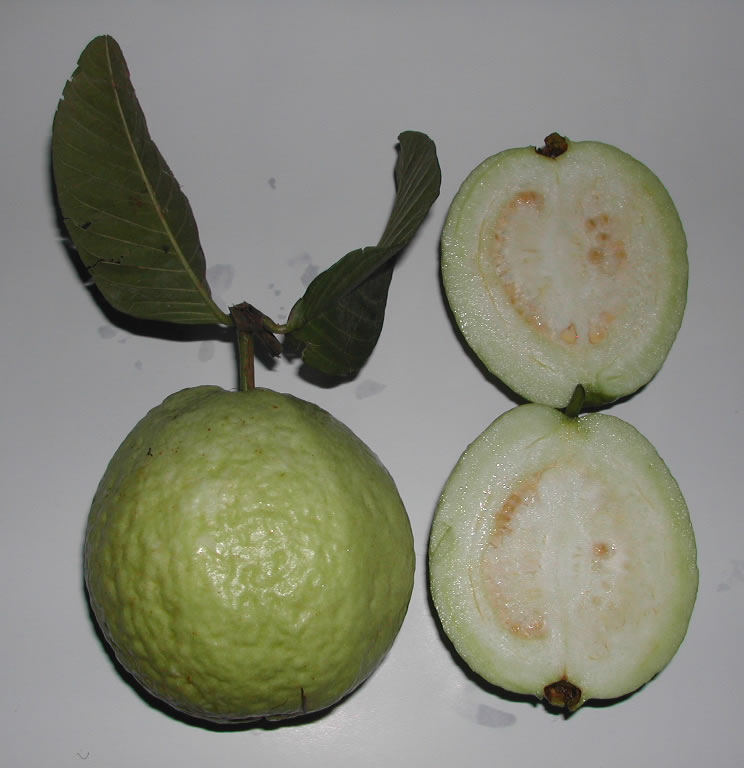
Guava Leaf
Psidium guajava
A pan-tropical medicinal tree whose leaves are one of the most scientifically validated anti-diarrhoeal remedies in traditional medicine, with growing clinical evidence for blood sugar management.
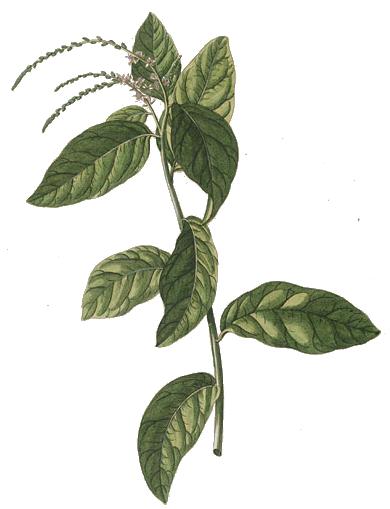
Guinea Hen Weed
Petiveria alliacea
One of Jamaica's most famous and most researched bush medicines — a garlic-scented herb used for immune support, arthritis, pain, and studied extensively for anti-cancer activity.
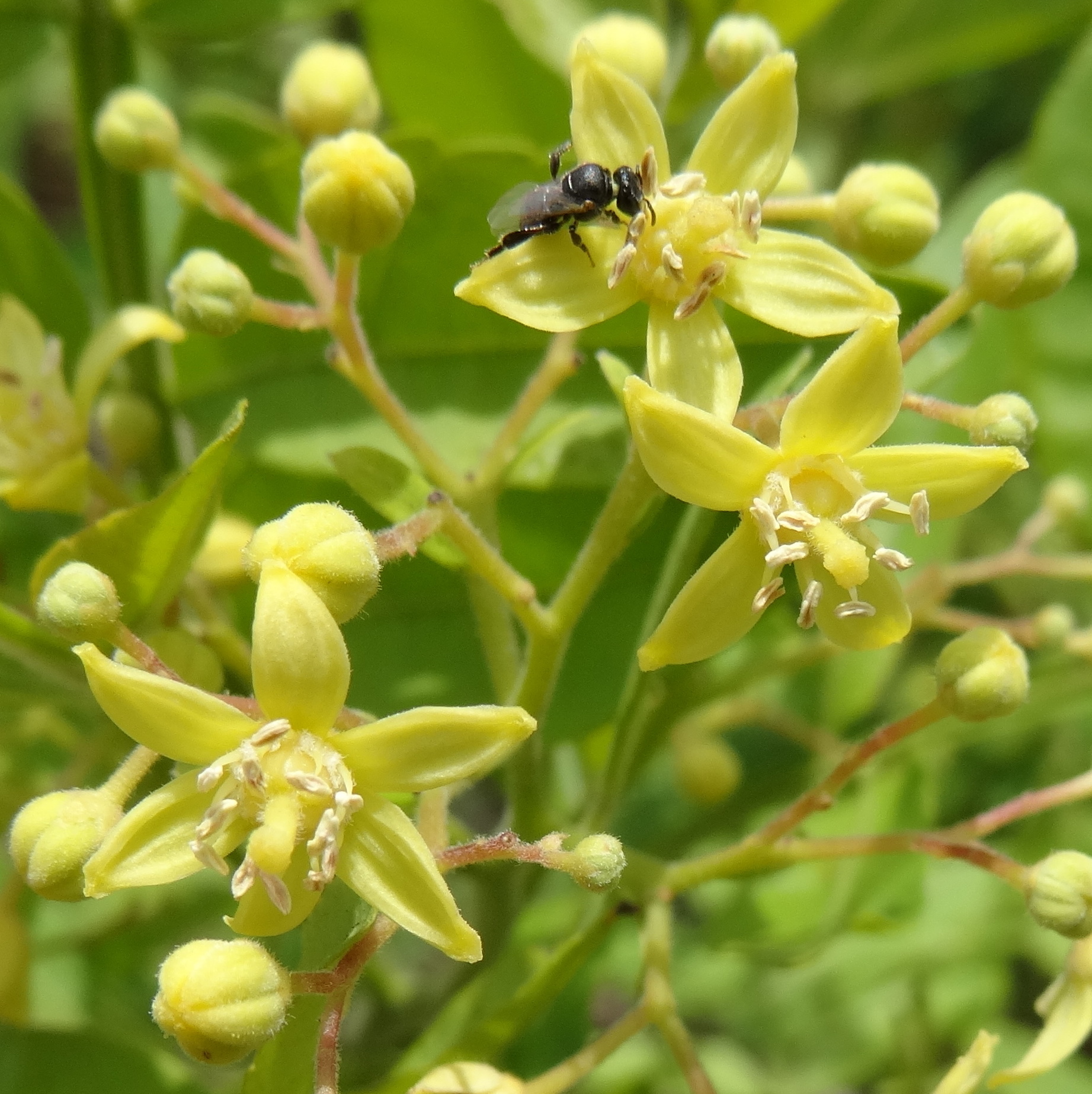
Harrisonia
Harrisonia abyssinica
A thorny shrub of the East and West African savanna whose root and bark are used for malaria, stomach ailments, and sexually transmitted infections in traditional practice.
Looking for something else?
Browse the full library