
Clear, open, and comfortable breathing
Respiratory & Lungs
Herbs traditionally used for coughs, congestion, sore throats, and overall respiratory comfort and clarity.
60 herbs in this collection
 Featured
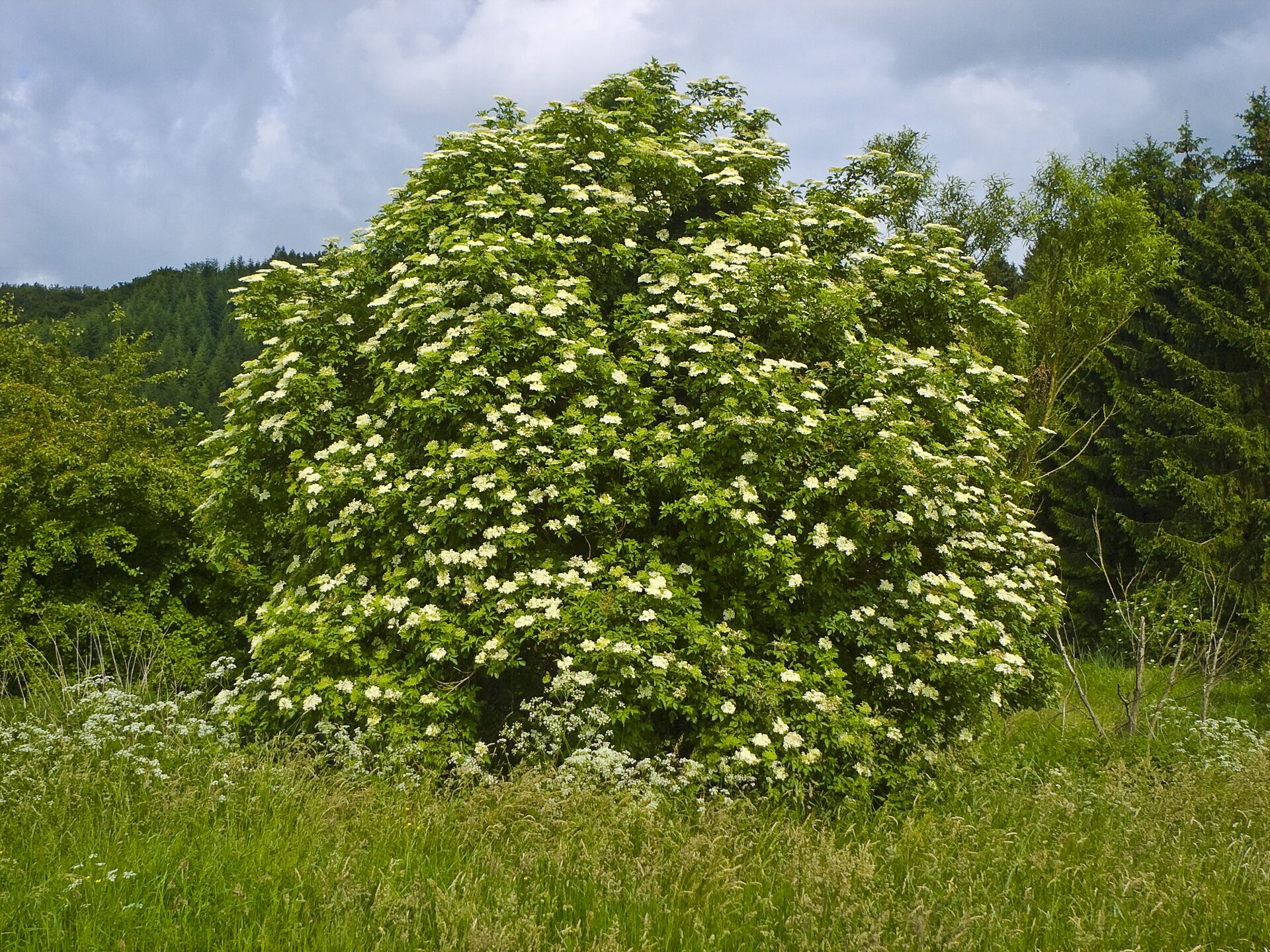
Elderberry
Sambucus nigra
Europe’s medicine chest in a tree — antiviral berries and diaphoretic flowers used for centuries against colds, flu, and fevers.
 Featured
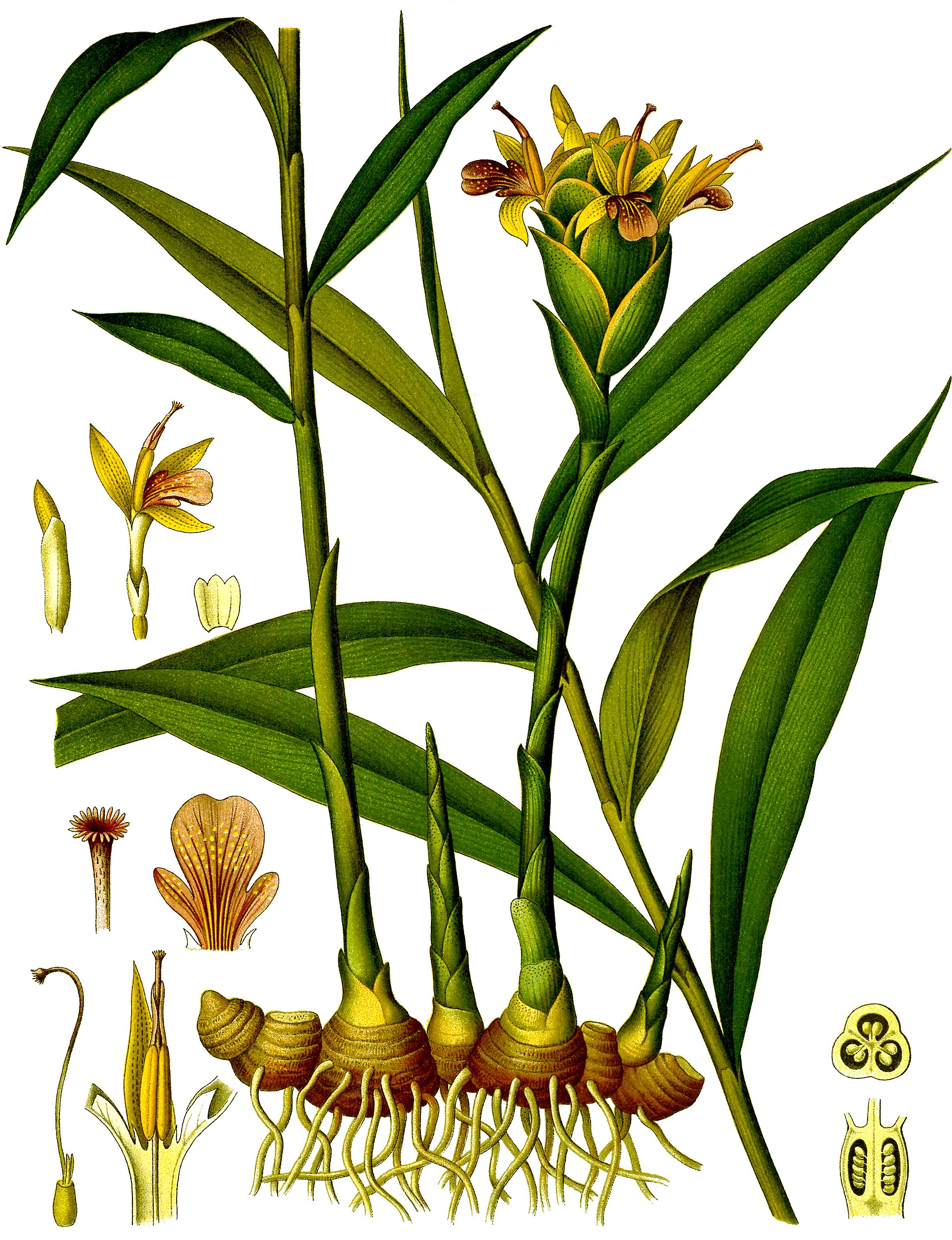
Ginger
Zingiber officinale
The universal warming digestive — used across every major healing tradition for nausea, digestion, circulation, and inflammation.
 Featured
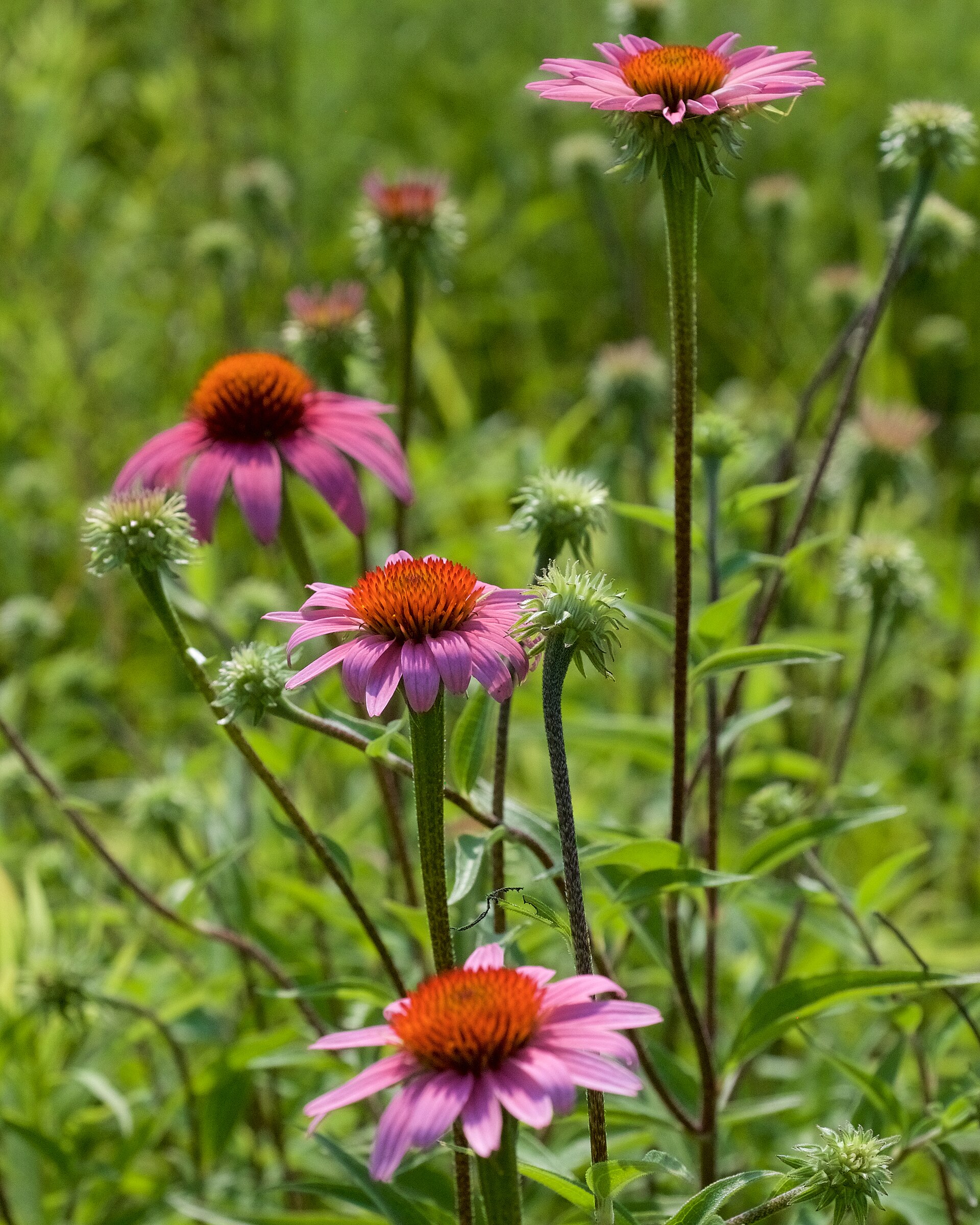
Echinacea
Echinacea purpurea
North America’s iconic immune herb — traditionally used by Plains tribes and now one of the world’s best-selling botanicals for colds and immune support.
 Featured
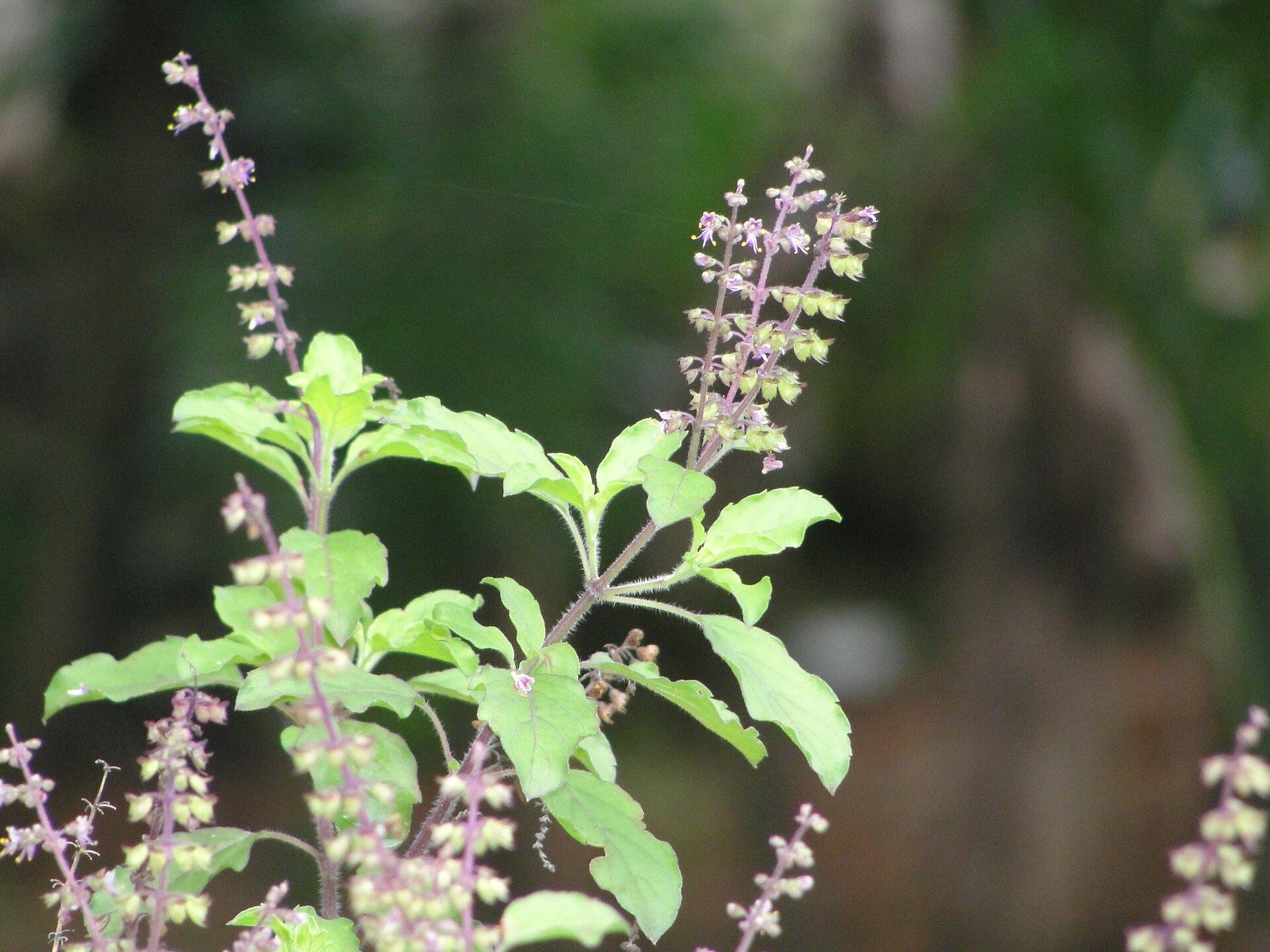
Holy Basil
Ocimum tenuiflorum
India’s “Queen of Herbs” — a sacred adaptogen revered in Ayurveda for stress, respiratory health, blood sugar, and spiritual clarity.
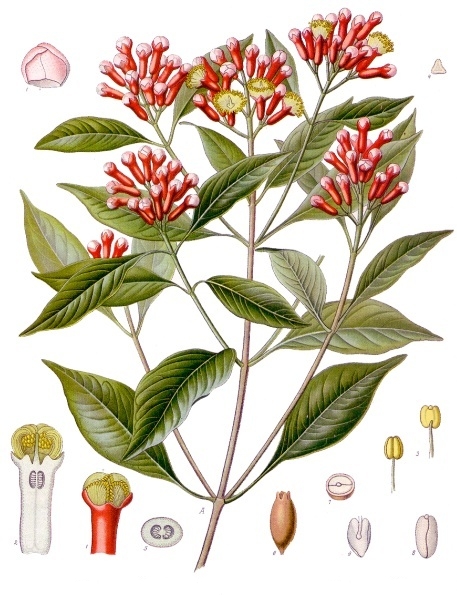
Cloves
Syzygium aromaticum
The dried flower bud that launched the spice trade — a warming carminative and the most established natural dental anaesthetic in the world.
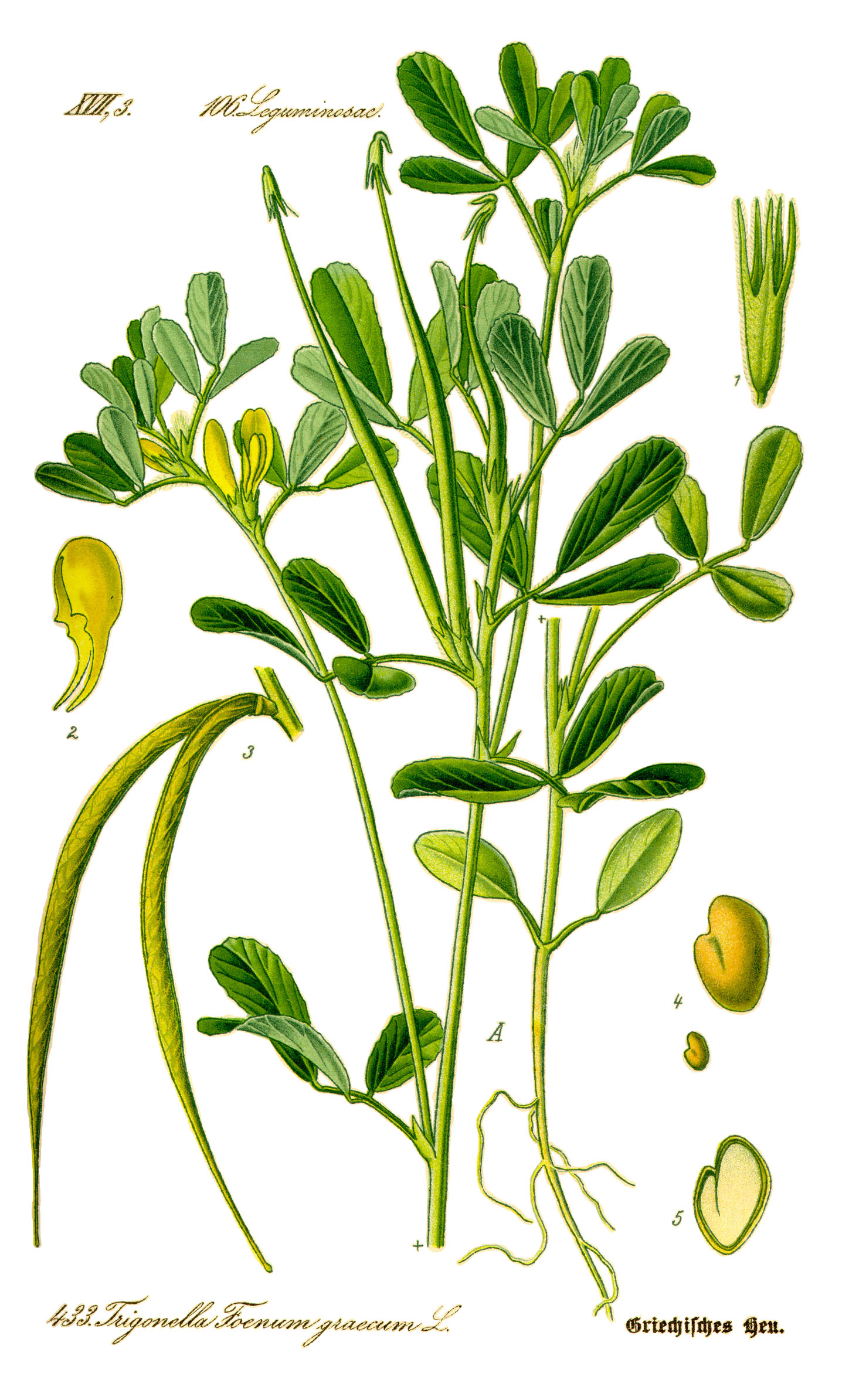
Fenugreek
Trigonella foenum-graecum
A maple-scented seed used from Egypt to India for blood sugar control, breast-milk supply and digestive soothing — one of the best-evidenced traditional seeds.
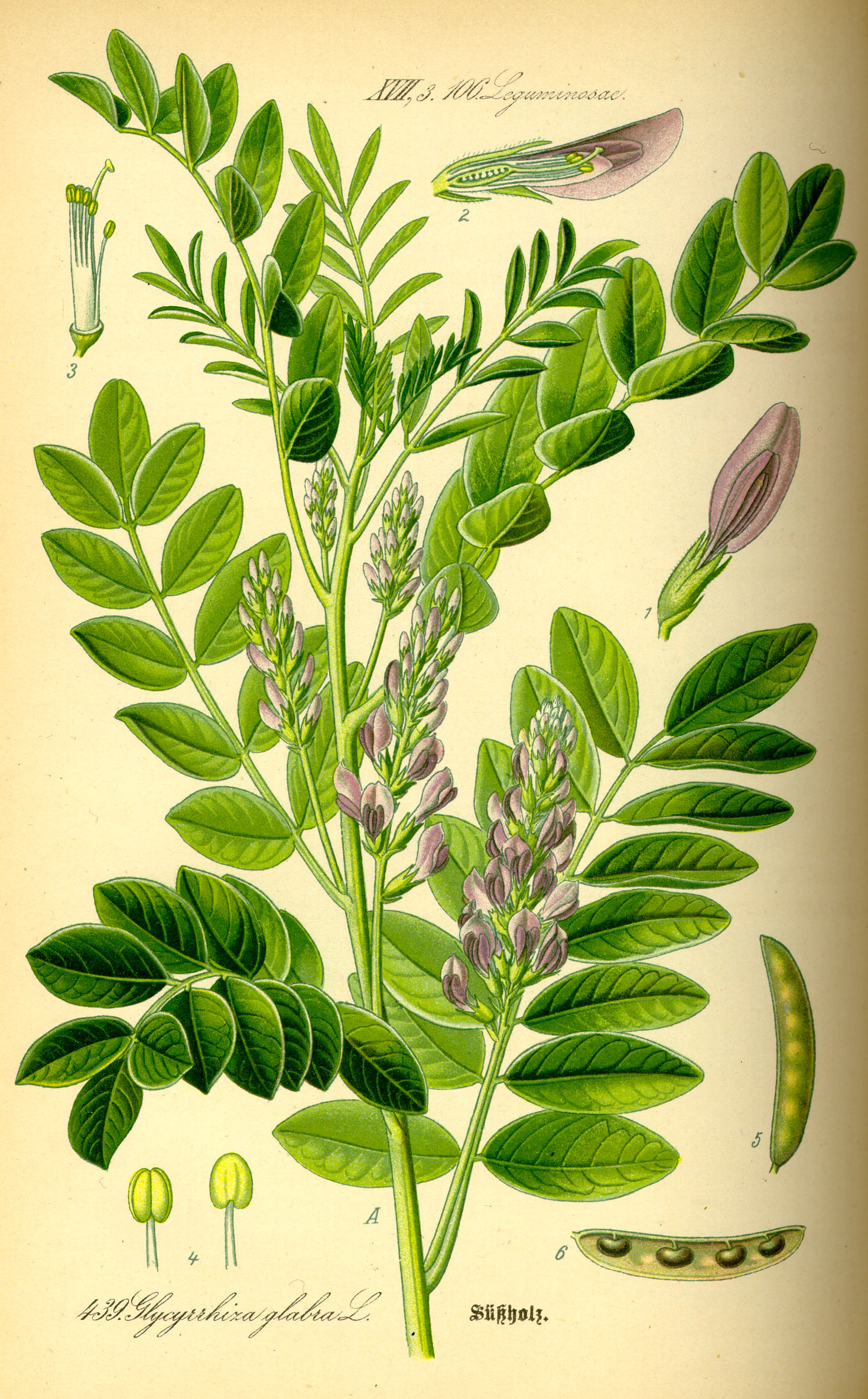
Licorice Root
Glycyrrhiza glabra
The great harmonizer — the most-used herb in Chinese medicine and a demulcent powerhouse for throat, gut, and adrenal support.
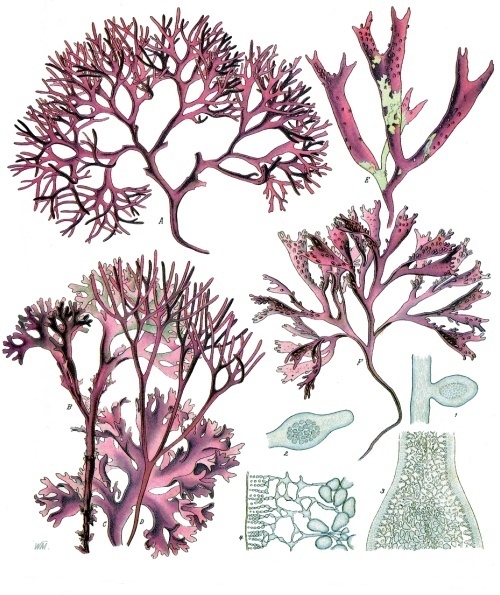
Irish Moss
Chondrus crispus
A mineral-dense red seaweed from the North Atlantic — a soothing demulcent for lungs and gut, and the original source of carrageenan.
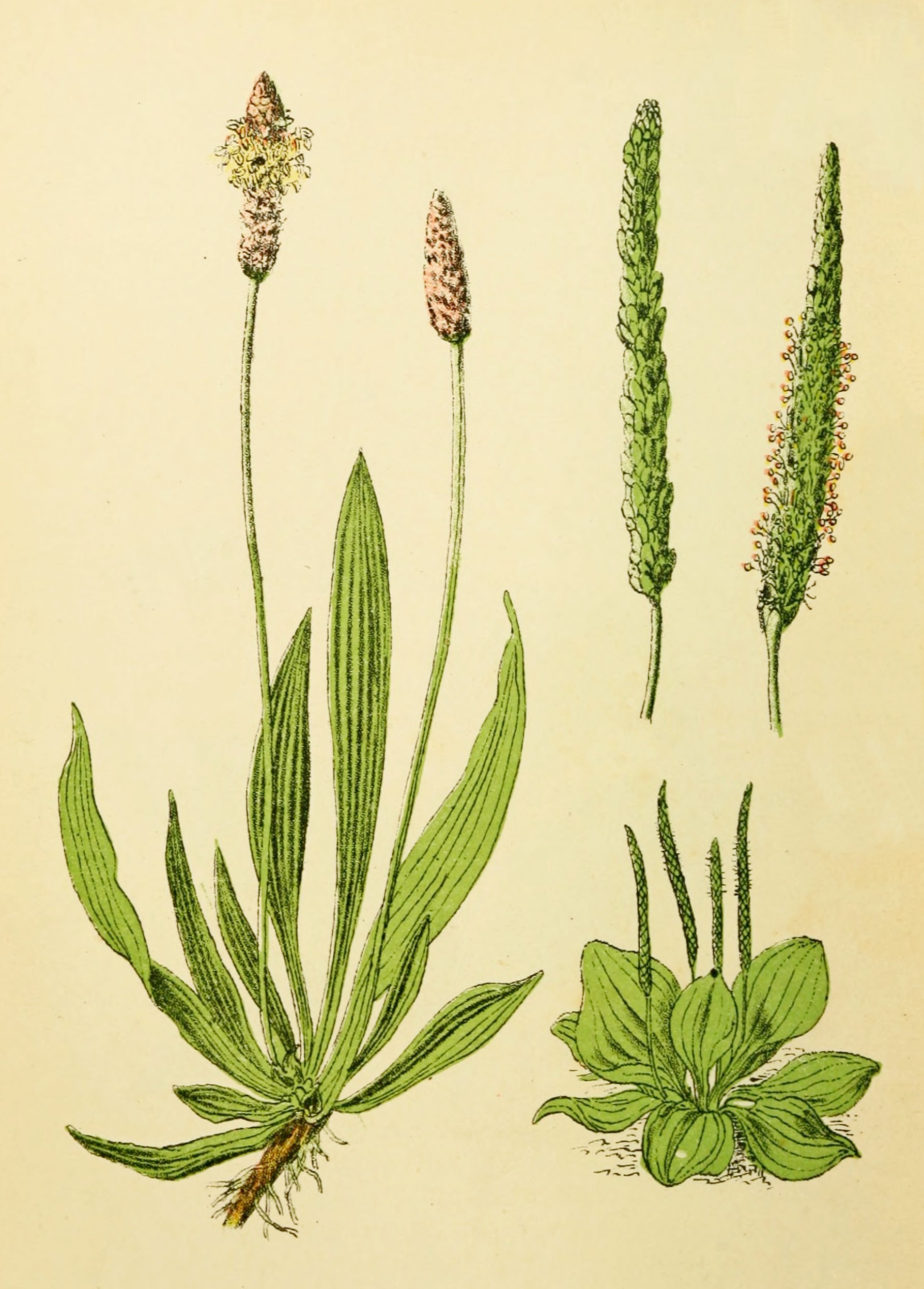
Plantain Leaf
Plantago major / Plantago lanceolata
The classic first-aid weed — chew a leaf, apply it to a sting or cut, and watch it work. Also a fine lung and gut demulcent.
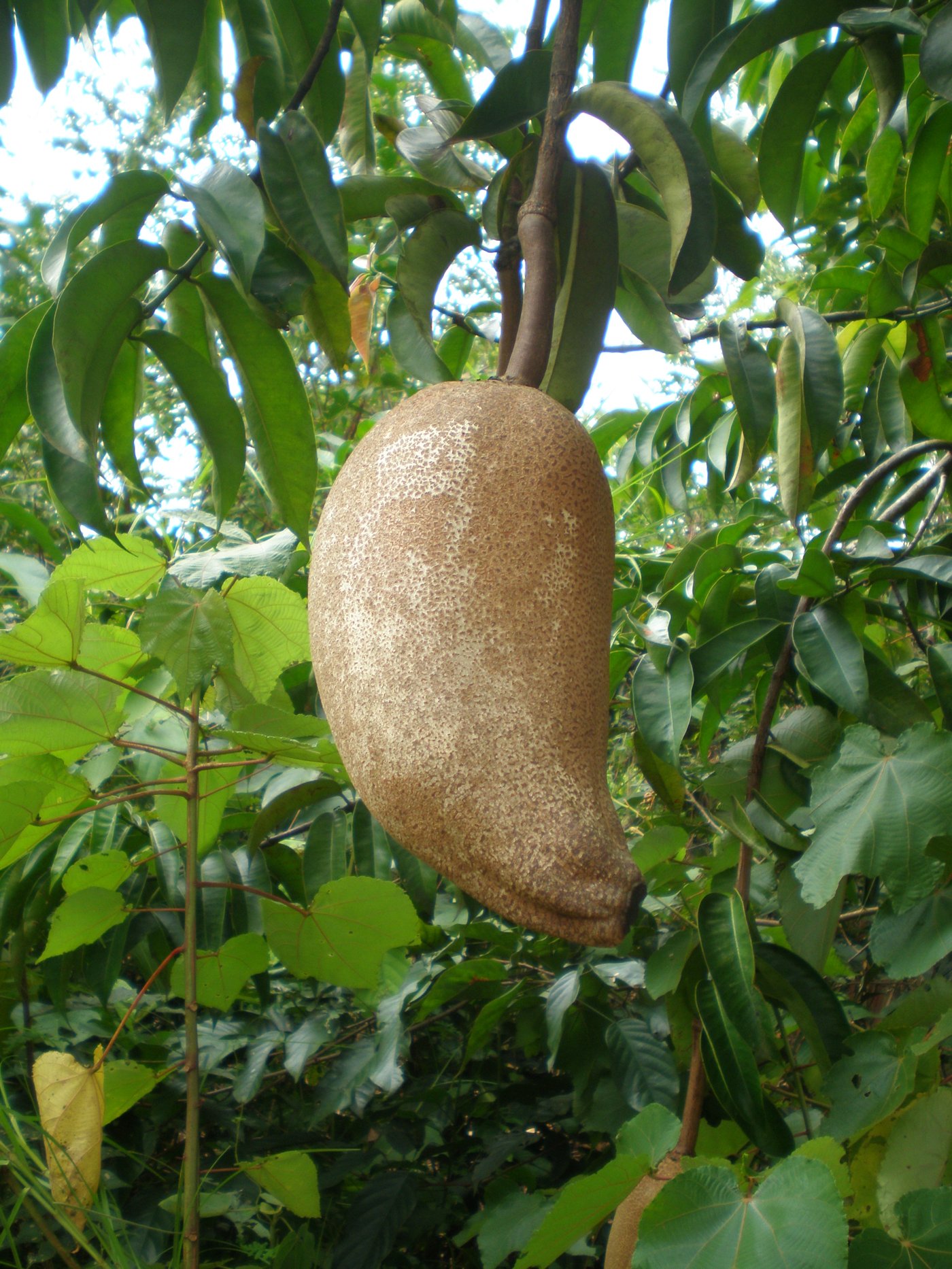
Allanblackia (Tallow Tree)
Allanblackia floribunda
A tall West-Central African rainforest tree whose large seeds yield a solid edible “tallow” fat, with bark and seeds used traditionally for pain, coughs and dysentery.
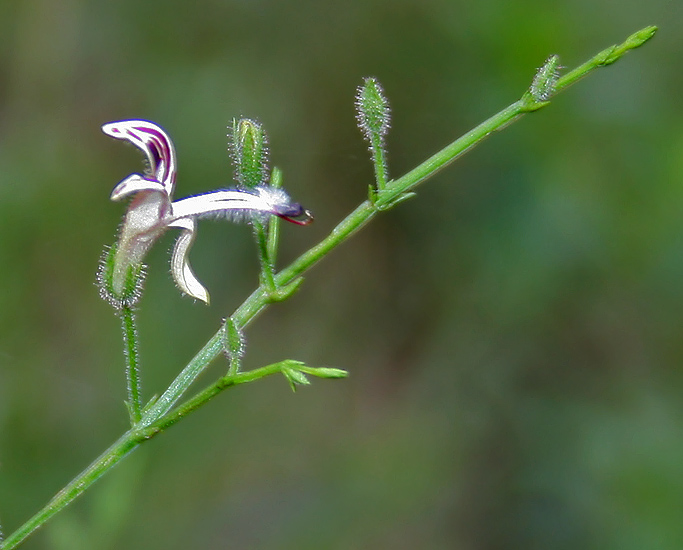
Andrographis
Andrographis paniculata
The "Indian Echinacea" and "King of Bitters" — used across Ayurveda, TCM and Southeast Asian medicine for infections and fevers, now with robust clinical trial evidence for reducing cold/flu severity and duration.
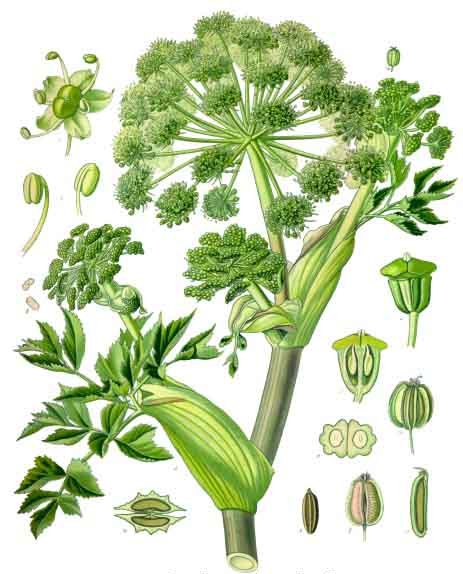
Angelica
Angelica archangelica
A majestic Nordic-European herb traditionally believed to be revealed by the Archangel Michael — one of the great warming tonics of Northern European herbal medicine, used for digestive complaints, respiratory infections and as a bitter aromatic.
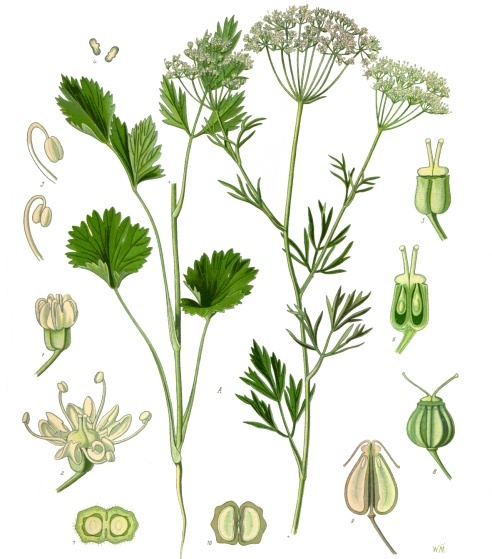
Anise
Pimpinella anisum
One of the oldest spice-medicines in the world, used since Egyptian times as a powerful carminative, expectorant and galactagogue — the original flavour behind ouzo, absinthe, sambuca and pastis.
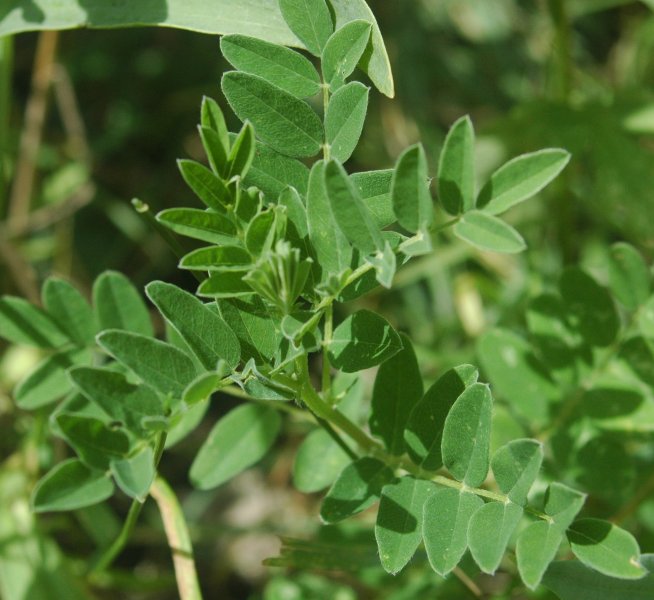
Astragalus
Astragalus membranaceus
The supreme Qi tonic of Traditional Chinese Medicine — a deeply nourishing root used for over 2,000 years to strengthen the body's defensive energy, support immune function and build vitality.
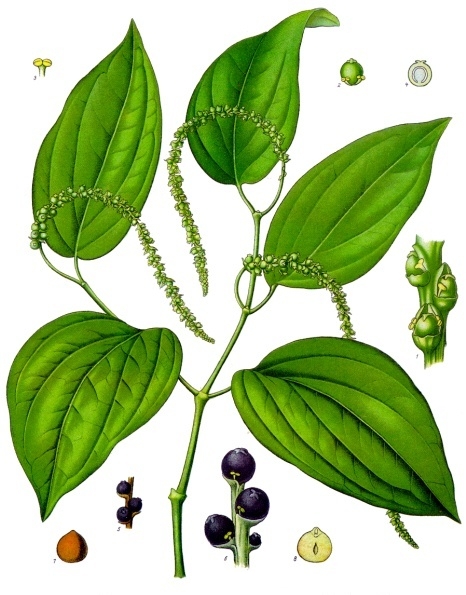
Black Pepper
Piper nigrum
The "King of Spices" — far more than a seasoning, black pepper's piperine is a powerful bioenhancer that increases the absorption of curcumin by 2,000% and numerous drugs and nutrients. A cornerstone of Ayurvedic Trikatu.
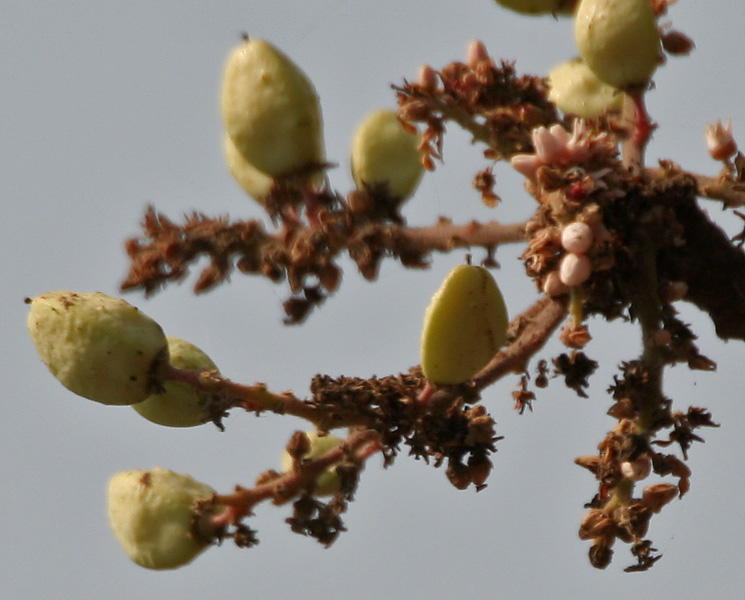
Boswellia
Boswellia serrata
Frankincense for the joints — Ayurveda’s resin for arthritis, now clinically validated for osteoarthritis and inflammatory bowel conditions.
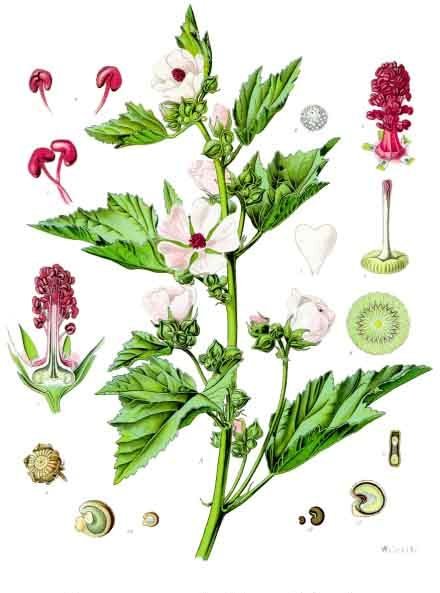
Marshmallow Root
Althaea officinalis
The gold-standard demulcent — up to 35% mucilage that physically coats and calms inflamed throat, gut and urinary tissue.
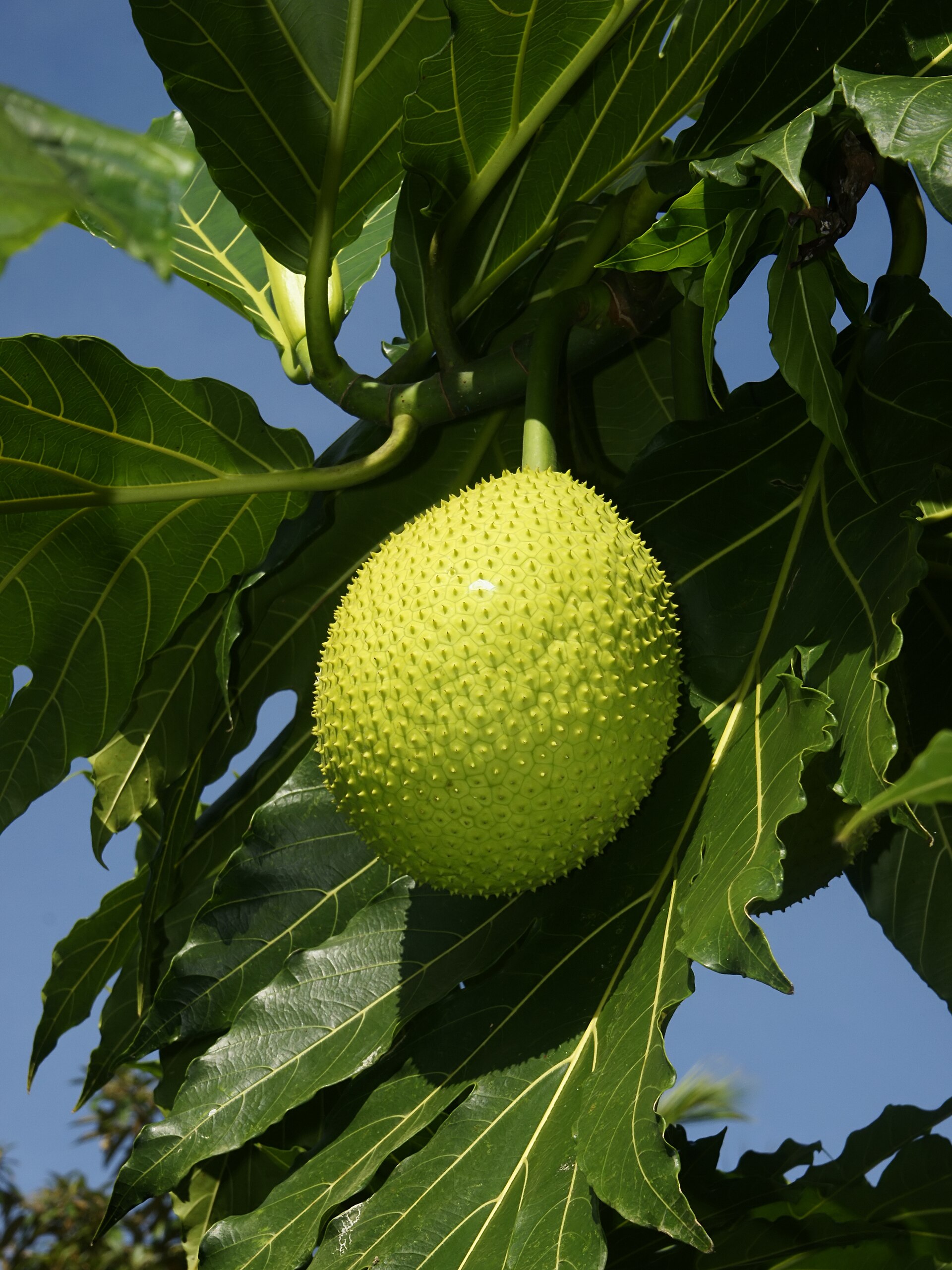
Breadfruit
Artocarpus communis
The legendary Pacific staple that became integral to West African and Caribbean food and medicine. The leaves, bark, and latex treat diabetes, hypertension, infections, and skin conditions — while the starchy fruit feeds millions.
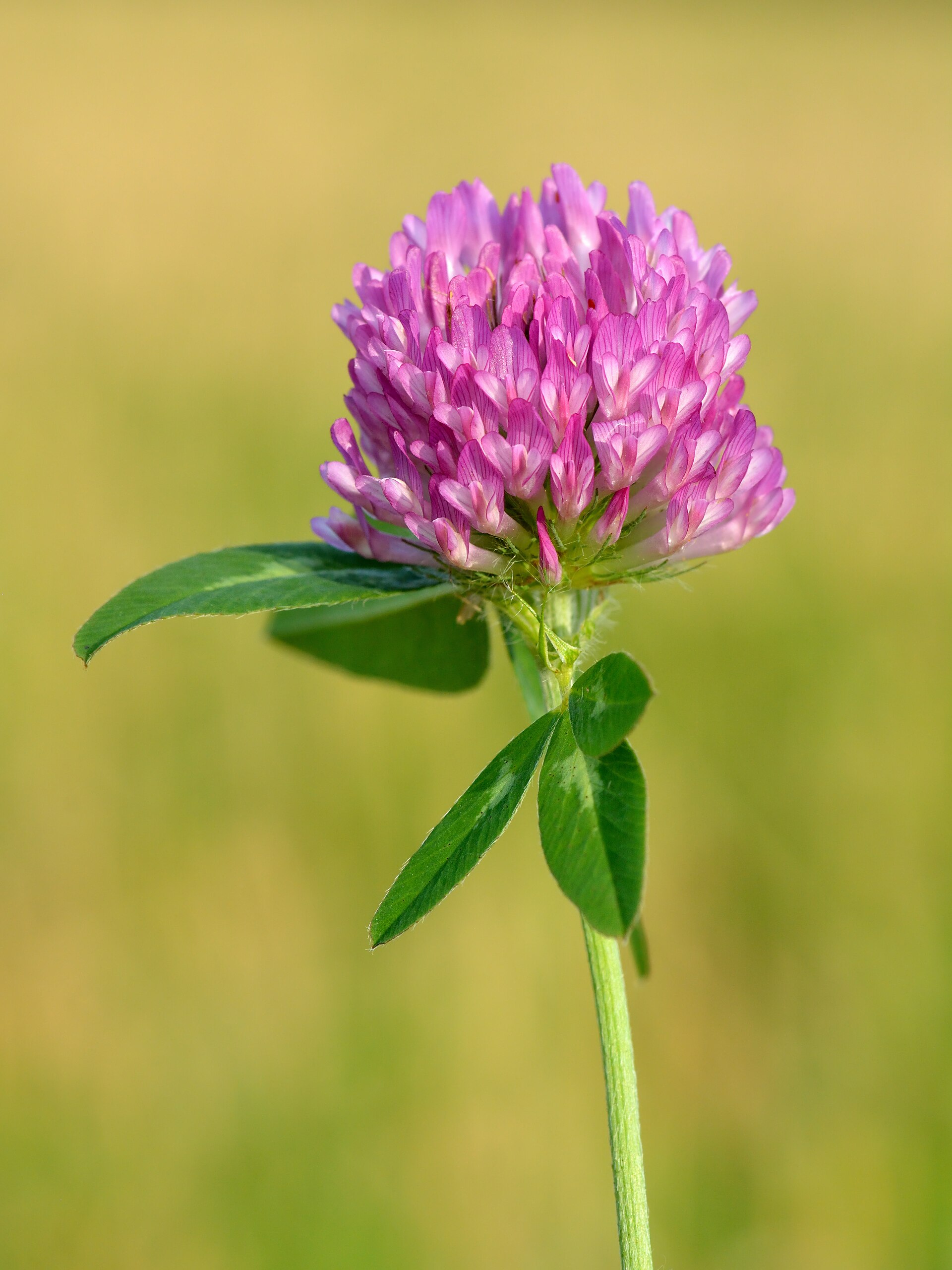
Red Clover
Trifolium pratense
A meadow flower that doubles as the West’s best-studied isoflavone source for menopause — and a classic lymphatic alterative for stubborn skin.
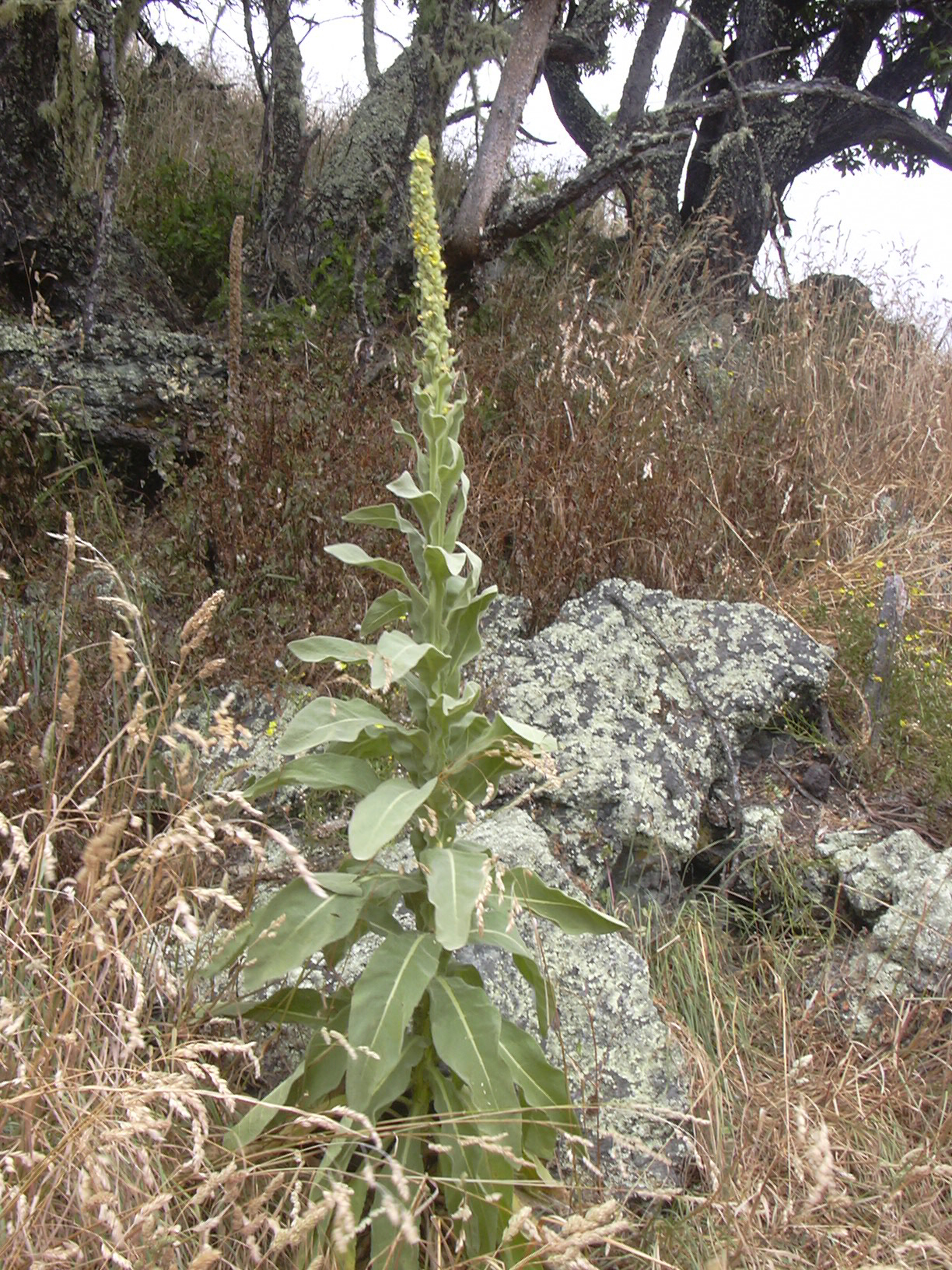
Mullein
Verbascum thapsus
The definitive lung herb of Western medicine — simultaneously demulcent and expectorant, and the source of the classic ear oil.
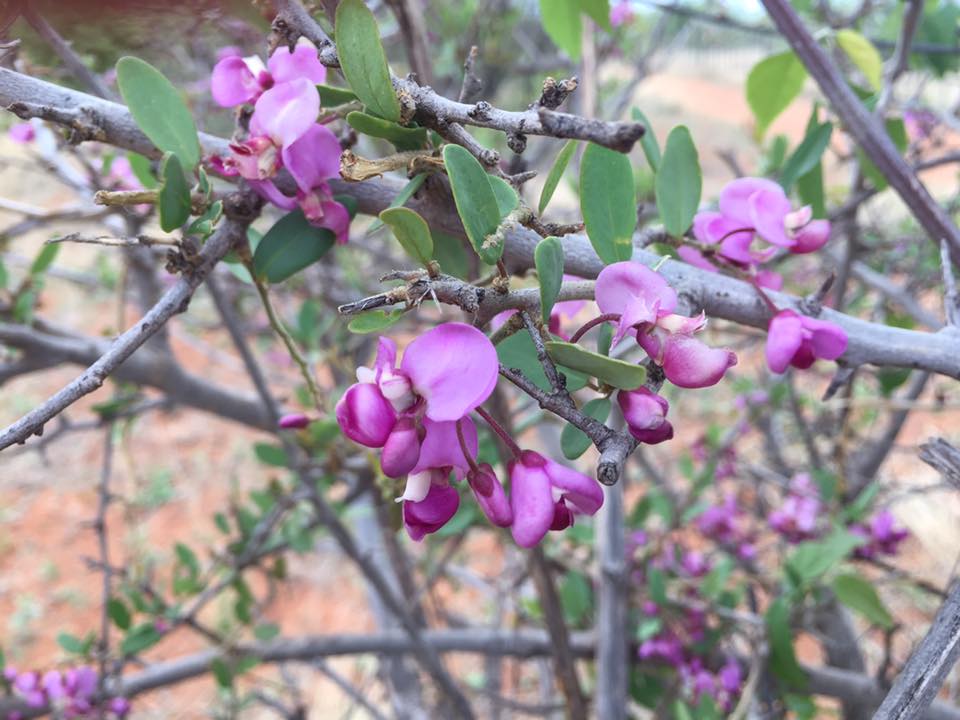
Violet Tree
Securidaca longepedunculata
A small, violet-flowered savanna tree whose root is one of the most versatile — and most dangerous — medicines in West African pharmacopoeia, used for snakebite, cough, epilepsy, and sexually transmitted infections.
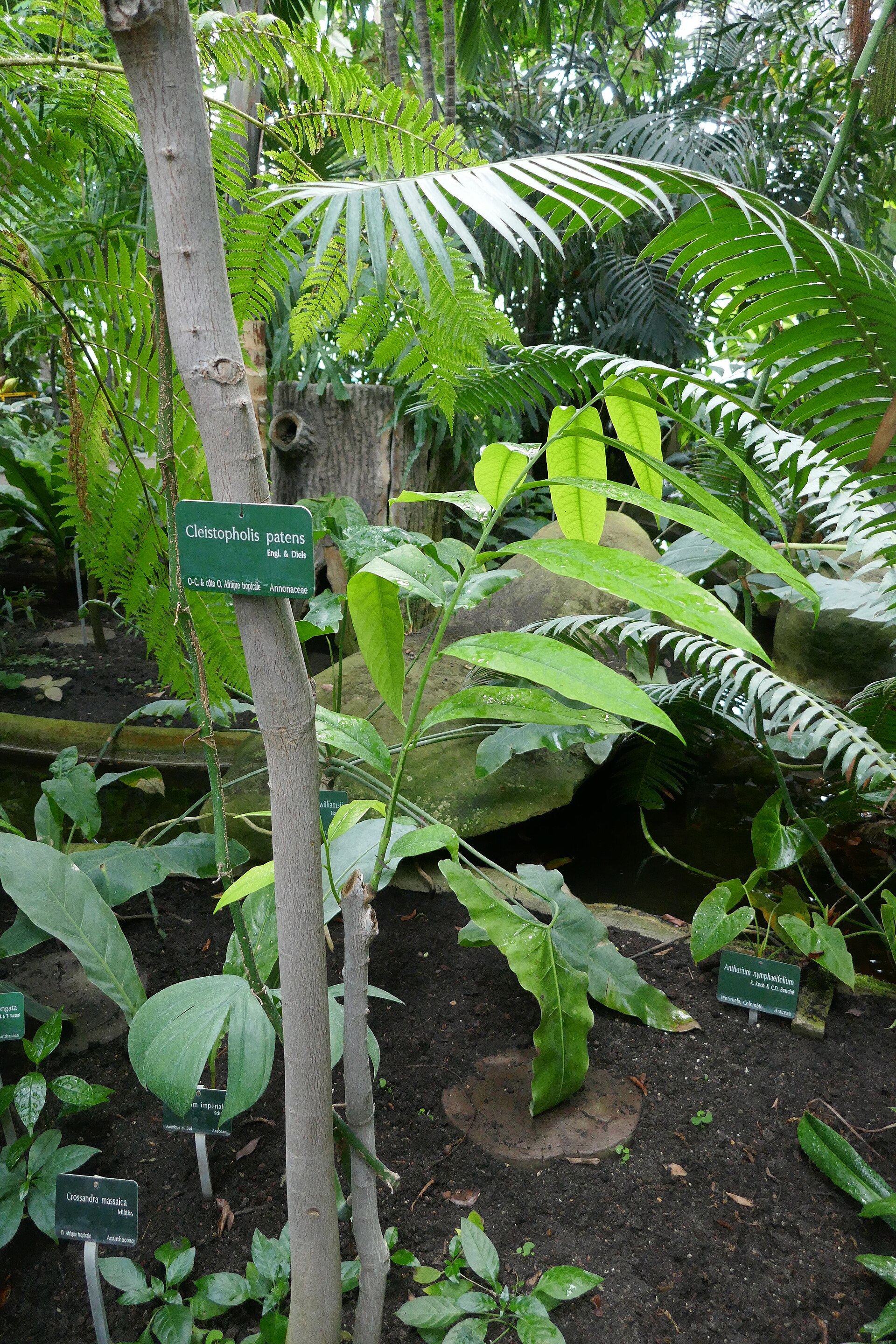
African Ylang-Ylang
Cleistopholis patens
A West and Central African forest tree whose fragrant bark and leaves are used for malaria, fever, and pain. Related to Cleistopholis staudtii but with a wider distribution and distinct alkaloid profile.
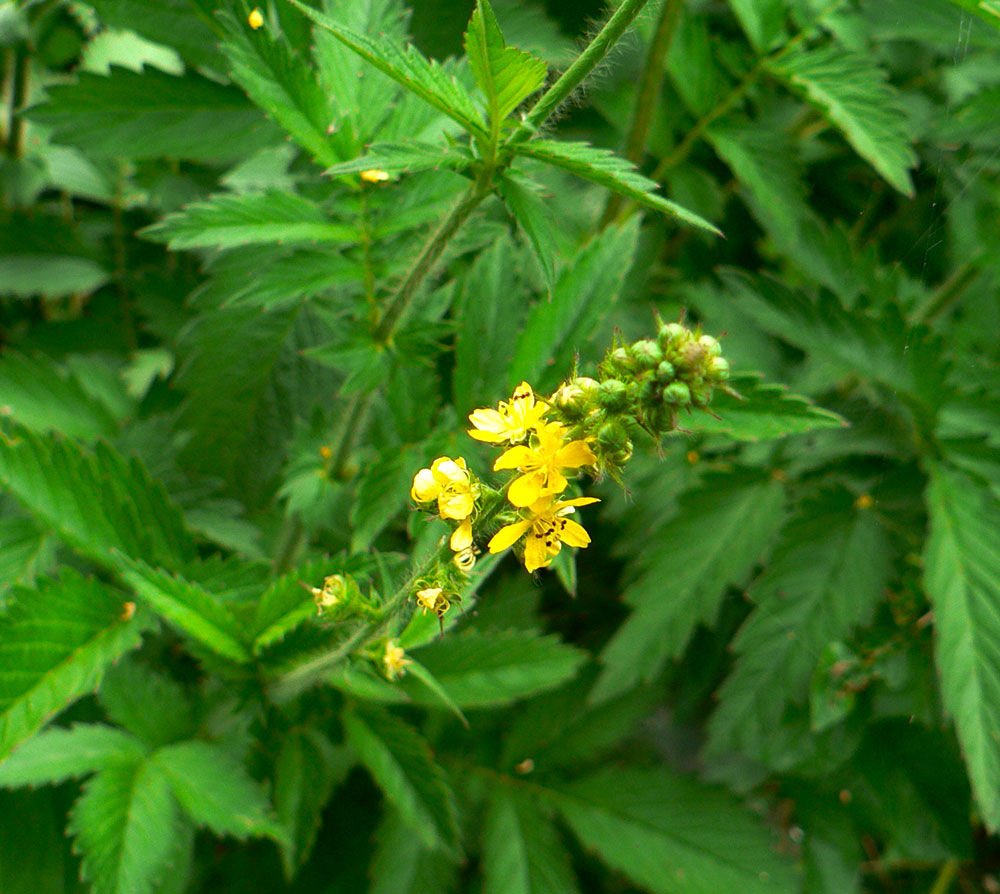
Agrimony (Xian He Cao)
Agrimonia pilosa
Agrimony astringes and stops bleeding from any location in the body. It also kills parasites, stops diarrhea, and tonifies deficiency. It is one of TCM's most versatile hemostatic herbs.
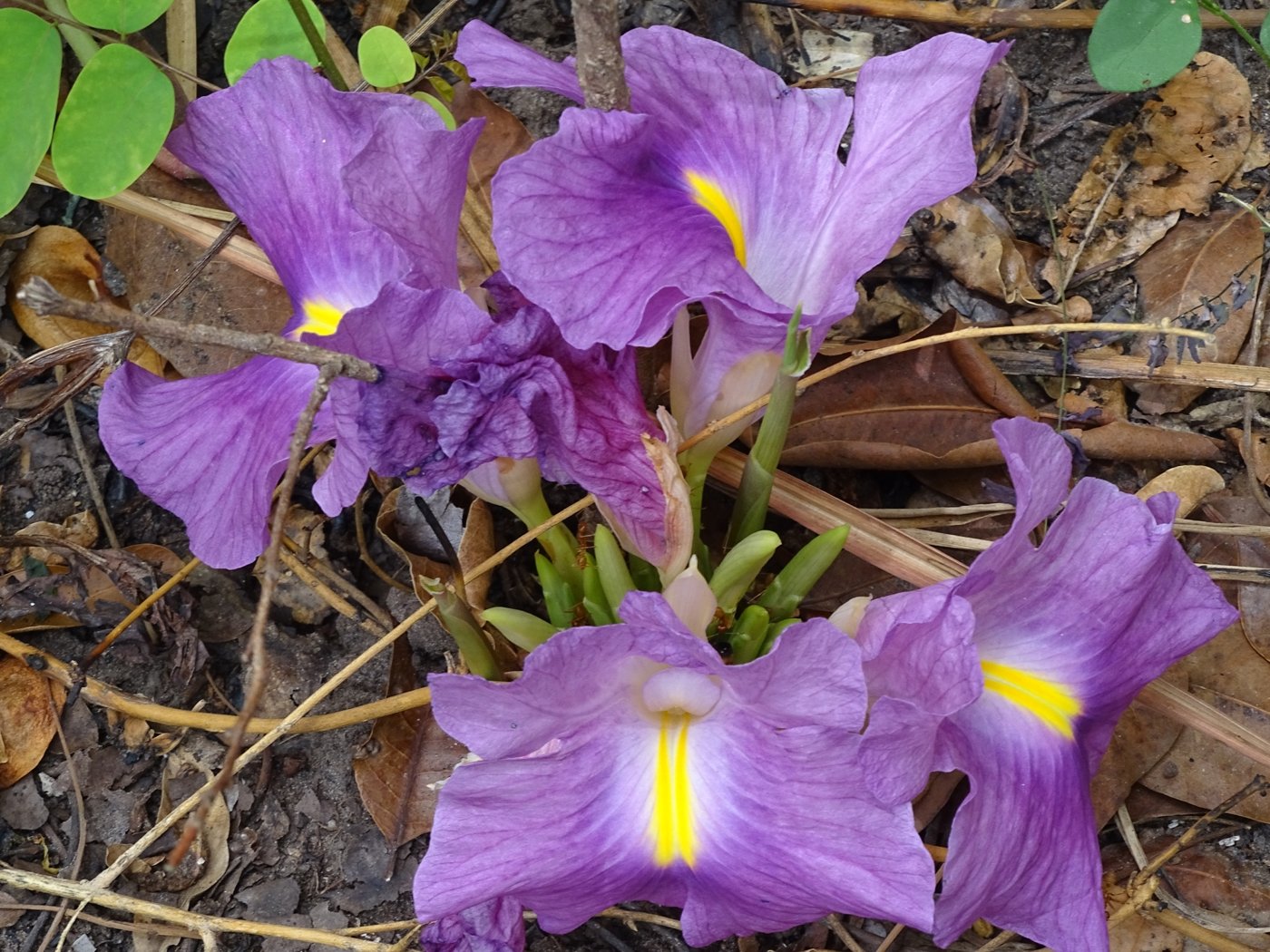
African Ginger (Wild Ginger)
Siphonochilus aethiopicus
A prized and now rare southern African wild ginger, its aromatic rhizome used for colds, flu, coughs, asthma and pain — and as a protective charm.
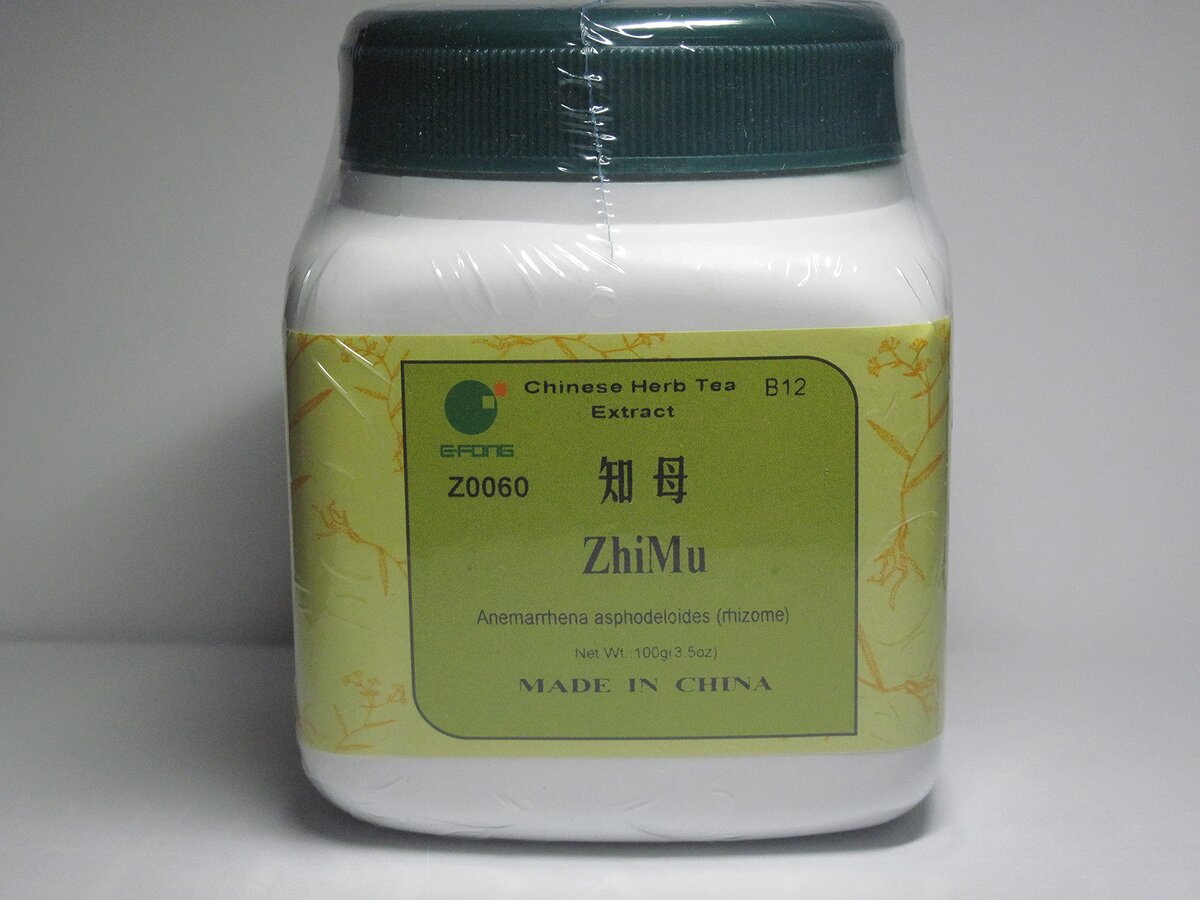
Anemarrhena (Zhi Mu)
Anemarrhena asphodeloides
Anemarrhena clears heat, drains fire, nourishes yin, and moistens dryness. It is the essential partner of Gypsum in treating high fever (Bai Hu Tang) and of Phellodendron for kidney yin deficiency fire.
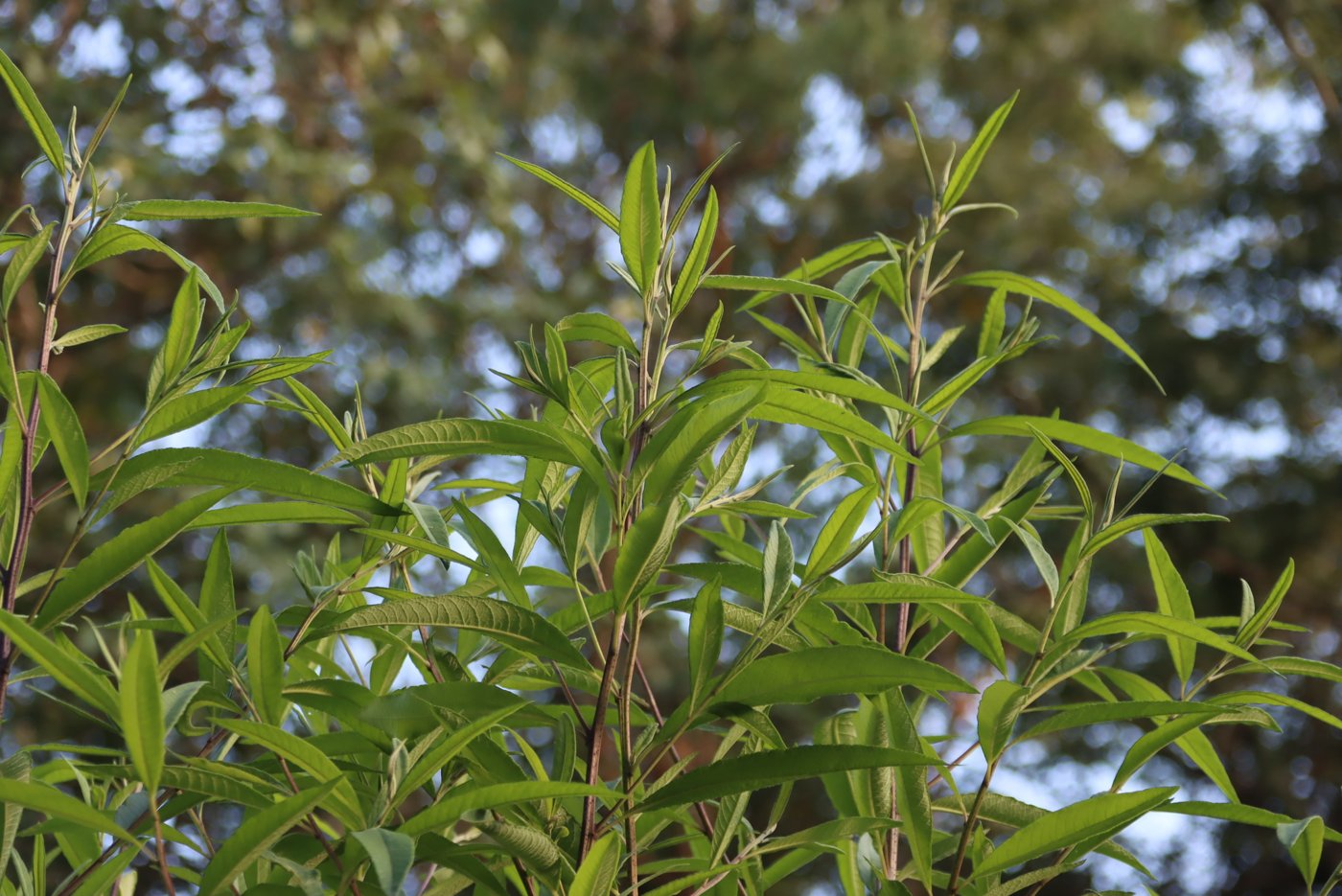
Assa-peixe
Vernonia polyanthes
A Brazilian shrub used for cough, bronchitis, and wound care.
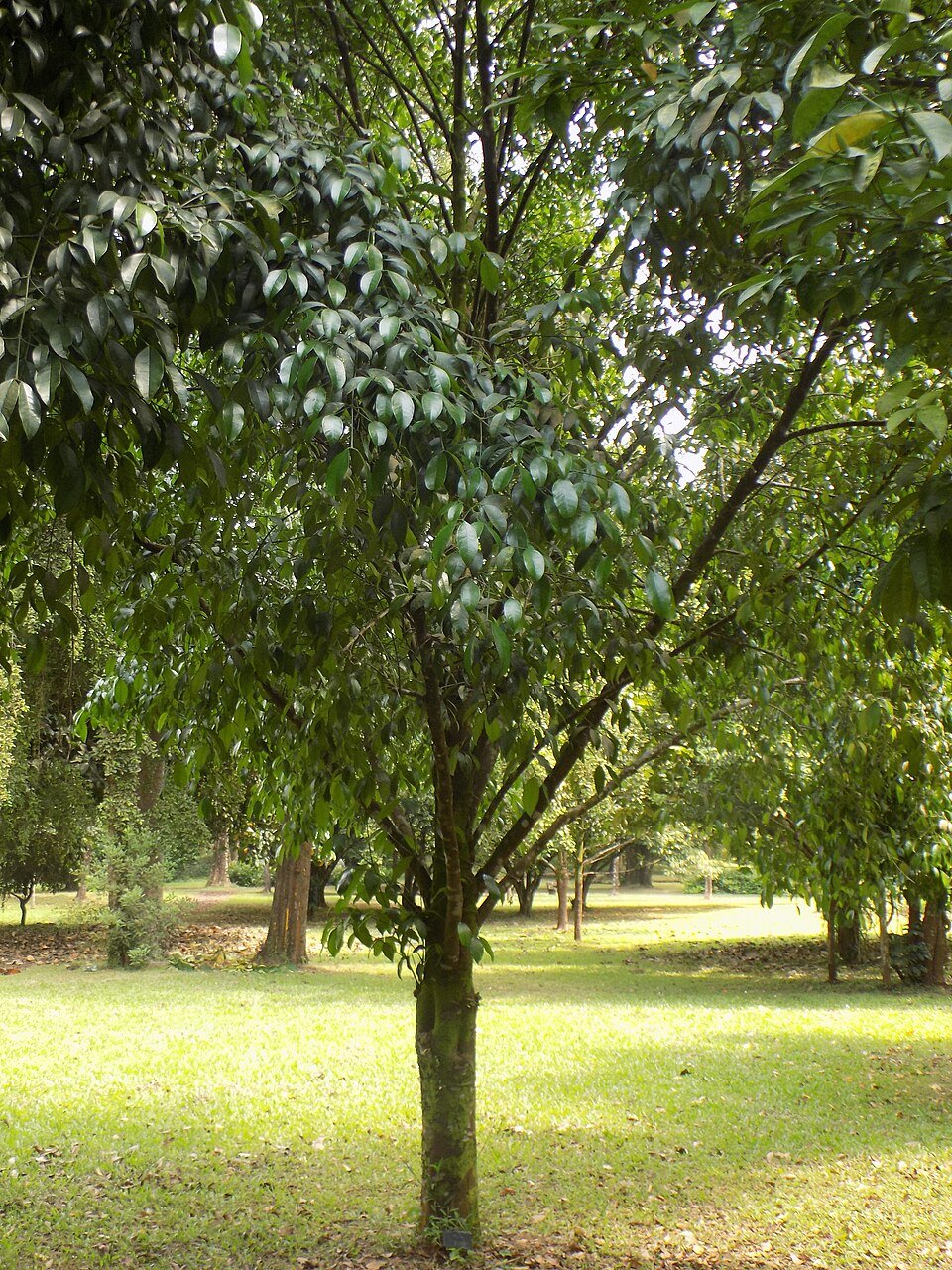
Bitter Kola
Garcinia kola
A revered West African seed chewed for respiratory health, immunity, and stamina, and researched for its unique bioflavonoid kolaviron.
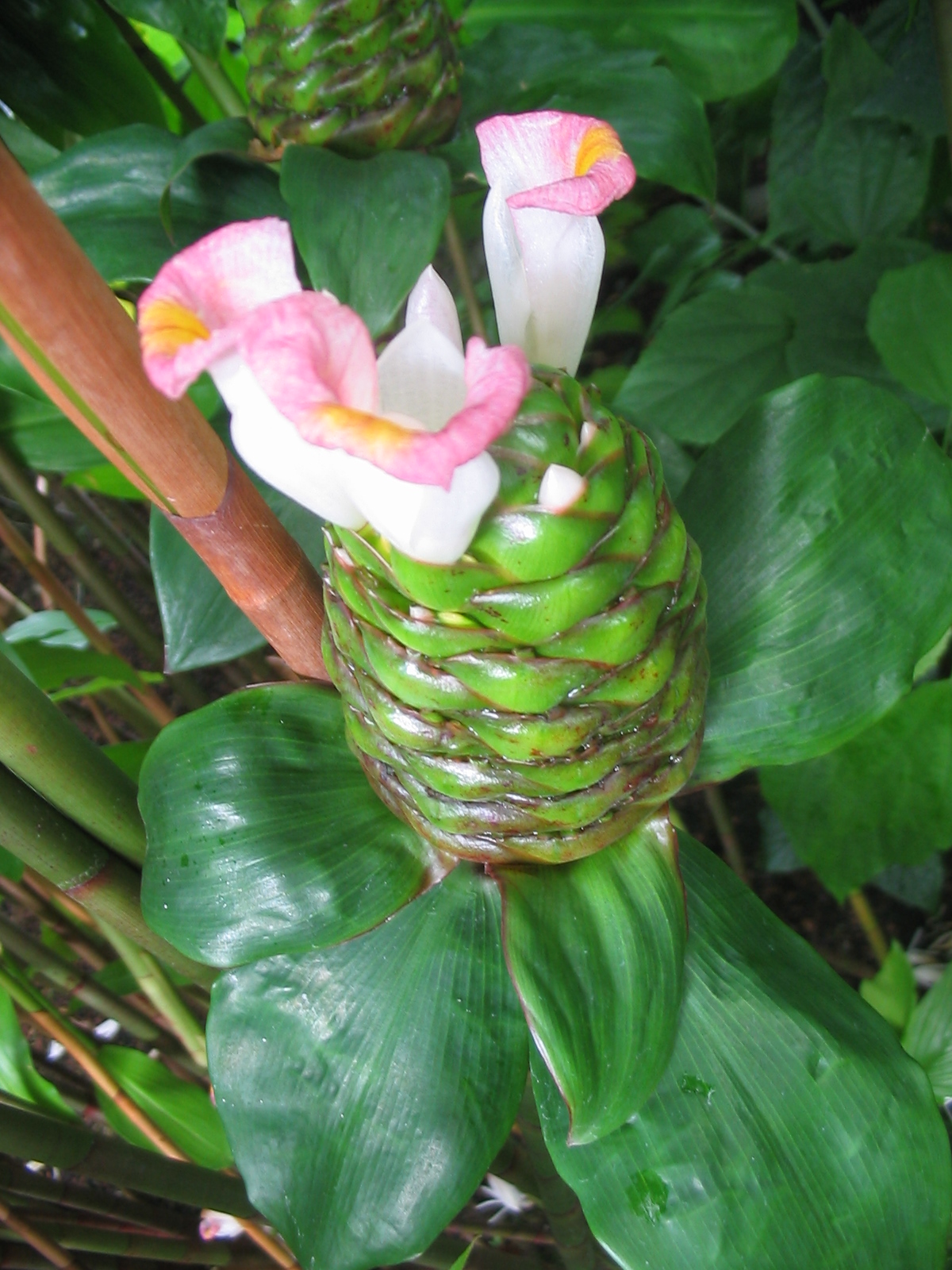
Bush Cane
Costus afer
A striking spiral-stemmed plant from African forests whose stem sap and rhizome are among the most commonly used remedies for coughs, sore throat, and inflammation across West and Central Africa.
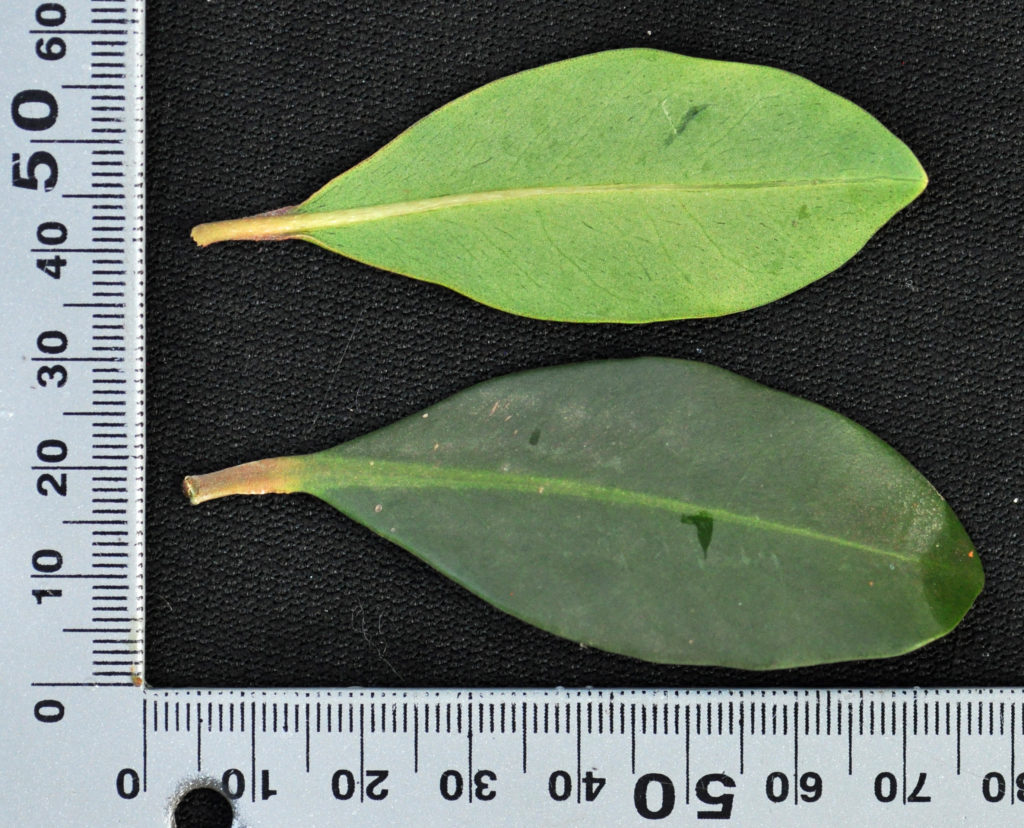
Cape Beech
Rapanea melanophloeos
A southern African evergreen tree whose bark is used for respiratory complaints, stomach ailments, muscular pain and as a traditional protective and emetic remedy.
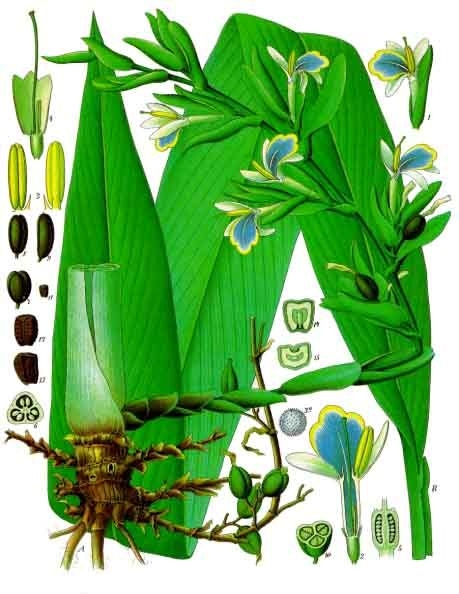
Cardamom
Elettaria cardamomum
The "Queen of Spices" and the world's third most expensive spice — a fragrant Ayurvedic digestive, respiratory and cardiac herb that uniquely balances all three doshas.
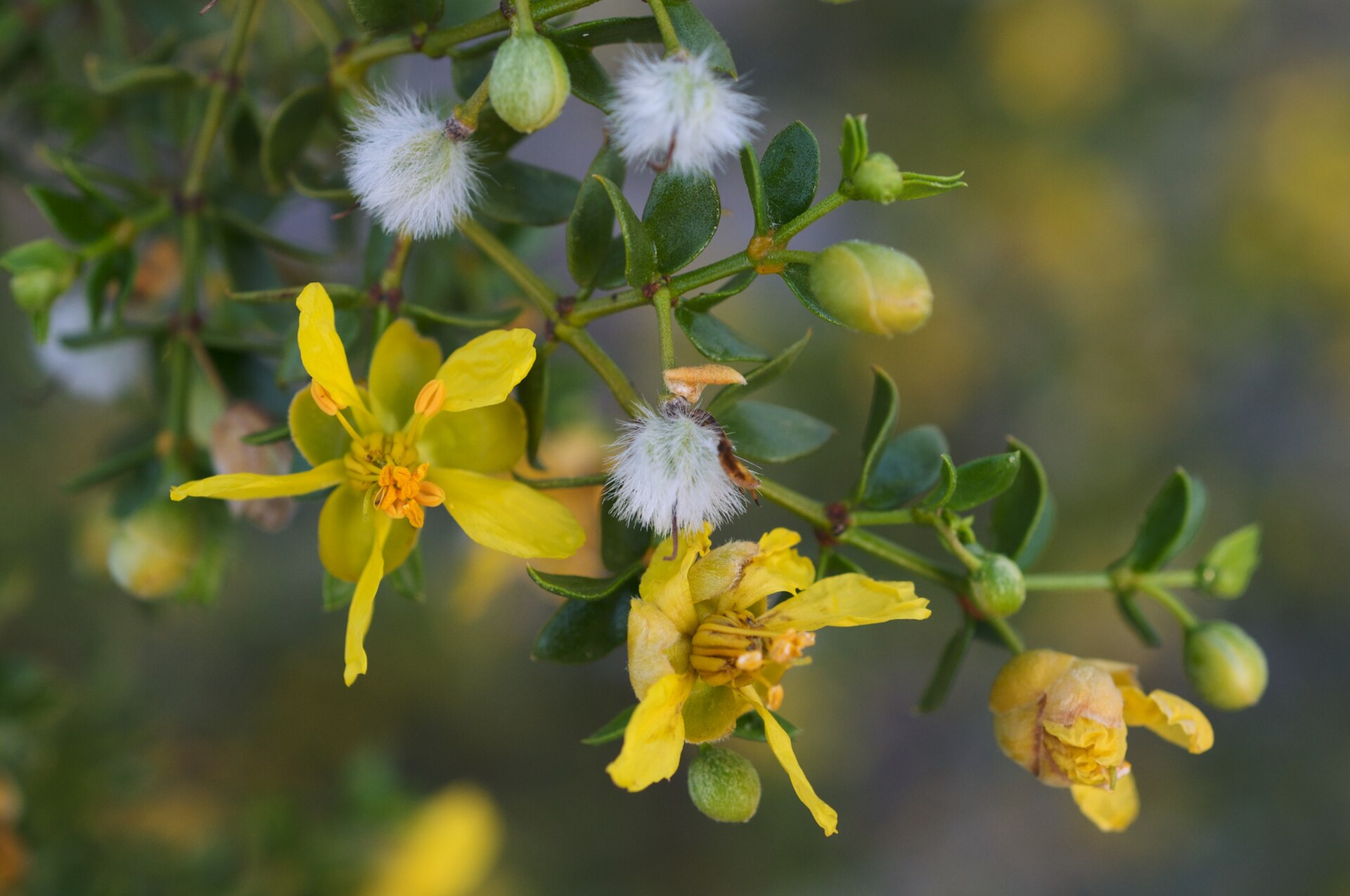
Chaparral
Larrea tridentata
A resinous desert shrub of Sonoran and Native American medicine — potent antioxidant and antimicrobial, but linked to serious liver injury when taken internally.
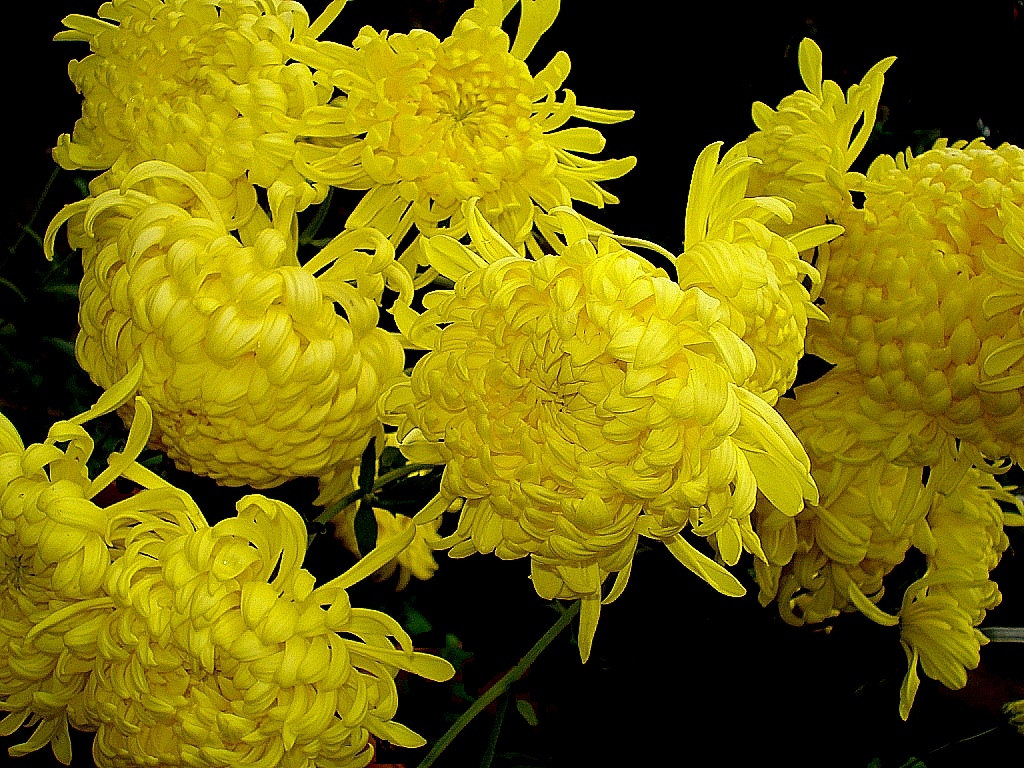
Chrysanthemum
Chrysanthemum morifolium
A cooling, eye-brightening flower that is both a beloved East Asian tea and one of TCM's most important herbs for clearing Heat, calming the Liver and protecting vision.
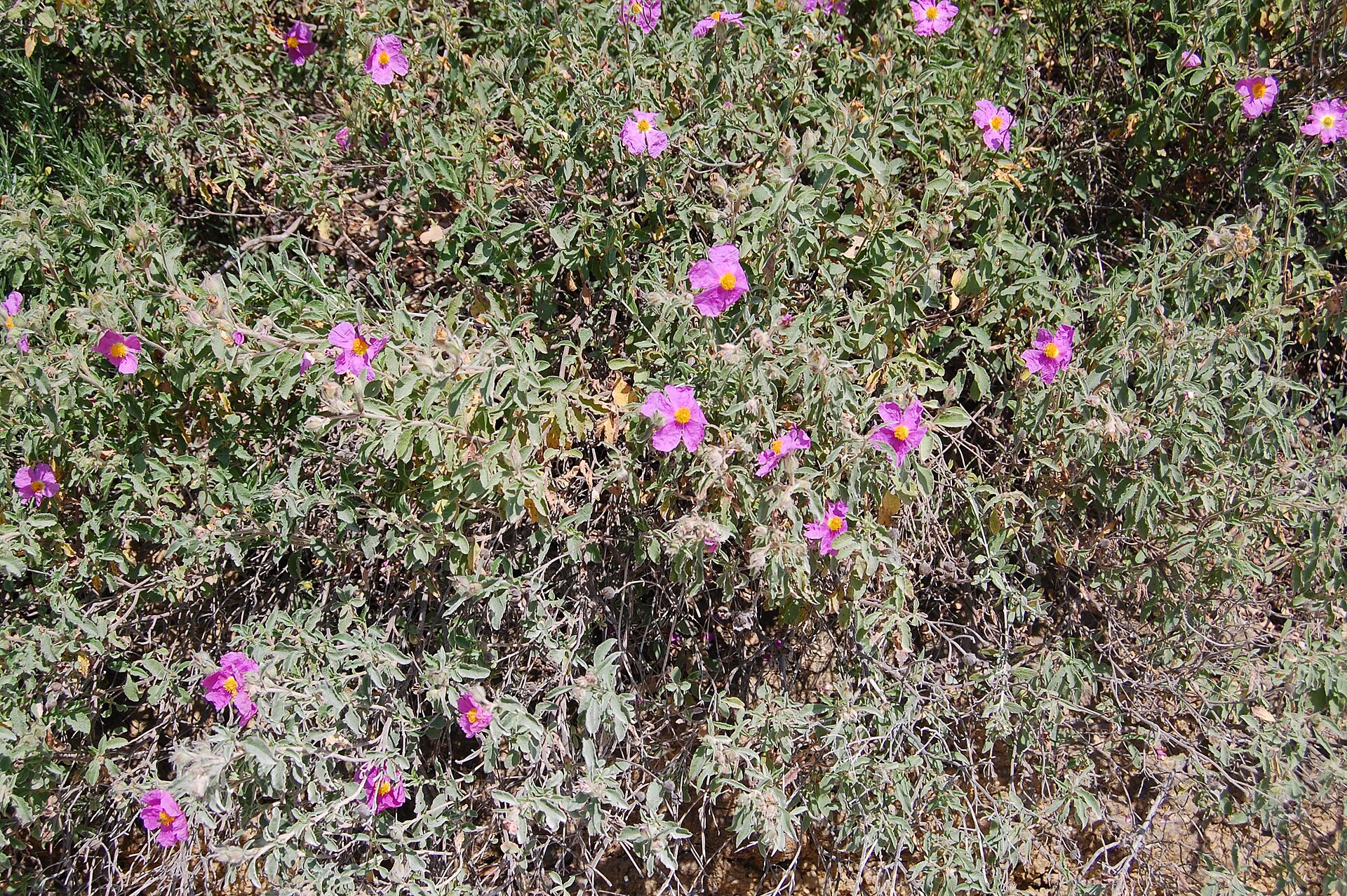
Cistus
Cistus incanus
A resilient Mediterranean shrub producing one of the most polyphenol-rich plant extracts known — traditionally used for wound healing and now attracting research attention for potent antiviral, anti-biofilm and cardiovascular-protective properties.
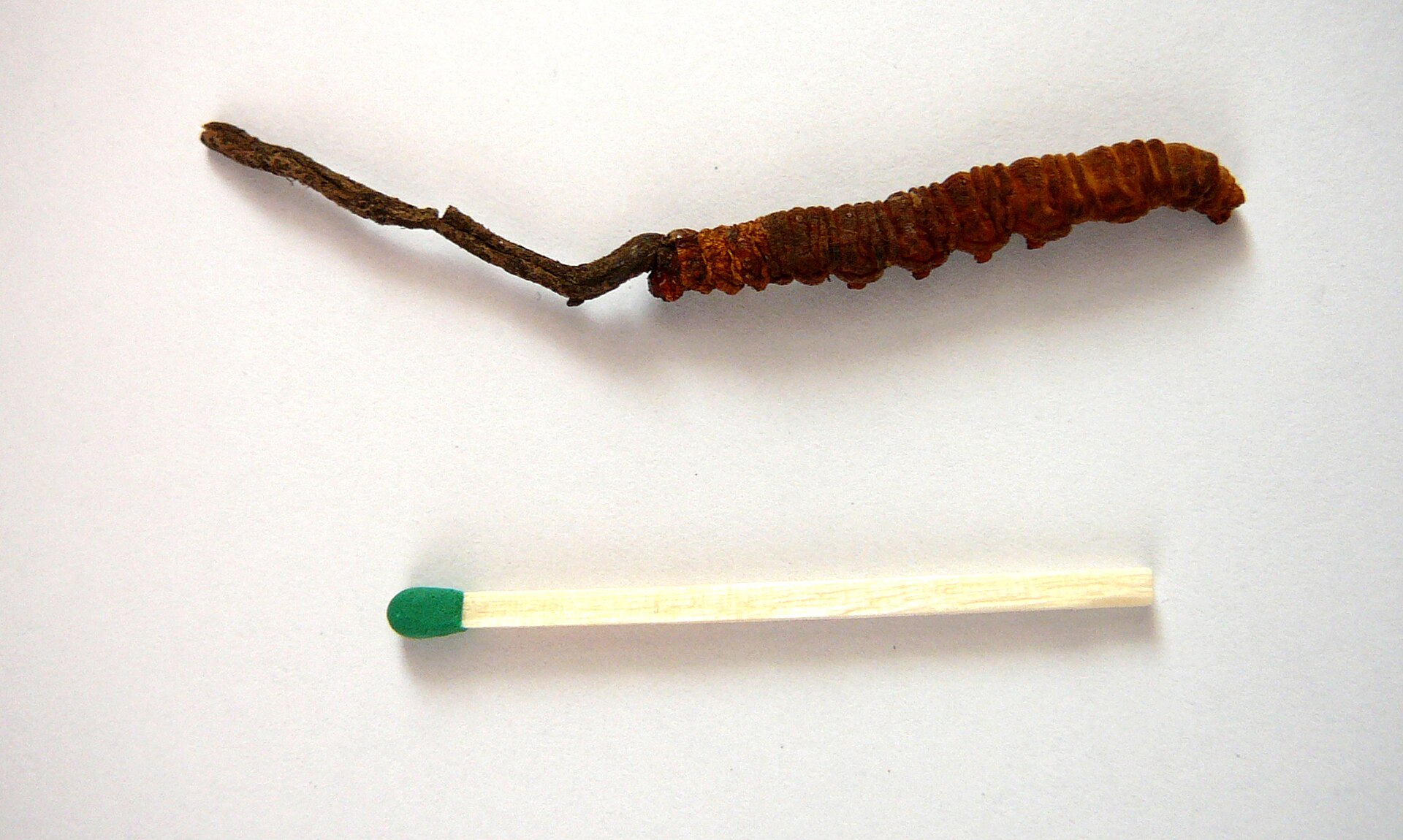
Cordyceps
Ophiocordyceps sinensis
The legendary "winter worm, summer grass" of Tibetan and Chinese medicine — a parasitic fungus that grows from caterpillars at extreme altitude, prized for energy, endurance, kidney and lung support.
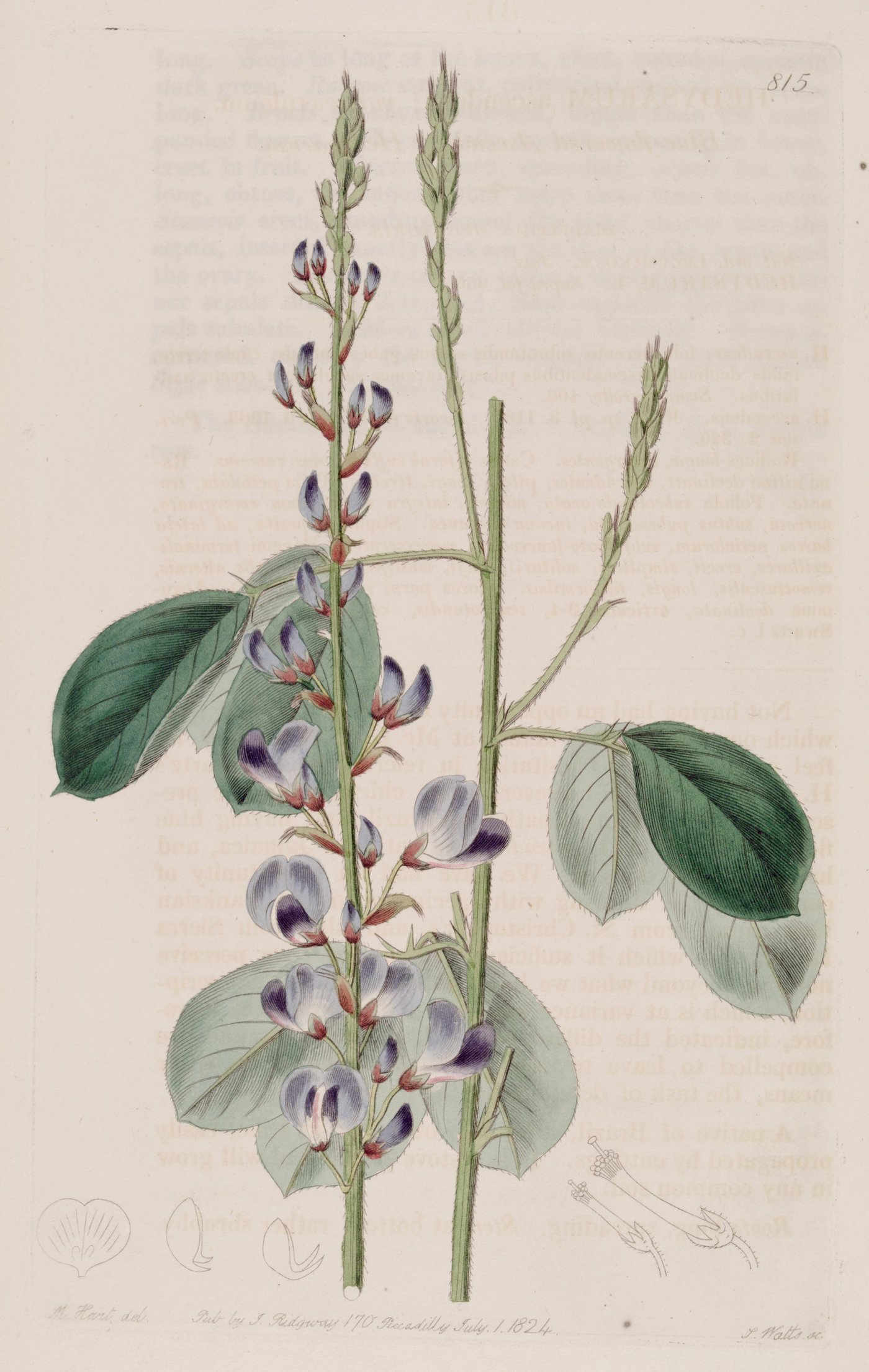
Desmodium (Amor Seco)
Desmodium adscendens
A tropical creeping legume used for asthma, liver support, and muscle relaxation across Africa and the Americas.
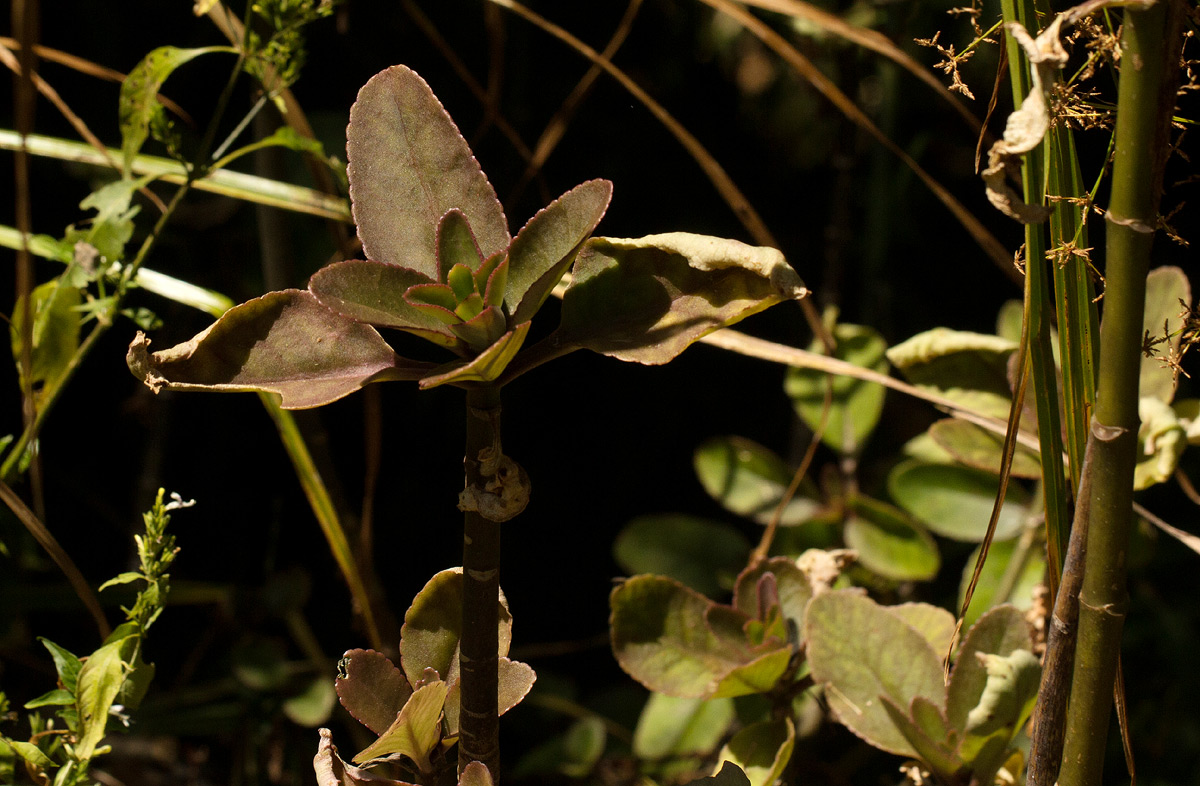
Dog’s Liver (Kalanchoe)
Kalanchoe crenata
A succulent African herb whose warmed, juicy leaves are a classic folk remedy for earache, headaches, inflammation and wounds — but taken internally the genus can affect the heart.
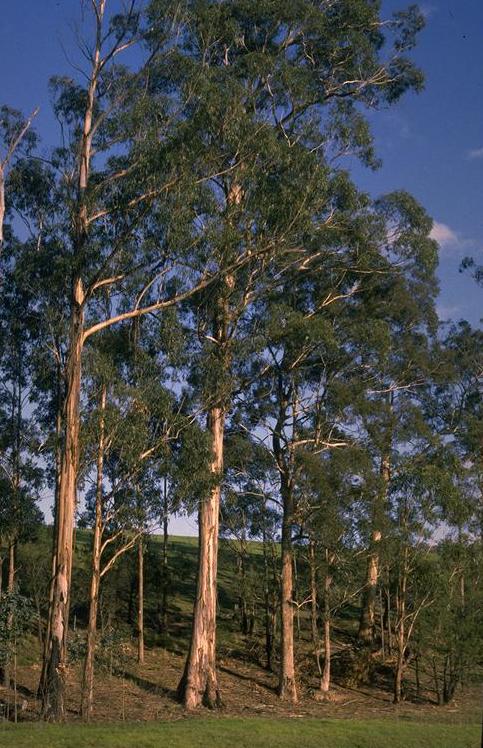
Eucalyptus
Eucalyptus globulus
The breath of the bush — Aboriginal fever medicine whose cineole-rich oil now anchors chest rubs, steam inhalations, and cough formulas worldwide.
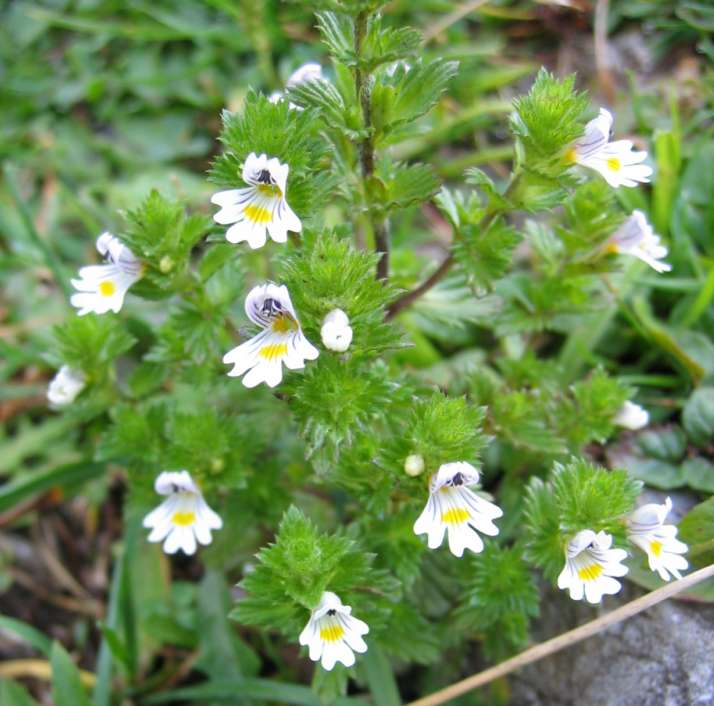
Eyebright
Euphrasia officinalis
A tiny semi-parasitic meadow flower and the classic European remedy for irritated, watery, inflamed eyes and hay fever.
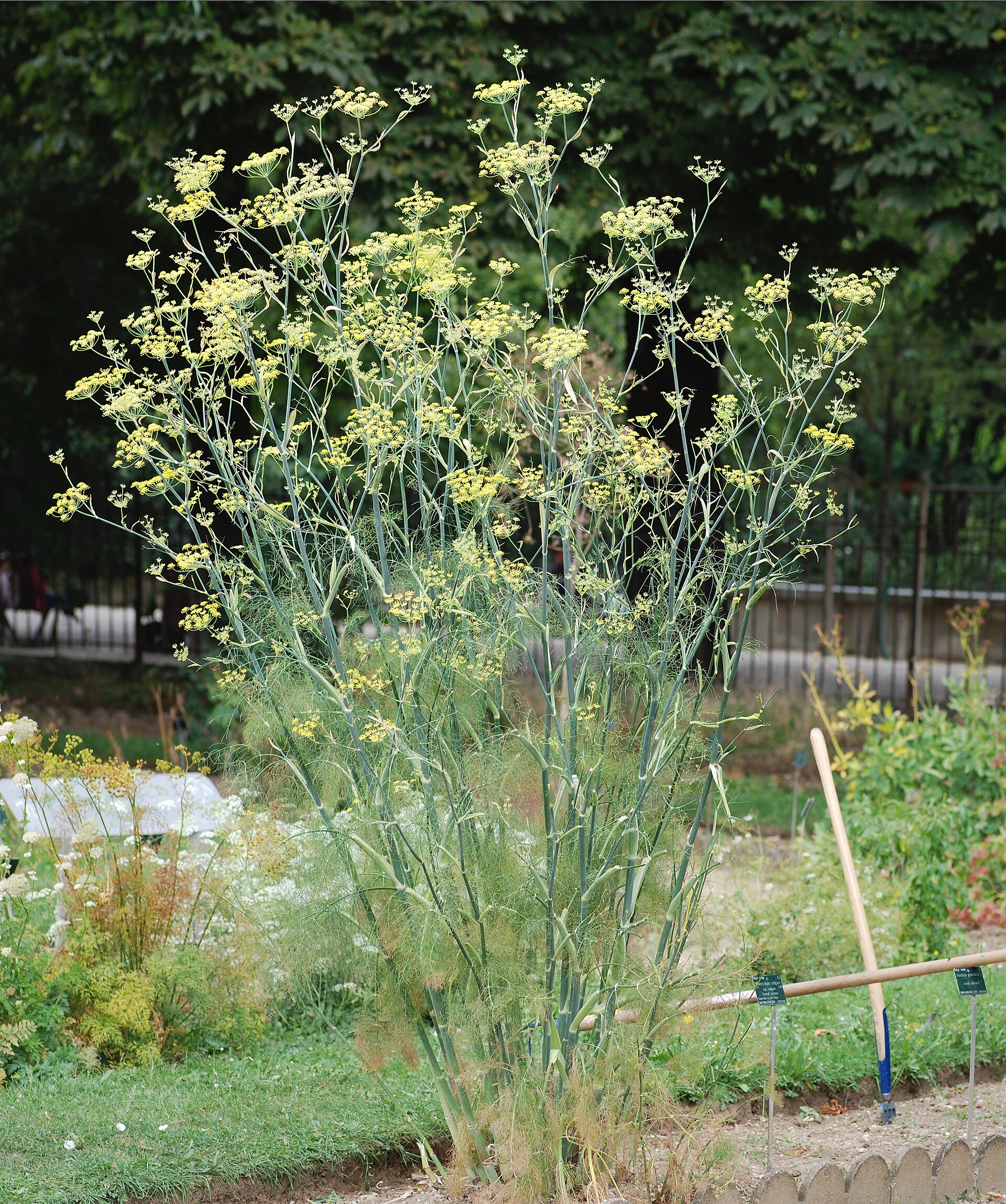
Fennel
Foeniculum vulgare
A fragrant Mediterranean herb whose seeds, leaves and bulb have been used since antiquity as a digestive carminative, galactagogue and flavouring — one of the oldest cultivated plants in Europe.
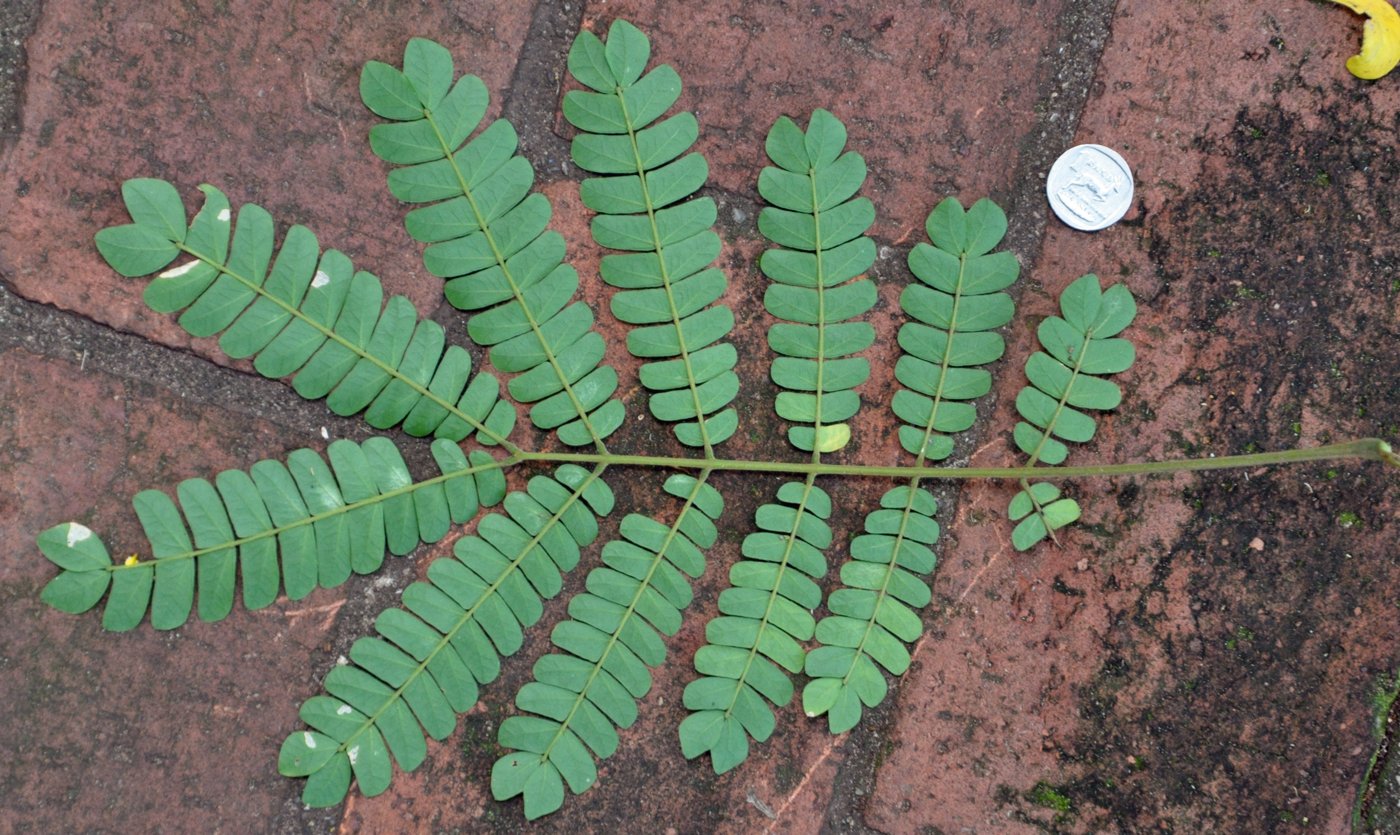
Flat-Crown Albizia
Albizia adianthifolia
A flat-topped African tree whose saponin-rich bark and roots are used for coughs, skin and nervous complaints, but which is an irritant and toxic in excess.
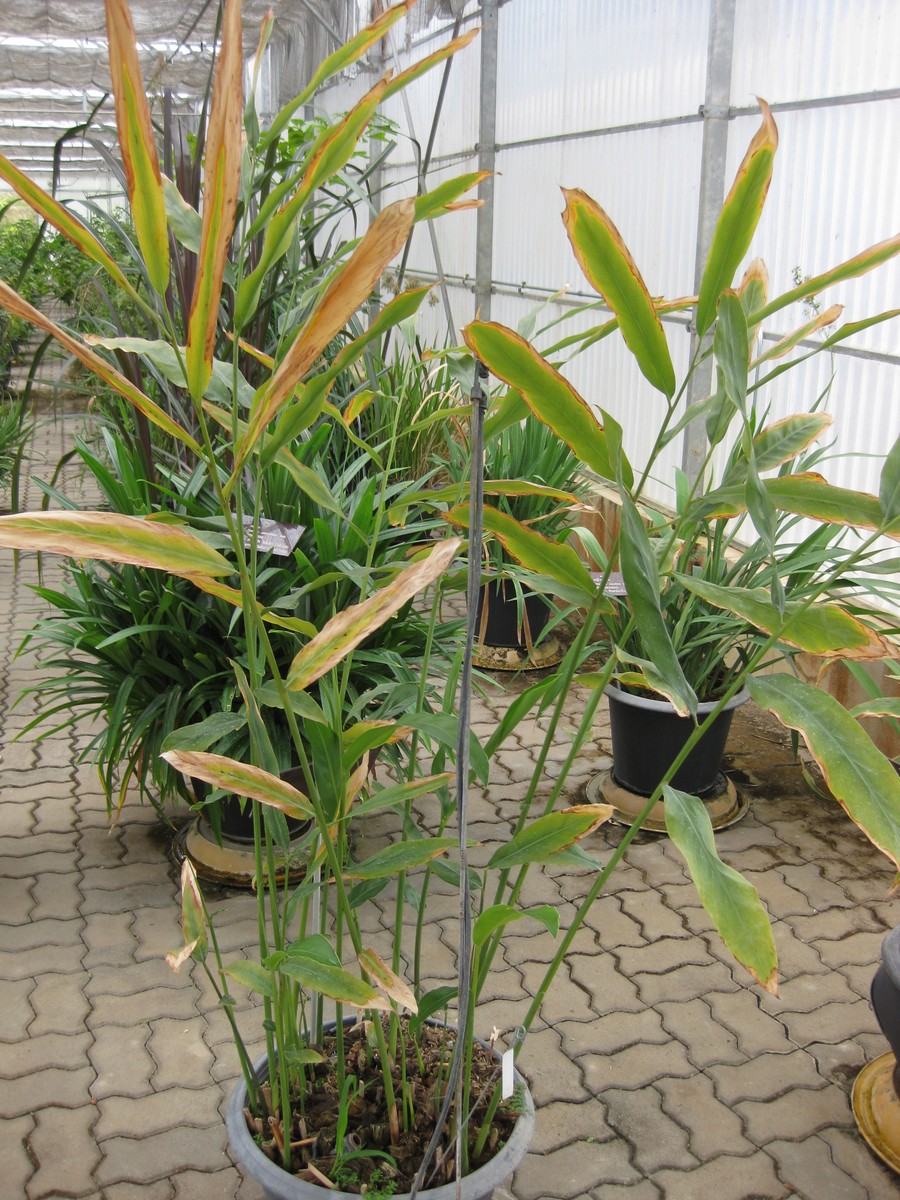
Galangal
Alpinia galanga
A towering relative of ginger central to Southeast Asian cuisine and traditional medicine — used for centuries across Thai, Indonesian and Malay healing traditions for digestive complaints, pain relief and as a warming circulatory stimulant.
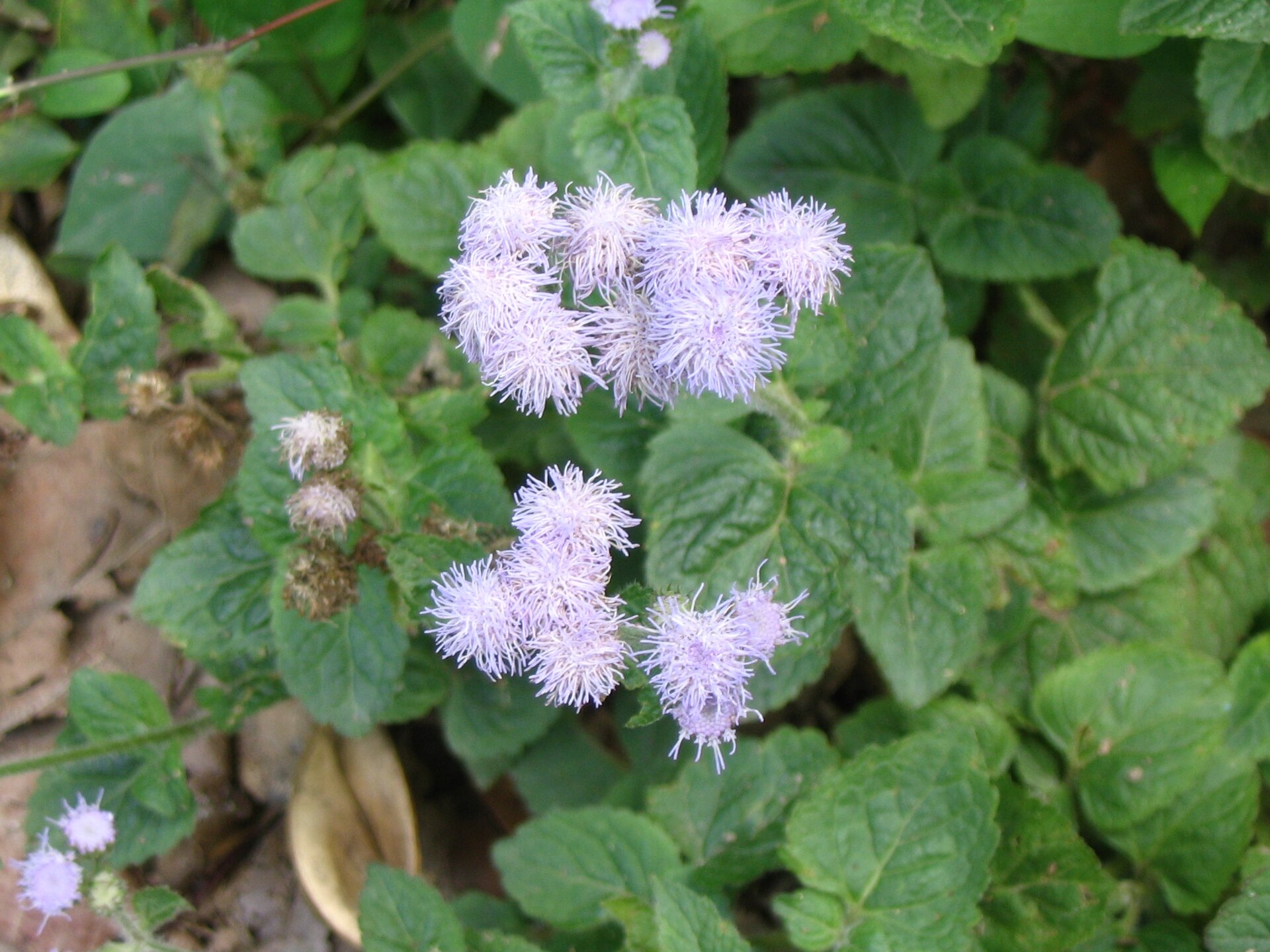
Goat Weed
Ageratum conyzoides
A pan-tropical weed used in West African and Brazilian folk medicine as a wound healer, anti-inflammatory, and analgesic — particularly for burns, ulcers, and arthritic pain.
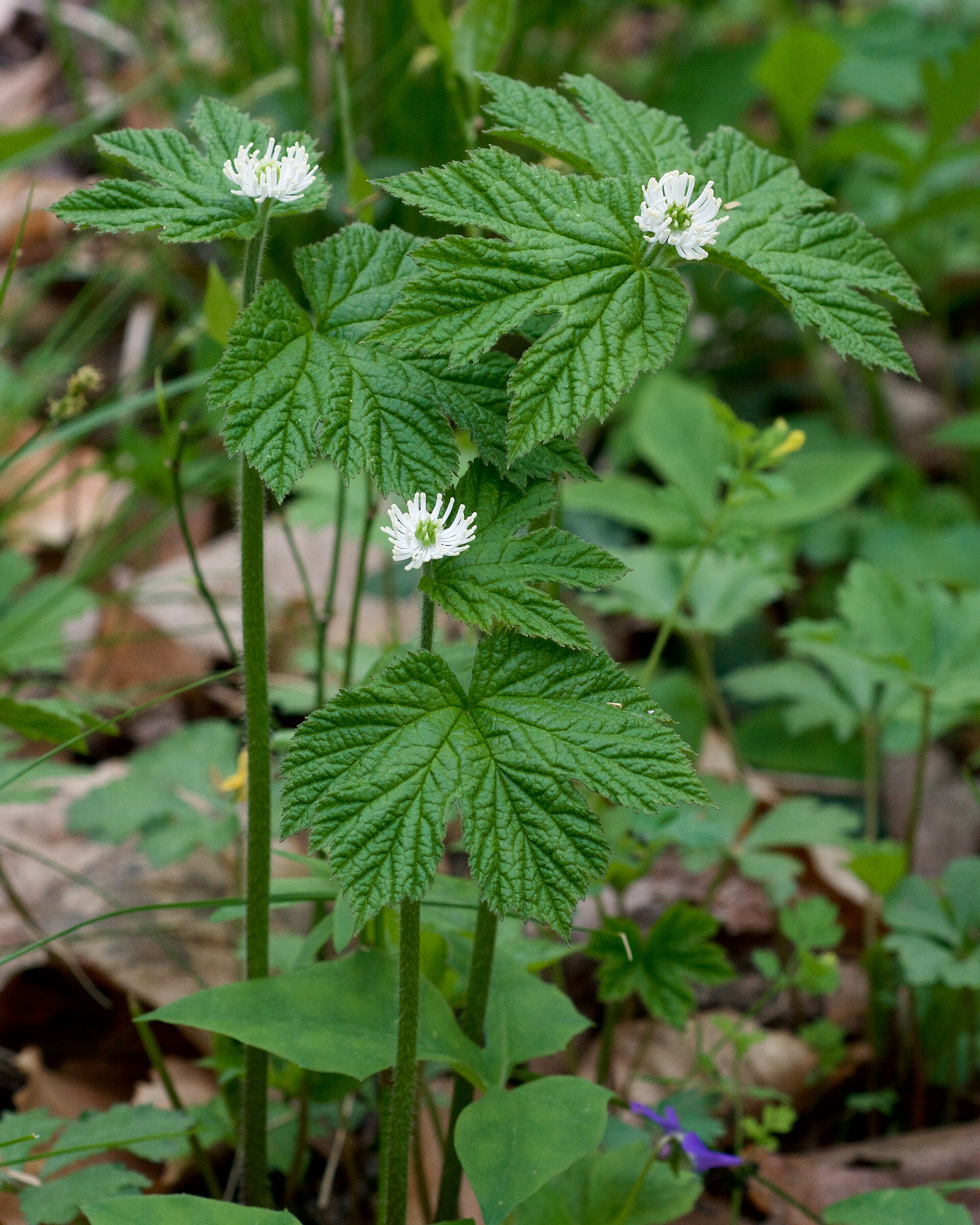
Goldenseal
Hydrastis canadensis
Appalachia’s golden antimicrobial — berberine-rich mucous membrane medicine of the Cherokee, now so popular it’s endangered in the wild.
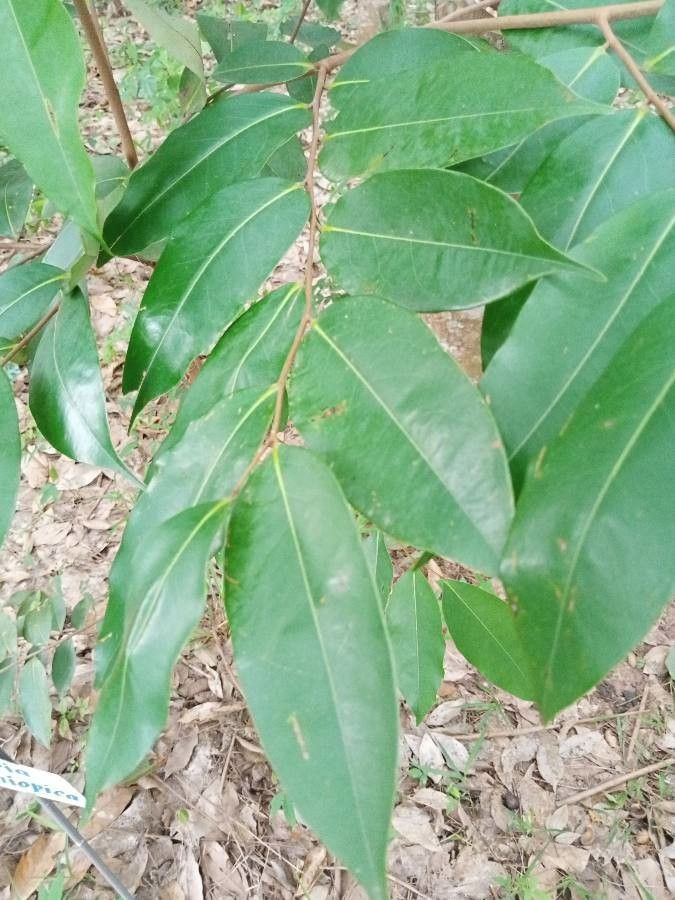
Grains of Selim
Xylopia aethiopica
A smoky, aromatic West African pepper pod used as both spice and medicine — famous in Nigerian post-partum care, and used for coughs, colds, digestion and pain.
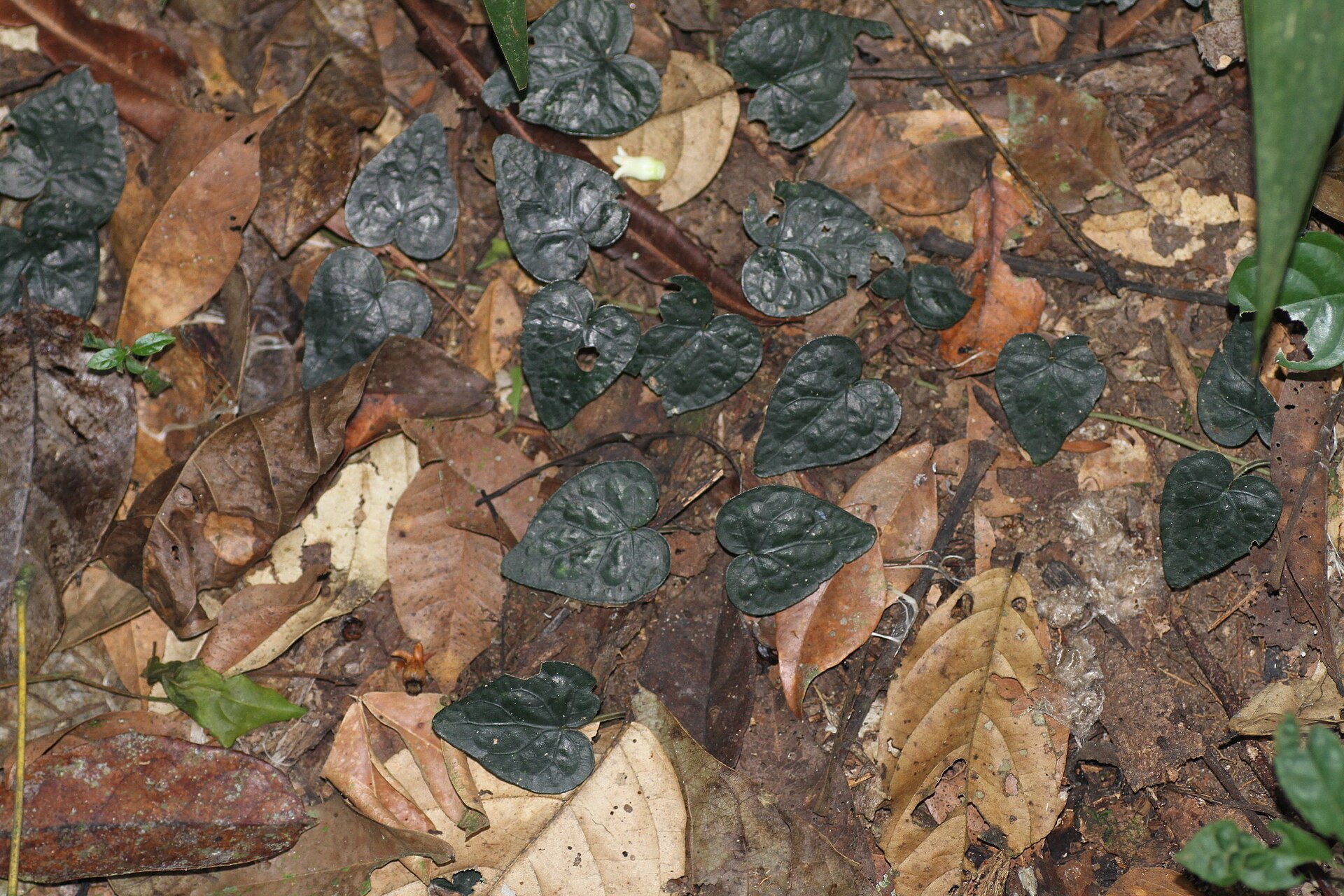
Ground Creeper
Geophila obvallata
A tiny, creeping forest-floor herb from West Africa used in traditional medicine for treating coughs, asthma, and ear infections. Its small bright berries and prostrate habit make it a distinctive forest understorey plant.
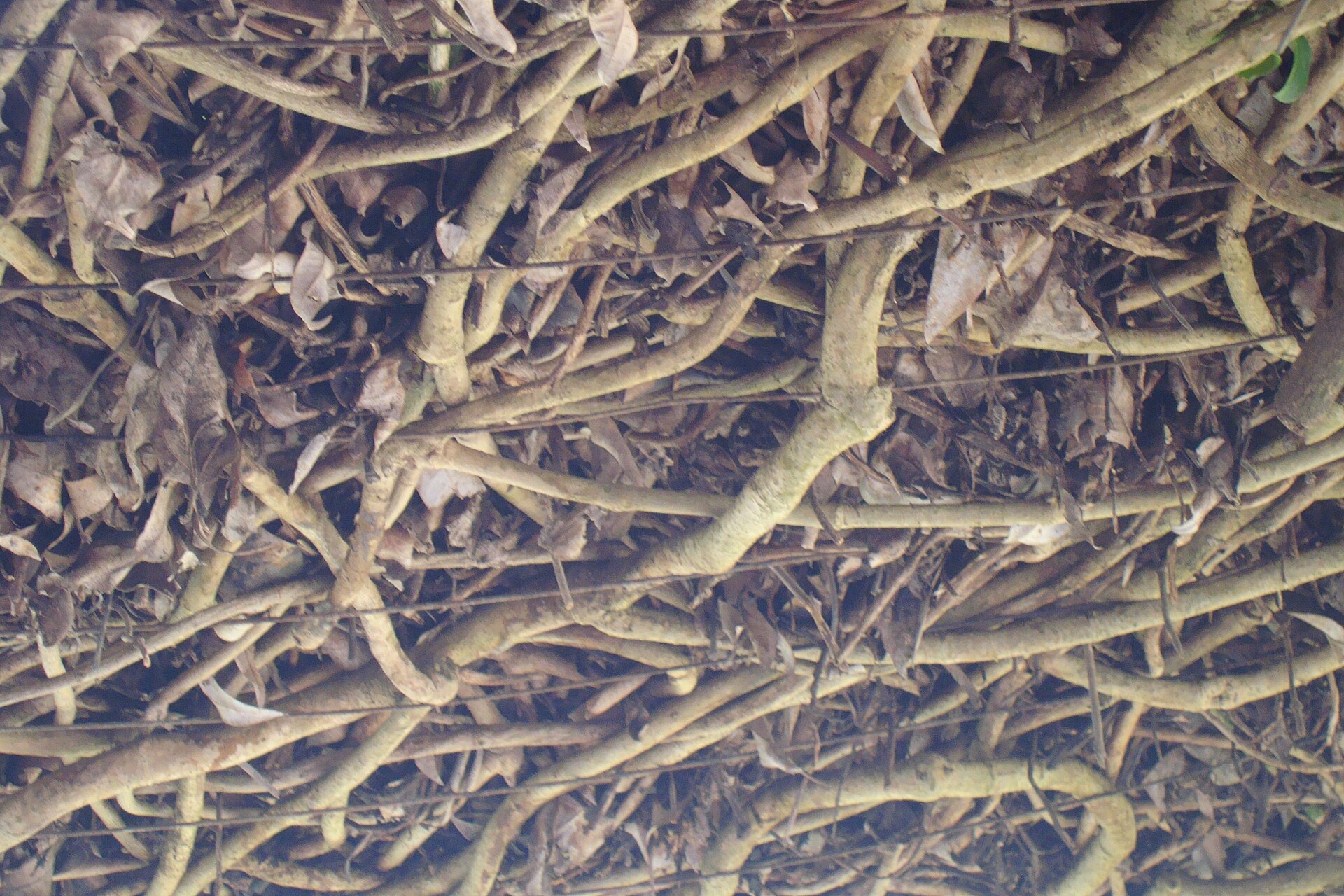
Guaco
Mikania guaco
A Latin American and Caribbean climbing vine used as a bronchodilator for asthma and bronchitis, and traditionally as a snakebite remedy. Registered as a herbal cough medicine in Brazil.
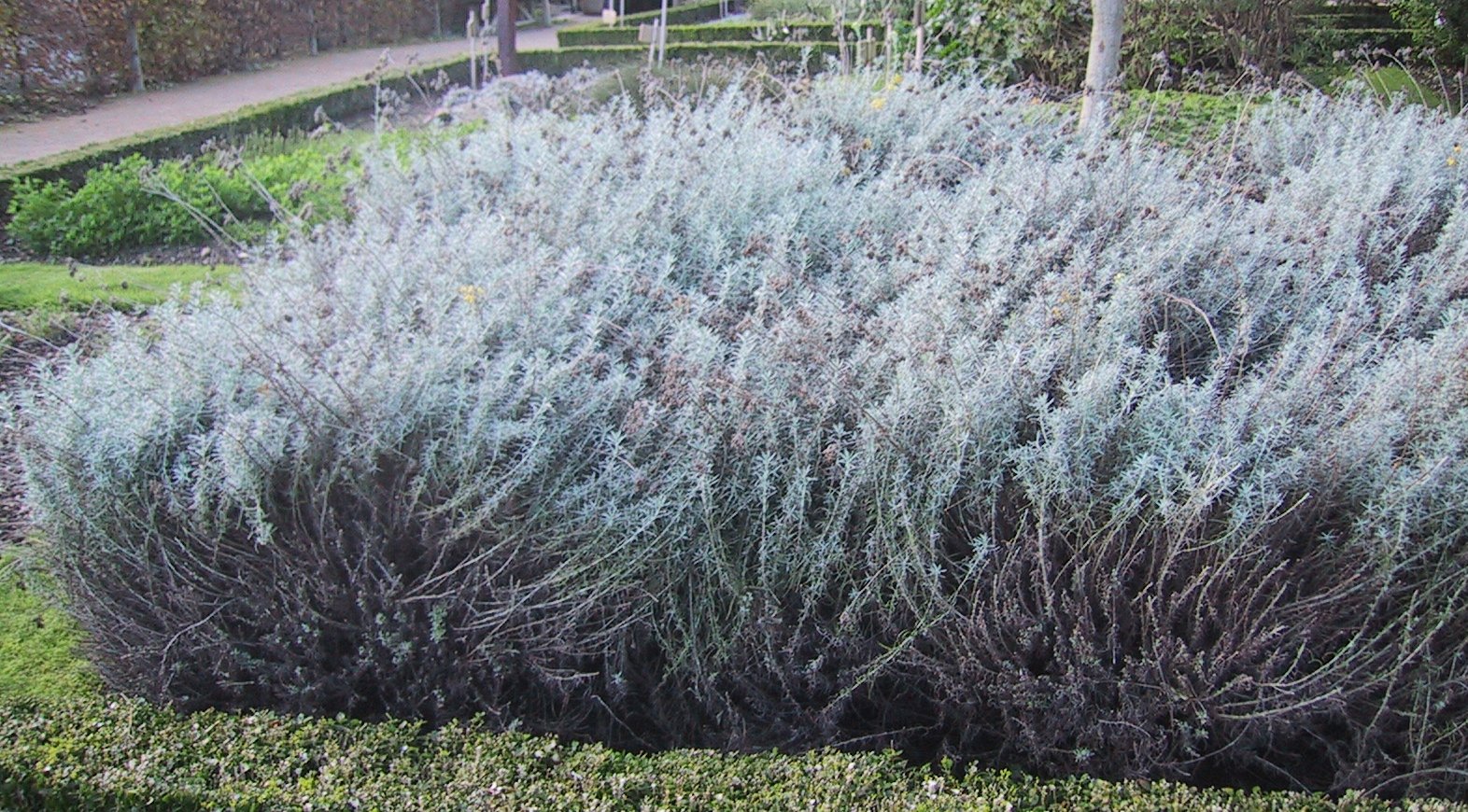
Helichrysum
Helichrysum italicum
The "Immortal Flower" of the Mediterranean maquis — a rising star in modern phytotherapy prized for exceptional anti-inflammatory, wound-healing and skin-regenerating properties, with emerging evidence for anti-allergic and hepatoprotective effects.
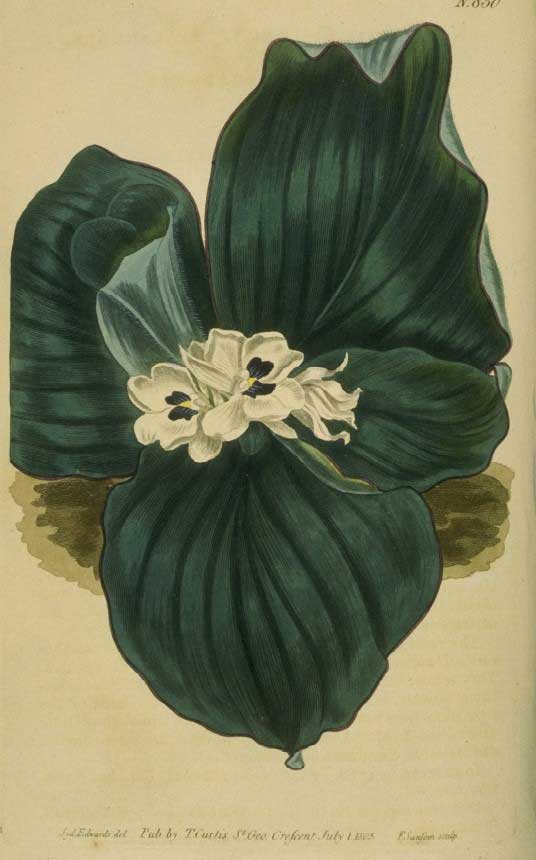
Kencur
Kaempferia galanga
A small but potent aromatic ginger prized in Javanese Jamu tradition as a cough remedy, voice tonic and energy booster — the star ingredient of the famous Jamu Beras Kencur drink given to children and singers across Indonesia.
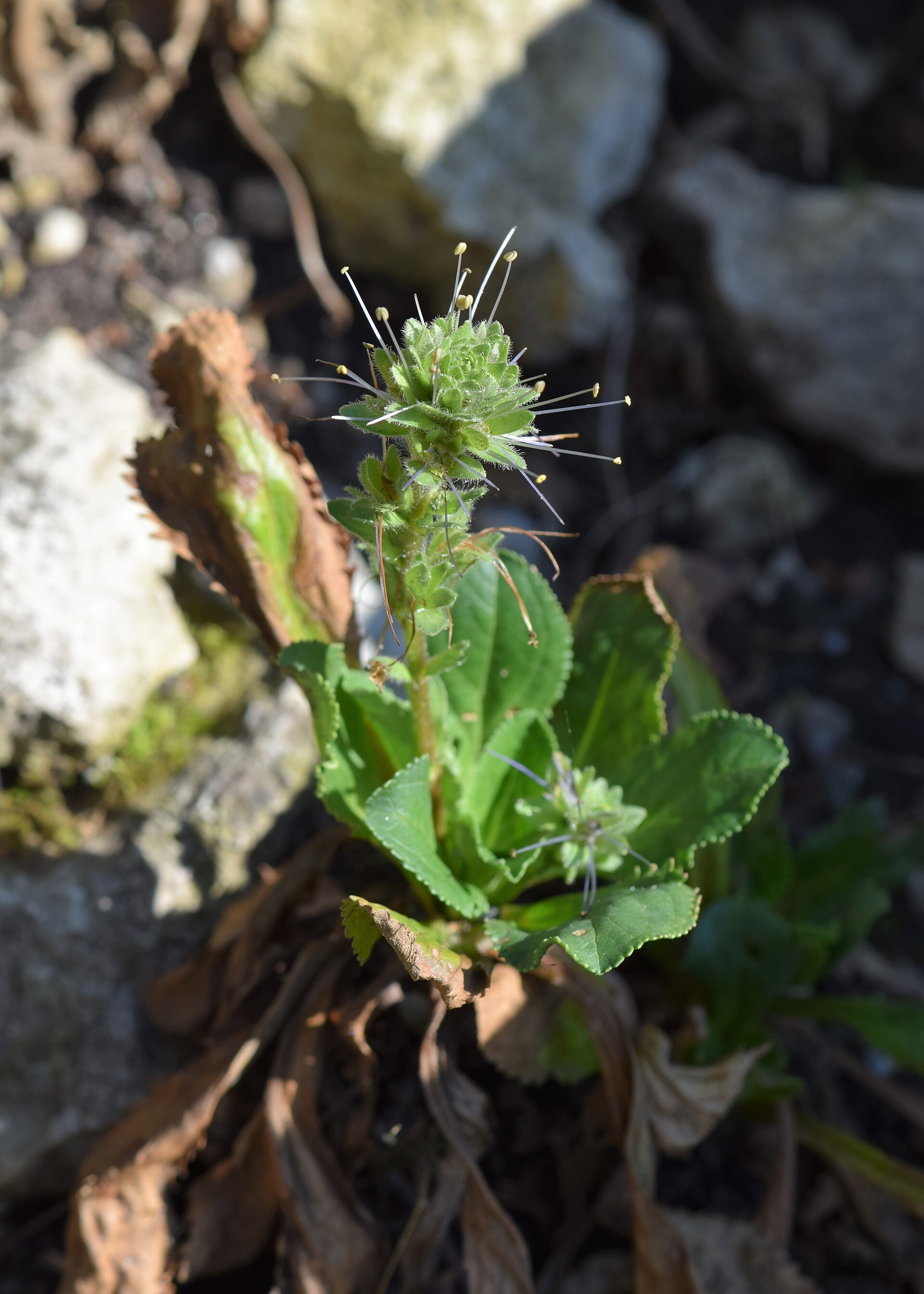
Kutki
Picrorhiza kurroa
The supreme liver herb of Ayurveda — a rare Himalayan alpine plant with potent hepatoprotective compounds (kutkoside and picroliv) that have shown clinical efficacy comparable to silymarin for liver protection.
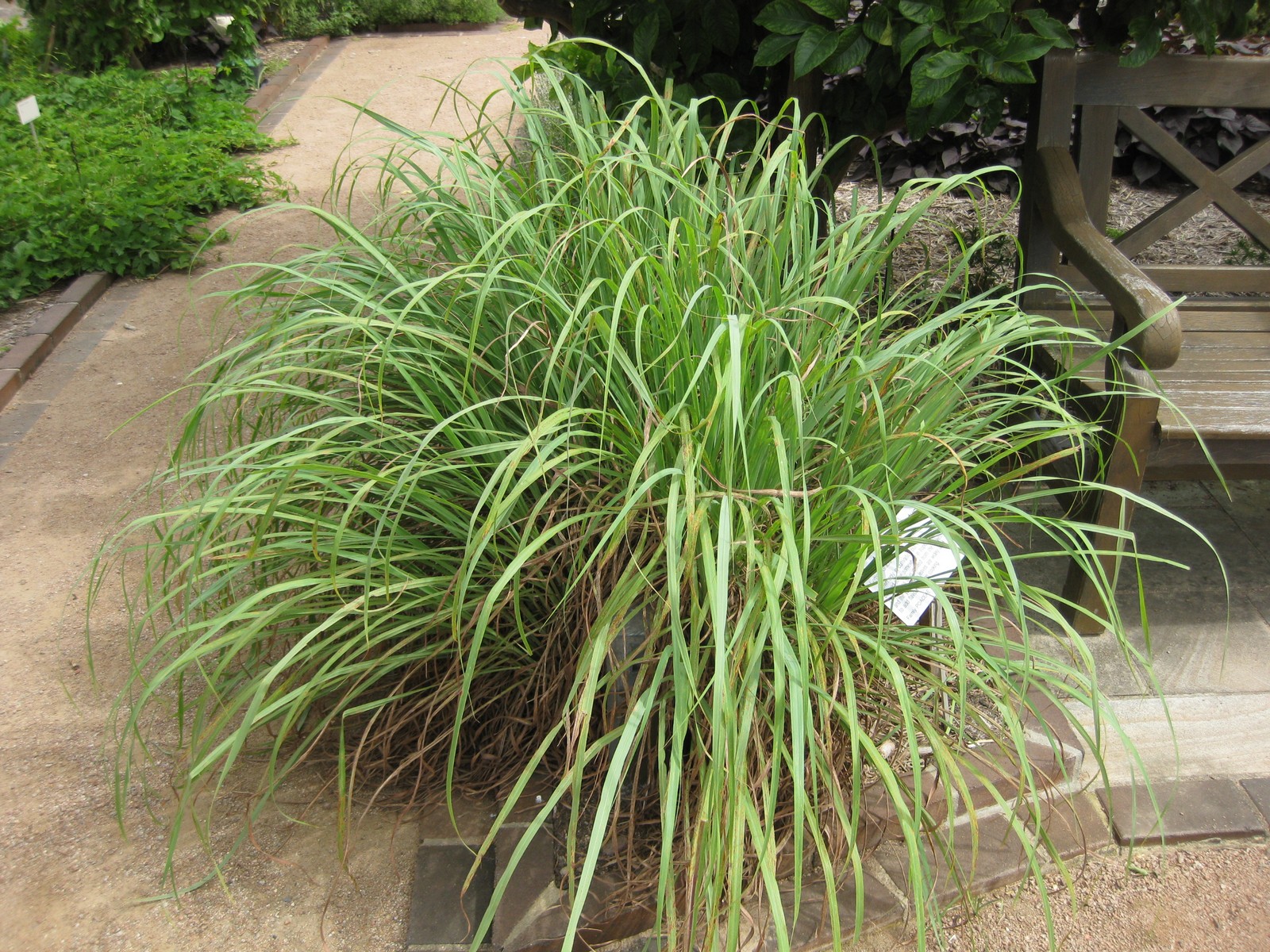
Lemongrass
Cymbopogon citratus
A fragrant tropical grass whose leaves are a universal fever remedy across West Africa and the Caribbean — brewed as tea for malaria, colds, and digestive spasms, and distilled for its citral-rich essential oil.
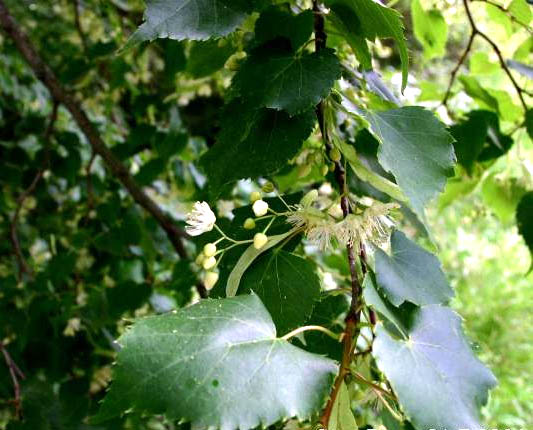
Linden
Tilia cordata
The beloved lime tree of European town squares — whose fragrant flowers make one of the most popular and gentle herbal teas in the world, prized for calming anxiety, lowering fevers and soothing colds.
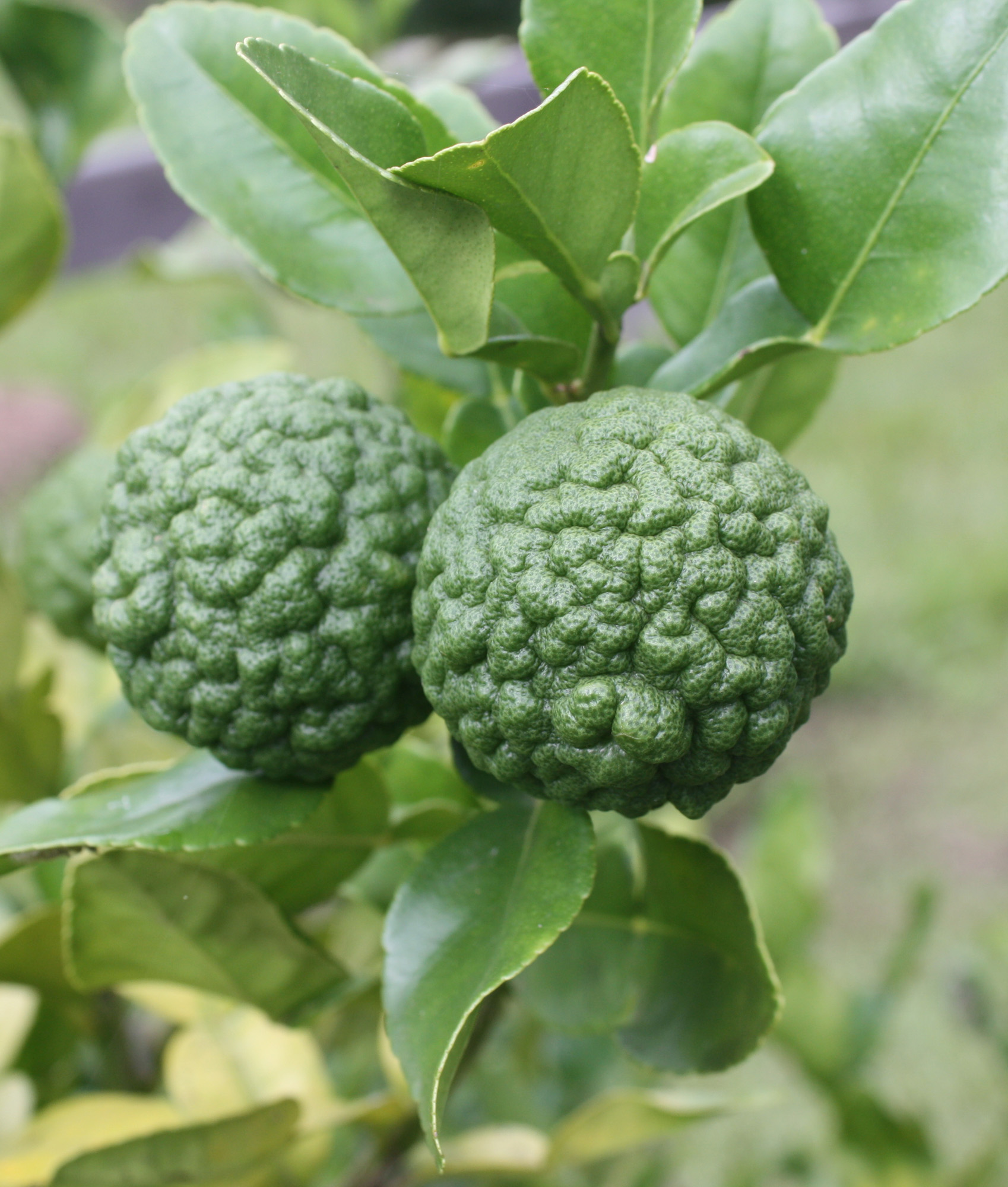
Makrut Lime
Citrus hystrix
A Southeast Asian citrus tree with uniquely double-lobed leaves and bumpy fruit — essential in Thai and Indonesian cuisine and traditional medicine for its powerful antimicrobial, anxiolytic and digestive properties.
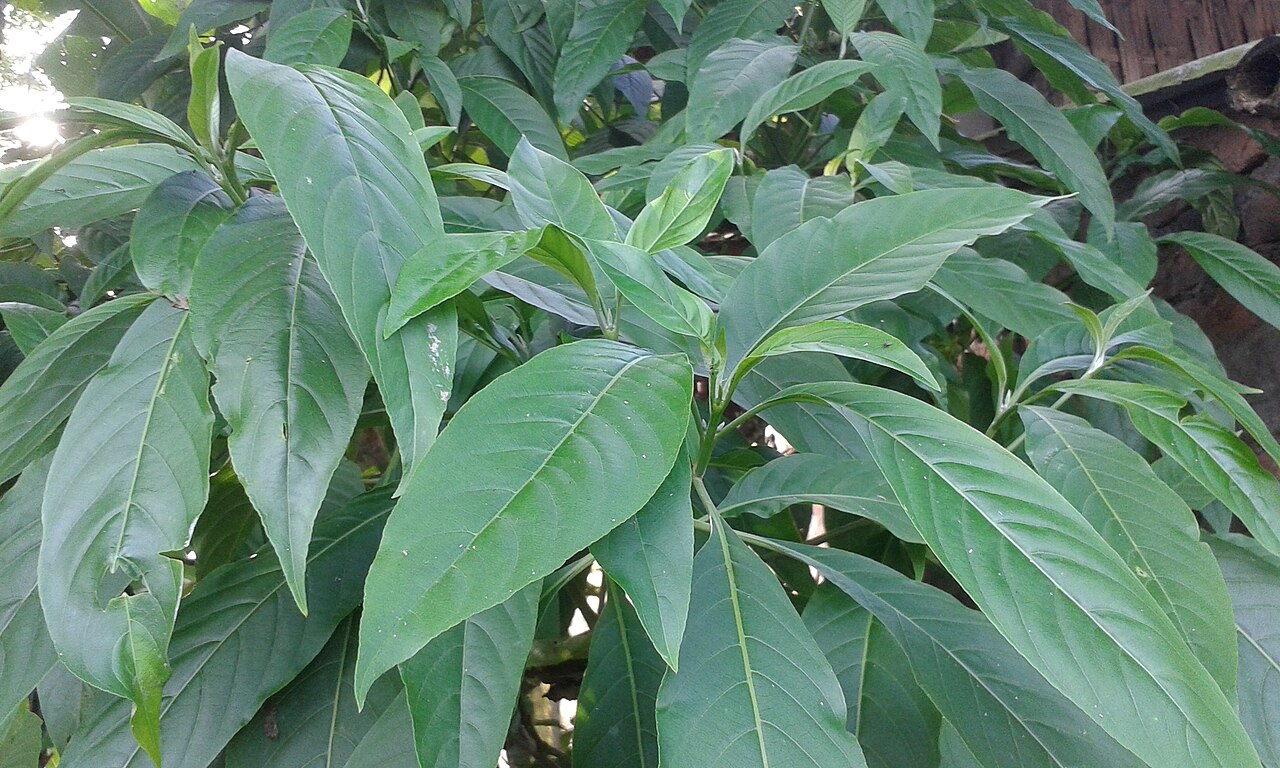
Malabar Nut (Vasaka relative)
Justicia robusta
An African relative of the classic Ayurvedic respiratory herb vasaka (Adhatoda), used as a leaf remedy for coughs, colds and chest complaints.
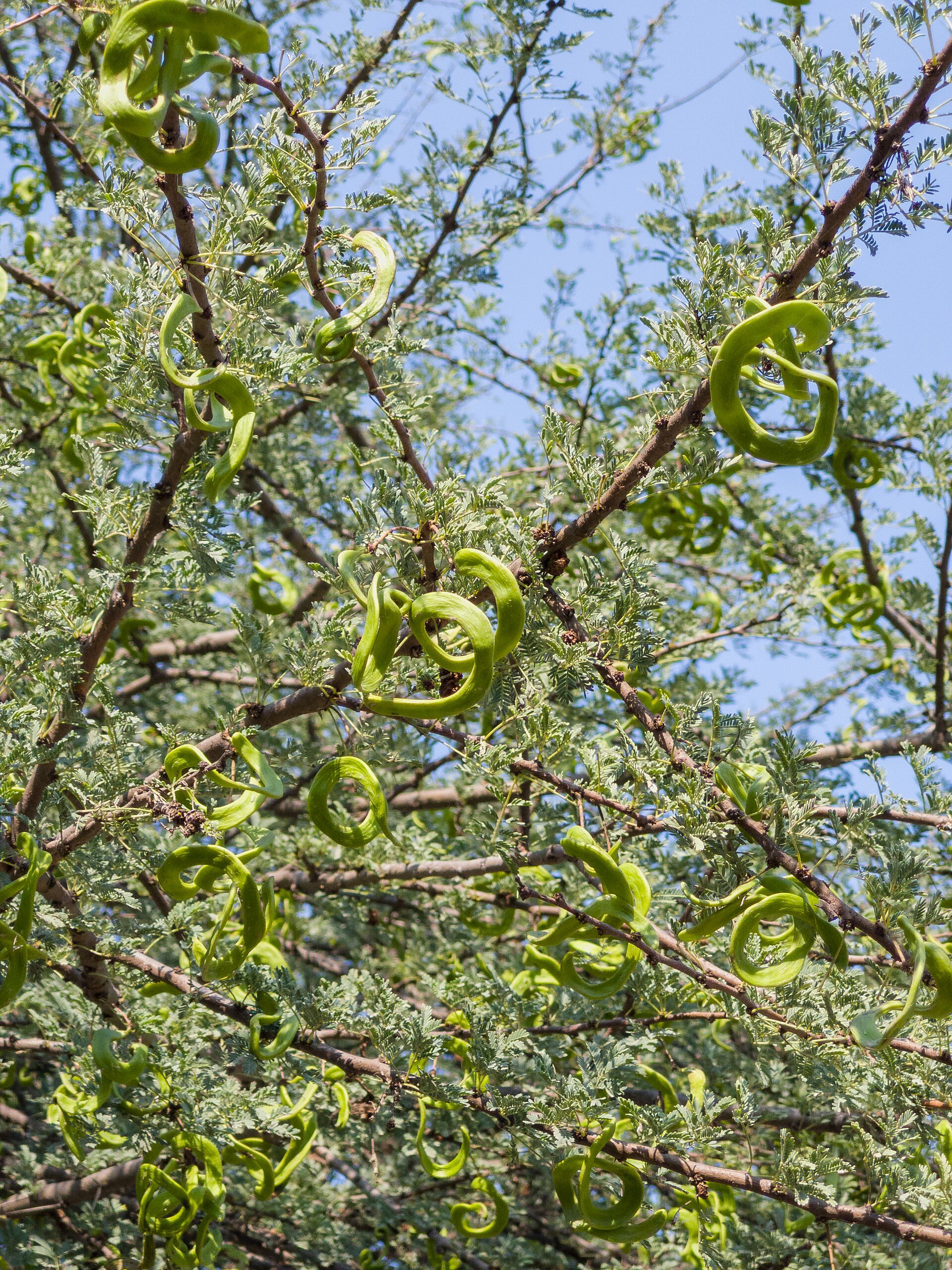
Mimosa Gum
Acacia nilotica (Vachellia nilotica)
The astringent gum and bark of the Egyptian thorn — a cornerstone of North and West African medicine for gums, wounds, diarrhoea and oral health.
Monkey Cola
Cola pachycarpa
A West African understorey tree bearing distinctive red fruits eaten fresh and used in traditional medicine for coughs, diarrhoea, and as a stimulant. Related to true kola nut but with different chemistry.
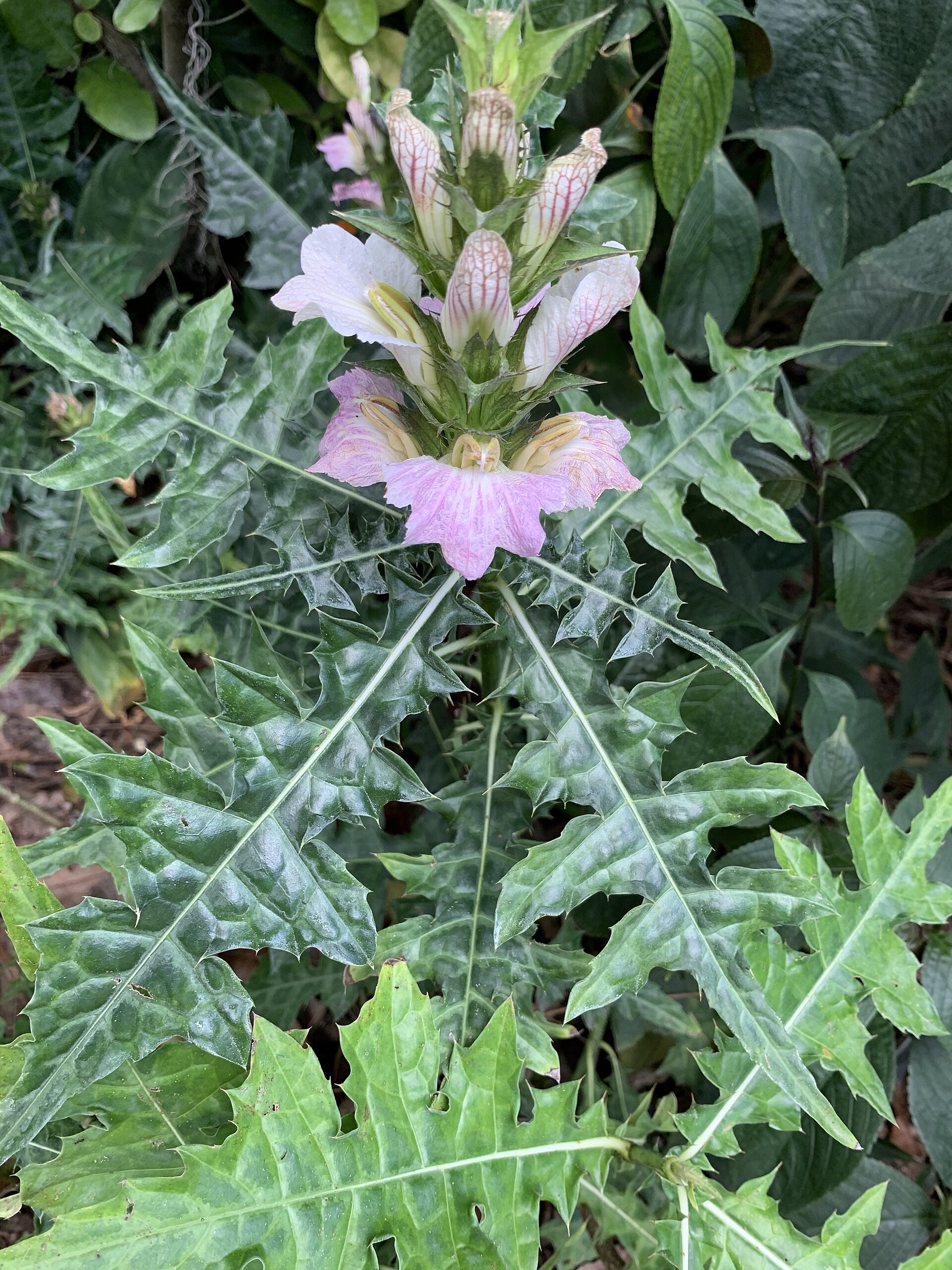
Mountain Thistle
Acanthus montanus
A striking spiny-leaved plant from African mountain forests, prized in traditional medicine for treating boils, abscesses, respiratory infections, and sexually transmitted diseases.
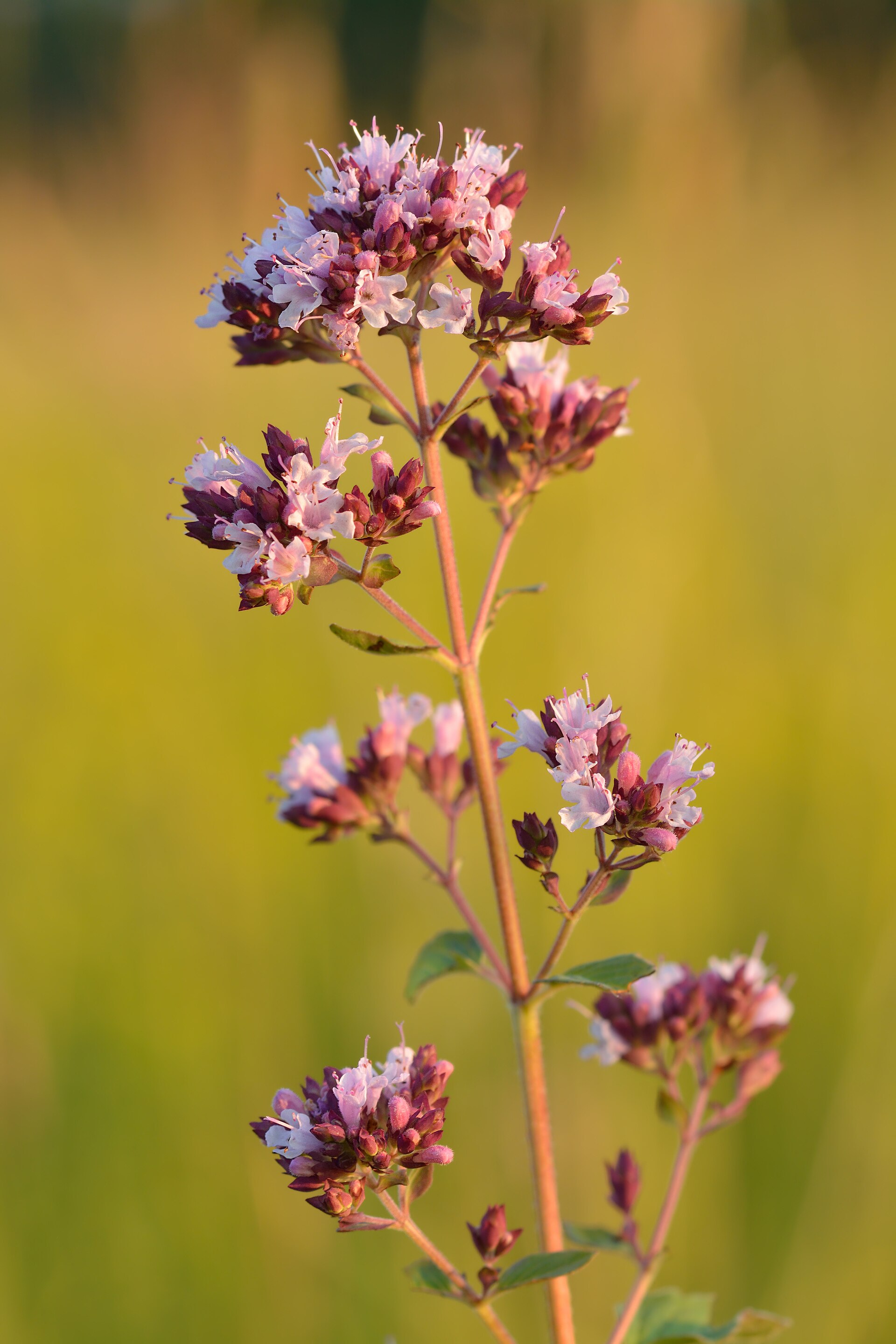
Oregano
Origanum vulgare
Oregano is far more than a kitchen herb — its carvacrol-rich oil is one of the most potent natural antimicrobials studied, supporting immune, digestive, and respiratory health.
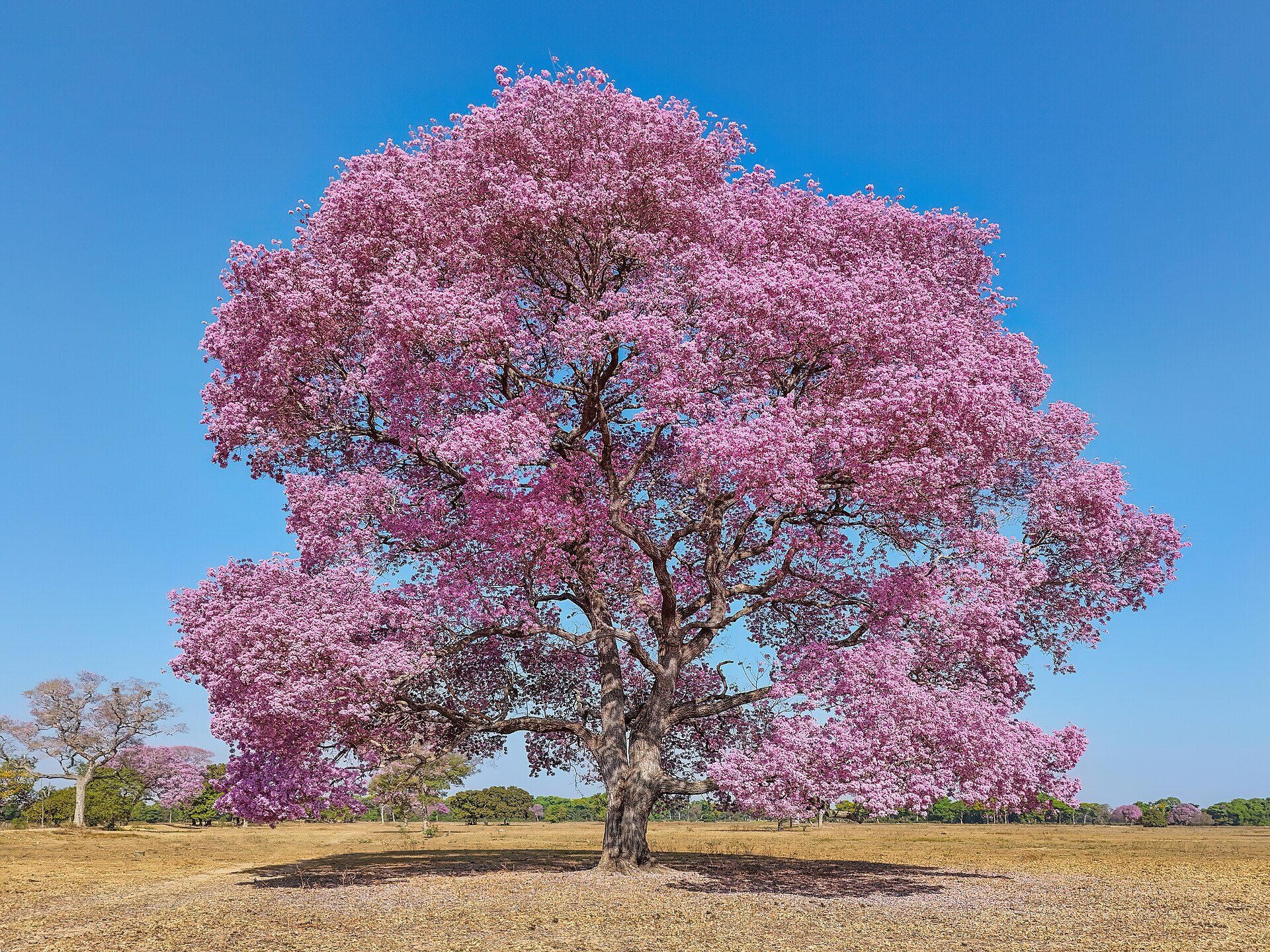
Pau d'Arco
Handroanthus impetiginosus
A majestic South American tree whose inner bark has been used by indigenous peoples for centuries as a potent antimicrobial, antifungal and immune-stimulating remedy — one of the most popular herbal medicines to emerge from the Amazon.
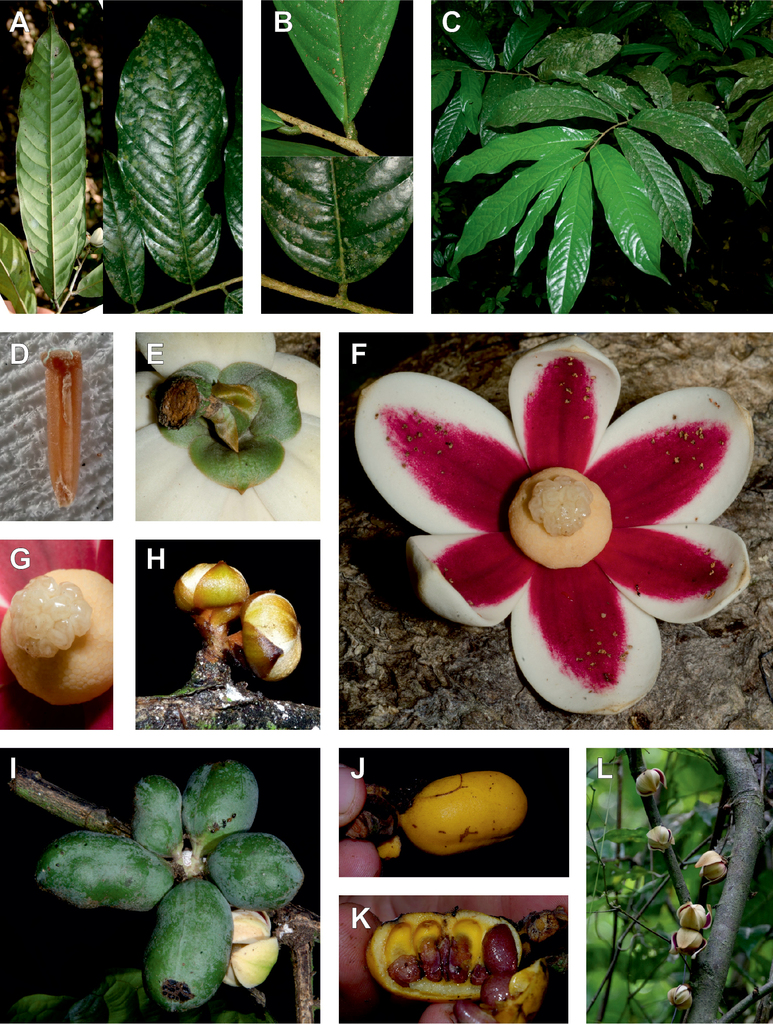
Pepper Fruit (Mmimi)
Dennettia tripetala
A West African tree whose peppery, aromatic fruits and seeds are eaten as a spice and used for coughs, colds, digestive upsets and as a stimulant tonic.
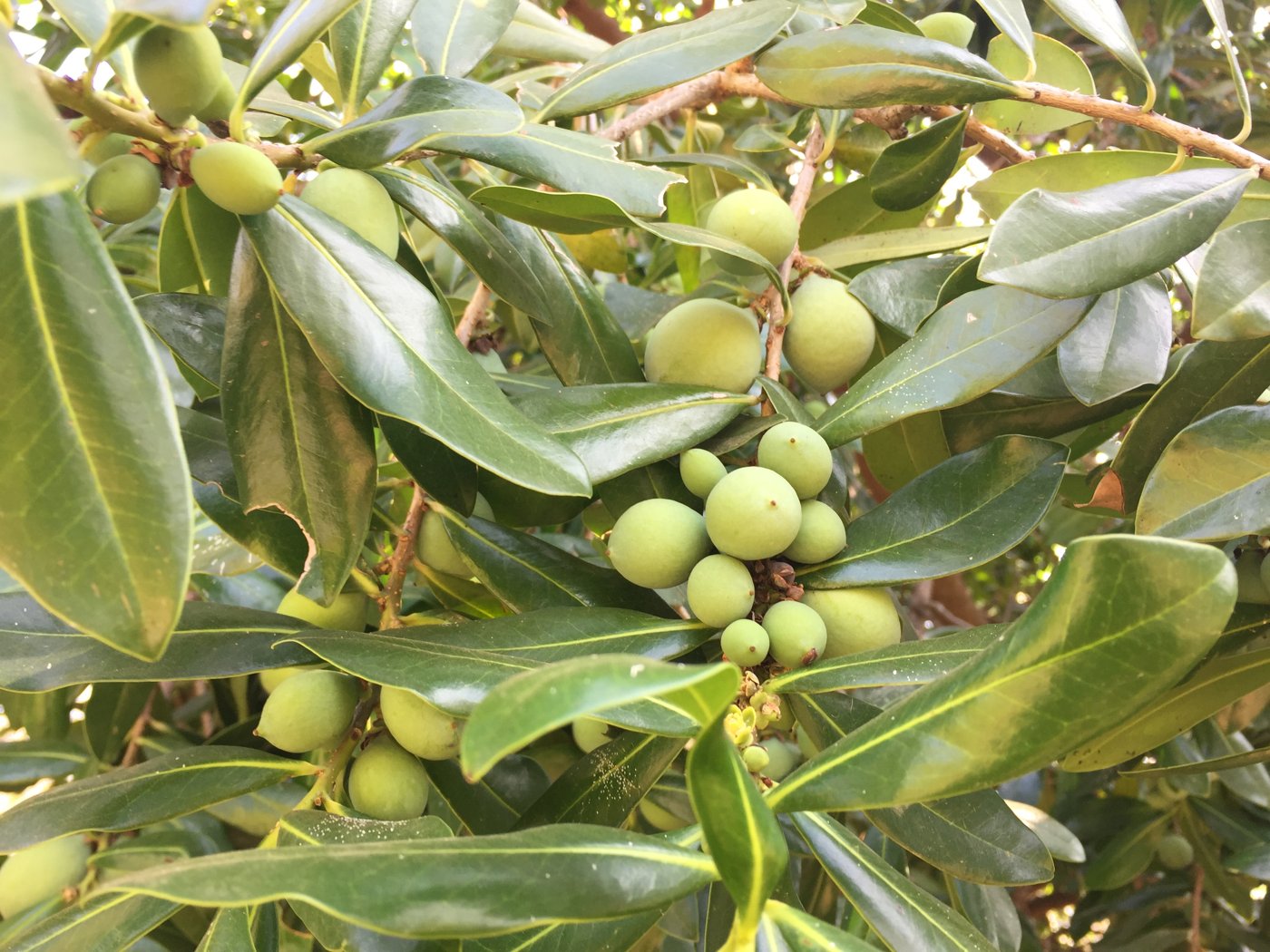
Pepper-bark Tree
Warburgia salutaris
A fiery, peppery-barked southern African tree revered for colds, flu, chest infections and as a broad antimicrobial — now highly threatened by over-harvesting.
Looking for something else?
Browse the full library