Nourish, soothe, and protect the skin
Skin & Wound Care
Botanicals traditionally applied for skin conditions, minor wounds, irritation, and healthy, resilient skin.
60 herbs in this collection
 Featured
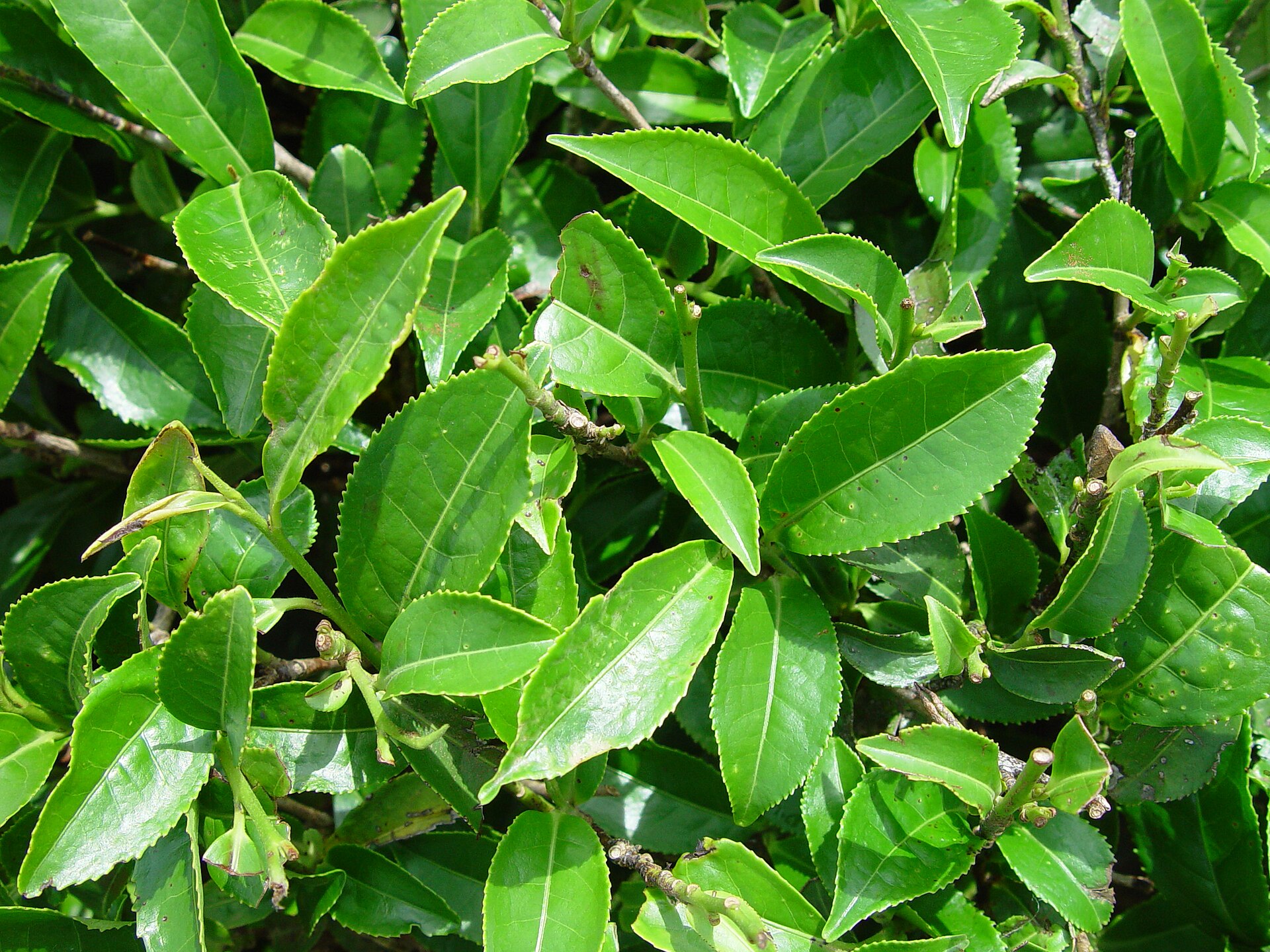
Green Tea
Camellia sinensis
Green tea is one of the most studied botanicals in the world, prized for its catechin antioxidants — especially EGCG — that support cardiovascular health, metabolism, and healthy aging.
 Featured
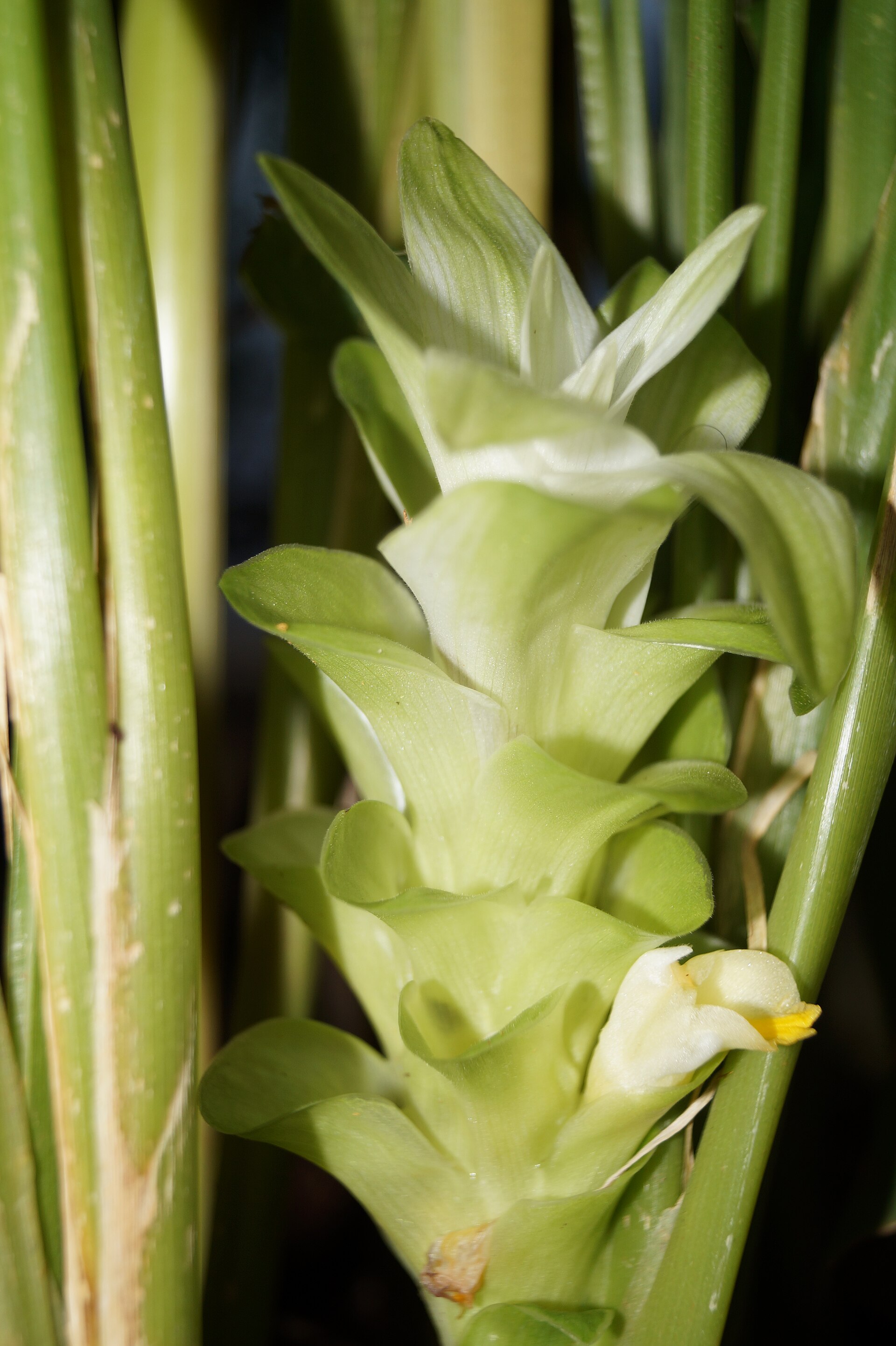
Turmeric
Curcuma longa
The golden rhizome of Ayurveda and TCM — one of the most researched botanicals on earth for inflammation, joint health, and liver support.
 Featured
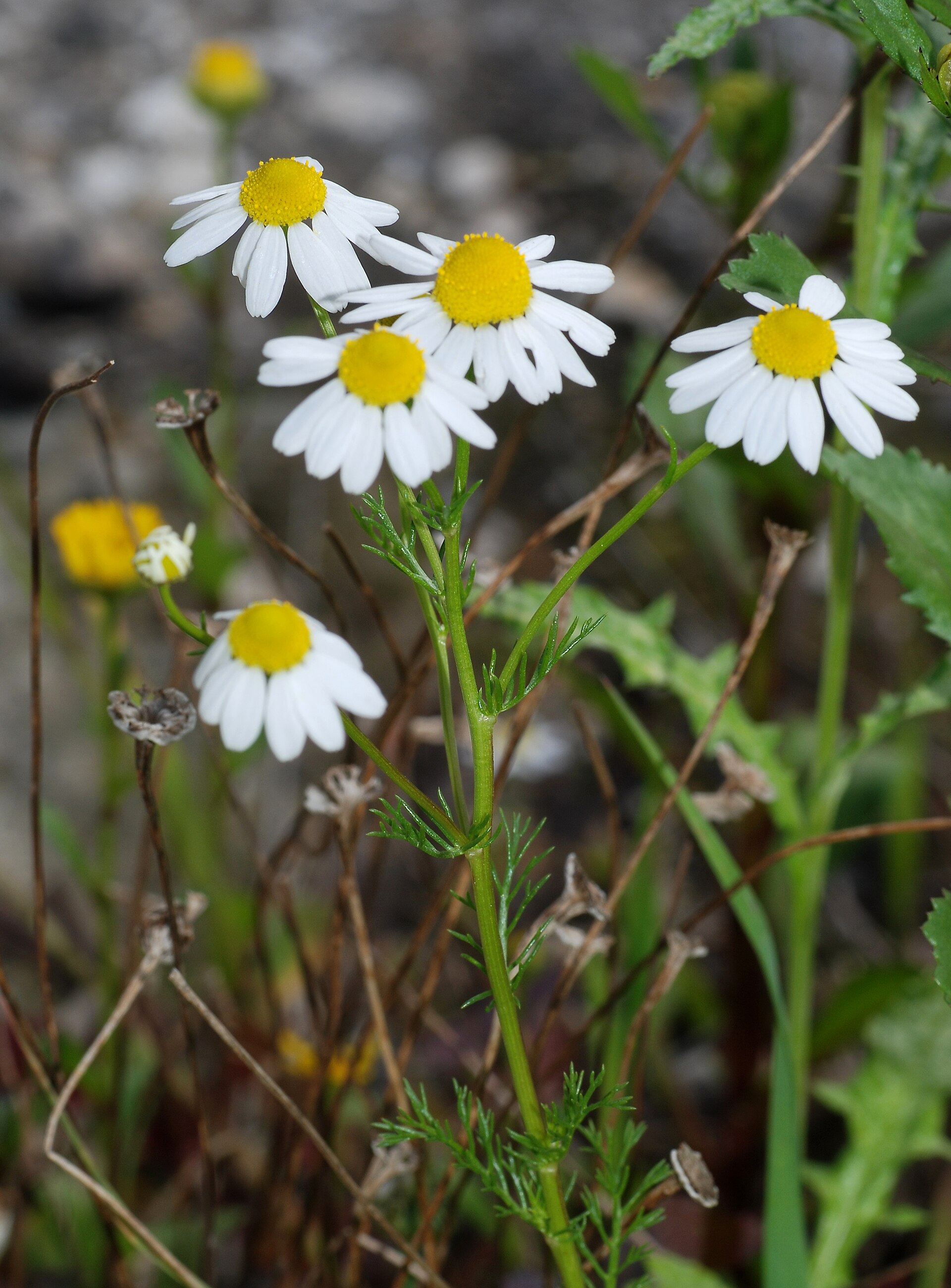
Chamomile
Matricaria chamomilla
Europe’s gentle everything-herb — a calming nervine, digestive soother, and anti-inflammatory trusted for children and adults alike.
 Featured
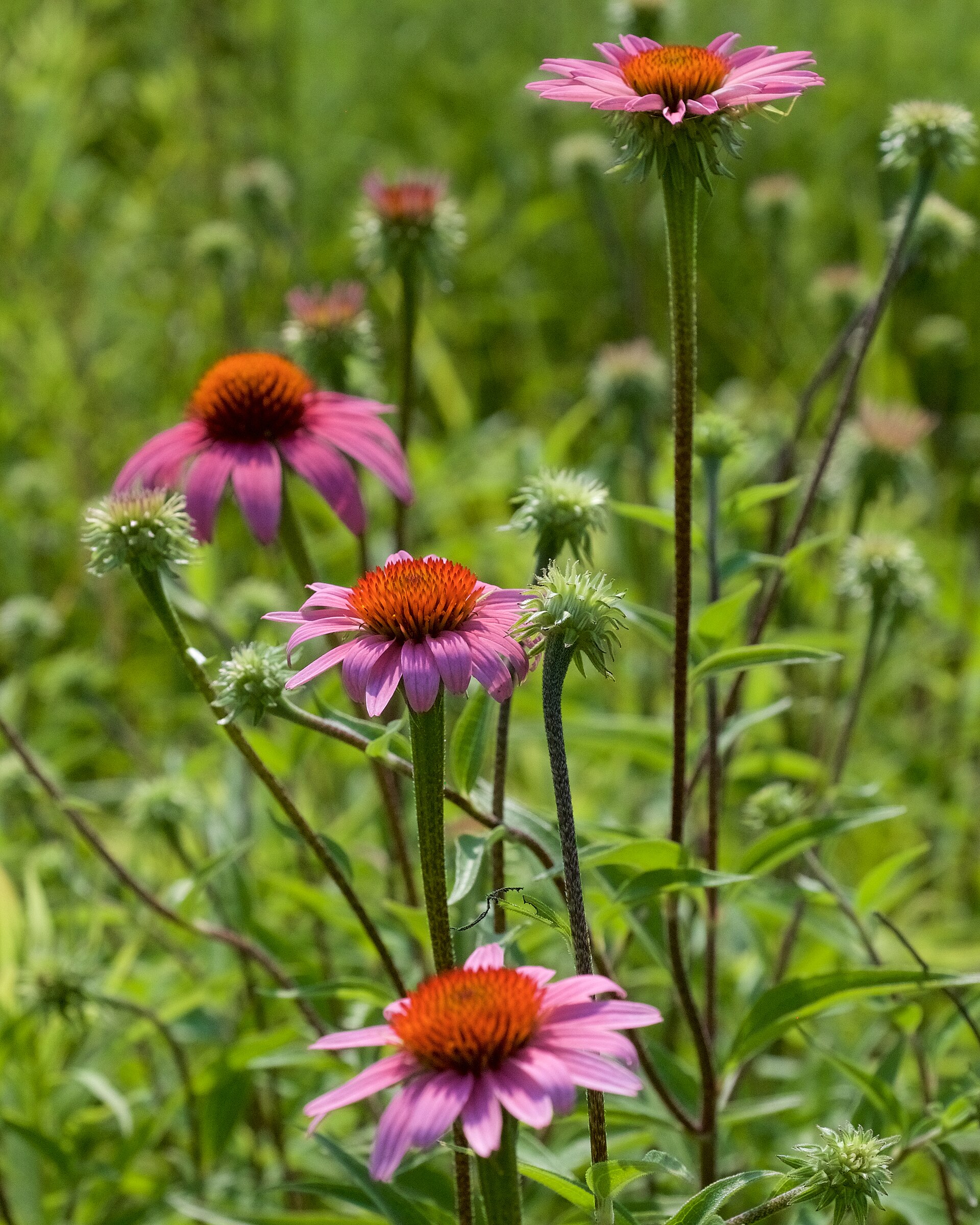
Echinacea
Echinacea purpurea
North America’s iconic immune herb — traditionally used by Plains tribes and now one of the world’s best-selling botanicals for colds and immune support.
 Featured
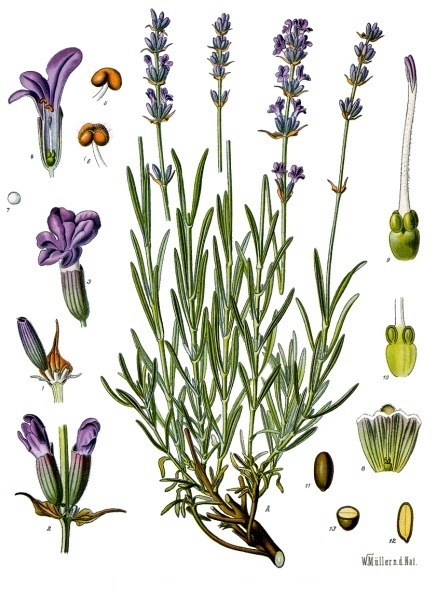
Lavender
Lavandula angustifolia
The queen of aromatic calm — clinically validated for anxiety, sleep, and skin healing, and the most beloved essential oil in the world.
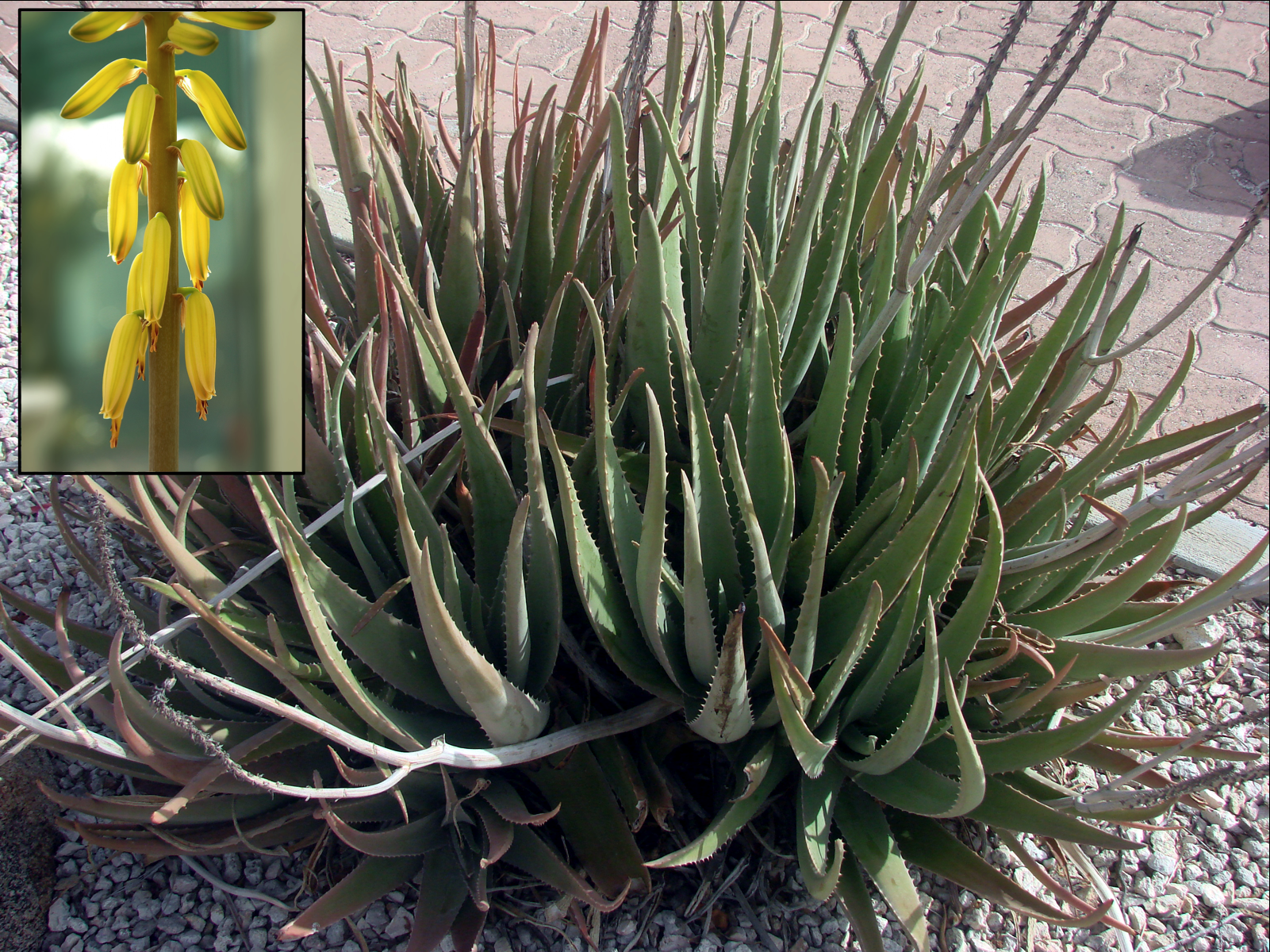
Aloe Vera
Aloe barbadensis
The first-aid succulent — cooling gel for burns and skin repair, used from ancient Egypt to every modern windowsill.
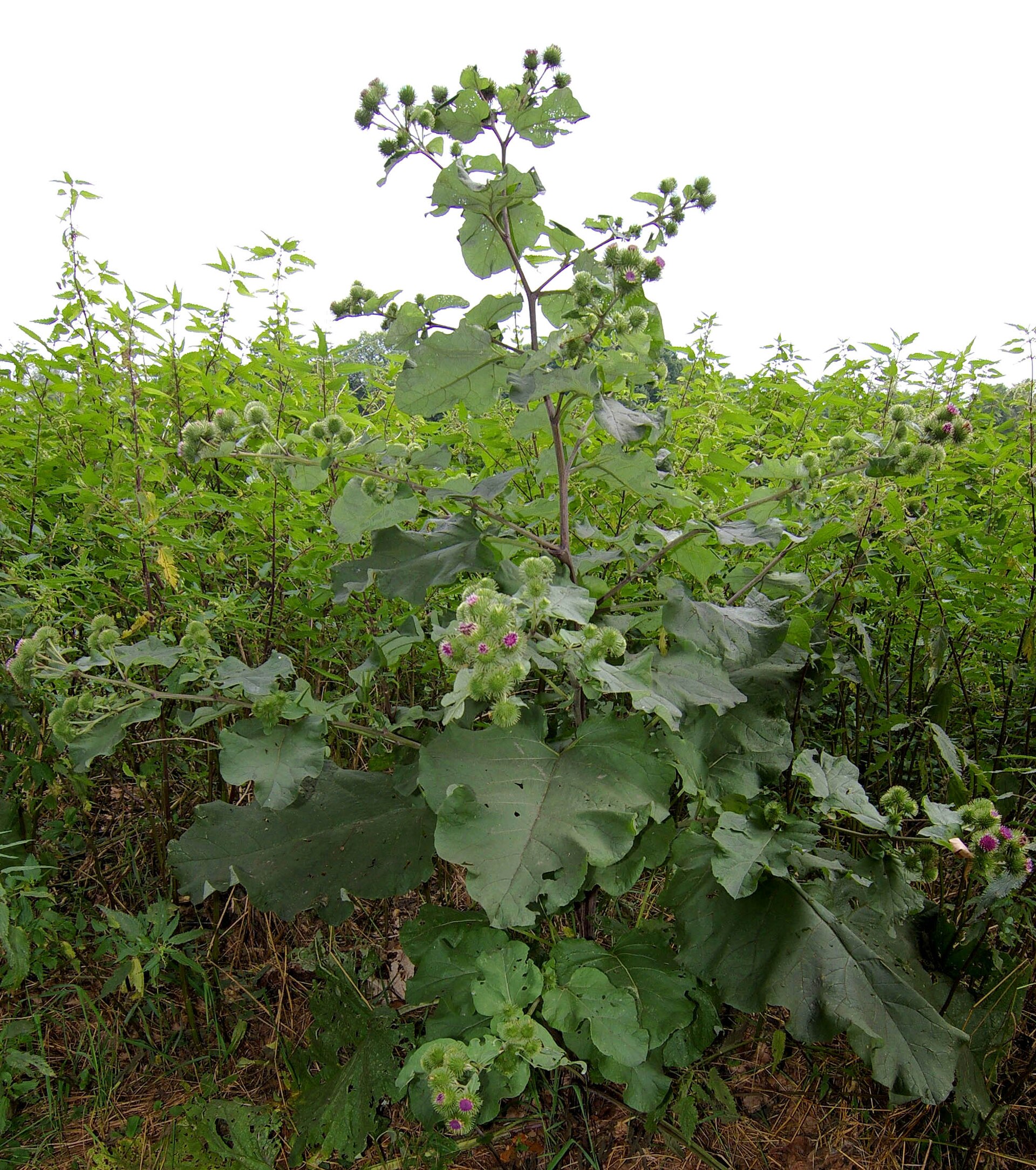
Burdock Root
Arctium lappa
The definitive Western alterative — a nutritive, inulin-rich root that works slowly and deeply on skin, lymph and liver.
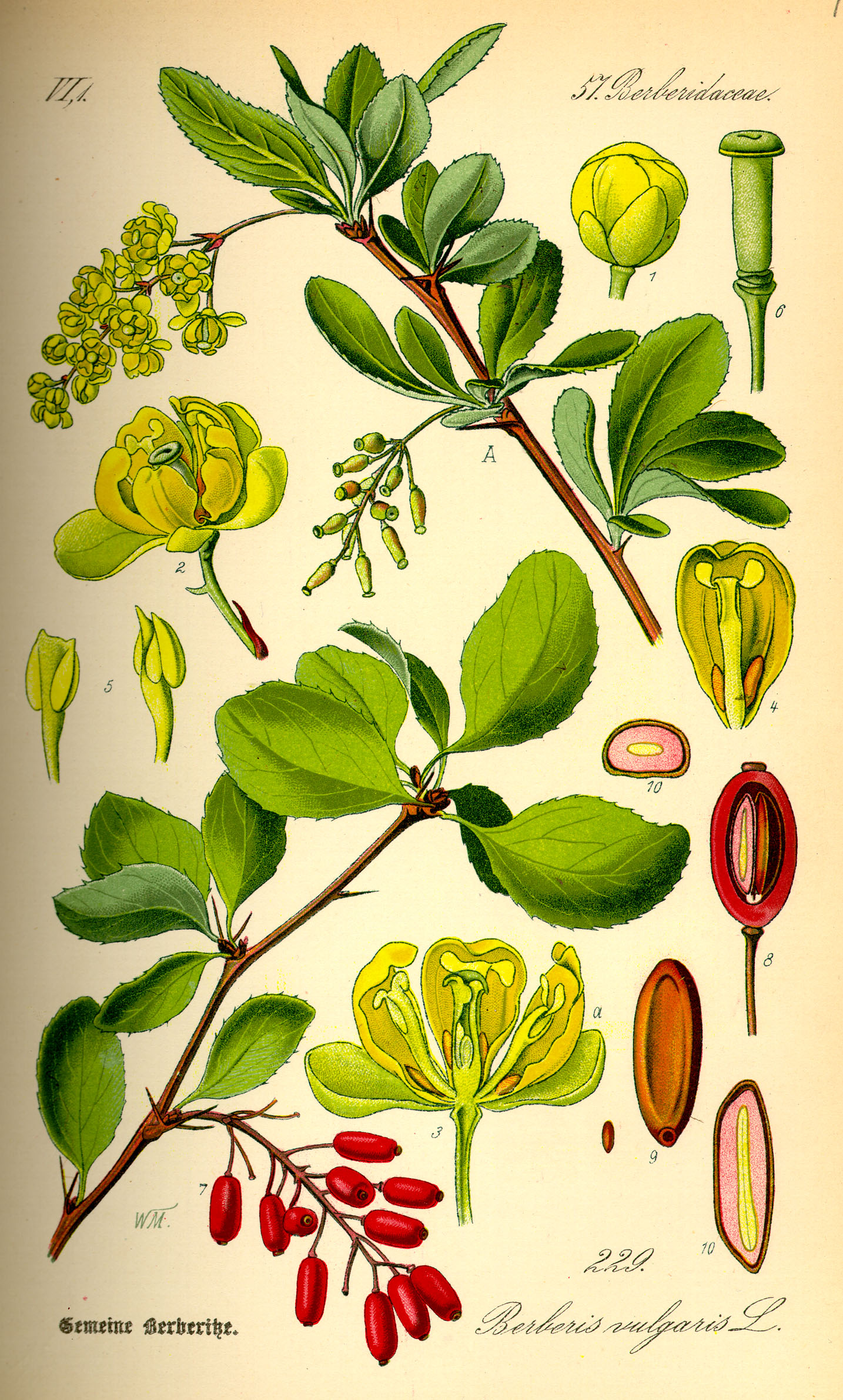
Barberry
Berberis vulgaris
A berberine-rich root bark used across Europe, Persia and India as a bitter liver stimulant, antimicrobial and blood-sugar regulator.
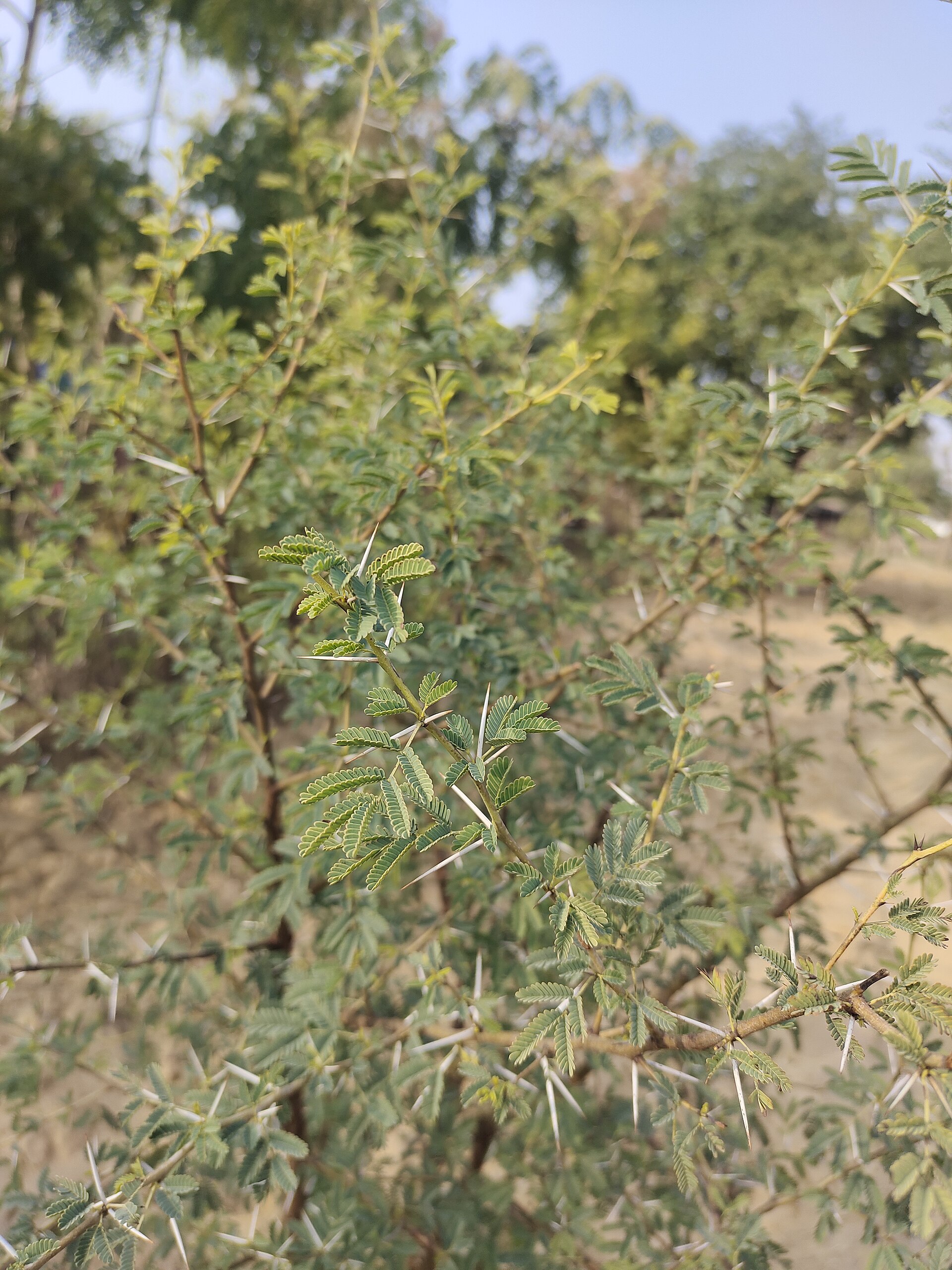
Gum Arabic Tree
Acacia nilotica
A thorny, multi-stemmed tree yielding astringent bark and tannin-rich pods used across West African and Ayurvedic traditions for oral health, wound care, and gastrointestinal complaints.
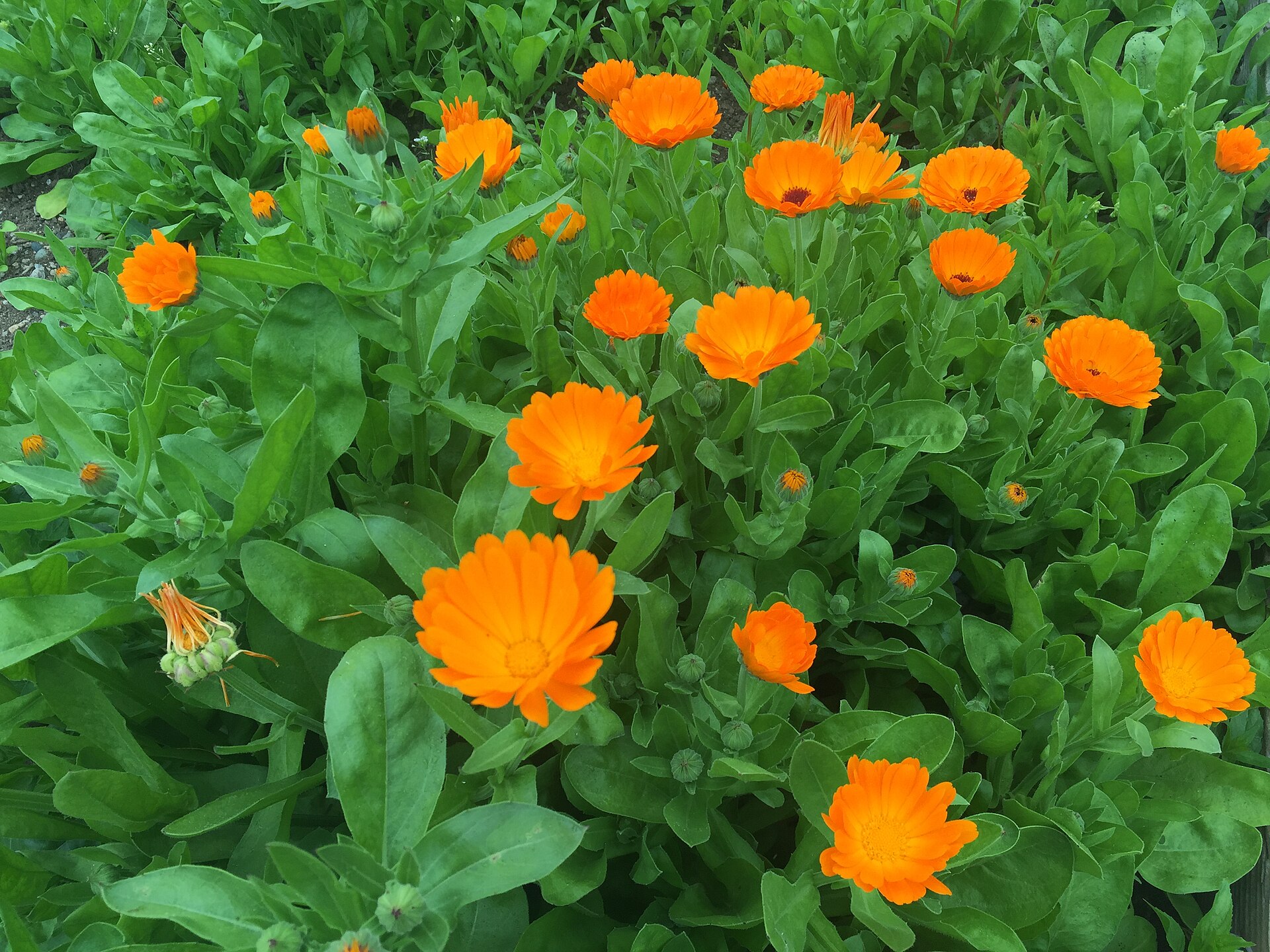
Calendula
Calendula officinalis
The wound-healer’s golden flower — Europe’s premier vulnerary for cuts, burns, rashes, and inflamed skin and mucosa.
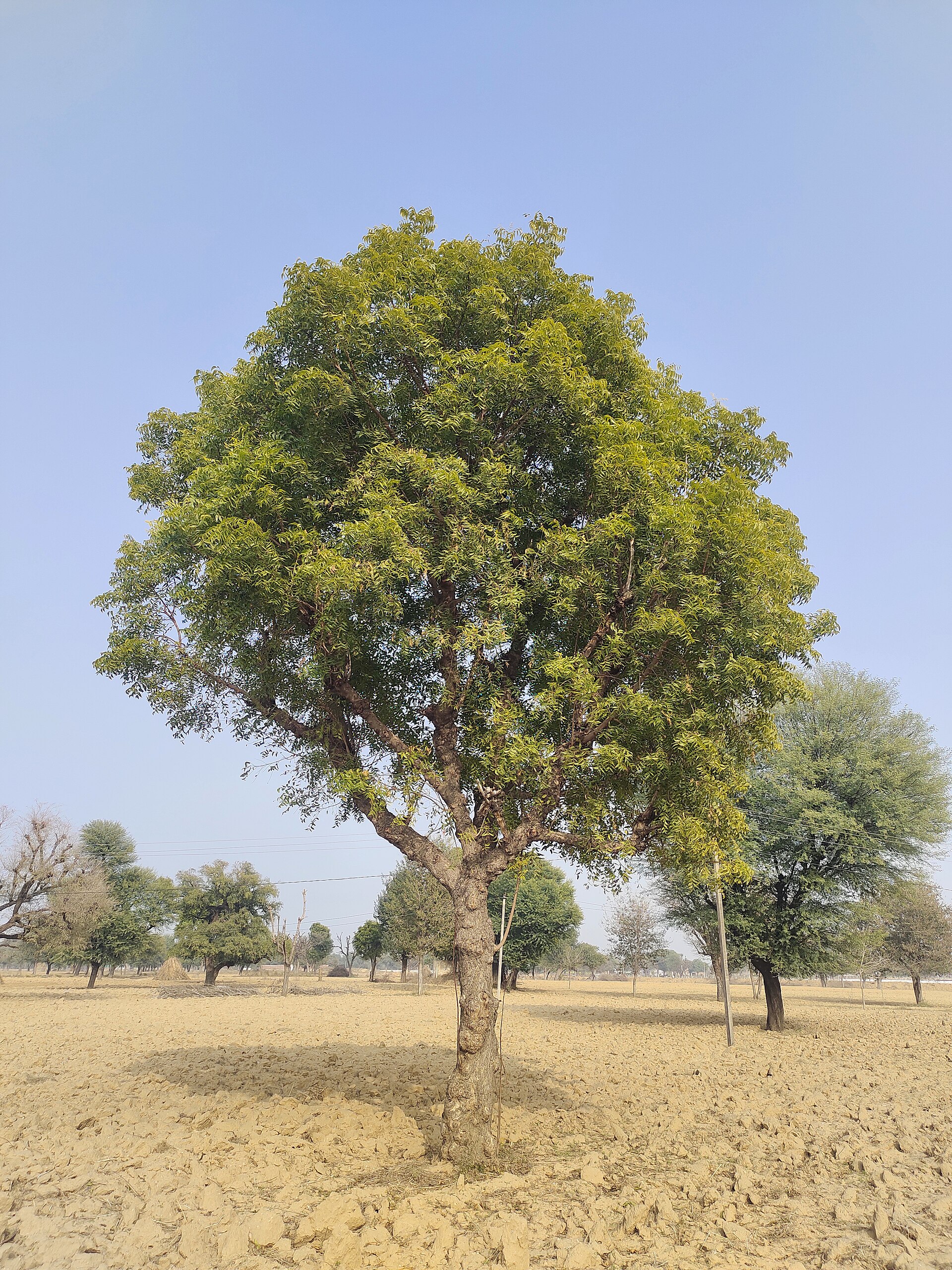
Neem
Azadirachta indica
India’s village pharmacy — the bitter tree of Ayurveda used for skin disease, oral care, blood purification, and natural pest control.
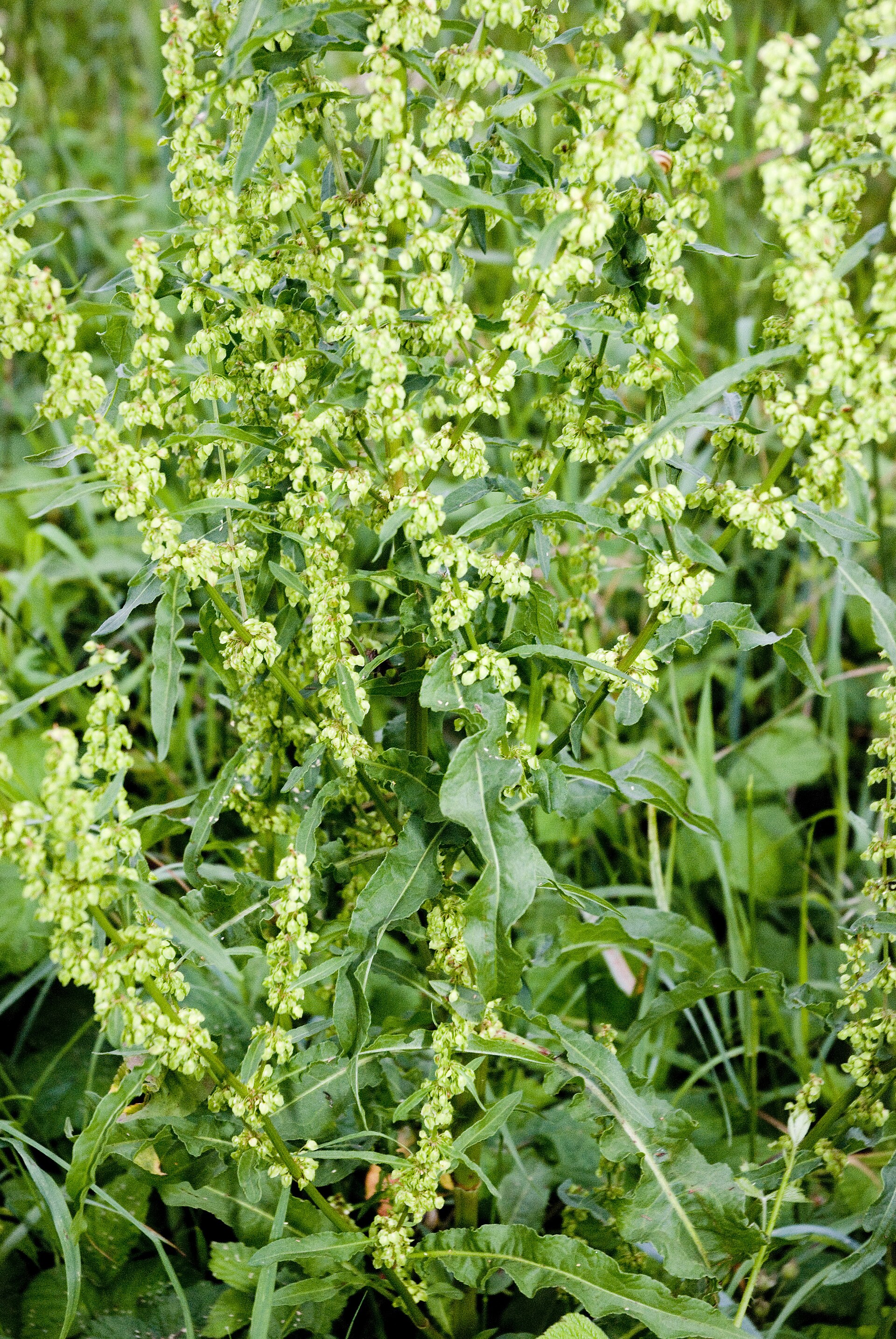
Yellow Dock
Rumex crispus
A gentle alterative and iron-mobilising bitter — the classic pairing for sluggish bowels, chronic skin conditions and low iron.
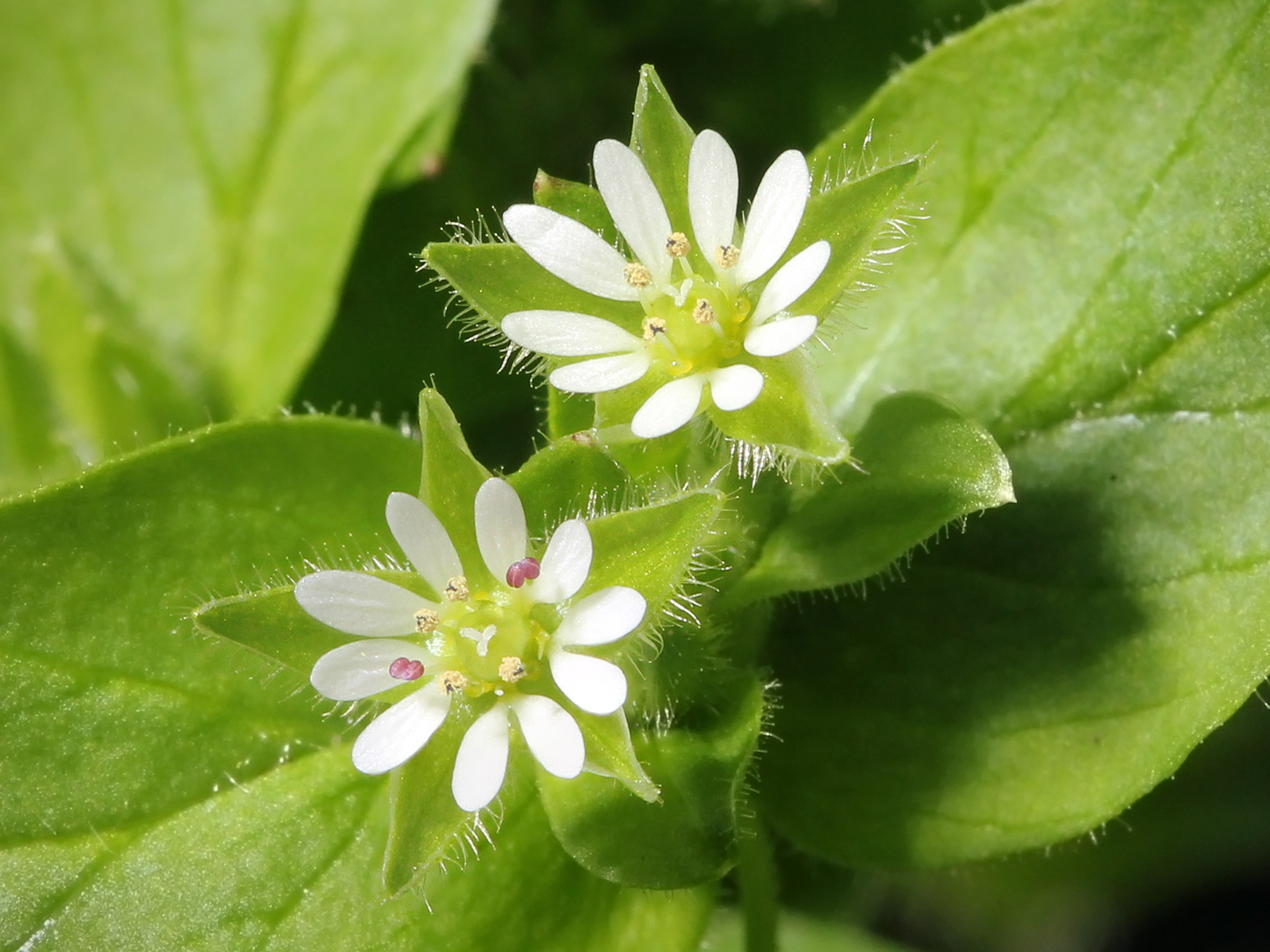
Chickweed
Stellaria media
A humble, cooling garden weed that is one of the finest herbs for itchy, hot, irritated skin — and a genuinely nutritious spring green.
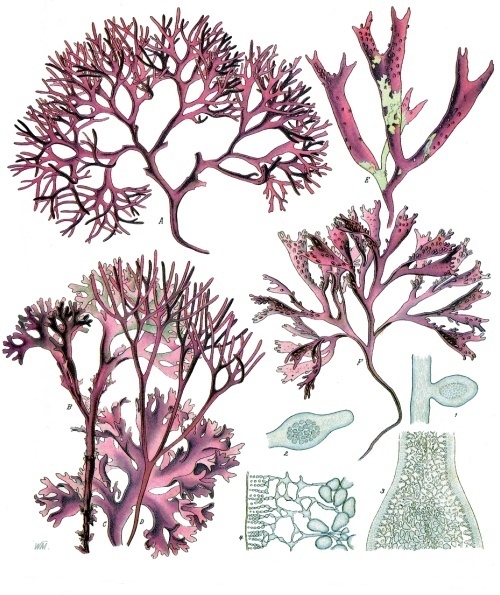
Irish Moss
Chondrus crispus
A mineral-dense red seaweed from the North Atlantic — a soothing demulcent for lungs and gut, and the original source of carrageenan.
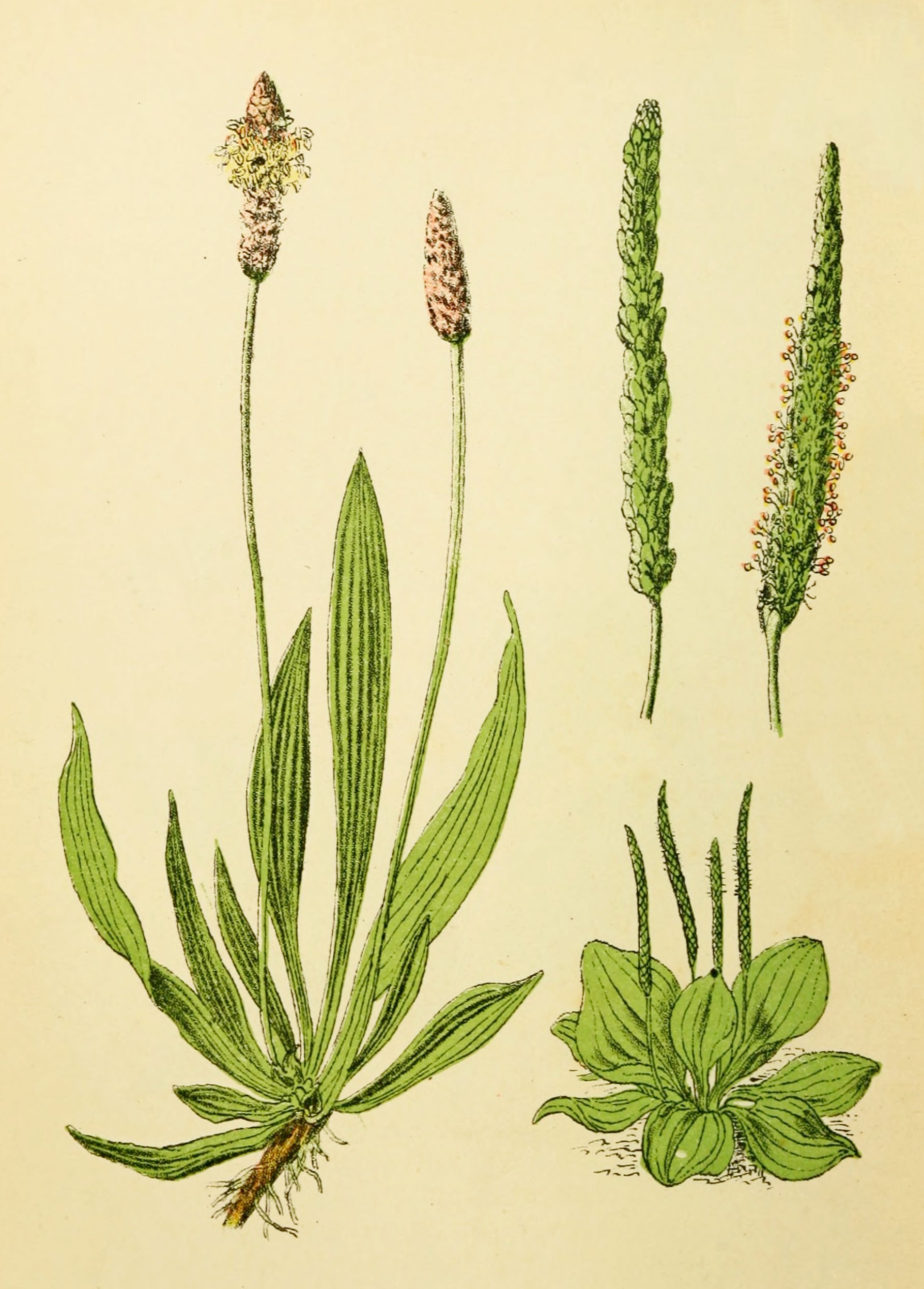
Plantain Leaf
Plantago major / Plantago lanceolata
The classic first-aid weed — chew a leaf, apply it to a sting or cut, and watch it work. Also a fine lung and gut demulcent.
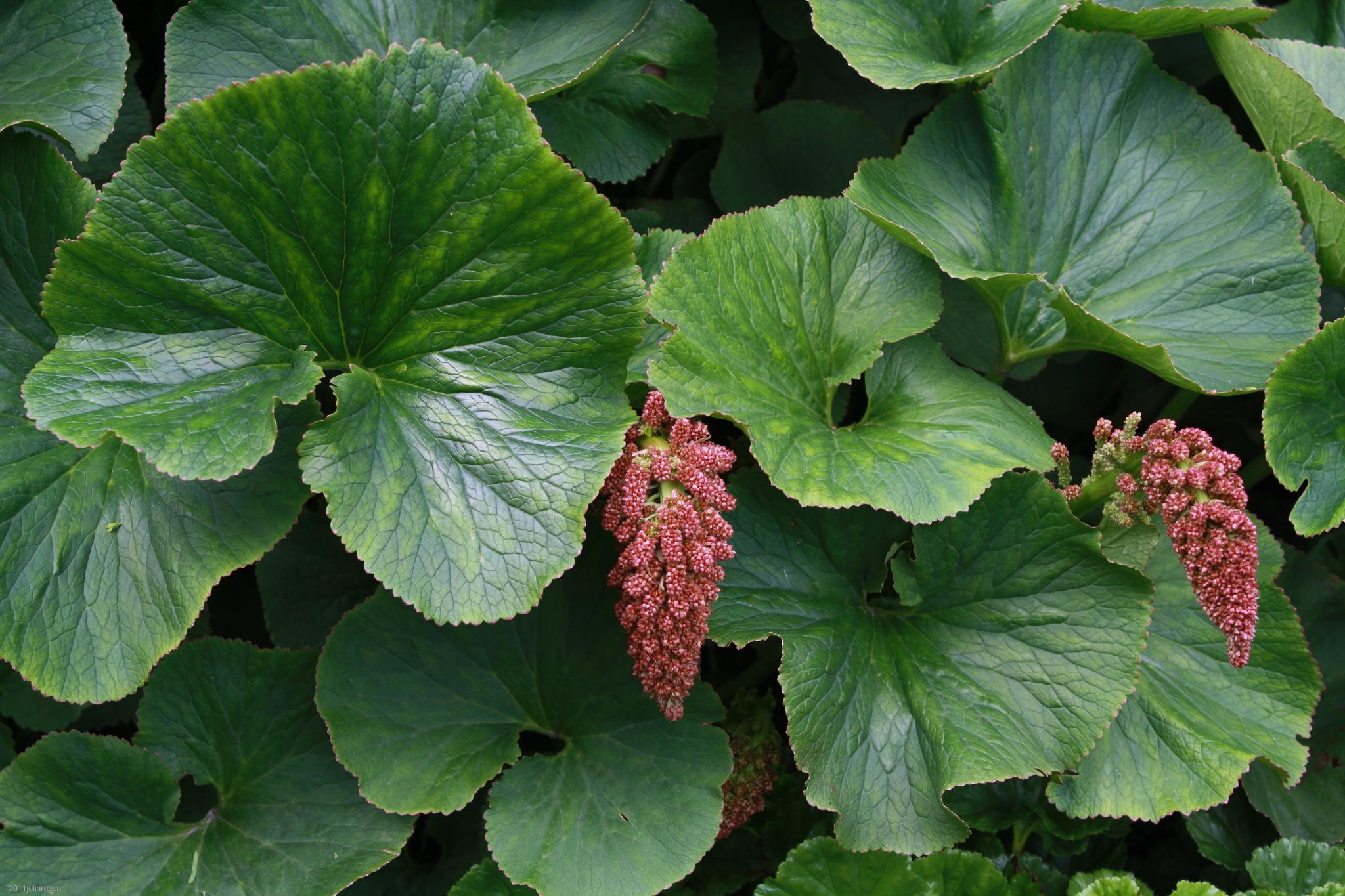
River Pumpkin (Wild Rhubarb)
Gunnera perpensa
A South African wetland herb whose rhizome is a famous traditional womb medicine used to ease childbirth and expel the afterbirth — effective but requiring caution in pregnancy.
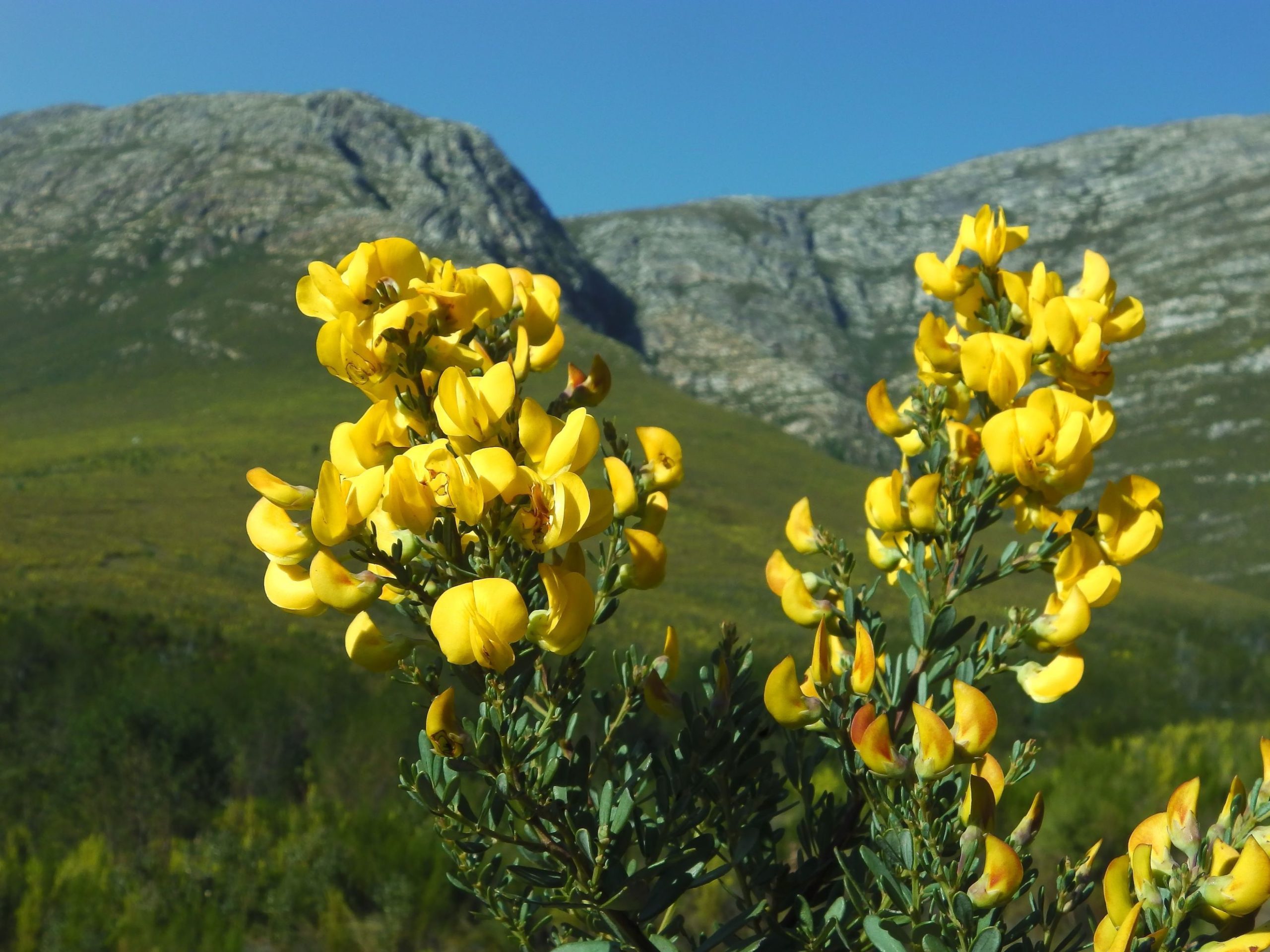
Rooibos
Aspalathus linearis
The caffeine-free red bush tea of South Africa’s Cederberg region — a mild, antioxidant-rich daily beverage traditionally used for digestion, skin and general wellbeing.
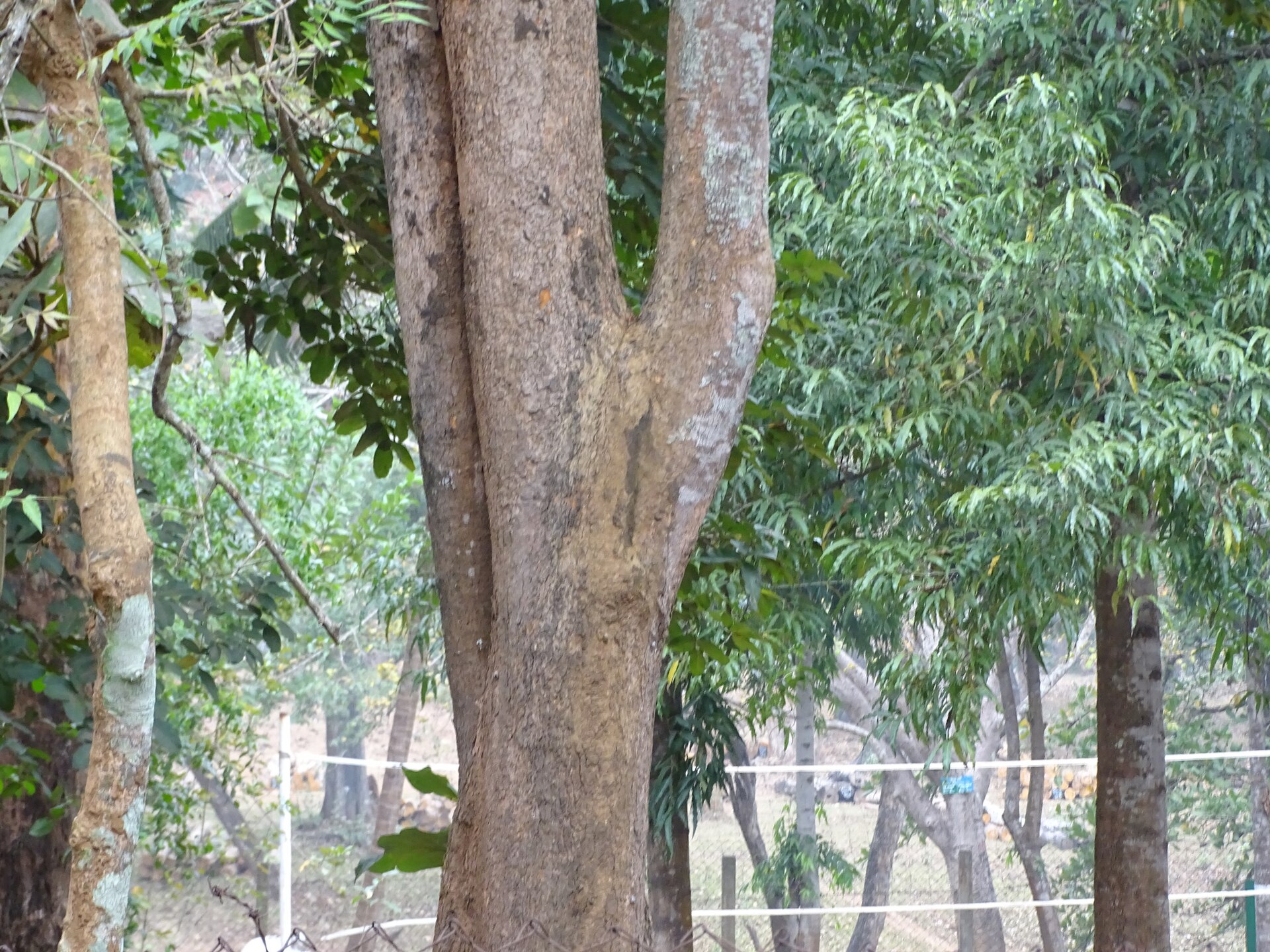
African Ironwood
Lophira alata
One of the hardest timbers in Africa — also a powerful medicinal tree. Its bark and leaves are used across Central and West African traditions for fever, pain, dysentery, and infections.
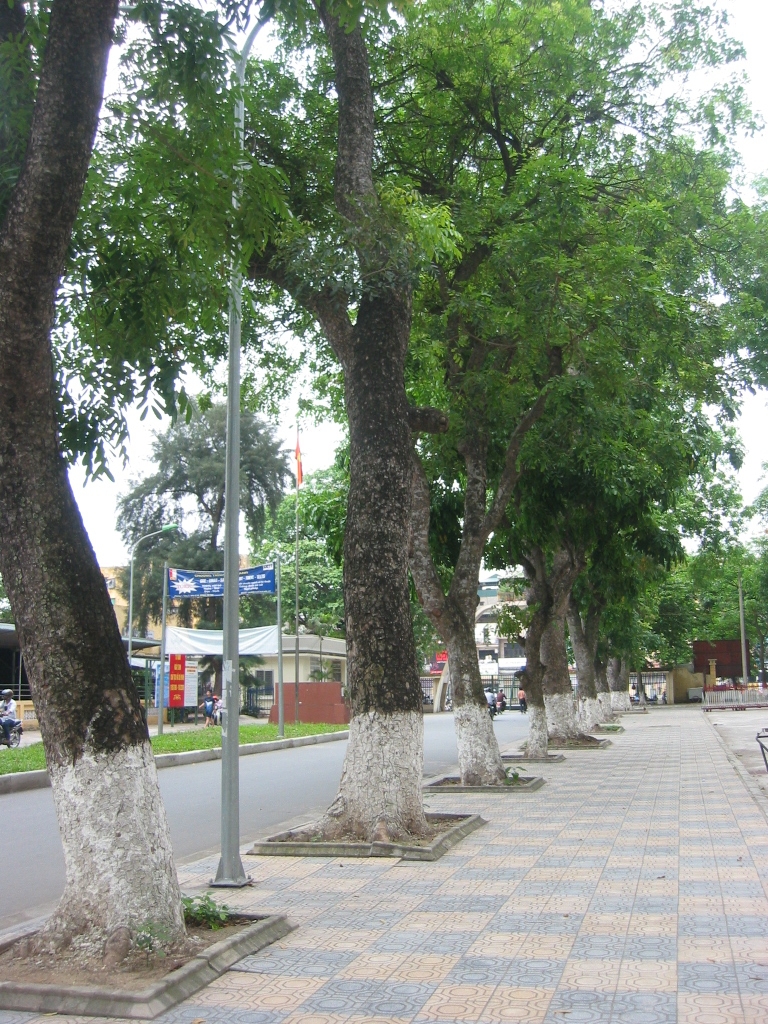
African Mahogany
Khaya senegalensis
A prized timber and shade tree of the Sahel whose extremely bitter bark is a major antimalarial, antidiabetic, and anti-inflammatory remedy in West African medicine.
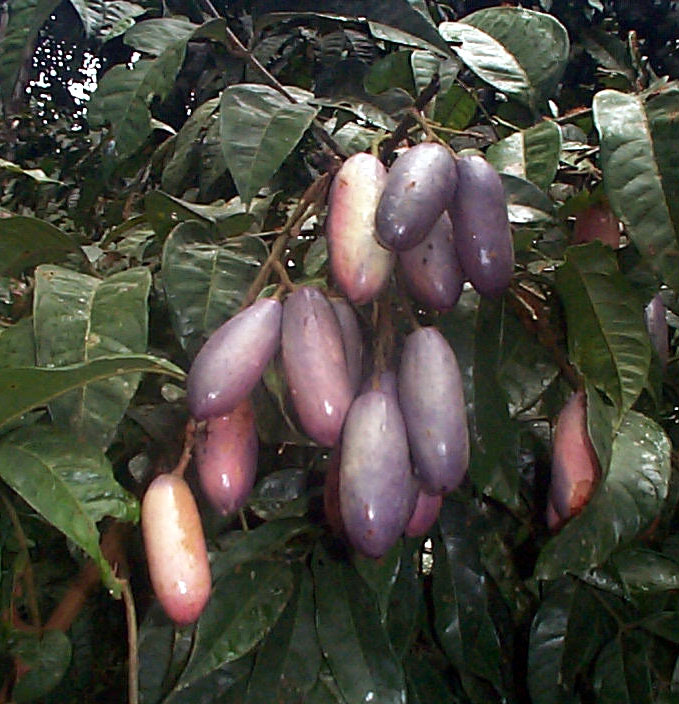
African Pear
Dacryodes edulis
The "butter fruit" of Central and West Africa — a nutrient-dense tree fruit rich in healthy fats, traditionally used for treating skin conditions, infections, and nutritional deficiency. The bark and resin have antimicrobial properties.
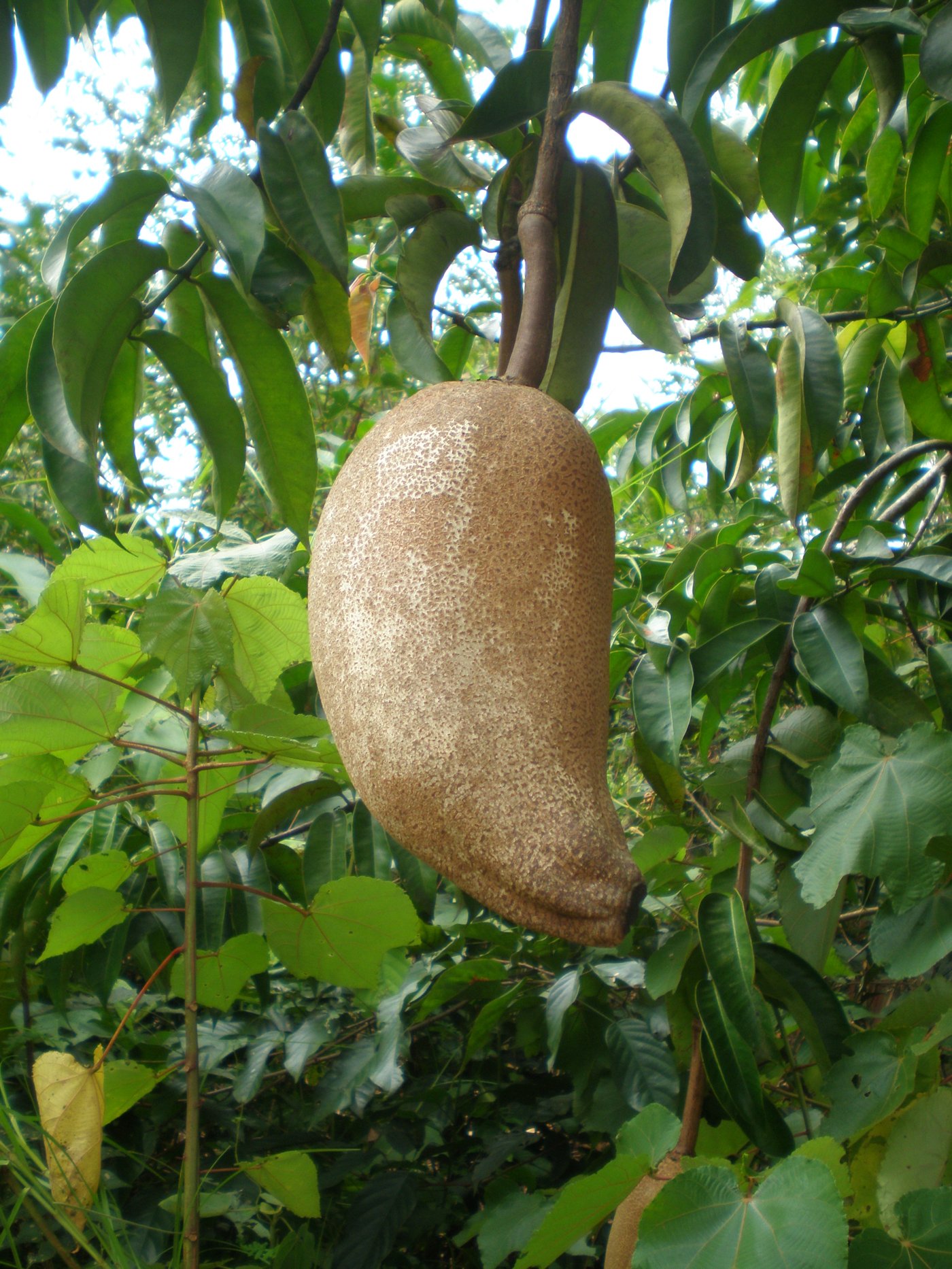
Allanblackia (Tallow Tree)
Allanblackia floribunda
A tall West-Central African rainforest tree whose large seeds yield a solid edible “tallow” fat, with bark and seeds used traditionally for pain, coughs and dysentery.
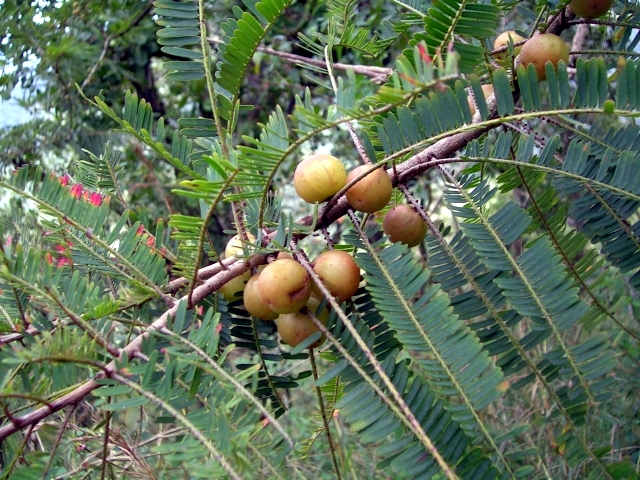
Amla
Phyllanthus emblica
The "nurse fruit" of Ayurveda and the richest natural source of bioavailable vitamin C — one of the three ingredients in Triphala and one of the most important Rasayanas for rejuvenation, immunity and longevity.
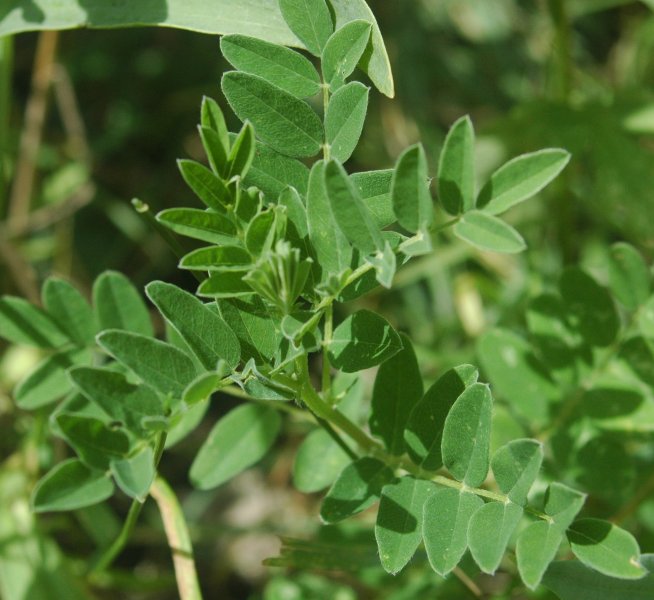
Astragalus
Astragalus membranaceus
The supreme Qi tonic of Traditional Chinese Medicine — a deeply nourishing root used for over 2,000 years to strengthen the body's defensive energy, support immune function and build vitality.
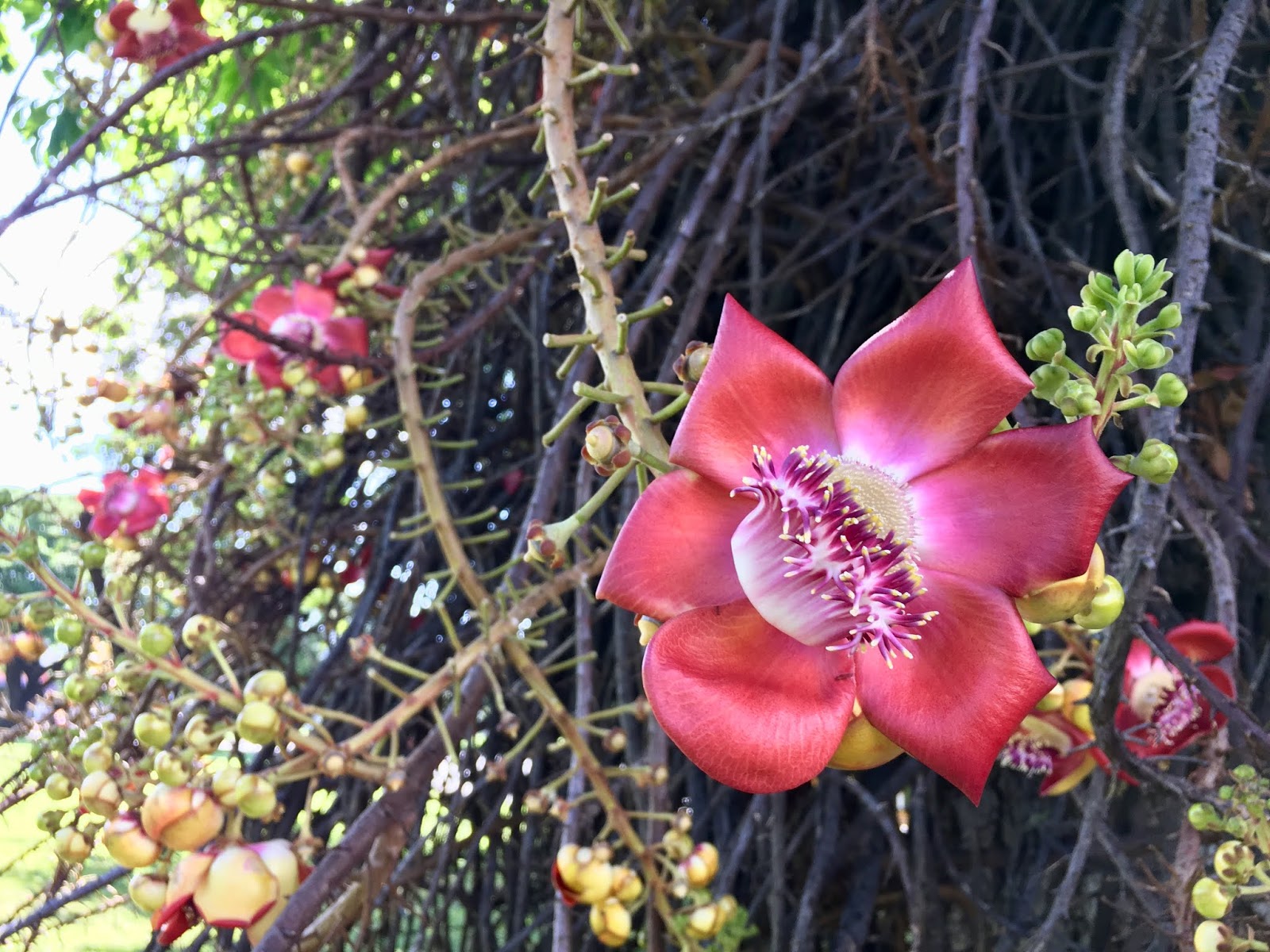
Ayahuma (Cannonball Tree Bark)
Couroupita guianensis
The bark and flowers of the striking cannonball tree, used across Amazonian and South Asian traditions as an antimicrobial and anti-inflammatory for colds, skin conditions and stomach complaints.
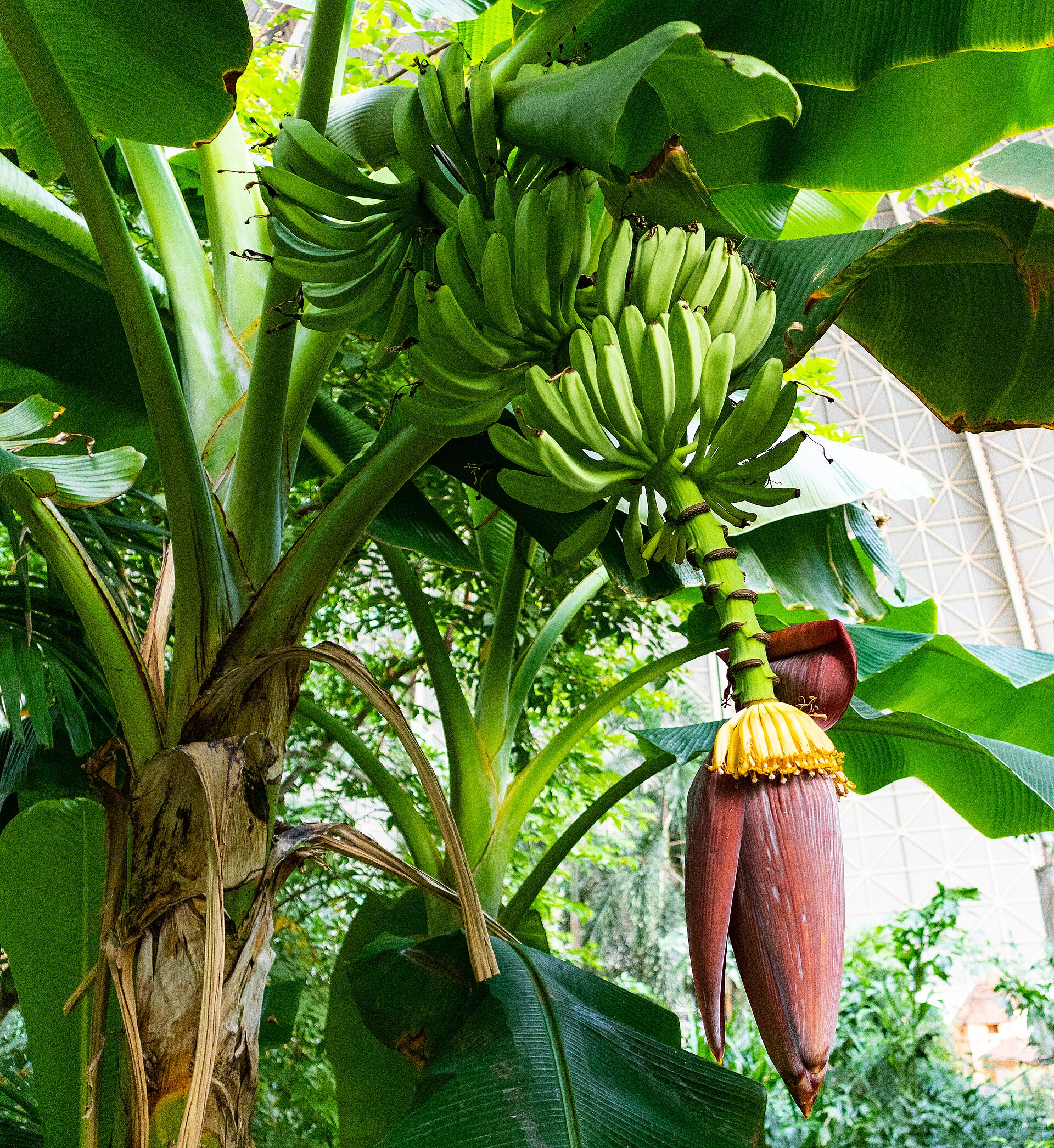
Banana Leaf
Musa × paradisiaca
The broad leaf, sap and flower of the banana plant, used across the Caribbean, Africa and Asia as a wound dressing, burn wrap, and for diabetes, ulcers and dysentery.
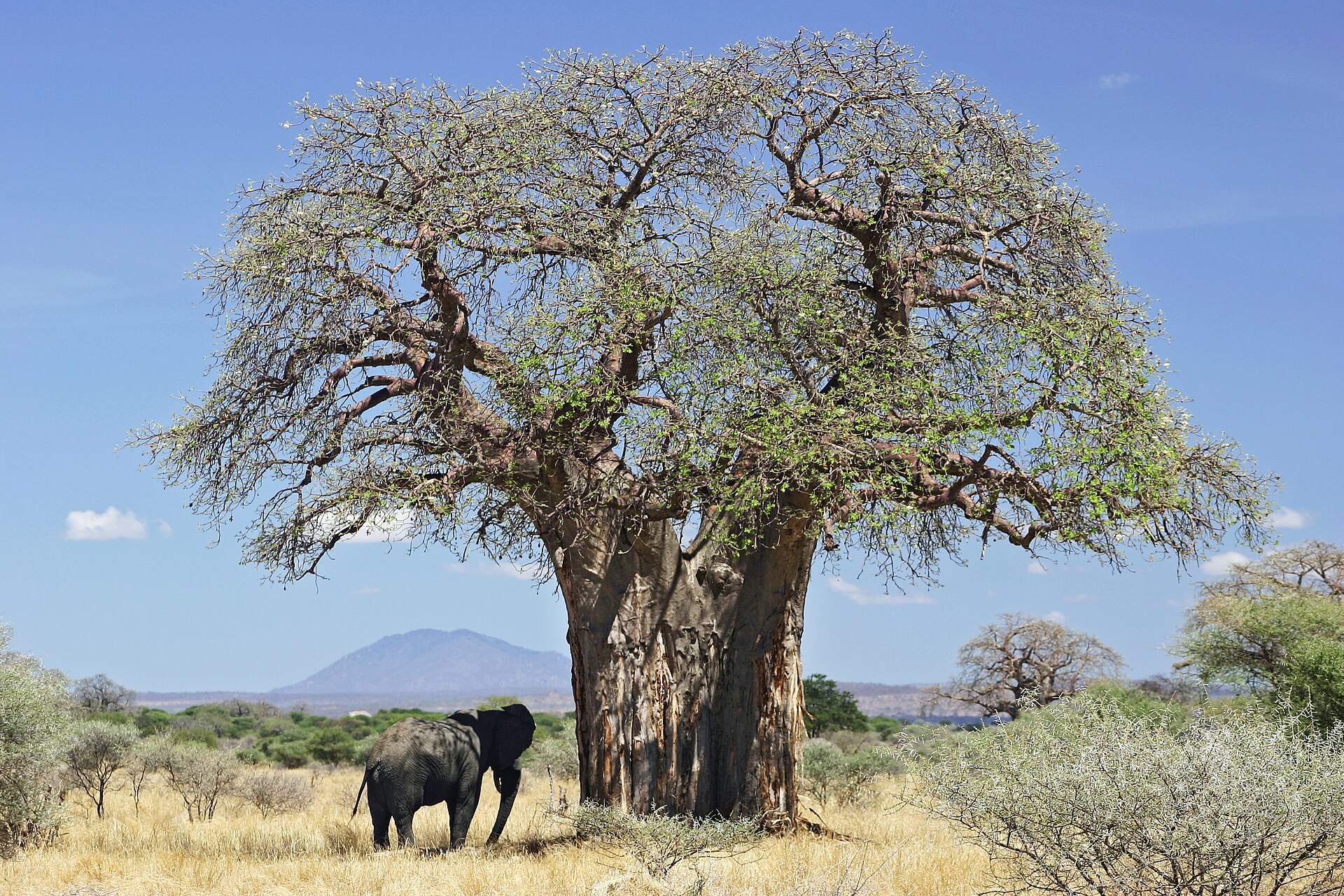
Baobab
Adansonia digitata
The iconic "tree of life" of the African savanna — its fruit pulp is a vitamin C powerhouse used as an immune tonic, antidiarrhoeal, and febrifuge; the bark and leaves treat malaria and inflammation.
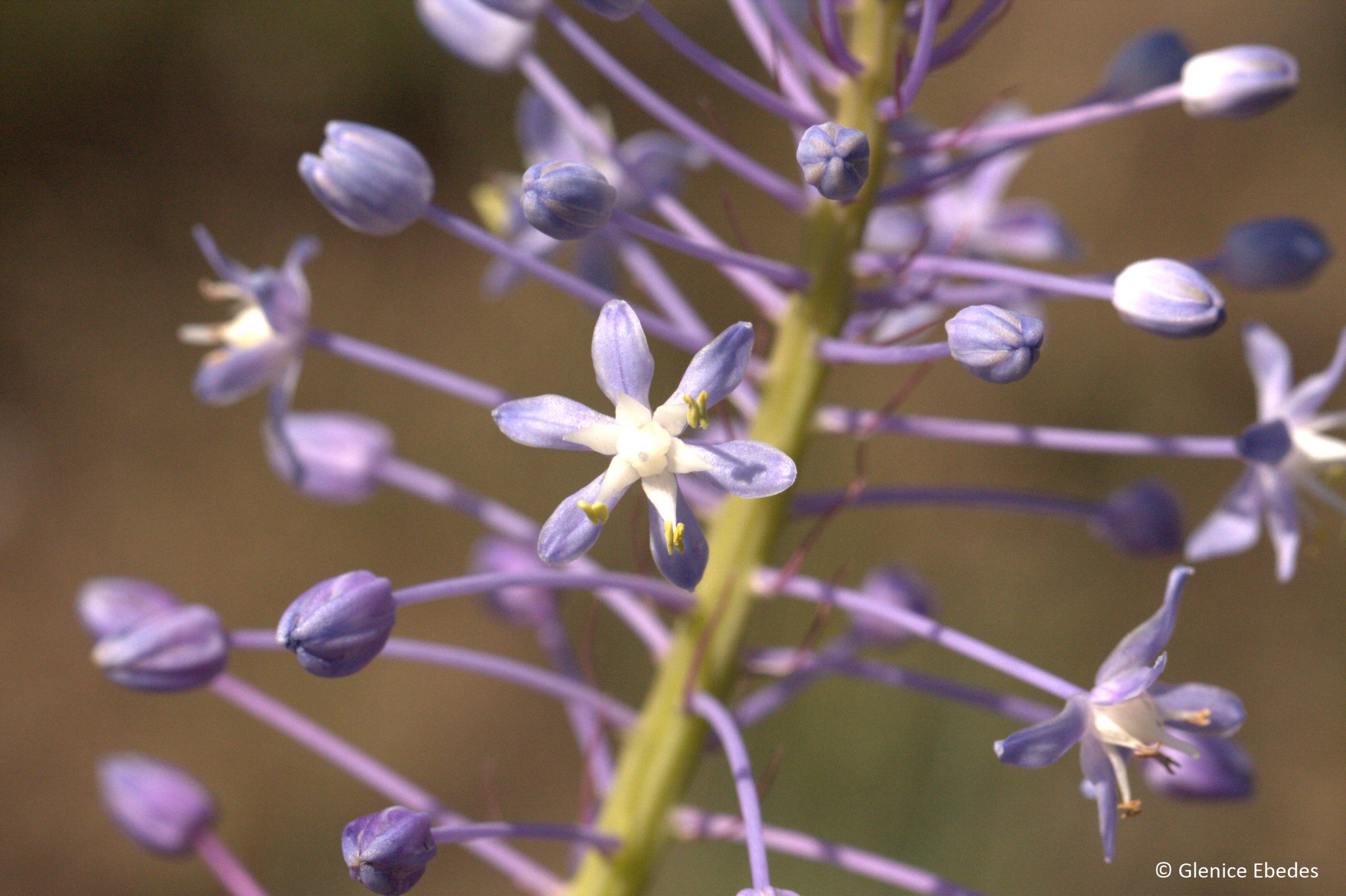
Blue Squill (Merwilla)
Merwilla plumbea
A striking blue-flowered southern African bulb, a very popular but potent muthi plant used for many complaints — and one that contains cardiac bufadienolides, so used with care.
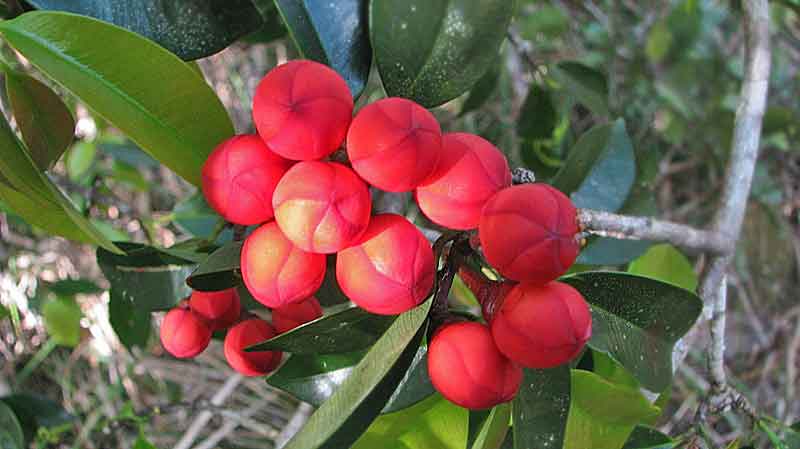
Boarwood
Symphonia globulifera
A pantropical tree with bright red flowers and yellow latex, used in African and Caribbean medicine for infections, skin diseases, and wound healing. The latex and bark have potent antimicrobial properties.
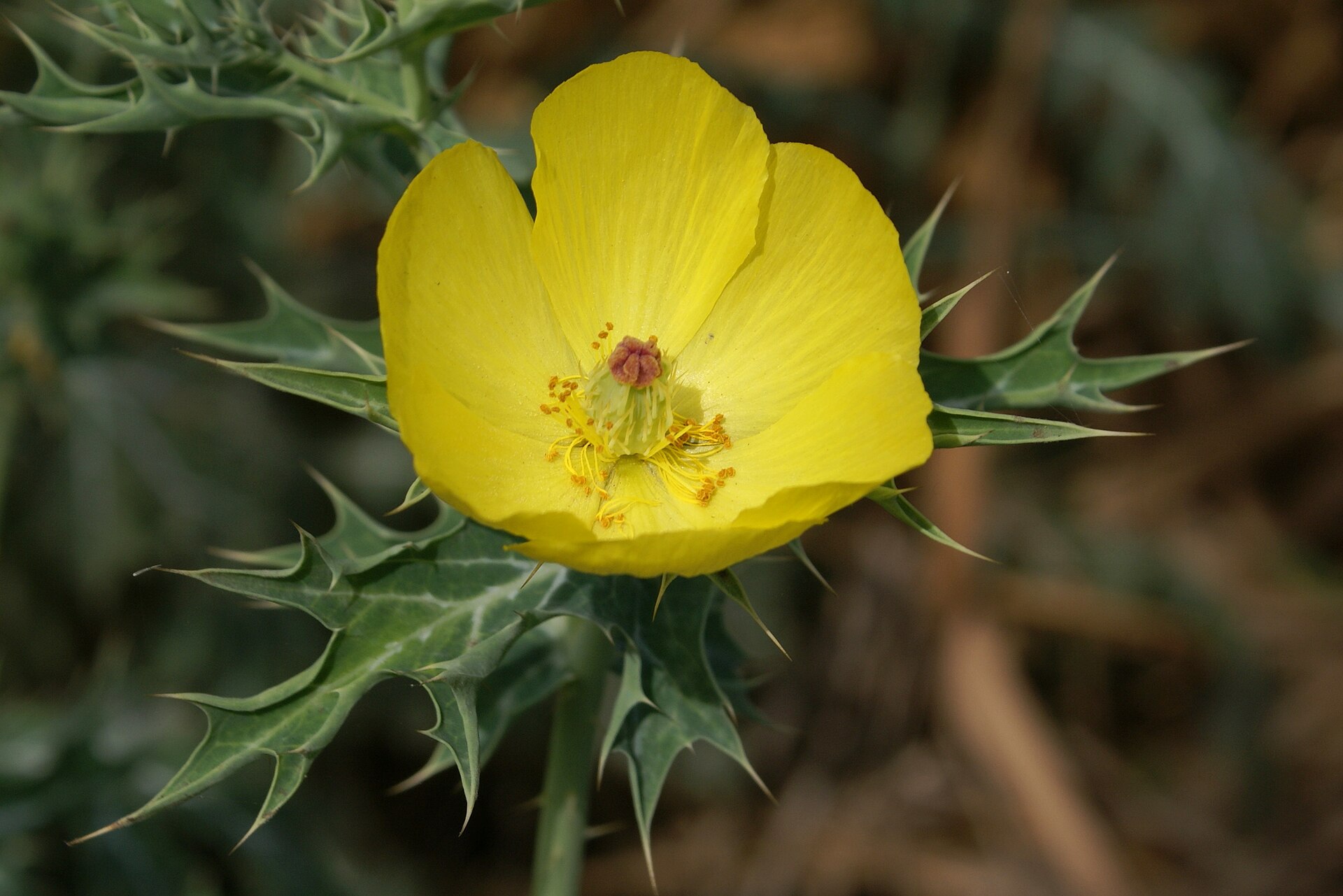
Mexican Prickly Poppy
Argemone mexicana
A prickly, drought-tolerant weed whose aerial parts are used against malaria and skin infections in West Africa — but whose toxic seed oil has caused mass poisoning outbreaks and demands extreme caution.
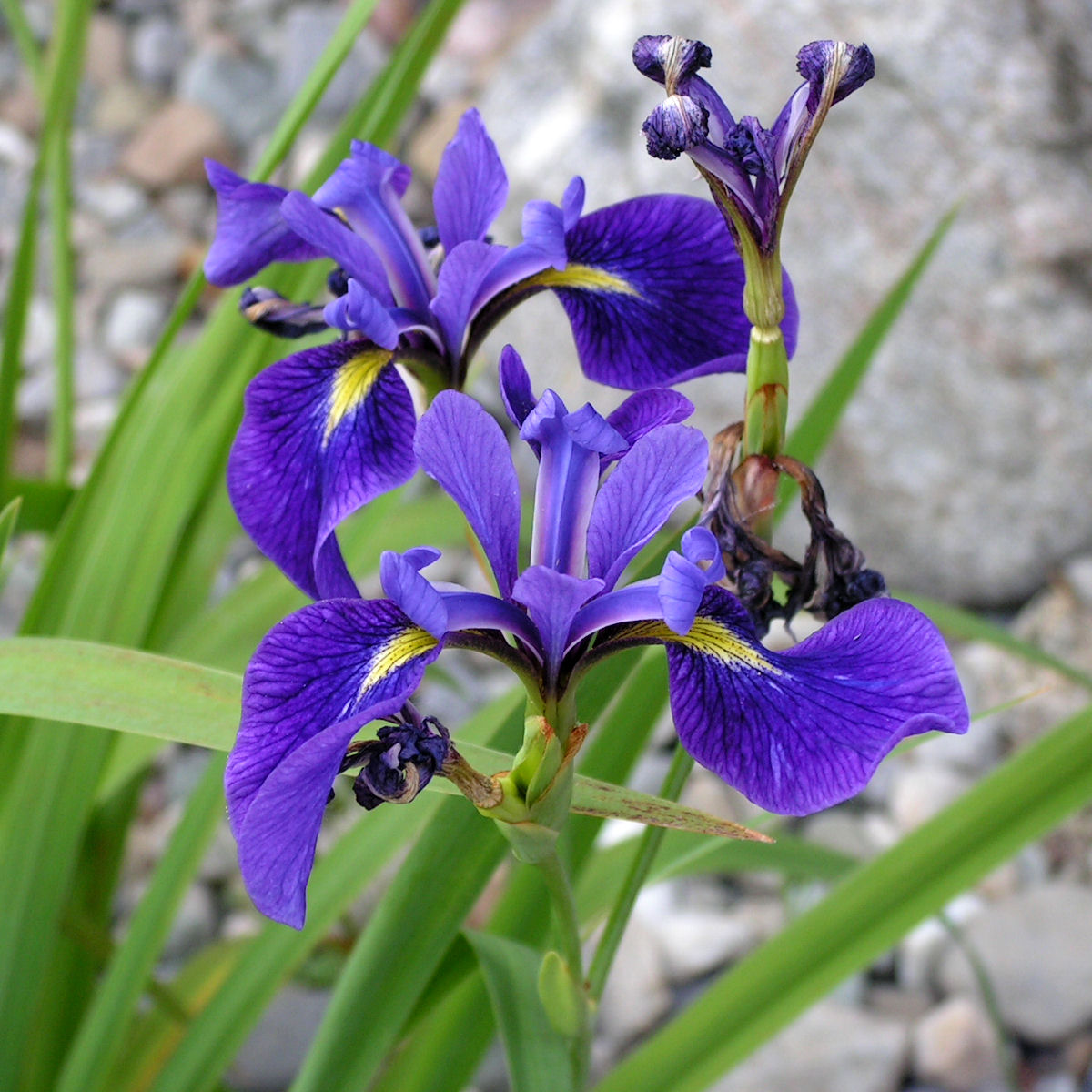
Blue Flag
Iris versicolor
A North American lymphatic and hepatic alterative once nicknamed "vegetable mercury" for its powerful action on stubborn skin and glandular conditions.
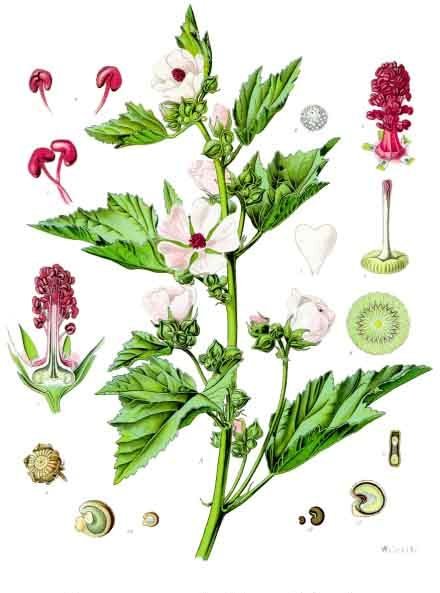
Marshmallow Root
Althaea officinalis
The gold-standard demulcent — up to 35% mucilage that physically coats and calms inflamed throat, gut and urinary tissue.
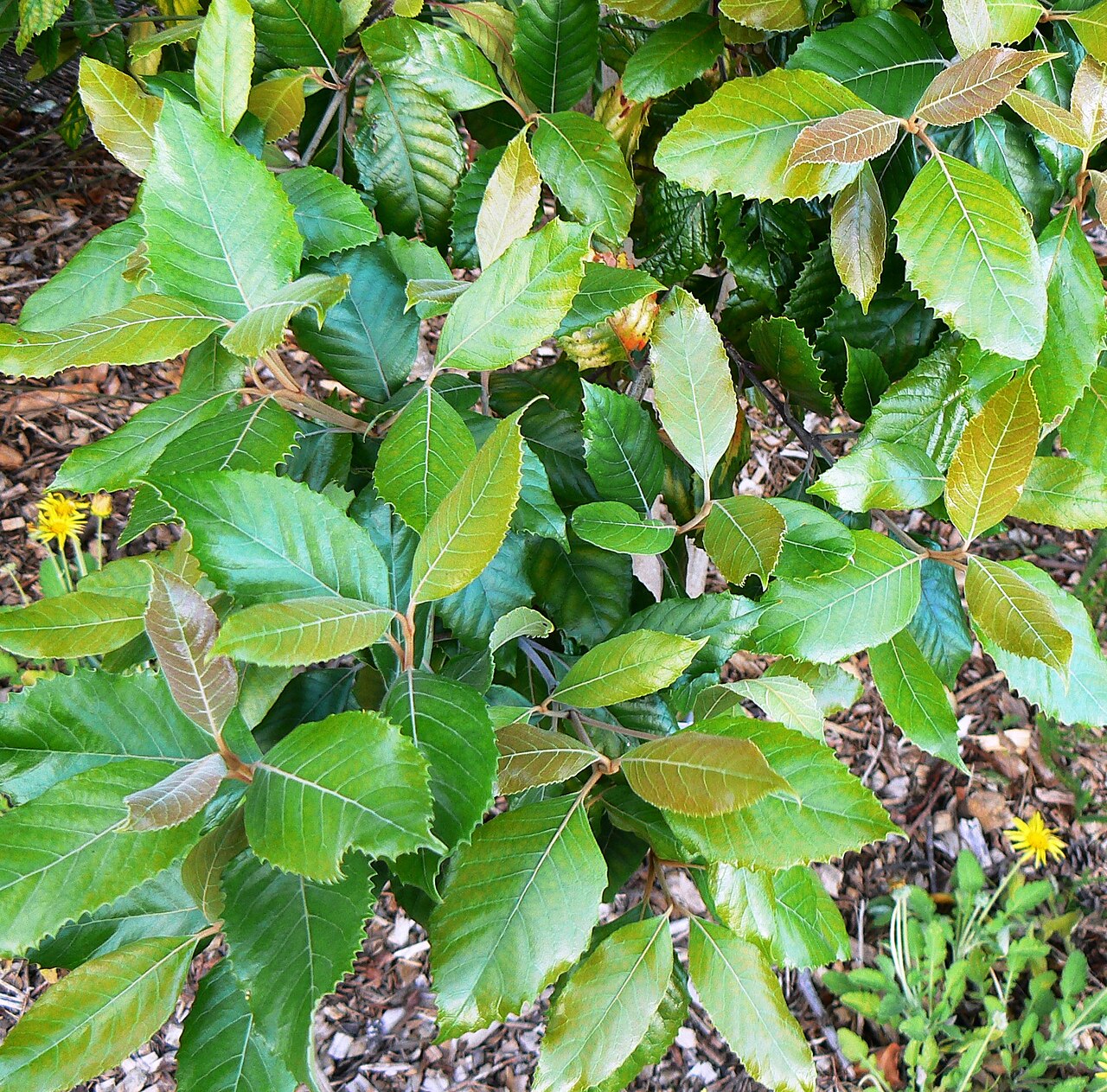
Assegai Tree
Curtisia dentata
A southern African hardwood tree whose bark is a popular traditional remedy for stomach complaints, diarrhoea and “blood purification”, with proven antimicrobial activity.
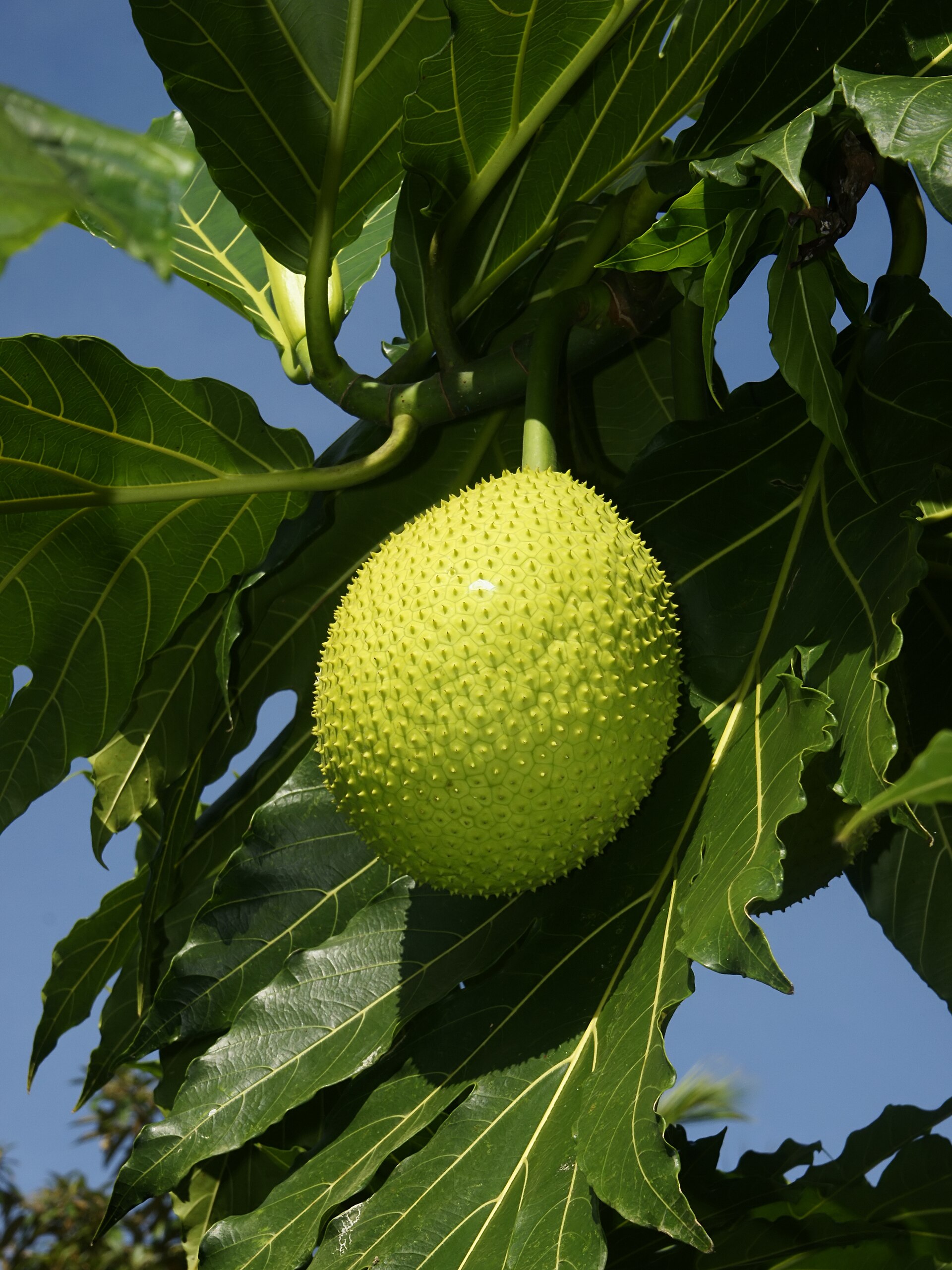
Breadfruit
Artocarpus communis
The legendary Pacific staple that became integral to West African and Caribbean food and medicine. The leaves, bark, and latex treat diabetes, hypertension, infections, and skin conditions — while the starchy fruit feeds millions.
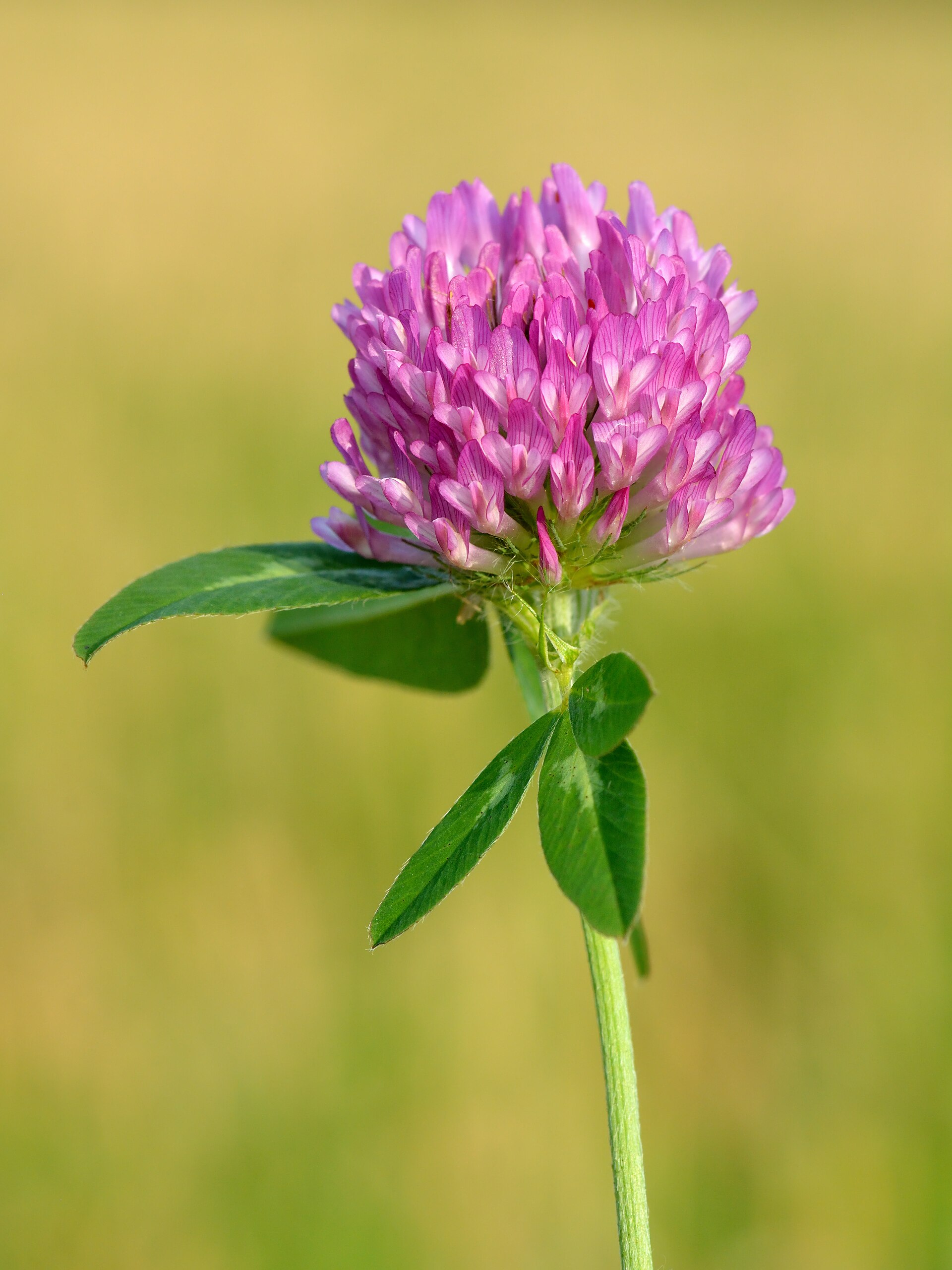
Red Clover
Trifolium pratense
A meadow flower that doubles as the West’s best-studied isoflavone source for menopause — and a classic lymphatic alterative for stubborn skin.
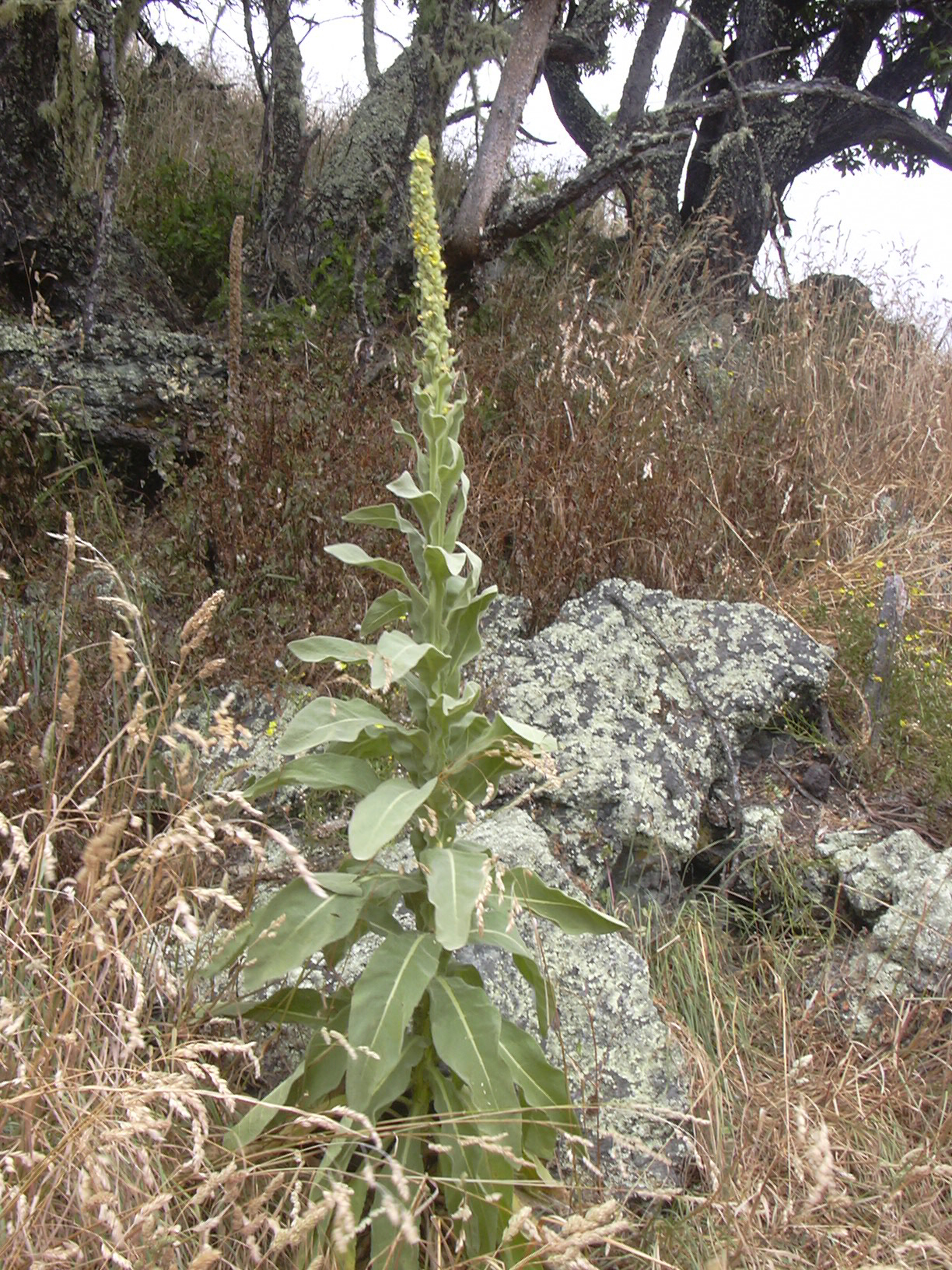
Mullein
Verbascum thapsus
The definitive lung herb of Western medicine — simultaneously demulcent and expectorant, and the source of the classic ear oil.
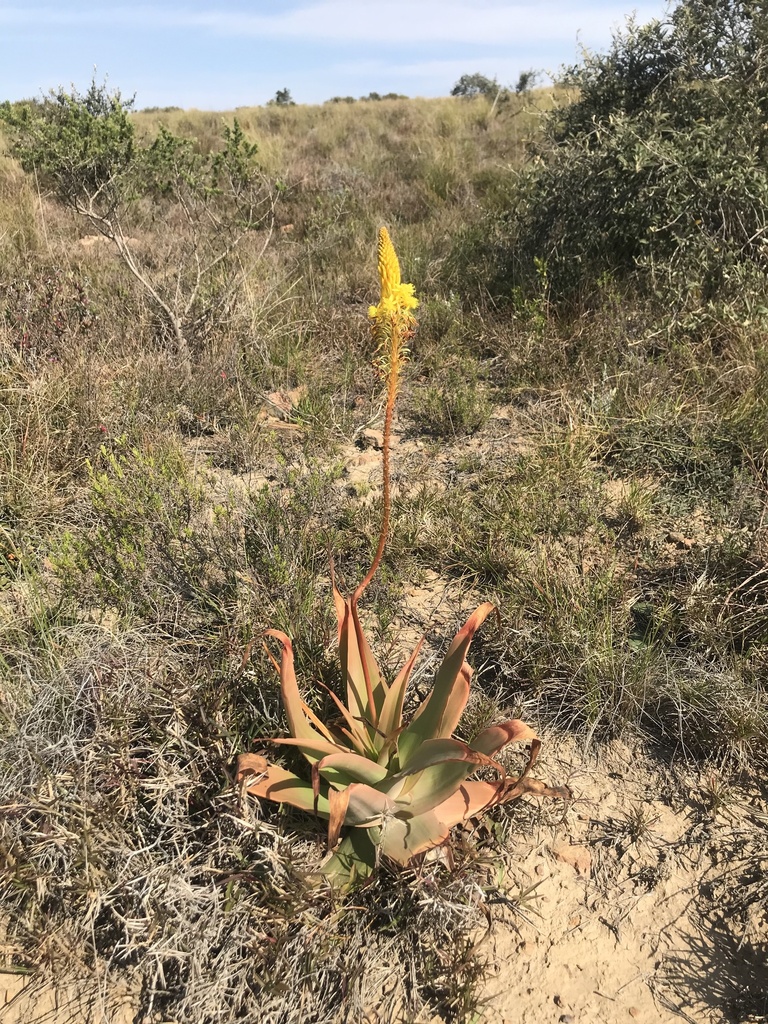
Broad-leaved Bulbine (Rooiwortel)
Bulbine latifolia
A succulent South African aloe-relative whose root is a popular tonic for blood, digestion, diabetes and male vitality.
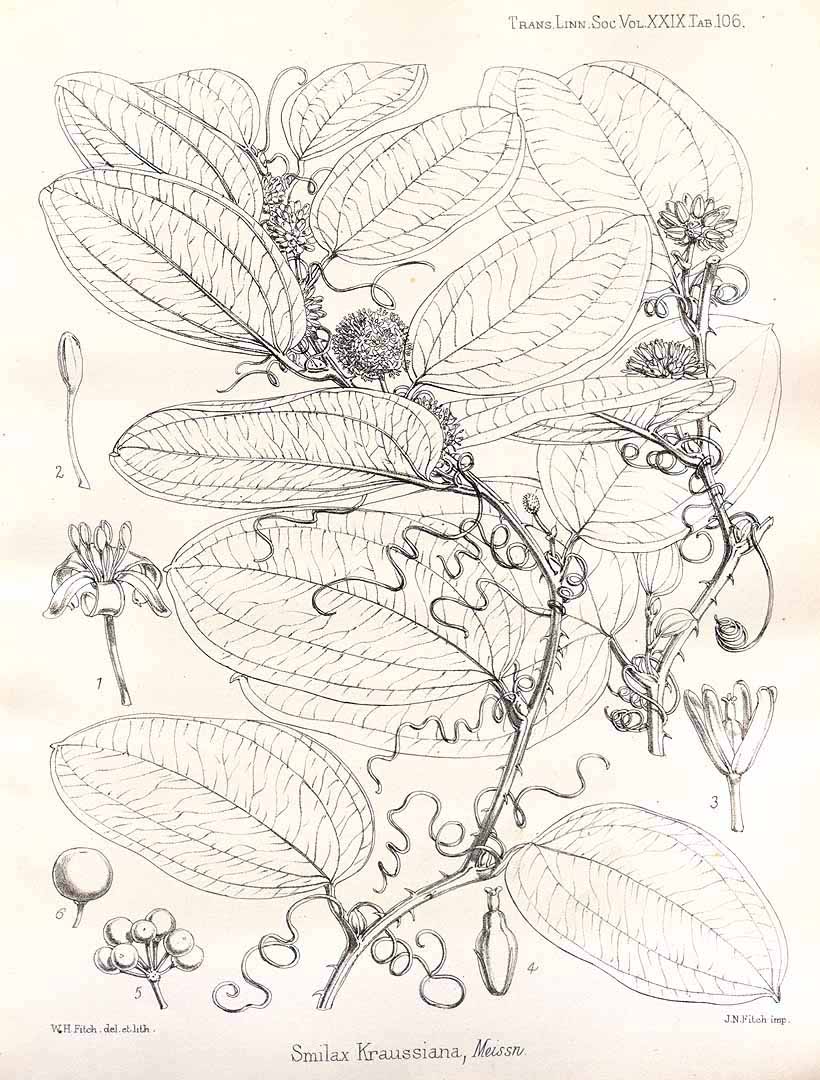
African Sarsaparilla
Smilax kraussiana
The African equivalent of the famous sarsaparilla — a thorny vine whose root and rhizome are used as a blood cleanser, tonic, and treatment for rheumatism, STIs, and skin conditions across West and Southern Africa.
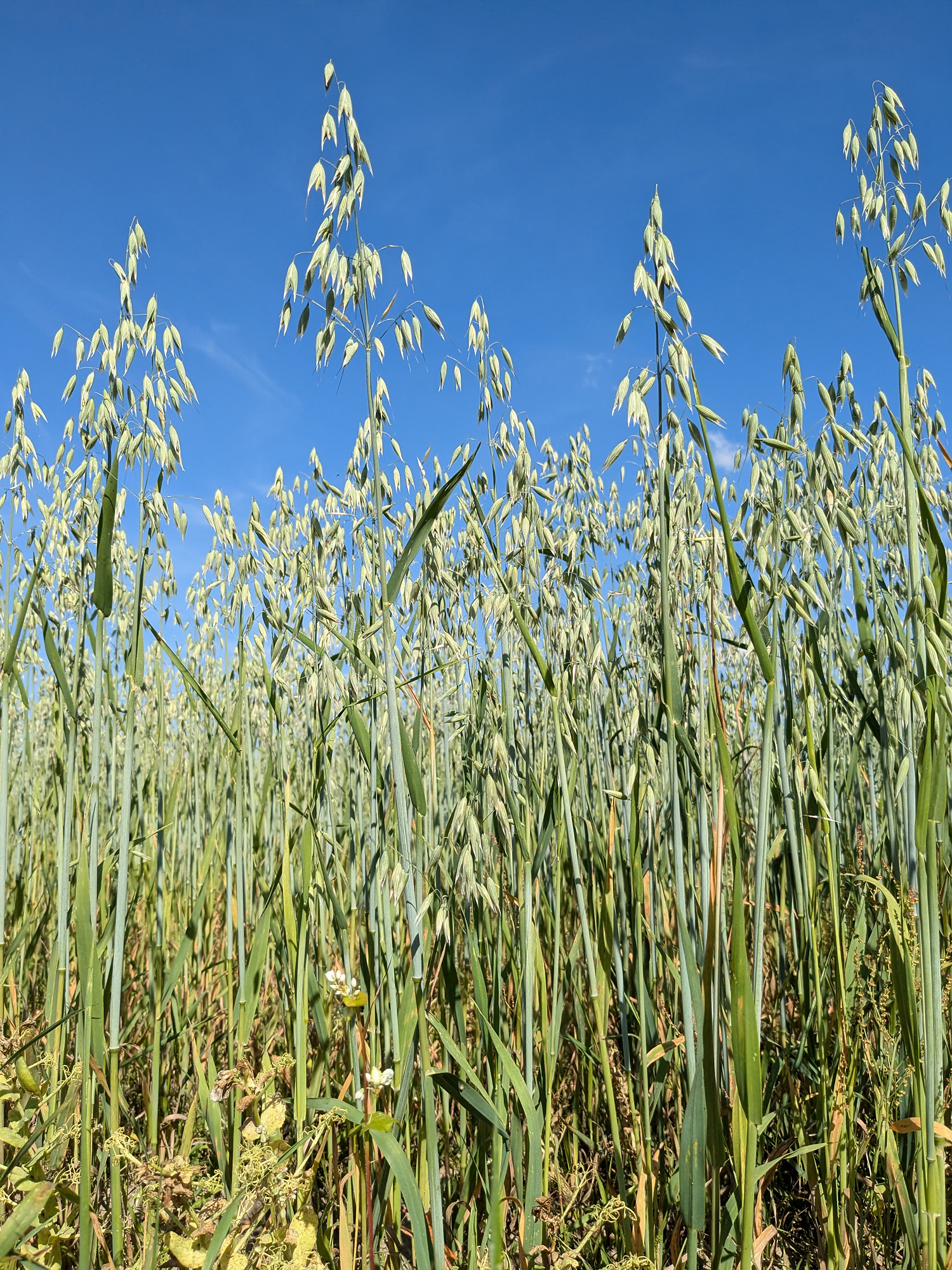
Oat Straw & Milky Oats
Avena sativa
The gentlest and most restorative nervine in Western herbalism — a mineral-rich trophorestorative for burnout, exhaustion and frayed nerves.
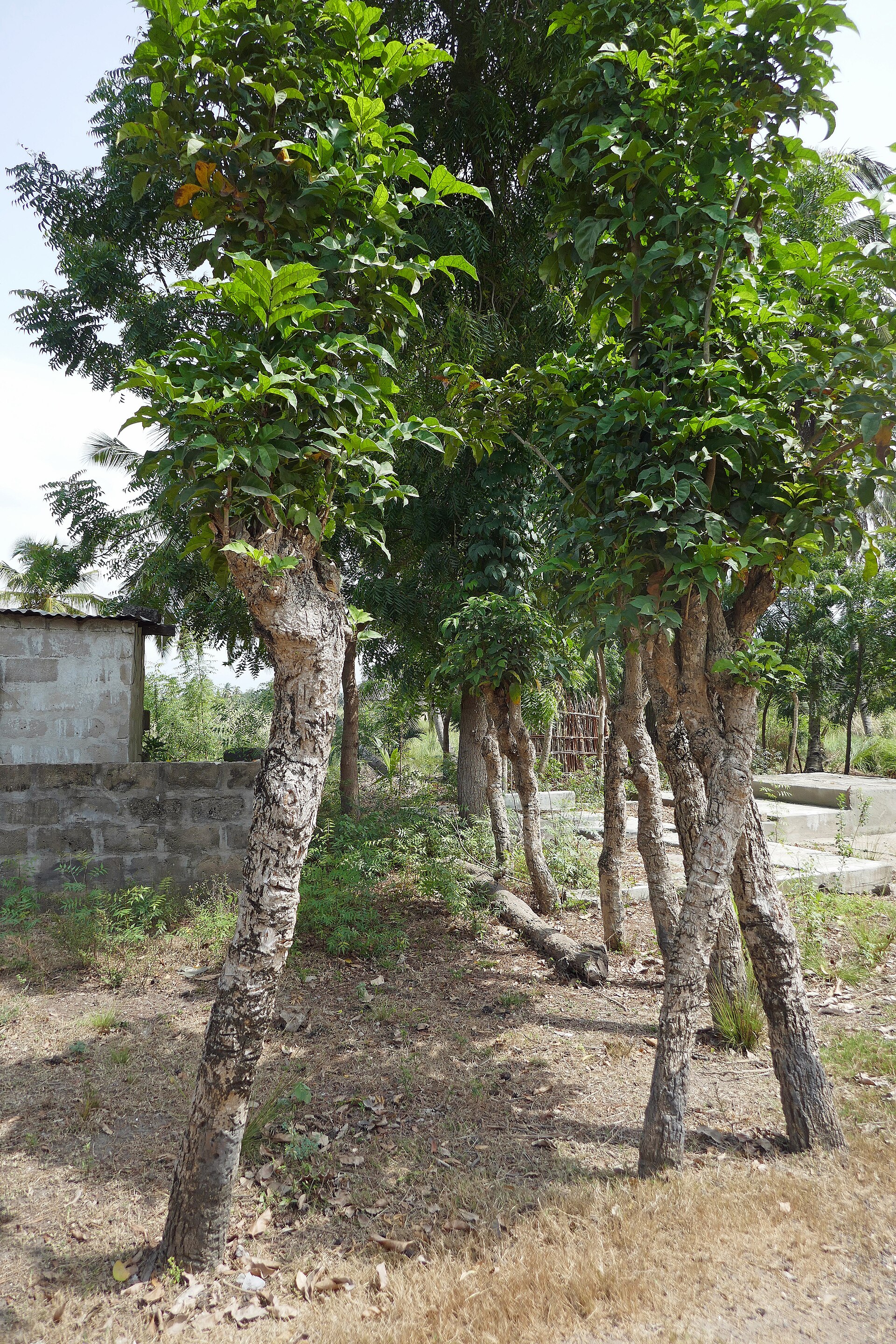
Boundary Tree
Newbouldia laevis
A culturally powerful West African tree planted to mark boundaries and symbolise fertility. Its leaves, bark, and root are among the most commonly prescribed remedies for malaria, convulsions, infections, and female reproductive health.
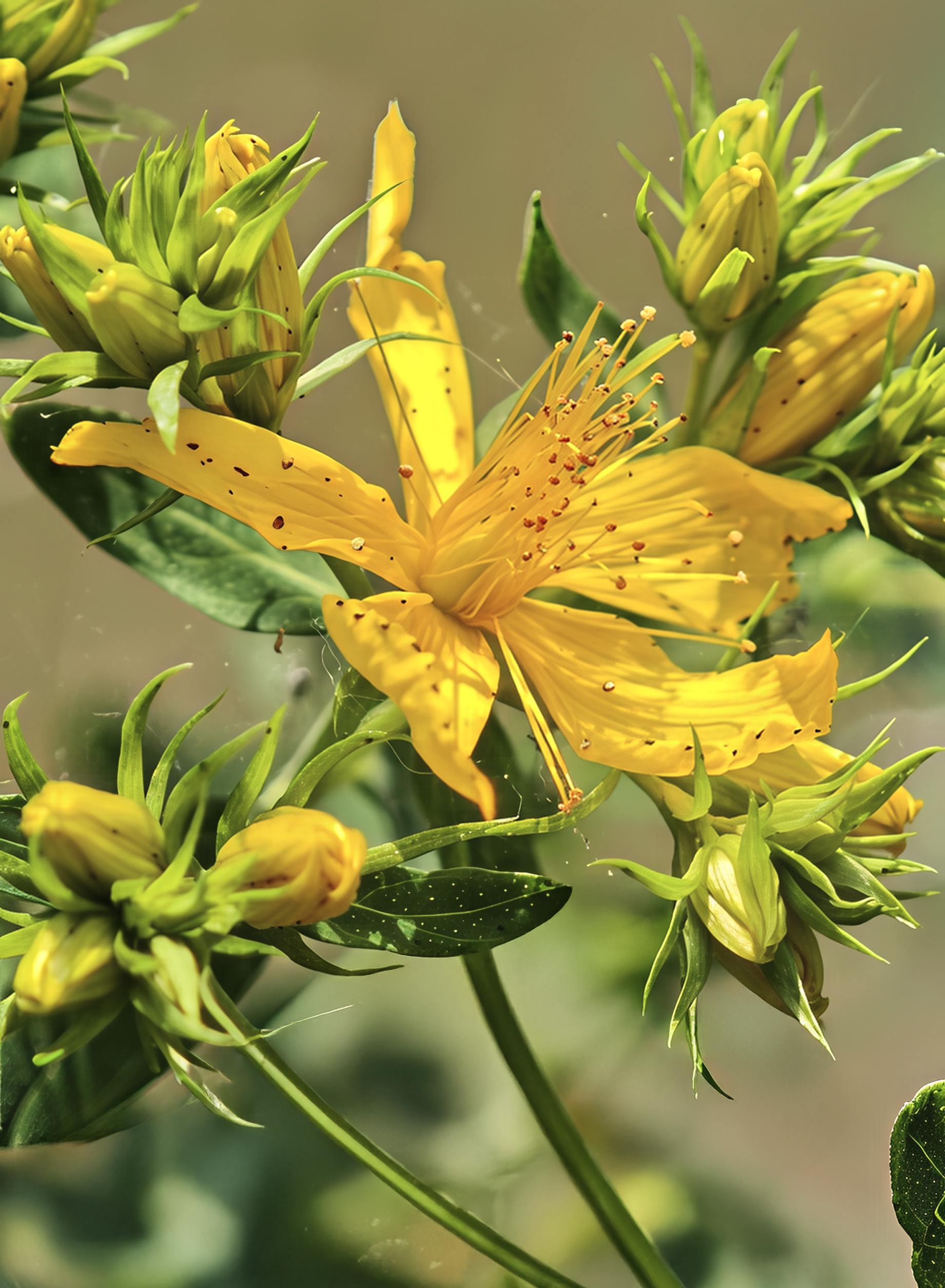
St. John's Wort
Hypericum perforatum
The sunshine herb of European tradition — backed by dozens of trials for mild-to-moderate depression, but the most interaction-prone botanical known.
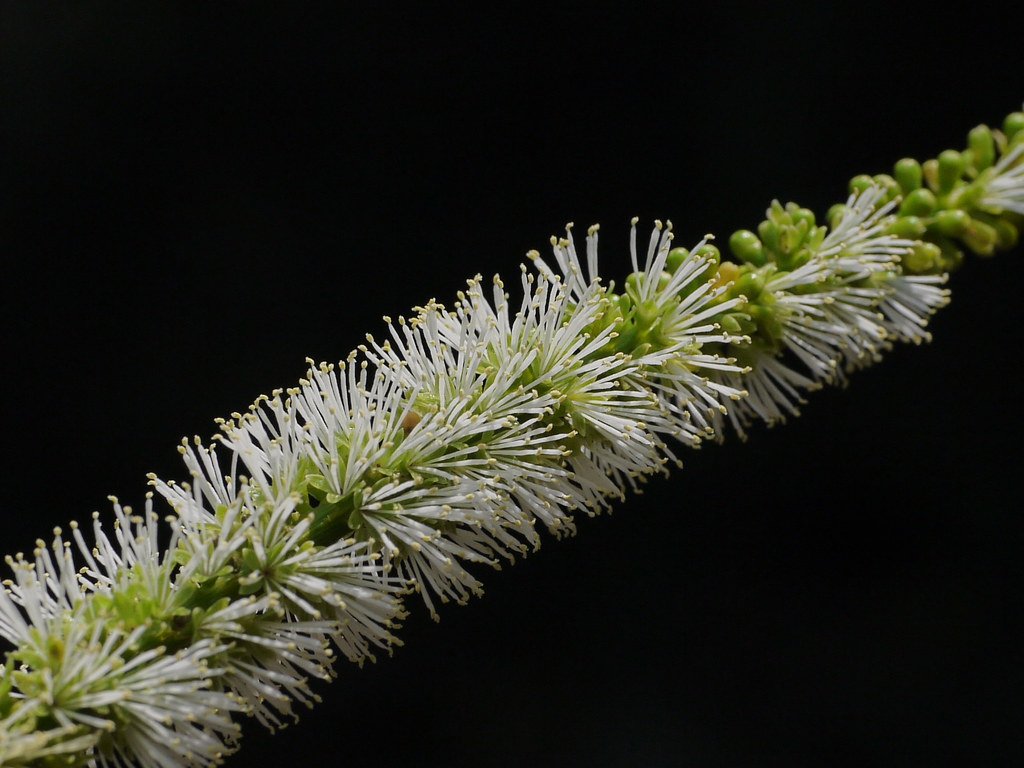
African Entada
Entada africana
A savanna tree whose bark and roots treat wounds, hepatitis, pain, and fatigue.
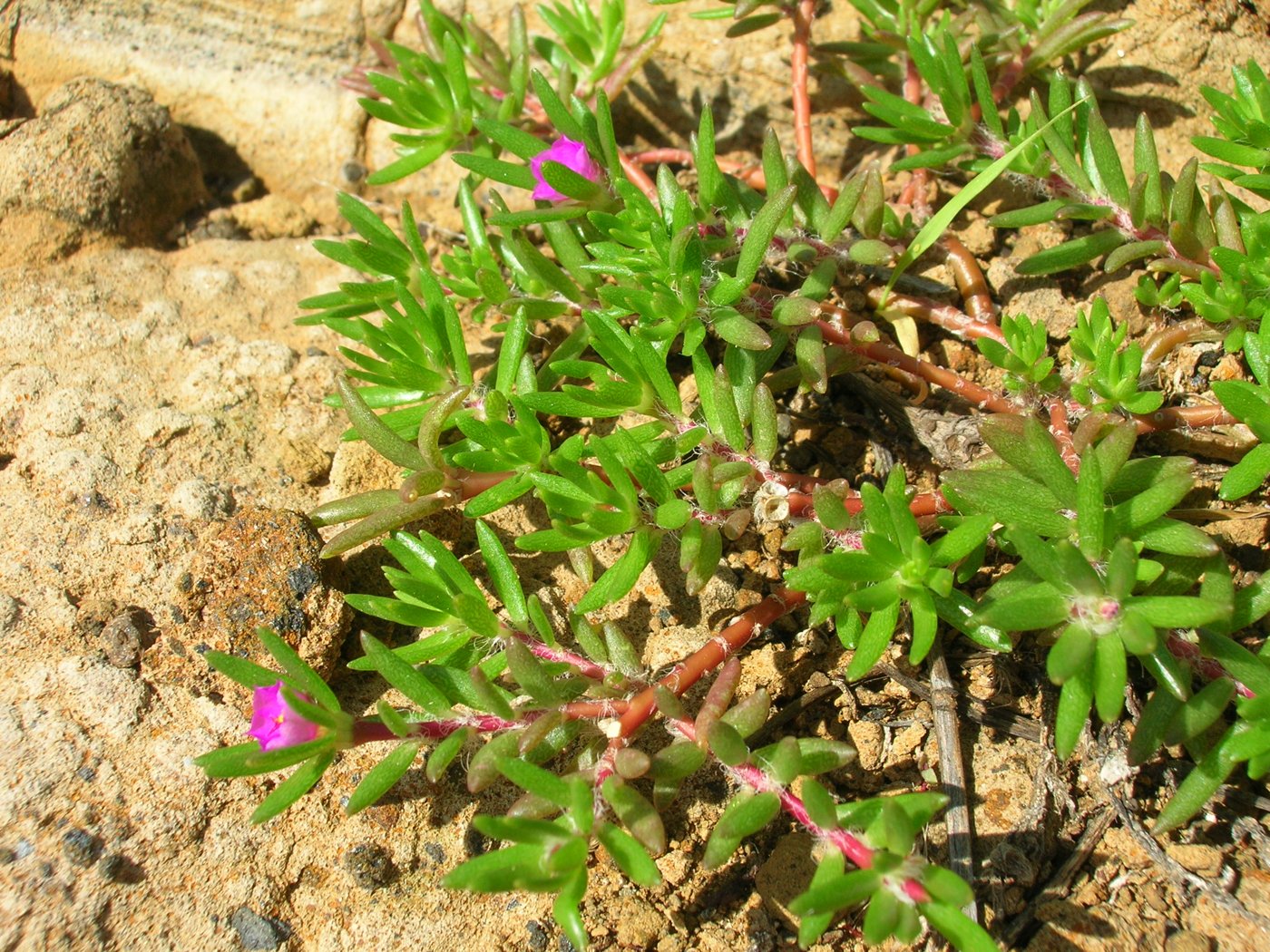
Amor Crescido
Portulaca pilosa
A tropical succulent used for inflammation, urinary problems, and wounds.
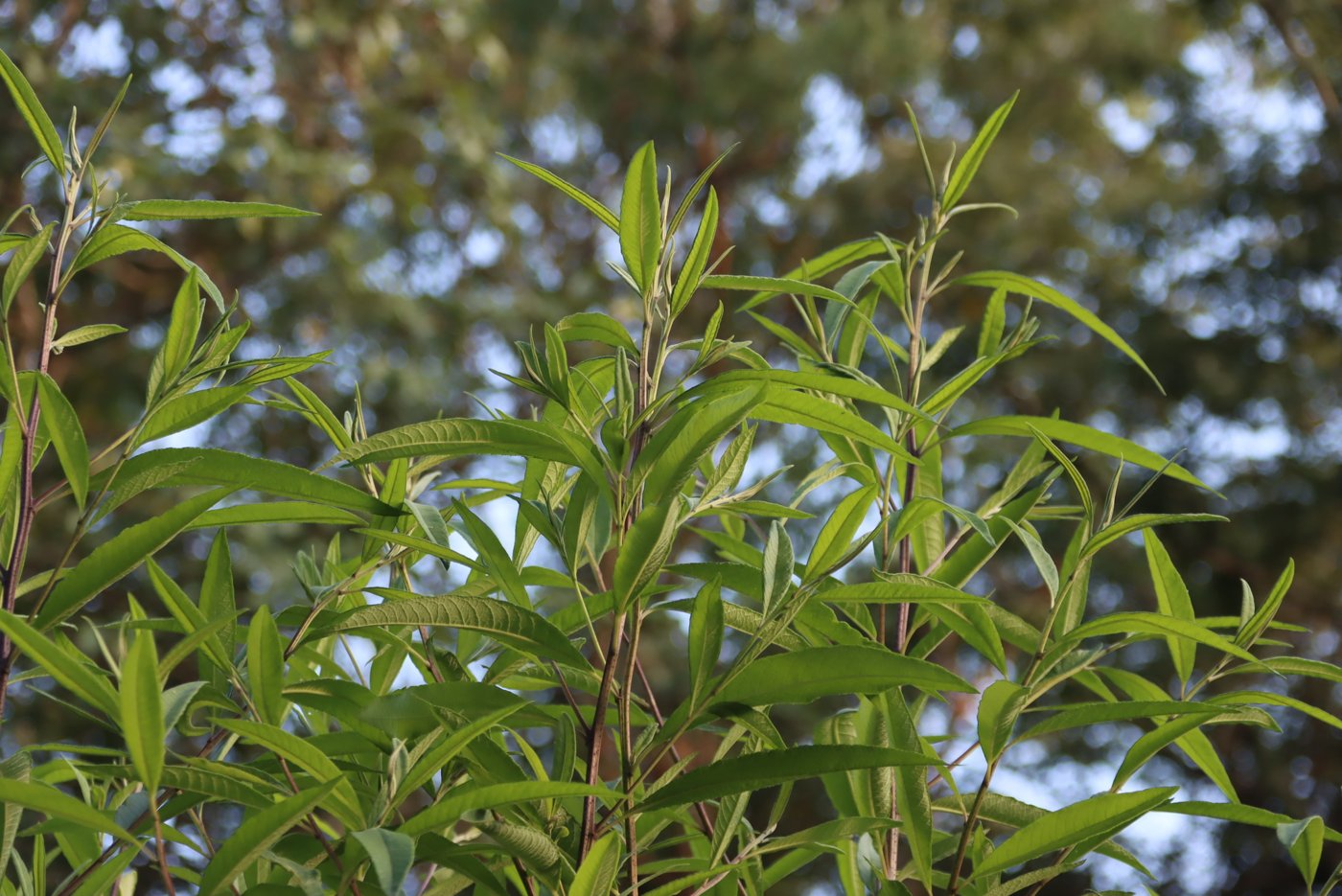
Assa-peixe
Vernonia polyanthes
A Brazilian shrub used for cough, bronchitis, and wound care.
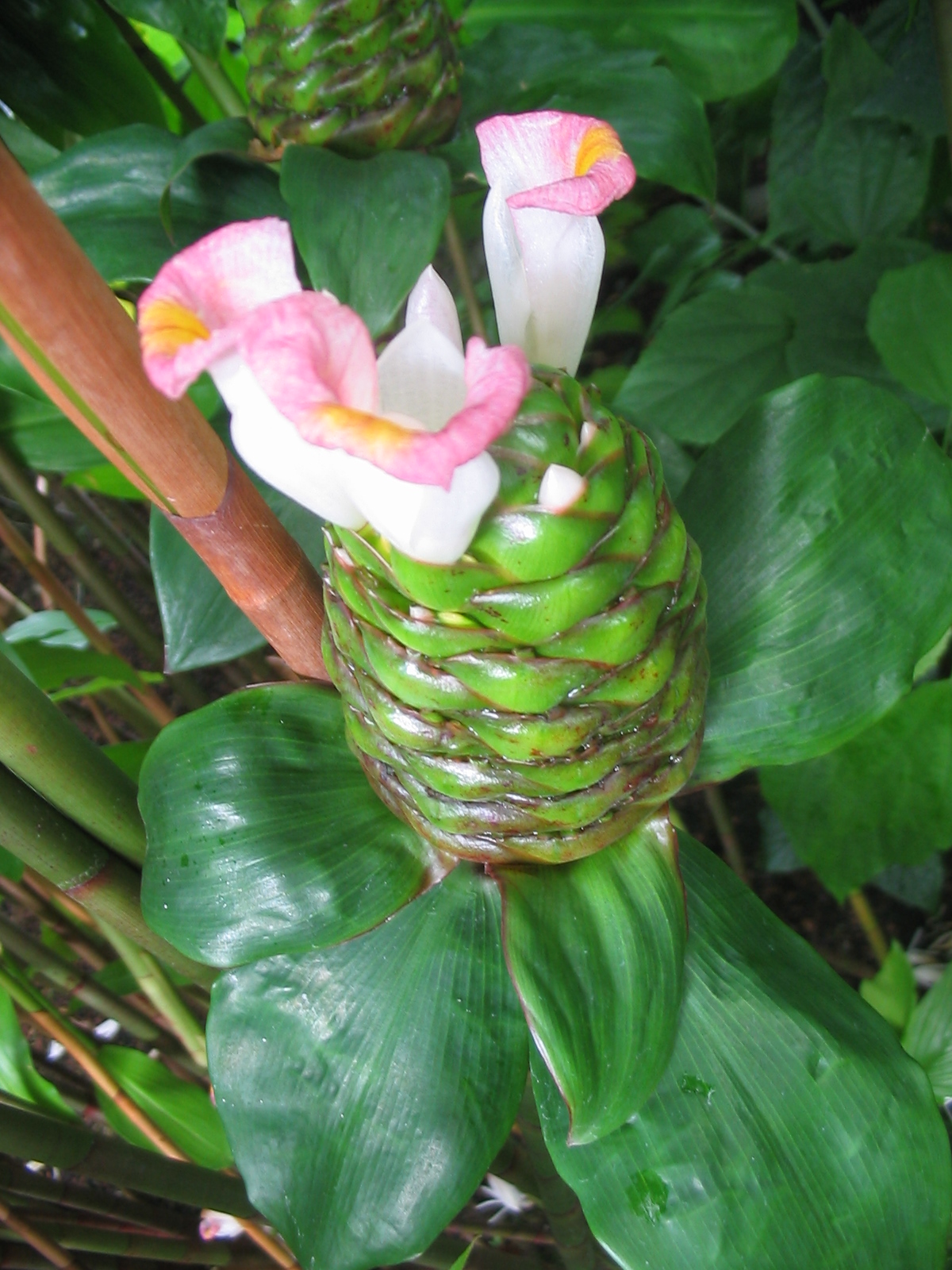
Bush Cane
Costus afer
A striking spiral-stemmed plant from African forests whose stem sap and rhizome are among the most commonly used remedies for coughs, sore throat, and inflammation across West and Central Africa.
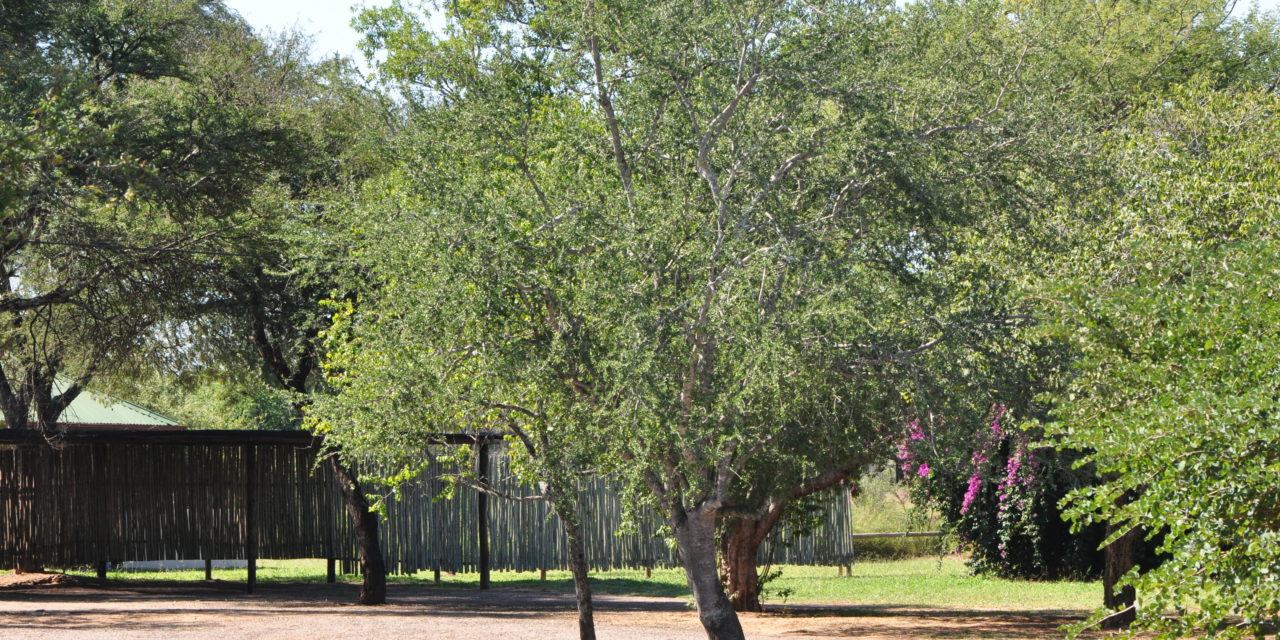
Bushveld Saffron
Elaeodendron transvaalense
A popular but potentially toxic southern African medicinal tree whose bark is widely traded for stomach complaints, skin problems and “blood cleansing” — requiring real caution.
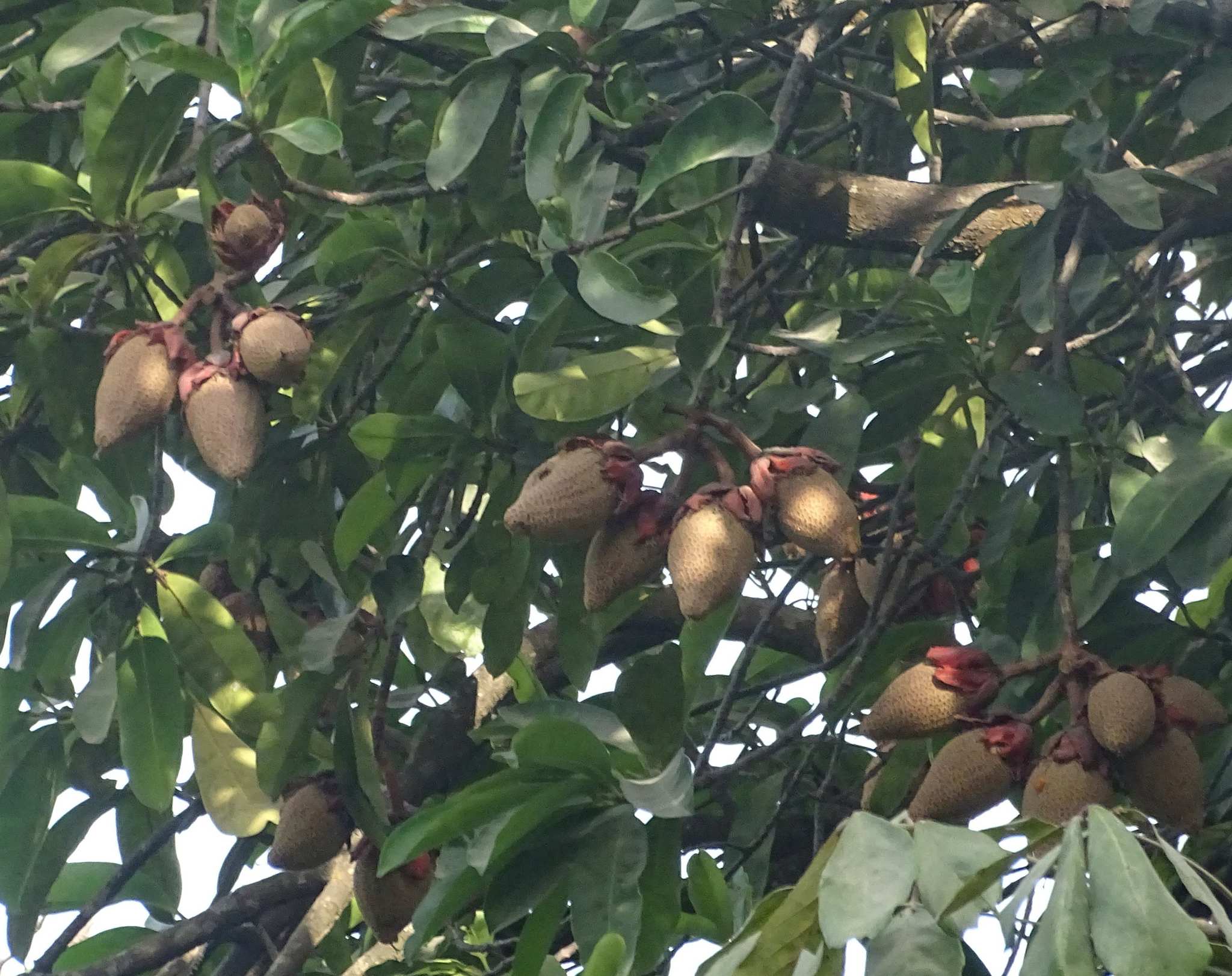
Butter Tree (Tallow Tree)
Pentadesma butyracea
A West African forest tree whose large seeds yield an edible “butter” fat, with bark, seeds and resin used for skin complaints, pain and digestive ailments.
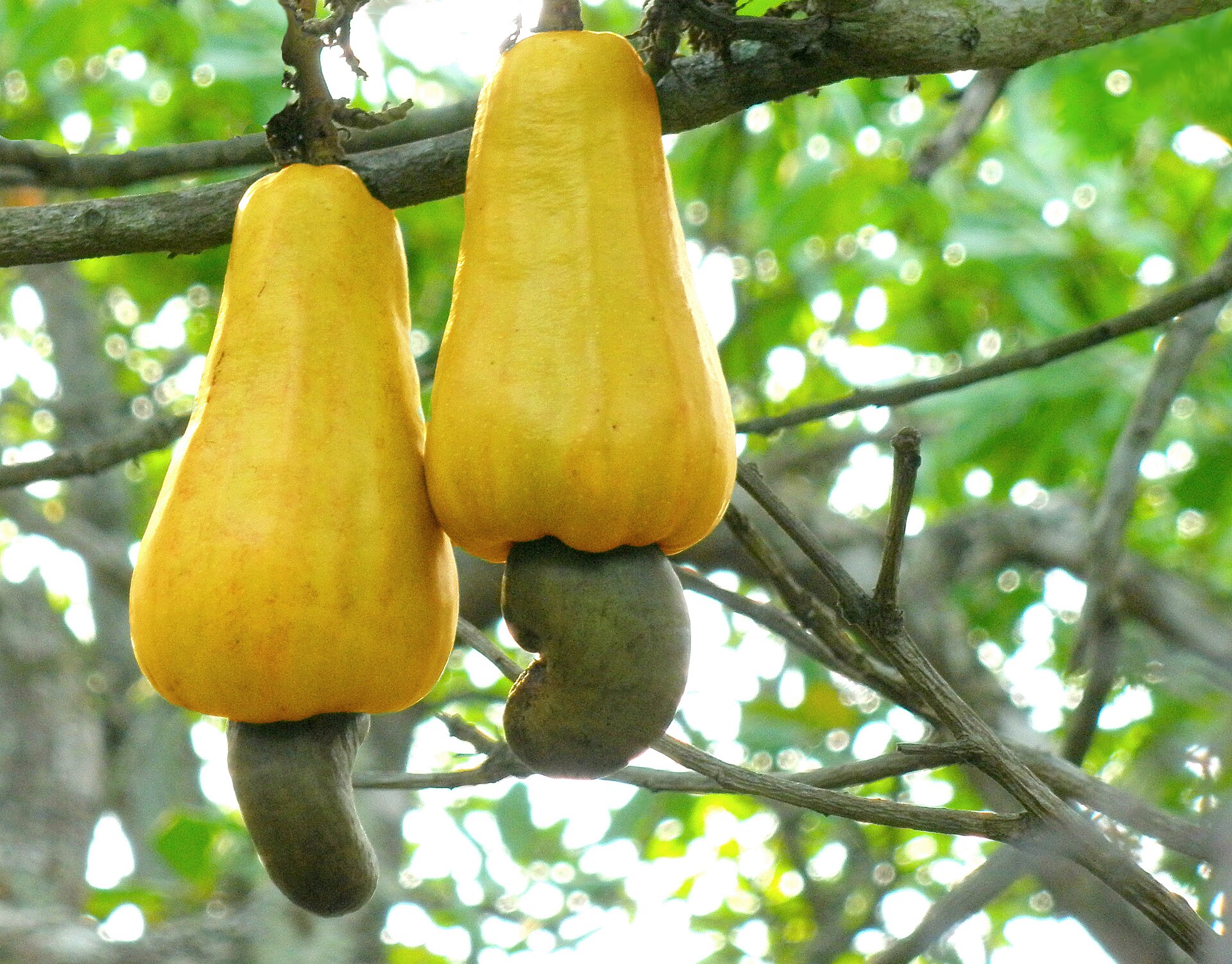
Cashew
Anacardium occidentale
Far more than a snack nut — the cashew tree is a full-spectrum medicinal plant across West African and Amazonian traditions. The bark, leaves, fruit, and shell oil are used for diabetes, infections, inflammation, and dental health.
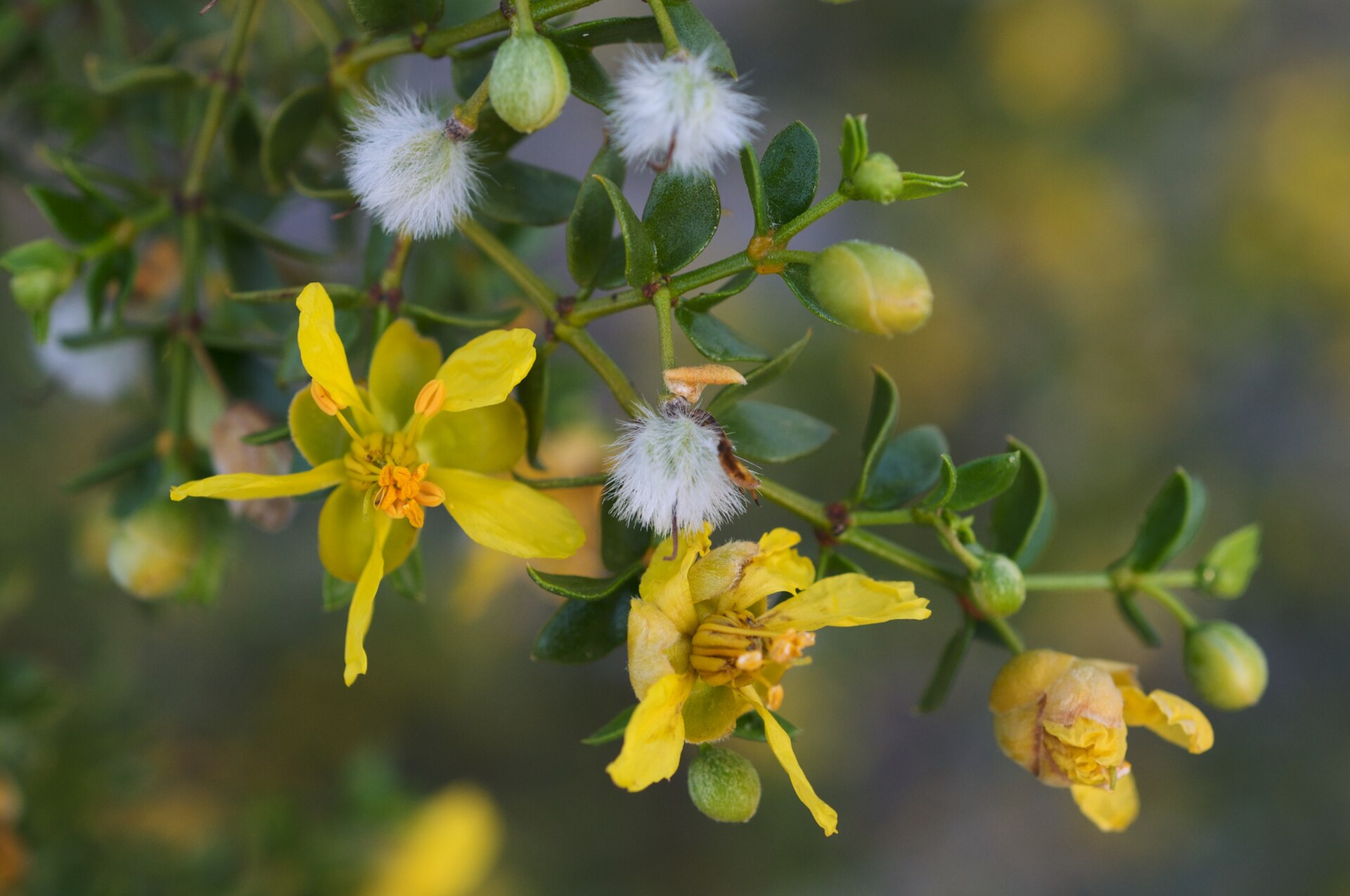
Chaparral
Larrea tridentata
A resinous desert shrub of Sonoran and Native American medicine — potent antioxidant and antimicrobial, but linked to serious liver injury when taken internally.
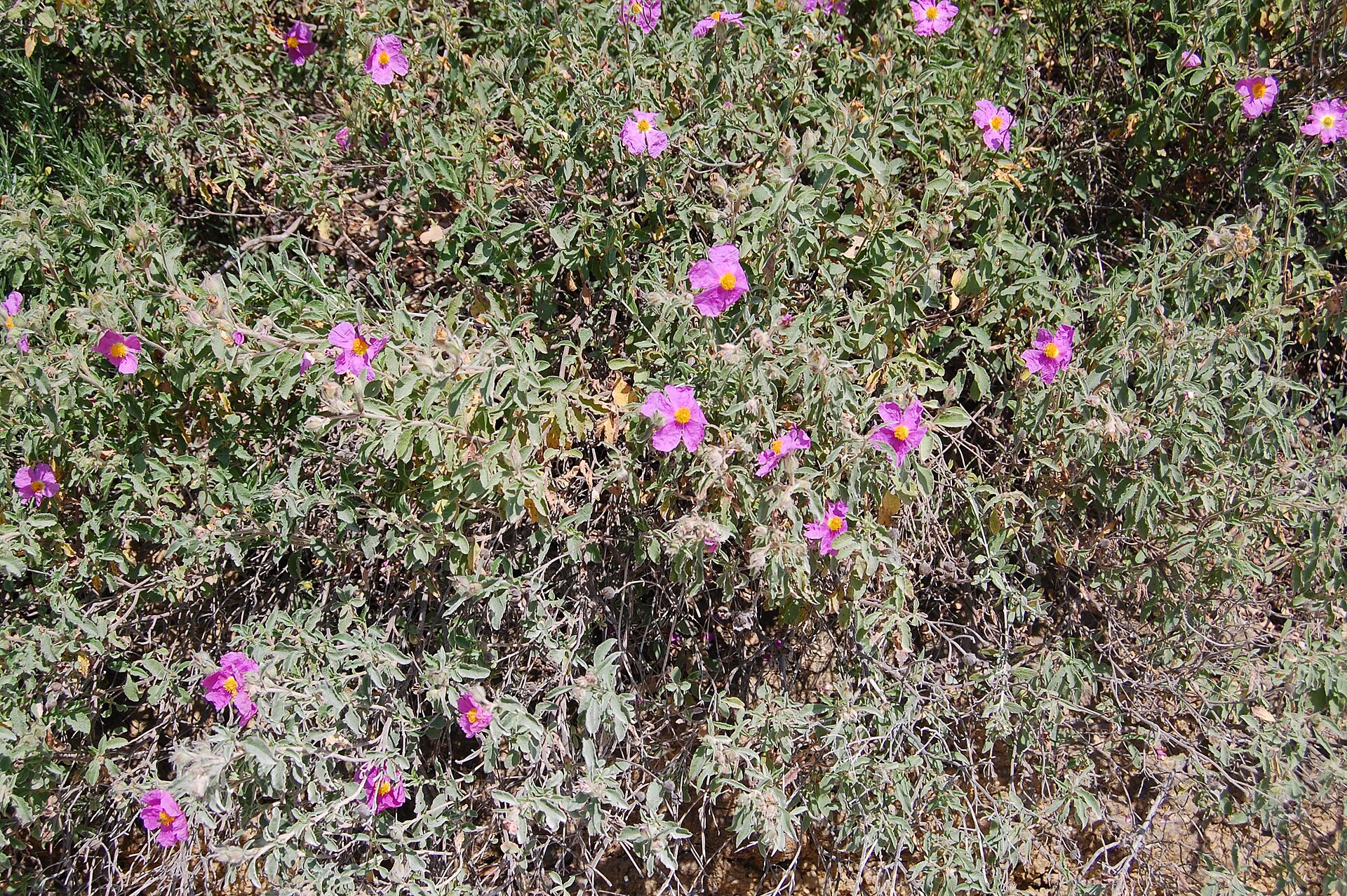
Cistus
Cistus incanus
A resilient Mediterranean shrub producing one of the most polyphenol-rich plant extracts known — traditionally used for wound healing and now attracting research attention for potent antiviral, anti-biofilm and cardiovascular-protective properties.
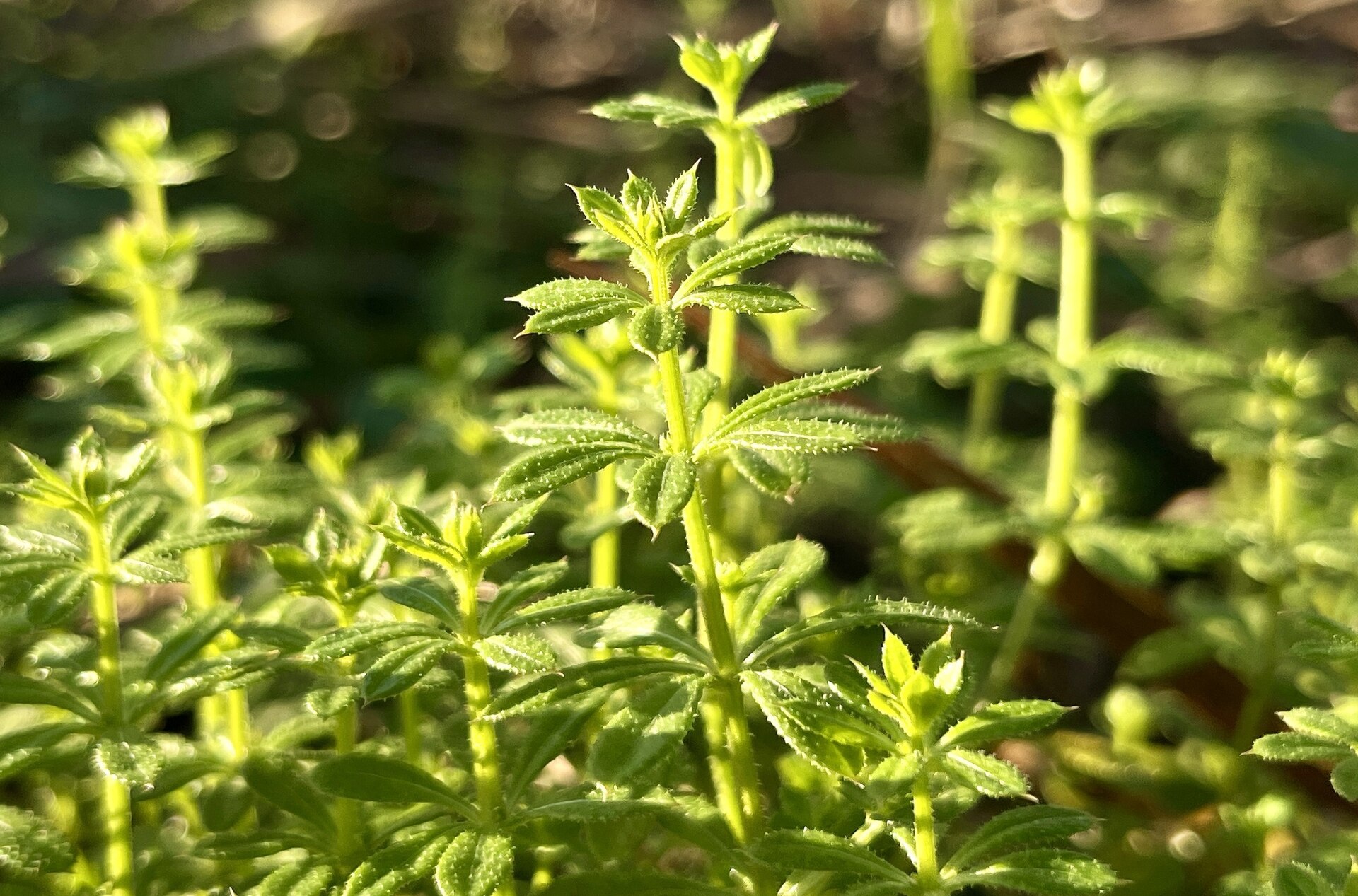
Cleavers
Galium aparine
The classic Western lymphatic herb — a sticky spring weed used for swollen glands, skin conditions, urinary complaints and as a gentle spring cleansing tonic.
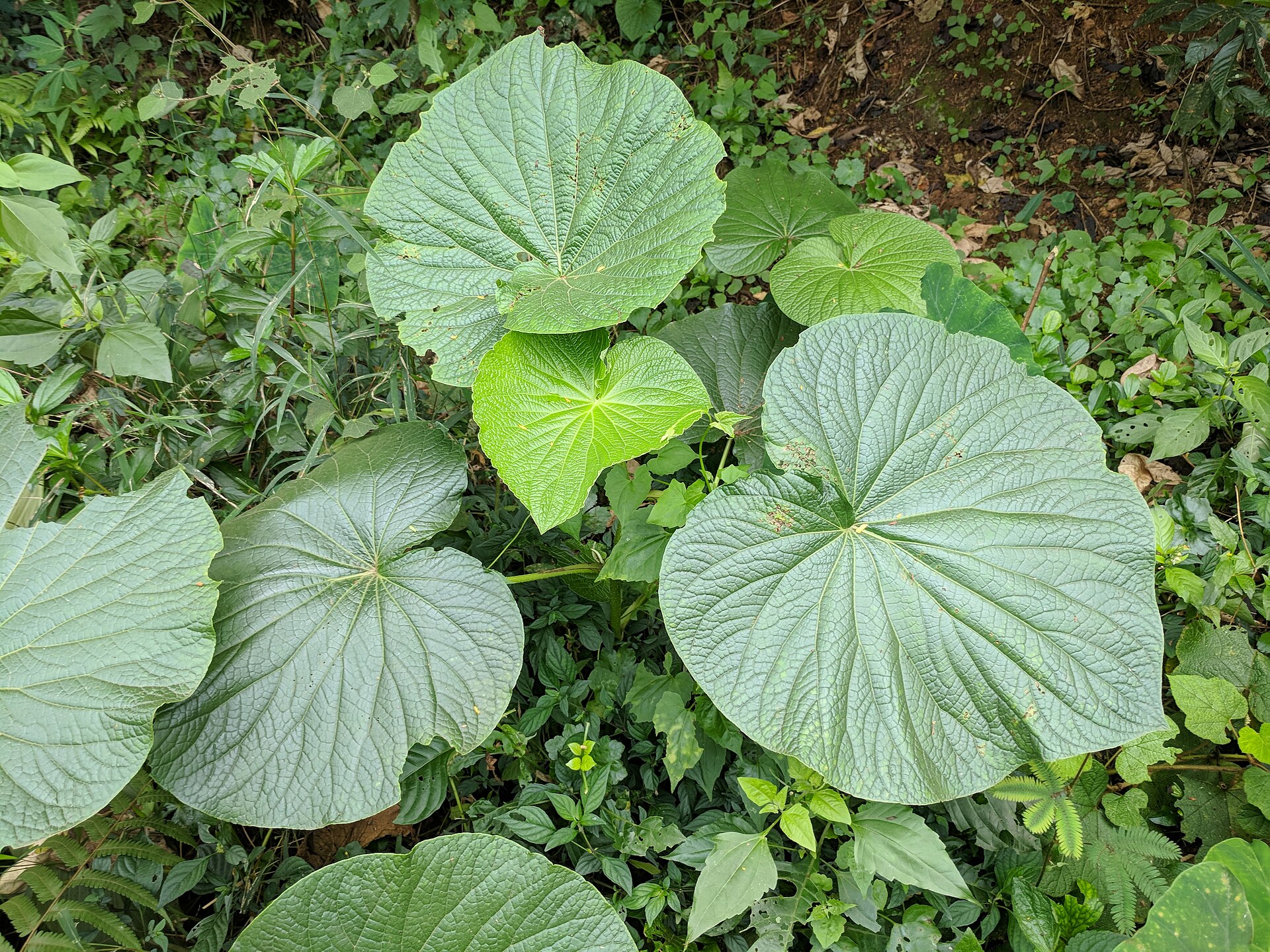
Cowfoot Leaf
Piper umbellatum
A broad-leaved pepper relative used across Jamaica, Africa and the Amazon for liver complaints, wounds, inflammation and — with real research behind it — skin photoprotection.
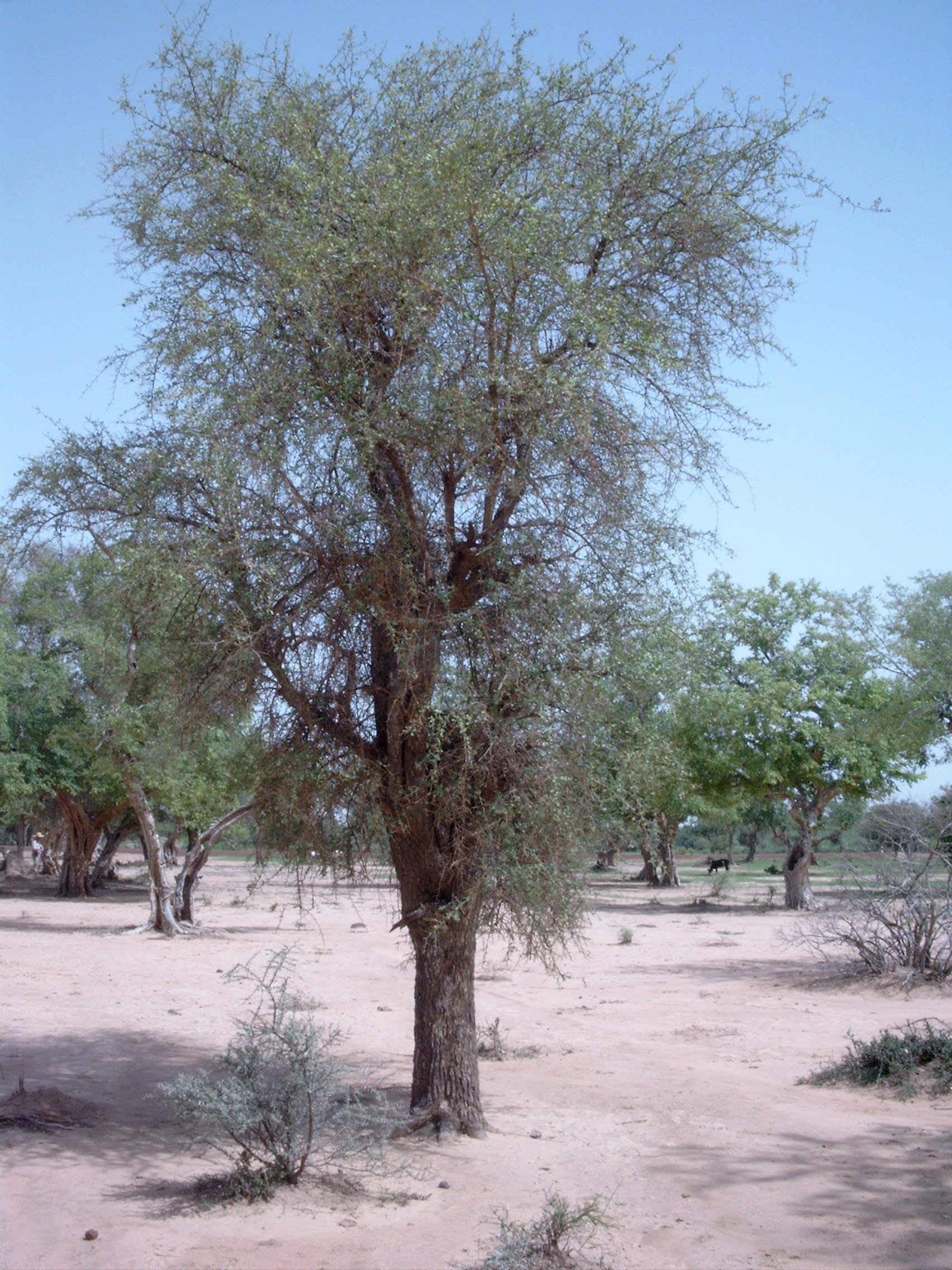
Desert Date
Balanites aegyptiaca
A drought-resistant Sahel tree whose fruit, bark, and roots are used as an anthelmintic, molluscicide, and hypocholesterolaemic agent — with additional promise in diabetes management.
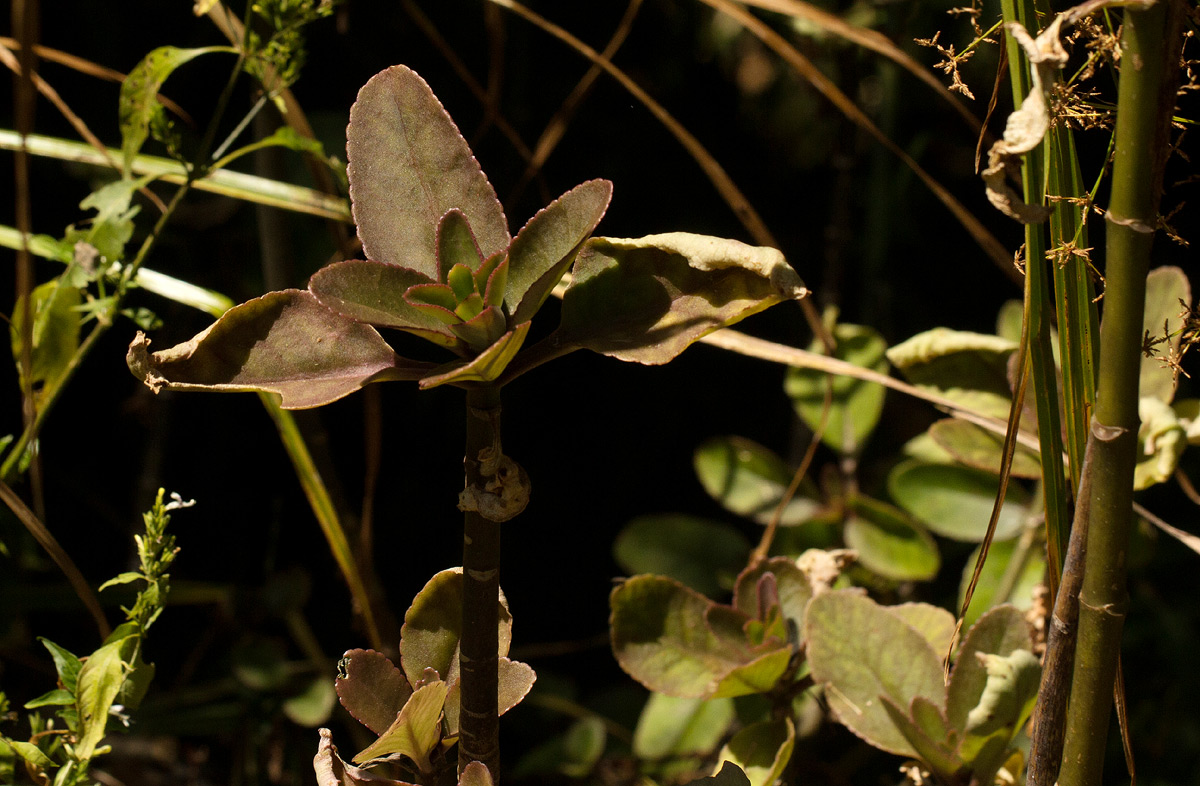
Dog’s Liver (Kalanchoe)
Kalanchoe crenata
A succulent African herb whose warmed, juicy leaves are a classic folk remedy for earache, headaches, inflammation and wounds — but taken internally the genus can affect the heart.
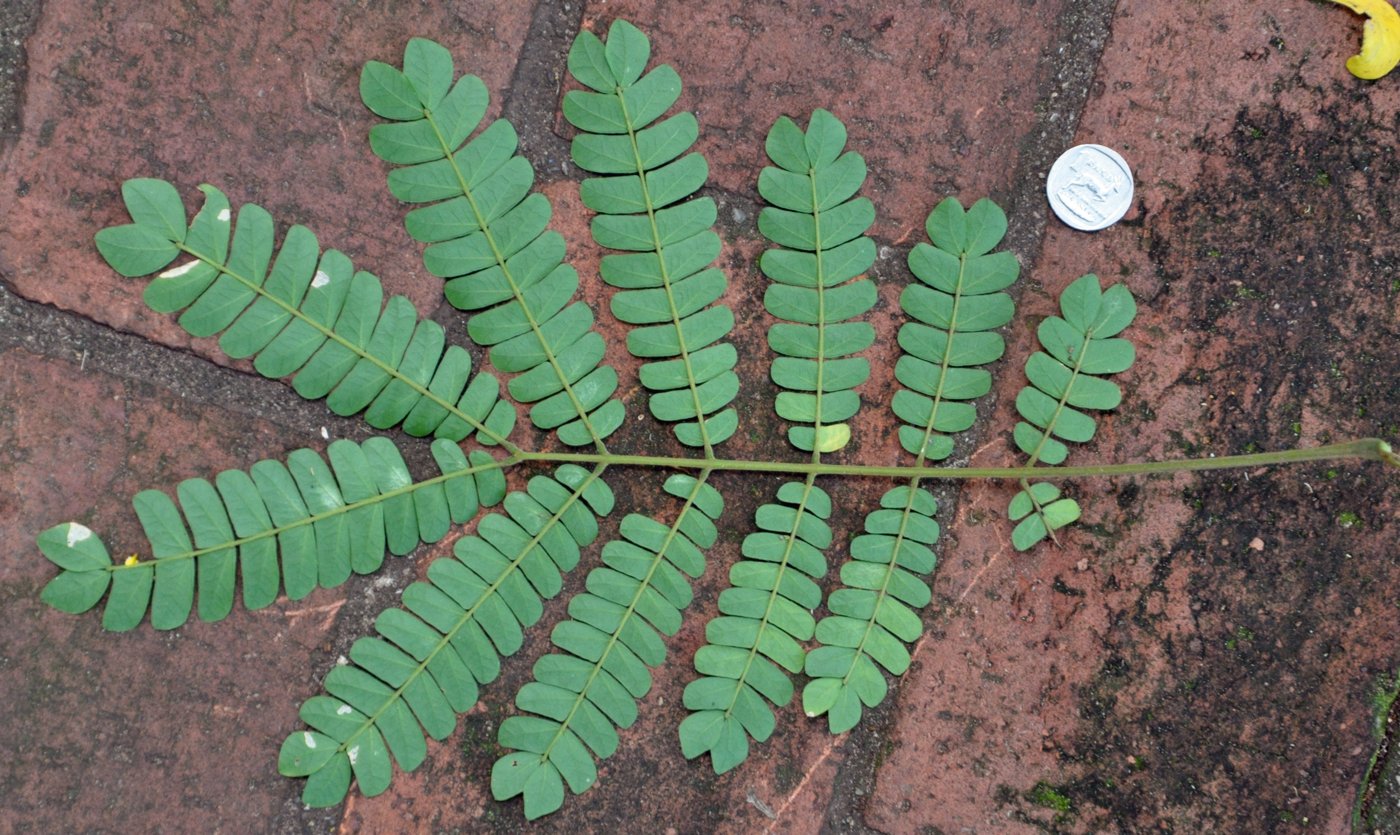
Flat-Crown Albizia
Albizia adianthifolia
A flat-topped African tree whose saponin-rich bark and roots are used for coughs, skin and nervous complaints, but which is an irritant and toxic in excess.
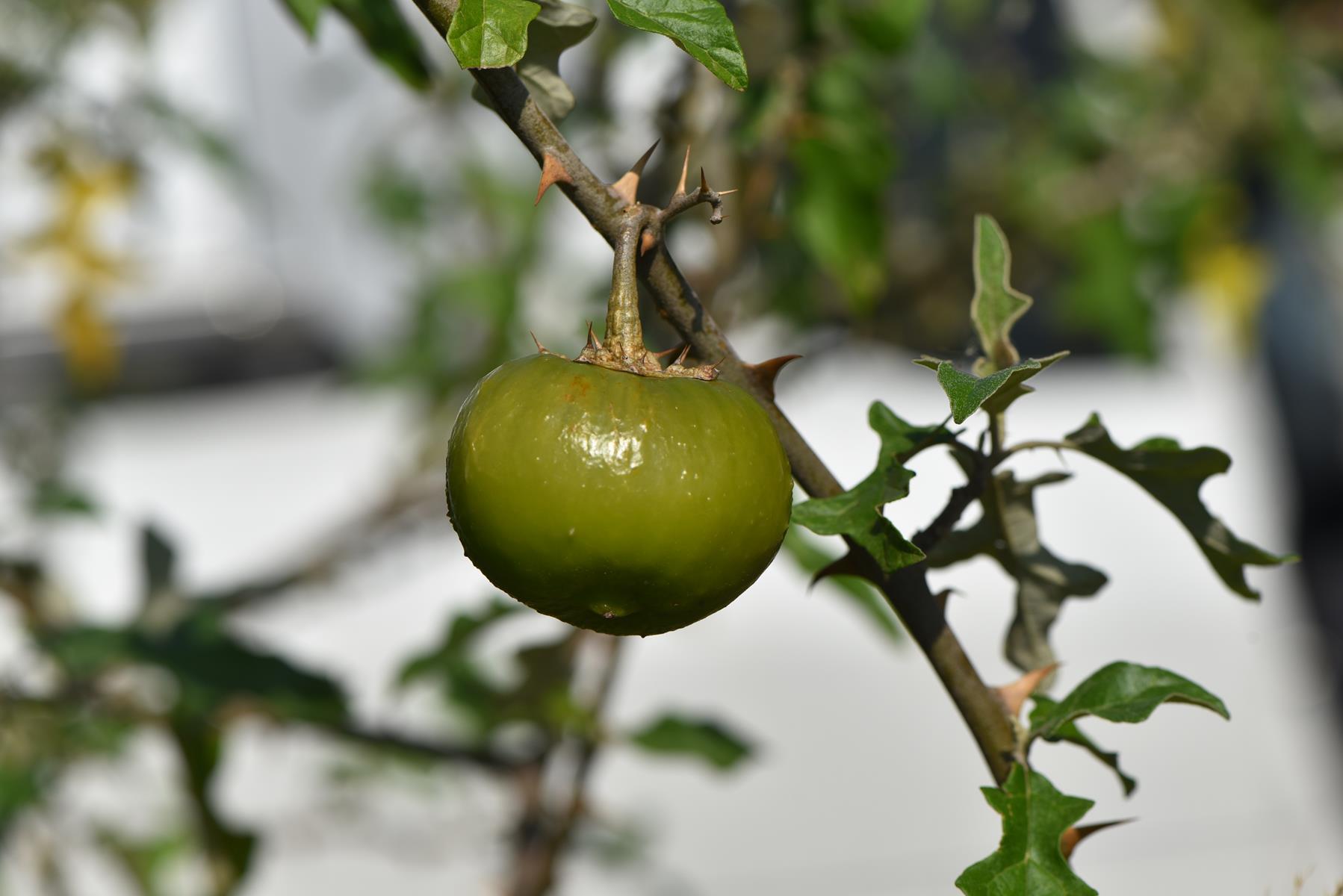
Goat Bitter Apple (Poison Apple)
Solanum aculeastrum
A spiny African nightshade with yellow fruits used topically in traditional medicine, but toxic to eat due to solanine-type glycoalkaloids.
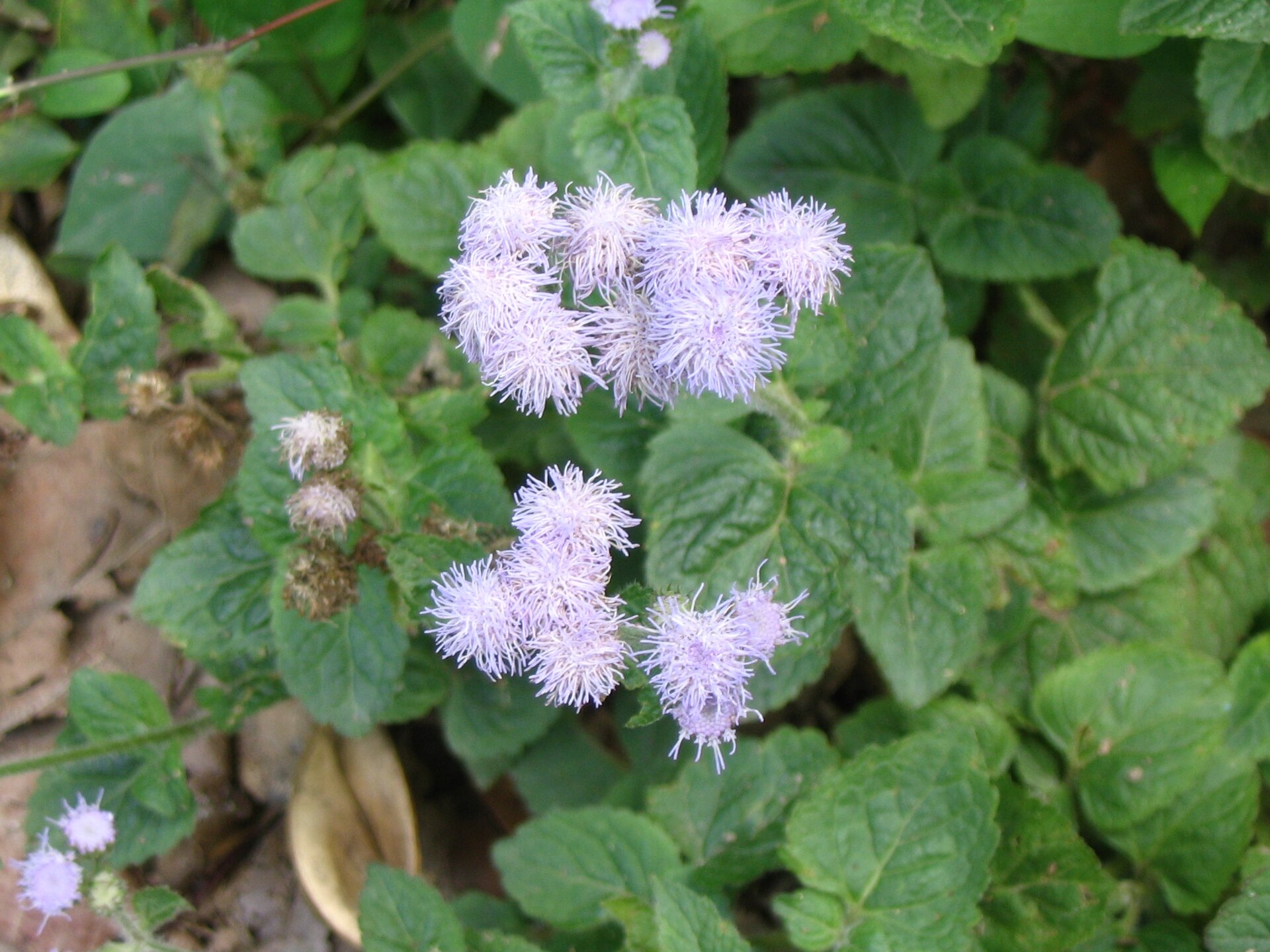
Goat Weed
Ageratum conyzoides
A pan-tropical weed used in West African and Brazilian folk medicine as a wound healer, anti-inflammatory, and analgesic — particularly for burns, ulcers, and arthritic pain.
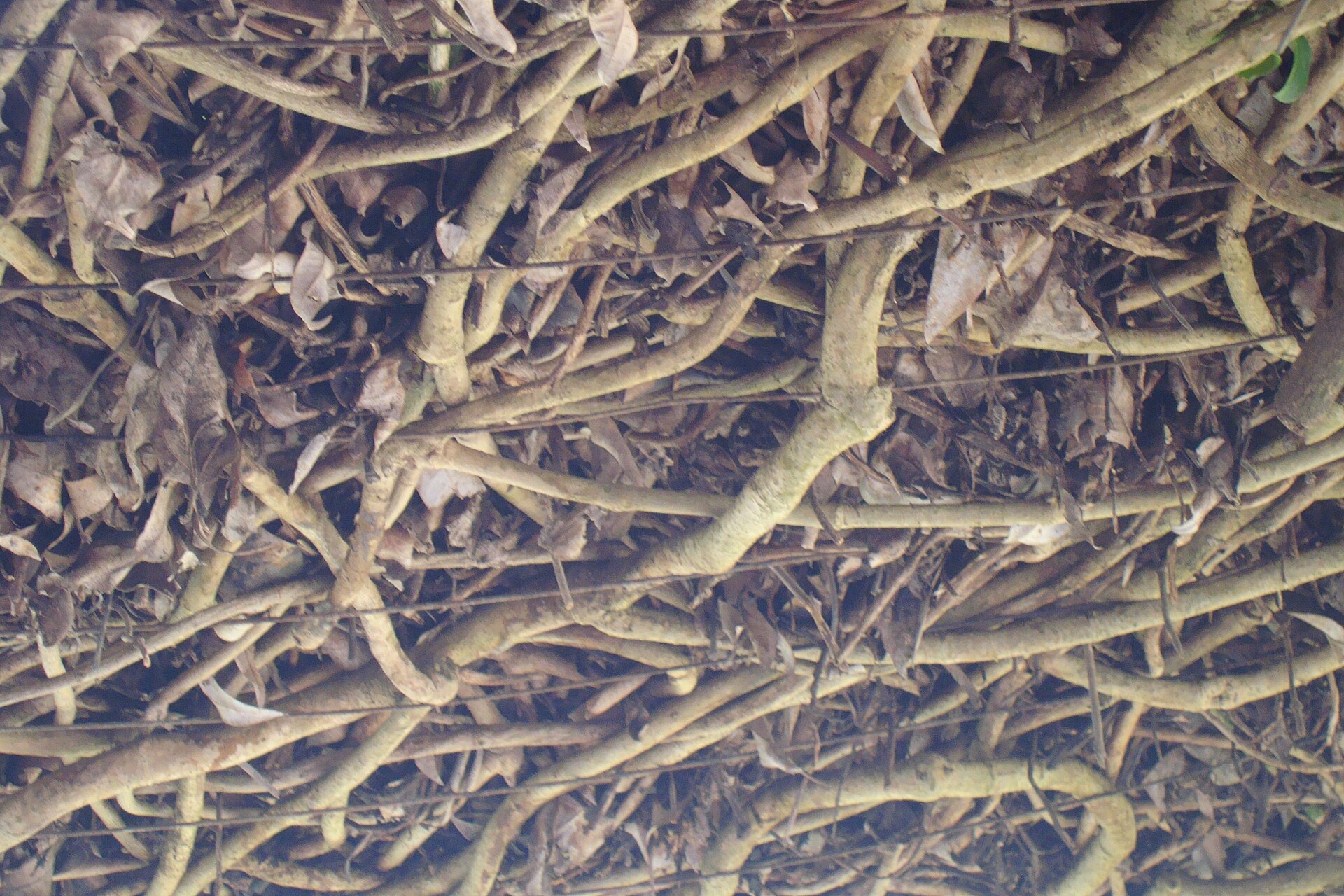
Guaco
Mikania guaco
A Latin American and Caribbean climbing vine used as a bronchodilator for asthma and bronchitis, and traditionally as a snakebite remedy. Registered as a herbal cough medicine in Brazil.
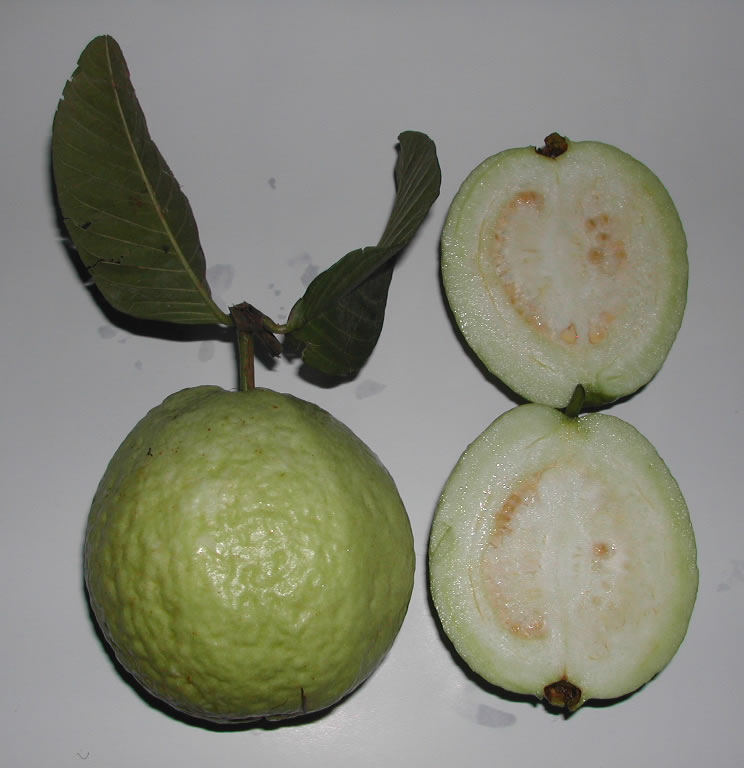
Guava Leaf
Psidium guajava
A pan-tropical medicinal tree whose leaves are one of the most scientifically validated anti-diarrhoeal remedies in traditional medicine, with growing clinical evidence for blood sugar management.
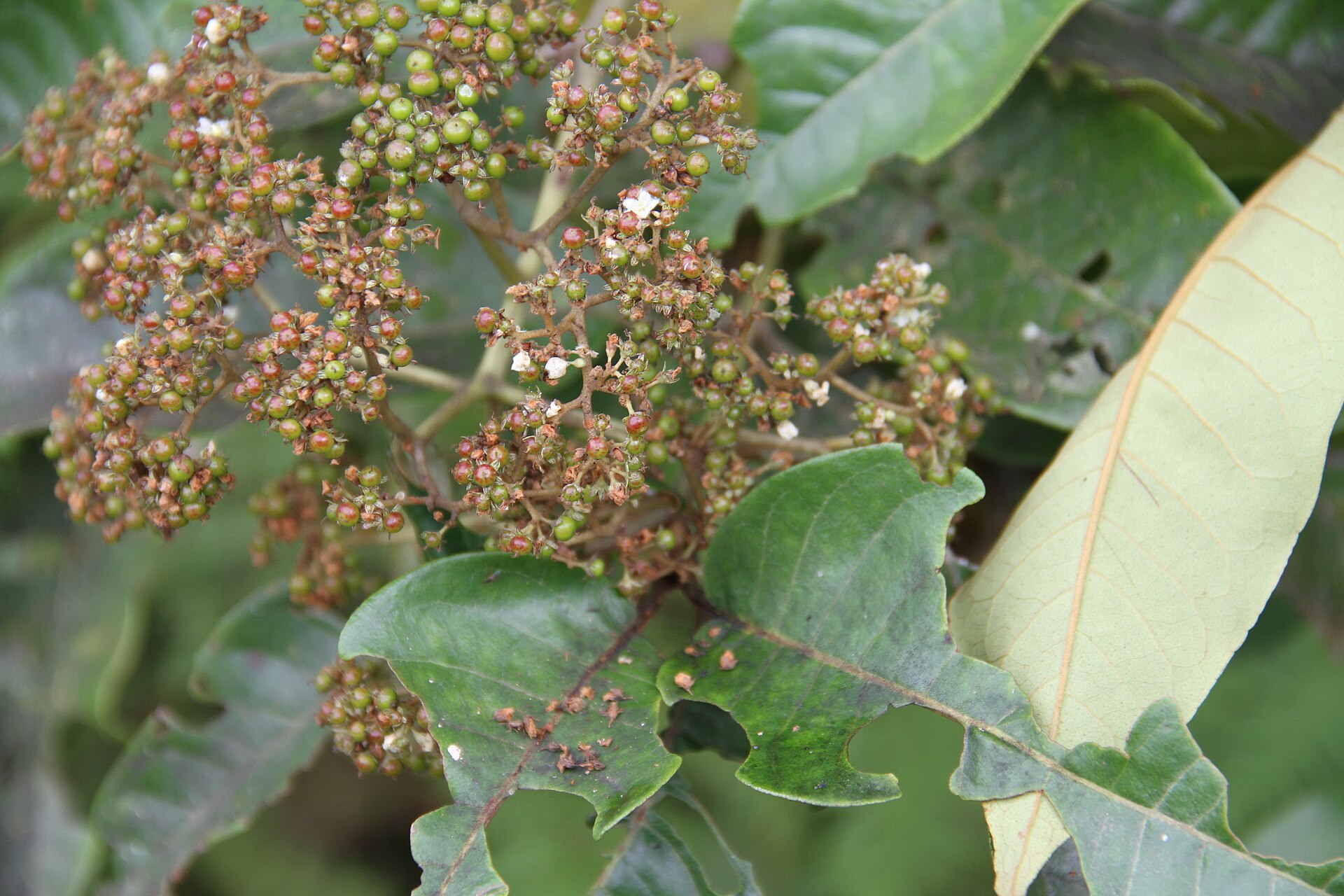
Harungana
Harungana madagascariensis
A pan-African medicinal tree that exudes vivid orange-red latex. Used across the continent for liver disorders, jaundice, dysentery, and skin diseases — one of Africa's most studied hepatoprotective plants.
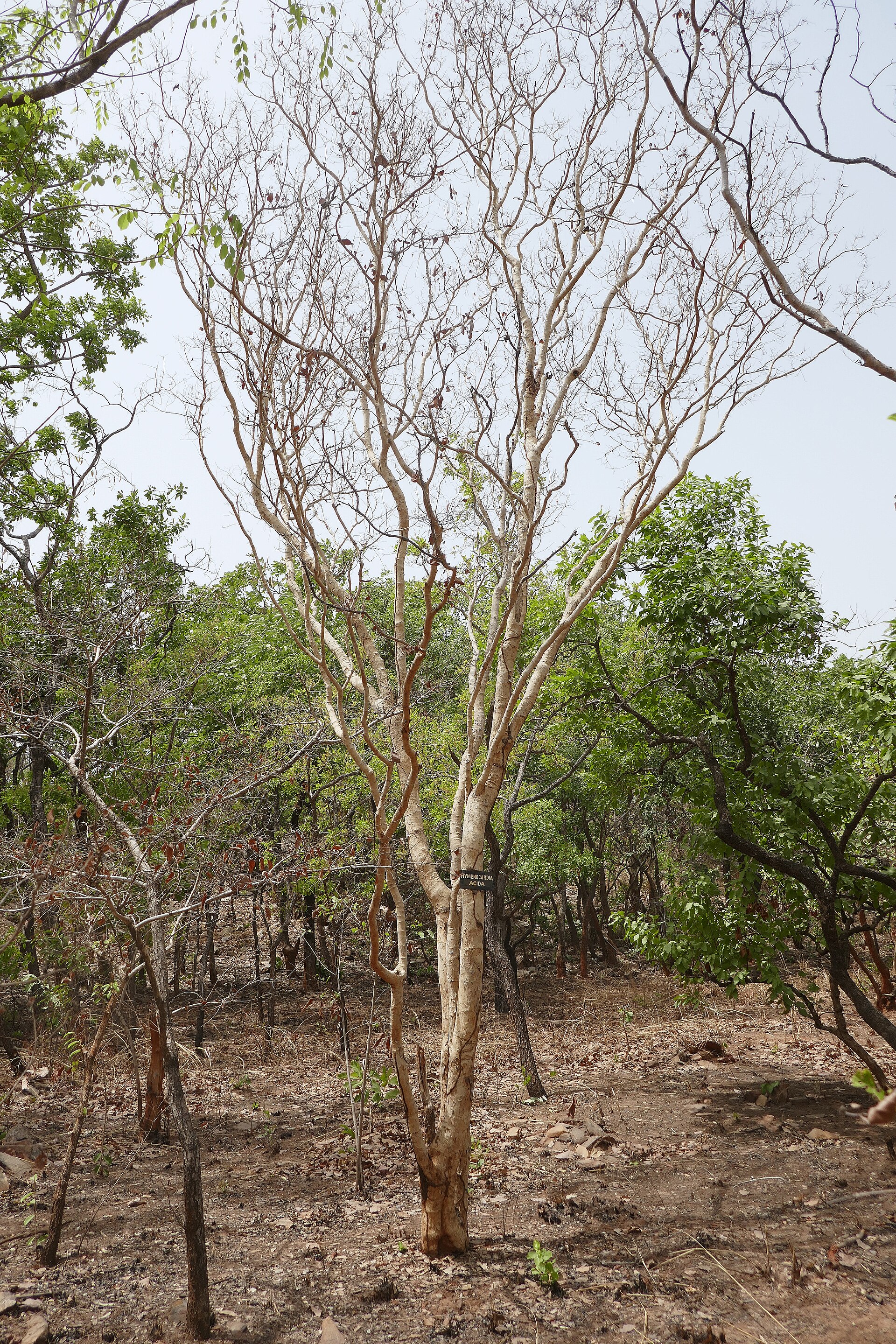
Heart-Fruit
Hymenocardia acida
A small savanna tree whose heart-shaped winged fruits give it its name — the bark and roots are used in West African medicine for malaria, diarrhoea, wound healing, and as an antivenom.
Looking for something else?
Browse the full library